Key Takeaways
- You should schedule plumbing inspections annually for most homes, but consider biannual checks if your property is older or has a complex system to prevent costly issues.
- Schedule a professional plumbing inspection before buying any property and after major storms to uncover concealed issues and protect your investment.
- Be vigilant for immediate warning signs like sluggish drains, reduced water pressure, strange sounds, elevated water bills, or apparent water marks, and address them quickly.
- Consider the specific factors in Sonoma County, such as home age, soil composition, water quality, and climate, to customize an inspection schedule that best protects your system.
- Get ready for detailed inspections from visual and pressure tests to drain scoping and appliance reviews carried out by licensed experts for precise diagnostics.
- DIY minor and obvious stuff, but leave wells, septic systems, and seismic valves to actual plumbers for security, compliance, and longevity.
How frequently should you get a plumbing inspection in Sonoma County? Here, factors such as tree root growth, shifting soil, and seasonal weather can cause stealth leaks or pipe damage. Routine inspections assist you in catching wear long before it leads to significant problems or costly repairs. If your home is more than 20 years old, or you have clay or galvanized pipes, you may require checks more frequently. Newer homes or homes with updated plumbing could manage with annual visits. Renters should request evidence of recent inspections from their landlord. The sections below detail what you should expect from an inspection and how to schedule just the right plan of service for your needs.

Recommended Inspection Frequency
How often you should schedule a regular plumbing inspection in Sonoma County depends on several factors, including the age of your plumbing, the type of property, usage patterns, and environmental risks. Inspection frequency should be customized to reduce risk, facilitate long-term maintenance, and meet industry regulations.
1. Annual Inspections
An annual plumbing inspection is the norm for many homes and small businesses. This timing assists you in sniffing out minor leaks, clogs, or corrosion before they erupt into emergencies. They help you remain compliant with local building codes and insurance requirements. Document everything — findings, fixes, suggestions — at each inspection. This record is useful for monitoring repeated problems or scheduling updates. Be sure to always hire a qualified plumber for these professional inspections — they’re trained to identify early signs of damage and test your system’s pressure, flow, and safety valves.
2. Biannual Inspections
Older properties or high water users, like busy families or small businesses, see the most benefit from twice-yearly inspections. If your system is over 20 years old or has older materials, you should consider bumping the inspection frequency up to two times a year. It’s smart for properties with mature trees adjacent to sewer lines or in flood-prone areas. Seasonal factors impact pipe outages, particularly before winter when temperatures can cause pipes to burst or freeze. With a couple of inspections a year, you’re able to avoid emergencies and adapt to your usage or past plumbing problems.
3. Pre-Purchase Inspections
If you intend to purchase a property, be sure to ask for a thorough plumbing inspection before closing. Only a plumber can find those sneaky leaks, pipe corrosion, or drainage problems that a general home inspection might miss. Read the inspection report closely and use it to ground yourself in the reality of the plumbing system’s condition. If serious problems are identified, you’re free to bargain for repairs or a price reduction before purchase. It shields you from surprise repair bills and confirms the property’s system is up to standard.
4. Post-Event Inspections
Following weather events like intense rain or natural disasters, have a plumbing checkup as early as possible. Flooding and storms can shift pipes, leak, or back up drains. Checking immediately allows you to identify and repair damage at an early stage, minimizing the likelihood of mold or structural issues. Make sure to keep a record of all your findings and repairs for records and insurance. Be sure you engage an experienced post-disaster building inspector so that critical problems get handled fast and completely.
Sonoma County’s Unique Factors
Sonoma County is unique in terms of microclimate, home ages, soil types, and water quality, all of which can impact your plumbing system’s condition. This uniqueness influences the frequency of required inspections, such as a regular plumbing inspection, ensuring proper maintenance and compliance with building codes.
Unique Factor | Relevance to Plumbing Inspection |
Climate | Heavy rainfall, seasonal temperature shifts, and high humidity |
Home Age | Mix of historic, mid-century, and new builds with varying materials |
Soil Composition | Expansive clays, sandy soils, and the risk of erosion or shifting |
Water Quality | Hard water, mineral content, and risk of contamination |
Natural Disasters | Wildfires, earthquakes, and floods impact infrastructure resilience |
Economic Factors | High home values and repair costs underline the need for prevention |
Climate Impact
Sonoma County has very pronounced seasons, with wet winters and warm, dry summers. Downpours put a strain on drainage and sewer systems, particularly near coasts and forests. Old pipes are more likely to burst or leak after prolonged wet weather, so they should be checked often during storm-prone months.
These temperature swings, which are most common near the coast and in the mountains, cause pipe expansion and contraction. They could cause joint failures or cracks in older materials, posing a risk to pre-1980s homes. If you’re in a foggy or moist region, rust and corrosion will accelerate pipe wear.
Checking the historical weather regularly will help you identify times when inspection is critical. You might want to inspect more after wet winters or droughts, which can affect the water source and drain capacity.
Home Age
Older homes, in particular, those constructed before common building code changes, are more likely to utilize antiquated plumbing materials such as galvanized steel or clay. These break down more quickly than contemporary materials and are more prone to leak or clog. Historic homes or those near the county’s numerous vineyards may have one-of-a-kind plumbing setups requiring extra care.
One inspection a year is the absolute minimum for homes over 40 years old. If you’ve just remodeled or replaced major plumbing fixtures, a follow-up inspection can catch installation mistakes or overlooked problems. Newer homes can likely pass with less frequent inspections, but you should always account for the age of your main water line, sewer, and fixtures when determining your schedule.
Soil Composition
Sonoma County’s combination of deep clay and sandy soils results in distinct hazards for homes in varying regions. Clay soil can expand and contract with moisture, placing pressure on buried pipes to shift or crack over time.
For our region’s mountainous or coastal zones, sandy soil and erosion can expose or move pipes, resulting in clogs or ruptures. Regular inspections identify early signs of pipe shifting or sagging drains. If your house is perched above a creek or on a hillside, soil shifts after a torrential rain are serious.
A plumber who is local and familiar with our soil types will know where to look for the most frequent problems and can suggest preventative measures specific to your property.
Water Quality
Well water, municipal systems, and local reservoirs are all a critical part of Sonoma County, so testing water quality is important. Hard water, rich in minerals, can generate scale buildup that diminishes pipe diameter and flow. This buildup can corrode fixtures and appliances, reducing their useful life.
They should inspect for mineral scale in pipes and on valves. If you become aware of shifts in water pressure or flow, it might be an indication of hard water accumulation or other quality concerns. Any discoloration or odd taste is an indication of contamination from either agricultural runoff or dated pipes.
Experts may suggest filters or softeners if your tests detect high mineral content. This enhances water quality and can increase inspection intervals.
Urgent Inspection Warning Signs
Plumbing issues frequently have warning indicators, and being aware of these signs allows you to act swiftly. Overlooking them can result in increased water bills, property damage, and even health hazards. Catching these indicators early and requesting a thorough inspection maintains your plumbing infrastructure in good order and can save you dollars in the long run.
- Slow drains in sinks, tubs, or showers
- Sudden drops in water pressure
- Brown or rusty water
- Odd noises from pipes—banging, gurgling, or whistling
- Water stains on walls or ceilings
- Unexpectedly high water bills
- Leaks from outdoor faucets, especially after winter
- Frozen pipes during cold months
- Septic tanks that have not been inspected or pumped within the past three to five years.
- Homes with mature trees near sewer lines
- Old plumbing systems (over 20 years)
- Monthly self-checks missed or ignored
Low Pressure
A drop in water pressure may appear trivial, but it’s frequently indicative of serious problems. It could signify leaks behind walls, clogs, or corrosion in older plumbing. If you detect a decline around your home, not at a single faucet, this indicates a system-wide issue, not just one fixture.
Inspect around joints and beneath sinks for obvious leaks. Other times, the low pressure is the result of mineral buildup or other debris inside the pipes. If pressure remains low after cleaning aerators or showerheads, have it inspected immediately. Plumbers use pressure gauges and camera tools to identify the root cause and address it, potentially averting larger failures down the line.
Slow Drains
The slow drain is more than an annoyance; it signals impending clogs or buildup inside your pipes. Urgent Inspection Warning Signs. A sluggish kitchen sink may indicate a grease blockage, while sluggish bathroom drains might signify hair or soap scum. If you ignore these signs, it can let the buildup get out of hand and cause backup or even pipe bursts.
Good drain hygiene, such as flushing it with hot water or safe cleaners regularly, keeps things flowing. If more than one drain backs up, it could indicate a larger clog further down the main line. Plumbers can utilize augers or hydro-jetting tools to scrub your pipes clean and keep the system healthy.
Odd Noises
Hearing banging, whistling, or gurgling from your pipes usually indicates trapped air, loose fittings, or water hammer. Sometimes, they indicate leaks or pressure problems in concealed piping. One-off noises are less worrisome, but recurring or loud noises warrant expert care.
Attempt to observe the timing and location of the sounds. Jot them down if you can. It aids your plumber in locating the problem. Check pipes for corrosion or worn parts. Your plumber can stop problems before they cause leaks or water damage.
High Bills
A sudden spike in your water bill is a powerful warning. Typical culprits are concealed leaks, running toilets, or breaks in underground pipes. Even a tiny drip can waste hundreds of liters per month and add up quickly.
If you can’t track the spike to additional use, request an inspection! Leak detection tools help you find water loss hiding behind walls or beneath floors. Addressing these imperatives keeps costs down and conserves water.
Water Stains
Water stains on ceilings or walls are obvious indicators of a leak. New or spreading stains require urgent inspection because leaks can rot wood, grow mold, and weaken your home’s structure.
Scan for stains around bathrooms, kitchens, or laundry rooms. Photograph any new marks for your records. This assists your plumber in locating the origin quickly, decreasing repair time and expenses.
The Inspection Process
A regular plumbing inspection encompasses any water-related plumbing in your structure, ranging from piping and fixtures to major appliances. You want to ensure that your entire plumbing system is up to code, safe, and functioning properly. Periodic inspections, including professional inspections, prevent minor defects from escalating into major, expensive repairs. In Sonoma County, the number of these checks varies with the building’s age, use, and location. Commercial buildings may require quarterly or semiannual inspections, whereas most residences are best served by annual inspections. Older homes, homes near mature trees, or homes in flood-prone locations may require more frequent inspections, particularly if the plumbing is over 20 years old. Each inspection targets both compliance and early detection, minimizing your emergency risk and protecting your investment.
Visual Check
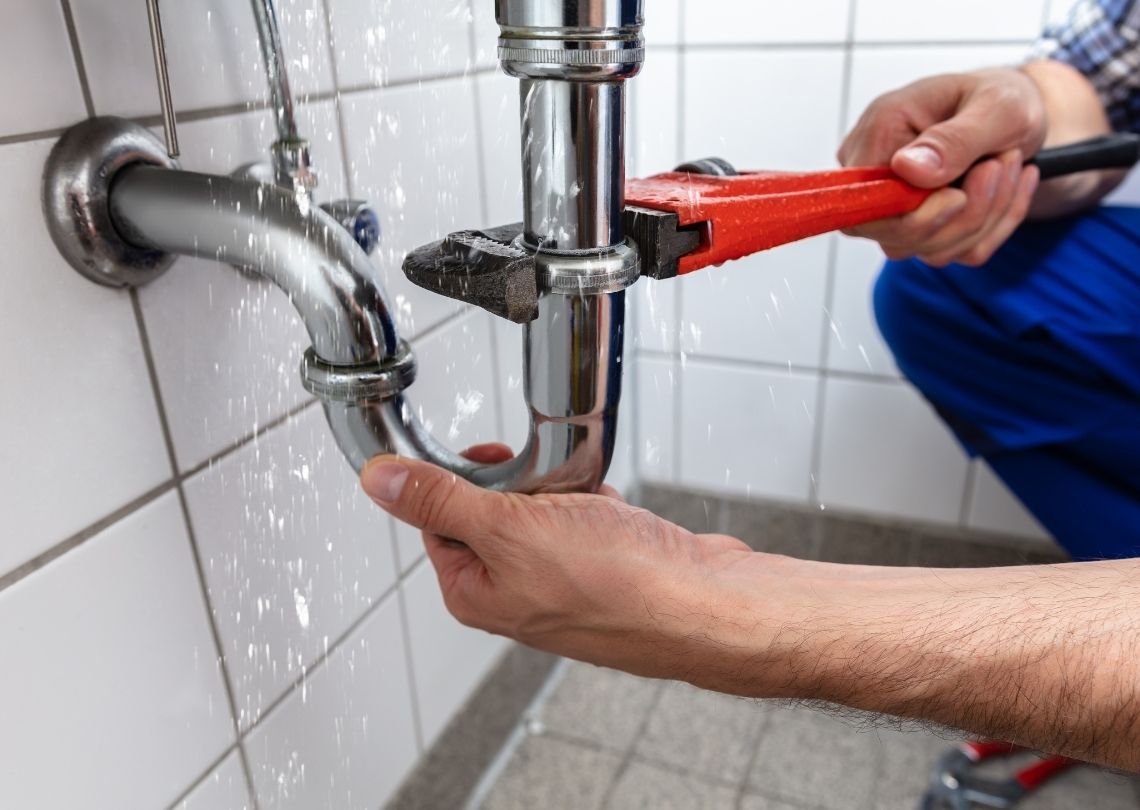
Each inspection begins with a visual examination, which is crucial for a thorough inspection of plumbing infrastructure. This includes examining every exposed pipe, fitting, and connection, such as beneath sinks, around toilets, and behind appliances. Licensed plumbers know what early signs of trouble look like: rust on copper lines, green stains on fittings, or damp spots on walls. They don’t just look at the surface; they crawl through subfloors and access panels. You want these specifics recorded in your inspection needs. A quality pro will note every problem, even minor drips or loose fittings, ensuring you have a trail for future repairs.
If you have an old house or old pipes, this step is key. Minor leaks or beginning rust and corrosion typically manifest well before you see a decrease in pressure or an increase in your water usage bill. Experienced plumbers will spot what most folks overlook, like hairline cracks or stains that indicate concealed leaks. All discoveries should be provided to you, allowing you to schedule repairs before issues escalate.
Pressure Test
Pressure testing is crucial for ensuring your plumbing infrastructure can withstand the appropriate water pressure without leaks. During a regular plumbing inspection, the plumber will isolate portions of your plumbing and fill them with water or air at a fixed pressure. If the gauge falls, it indicates a leak is present. This test can detect potential issues inside walls or beneath slabs, areas that are not easily observable. It’s particularly obligatory for older homes or if you’ve experienced problems with low pressure or clanging pipes.
Conducting pressure tests during annual inspections is wise, especially if you reside in a large building or have an extensive water system. Some professionals utilize advanced tools for a more thorough inspection, ensuring you understand what the numbers signify and not just that a problem exists.
Drain Scope
A drain scope employs a miniature camera to peer down your drain lines. The plumber snakes a flexible cable with a camera attached down the line, displaying live video of the interior of your pipes. This can detect blockages, roots from adjacent trees, or fractures in aged lines. If you live near big trees or have experienced slow drains, this step is crucial.
You don’t require it every time, but for dated systems or homes with a history of issues, it’s worth incorporating into your regimen. Early detection prevents blockages from becoming backups or floods. Our veteran plumbers will walk you through the footage and point out any trouble spots while providing specific guidance for next steps. That way, you’re aware of what’s going on and can budget for fixes.
Appliance Review
Plumbing isn’t just pipes; it’s water heaters, dishwashers, washing machines, and other connected appliances. When they come to inspect, the pro will test each for leaks, rust, and proper installation. This keeps your systems secure and speedy. Defective installs might waste water or violate local safety regulations.
You want to maintain all equipment, particularly in high-user buildings or older machines. An annual inspection ensures everything functions properly and is up to code. Get your plumber’s tips for keeping appliances in tip-top shape, such as flushing water heaters or checking hoses. These mini-inspections translate to less unexpected chaos and more years for your appliance.
Beyond The Basics
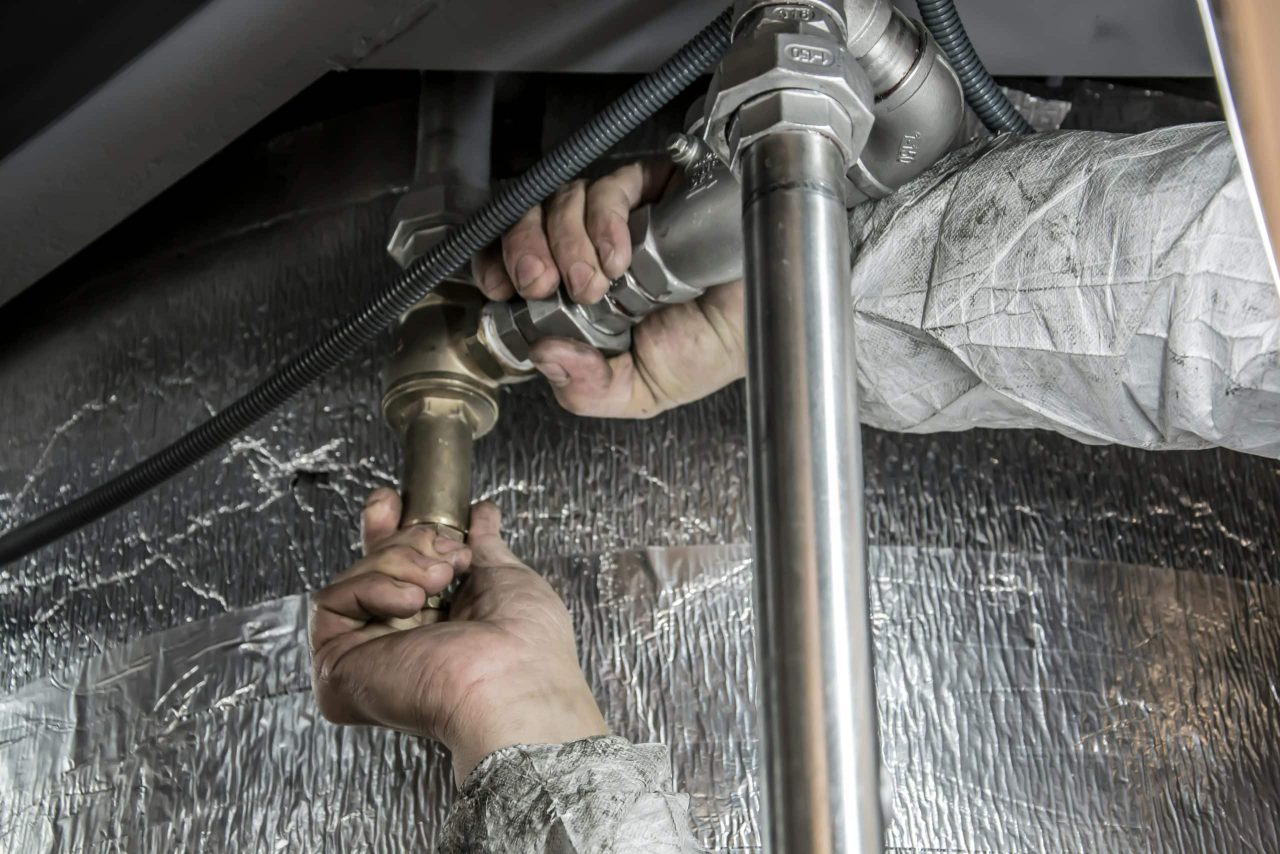
For most, regular plumbing inspections are basic; however, certain systems require advanced care. In Sonoma County and other earthquake-prone areas, these distinctive dangers make it even more crucial to perform thorough inspections to get out in front of potential issues.
- Well systems should be checked regularly to maintain your water safety. Dirt can get in through cracks or old components. Inspections identify these concerns before they become health risks.
- Septic tanks work best when tracked and serviced. Neglect can cause leaks, expensive repairs, and even regulatory fines.
- Seismic valves are critical in earthquake-prone regions. They automatically shut off gas flow when they detect a pipe break, shielding you from leaks or fires.
Well Systems
More than just a water source, a well system is a lifeline for many homes. Routine tests ensure your water is pure and safe by detecting issues such as rusting pipes, degraded seals, or sediment buildup. Regular plumbing inspections, ideally once a year, should be enough, but local conditions may require more frequent testing. This includes testing for bacteria, nitrates, and other contaminants. If you hire a professional inspection service, ensure they are well-versed in well systems and sampling best practices. Track what was discovered and any recommendations, as it helps identify trends and justifies future repairs. Other locals have found that straightforward communication with service professionals leads to quicker, more precise repairs and prevents minor malfunctions from escalating into major hassles.
Septic Tanks
Feature | Maintenance Need | Inspection Frequency |
Tank Level | Pump when solids reach 30% volume | Every 2-3 years |
Baffles | Check for cracks or blockages | Annually |
Drain field | Confirm proper flow and no pooling | Annually |
Effluent filter | Clean or replace as needed | Annually |
Owners need to keep an eye on tank levels and system operation to prevent backups or leaks. If you notice sluggish drains or smells, respond promptly, as these are red flags. Nothing beats having a licensed professional inspector come in for a thorough inspection to ensure the system stays compliant and efficient. They will inspect everything, from inlet pipes to the drain field. Make sure that you document results for inspection purposes, which helps catch problems early and aligns nicely with other home maintenance, simplifying life.
Seismic Valves
Seismic valves require regular inspections to function during an earthquake. These valves shut down gas flow in the event of an earthquake, reducing fire or leak hazards. In earthquake-prone areas like Sonoma County, this isn’t optional. It’s essential to have a professional inspection experienced in seismic systems check for corrosion, blockages, and proper valve operation. Ensure that each inspection is documented, and have records readily available. I like to group inspections with other seasonal checks we do, like HVAC or plumbing, which many homeowners find handy. Basic practices such as these can translate to quicker reaction and reduced danger when it’s most critical.
DIY Checks VS. Professional Help
To keep your plumbing safe and functional, you need both DIY checks and professional assistance. They’re not the same. Both are good for different needs, and understanding when you should use each can save you from big repairs and costs down the road.
Begin with easy checks you can do yourself. Go room to room, check for leaks under sinks, listen for weird noises in the pipes, and see if water drains slowly or not at all. Try your taps and flush toilets to identify feeble flow or discoloration. These measures allow you to detect minor problems at an early stage. For instance, a slow drip under the kitchen sink or a toilet that runs long after being flushed may seem trivial, but if ignored, these issues can waste a ton of water or create mold. If you live in an older home, be sure to do this more frequently as pipes and fixtures erode at a quicker pace. DIY checks are a great way to get familiar with what’s normal in your home so you spot changes immediately.
These quick checks can only take you so far. While you can see a leak or hear a noisy pipe, you don’t know if there’s a bigger problem behind the wall or under the floor. Certain issues, such as concealed pipe rust, minor fissures, or substandard water pressure due to clogged leaks, require special equipment and expertise to detect. DIY checks miss these, and unchecked small problems turn into big, expensive repairs later. For instance, you may not notice low water pressure caused by a leak underground or indications of root growth in external pipes. Simple checks are useful, but they can’t compare to a comprehensive inspection by an expert plumber.
That’s when you need a professional. When you get a licensed plumber out for a check-up, they run industry-grade equipment and expertise. They consider the entire system, not just the exposed portions. This includes inspecting water heaters, valves, main lines, and even waste pipes. They can use cameras to peer down pipes and measure water pressure with precision to locate leaks you never knew existed. For older homes or if you’ve had plumbing issues in the past, having a professional check the system once a year or even more often is wise. See rust in water, weird smells, or water bills that shoot up? Pros give you peace of mind, help you catch trouble early, and keep your home safe and dry.
A combination of do-it-yourself checks and expert assistance is the key to maintaining your plumbing’s functionality. You catch the little things, and you have the pro check out the rest. This balance saves you money, reduces stress, and keeps your home in tip-top shape!
Conclusion
Keeping a finger on the pulse of your plumbing keeps your home protected and your expenses minimal. Pipes in Sonoma County experience all sorts of weather swings and soil shifts, so annual inspections tend to do the trick for most. If you live in an older home or detect drips, schedule a professional earlier. A routine saves you from expensive fixes and reduces water waste. You have peace of mind and save money in the long run. Experienced local techs know what to look for, from rust to root damage. Basic in-house checks are helpful, but a professional eye catches more. For pipes that are strong and under less stress, contact a licensed plumber. Be inquisitive! Your home will appreciate it.
Frequently Asked Questions
1. How Often Should You Schedule A Plumbing Inspection In Sonoma County?
You should schedule a regular plumbing inspection at least once a year. These frequent checks not only catch potential issues early but also ensure your plumbing infrastructure is running as smoothly as possible.
2. What Makes Plumbing Inspections Important In Sonoma County?
Unique soil and climate conditions in Sonoma County. Periodic checks keep you ahead of leaks and water damage that are typical in these parts.
3. What Are Urgent Warning Signs That I Need A Plumbing Inspection?
If you experience low water pressure, odd sounds, wet patches, or unexpected jumps in water bills, book a professional inspection immediately.
4. What Does A Professional Plumbing Inspection Include?
A professional inspection of pipes, fixtures, water heaters, and drains includes regular plumbing inspections to identify leaks, corrosion, and wear and tear, ensuring your plumbing remains in peak condition.
5. Can I Do Plumbing Checks Myself, Or Should I Hire A Professional?
You can do simple checks, such as searching for leaks or sluggish drains, but a professional inspection uncovers lurking dangers and keeps your plumbing infrastructure secure and optimized.
6. Are Plumbing Inspections Required When Buying A Home In Sonoma County?
Yes, you want a regular plumbing inspection before you buy a home. This thorough inspection saves you from expensive surprises and ensures the plumbing meets local building code standards.
7. What Are The Benefits Of Regular Plumbing Inspections?
They help you save money, avoid emergencies, and prolong the life of your plumbing system. They guard your home and your sanity.
Plumbing Inspections In Santa Rosa — Thorough, Reliable, And Trusted Experts
Regular plumbing inspections keep your home safe, efficient, and free from costly surprises. Whether you’re maintaining an older property, buying a new home, or preparing for winter, Yorkshire Plumbing provides detailed plumbing inspections throughout Santa Rosa.
Our licensed plumbers carefully evaluate every part of your system, from hidden leaks and aging pipes to water pressure and drain performance. Using advanced diagnostic tools and proven methods, we identify potential issues early so you can prevent emergencies and plan repairs before they become expensive problems.
With nearly a decade of experience serving Sonoma County, our family-owned team has earned a reputation for honesty, precision, and long-term results. We don’t just inspect your plumbing, we help you understand the condition of your system and what to do next.
Whether you need a routine inspection or a full plumbing assessment before buying a home, Yorkshire Plumbing is your trusted choice in Santa Rosa. Contact us today to schedule your inspection and keep your home’s plumbing in top shape.
Disclaimer
The information provided on this website is for general informational and educational purposes only and is not intended as professional plumbing or construction advice. You should consult with a licensed plumber or qualified contractor for guidance specific to your home or situation. Do not rely solely on the content of this site to make decisions about plumbing repairs, installations, or maintenance. While we strive to keep the information current and accurate, it may not reflect the most recent industry standards or code requirements. Yorkshire Plumbing & Drain Services disclaims all liability for any actions taken or not taken based on the content of this site, to the fullest extent permitted by law.