Key Takeaways
- Professional inspections on a routine basis help you discover hidden leaks and aging pipes before they lead to expensive water damage.
- By knowing the warning signs of pipe deterioration, like low water pressure or discolored water, you can take action before major issues arise and maintain your plumbing system’s integrity.
- While visual inspections are the easiest to conduct, advanced inspection methods such as acoustic detectors and camera inspections offer a more accurate method of leak detection.
- Regular checkups of pipe composition and detection of corrosion or scaling are key to prolonging your plumbing.
- Proactive maintenance, like addressing structural stress points and monitoring water pressure, prevents future leaks and supports long-term system reliability.
- By detecting and addressing plumbing problems early, you can reduce water waste, decrease your water bills, and protect the value of your home.
Hidden leaks and aging pipes are usually what inspections tend to reveal as the biggest danger to your water system. You may catch tiny drops beneath a joint or discover rust on aging fixtures that foreshadow far larger problems. Pipes and plumbing systems lose strength and begin to break as they age, creating opportunities for water loss, mold, or damage to your home or building. They use equipment such as moisture meters or cameras to inspect for cracks and weak spots that you cannot see from the exterior. By detecting leaks before they become obvious and revealing where your pipes grow frail, inspections save you money by helping you schedule repairs to reduce costs. The following sections of this post discuss the actions, equipment, and indicators you need to be aware of to protect your system.
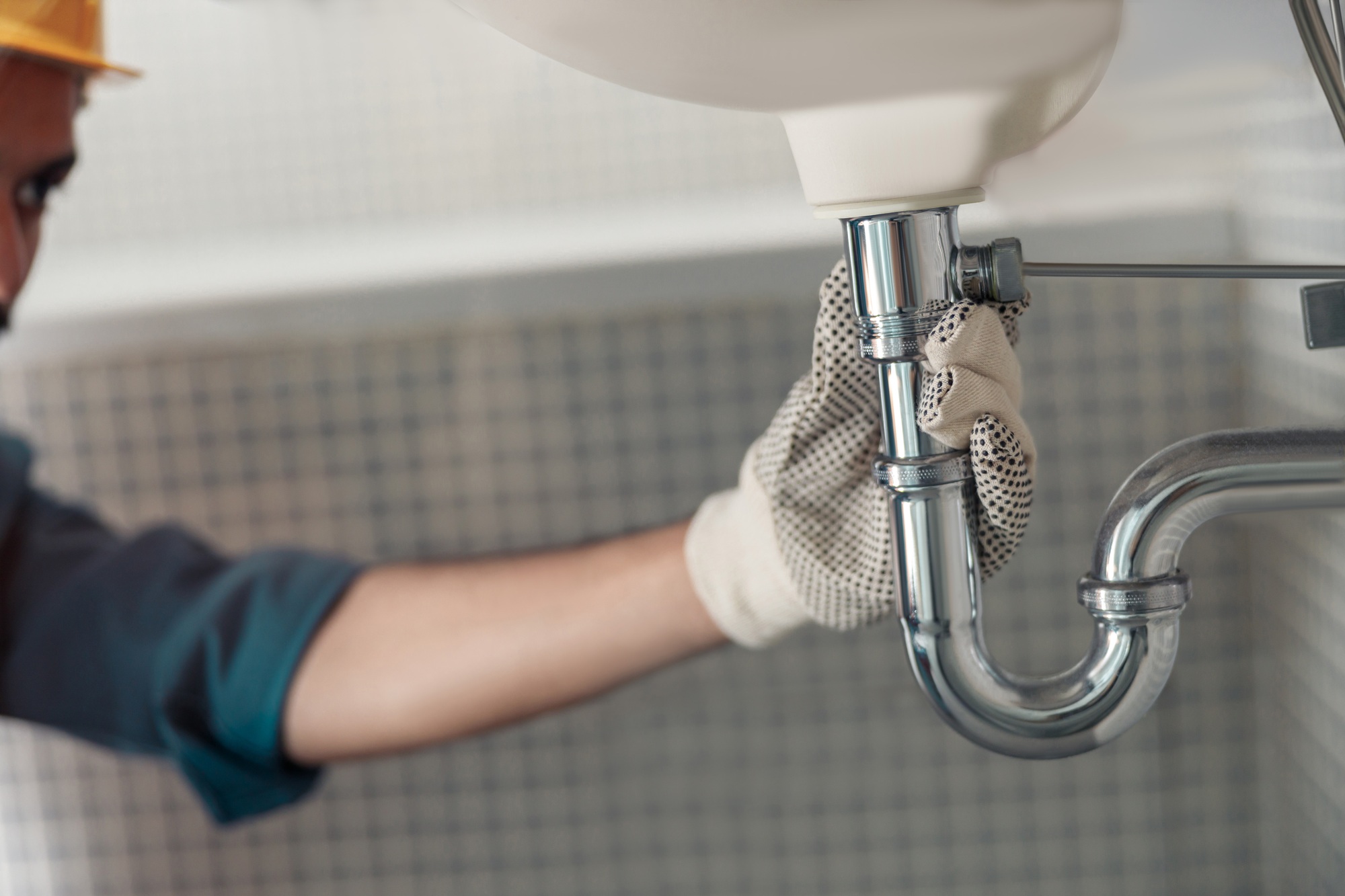
The Silent Sabotage Of Aging Pipes
They go bad in ways you might not immediately spot. Hidden plumbing leaks deteriorate quietly, deep in your walls or beneath floors, and this gradual transformation can disrupt your water consumption and cost you a fortune if plumbing issues persist. As your pipes age, they silently leak underground in places you’ll never notice, wrecking your home’s sewer lines and compromising your ability to safely cook, bathe, or even drink water. If a pipe leaks beneath your floor or behind a wall, you may not be aware of it until you observe water stains, mold, or receive an exorbitantly high water bill. Even a tiny slow drip from an aging pipe or loose connection can waste gallons of water each month, and those concealed drips can send your bills soaring without warning.
Corrosion is a leading cause of pipe failure, especially in older plumbing infrastructure. Metal pipes, such as steel or copper, rust from the inside as water courses through them year after year. Rust slowly consumes the metal, thinning it and making it brittle so water can easily force its way through and leak. Other pipes, such as older plastics, degrade after years of use or if they are bathed in sunlight or specific chemicals. External forces, such as ground shifts and tree roots or even fluctuations in water pressure, can pummel pipes hard as well. If pipes have been underground for decades, even slight shifts in the earth or weather can let weak spots surface quickly, leading to potential leaks that could cause extensive water damage.
You may identify hidden issues with your pipes if your water pressure mysteriously decreases. A sudden plunge in water pressure indicates that the water could be leaking out before it reaches your tap. Brown, yellow, or cloudy-looking water is an indicator that aging pipes are deteriorating internally, signifying rust or other materials from inside the pipe contaminating your water. If you hear banging, clanking, or whistling when you use water, it means pipes are loose, blocked, or have air trapped in them from leaks or breaks. Even a change in how your water tastes or smells can indicate issues with aging pipes that require professional leak detection services.
Inspections can assist you in maintaining your pipes and preventing minor leaks from becoming major, expensive issues. A good plumber has access to specialty tools like plumbing cameras that snake inside your pipes, revealing their condition without ripping up walls or floors. These video inspections are excellent at locating hidden leaks, blockages, or weak areas, allowing you to repair only the damaged section instead of replacing the entire system. Most homes do well with a complete once-over from a plumber once a year or every other year. These annual plumbing inspections keep you ahead of issues and save homeowners money and stress over time.
What Professional Inspections Uncover
Plumbing inspections are more than a glance; they employ a combination of hands-on inspections and advanced leak detection tools to identify hidden plumbing leaks, vulnerable pipes, and other hazards before they escalate into major, expensive plumbing issues. You receive a transparent, insightful snapshot of your system’s health and potential leaks that might fail next.
- Visual inspections (checking for visible damage, stains, or corrosion)
- Pressure testing measures water pressure to identify leaks and weak points.
- Moisture detection (using moisture meters to find hidden dampness)
- Camera inspections involve sending a camera inside the pipes to look for cracks, blockages, and root invasion.
- Gas leak detection is a sensor that detects hazardous gas leaks.
- Fixture checks involve testing toilets, sinks, and taps for leaks or poor installation.
1. Pipe Material Integrity
They examine the material and condition of your pipes, including copper, PVC, and galvanized steel, as all materials age differently and have their own special hazards. For instance, copper can pit and develop pinholes, while PVC can crack due to UV exposure or shifting ground, and galvanized steel may corrode from the inside out. Soil acidity, heat, and even constant freezing and thawing can lead to hidden plumbing leaks over the years. Regular check-ups, such as professional leak detection services, are essential to catch these changes early. By monitoring how your pipes perform over time, you can schedule repairs before plumbing issues arise, maintaining the integrity of the entire plumbing system.
2. Corrosion And Scaling
Corrosion devours pipes from within, while scaling accumulates and strangles water circulation, leading to frequent plumbing issues. Both issues reduce the pipe’s diameter and increase the potential for hidden plumbing leaks. Mineral-rich or very acidic water accelerates this damage, especially in a ‘hard’ water area where your pipes can fill with scale more quickly, resulting in clogs and bursts. Professional leak detection services can identify red flags, such as small rust, green algae, or chalking, signaling it’s time to address potential leaks before they escalate.
3. Pressure Irregularities
Water pressure that’s too high or too low often indicates hidden plumbing leaks or other concealed plumbing issues. A professional inspection can reveal what a pressure test can expose, whether a leak is draining power from your system or a clogged portion is causing excess strain. Unexpected pressure surges can strain joints and bends, leading to potential plumbing failures. Inspectors will use gauges to measure pressure at various delivery points, ensuring your home receives consistent, balanced flow. Professional inspections uncover what you can’t see.
4. Structural Stress Points
Professional inspections reveal that the majority of plumbing issues originate at pipe joints, bends, or where they penetrate through walls. These are natural stress points, frequently amplified by moving soil or weight overhead. Professional leak detection may show cracks, bulges, or hidden plumbing leaks in broken or sagging pipes. Inspections concentrate on these danger zones; if you repair worn joints ahead of time or shore up pipes in vulnerable spots, you reduce the chance of substantial plumbing failures down the road.
5. Hidden Moisture Trails
Concealed leaks, often referred to as hidden plumbing leaks, typically leave subtle trails, such as moisture staining behind walls, beneath floors, or around toilet flanges and valves. Professional leak detection services can help find these spots, even when you can’t see water. Mold or water stains on walls and ceilings are usually indicators of slow leaks. Inspectors document these observations, so you receive a clear repair plan. That’s a step professionals take to ensure you repair the actual moisture source, not just the apparent damage.
Advanced Leak Detection Technologies
Confronted with concealed leaks and aging piping, you need solutions that are quick and cost-effective. Today’s professional leak detection employs instruments that do more than speculate where water is escaping. Advanced leak detection technologies, such as acoustic sensors and thermal imaging, allow you to identify hidden plumbing leaks behind walls or beneath flooring before they lead to serious damage. These tools work great in homes, but their real worth shines in old buildings and large campuses, where pipes run for miles and leaks stay hidden for months.
Among them, acoustic leak detection again proved to be one of the most reliable methods for identifying hidden water leaks. This device employs microphones that are custom-tuned to grab the subtle noise of water flowing through fissures. When water leaks, it hisses or rumbles. The sound varies depending on the size of the leak. The microphones detect this, and the detector displays the location on a precise readout. If you run a hectic office or oversee an aging apartment building, you can use it to scan pipes beneath concrete or within walls. You don’t have to tear up floors or walls to locate the issue, which saves you both time and money. Leaking? We can typically smell it within hours.
Thermal imaging cameras allow you to see the heat loss that leaks create. When water leaks, it alters the temperature of its surroundings. The camera displays this as a bright or dark spot, depending on the temperature of the leak. This approach is handy when pipes are concealed deep or you have a big area to scan. For example, if a pipe behind a wall in a school or hospital starts to leak, the camera can indicate exactly where, so you pull open the wall only where necessary. This reduces the mess and expense of fixing plumbing issues.
Electronic leak detectors are an excellent option. These all employ sensors that detect variations in moisture, pressure, and even water flow. Certain smart water meters, for instance, monitor consumption and provide notifications if they detect an unexpected spike. This aids in preventing leaks prior to them becoming floods. You can buy these meters for residences as well as commercial structures. They integrate nicely with smart home management platforms, allowing you to monitor water usage right from your smartphone or computer.
Video inspections are now standard for inspecting the interior of pipes. A camera is sent through the pipe, displaying live video of the interior. Through this, you can visualize cracks, roots, rust, or sediment that could obstruct water or cause leaks. This is handy if your building is old and you want to strategically schedule repairs. It assists in locating concealed issues, such as a minor leak behind a bathroom wall or within a garden pipe buried underground.
These services cost anywhere from $100 to $400, depending on the difficulty and the tools to locate the leak. The cost may appear steep, but the savings from preventing water loss and avoiding catastrophic repairs usually compensate for it. With such tools, you assist in water conservation and controlling your bills, both of which are good for your wallet and the environment.
Why Visual Checks Are Not Enough
While visual checks may appear to be an expedient way to detect plumbing issues, they do not account for hidden plumbing leaks and aging pipes. Most plumbing is behind walls, under floors, or even underground. When you check out what you can see, you overlook a lot of what really counts. Pipes tucked out of view behind walls or under your lawn could be leaking for months before you notice. By then, the hidden water leak might waste hundreds of liters, cause mold, or even weaken building supports. Visual checks simply cannot access those places that are hard to get to, and most leaks do not leave obvious traces until the damage has already occurred.
By using only your eyes, you skip other warning signs. Aging clay or cast iron pipes can rust internally. These could appear to be alright externally. Internally, rust corrodes the pipe and can create cracks or fractures. You won’t spot these issues until there’s water on the floor or a wall is damp to the touch. Even pipes under sinks or behind washing machines can dribble away quietly for ages. You may not notice a small leak, but over time, that drip translates into massive water waste and higher bills. Cracks from corrosion begin small, but a small crack can leak enough to ruin wood, paint, or even wiring.
Older plumbing—anything over twenty years—carries additional risk. It’s tempting to assume that if pipes held up well for decades, they’re still OK. Old pipes disintegrate internally, and visual inspections won’t catch most issues at an early stage. Pipes tend to break at joints and bends where the water wears them down. If you just gaze at what’s apparent, these soft points slide under your radar. Plumbing failures in older systems are more frequent, and the longer they’re left undetected, the more destruction they cause, not only in lost water but in repair costs and wasted resources.
Real, thorough inspections don’t rely on just your eyes. Devices such as professional leak detection tools can capture noise emanating from water leaking underneath the ground. Infrared cameras reveal temperature shifts, which indicate hidden internal wall damp patches. They assist you in detecting leaks beneath concrete or soil before damaging your flooring or garden. Sophisticated techniques don’t simply detect leaks; they indicate where materials are deteriorating or where water pressure is excessive for the pipe’s vintage. That way, you know what to fix before a trickle becomes a flood.
Routine inspections by expert plumbers are the safest way to protect your plumbing infrastructure. That’s because these pros use visual checks and state-of-the-art tools to detect trouble you’d never catch on your own. They know how to read the signs, like minor fluctuations in water pressure or strange noises in pipes, that signify larger issues are on the way. With an inspection in the books, you stay ahead of drips, save on repair costs, safeguard your home or office, and reduce water waste.

The Financial Case For Early Detection
There’s a genuine economic benefit to leak detection and maintenance. When you consider the expenses associated with unseen leaks and aging pipes, they make a compelling financial case for regular inspections and prompt repairs.
- You steer clear of scary repair bills. If you catch leaks early, you prevent water from damaging your floors, walls, and home’s infrastructure. When leaks fly under the radar, the invoices pile on quickly. Take, for instance, the average water insurance claim is in excess of $10,000. If mold does begin to grow, you could pay $2,000 to $6,000 just for remediation and even more if you need to repair areas of your home. Certain threshold repairs for significant leak damage can even run $30,000 and up. If you act fast, you save yourself from these massive expenses.
- You curb your water bills. Leaks, even minor ones, squander a great deal of water and money. Just one faucet drip can waste 11,350 liters (3,000 gallons) of water a year. This type of waste causes your water bill to increase, sometimes without you even being aware of the reason. Most homeowners experience a significant increase in costs and can’t identify the cause until an inspection reveals a hidden leak. By detecting leaks early, you maintain monthly bills consistently and low.
- You defend your home’s investment. Water damage can reduce the value of your home. If leaks remain undetected, they can lead to rot, mold, and damage that decreases your property’s marketability, which can hurt you if you’re going to sell or rent out your home. Early detection maintains your home in good condition, so its market value remains solid.
- You use your money more intelligently. It’s cheaper to pay for inspections and minor repairs than for bigger ones later on. Leak detection services may feel like an add-on expense, but they save you money in the long run. The cost of an annual maintenance appointment is insignificant compared to paying thousands for restoration, remediation, or diminished asset value. Periodic checks catch problems before they become actual threats.
- You reduce stress and save time. Catching leaks early means avoiding expensive repairs, insurance claims, and weeks of your home being unusable. Less time fighting the harm leads to more time enjoying peace of mind that your home is protected.
Investing in leak detection and routine checks is a smart move that saves you money, protects your home, and prevents headaches. Wait too long, and the risks and bills increase. Early action puts you in the driver’s seat of your home and your money.
From Inspection To Action Plan
About: Inspection to plan of attack. A close inspection of your plumbing system is the initial step towards identifying the actual state of pipes and joints concealed behind walls and floors. Inspections do more than simply identify what’s amiss; they provide you with a definitive guide of what requires repair and how to maintain your system’s health. You no longer just learn where hidden plumbing leaks are; you see why they happen and what risks they bring. A quality inspection, performed with care and modern technology such as acoustic sensors or thermal cameras, can often reveal issues that would remain hidden otherwise. They assist in detecting hidden water leaks in inaccessible areas, enabling you to address them before they lead to significant damage or unnecessary expenses. For instance, signs as straightforward as an unexpected spike in your water bill, discolored areas on ceilings or floors, or the low hum of running water when all taps are closed all indicate plumbing issues you might otherwise overlook through an inspection.
Once you receive your inspection results, the next challenge is to translate those findings into a savvy, specific action plan. This plan begins with a complete set of discovered issues, organized by severity and potential damage if unattended. For instance, a slow drip under a sink is a lower risk, but a corroded main pipe in the wall left unchecked could weaken the whole house structure or cause a flood. Repairing that primary pipeline ought to be your priority. That way, you deal with the worst plumbing issues immediately, then move down to smaller issues that still count. Collaborating with your inspector and an experienced repair crew ensures that every fix is necessary and occurs in the proper sequence.
Postfix, you can no longer simply cross your fingers and hope they stay fixed! Establishing periodic follow-up checks is crucial. This tracks old trouble spots and ensures new ones do not arise. It further determines whether the patches actually fix the problem or not, and if they do not, what is next. This periodic check-in enables you to identify trends, such as hidden water leaks that are leaking frequently or fittings that tend to wear out prematurely, so you can schedule preventative upgrades.
To keep your system safe long term, you need to build smart habits. Knowing what to look for and what routine care your pipes require goes a long way. Here are a few ongoing maintenance tips you can start now:
- Inspect your water bill monthly for spikes that may indicate leaks.
- Check for patches of moisture, mold, or mildew odors near sinks and walls.
- Deploy small, inexpensive leak detectors in hard-to-view locations.
- Ensure joints and fittings remain tight and rust-free.
- Clear out drains and pipes before blockages form
- Professional inspection at least once a year.
Conclusion
Aging pipes conceal leaks that both waste water and increase bills. Inspections identify vulnerabilities buried within your plumbing, beyond the obvious. Technology such as acoustic sensors and thermal cameras detects small leaks before they become too large. You prevent surprise expenses, reduce leakage, and prevent major repairs from looming. They miss what only tools and expert eyes find. Nothing like real-world wins; one clinic discovered a tiny leak, repaired it quickly, and reduced costs within a month. You keep your system strong by being proactive. It is best to know what is wrong than to guess and hope. Stay savvy. Schedule an inspection soon and experience peace of mind.
Frequently Asked Questions
1. What Are Common Signs Of Hidden Leaks In Aging Pipes?
Higher water bills, damp patches on walls, musty smells, or lower water pressure may indicate hidden plumbing leaks that require professional leak detection to prevent extensive water damage.
2. How Do Professional Inspections Detect Hidden Leaks?
Professionals employ state-of-the-art technology such as thermal imaging and acoustic sensors to conduct professional leak detection, effectively identifying hidden plumbing leaks behind walls or underground where you cannot see or hear them.
3. Why Are Visual Checks Alone Not Enough For Detecting Leaks?
They start behind walls, under floors, or underground, often going unnoticed. These hidden plumbing leaks are problems that visual inspections cannot catch. Only thorough inspections with professional leak detection tools can discover all potential leaks.
4. What Are The Risks Of Ignoring Aging Pipes?
Aging pipes can lead to hidden plumbing leaks, resulting in water damage, mold growth, and costly repairs. These home inspections are essential to catch these plumbing issues early and protect your home.
5. How Does Early Leak Detection Save You Money?
Advanced leak detection services help you fix hidden plumbing leaks before they escalate into major plumbing issues, cutting down on water waste and property damage.
6. What Happens After A Professional Pipe Inspection?
Once inspected, you receive a comprehensive report detailing the conditions of the plumbing infrastructure, including any hidden plumbing leaks and suggestions for repair or replacement to prevent extensive water damage.
7. Are Advanced Leak Detection Technologies Safe For Your Home?
Yes, new professional leak detection methods are invasive but safe for any building and can effectively identify hidden plumbing leaks.
Plumbing Inspections In Santa Rosa — Thorough, Reliable, And Trusted Experts
Regular plumbing inspections keep your home safe, efficient, and free from costly surprises. Whether you’re maintaining an older property, buying a new home, or preparing for winter, Yorkshire Plumbing provides detailed plumbing inspections throughout Santa Rosa.
Our licensed plumbers carefully evaluate every part of your system, from hidden leaks and aging pipes to water pressure and drain performance. Using advanced diagnostic tools and proven methods, we identify potential issues early so you can prevent emergencies and plan repairs before they become expensive problems.
With nearly a decade of experience serving Sonoma County, our family-owned team has earned a reputation for honesty, precision, and long-term results. We don’t just inspect your plumbing, we help you understand the condition of your system and what to do next.
Whether you need a routine inspection or a full plumbing assessment before buying a home, Yorkshire Plumbing is your trusted choice in Santa Rosa. Contact us today to schedule your inspection and keep your home’s plumbing in top shape.
Disclaimer
The information provided on this website is for general informational and educational purposes only and is not intended as professional plumbing or construction advice. You should consult with a licensed plumber or qualified contractor for guidance specific to your home or situation. Do not rely solely on the content of this site to make decisions about plumbing repairs, installations, or maintenance. While we strive to keep the information current and accurate, it may not reflect the most recent industry standards or code requirements. Yorkshire Plumbing & Drain Services disclaims all liability for any actions taken or not taken based on the content of this site, to the fullest extent permitted by law.