Water in the Santa Rosa crawl space is a leak, seepage, or drainage problem under a home’s floor. This water can enter the crawl space from rain, broken pipes, or ground moisture. If left unchecked, even a small amount can lead to wood rot, mold, and musty odors. This is a common problem in Santa Rosa because of the combination of clay soils and rainy winters. To remedy it, inspect for blocked gutters, foundation fissures, or rainwater pooling. Calling in a local crawl space expert helps you identify hidden trouble and provides concrete next steps. The rest of the article will discuss the indicators to look for, why they’re important, and how to maintain dry and safe crawl spaces.
Key Takeaways
- Water in the crawl space in Santa Rosa: what it means and what to do
- If there’s water in your Santa Rosa crawl space, it could be a sign of serious moisture issues that need immediate attention.
- Immediate steps, such as removing standing water and increasing ventilation, are vital to limit damage and minimize the potential for lingering problems.
- Some long-term remedies are installing sump pumps, crawl space encapsulation, improved drainage, and regular maintenance to protect the foundation.
- Drainage and plumbing should be kept apart for health reasons, cleanup, targeted repairs, and accurate diagnosis.
- Given the local conditions of clay soil and seasonal rainfall in Santa Rosa, they will need specific drainage and waterproofing solutions, as well as adherence to local building codes.
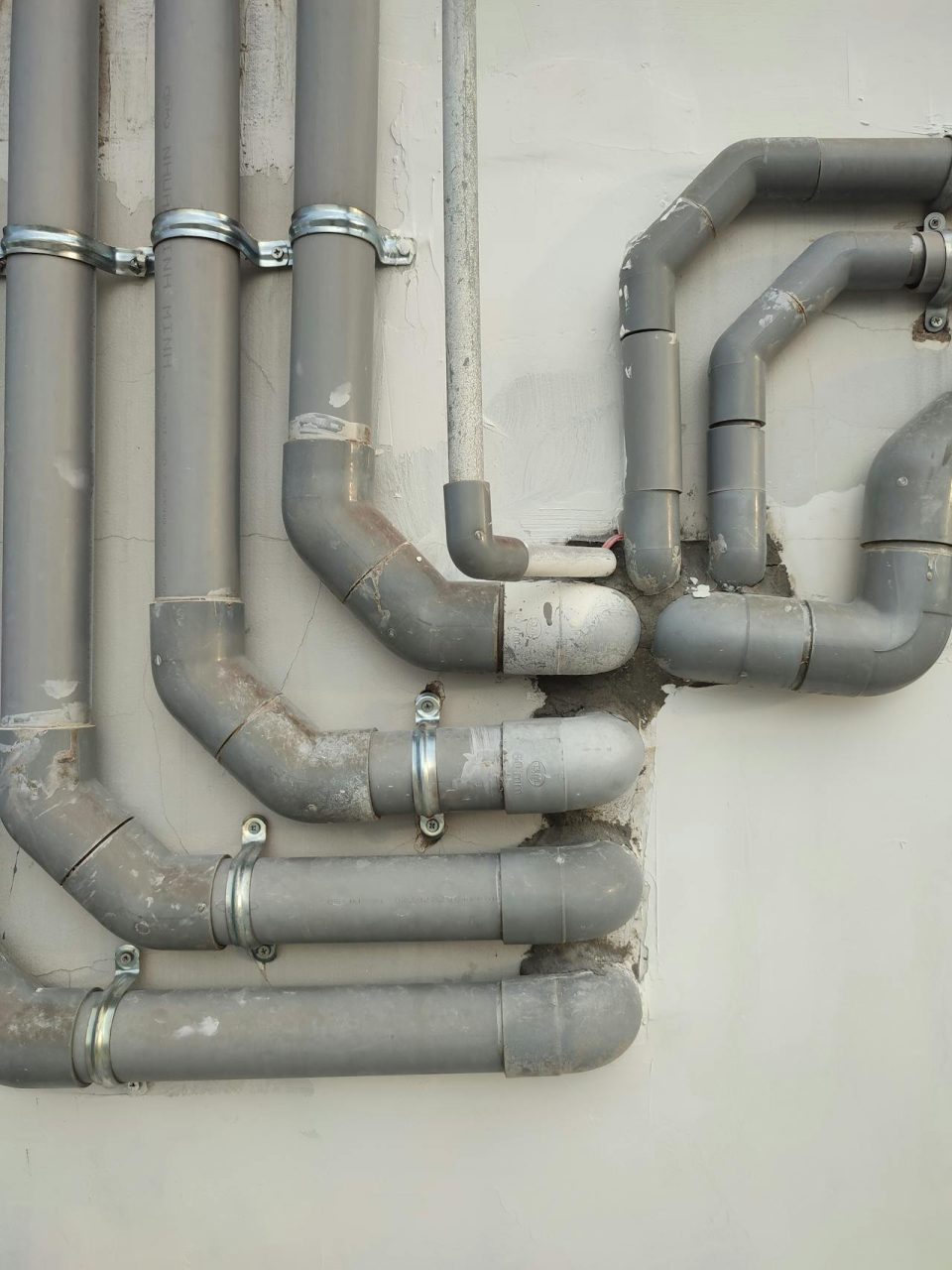
Why Water Enters Crawl Spaces
Wet crawl spaces lead to serious water problems, resulting in structural damage and indoor air quality issues. Identifying the primary causes is crucial for effective mitigation.
1. Plumbing Leaks
Plumbing leaks are often the culprit for crawl space water problems. Signs such as damp spots on walls or floors, musty smells, or obvious puddles are typically the first indicators. Pipes running under or through the house commonly experience slow leaks, sometimes unnoticed for weeks or months. Fixtures like water heaters or washing machines can leak and contribute to unwanted water in the crawl space. Regular inspections of pipes, joints, and fixtures can help tackle crawl space water problems before they escalate. While moisture meters are convenient for measuring humidity levels in wood or concrete, they indicate not just the existence but also the severity of leaks, as a minor leak left unattended can lead to costly repairs and foundation damage.
2. Groundwater Seepage
These factors often push groundwater into crawl spaces, leading to significant groundwater issues. Even homes with concrete or masonry foundations are susceptible if proper drainage is absent or blocked. Water travels through soil and seeks out foundation weaknesses, particularly when the soil surrounding your Santa Rosa home is oversaturated. A sump pump system is installed to help manage excess groundwater and pump water away from the house. Gravel or other materials below the crawl space can enhance drainage and minimize water accumulation, preventing water damage and mold growth.
3. Surface Water Intrusion
Surface water, usually in the form of roof drainage, overflowing gutters, or poor grading, can easily find its way into crawl spaces. Clogged gutters and leaky downspouts let water puddle at the foot of the house. Improper grading, with the ground sloping toward the home, exacerbates it. Water can be redirected using French drains or swales, and overflow can be avoided with routine gutter and downspout cleaning.
4. High Humidity
High crawl space humidity creates condensation on surfaces, introducing moisture even when there’s no standing water. Poor drainage exacerbates this, creating mold and pests. In addition to producing moldy odors and worsening indoor air quality, damp crawl spaces also increase the risk of illness. Overwhelming water, rodents, and insects are emerging problems. Mold flourishes in these damp conditions, destroying materials and endangering health.
The Unseen Consequences
Water in crawl spaces is often hidden, yet its impact on the foundation can be significant. Knowing about these water issues is essential for any homeowner because even a small amount of water can result in expensive repairs, lower indoor air quality, and draw insects.
Structural Damage
Long-term exposure to moisture puts stress on support beams and foundation walls. This makes wood, steel, and concrete more prone to warping or cracking as they deteriorate over time. Sagging floors, creeping door frames, and expanding wall cracks can all serve as clues to more serious water issues lurking under the house.
Of the standing water that can lie undetected for months, quietly weakening the structure. Foundation repair is more complicated and costly if neglected. Proactive measures, like encapsulating your crawl space or laying down a vapor barrier, will do the trick. They help shield supports, keep out outside moisture, and increase the structure’s lifespan. Talk to structural engineers or waterproofing experts for specific guidance, especially when serious damage is a concern.
Poor Air Quality
Damp crawl spaces don’t just rot a building’s bones; they impact the air inside. Up to 50% of the air in living spaces can come from the crawl space underneath. Mold spores, musty odors, and humid air can migrate upstairs, frequently undetected.
Mold grows quickly in warm, wet patches, especially in the summer. Dust mites and other allergens thrive as well, turning breathing into an effort for allergy sufferers. Bad air, for instance, can trigger a cough or aggravate asthma in healthy people. Sealing crawl space vents and using dehumidifiers keeps moisture and allergens in check. These tips are energy-saving and can save up to 25% in some instances.
Crawl Space Pests
Damp crawl spaces lure rodents, termites, and cockroaches. Mold spores and bugs, too, love dark, wet corners. Once they move in, they can propagate rapidly, causing structural damage and health risks.
Seal cracks and crevices and maintain a sanitary environment to keep pests away. Routine inspections help identify new problems early on. Should you encounter an infestation, it is recommended to leave it to the professionals. An infestation can be successfully and safely eradicated with pest control services.
Routine Monitoring
Inspect crawl spaces regularly, particularly following significant rainfall or plumbing leaks. Use your checklist to check for mold, musty odors, and wet areas. Over time, moisture meters or a simple smell test can help with monitoring.
On each visit, note what you find. This log helps spot patterns and shows when it’s time to hire experts to waterproof or repair.
Your Diagnostic Guide
Water in the crawl space is more than a seasonal nuisance, but it’s a symptom of deeper issues with the drainage system and ventilation. Excess moisture can lead to mold, wood rot, and even increased energy bills, as HVAC systems may use up to 25% more energy to maintain a comfortable temperature in the home. Addressing crawl space water issues with carefully thought-out diagnostic procedures prevents these hidden costs and safeguards both the building’s value and indoor air quality.
When It Rains
Observe how water flows on your property when it rains, especially in relation to water problems in your crawl space. Any pooling or runoff that flows toward your crawl space is an early indicator of bad drainage or improper drainage. In an ideal situation, the ground will fall at least 15 centimeters over three meters to carry water away from the foundation. Once it rains hard, look for puddles or wet areas within the crawl space. Persistent water problems may be indicated by even small pools or lingering moisture on the walls or floor. It’s also important to check gutters and downspouts; they should be clear of debris and leaves, and downspout extensions should direct water at least 1.5 to 3 meters away from the foundation. If you discover standing water, make an immediate move with a pump or a wet vacuum to prevent further complications.
During Dry Weather
Dry spells can hide crawl space issues, but you still need to look for trouble. Check for condensation on pipes, joists, or the walls, as this can indicate excessive humidity levels, even if it’s not raining. Never let the humidity rise above 60%. Inadequate ventilation can retain moisture and promote the growth of mildew, so it’s critical to use crawl space fans and vents properly. Installing a vapor barrier is essential for preventing water seepage and keeping things dry. Scheduling an annual inspection is a good time to catch water problems early.
The Smell Test
If you detect that musty smell, it’s usually the first tip-off to hidden mold or mildew lurking about, often linked to water problems in your home. Mold can begin within 24 to 48 hours if it remains wet, so it’s crucial to locate the source of the scent, as it may indicate a concealed leak or rotting material. Repair any exposed mold immediately and increase circulation by cracking vents or installing a fan. A home dehumidifier can help with lingering odors, particularly if you have a history of water buildup.
Action Plan
Begin by taking actions such as draining and establishing a temporary drainage system to tackle crawl space water problems. Enhancing security and maintaining year-round dryness can be achieved by enclosing the crawl space or installing a sump pump system. Having the pros come out to check for foundation cracks or drainage issues is a smart move. A wet crawl space usually means there is an issue above, and it takes three to five days to dry out after a flood or significant leak to prevent water damage.
Creating A Solution
Crawl space water problems pose a serious threat to structure and indoor air quality, not merely a nuisance. Designing a constructive reaction requires a balance of immediate action and strategic foresight. Every step needs to begin with a clean inspection, as identifying the culprit, be it structural defects, improper drainage, or plumbing, is critical for long-term solutions.
Immediate Actions
Remove standing water immediately with submersible pumps, wet vacuums, or absorbent materials to tackle crawl space water problems. After that, until a permanent fix is made, temporary drainage, like low-point drains, can handle fresh water. If you can, turn on fans or open vents to help dry out the area. Throughout this period, monitor humidity carefully, as excessive water can lead to mold development at 60% relative humidity.
Long-Term Fixes
Encapsulation, which involves installing a thick vapor barrier, typically a 20-mil polyethylene sheet, over the crawl space floor and walls, can effectively prevent moisture and tackle crawl space water problems by stopping it from rising from the soil. We’ve all heard of sump pump systems, which actively divert water before it has an opportunity to accumulate, making them essential in areas susceptible to flooding. Upgrading your drainage system, such as installing French drains or extending your downspouts 2 to 3 meters from your house, helps keep unwanted water from returning. Twice-yearly inspections for leaks or tears in barriers can catch a small water problem before it creates a larger one.
Professional Help
Leaky pipes and issues with the external drainage system can cause major water problems, so a professional investigation is necessary. Plumbing leaks often manifest as persistent moisture, whereas drainage problems typically worsen after heavy rain or snowmelt. Each of these issues impacts the crawl space and the entire home in different ways. Plumbing leaks can decay wood, while improper drainage can create mold and foundation cracks, necessitating reliable crawl space repair solutions to address the problem effectively.
Plumbing Vs. Drainage Issues
Water in the crawl space can signal two main problems: plumbing leaks or drainage issues. Knowing the difference is key to addressing the root cause of water problems and preventing additional damage. Plumbing issues originate within the home, such as a burst pipe or a faulty appliance. Drainage issues typically begin outside, perhaps following a severe rainstorm, a yard slope mistake, or a clogged drain. Both can result in water buildup in crawl spaces, which, if ignored, can require expensive repairs. Changes and symptoms are crucial for diagnosing the problem and providing guidance for future water-related issues.
The Telltale Signs
Keeping an eye out for water problems makes a difference. Water puddles, damp patches, or even water stains on the crawl space floor can result from plumbing leaks. Other times, you’ll see rusted pipes, loose fittings, or water dripping from overhead. These are obvious hints that the culprit is your indoor plumbing.
Drainage issues present differently and can lead to significant groundwater issues. Your foundation may be surrounded by mud, saturated soil, or ponding water following a rainstorm. If the yard slopes toward the house, water soaks in and pools under the floor, especially in rainy areas such as portions of Santa Rosa, CA, where improper drainage exacerbates the condition during rainy seasons.
Humidity is a further indicator of potential water damage. Elevated moisture levels in the crawl space may indicate problems, such as leaks or poor drainage. Mold and musty smells are red flags. Keeping a record of the humidity or new stains helps spot trends and expedite repairs.
Routine inspections are a game-changer. Early detection prevents mold growth and saves the home’s structure and air quality.
Why It Matters
The clay soil of Santa Rosa keeps water in the ground, making drainage more challenging. Particularly if the soil is already saturated, crawl spaces can rapidly become completely flooded during rainy seasons. Because local codes can require certain drainage or waterproofing measures, it’s important to be current.
Solutions should be okay for the climate and soil. Even with a French drain or sump pump to help drain the water, gutter cleaning and yard grade adjustments make a big difference. Plumbing repairs, such as new pipes or fixtures, address leaks from within. Both issues require attention, or mold and damage can proliferate.
Santa Rosa’s Unique Challenges
Santa Rosa’s Crawl Space Water Woes: It turns out that water problems in the crawlspace are kind of a big deal here in Santa Rosa, thanks to our warm, humid climate and tricky soils. Santa Rosa’s high water tables, storms, and sand buildup cause water to accumulate quickly under homes. Since up to 60% of the air in a home’s first floor comes from the crawl space, high humidity can rapidly degrade indoor air quality and encourage mildew growth. Santa Rosa’s special blend of moist earth just beneath the surface and inconsistent clay, loam, and sand soil types has made proper drainage problematic for more than a hundred years, particularly for slab foundation-based homes.
Clay Soil
Clay soil, such as in Santa Rosa, tends to retain water instead of allowing it to drain, which can lead to significant groundwater issues. This characteristic causes rainwater to pool around your foundation, increasing the potential for water problems and chronic damage. Santa Rosa homeowners need to step back, check their soil, and find the right drainage solutions for their property, such as a sump pump system to mitigate water seepage. By keeping an eye on soil moisture, you can catch water issues early before they become major. Clogged drains can compound the issue in places where sand accumulates, leading to mold or even sewage backups.
Seasonal Rains
Santa Rosa’s seasonal storms of heavy rainfall can immediately swamp drainage systems, making it essential for homeowners to ensure proper drainage and maintain drains in good working order. Sump pump systems offer a proactive solution to crawl space water issues and storm-related excess water. Following weather coverage allows Santa Rosa homeowners to brace for hard rain, reducing the likelihood of crawl space flooding. After every heavy rain, you should check your crawl space for new evidence of water intrusion or damage, as untreated issues can lead to costly repairs.
Local Codes
These particular challenges are unique to Santa Rosa homeowners, as building codes mandate standards for crawl space drainage and waterproofing. Any drainage system must comply with these regulations to prevent water problems and avoid fines or legal issues. Partnering with local professionals ensures that everything is done in compliance and with regional best practices. Since codes may evolve, keeping up-to-date is essential for proper drainage and crawl space care.
Final Remarks
Water in the crawl space in Santa Rosa can wreck floors, rot wood, and make the air inside feel damp. Wet earth, leaky pipes, and bad drainage all contribute. Mold spreads quickly, so repairing these issues is important. Identify entry points. Examine pipes, gutters, and the ground around your home. Some install sump pumps or plastic to stay dry. Others remedy their drains or seal cracks. The clay soil and rain in Santa Rosa complicate matters, so each home may need a mix of solutions. Looking for more advice or to share a tale? Leave a comment or contact me. Let’s keep your crawl space dry and safe.
Frequently Asked Questions
1. What Causes Water To Enter Crawl Spaces In Santa Rosa?
Water can enter crawl spaces due to heavy rains, inadequate drainage systems, plumbing leaks, and high water tables, making water problems more likely in Santa Rosa’s climate and clay soils.
2. What Are The Risks Of Having Water In My Crawl Space?
Water problems can lead to mold and wood rot, damaging your home’s structure, attracting pests, and negatively impacting air quality.
3. How Can I Tell If There Is Water In My Crawl Space?
Check for musty odors, wet insulation, standing water, or mold, as these can indicate water problems. Periodic inspections allow you to detect water issues early.
4. What Should I Do First If I Find Water In My Crawl Space?
Get rid of any standing water issues and dry the damp crawl space immediately. Then find the origin to prevent water problems.
5. How Can I Prevent Water From Entering My Crawl Space?
Fixing grading issues and ensuring proper drainage can help tackle crawl space water problems. Additionally, venting and insulating pipes, along with sealing openings and installing a sump pump system, can assist in preventing unwanted water accumulation.
Flooding, Moisture Problems, And Crawl Space Issues In Santa Rosa: Stop Damage Before It Spreads
Water problems in a commercial building rarely fix themselves. Minor flooding, excess moisture, or crawl space issues can quietly damage flooring, weaken structural components, and create unhealthy conditions for employees and customers. Yorkshire Plumbing provides fast, professional solutions in Santa Rosa, helping businesses control moisture and prevent costly repairs.
Standing water, damp crawl spaces, musty odors, warped flooring, and unexplained humidity are all warning signs. Left untreated, these problems can lead to mold growth, wood rot, insulation damage, and rising energy costs. Our team uses advanced diagnostic tools to locate the source of moisture, whether it’s poor drainage, leaking lines, groundwater intrusion, or ventilation problems beneath your building.
Once we identify the cause, we walk you through what’s happening in plain language and recommend the most effective solution. That may include drainage improvements, sump pump installation, vapor barriers, pipe repairs, or crawl space moisture control systems. You get clear answers and practical solutions that protect your property and restore a dry, stable environment.
With nearly a decade of experience serving Sonoma County, this family-owned company has built a reputation for honest service, careful workmanship, and dependable results. Yorkshire Plumbing does more than address visible water problems. We help business owners safeguard their buildings from long-term moisture damage that can disrupt operations and increase expenses.
If your commercial property is experiencing flooding, persistent dampness, or crawl space concerns, contact Yorkshire Plumbing today and resolve the issue before small moisture problems turn into major structural damage.
Disclaimer
The information provided on this website is for general informational and educational purposes only and is not intended as professional plumbing or construction advice. You should consult with a licensed plumber or qualified contractor for guidance specific to your home or situation. Do not rely solely on the content of this site to make decisions about plumbing repairs, installations, or maintenance. While we strive to keep the information current and accurate, it may not reflect the most recent industry standards or code requirements. Yorkshire Plumbing & Drain Services disclaims all liability for any actions taken or not taken based on the content of this site, to the fullest extent permitted by law.