Key Takeaways
- You’ll want to customize your annual plumbing checklist to address Sonoma County’s specific challenges, such as seismic activity, hard water, shifting soil, and wildfire danger, to keep your home standing and running safely and efficiently!
- By keeping a close eye on your fixtures and regularly testing water quality, you can minimize mineral buildup from hard water and keep your plumbing system healthy for years to come.
- Reviewing and retrofitting plumbing materials to flexible, quake-resistant alternatives safeguards you from the region’s notorious seismic damage.
- Check soil conditions and drainage around your home to prevent pipe shifts, erosion, and underground leaks. Sonoma County’s terrain makes this a particularly important point.
- They’re getting the yard ready for wildfire season by clearing away any accumulated debris around their exterior plumbing and using fire-resistant materials for above-ground outdoor plumbing fixtures.
- By scheduling professional inspections, integrating smart plumbing technology, and keeping detailed records, you’ll be able to detect hidden problems early and take timely targeted action to safeguard your investment.
Sonoma County homeowners annual plumbing checklists help you spot leaks, correct minor deficiencies, and maintain your home’s water system safely. You receive an easy-to-follow plan for what to check each year, like your pipes, water heater, and drains. These lists show you what to do yourself and when to call a professional plumber. At every turn, you save cash, reduce water waste, and prevent your home from unexpected plumbing grief. Sonoma County homeowners adhere to local codes, which keeps your home safe and current. For the rest of this post, check out our plumbing checklist and learn how to make your annual plumbing care simple and stress-free.
Why Sonoma County Plumbing Is Unique
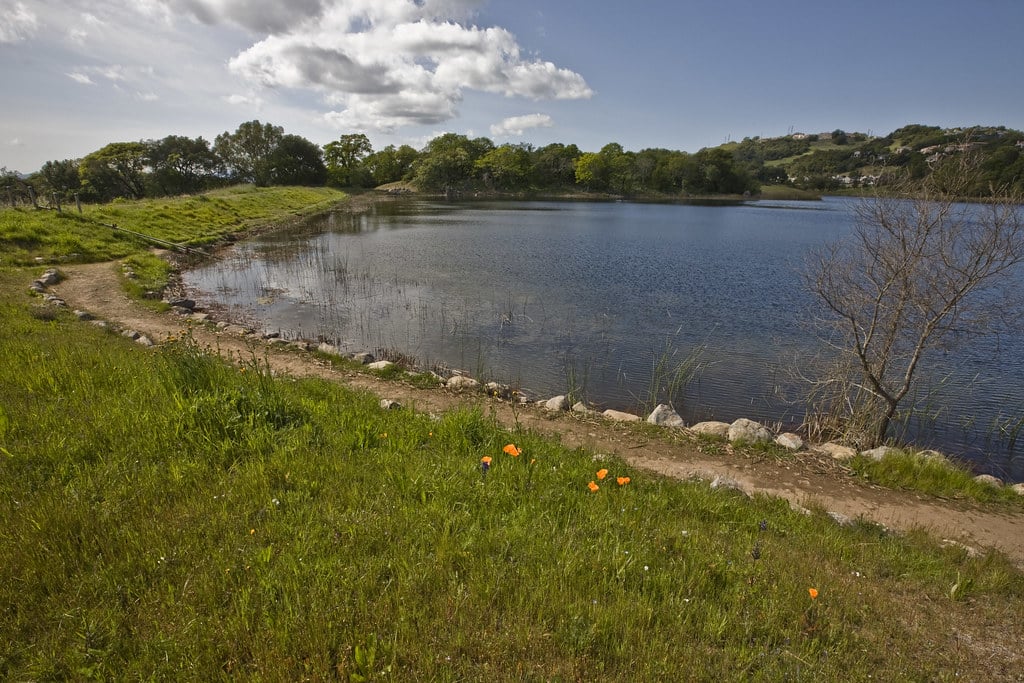
Sonoma County’s plumbing requirements are influenced by a combination of organic and architectural elements, necessitating a thorough plumbing inspection checklist. The region’s diverse topography and weather demand regular plumbing inspections for effective drainage system maintenance.
- Seismic activity is frequent and requires earthquake-resistant plumbing.
- Different soil types in the valley and on the hills impact pipe placement and longevity.
- Wildfire risk means outdoor systems must be fire-safe.
- Hard water affects fixtures, flow and appliance longevity.
- Coastal salt air in certain areas such as Bodega Bay accelerates corrosion.
- Homes span from historic to ultra-modern, each with unique systems.
- Climate swings from sun-scorched valleys to cool, foggy coasts put extra stress.
Hard Water
Hard water is prevalent in most of Sonoma County because of our geology. Regular plumbing inspections can help in testing your water to catch problems early. You might spot mineral deposits on taps or within appliances; if allowed to accumulate, this buildup can block pipes, decrease water pressure, and damage your plumbing lifespan. Wipe faucet aerators and showerheads every month to keep deposits manageable. If you are noticing slow drains or weaker flow, it may be scale inside your pipes. Whether it is scheduled maintenance or installing a water softener, preventive maintenance can help you prevent long-term damage, particularly in homes with older plumbing.
Hard Water Issue | Effect on Plumbing | Solution |
Mineral deposits | Clogged pipes, weak flow | Clean fixtures, use softener |
Scale in appliances | Low efficiency, early failure | Regular descaling |
Spotting on fixtures | Aesthetics, corrosion | Wipe surfaces, filter system |
Seismic Activity
Earthquake risk is just a way of life here, making regular plumbing inspections essential. You need plumbing that can flex – literally. Metal pipes with rigid joints are more likely to snap during tremors, so utilizing flexible piping such as PEX or copper with seismic-rated fittings allows pipes to endure the shaking. While local building codes stipulate earthquake standards, some older homes might not comply. To ensure safety, consult a licensed plumber for a thorough inspection of your plumbing system. Additionally, map out rapid water turn-off post-quake and keep tools accessible for any emergency repairs.
Soil Conditions
Sonoma’s soils vary from sandy loam to heavy clay, each presenting its own dangers. Sandy soils can shift and expose pipes, while clay retains water, potentially crushing or moving pipes as it expands and contracts. In valleys like Santa Rosa, flooding and high groundwater stress drainage systems, necessitating regular plumbing inspections. Hills and ridgelines limit options for septic and leach fields, so we’ll conduct a thorough inspection before you build or remodel. Look for damp spots or green patches in your yard, as these can signal leaks underground, indicating the need for home plumbing maintenance.
Wildfire Season
By clearing brush and debris from around outdoor pipes, you can significantly enhance your plumbing maintenance efforts and reduce the chances that they become ignition points. Fire season’s high heat and wind can wreak havoc on hoses and fittings, making it essential to conduct regular plumbing inspections. Replace plastic hoses with rubber or metal, and always check for leaks or cracks each fire season. Having an emergency plan for plumbing shutdown is important, as shutting off the water quickly can prevent further damage during a crisis.
Your Comprehensive Annual Plumbing Checklist
Your exhaustive annual plumbing maintenance checklist helps you service key areas, identifying minor problems before they escalate into major plumbing emergencies. By performing regular plumbing inspections, you prevent water waste and monitor your entire plumbing system’s general well-being, keeping costs manageable.
1. Interior Fixtures
Inspect all faucets and showerheads for drips as part of your home plumbing maintenance checklist. A tiny drip accumulates, increasing your bills and squandering water. Listen for running water, persistent smells or odors, notice dampness under sinks, or corrosion around pipe joints. Addressing these now avoids larger issues later.
Test all toilets for flush and leaks at the base and tank, as outlined in your plumbing inspection checklist. Occasionally, an aged flapper or defective float is the culprit. Add a few drops of food coloring to the tank; if color seeps into the bowl, you’ve got a leak.
Clean aerators and screens in faucets to remove debris and mineral buildup. This keeps your water pressure steady and strong. Don’t forget to check water pressure, either. Check with a gauge. Thirty to eighty psi is a safe range for most homes.
Inspect any exposed pipes for rust, corrosion, or moisture. Pay particular attention to the spaces behind your appliances and under counters where leaks can sometimes go undetected.
2. Water Heater
Test the heater water temperature. Maintain it at or below 49°C for safety and efficiency. Once a year, drain a couple of liters from the tank. Doing so clears sediment that can damage efficiency and reduce the heater’s lifespan.
Inspect every connection and valve for rust or leakage. These issues can cause water damage or system breakdown if overlooked. Schedule a professional review once a year for a full checkup and efficiency test. This step is crucial for identifying concealed defects and ensuring your hot water stays dependable.
3. Drains And Sewer
Clean all drains. Put basic strainers over your sinks and showers to trap hair and food scraps. This prevents clogs before they begin.
Examine your main sewer line for sluggish drains or foul odors, indicators of a blockage. Plan for a camera inspection every couple of years so you can catch root intrusion or pipe damage before it’s too late.
Flush your drains with hot water and mild cleaners. Steer clear of corrosive chemicals that can damage your plumbing or the natural world. Respect your drains and stay a step ahead with care to keep your plumbing running smoothly.
4. Exterior Systems
Inspect external faucets and spigots post winter. Freezing pipes can crack and result in leaks during thawing.
Inspect irrigation systems and ensure spray heads function and do not leak. Change timer settings for the season and monitor for puddles or soft ground that may indicate a hidden leak.
Test hoses and connections. Substitute any splits or worn washers. Proper outdoor maintenance ensures water is used efficiently and your home stays safe from foundation water damage.
5. Emergency Valves
Locate and label all shut off valves. From the main valve to your toilet stops and appliance-specific valves, this is everything. Acting quickly in an emergency can cut off water damage fast.
Test each valve to ensure it turns freely and completely shuts off. If a valve sticks or leaks, replace it. Educate everyone in your house on how and when to utilize these valves. Have them checked at least annually and record any modifications or repairs.
Seasonal Plumbing Considerations
Every season presents its own challenges for your plumbing system, and these challenges can result in costly repairs if left unchecked. By following a plumbing maintenance checklist that changes with the seasons, you help keep your plumbing humming all year. Neglecting these seasonal checks can squander water, increase your bills, and even cause repairs that cost up to $10,000. Below, consider your plumbing in terms of winter and summer specific protective steps to take for your home’s system that will increase its longevity.
- For winter, insulate pipes, disconnect garden hoses, check heating, and seal drafts.
- For summer, save water, inspect irrigation, check outdoor fixtures, and encourage mindful water use.
Winter Readiness
To prevent plumbing emergencies, you should work to insulate any visible pipes that are exposed to the elements. Pipes located in unheated areas such as basements, attics, or exterior walls are susceptible to freezing. If water freezes inside a pipe, the ice expands and could burst the pipe, resulting in considerable water damage and expensive repairs. Wrapping pipes with foam insulation or even heat tape for particularly cold sections is essential for plumbing maintenance. If your house is in a region where it can get colder than 13 degrees, this one’s crucial.
Outdoor hoses are the easiest to forget, making them a key point in your plumbing maintenance checklist. Disconnecting and draining them before winter arrives will prevent water from freezing inside the hose or the bib, which can crack fittings and pipes. Once you’ve removed hoses, drain the outdoor spigot and, even better, turn off your water supply to these outlets if you can.
Regular plumbing inspections help ensure that your heating system works well. Heating outages can drop your home’s temperature rapidly, leaving any interior plumbing susceptible to freezing. Book a pre-season checkup, particularly if your heater is aging or has suffered from previous problems.
Drafts let cold air access pipes, so check for openings around windows, doors, and foundation walls. Seal any you find with weather stripping or caulking. Even a minor draft is capable of chilling the temperature around pipes to the freezing point. Leave internal doors open to assist warm air to circulate and do not forget to keep your thermostat set above 13ºC, even when you are away.
Summer Conservation
Hot, dry weather conditions translate to an increased requirement on every plumbing element, making a plumbing maintenance checklist essential for homeowners. Water is precious now, so consider adding low-flow showerheads or dual-flush toilets to reduce consumption. Train your household to turn off the tap when brushing or soaping up, and only operate your dishwasher and clothes washer with full loads to promote efficient water use.
Check your irrigation system for the season as part of your home plumbing maintenance checklist. Inspect for leaks and broken sprinkler heads, which can waste hundreds of liters of water per day. Water early in the morning or late in the evening to minimize evaporation and ensure your garden receives necessary moisture without excess.
Outdoor plumbing fixtures, like garden taps and outdoor showers, struggle more in summer. Schedule regular plumbing inspections to check for leaks, corrosion, or mineral deposits. Change out washers or seals as necessary to maintain the integrity of your plumbing system.
Promote conscientious outdoor water consumption, particularly at peak times. Little shifts, like quicker showers and cleaning the driveway with a broom rather than a hose, accumulate to huge savings. We’re not talking about seasonal plumbing considerations here. If your area has water restrictions, adhere to them to assist your community in resource management.
Simple inspections of washing machine hoses and exposed pipes for leaks or rust will keep you from being surprised by plumbing failures. Heat can put stress on older hoses, so replace them every few years as needed. An easy checklist for regular plumbing inspections keeps you on top and ahead of the game, nipping issues in the bud.
Beyond The Visual Inspection
A good plumbing maintenance checklist is about digging beneath the surface. Invisible leaks, pressure drops, and sluggish flow can begin as seemingly minor nuisances and develop into expensive headaches. Regular plumbing inspections can help identify problems lurking behind walls, under floors, or in toilets, ensuring you have the right tools and track what you find from year to year. Staying on top of these less apparent inspections not only conserves water and money but also keeps your home secure and cozy.
Water Pressure
Ok, there’s more than meets the eye when it comes to plumbing maintenance. Go beyond the visual inspection and check the main supply with a pressure gauge, ensuring it sits between 345 and 552 kilopascals. Excessive pressure risks pipe bursts or leaks, while low pressure indicates obstructions or a leak in the plumbing system. If you catch numbers above the safe range, turn the pressure-reducing valve down. This unassuming gizmo, lurking close to the water main, maintains balance throughout your system and safeguards every pipe and fitting in your house.
Be on the lookout for ‘off’ things. Slow drains, weak faucet flows, or impotent showers are all indicative of low pressure. Cleaning faucet aerators for debris can restore flow, helping you avoid plumbing emergencies. Calcium build-up on shower heads can choke water flow, so clean it out regularly to keep your drainage system functioning properly!
If you continue experiencing pressure swings or can’t locate the source, it’s time to consult a professional plumber. They can conduct a thorough plumbing inspection, look for latent blockages, or determine whether the issue is from the source. Think beyond the visual inspection. Don’t overlook changes in pressure because fast remedies now prevent bigger aches later.
Leak Detection
Identifying leaks before they become disasters really makes all the difference in your home plumbing maintenance. Leak detection tools, like acoustic sensors or infrared cameras, extend beyond a basic plumbing inspection. They detect water seeping behind walls or under floors, way before you notice a stain or puddle. Variations in your monthly water bill, particularly if you’ve maintained your lifestyle, are usually the initial hint that a problem exists.
Watch for the onset of issues. Water stains on ceilings or walls, damp spots beneath sinks, or a sulfur smell emanating from the hot water tap can spell trouble. Stick your nose in that hot water when it runs to catch problems in your heater or pipes. You want pure, scentless water every time during your regular plumbing inspections.
Get professional leak checks if you think you’re dealing with a lurking issue. Plumbers have more tools and know where leaks like to hide. Documenting your observations each year, along with any repairs or modifications, helps you identify trends in your plumbing system. That way, you can repair minor leaks before they develop into costly repairs.
Daily grind counts as well. Flush your water heater annually to remove sediment and increase efficiency as part of your annual plumbing maintenance checklist. Routinely clean drains and replace toilet flappers to stop leaks before they start. Go beyond the visual inspection. Take a closer look when seasons change, checking sinks, toilets, and outdoor hoses every month, as fluctuations in temperature can lead to new leaks.
Recognizing Critical Warning Signs
Identifying plumbing issues early protects your home and prevents expensive repairs. Many critical problems begin minor and are simple to address once you know the warning signs. When you check your plumbing each year, keep an eye out for these warning signs:
- Sudden drop or spike in water pressure
- Unexplained increases in water bills
- Persistent drips, leaks, or damp spots
- Mold growing on walls, ceilings, or in cabinets
- Water stains, especially on walls or ceilings
- Sewer gas smells indoors
- Unusual sounds from pipes (like banging or whistling)
- Water heater temperature set too high or too low
- Recurring leaks in the same spot
- Outdated pipes and fixtures, particularly in residences constructed before 1980.
Leaks, even those slow drips under sinks or in the proximity of toilets, are red flags. A little leak can bring mould, which thrives when moisture remains for days or weeks. Wall or ceiling water stains warn you that water has escaped from pipes behind the surface. If a fixture continues to leak after repairs, there may be more serious issues with the pipes or fittings concealed in the walls or floors. Combining routine visual inspections with a plumbing maintenance checklist allows you to catch these problems before they become big.
Leaks, even those slow drips under sinks or in the proximity of toilets, are red flags. A little leak can bring mould, which thrives when moisture remains for days or weeks. Wall or ceiling water stains warn you that water has escaped from pipes behind the surface. If a fixture continues to leak after repairs, there may be more serious issues with the pipes or fittings concealed in the walls or floors. Combining routine visual inspections with detailed quarterly inspections allows you to catch these problems before they become big.
Any stench that resembles sewage or rotten eggs indicates sewer gas is leaking into your home. This is not normal and could be hazardous to your health. Sewer gas can accumulate from dried-out drain traps, damaged vent pipes, or fractured sewer lines. Don’t ignore them. Get out, air out your home, and call a professional to check the plumbing. Knowing where your main water shut-off valve is and how to use it is critical in the event a pipe bursts or there’s a significant leak.
Incorporating a seasonal plumbing checklist into your home maintenance routine can help you address minor issues before they escalate. Regular plumbing inspections, whether conducted by yourself or a professional, are essential for ensuring the integrity of your entire plumbing system. This proactive approach not only saves money but also enhances your home environment, making it a safer place for you and your family.
Integrating Smart Plumbing Technology
Smart plumbing tech is transforming your home’s annual plumbing maintenance to-do list into a more manageable task. These innovative gadgets provide instant updates, notifications, and even remote control, allowing you to detect issues before they escalate into costly repairs. By installing these devices, you can efficiently track your water consumption and identify leaks or abnormal water flow immediately, ultimately saving both water and money in the long run.
Start with intelligent water meters and leakage sensors, which are essential tools in your plumbing maintenance checklist. These small gadgets continuously monitor your pipes and fixtures, providing 24/7 oversight. If they detect a spike in flow or a slow leak, they will notify you instantly on your phone. This constant real-time alert system allows you to act quickly, whether you’re at home or away. For instance, a leak sensor positioned under your sink can detect a slow leak that might otherwise go unnoticed for months. Some advanced setups can even connect to a primary shut-off valve, stopping water flow if they sense a burst pipe or significant leak. This proactive measure can save you from costly water damage repairs that could run into thousands of dollars.
Smart water controls give you more informed options in your water usage. They monitor consumption throughout your household, segmenting usage for showers, toilets, and outdoor spigots. They assist you in identifying behaviors or leaks that waste water, such as a running toilet all night or an outdoor spigot drip. By visualizing precisely where your water is traveling, you can alter your usage behavior and reduce wastage. Certain systems even allow you to set parameters or schedules so you consume less water during peak hours or do not water the yard when rain is imminent. This control can translate to much lower bills and helps you do your part to conserve water.
Investing in a smart water heater is another advantageous upgrade. These smart heaters enable you to program schedules via your phone, heating water only when necessary, such as just before your shower or bath. They can operate during off-peak hours when energy costs are lower, further reducing your bills. Many units provide real-time feedback on energy consumption and alert you if something is amiss with the heater. This capability allows you to identify issues before they evolve into major problems, ensuring that your plumbing system operates at peak performance.
Keep up with smart plumbing trends. New devices and features are released every year. Certain upgrades sync with popular home assistants, allowing you to easily monitor your water usage or turn off your system via voice control. Some provide longer battery life, enhanced sensors, or innovative self-test features that provide additional peace of mind. When you keep your plumbing tech current, you ensure your home remains secure, sustainable, and future-ready.
Conclusion
A smart plan extends your plumbing’s life and efficiency. You stay ahead by knowing what signs to see and steps to take for each season. Sonoma County homes require keen care because weather and soil here can move quickly. An easy checklist can save you time, water, and stress. Upgrades such as leak sensors or smart shut-offs provide peace of mind and actual assistance when it counts the most. Keep your system strong. Check pipes, water heaters, and drains. Catch trouble early to avoid big expenses. Stay sharp, have your list handy, and call a trusted plumber for the big work. Need additional tips or have a question? Leave a comment or message. Your next step is simple.
Frequently Asked Questions
1. Why Is An Annual Plumbing Checklist Important For Sonoma County Homeowners?
These annual plumbing inspection checklists help you avoid costly repairs. Sonoma County’s soil, weather, and water conspire against you with plumbing problems, making regular plumbing inspections essential for maintaining system efficiency.
2. What Should I Include In My Annual Plumbing Checklist?
Evaluate for leaks, water pressure, and drain flow using a plumbing inspection checklist, while also checking visible pipe damage and water heater performance. Additionally, do not overlook outdoor faucets and irrigation systems, as this is crucial for proper drainage and keeps plumbing dependable year-round.
3. How Does Sonoma County’s Climate Affect Plumbing Systems?
Sonoma County’s seasons cause expansion and contraction in our pipes, making a plumbing maintenance checklist essential. Heavy rains and sporadic droughts affect plumbing, so regular plumbing inspections help keep you ahead.
4. What Are Critical Warning Signs Of Plumbing Problems?
Keep an eye out for signs such as low water pressure, slow drains, or unaccounted for water bills, as these symptoms frequently indicate concealed leaks or pipe deterioration. Regular plumbing inspections can help identify these issues before they escalate.
5. How Can Smart Plumbing Technology Help Me?
Smart leak detectors and water monitors play a crucial role in plumbing maintenance by notifying you of issues quickly, helping conserve water, save money, and protect your home from damage.
6. Should I Hire A Professional For Annual Plumbing Inspections?
Yes, a plumber can spot issues you might miss during regular plumbing inspections. Professional checks guarantee that your plumbing system remains safe, efficient, and up to code.
7. Are there seasonal plumbing tasks specific to Sonoma County?
Yes. Before winter, a thorough plumbing inspection is essential to insulate pipes against freezing. In spring, use a home plumbing maintenance checklist to check for leaks caused by soil shifts after rain. These jobs keep you out of surprise plumbing trouble.
Plumbing Inspections In Santa Rosa — Thorough, Reliable, And Trusted Experts
Regular plumbing inspections keep your home safe, efficient, and free from costly surprises. Whether you’re maintaining an older property, buying a new home, or preparing for winter, Yorkshire Plumbing provides detailed plumbing inspections throughout Santa Rosa.
Our licensed plumbers carefully evaluate every part of your system, from hidden leaks and aging pipes to water pressure and drain performance. Using advanced diagnostic tools and proven methods, we identify potential issues early so you can prevent emergencies and plan repairs before they become expensive problems.
With nearly a decade of experience serving Sonoma County, our family-owned team has earned a reputation for honesty, precision, and long-term results. We don’t just inspect your plumbing, we help you understand the condition of your system and what to do next.
Whether you need a routine inspection or a full plumbing assessment before buying a home, Yorkshire Plumbing is your trusted choice in Santa Rosa. Contact us today to schedule your inspection and keep your home’s plumbing in top shape.
Disclaimer
The information provided on this website is for general informational and educational purposes only and is not intended as professional plumbing or construction advice. You should consult with a licensed plumber or qualified contractor for guidance specific to your home or situation. Do not rely solely on the content of this site to make decisions about plumbing repairs, installations, or maintenance. While we strive to keep the information current and accurate, it may not reflect the most recent industry standards or code requirements. Yorkshire Plumbing & Drain Services disclaims all liability for any actions taken or not taken based on the content of this site, to the fullest extent permitted by law.