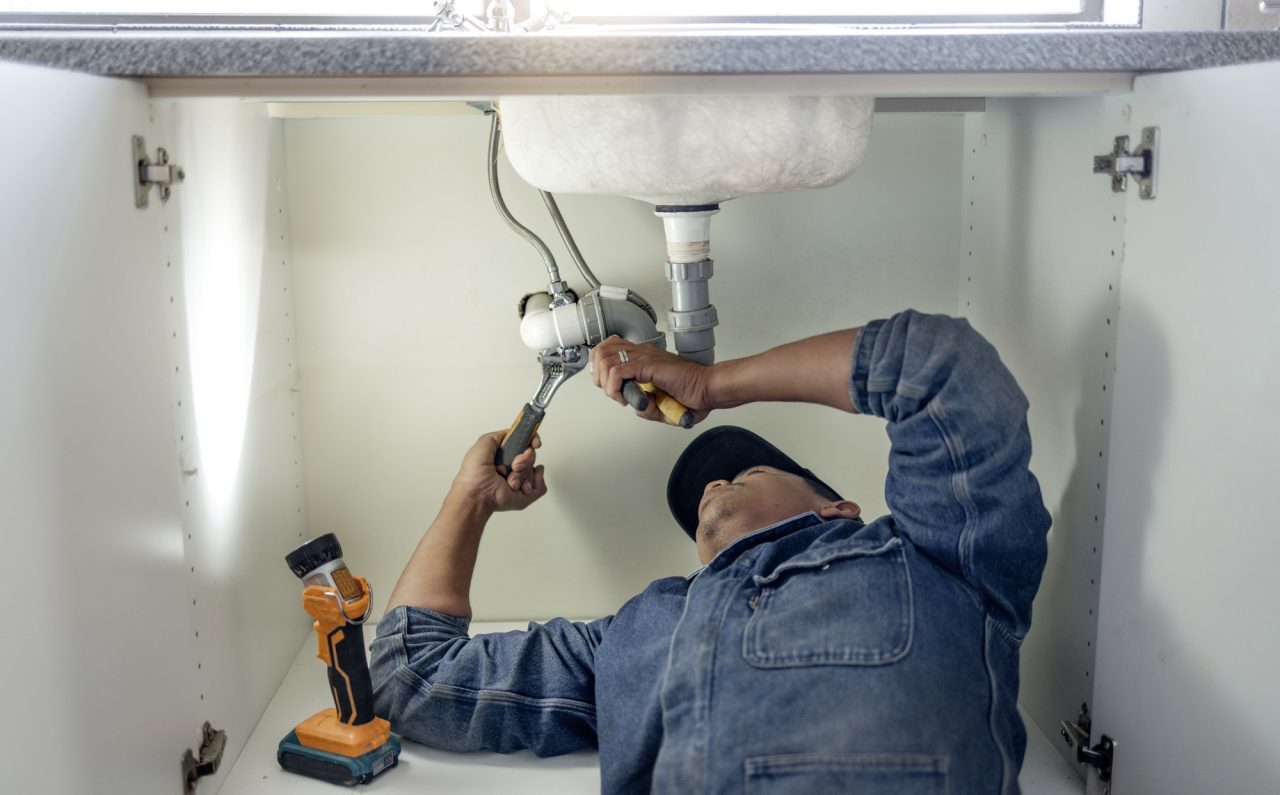
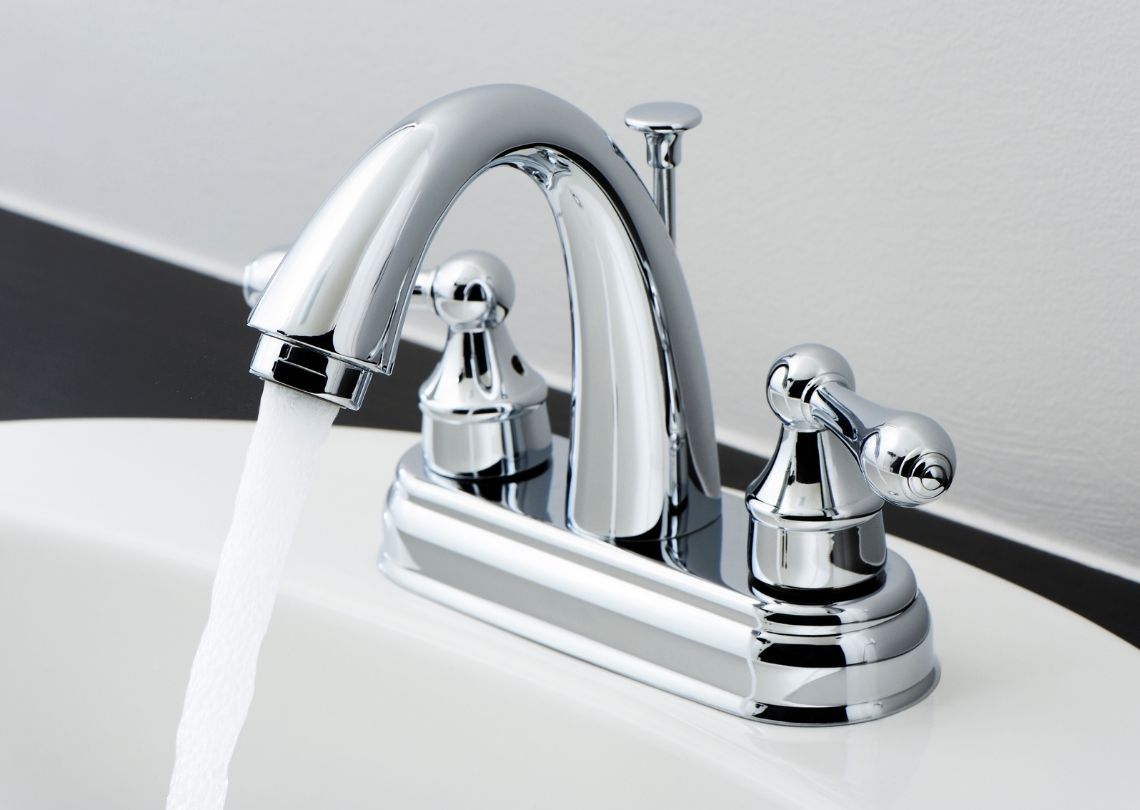
Even tiny leaks can escalate into major water damage. A slow drip from a pipe or a small crack in a roof allows water to seep behind walls and beneath floors. Over days or weeks, this hidden moisture weakens wood, drywall, and insulation, often leading to costly repairs. Damp spots become breeding grounds for mold, which can compromise indoor air quality and pose health risks. Common culprits include worn plumbing joints, aging roofs, and old window seals. Early warning signs—like discoloration, water stains, or a musty smell—are easy to miss. To show just how quickly a minor issue can snowball, the following section traces the journey from a small leak to serious structural damage.
Key Takeaways
- These small leaks, if left unattended, can quickly turn into structural and financial nightmares. Early detection and intervention are key for any property owner.
- It’s this hidden water migration that’s the real risk as moisture seeps through walls and floors, causing wood rot and mold growth in cavities.
- Ongoing moisture exposure deteriorates wood, drywall, and insulation, and it potentially leads to structural weaknesses.
- Water leaks can cause electrical hazards, such as short circuits and fire risks, so it’s important to address leaks promptly and have your electrical systems checked regularly, especially if they’re near potential leak sources.
- Smart leak detectors, routine inspections, and water-resistant materials in vulnerable places are all good proactive steps to minimize the risk and impact of water damage.
- Spending in advance on preventative maintenance and quality plumbing jobs does not just reduce repair expenses. It protects your property value and keeps your home safe and healthy.

The Cascade Of Small Leak Damage
Small leaks initiate a cascade of damage that extends well beyond the original drip. A leak as small as 1/16 inch can waste as much as 3,570 litres per day, increasing bills by $14.54. The damage cascade from these small leaks is incremental, with visible water stains, warped floors, and discolored ceilings surfacing only after concealed destruction has been ongoing for weeks or months. Fixing leaks as soon as you see them is important because eventually, ignored small problems can become big ones, with expensive repairs, mold remediation, or structural restoration required, all of which increase costs and may require you to move temporarily.
Unseen Water Migration
Water from these small leaks rarely remains contained. It seeps silently through concealed spaces, such as walls, ceilings, under floors, or behind cabinets, sometimes gravitating downward or creeping with capillary force. Moisture can accumulate in these cavities, resulting in invisible marks or a mildew odor. By the time the ceiling sags or a wall changes color, water has been on the move for weeks. Moisture meters are great for catching this migration early, particularly in hard-to-inspect areas. Overlooking these secret conduits lets moisture continue to seep, exacerbating the damage.
Slow Material Decay
Continuous moisture rots wood. Wood warps or rots, drywall crumbles, and insulation fails. A small leak over time can still eat at the structure. Surfacing for warping, bubbling paint, or soft spots are signs of early decay. Scheduled tune-ups, such as checking exposed and hidden locations, can help identify these issues prior to them becoming larger. Early intervention keeps repair costs low, typically in the $150 to $1,000 range, as opposed to thousands for advanced decay.
Gradual Structural Weakening
Constant water exposure compromises the strength of support beams, joists, and other vital components of a structure. Even minor leaks can cause major headaches if they hit these essential parts. Sagging floors or doors that no longer fit could be warning signs of something below the surface. Fixing structural damage from long-term leaks usually involves replacing critical elements, which is a much more expensive approach than catching the issue early. Timely repairs prevent a cascade of small leak damage that threatens a home’s safety and value.
Hidden Mold Growth
Small leaks are the ideal habitat for mold to flourish in your basement, attic, or behind your walls. Mold can begin growing within 24 to 48 hours of moisture exposure. The initial indicator might be a musty smell. Mold emits spores that induce health issues, particularly respiratory problems. That’s why stopping leaks and keeping humidity low are the very best ways to prevent mold and protect your property and your health.
Silent Electrical Risks
Water can get to wiring or outlets, increasing the danger of shorts or fire. Wet conditions around electricity are particularly dangerous. Unchecked leaks can corrode wires or cause insulation to fail, compounding risk. Repairs should always extend to an inspection of adjacent electrical components, so you know before you turn the power back on. Water and electricity are a dangerous combo, so watchful is the word.
Uncovering Hidden Leaks
These little leaks tend to remain under the radar and cause tremendous structural and health issues if not discovered sooner or later. These leaks ruin drywall, rot wooden framing, and promote mold in dark, damp areas. Many leaks hide for weeks or months, wreaking havoc before anyone realizes it. Successful leak detection is a balance of technology, vigilance, and routine inspections. Armed with early warning signs and tools, homeowners can keep leaks from becoming a financial nightmare.
Sensory Clues
If you hear any strange dripping or running water noises emanating from walls, floors, or ceilings, it may be a sign of a hidden leak. Even a whisper of a sound counts, particularly when the home is still.
A musty smell can be the harbinger of hidden moisture. Mold can begin to grow within 24 to 48 hours of water intrusion, generating lingering, spreading smells. If you feel this, inspect spaces with restricted ventilation, like behind cabinets or basements.
Probe walls or floors for cold spots or moisture. Sometimes leaks lurk hidden and do not leave puddles, but the surface just feels different.
If you feel like something’s not quite right in your space, listen to your gut and investigate further. Small environmental shifts are the canaries in the coalmine.
Visual Signs
Check for water stains on ceilings, walls, or floors. These stains are generally yellow, brown, or copper in color and indicate water leaking over a period of time.
Inspect plumbing joints, particularly beneath sinks and surrounding toilets, for rust or dampness. If you see rust or mineral deposits, it indicates water has been leaking for some time.
Peeling paint or bubbling wallpaper may indicate water seeping through the wall, even if the source is not obvious. These changes indicate hidden leaks.
Document your observations with photos. This aids you in describing the issue if you require a repair evaluation or want to monitor the difference over time.
Utility Bill Spikes
- Sudden, unexplained rise in monthly water costs
- Larger gap between water meter readings and known usage
- Increase in daily water use without a lifestyle change
- Neighbors’ bills remain stable while yours climb
Compare against water bills month to month. A sudden spike, even as habits remain consistent, is usually an early warning leak indicator.
A 1/8-inch crack in a pipe can lose approximately 950 liters daily. Use the water meter: turn off all taps, check the meter, wait two hours, and recheck. If the reading shifts, you probably have a hidden leak.
Why Leaks Worsen
Why do leaks get worse? Over time, they can do more than stain or cause minor dehydration. They can warp floors and rot wood or even damage electrical systems as they seep outward from their point of origin. Water that gets between walls or beneath flooring can remain and migrate, rendering the damage difficult to detect and even more difficult to resolve. Mold loves these wet spaces, often growing for months before it’s visible or starts to stink. Even materials that appear dry can harbor moisture below the surface, driving up repair costs and health hazards.
Climate Influence
Climate Factor | Leak Risk | Impact Over Time |
Heavy rainfall | High | Flooding, hidden wall leaks |
High humidity | Medium | Mold growth, moisture retention |
Freezing temps | High | Burst pipes, cracks |
Heat waves | Low | Pipe expansion, joint failure |
Seasonal changes go hard on plumbing. Pipes shrink in cold and expand in heat, which can exacerbate weak areas. Homes in heavy rain or humid areas might face leaks that begin small but rapidly leak into walls or floors. Concrete slabs, common in many areas, trap moisture deep within. Indications of damage may not appear for years. By observing local climate tendencies, you can forecast when leaks are likely to begin or become serious. Strategizing around these changes is crucial.
Put pipe insulation on to protect it against freezing. Weatherproof to prevent basement and crawl space rain intrusion. Being prepared for storms and temperature changes reduces leak dangers and long-term harm.
Material Porosity
Some building materials absorb water more rapidly than others. Drywall, wood, and carpet hold onto that moisture from even the tiniest leaks. As time passes, this causes mold or rot that extends past the visible wet area. Water can travel through these permeable layers, appearing distant from its source and complicating repairs.
By transitioning to water-resistant materials in kitchens, bathrooms, or basements, you’re significantly containing the potential spread of leaks. Easy decisions, such as tile or treated wood, would inhibit mold growth and facilitate cleanup.
Systemic Flaws
Old pipes, nd worn seals, and weak joints cause leaks. If missed, these weak points can waste thousands of liters of water every year. A lot of leaks tend to hide behind walls and underneath floors and slabs, making them difficult to detect until the damage is severe. Scheduling regular inspections by a plumber will help catch these defects early.
Replacing aging plumbing with new pipes reduces the likelihood of an unexpected leak or system collapse. Acting early saves dollars, stops damage, and keeps interiors healthy.

The True Financial Cost
Water leaks, no matter how small, can be a huge drain on your wallet. The effect is much more than that first quick fix, as hidden leaks tend to set off a domino effect. Here is a table that shows a sample range of costs for direct repairs, secondary restoration, and property value loss.
Expense Type | Typical Cost Range (USD) | Example Costs |
Direct Repair | $150–$350 (minor), $1,000–$10,000+ (major) | Plumber visit: $150–$450; small repairs: $300–$800 |
Secondary Restoration | $500–$6,000+ (mold), $3,000–$5,000 (termite) | Mold removal: $2,000; structural repair: $10,000+ |
Property Value Loss | 10%–25% reduction | $30,000+ loss on $300,000 home |
Direct Repair Bills
Little plumbing drips feel easy, but repair expenses accumulate quickly. The average repair is between $150 and $350 for easy work, but more intricate fixes using secret pipes or impacted damage can surpass $1,000 in a hurry. Most homeowners pay plumbing fees ranging from $150 to $450 for a typical visit.
You’ll want to plan for both quick patches and more invasive work, particularly if a leak has spread across multiple fixtures or has gone undetected for a while. That’s because most folks underestimate the potential for emergency repairs, which require high fees for immediate attention and can strain even the best-designed home budgets.
Getting quotes from licensed professionals is crucial. It’s a great way to demystify what something may cost and to get a realistic sense of what repairs may cost. A slow drip may not seem like much, but over time, a leaky faucet or toilet can waste thousands of liters of water, adding twenty to thirty dollars to monthly utility bills.
Secondary Restoration
Initial repairs don’t often end the story. Water that seeps into floors or walls can cause hidden mold that costs between $500 and $6,000 to eliminate, depending on the spread. Termites, attracted to damp wood, can cost between $3,000 and $5,000 to treat.
Secondary restoration may include replacing damaged drywall, insulation, or flooring. Each step introduces fresh expenses and sometimes amounts to tens of thousands of dollars if structural repairs are required.
Root cause ignoring leads to restoration repetition. This cycle escalates real and opportunity costs, so inspections are a must.
Diminished Property Value
Unaddressed water damage can reduce a home’s value by 10 to 25 percent. Buyers hate to buy something that leaks or will demand steep discounts to cover expected repairs.
A dry, well-maintained home is essential to preserving your long-term investment. Preventive repair costs are small in comparison to the resale value depreciation, which can translate into tens of thousands lost in a single transaction.
Proactive Water Damage Prevention
Prevention is the best medicine for putting an end to small leaks before they turn into costly water catastrophes. A simple checklist, a few good habits, and some smart tech can keep leaks from getting out of hand. Knowing where leaks originate and engaging the whole household makes a huge impact.
Perform Routine Inspections
- Check all exposed pipes and plumbing connections every month for wet spots, rust, or mineral build-up. Be sure to inspect under sinks, behind toilets, and around water heaters.
- Examine ceilings, walls, and floors for discoloration or mold. Take special care of any rooms with pipes or water-using appliances.
- Inspect appliance supply hoses—washing machines, dishwashers, ice makers—and replace them every 3 to 5 years to minimize risk.
- Test toilet tanks for silent leaks with a dye tablet or food coloring every six months.
- Inspect your roof annually for cracked or missing tiles that might allow water in.
- Keep a record of each inspection, what you checked, and what problems you encountered, to monitor issues over time.
- Educate your family to spot signs of leaks, such as musty odors or unexplained moisture, and get them involved in the monthly inspection.
Install Smart Detectors
Smart leak detection systems deploy sensors in vulnerable areas of your home to identify water leaks as quickly as possible. These gadgets are able to alert your phone instantly, so you can take immediate action if something happens. Certain models have automatic shutoff valves that close the main water line when a leak is detected, avoiding major harm. Some advanced options allow you to control your home’s water supply from afar, providing an added level of protection. Smart tech is particularly handy if your water pressure is elevated. Consider installing a pressure regulator if it is above 550 kilopascals or 80 psi to prevent pipe bursts. They are worth the investment when weighed against having to repair major water damage.
Ensure Quality Installations
Proper plumbing and appliance installation keep leaks from getting started. Always engage expert plumbers when you get new fixtures, who will make tight, proper connections. Get ahead of water damage by reading up on brands and models that last longer and have fewer leak complaints. As part of your regular home maintenance, inspect the installation quality of existing fixtures and appliances and check them for worn parts or loose fittings. By conducting proactive water damage prevention, you catch problems early, saving you thousands of dollars in repairs and preventing structural harm.
Your Remediation Strategy
A good leak and water damage remediation strategy puts you back in control of what comes next in your house. Despite the optimal design and maintenance, leaks can occur anywhere, concealed behind walls, beneath floors, or on the roof. A strong remediation plan starts with knowing the basics: regular checks, fast action, and staying ready for bigger fixes.
A definite first step is to check for leaks frequently. Search for water stains, sagging walls or ceilings, and musty odors. Monitor your water bills. If you observe a significant increase when your consumption remains constant, a leak could be responsible. Check plumbing joints, taps, and pipes every month. Roofs receive their share of remediation as well. Look for missing or broken shingles because they are a conduit for water. Switch out supply hoses on machines such as washers and dishwashers every 3 to 5 years because old hoses crack and blow. If your water pressure remains about 80 psi, a pressure regulator prevents pipes from popping.
If a leak occurs, take quick action. First, shut off the main valve. Use fans and open windows to dry the area and prevent mold. Mold can take hold as soon as a day or two after water appears, so swiftness is key. Pull out waterlogged carpeting, drywall, and insulation if they cannot dry. If you spot mold, avoid attempting to scrub large areas yourself. Eliminating deep or extensive mold frequently requires professionals, and prices can climb.
Certain leaks or water damage are beyond the scope of a single person to repair. If you spot big water pools, sagging walls or ceilings, or damage to your home’s foundation, call a reputable repair or restoration service. Maintain a rolodex of local pros who do water, mold, and foundation work. Rapid response to assistance reduces harm and cost. A great pro can detect hidden damage and repair vulnerabilities, such as cracked foundations or saturated studs, so your home stays protected for years.
Conclusion
Leaks begin small and silent. Soon, that drip gains momentum. Wet spots appear behind walls or beneath floors. Mold grows quickly. Wood swells and breaks. Repair bills pile up. Quick checks and fixes prevent that mess. Tools such as moisture meters assist in locating leaks early. A good plan prevents costly hassle later. You can install checks and identify warning signs. Calling a pro is necessary if things look bad or smell musty. Just a tiny leak can initiate a big problem. To keep your place safe and dry, be vigilant and take action early. Post your own tips or stories in the comments. Let’s work together to keep homes safe from water woes.
Frequently Asked Questions
1. How Can A Small Leak Cause Major Water Damage?
Even small leaks can seep into walls, floors, or ceilings. Over time, this moisture is damaging to building materials, encourages mold growth, and weakens structures, resulting in expensive repairs.
2. What Are Common Signs Of Hidden Leaks?
Typical indicators are mysterious wet patches, mildew smells, flaking paint, or elevated water charges. These subtle hints are usually a sign of water leaking in areas that are hidden from view.
3. Why Do Leaks Get Worse Over Time?
Leaks metastasize because water dissolves materials and forms channels for additional water to leak through. If it goes unrepaired, the leak grows and leads to more serious structural and economic damage.
4. How Much Can Water Damage From Leaks Cost?
While there’s a big range of repair costs, leaks that go untreated tend to cost significantly more than early repairs. Major damage can necessitate replacing floors, walls, and even structural supports, costing thousands.
5. What Is The Best Way To Prevent Water Damage From Leaks?
Make sure you regularly check plumbing, appliances, and roofs or ceilings for leaks. Any moisture problems must be addressed immediately. This is the nature of water damage. Small leaks left undetected turn into costly problems.
6. Are There Health Risks Linked To Water Leaks?
Leaks can lead to mold, which can cause respiratory issues and allergies. Taking care of leaks fast keeps you and your property safe and healthy.
7. What Should I Do If I Discover A Leak?
Shut off the water. Don’t let it get worse. Call in the experts to evaluate and fix. Quick action minimizes water damage and saves you money on repairs.
Water Leaks & Water Line Repair In Santa Rosa: Stop Small Problems Before They Become Big Ones
A hidden water leak or a damaged water line can quietly wreak havoc on your home. From rising water bills to sudden drops in pressure or unexplained wet spots, these issues rarely fix themselves. Yorkshire Plumbing provides fast, professional water leak detection and water line repair in Santa Rosa, helping homeowners catch problems early and avoid costly damage.
Our team uses advanced diagnostic tools to track down leaks with precision, even when they’re buried underground or hidden behind walls. Once we find the source, we walk you through what’s happening in plain language and recommend the right repair for your situation. No guesswork, no upselling, just clear answers and solid solutions that restore your plumbing and protect your property.
With nearly a decade of experience serving Sonoma County, this family-owned company has built a reputation for honest service, careful workmanship, and dependable results. Yorkshire Plumbing doesn’t just repair water lines; we help you feel confident that your system is safe, efficient, and built to last.
If you’re dealing with signs of a water leak or think your water line may be failing, contact Yorkshire Plumbing today and get expert help before the damage spreads.
Disclaimer
The information provided on this website is for general informational and educational purposes only and is not intended as professional plumbing or construction advice. You should consult with a licensed plumber or qualified contractor for guidance specific to your home or situation. Do not rely solely on the content of this site to make decisions about plumbing repairs, installations, or maintenance. While we strive to keep the information current and accurate, it may not reflect the most recent industry standards or code requirements. Yorkshire Plumbing & Drain Services disclaims all liability for any actions taken or not taken based on the content of this site, to the fullest extent permitted by law.