Typically, water leaks behind walls originate from broken pipes, deteriorated plumbing, or dislodged fittings. High water pressure or bad installation can weaken pipe joints, while rust and wall cracks allow water to migrate. Leaks behind walls: In certain homes or buildings, minor leaks can persist for months since the symptoms remain concealed. Slow appliance leaks, like a washing machine or a sink, can cause water to build up behind walls without notice. Once leaks start to rear their ugly head inside walls, mold and wall stains can appear, providing an initial indication. To get to the root, inspecting pipe age, water usage, and previous repairs assists. The main body will include specific tips for identifying water leaks behind your walls.
Key Takeaways
- Plumbing failures, structural shifts, exterior intrusions, and appliance breakdowns are the most common causes of behind-the-wall water leaks. Routine inspections and upkeep can assist early identification of these dangers.
- Knowing these indicators can help you detect hidden leaks and stop them from leading to more devastating structural decay or health hazards.
- With silent water leaks hiding behind walls, you can do a lot of damage. I’m talking about weakened building structure and mold that can compromise your health. The repair costs just keep increasing over time.
- How old it is, the grade of construction materials, and architectural design all have a direct impact on the building’s susceptibility to leaks. Old buildings and substandard materials should require more frequent inspection and possible replacement.
- Tools such as moisture meters and advanced professional technologies like thermal imaging can pinpoint the source of hidden leaks and aid in appropriate repairs.
- Taking a proactive stance, like informing residents, planning routine maintenance, and reacting promptly to tell-tale signs, can help minimize the risk and damage of water leaks behind walls.
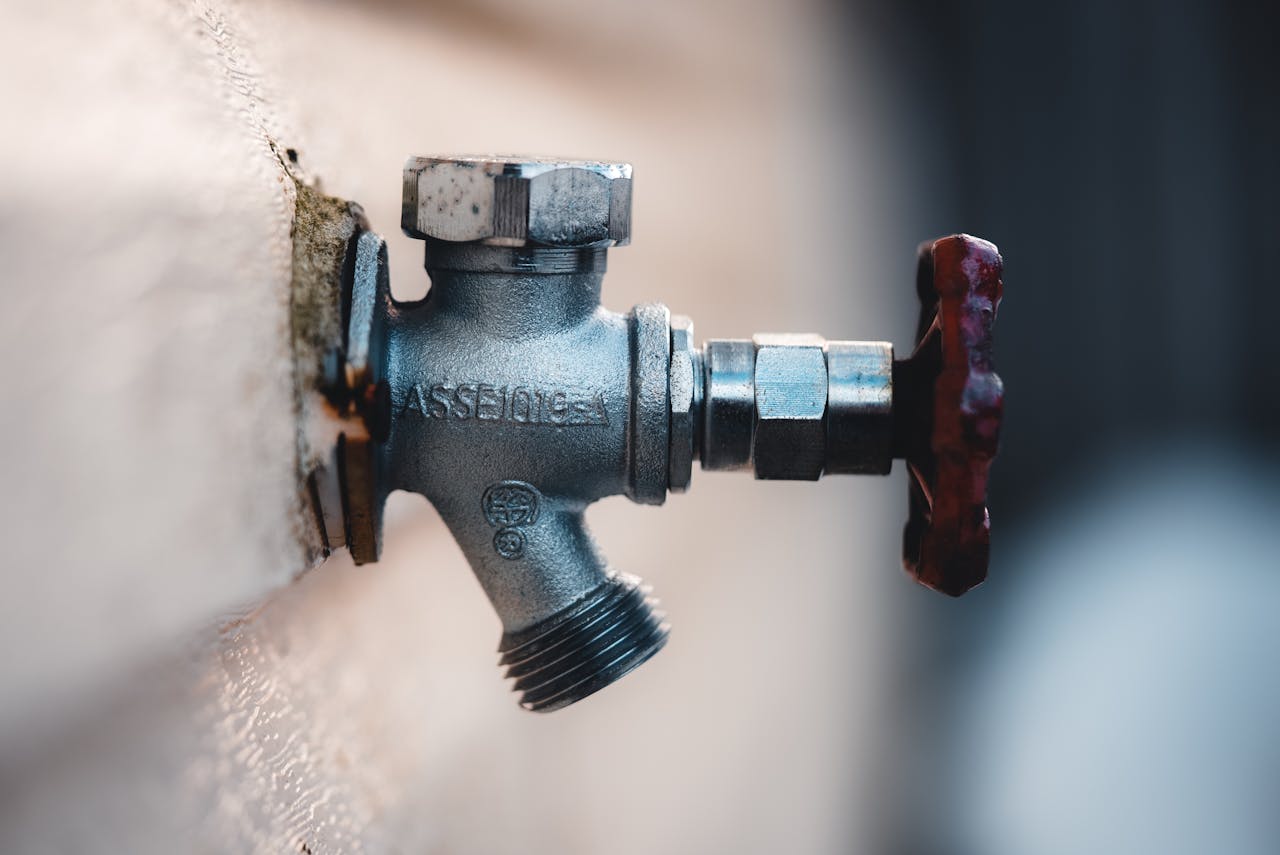
Uncovering Wall Leak Causes
There are numerous sources of water leaking behind your walls, all with specific indicators and implications. These leaks frequently remain unnoticed for extended durations, gradually ruining internal frameworks and escalating repair expenses. Knowing the causes is the first step to prevention and repairs.
Plumbing Failures
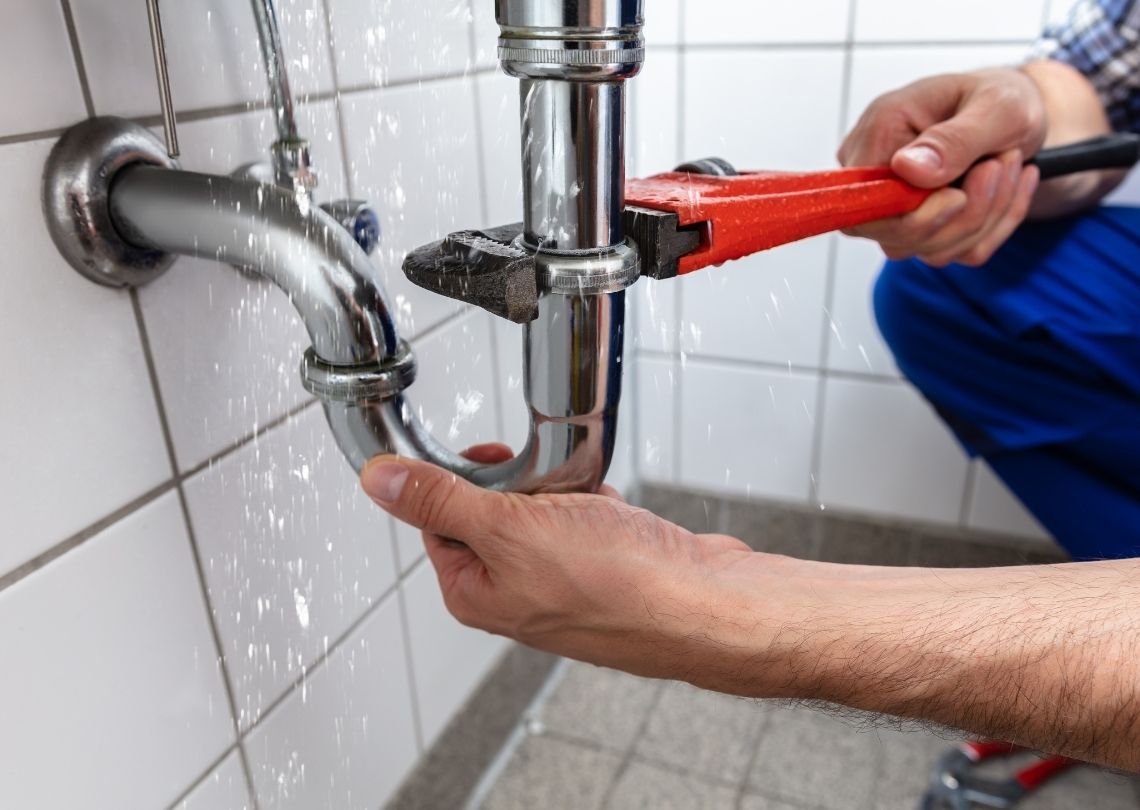
Inside wall leak causes include corroded pipes, old fittings, and cheap plumbing. Excessive water pressure can stress joints, causing pipes to rupture or leak. Loose plumbing connections worsen over time, particularly in houses with older systems or where previous repairs were a bit slapdash. Freezing winters or hot summers can lead to pipe expansion, contraction, or cracking, making the pipes most susceptible to leakage. Even a small crack, usually less than one millimetre wide, can waste hundreds of litres of water a day and drive water bills up.
Structural Shifts
Buildings do settle, but large shifts in foundations or load-bearing walls can result in cracks and openings for water infiltration. Symptoms include bowed drywall or cracks along seams. Soil erosion around the foundation compounds things by destabilizing the structure. Shifts from the ground or temperature swings can open new routes for water to sneak in, particularly in houses situated in areas with volatile weather.
Exterior Intrusions
Downpours and flooding are among the biggest risks, particularly if water collects near a structure’s foundation. Leaves or debris clogging gutters and downspouts cause overflow, sending water down exterior walls. Compromised roofing lets rain slip into wall cavities. Bad landscaping and drainage can channel water toward the house instead of away from it, increasing the chances of wall leaks during a storm.
Appliance Breakdowns
These hidden leaks often originate from appliances like washing machines, dishwashers, or water heaters. Hoses and seals deteriorate, and loose connections can let slow leaks permeate inside walls. Indicators are wet spots around fixtures or mysterious surges in water consumption. Routine upkeep and inspections ensure you catch such problems ahead of time before they cause a lot of damage.
HVAC Systems
Air conditioning or heat condensation can accumulate on the inside of wall cavities. Leaky ductwork leaks humidity and condensate into your living space. Clogged drain pans or drain lines back up water into your walls. Badly installed or maintained systems have these issues more frequently. Fortunately, tools such as heat-sensing infrared cameras now simplify quickly identifying these sneaky leaks.
Identify Telltale Signs
Water leakage behind walls doesn’t alert us until real damage has occurred. Detection is crucial because water damage is a leading driver of property claims, and it can affect structural integrity as well as indoor air quality. If you notice telltale signs, visual, olfactory, and auditory, you’ll catch leaks before they get out of hand.
Visual Clues
Water stains on walls or ceilings are usually yellowish or brown and could indicate leaks from pipes or roofing overhead. These stains are more visible in daylight or with a powerful flashlight. Bubbling or blistering paint and peeling wallpaper generally indicate moisture caught underneath. This is commonly observed near bathrooms, kitchens, or laundry spaces that have plumbing behind walls. Mold growth is another red flag; it appears as black—sometimes furry—spots on walls or ceilings. This indicates excess moisture and likely insufficient ventilation. Cracked or crumbling drywall, particularly combined with soft or spongy areas, typically indicates continued water damage emanating from a slow leak or burst pipe. These problems are frequent in aging apartments or digs with decrepit pipes.
Odor Indicators
Musty odors are a telltale sign of chronic moisture and potential for mold growth. They tend to lurk in secret places, like behind walls and under floors, where leaks originate. Odd smells from appliances or fixtures are another indicator, particularly if a washing machine or dishwasher smells musty or sour. Don’t overlook musty odors that linger in your basement or crawl space, as these places are susceptible to leaks from outdoors or concealed pipes. Be aware of telltale signs and air quality issues. Indoor humidity caused by water damage may be responsible for 50 percent of all indoor air quality problems, and it can be a health hazard.
Sound Alerts
Dripping, even faint dripping, is usually indicative of a clandestine leak behind a wall or ceiling. Other times, hissing sounds indicate air is leaking from a compromised pipe, which can occur with water and gas lines. Gurgles emanating from your pipes could be an indication of a clog or leak. If you hear persistent dripping, particularly at night when the house is quiet, this could indicate a slow but consistent leak. Being alert to these noises and monitoring monthly water bills for mysterious surges can help validate suspicions.
Health Hazards
There’s more at stake than just property loss for those who are living with hidden water damage. Mold and mildew love wet spots and can send their spores into your air. Coughing, sneezing, itchy eyes, and other allergy symptoms thrive in these environments. For others, that damp air can cause serious breathing issues years down the road.
Prolonged mold exposure has the potential to generate health complications that persist over time, particularly in children, elderly individuals, or individuals with compromised immune systems. Maintaining the air clean and dry is important. Identifying leaks and repairing them promptly protects your home.
Financial Costs
Cost Item | Typical Range (USD) | Notes |
Water Damage Repair | $1,200–$5,000 | Based on severity and affected area |
Mold Remediation | $500–$6,000 | Varies by mold type and spread |
Pipe Repair/Replacement | $150–$2,000+ | Depends on pipe location and complexity |
Utility Bill Increase | $20–$100+ per month | Leaks can waste thousands of liters daily |
Inspection (Professional) | $100–$500 | Non-invasive methods may cost more |
Pay attention to your monthly water bills. A spike, even with constant usage, frequently indicates a silent leak. Small leaks can waste thousands of liters per day and drive bills much higher.
If leaks go unchecked, repair costs increase rapidly. A small repair becomes a full-scale overhaul, and homes with water damage do not sell well. It is a lot cheaper to pay for regular checkups and early repairs than it is to fix big damage later.
Your Home’s Inherent Risks
Water leaks behind walls rarely result from one thing. Instead, they’re frequently the consequence of your home’s materials, design, and age. Any of these factors, when missed, can increase your potential for hidden moisture, mold, and costly repairs. Knowing these risks allows you to make intelligent decisions about repairs and upgrades.
Construction Materials
What your walls and pipes are made of directly influences water leak hazards. Drywall, for instance, is porous and soaks up water quickly, retaining moisture for days. This leaves places for mold to grow, often as fast as two days later. Older homes can have galvanized steel or cast iron pipes, which corrode and weaken over time, making it more likely for small leaks to occur without notice.
Quality counts. PVC or copper pipes tend to last longer and be more corrosion-resistant than older metal choices. Low-grade or poorly installed fixtures are more apt to fail and leak. Insulation in walls can similarly hide leaks until the damage intensifies, particularly if the material retains water rather than evaporating it. By incorporating premium, water-resistant building materials, you reduce the likelihood of latent leaks and increase the longevity of your home’s infrastructure.
Architectural Design
The design or architecture of a home can impact water flow, accumulation, or drainage. Improper drainage design can force water to collect along foundation walls, increasing the potential for leaks. Low-sloped roofs or insufficiently large overhangs allow water to accumulate or flow near openings, increasing the chance of intrusion. Bathrooms and kitchens with plumbing on exterior walls have an added danger because temperature fluctuations can cause pipes to burst.
Design flaws, like a missing vapor barrier or improper window flashing, can allow water to seep in after a heavy rain. Poorly sloped floors or patios adjacent to the home can funnel water to the walls, exacerbating the issue. Good design, with appropriate slopes and drainage courses, assists in keeping water moving away from susceptible materials and minimizes the potential for leaks behind drywall.
Building Age
Factor | Older Buildings | Newer Buildings |
Pipe Material | Steel, iron (corrode, leak) | PVC, copper (more durable) |
Fixture Lifespan | Often past prime | Usually newer, less worn |
Leak Detection | Harder, more hidden | Easier, more exposed |
Mold and Moisture | Higher risk, less insulation | Lower risk, better barriers |
Older homes have greater leak risks because of aging pipes and fixtures that may be beyond their service life. Wear and tear over decades can create cracks or pinhole leaks behind walls that go unnoticed until the damage is significant.
Periodic inspections and timely upgrades help catch these risks early. Left unaddressed, leaks can cause structural damage, expensive repairs, and mold and indoor air quality risks. Catching minor water damage within 48 hours can avoid full replacement. Long-term leaks nearly always necessitate more extensive intervention.

How To Trace The Source
Tracing water leaks behind walls requires a methodical approach and the proper equipment. Early detection contains damage, saves on repair costs, and prevents mold. A combination of visual, manual, and technological checks enhances precision and speed. Below are the main steps to trace the source:
- Begin with a comprehensive visual examination for staining, paint peeling, and mold.
- Touch surfaces to feel for cool or damp spots.
- Listen for dripping or running water inside the walls.
- Use moisture meters to check for hidden moisture.
- Inspect pipes, windows, doors, and outside walls for water intrusion.
- Investigate neighboring rooms and ceilings as water can spread from the source.
- Monitor water and energy bills for unexpected increases.
- Jot down discoveries, pictures, and anything to trace the source.
- For ambiguous situations, employ expert leak detection tools like thermal imaging.
- Cut a tiny inspection hole if readings indicate one particular area.
Visual Inspection
- Examine walls and ceilings for stains, discoloration, or peeling paint.
- Check baseboards, corners, and window sills for mold or mildew.
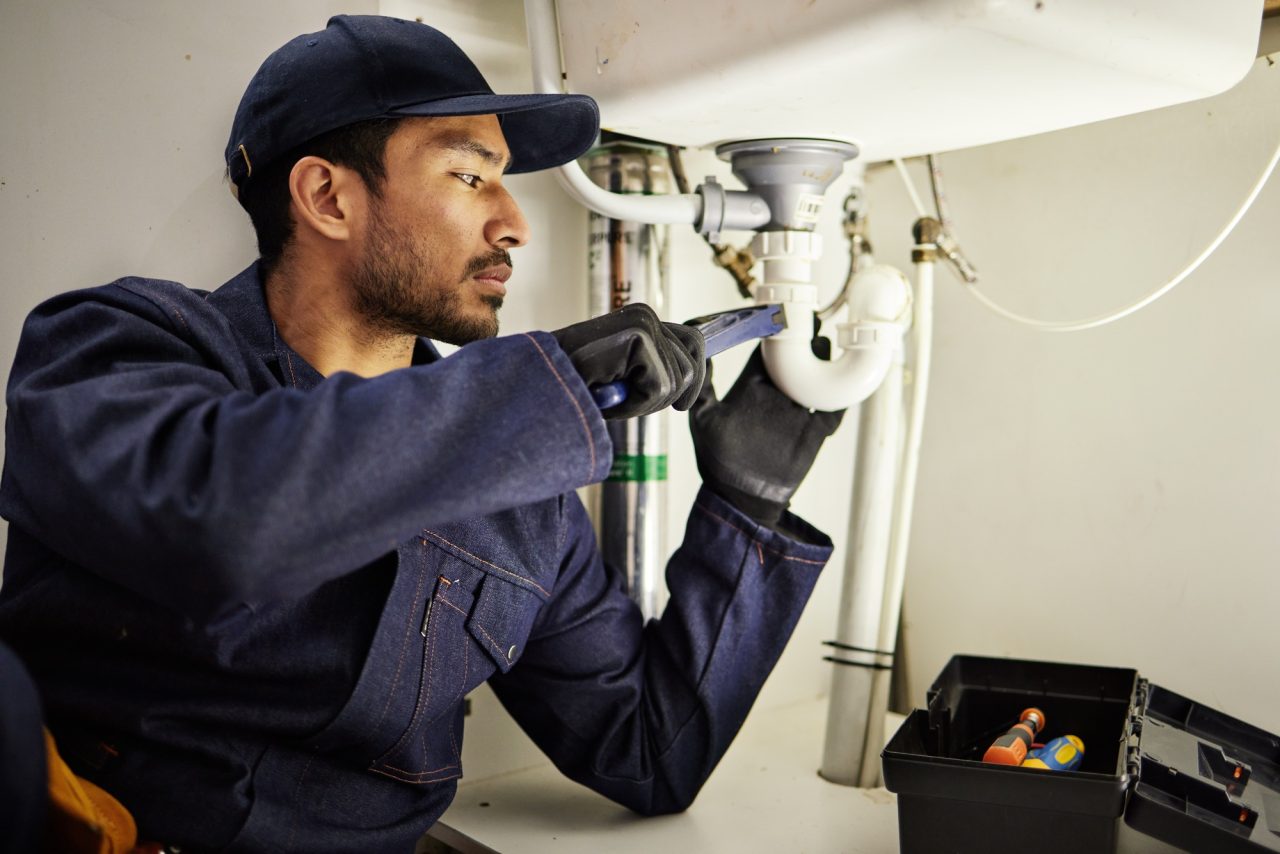
- Test plumbing fixtures, pipes, and connections for corrosion or water marks.
- See if the doors or windows are damp or have warped wood around the perimeter.
- Check outside walls for cracking or any places where water may leak in.
Moisture typically manifests itself as bubbling or flaking paint, warped trim, or dark staining. Mold and mildew may develop on concealed and exposed surfaces. Plumbing leaks can surface around sinks, toilets, or showers. At times, water penetrates through the roof, window casings, or compromised siding and seeps down to lower floors.
Moisture Meters
Moisture meters allow you to rapidly perform non-destructive inspections for underlying moisture within walls and floors. These gadgets display precise moisture levels in percent, making it easier to identify problem areas.
Concentrate on high-risk areas, such as bathrooms and basements, where leaks frequently occur. High readings indicate moisture is locked within the materials even if surfaces appear dry. Routine inspections detect leaks in their infancy, particularly in areas with piping or poor airflow. Locating the peak readings assists in determining where to tear open walls for remediation.
Professional Technology
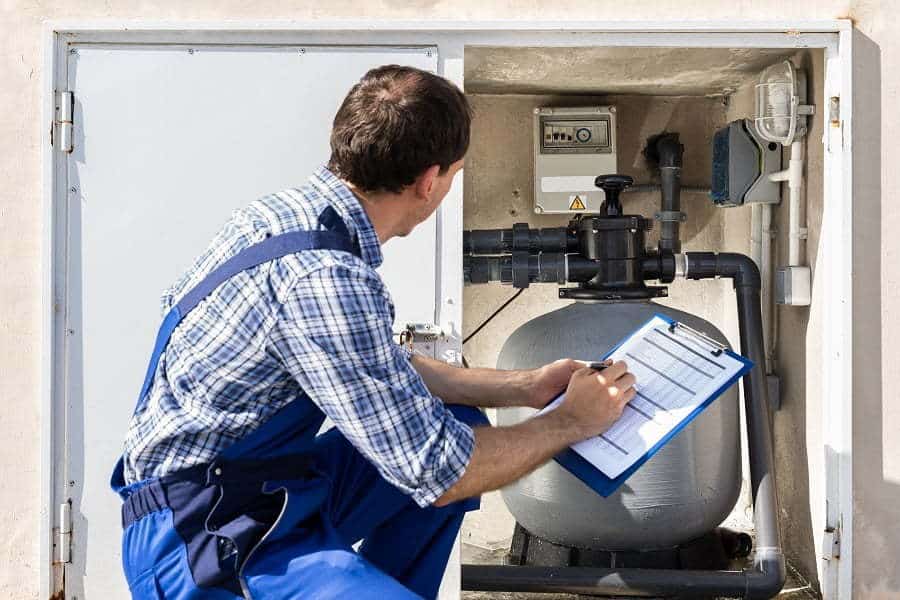
Hiring a pro brings tools home that you don’t usually find around the house. Acoustic leak detectors catch the slightest leak noise through thick walls. Thermal imaging cameras reveal cold spots where leaking water cools the wall and trace the source.
By tracing the source, pros pin down leaks faster and with less guesswork. This reduces reconstruction expenses and contains structural damage. Advanced leak detection saves time and money, especially for large or complex buildings.
Adopt A Proactive Strategy
For a lot of homeowners, water leaks behind walls are expensive and nerve-wracking. About: Take a preventative approach. The most effective way to reduce damage and reduce water waste is to intervene before an issue escalates. It helps to have a clear, proactive strategy when it comes to protecting the value of your home!
- Teach every member of your household the early signs of leaks. This involves searching for wet patches, unaccounted-for mold, stale odors, or flaking paint. Educating everyone in the home to recognize these signs can help identify leaks early and initiate repairs before more extensive damage occurs.
- Make a habit of checking and maintaining all water fixtures, pipes, and appliances regularly. Establish a day every few months to check exposed pipes for sweat, rust, or drips. Easy checks, such as sensing for moisture or checking for marks around sinks and toilets, can detect leaks before they escalate. For Pete’s sake, don’t skip the water meter test. If the dials turn when no water is running, that’s usually a sign of a clandestine leak.
- Schedule regular inspections and maintenance. Think about upgrading to low-flow fixtures that reduce water consumption without damaging functionality. For outdoor systems, smart irrigation controllers reduce water consumption by thirty percent or more. For colder regions, pipe insulation purchased at a hardware store is an easy remedy that prevents freezing and cracking, the culprits behind leaks during the winter months.
- Have a repair plan. When a leak is discovered, know whom to contact and how quickly to respond. Put away a small emergency repair fund, and have the phone number for a dependable plumber nearby. Taking care of leaks immediately can conserve hundreds of gallons of water annually and preserve your home’s integrity.
These are important habits for wet winter and dry summer homes, where water conservation is critical. Leak prevention isn’t just water conservation; it’s about preserving your home for years to come.
Conclusion
Water leaks behind walls may begin as a minor inconvenience, but they can cause serious damage. Old pipes, loose joints, and cracks in the wall can trigger a snowball of havoc. Wet spots, mold, and musty smells occur quickly. That’s what makes these early warning inspections so essential to protecting a home. Seal leaks fast to avoid costly repairs. Employ a moisture meter or request a specialist in difficult situations. Look out for paint or drywall shifts and inspect pipes regularly. Tiny moves prevent huge waste. Be vigilant and respond at the first indication to maintain your environment dry and secure. Add your own tips or stories below—let’s get each other’s homes rock solid!
Frequently Asked Questions
1. What Are The Main Causes Of Water Leaks Behind Walls?
Typical causes are burst pipes, leaking plumbing connections, roof leaks, and inadequate waterproofing. Aging pipes and high water pressure put you at risk. Regular inspection can prevent these.
2. How Can I Tell If Water Is Leaking Behind My Walls?
Watch for bubbling paint, wet patches, mold, mildew, or strange aromas. A jump in your water bill is another indicator. These early warnings get you moving fast.
3. What Damage Can Hidden Water Leaks Cause?
What causes water leaks behind walls? Eventually, this can result in costly repairs and health risks from mold exposure.
4. Are Some Homes More At Risk For Wall Leaks?
Older homes and homes with antiquated plumbing are at greater risk. Homes in regions with significant rainfall or bad drainage are at greater risk. Routine upkeep reduces these dangers.
5. How Do Professionals Find The Source Of A Wall Leak?
They utilize moisture meters, infrared cameras, and diligent visual inspections to trace leaks. These tools help find the precise issue without excessive wall damage.
6. Can I Prevent Water Leaks Behind Walls?
Yes, routine plumbing inspections, immediate repairs, and keeping roof and wall seals in good condition prevent leakage. Proactive work saves money and safeguards your home from destruction.
7. Is Mold From Wall Leaks Dangerous To Health?
Yes, water leak mold can cause allergies, respiratory issues, and other health problems, particularly for children and the elderly. Fix leaks soon to avoid mold.
Water Leaks & Water Line Repair In Santa Rosa: Stop Small Problems Before They Become Big Ones
A hidden water leak or a damaged water line can quietly wreak havoc on your home. From rising water bills to sudden drops in pressure or unexplained wet spots, these issues rarely fix themselves. Yorkshire Plumbing provides fast, professional water leak detection and water line repair in Santa Rosa, helping homeowners catch problems early and avoid costly damage.
Our team uses advanced diagnostic tools to track down leaks with precision, even when they’re buried underground or hidden behind walls. Once we find the source, we walk you through what’s happening in plain language and recommend the right repair for your situation. No guesswork, no upselling, just clear answers and solid solutions that restore your plumbing and protect your property.
With nearly a decade of experience serving Sonoma County, this family-owned company has built a reputation for honest service, careful workmanship, and dependable results. Yorkshire Plumbing doesn’t just repair water lines; we help you feel confident that your system is safe, efficient, and built to last.
If you’re dealing with signs of a water leak or think your water line may be failing, contact Yorkshire Plumbing today and get expert help before the damage spreads.
Disclaimer
The information provided on this website is for general informational and educational purposes only and is not intended as professional plumbing or construction advice. You should consult with a licensed plumber or qualified contractor for guidance specific to your home or situation. Do not rely solely on the content of this site to make decisions about plumbing repairs, installations, or maintenance. While we strive to keep the information current and accurate, it may not reflect the most recent industry standards or code requirements. Yorkshire Plumbing & Drain Services disclaims all liability for any actions taken or not taken based on the content of this site, to the fullest extent permitted by law.