Here’s why sudden water pressure drops usually mean trouble. If water flow slows down quickly, it typically indicates a problem in the system that requires immediate inspection. Leaks can waste water and increase bills, while blockages may prevent water from flowing to taps or showers. If the main line has cracks, entire buildings or residences can lose water pressure simultaneously. Even minor pressure drops can turn into major plumbing expenses if ignored. Recognizing these signs early prevents long-term damage. In the following section, discover how to identify the culprits, what aids along the way, and how to address drops in water pressure at home or work.
Key Takeaways
- Sudden drops in water pressure are often indicators of underlying plumbing problems such as hidden leaks, pipe blockages, malfunctioning valves, or faulty pressure regulators. All of these require timely investigation and resolution to prevent further damage.
- Routine maintenance of your plumbing system, including checking pipes, valves, and pressure regulators, and timely professional inspections, can prevent sudden pressure drops that typically indicate trouble.
- External causes could be disruptions in the municipal supply or well system, shared pipelines in a multi-unit dwelling, or foundation shifts. You want to check both your internal and external water sources.
- It’s a major inconvenience. Low water pressure makes it difficult to complete everyday tasks and reduces the efficiency of appliances. It also puts stress on your plumbing and appliances, reducing their lifespans.
- Having a consistent diagnostic routine for water pressure problems, like testing faucets, examining pressure-reducing valves, or monitoring water meters, can quickly narrow down and solve pressure issues.
- Proactive care, such as regular checkups, flushing, and documentation, greatly helps provide enduring plumbing dependability and reduce expensive damage from ignoring pressure issues.
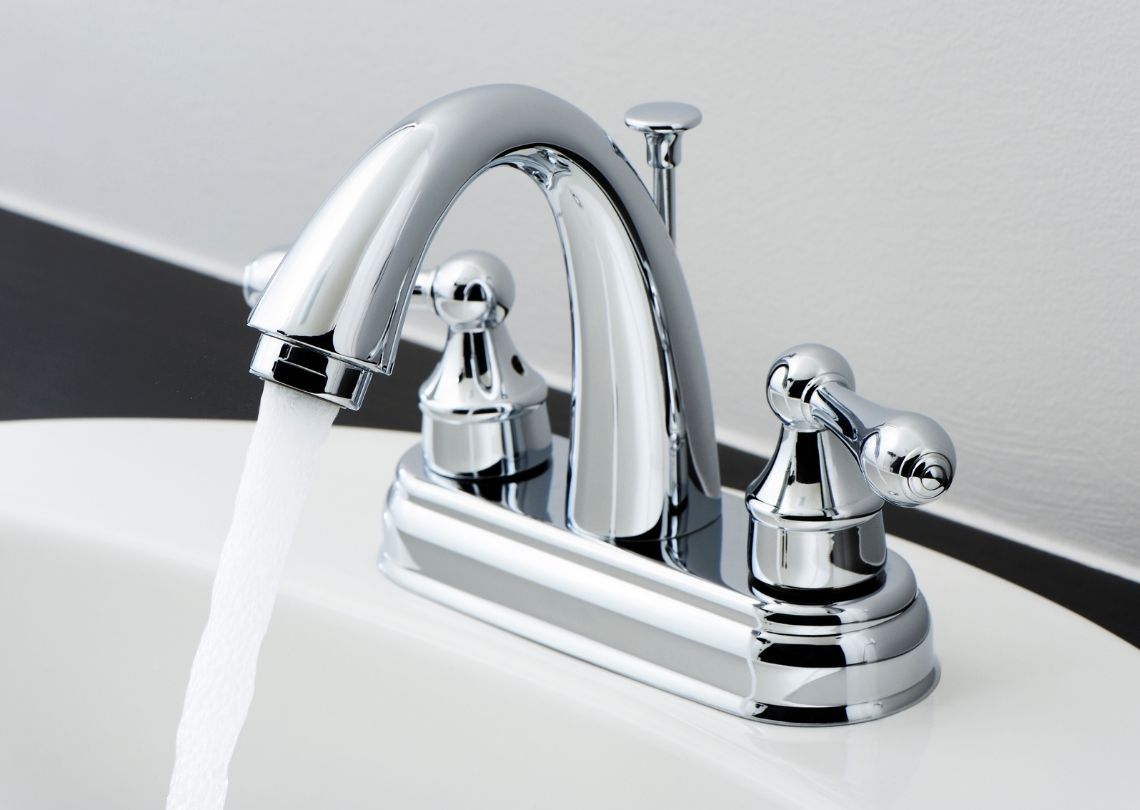
Uncovering Sudden Low Water Pressure Causes
Sudden low water pressure typically indicates an issue rather than a nuisance. Knowing where it’s coming from can save you from additional damage, increased repair expenses, and wasted resources. Most houses, particularly older ones, have their own idiosyncratic plumbing systems that are susceptible to a few usual suspects. By knowing these causes, you can be sure to act quickly and efficiently.
Pipe Leaks
Plumbing leaks can be difficult to detect, particularly when they’re concealed behind walls or beneath floors. Sudden low water pressure is typically one of the initial indications of a leak. Water marks, dampness, or mold might indicate slow leaks. Even minor leaks can accumulate, not only reducing water pressure but also inflating utility bills over time. Old houses with galvanized steel pipes are especially vulnerable to corrosion and leaks after 20 years or so. Occasionally, there are multiple leaks responsible, necessitating the services of a professional plumber and sophisticated leak detection equipment to identify and repair the problem.
Pipe Blockages
Pipes blocked with deposits do the same. Mineral deposits, trash, or even small items can block pipes in the long run. Fixtures can become plugged, and cleaning or replacing them will sometimes fix low pressure. Homeowners can utilize plumbing snakes to unclog minor obstructions, but stubborn or extensive clogs generally require professional cleaning. Routine pipe cleanings keep water running and inhibit future buildup.
Valve Malfunctions
Valves control water in any plumbing system. A broken shutoff or isolation valve may interrupt the flow and cause sudden low pressure. Valves can get stuck, corroded, or damaged, particularly in vintage plumbing systems. Prompt replacement of defective valves helps to bring pressure back to normal and avoids additional plumbing issues. Having a licensed plumber perform inspections and prompt repairs keeps your system reliable.
Regulator Failure
Pressure regulator – A defective pressure regulator can cause sudden low water pressure around a home. Symptoms of failure are pressure surges or dips under the normal 40-45 PSI. Testing the pressure gauge can help verify regulator problems. Replacing a failing regulator is typically the only safe way to return water pressure to stability and ensure your comfort every day.
Municipal Supply
Water pressure issues can come from outside your house. City supply issues: Your water company might be doing some work, or there might be a lot of demand in shared pipes, leading to a sudden pressure drop. Watch for public alerts from your water provider and check with neighbors to determine if it’s a general problem. Ongoing supply issues need to be reported to the supplier for investigation and resolution.
The Ripple Effect On Appliances
A water hammer can throw a wrench in your day, causing a ripple effect throughout your plumbing and appliances. The effect is more than a nuisance. A number of household and commercial appliances rely on consistent water flow and pressure to operate efficiently.
Performance Decline
- Washing machines, dishwashers, and water heaters rely on adequate water pressure to function as intended. Low pressure can result in longer cycles or poor rinsing or cold washes that leave clothing and dishes dingy.
- Dishwashing isn’t as effective with weak spray arms. Washing machines take longer to fill, driving up energy costs. Water heaters may not reach set temperatures, resulting in lukewarm showers.
- Appliances that don’t handle low pressure well, like pressure-assisted toilets and older water heaters, could require regular service. Clogged filters, mineral deposits, and worn gaskets.
- If older appliances cannot cope with low or fluctuating pressure, replace them with models designed for variable pressure. Most modern appliances have sensors or adaptive controls to optimize under suboptimal conditions.
Component Strain
Pressure drops not only impact fixtures and appliances, but they also cause stress on the plumbing infrastructure. Pipes, joints, and fixtures can only take so much pressure. Water pressure fluctuations put a strain on them. It can make them wear out prematurely, especially at points of connection. Corroded or mineral-clogged pipes restrict flow even more, escalating the issue.
Odd sounds, such as banging or rattling when appliances start up, can warn of pipes under strain. These sounds can signify water hammer or sudden pressure fluctuations that are harming seals and joints. Repeated exposure eventually causes leaks or burst pipes.
Plan on repairing or replacing them on time. Replacing aging pipes or failing pressure regulators can ease the stress on your entire plumbing system and keep appliances humming along as expected.
Lifespan Reduction
Low pressure all the time beats out all appliances and plumbing at a much quicker rate. All those little repairs add up. Why not spend a little more on good parts now? Regular TLC, like cleaning aerators, descaling pipes, and checking pressure regulators, extends lifespan.
Quality plumbing materials can better withstand the strain of pressure surges. Investing in these first saves money over time by reducing repairs and prolonging appliance lifespans.
Beyond The Obvious Plumbing Issues
A sudden drop in water pressure isn’t always about clogged pipes or leaky faucets. There are a ton of other sneaky things that can cause your pressure to drop, usually indicating larger issues that need to be addressed. These can include:
- well system faults
- shared pipeline strain in apartment blocks
- shifting building foundations
- mineral buildup or tree roots in pipes
- Ongoing municipal water line work
- hidden leaks
- seasonal spikes in water use
- aging pipes past their 20-year lifespan
- Hard water mineral deposits. When it is under 30 psi, it’s time to dig a bit and find out what is going on.
Well System Problems
Private well systems are more complicated. More often than not, those pressure dips can be attributed to a dying well pump, a clogged filter, or a pressure tank that’s losing its charge. When well water levels drop, particularly in the summer or during a drought, pumps can fall behind. This results in intermittent flow in the house. Aside from the obvious plumbing problems, annual tune-ups, like inspecting the pressure switch and washing the filters, catch early wear or mineral deposits. Neglecting these indicators can translate to more extensive fixes down the road. For issues beyond the obvious, always consult a licensed well technician.
Shared Pipeline Strain
In buildings with communal pipes, such as apartments or condos, water pressure naturally decreases if multiple neighbors are using water simultaneously. Most drain problems occur at high-demand times, mornings, after work, etc., and the system is strained. Seasonal usage, such as filling pools or watering lawns, simply compounds the issue. Neighbors can clog your water flow. If we all shower at once, the pressure will drop. By chatting with other tenants, it’s nice to know whether it’s a building-wide issue. A pressure booster or new pipes can fix it, as do other remedies. It’s smart to bring in property management or local plumbers to weigh in on options.
Foundation Shifts
Underground pipes are susceptible to shifting. As homes settle, particularly along clay belt regions or due to earthquakes, foundations can shift and place strain on plumbing. Cracks or misalignment can cause leaks that are not easy to detect. A consistent loss in pressure is a major red flag. Check for indicators such as newly formed wall cracks or doors that have become misfitting. These can indicate foundation movement. You need expert inspections for your foundation and plumbing. Fixes could imply shoring up the foundation and swapping out busted pipes.

Diagnosing The Pressure Problem
These water pressure drops don’t happen randomly. In fact, a proper diagnosis begins by examining the entire system, from individual fixtures all the way back to the main meter. Most homes should have pressure between 2.76 and 4.1 bar, which is 40 to 60 psi. Any score below this range deserves further investigation. It can be a localized problem in a single bathroom, or it can impact the whole property. Knowing where to look helps you act fast and forestall bigger damage.
Check Your Fixtures
Begin by examining each faucet, showerhead, and spout. Low flow in one location usually indicates a local clog. Widespread low pressure is a telltale sign of a larger system issue. Faucet aerators and showerheads are notorious for capturing debris or mineral buildup. Take them out and scrub with a brush or soak in vinegar. This simple step frequently revives flow, particularly in vintage fixtures.
Don’t forget the hot and cold taps. If only the hot water is sluggish, then the issue may be with the water heater. Hot water pressure that’s been dropping for a while is more than an annoyance; it’s a symptom of sediment accumulation or an inside clog. If cleaning won’t assist, check for cracks, leaks, or corrosion. Swap out any fixtures that appear battered or broken. Testing each fixture in this manner is a good way to isolate the source and saves time.
Inspect Your Valves
Then, follow all exposed valves, such as under sinks and behind toilets. Even a midway closed valve will constrain water flow, causing sporadic pressure. Ensure that all shutoff valves are completely open. Sometimes a valve appears open but is stuck halfway due to corrosion or debris inside. If you see green or rusty buildup, it might indicate internal damage.
A valve that’s too difficult to turn or leaky may require replacement. Ignoring malfunctioning valves can lead to additional pressure loss and even water damage as time goes on. Keep in mind that water pressure drops by approximately 0.433 psi per foot of pipe, so any restriction can exacerbate the situation, particularly in larger houses.
Read Your Meter
Locate your water meter, typically outside by the street. Learn to read the dial and the sub-dials. Look at daily or weekly readings to identify patterns. A decrease in pressure combined with an increase in consumption is a red flag.
If the figures are wonky and you can’t figure out why, bring in a plumber. They have the equipment to diagnose concealed leaks or pressure issues within the walls. Over long distances, water loses pressure, which is about 0.433 psi per 1 foot, so homes distant from the main supply are more susceptible to dips. Regular meter checks can identify issues before they escalate.
Long-Term Damage From Neglect
Sudden drops in water pressure tend to be symptoms of more serious issues that can cause long-term damage if neglected on any size property, from a small apartment to a commercial building. Such neglect doesn’t just decrease comfort, but can increase expenses and do actual damage to the integrity and safety of the plumbing system. Pipes that don’t get checked or maintained start to corrode. In certain instances, particularly with galvanized pipes, this rust can actually reduce the interior diameter of the pipe over 30 to 40 years, further reducing the water flow. For those with hard water, the accumulation of minerals on the interior of pipes and fixtures introduces another degree of difficulty, accelerating wear and clogging.
Neglect is where hidden leaks become a hazard that intensifies. A little leak neglected can cause water damage to walls or floors, higher water bills, and even the appearance of soggy spots or unusual green patches of grass in the yard, indicating there is a mainline leak. Other times, sudden water pressure drops don’t appear until the main supply line has been breaking down for a long while. If the water pressure problem is due to a failing pressure regulator, the threat is not merely a reduced flow. The regulators, which generally have a lifespan of seven to twelve years, can fail and result in both long-term damage to pipes and an immediate necessity to replace them.
Water heaters require consistent care. Sediment that accumulates on the bottom of the heater can cause corrosion, clog the valves, and even break the heating element. This type of neglect frequently results in the entire unit needing to be replaced way too soon.
The table below shows the main impacts, costs, and ways to stop these problems before they grow:
Impact of Neglect | Associated Costs | Preventative Measures |
Corroded or burst pipes | Expensive repairs, water damage | Regular pipe checks, replace old pipes |
Hidden leaks | Water bills, property damage | Monitor usage, fix leaks promptly |
Failing pressure regulators | Full system replacement | Replace every 7–12 years |
Sediment in water heaters | Shorter lifespan, higher energy use | Flush the heater yearly, inspect the valves |
Mineral buildup | Reduced flow, fixture damage | Use filters, clean pipes regularly |
Proactive System Maintenance
Being ahead of water pressure problems is crucial for consistent delivery and worry-free living. Being proactive involves both routine inspections and quick repairs, which together assist in identifying issues before they escalate. Acting early keeps water moving for daily life. Neglecting the minor issues invariably results in major, expensive repair work. These measures serve as a protective barrier, ensuring issues such as pressure drops are the exception rather than the norm.
- Set a maintenance calendar: mark dates for monthly, seasonal, and yearly checks.
- Check for leaks, rust, or weak spots in all pipes, valves, and fixtures.
- Clean or replace intake filters and aerators to prevent clogging.
- Test water pressure at multiple outlets to detect dips early.
- Record each check, repair, and part swap in a notebook or digital file.
- Proactively maintain your system. Bring in a licensed plumber once a year for a full review.
You want to make sure you regularly check all your pipes and fittings, as small leaks or rust inside metal pipes, such as galvanized steel, can gradually impede water flow. This is a typical culprit of pressure drops, and it is easy to overlook without regular maintenance. Check for rust or buildup, and replace worn pipes preemptively. In filter-based homes, like those utilizing pond or well water, sediment and algae can accumulate quickly. If an intake filter becomes blocked or is not cleaned annually, water pressure can decline within days. A clogged filter is usually to blame for a precipitous decrease, and it requires nothing more than a quick cleaning to remedy the problem.
Good record-keeping is the key. Whenever you inspect a pipe, replace a filter, or repair a leak, note it. This history reveals trends and assists in identifying vulnerabilities before they become a larger threat. It expedites the next repair or plumber visit since you know what has been done and when.
Professional help counts too. Proactive system maintenance is a comprehensive system check-up from a licensed plumber that identifies problems that might otherwise be overlooked, from concealed leaks to corroded pipes in need of replacement. In shared or regional water areas, these inspections assist in catching pressure issues that can impact numerous residences. Yearly visits may feel like an add-on expense, but they more than earn their keep by maintaining your system’s health and reducing those dreaded service calls.
Conclusion
Here’s why sudden water pressure drops typically spell trouble. Leaks, clogged pipes, or bad valves often lurk at the root. Homes and offices feel the squeeze immediately—showers go limp, dishwashers stall, and pipes stress. Little warnings turn into major fixes if ignored. Devices such as pressure gauges or smart sensors identify problems early. Routine inspections prevent destruction before it begins. Keeping your pipes clean and your valves clear will afford you time, money, and stress savings. Catching it early means less hassle down the road. For people who experience recurring drops or can’t repair them themselves, consulting a professional is a good idea. Stay alert, monitor your system, and post your water pressure advice to the community.
Frequently Asked Questions
1. What Causes Sudden Drops In Water Pressure?
Here’s why: when your water pressure suddenly drops, you’re usually in trouble. These problems can occur in new as well as older plumbing.
2. Can Low Water Pressure Harm Appliances?
Indeed, low pressure can stress washing machines and dishwashers. This can result in subpar performance or premature failure.
3. Are Hidden Plumbing Problems A Common Cause?
About: why sudden water pressure drops typically mean trouble. Routine inspections can help identify these problems in their early stages.
4. How Can I Diagnose Low Water Pressure At Home?
Begin by testing a number of taps and fixtures. If the issue is general, check for leaks or obstructions. If necessary, call a professional plumber.
5. What Happens If Low Water Pressure Is Ignored?
Turning a blind eye to low water pressure can result in bigger plumbing issues, water damage, and higher repair costs down the line.
6. Is Regular Plumbing Maintenance Important?
Yes, scheduled maintenance keeps unexpected pressure drops from happening. It preserves your plumbing system with efficiency and extends its life.
7. Should I Call A Professional For Water Pressure Problems?
If these simple checks don’t solve the problem, it’s best to contact a licensed plumber. They have the knowledge to identify and repair the issue safely.
Water Leaks & Water Line Repair In Santa Rosa: Stop Small Problems Before They Become Big Ones
A hidden water leak or a damaged water line can quietly wreak havoc on your home. From rising water bills to sudden drops in pressure or unexplained wet spots, these issues rarely fix themselves. Yorkshire Plumbing provides fast, professional water leak detection and water line repair in Santa Rosa, helping homeowners catch problems early and avoid costly damage.
Our team uses advanced diagnostic tools to track down leaks with precision, even when they’re buried underground or hidden behind walls. Once we find the source, we walk you through what’s happening in plain language and recommend the right repair for your situation. No guesswork, no upselling, just clear answers and solid solutions that restore your plumbing and protect your property.
With nearly a decade of experience serving Sonoma County, this family-owned company has built a reputation for honest service, careful workmanship, and dependable results. Yorkshire Plumbing doesn’t just repair water lines; we help you feel confident that your system is safe, efficient, and built to last.
If you’re dealing with signs of a water leak or think your water line may be failing, contact Yorkshire Plumbing today and get expert help before the damage spreads.
Disclaimer
The information provided on this website is for general informational and educational purposes only and is not intended as professional plumbing or construction advice. You should consult with a licensed plumber or qualified contractor for guidance specific to your home or situation. Do not rely solely on the content of this site to make decisions about plumbing repairs, installations, or maintenance. While we strive to keep the information current and accurate, it may not reflect the most recent industry standards or code requirements. Yorkshire Plumbing & Drain Services disclaims all liability for any actions taken or not taken based on the content of this site, to the fullest extent permitted by law.