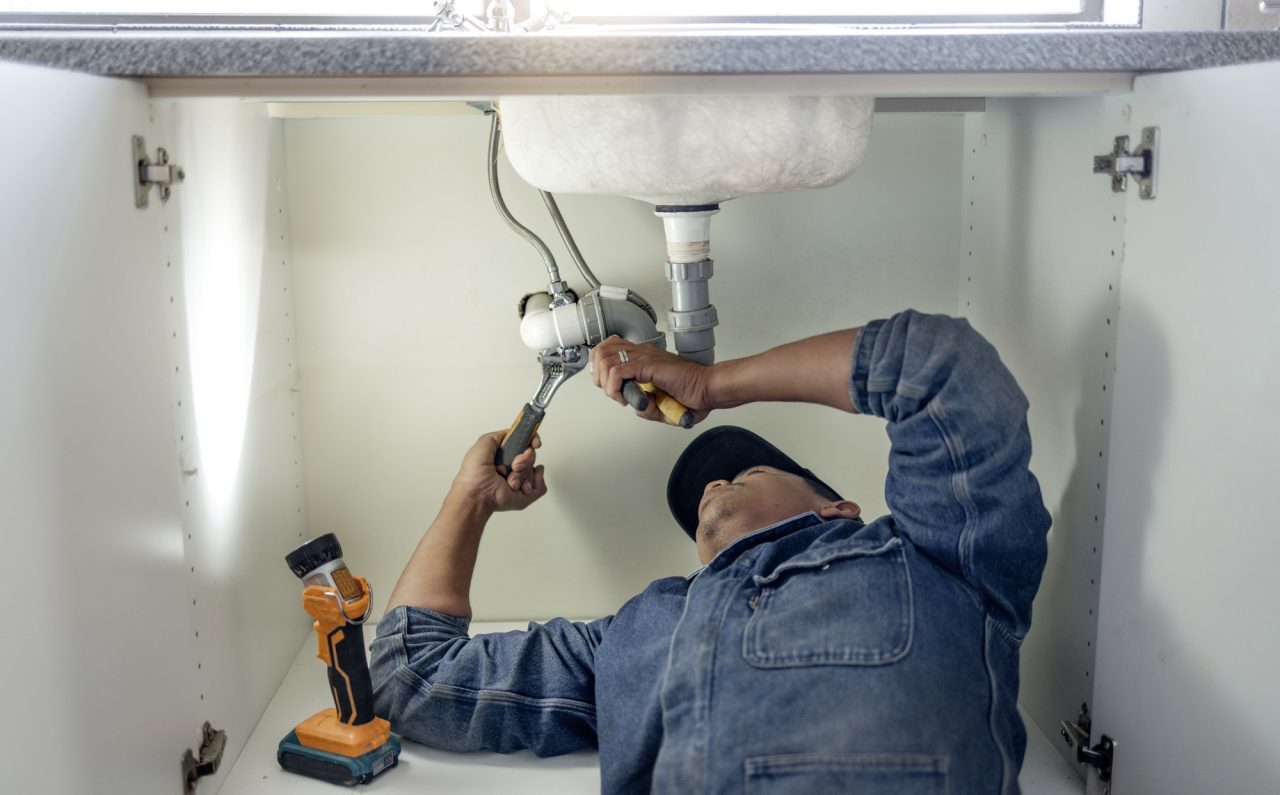
Your water bill can spike even when no leaks show up in the pipes or fixtures. Most homes experience increased charges due to concealed reasons such as leaky toilets, outdated washers, or shifts in usage. Other times, a subterranean crack or misbehaving meter spikes charges with no visible trace at home. Even innocent habits such as longer showers or more laundry loads add up to a significant bill. High water pressure or antiquated plumbing typically results in increased water consumption as well. To spot the true culprit, however, it’s useful to inspect all water fixtures and monitor consumption over several months. The following highlights causes and tips to address escalating water bills with actionable advice.
Key Takeaways
- Toilets, appliances, and fixtures are the usual suspects, with hidden leaks being the common culprit behind unexplained water bill spikes. This makes routine inspections a must.
- Diving deeper into less obvious concerns like slab leaks, pressure issues, and old plumbing can combat those behind-the-scenes sources of water loss that don’t immediately show up in everyday household behaviors.
- Outdoor systems, such as irrigation lines and service connections, can harbor undetected leaks or inefficiencies, which underscores the need for regular inspections and seasonal adjustments to maximize water efficiency.
- Checking your water meter for accuracy and reviewing your utility billing cycles can assist you in discovering inconsistencies and guarantee you’re just compensated for the water you truly drink.
- Taking into consideration your household’s water usage habits and factoring in changes like new appliances, family members, or seasonal shifts helps you manage your water consumption more effectively and keep costs under control.
- Proactive monitoring, maintenance, and communication with your water provider are essential for avoiding bill shock and supporting sustainable household consumption worldwide.
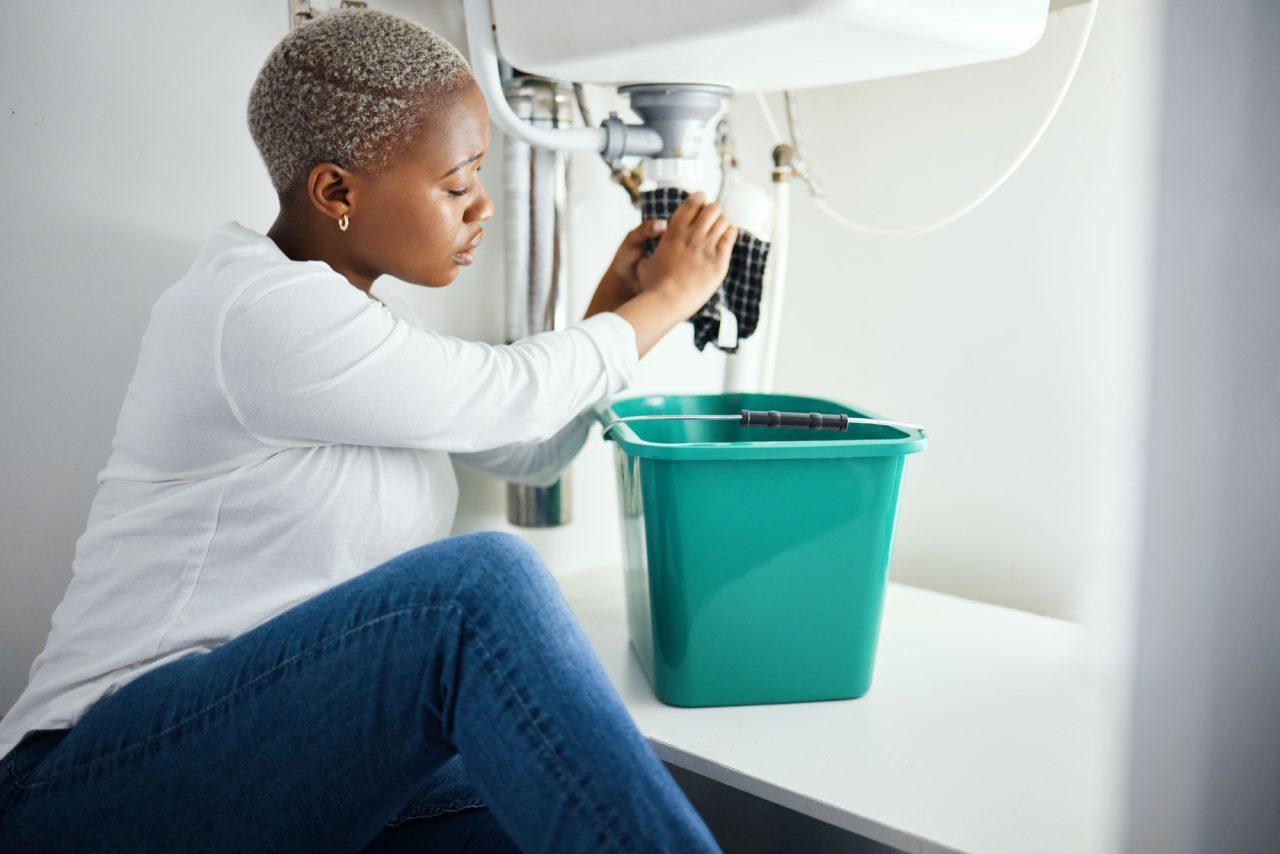
Uncover Phantom Water Users
Phantom water users are sneaky culprits that secretly inflate your water bill, even if your faucets aren’t leaking. They could be wasting hundreds of gallons a month in any household, in any part of the country. To identify these offenders, it’s best to check high-risk areas and appliances methodically, using visual inspection and simple tests. Below is a detailed guide to identify and address phantom water users:
- Test toilets for silent leaks by dropping in dye tablets or food coloring in the tank and waiting 15 minutes.
- Color in the bowl means you have a leak. Inspect flush and fill valves as well as flappers. These components tend to wear, resulting in hidden running or phantom flushes.
- Track household toilet use to detect surges in water usage, in particular if usage changes. Replace phantom water users. Upgrading to water-efficient toilets can do a lot to reduce long-term waste.
Toilets
Toilets are the usual suspects when it comes to phantom leaks. Dye tablets are a dependable option for identifying slow leaks, as even minor leaks can waste litres daily. If color leaks into the bowl without flushing, the flapper might be worn, or the flush valve is leaking. These parts need to be inspected for cracks, mineral deposits, or improper seating.
Older toilets, particularly those installed before 1995, can use up to three times as much water per flush as newer models. Exposing phantom water users is important. Replacing them with high-efficiency models is a strong step toward reducing waste. Unexpected shifts in consumption, such as increased flushing or recycling, can point to silent leaks or mechanical issues. Monitor and document bathroom usage if bills surge.
Appliances
Washing machines and dishwashers consume high volumes of water and may cultivate invisible leaks in the hoses or connections behind the units. Look around and under appliances for moisture or pooling. Conduct run cycles and observe for abnormal water discharge or extended run times.
Uncover Phantom Water Users: Dirty or clogged filters break efficiency and can trigger overuse. Rinse filters according to the manufacturer’s instructions. Annual tune-ups by a qualified technician can detect issues before they get expensive. Early intervention saves water and repair costs.
Fixtures
Little drips from faucets or showerheads accumulate, particularly if forgotten for weeks. Test all fixtures for drips, even outside taps and hose connections. Change washers and O-rings as soon as there is any wear.
New water-saving fixtures minimize flow yet maintain effectiveness. Think about using some to upgrade. Outdoor fixtures tend to get overlooked and should be included in regular checks, especially during dry seasons when irrigation surges.
Water Softeners
Check all pipes, particularly concealed pipes behind walls or floors, for leakage and water damage like mold or soft spots. Water leaks make strange noises, and those noises can help you find the leak. As crawl space, slab, or underground line leaks are sometimes only discovered by professionals, set up a plumbing inspection if issues continue.
Investigate Hidden Plumbing Issues
Spikes in your water bill, with no leak in sight, usually indicate hidden plumbing issues. These leaks may be difficult to detect and result in consistently higher water consumption and expenses. Trustworthy detection and immediate response are crucial to avoid structural damage and contain costs.
Pressure Problems
Excessive or inconsistent water pressure can strain pipes, leading to tiny cracks or aged seals that leak. If faucets or showers abruptly lose or increase pressure, this could indicate underlying problems. Installing a pressure regulator keeps water pressure well within safety limits, typically 300 to 550 kilopascals, which can minimize both wear and waste. Irrigation systems might have to be recalibrated for any pressure changes since sloppy watering can rapidly hike up usage. It’s regular monitoring that can catch these shifts before they become expensive.
Old Pipes
Old pipework, particularly galvanized steel or lead, corrodes and leaks as it approaches its expiration date. It frequently hides behind walls or under floors, leading to creeping water bills. Checking pipe joints and connections for rust or mineral buildup can identify early warning signs. We don’t know where the issues are lurking, so a partial pipe replacement may just keep the leaks at bay. Regular plumbing inspections can catch emerging problems before they become major.
External Factors
Outdoor plumbing, such as irrigation systems and hose bibs, can leak without you noticing during normal use. Even a slow drip from an outside tap can waste buckets over a month. Wasteful irrigation, including watering at mid-day and through damaged sprinklers, typically contributes to the issue. Occasionally, you may have a municipal leak or a mainline issue outside your property that is causing a large bill. Contacting your water provider can help pinpoint these. Scheduled inspections and maintenance at least mitigate the danger of overlooked above-ground leaks.
Look Beyond Your House
A spike in your water bill, even if you don’t see any leaks indoors, tends to indicate outdoor systems or infrastructure. Most people overlook these secret saboteurs because they are beyond the home’s walls, underground, or disguised by routine landscape activities.
Irrigation Systems
Outdoor irrigation systems are a common source of water waste. Sprinkler heads become clogged or wear out, so you need to dig a trench or spray your driveway. Broken or misaligned heads waste large amounts of water, particularly if they go undetected for weeks. One bad sprinkler can leak thousands of liters a month. Look Outside Your House. Check every sprinkler head for proper alignment and clogs, especially after you’ve had the lawn mowed.
Seasonality counts. Watering gardens or lawns on the same schedule throughout the year results in overwatering. In the rainy and cooler months, plants require less water. Change schedules frequently according tothe climate and rain. Smart irrigation controllers are a big help, as they utilize weather data to only water when necessary. It wastes less and allows you to monitor outdoor water usage.
Outdoor Taps
Outdoor taps tend to leak, particularly if washers become worn or faucets aren’t completely closed. Even a slow drip accumulates. Hose bib timers are simple to install and ensure hoses don’t run too long. In colder climates, frost damage is common. Frozen water expands and fractures pipes or fittings. Inspect outdoor taps for new leaks after winter thaws.
Drip irrigation for your garden consumes water far more efficiently than sprinklers. These systems provide water directly to the root zone and reduce loss from evaporation or wind.
Service Lines
Service lines buried can spring leaks that go unnoticed for months. On average, an underground pipe leak wastes between 6,300 and 10,000 gallons, which is 24,000 to 38,000 liters, a month. These leaks usually occur in the yard, under driveways, or even in the street where the main line connects to the municipal supply. Keep an eye out for wet patches, greener grass, or puddles outdoors that never dry.
Your water meter can assist in detecting these problems. If the meter continues to turn with everything off, there could be a leak in your service line. Professional services like acoustic location or high-resolution cameras can help locate leaks without having to excavate your entire yard. If you think your service line is leaking, contact your water provider. Most address public line issues immediately upon receiving a report.
Water Meter Accuracy
Water meters can provide inaccurate readings if they become faulty. Do a simple test: turn off all water in your house and see if the meter still runs. If it does, then you might have a slow leak or a meter issue. Cross-check your real water consumption with the bill for any discrepancies.
Slow leaks can be difficult to detect. Keep an eye on your bill and meter for unexplained changes from month to month. A smart water meter upgrade provides real-time tracking, assisting you in flagging leaks early and avoiding surprises.

Consider Your Water Meter
Water meters are crucial for monitoring consumption and detecting issues that may not be immediately visible. If your bill increases and you find no leaks, begin by checking your meter. Your meter might be broken and show you used more than you really did. It’s a good idea to ensure it’s accurate for billing and leak detection purposes.
Accuracy Test
It’s easy to do a simple test. Close all taps and appliances that use water in your home. Think about your water meter. Wait two hours without using any water. If the meter has not moved, your leak is elsewhere. If it has, this could indicate a sneaky, hidden leak. If the reading remains constant, your plumbing is leak-free.
Little leaks aren’t always so obvious. Other times,s you may hear faint running or dripping water when no one is using any fixtures. These could be any number of sounds emanating from pipes behind walls or beneath floors. Compare your meter at different times of day to monitor for any unexplained spikes. Leak detection tools, including moisture sensors or pressure gauges, can assist in locating issues in difficult-to-access areas.
Slow Leaks
Think about your water meter. One faucet dripping at the rate of one drop every 2 seconds can waste over 1,100 litres per month. These tiny leaks can often fly under the radar but create a significant jump in your bill. Dye tests in toilets are effective. Add food coloring to the tank and wait an hour. If you see any color in the bowl, you’ve got a leak.
If you hear water running when you haven’t turned any on or meter movement when water is not running, call a plumber. Experts with the right tools can locate and fix leaks early, avoiding unnecessary waste and bills. If you’re not certain about fixing leaks on your own, it’s best to call in an expert.
Analyzing Habits And Tracking Usage
Think about your water meter. Lawn sprinklers or marathon showers can sneak your usage to high levels. Those sprinklers watering your garden, especially during the dry season, can be guzzling a lot more water than you think. Look at your water meter and compare current and previous bills for weird differences. Recording your usage every day for a month can identify trends or sudden surges.
Make all of those little water-sipping habits happen for every single member in your household by turning off water while brushing, immediately repairing drips, and making sure to run just full loads of dishwashers or washing machines. How about a water use log or report to share and discuss with everyone in your house?
Analyze Your Water Habits
A spike in your water bill is more frequently linked to changes in your family’s water use habits instead of unseen plumbing drips. Tracking your water usage throughout the year and as you experience changes inside and outside your home, you can identify trends and sources for higher consumption. Even without a dripping tap or visible puddle, small adjustments can make a big impact on expense.
Seasonal Shifts
Seasonal changes are behind some of the more insidious ways water use creeps up. In hotter months, this may be due to increased water use outdoors and in pools. Filling a pool or hot tub, for instance, can consume thousands of litres in only a few hours, resulting in a significant spike in your bill. When rainfall is minimal, gardens and landscaping require more watering, occasionally adding hundreds of litres per day.
Indoor water use may vary by season. Showers can extend further in the winter, and laundry loads are bigger at times. Entertaining guests or having the family over for dinner can increase daily water consumption by 200 to 300 litres. Paying attention to these trends and modifying watering times according to precipitation or warmth can go a long way toward keeping expenses down. Cutting down water use is essential in peak seasons, whether through efficient sprinklers or collecting rain.
Household Changes
Family composition can evolve, and even minor tweaks to your routine can affect your water charges. New family members, roommates, or guests can make a spike in your water use very apparent. Discuss your water habits together. Making everyone aware of water-saving goals and habits means we can all help keep usage down. If your household has expanded, it’s time to step up to water-efficient appliances and fixtures like low-flow toilets and aerated faucets.
Lifestyle changes, like launching a home gym or doing more laundry, impact consumption. Taking a proactive look at these changes and how they impact your bill can help you take action before costs spike.
New Additions
Introducing new appliances or fixtures, such as dishwashers or washing machines, can alter your water use habits. Once installed, just follow your water bill for a month or two. If you notice a spike, check how and when these appliances are used. Other times, an undiscoverable leak inside a wall or under a floor goes along with new plumbing, flushing untold gallons down the drain before being detected.
Big-ticket additions like bath remodels or irrigation systems should have you accounting for potential utility bill spikes. Be proactive and expect post-upgrade costs.
Understanding Your Bill
Deconstruct your monthly bill to identify what’s pushing your expenses. Check for rate changes or strange fees. If your provider rates seasonally, this by itself can account for a higher bill. Make sure you’re billed for the right period and look for irregularities that should be addressed.
Demystify Your Utility Bill
Water bills can increase for reasons that have nothing to do with running toilets or leaky pipes. Rate hikes, seasonal shifts, outdoor watering habits, and even billing structure can all be pivotal factors in what you pay each month. Knowing these impacts lets you control your usage and avoid surprises.
Rate Changes
Several of your providers increase rates because of increasing costs to operate or repair infrastructure. Occasionally, these changes come in the form of added sewer or stormwater fees that are not well disclosed. Always review recent notices from your water supplier of new tariffs. Call if you have any unexplained rate jumps. If you compare your current bill to the same month(s) from previous years, it will become clear whether the increase is because rates are higher or you’re using more. If your community deals with continuous rate increases, become part of local activist or discussion groups to foster openness and equitable pricing.
Billing Cycles
Billing cycles can influence your perception of your usage and cost. Certain providers are monthly, bi-monthly, or even quarterly. A longer cycle can mix together high-use months, particularly in hot seasons when outdoor watering spikes. For reference, outdoor irrigation by itself can comprise roughly 30% of residential water use, most of which is wasted if sprinklers run unchecked or are not timed properly. Examine your water bills for a few billing cycles for any emerging pattern. If they switch the frequency of billing, it can disrupt your budgeting, so keep track of dates and amounts. If you are unsure, ask your provider for a detailed explanation and clarification on cycle changes.
Meter Errors
Meters aren’t perfect, either. A faulty meter will cheat you by registering excessive consumption. If the numbers look weird, say a spike with no change in habits, call your utility for a meter check. Track your own usage. You can document your own usage by reading the meter at the same time each day and comparing it to what’s billed. Submeters, put in for gardens or separate apartments, give you transparency about where water is consumed. This is an excellent hack for multi-family residences or estates.
Monitoring And Habits
It pays to keep tabs on your usage. With indoor use averaging 300 to 380 liters (80 to 100 gallons) per person daily, drips add up. Account for that in your monthly utility bills. Just one running toilet can waste almost 750 liters (200 gallons) a day without being seen. If you’re filling a pool or power-washing driveways, your bill can spike as well. To detect concealed leaks, shut off everything and check the meter overnight. Cultivating smart water habits, such as repairing drips and timing irrigation, conserves water and cash in the long run. A good understanding of your bill’s format can help you control expenses and detect issues before they get out of hand.
Conclusion
To detect a spike in your water bill, look beyond leaks. Minute drips lose liters over hours. Toilets run, pipes sweat, and outdoor spigots drip. Once in a while, the city pipes break, or neighbors share lines. Broken meters miss count flow, and new habits, like long showers, increase consumption quickly. Bills can obscure fees or mistakes, so scour those lines. Each provides a method to curb waste and save money. To troubleshoot high bills, begin with small inspections, monitor your consumption, and inquire whenever fees seem incorrect. Hit me up in the comments with your story or tip. Assisting one another hones our blades and reduces waste for everyone.
Frequently Asked Questions
1. Why Does My Water Bill Increase If I See No Leaks?
What makes a spike in your water bill without leaking? Even miniature, invisible leaks or inefficient water fixtures can lead to water waste and added expense.
2. Can Faulty Appliances Cause High Water Bills?
Faulty appliances such as toilets, washers, or water heaters can operate around the clock or waste more water than usual, causing your bills to surge even if you don’t detect any leaks.
3. How Can I Check If My Water Meter Is Accurate?
To test, shut off all water in your household and observe the meter. If it still moves, you might have a sneaky leak or a meter problem. Check with your utility if you think a meter is bad.
4. Could Outdoor Factors Affect My Water Bill?
Sure, outside problems such as leaking irrigation systems or garden hoses can result in elevated water consumption. These leaks might not be apparent inside, but they still affect your bill.
5. What Are Phantom Water Users?
Phantom water users are things that use water without your attention, like running toilets, dripping faucets, or auto sprinklers set wrong.
6. How Do My Daily Habits Affect My Water Bill?
We all have our moments of excess, like long showers, frequent laundry, and leaving taps running. These can lead to big drops in your water bill.
7. What Should I Do If My Bill Is Unusually High?
Who do you blame when your water bill spikes with no apparent leaks? If you can’t locate the problem, reach out to your water utility for assistance or a plumber to dig deeper.
Water Leaks & Water Line Repair In Santa Rosa: Stop Small Problems Before They Become Big Ones
A hidden water leak or a damaged water line can quietly wreak havoc on your home. From rising water bills to sudden drops in pressure or unexplained wet spots, these issues rarely fix themselves. Yorkshire Plumbing provides fast, professional water leak detection and water line repair in Santa Rosa, helping homeowners catch problems early and avoid costly damage.
Our team uses advanced diagnostic tools to track down leaks with precision, even when they’re buried underground or hidden behind walls. Once we find the source, we walk you through what’s happening in plain language and recommend the right repair for your situation. No guesswork, no upselling, just clear answers and solid solutions that restore your plumbing and protect your property.
With nearly a decade of experience serving Sonoma County, this family-owned company has built a reputation for honest service, careful workmanship, and dependable results. Yorkshire Plumbing doesn’t just repair water lines; we help you feel confident that your system is safe, efficient, and built to last.
If you’re dealing with signs of a water leak or think your water line may be failing, contact Yorkshire Plumbing today and get expert help before the damage spreads.
Disclaimer
The information provided on this website is for general informational and educational purposes only and is not intended as professional plumbing or construction advice. You should consult with a licensed plumber or qualified contractor for guidance specific to your home or situation. Do not rely solely on the content of this site to make decisions about plumbing repairs, installations, or maintenance. While we strive to keep the information current and accurate, it may not reflect the most recent industry standards or code requirements. Yorkshire Plumbing & Drain Services disclaims all liability for any actions taken or not taken based on the content of this site, to the fullest extent permitted by law.