Weekend plumbing emergencies can include clogged drains, burst pipes, leaking water heaters, and overflowing toilets. Common weekend plumbing emergencies occur when many homes have these issues due to excess water usage or visitors over for the weekend. Slow drains usually accumulate from food or hair, while burst pipes typically come from aging or compromised pipes. Water heaters leak either from age or broken valves, and toilets overflow from blockages or worn parts. Each requiresa swift response to prevent water damage. Knowing what to do staves off bigger trouble and can save money. In the following sections, discover tips for noticing these issues early, easy ways to repair them, and when to know when to call a plumber for assistance.
Key Takeaways
- With everyone home and active and maintenance put off, here are some of the most common weekend plumbing emergencies. Homeowners should expect increased water usage and stress on their plumbing systems during these times.
- Severe weather, such as heavy rain, freezing temperatures, and extreme heat, can exacerbate existing issues. Proactive monitoring and seasonal preparationares key to prevention.
- Regular inspections of faucets, toilets, and water pressure, coupled with knowledge of your home’s plumbing and shut-off valves, can spot a problem early and keep the risk of an emergency to a minimum. Nothing beats regular maintenance and timely repairs to avoid sudden failures.
- Identifying urgent indicators such as foul odors, gurgling noises, pooling water, and sudden decreases in water pressure allows you to take quick measures to minimize damage and repair expenses. Immediate action includes turning off the main water supply for burst pipes.
- By maintaining a well-stocked plumbing first-aid kit containing key tools, temporary repair materials, and safety gear, you equip yourself to address minor problems and stedamagees while you wait for expert assistance. Safety first on all DIY repairs.
- While small clogs and leaks may be appropriate for a DIY fix, serious issues such as burst pipes or sewer backups need to be handled by an expert. Homeowners should know their limits and call in the pros when dealing with complex or stubborn plumbing emergencies.
Why Weekends Wreak Havoc
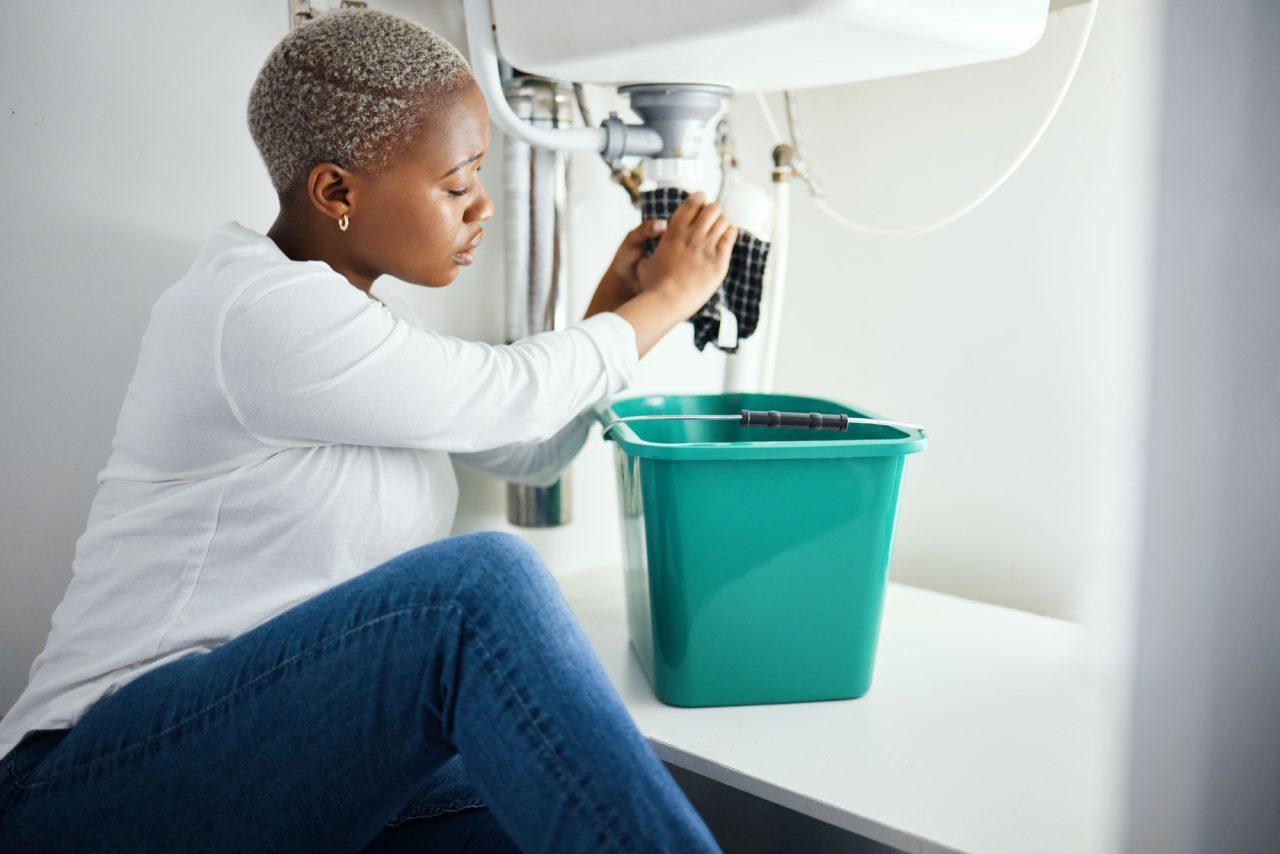
Weekends introduce a change in household dynamics, with increased occupancy, additional cleaning tasks, and events that tax the plumbing. This increased use, combined with changing weather and a reluctance to repair, causes a surge in plumbing emergencies. A lot of these problems go under the radar during the workweek and then suddenly become urgent when families focus on domestic assignments and get-togethers.
Household Activity
More bodies around the house means sinks and toilets get a beating. Cooking and cleaning increase, which can result in food scraps, grease, and other debris blocking drains. Family reunions can contribute to the burden, with relatives taking more advantage of bathrooms and kitchens. Water consumption spikes, occasionally revealing leaks that went undetected during subdued weekdays.
DIY’s go wild over the weekend as well. Although it’s with good intentions — to repair something or to improve — collateral damage happens. Not knowing your way around a pipe or a wrench can escalate a minor job into a catastrophe, like a cracked pipe or a poor connection. The havoc of cramming way too many chores and projects into a small number of hours only adds tension, thereby increasing the probability of error.
Weather Impact
Extreme weather can exacerbate plumbing vulnerabilities. Drains occasionally flood basements or overwhelm sewers. Below-freezing weather can make pipes pop, particularly if the insulation is thin or regular upkeep has been deferred. Fast temperature changes might put older pipes under strain, resulting in cracks or leaks that only appear on hectic weekends.
Heat waves are their own danger. Excessive heat can cause water heaters to labor, resulting in unexpected breakdown or inefficient operation. Storms always seem to strike on the weekend, wreaking havoc on your hard-won plans and threatening to flood or back up your water, adding insult to injury to your already-full weekend schedule.
Delayed Issues
Small leaks or slow drains are simple to overlook when the week is hectic, yet these nuisances tend to turn into crises just when the family action skyrockets. Minor issues like a drip or slow drain can disguise significant problems, like pipe corrosion or obscure blockages. Left unchecked, these small faults can magnify and result in water damage or complete system failure at the most inopportune moment.
Frequent tune-ups are key. By-passing these weekly tune-ups and brake inspections might be a time saver during the week. It’s a recipe for a weekend disaster. Emergencies are harder when professional assistance is scarce or absent after hours. That trifecta of extra stress, disrupted routines, and delayed attention is a perfect storm for plumbing disasters.
Your Weekend Plumbing First-Aid Kit
A plumbing emergency kit aids in minimizing water damage and stress when pipes burst, toilets clog, or leaks develop at the most inopportune times. A lot of plumbing emergencies occur late at night, on weekends, or during holidays. Having the proper equipment nearby can save you both time and money. Checking drains, hoses, and valves every few months can catch minor problems before they become major ones. Here’s a rundown of what to store in your plumbing first-aid kit, so you’re never caught off guard.
Essential Tools
A plunger is elementary yet essential. Go for a durable one with a wide rubber cup for toilets and a smaller one for sinks. We reach for this in a flash to dislodge blockage,s and it is usually our first line of defense when dealing with a clogged drain or toilet. Don’t forget the wrench. Loose fittings or nuts can cause leaks or burst pipes. An adjustable wrench lets you tighten or loosen connections, minimizing leaks. A drain snake, also known as an auger, takes on those hard-to-reach shower drain or kitchen sink clogthat s a plunger cannot touch. It can plunge deep into pipes to break up hair, soap, or food accumulations. Be sure to have a flashlight on hand. Plumbing issues tend to occur in shadowy, inaccessible areas, and a powerful light is required to identify leaks underneath sinks or behind appliances.
Temporary Fixes
Duct tape is a band-aid for tiny leaks. Wrap ittightlyt around pipes to slow or stop leaks until a plumber can do a full repair. Buckets are a necessity, particularly large ones, to collect drips and minimize water damage. Setting a bucket beneath a drippy pipe or fixture can keep floors dry and minimize cleanup. Towels or rags are great for soaking up small spills and keeping cabinets or floors from getting damaged. Way to Use It: A rubber band can secure a broken faucet handle in place, facilitating water shut-off and on until you either replace the part or call for assistance.
Safety Gear
Wearing gloves protects your hands from sharp metal edges, hot water, or cleaners. Goggles are essential to safeguard your eyes against splashes or flying debris while working under pressure or around drains. If you have to repair anything involving sewage or mold, a mask is useful to avoid inhaling harmful particles. Keep a basic first-aid kit handy at all times. Cuts, scrapes,s or pinched fingers may occur while repairing plumbingissuesu, es and tending to wounds immediately reduces the chances of infection.
DIY VS. Professional Intervention
Plumbing emergencies can really mess up a weekend, leaving you scrambling between doing it yourself and professional intervention. Knowing when to take action and when to bring in a professional saves unnecessary expenses, harm, or hazards. Compare the key advantages and disadvantages of both options below.
DIY Plumbing | Professional Plumbing | |
Cost | Low upfront, but mistakes can be costly | Higher initial cost, but fewer repeat fixes |
Time | Immediate, depends on skill | May require waiting for service |
Skill Required | Basic for simple tasks, risky for complex | Advanced, requires formal training |
Risk Level | Higher for electrical or complex work | Lower safety protocols and insurance |
Tools | Limited to what’s at home | Specialized, professional-grade equipment |
Success Rate | Varies by individual skill | Consistently high due to expertise |
When To DIY
Tackle little tasks like swapping out faucet washers or plunging a drain. These repairs require minimal skill and are low risk, so they’re great for DIY. Temporary patches like plumber’s tape on a slow drip can keep you steady until the real help comes.
Things like tightening loose pipe fittings, swapping out toilet flappers, or adjusting a sink trap are well within most people’s capabilities. Understanding how to turn off the water or use a pipe wrench can save you time and money. Foundational info, like identifying the origin of a leak, enables you to respond quickly in small emergencies.
DIY is most effective as a temporary fix. It saves money and minimizes the risk of water damage, but only for issues with obvious, straightforward solutions.
When To Call
If a pipe bursts, a drain backs up, or sewage leaks, make sure to call a professional immediately. These problems require more than DIY solutions. Stubborn leaks or clogs that respond to neither a plunger nor a snake are often indicative of larger issues in the system.
Dealing with water heaters, electrical parts, or refrigerants is risky without proper training and can take your life. Professionals have the equipment and expertise, enabling them to identify and repair complicated problems safely. If a fix is beyond your comfort level or the potential for damage is high, it’s time to ask for professional assistance.
DIY may be economical, but an error can balloon expenses and the potential for structural damage. For more than a quick hack job, the professionals are generally your best bet.
Preventing A Weekend Plumbing Emergency
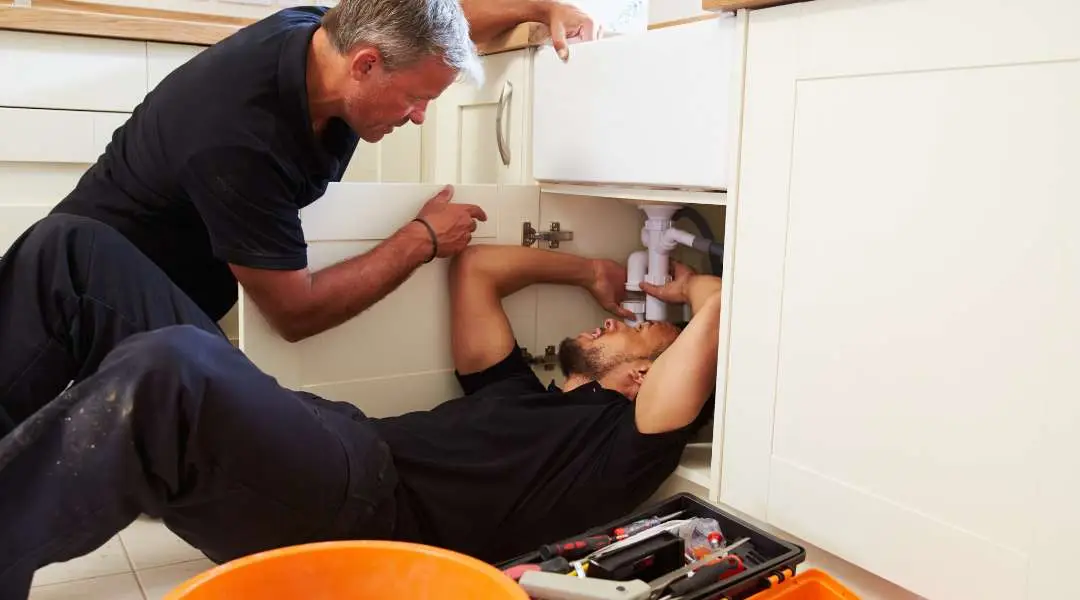
Weekend plumbing emergencies frequently surprise homeowners, leading to stress and sometimes expensive repairs. Taking advance action reduces the possibility of dealing with a high-stress crisis when expert assistance may be less available. A couple of days can turn a seemingly minor leak or slow drain into a weekend plumbing emergency.
Routine Checks
- Check under sinks and behind toilets for slow drips or pooling water.
- Try all faucets and toilets for continuous flow and flush.
- Test water pressure using a gauge, ensuring it remains between 2 and 5 bar.
- Examine exposed pipes for rust, corrosion, or condensation.
- Turn the shut-off valve to ensure it operates smoothly.
- Drain the water heater annually to clear out sediment.
- Listen for gurgling sounds or slow drains every two to three months.
- Make sure gutters and outdoor drains are free of debris to avoid overflow.
Checking all plumbing fixtures at home is an easy way to catch trouble early. Low pressure or strange noises are an indication of a blockage or leak. Clogged gutters or drains may cause water to back up into your home during a deluge.
System Awareness
Understanding your plumbing schema allows you to respond quickly in an emergency. Locate your main shut-off valve and educate your whole family to know where it is. This is crucial. Cutting water off fast can reduce damage from burst pipes or significant leaks. Burst pipes can result from freezing weather, aging infrastructure, or excess pressure and can trigger significant flooding if not stopped immediately.
There are warning signs for plumbing problems, including strange sounds, odors, or persistent drain clogs. Catching them early results in faster solutions. Maintaining a paper or digital log of previous issues assists in identifying trends, like a toilet that clogs every winter. Knowing the local plumbing code keeps you out of trouble with fines and helps keep you safe.
Seasonal Preparation
- Clean gutters and downspouts before the rainy season.
- Check and test sump pumps to ensure working order.
- Schedule water heater maintenance before winter.
- Insulate pipes if freezing is possible.
If the outside temperatures drop below 0 degrees and your water heater has a hard time, chances are it could freeze and burst. Family members should be trained to notify you of leaks or strange noises immediately. Being armed with a list of emergency contacts, including a trusted plumber, can expedite response time and ease your anxiety.
Communicating Your Plumbing Emergency
Talking to your plumber fast and clearly if a plumbing problem hits on a weekend. Most plumbing emergencies, such as burst pipes or bad leaks, require immediate intervention to prevent water loss, mold, or even foundation damage. Communicating Your Plumbing Emergency. Mention where the water originates, how much water is on the floor, and whether you had to turn off the main water valve. If your toilet is backed up, inform them if water is actually spilling out or if it simply won’t flush. If you observe water stains on walls or hear water running inside, mark this as well. Providing specific information allows the plumber to determine what equipment and materials to bring.
It goes a long way to inform the plumber if you had previous issues with your plumbing. For instance, if you had them in the same place or if you’ve had repairs in the last year, mention it. That can indicate if there’s a larger issue, such as aging pipes or shoddy patchwork. If you keep a history of what was done last, provide it. It assists the plumberin troubleshootingt if previous repairs didn’t hold or if your system has a vulnerability.
Odd odors or noises can hint at the problem. If you smell gas near your water heater or pipes, mention it immediately. It could be a gas leak, which is extremely dangerous and might mean you need to evacuate your home and contact emergency services. If you hear banging, hissing, or water splashing behind walls, communicate it to your plumber. Strange noises can indicate that a pipe burst, a valve broke, or a seal failed. Even a slow drip or musty smell can indicate hidden leaks or mold. The more you tell, the more information the plumber has to identify the cause quickly.
Be prepared to respond to questions about your arrangement. Know where your main shutoff is, if you have a sump pump, and when your plumbing was last inspected. If you replaced fixtures, pipes, or appliances, say that. The more details you provide, the more the plumber can prepare for the fix and arrive prepared. This keeps destruction, expenses, and strain minimal as you await assistance.
Conclusion
Weekends can go crazy quickly when pipes burst or drains get stuck. Water on the floor, a busted tap, or a slow drain can wreck your plans in minutes. To avoid the brunt, catch drips early and have fundamental tools accessible. Know your limits; sometimes, a pro saves time and stops a bigger mess. Telling plumbers what you hear or smell helps them repair things faster. Making it a habit to do these easy inspections keeps your home protected and dry. Plumbing plays for keeps with attention and swift action, not fortune. Have a story or tip about a weekend repair? Drop a line in the comments and assist visitors learn what works. Be smart, keep things neat, and beware of those little warning signs before they become big.
Frequently Asked Questions
1. What Are The Most Common Weekend Plumbing Emergencies?
The most common weekend plumbing emergencies include clogged toilets, burst pipes, leaking water heaters, blocked drains, and overflowing sinks. These problems usually demand a fast repair to avoid water damage.
2. Why Do Plumbing Problems Often Happen On Weekends?
Plumbing systems experience heavier usage on weekends as everyone is home more. This additional stress and usage can expose latent issues or exacerbate existing ones into immediate emergencies.
3. Can I Fix A Weekend Plumbing Emergency Myself?
A few, like small clogs, are addressable with a few simple tools. For major leaks or burst pipes, it is safer to call a plumber to prevent further damage.
4. What Tools Should Be In A Weekend Plumbing First-Aid Kit?
A basic kit should consist of a plunger, adjustable wrench, plumber’s tape, pipe sealant, and a bucket. These basics assist in containing emergencies until the experts arrive.
5. How Can I Prevent Plumbing Emergencies On Weekends?
Routine maintenance, leak inspections, and not flushing the wrong things can avoid a lot of emergencies. Catching things early helps you avoid larger weekend problems.
6. When Should I Call A Professional Plumber During A Weekend Emergency?
Call the professional if there’s a burst pipe, a serious leak, or if water is causing damage. Swift attention really can save you a lot, protecting your home and your pocketbook.
7. How Do I Explain My Plumbing Emergency To A Professional?
Explain the problem, where it is, and if you hear any funny noises or leaks. Clear communication allows the plumber to be prepared and respond quickly.
Emergency Plumbing In Santa Rosa, Fast Help When You Need It Most
Plumbing disasters can cause major damage if you don’t act quickly. Yorkshire Plumbing provides reliable emergency plumbing services in Santa Rosa that keep your home safe and limit costly repairs. If you’re dealing with flooding, burst pipes, sewage backups, loss of hot water, or any sudden plumbing failure, our team is ready to respond right away.
Our licensed plumbers diagnose the issue, stop the damage, and get your system working again. We use proven tools and repair methods to find the source of the problem, walk you through what needs to be done, and recommend the best solution to protect your home. You’ll get clear guidance during a stressful moment so you can make decisions with confidence.
With nearly a decade of experience serving Sonoma County, our family-owned company has built a reputation for honest service, careful work, and dependable results. Yorkshire Plumbing doesn’t just fix emergencies; we help restore peace of mind when things go wrong.
If you need emergency plumbing in Santa Rosa, contact Yorkshire Plumbing now to get immediate help and prevent further damage.
Disclaimer
The information provided on this website is for general informational and educational purposes only and is not intended as professional plumbing or construction advice. You should consult with a licensed plumber or qualified contractor for guidance specific to your home or situation. Do not rely solely on the content of this site to make decisions about plumbing repairs, installations, or maintenance. While we strive to keep the information current and accurate, it may not reflect the most recent industry standards or code requirements. Yorkshire Plumbing & Drain Services disclaims all liability for any actions taken or not taken based on the content of this site, to the fullest extent permitted by law.