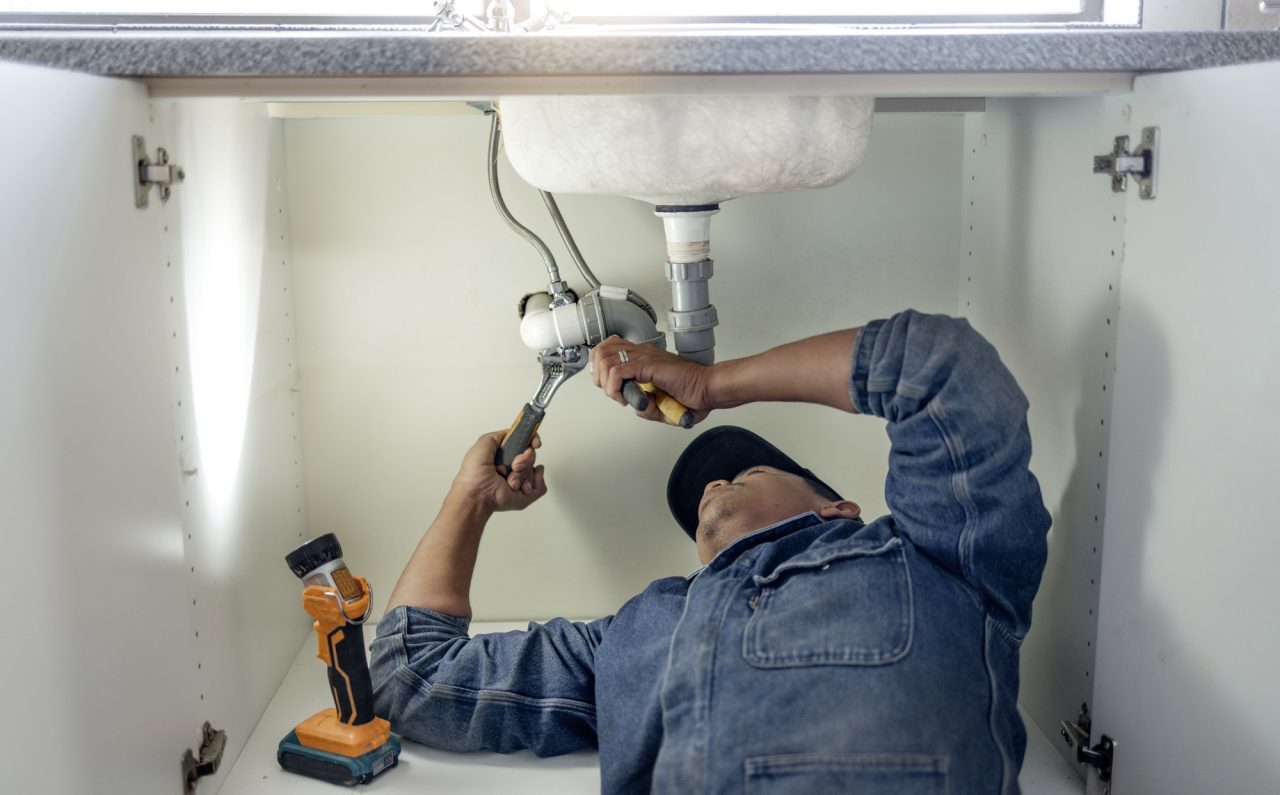
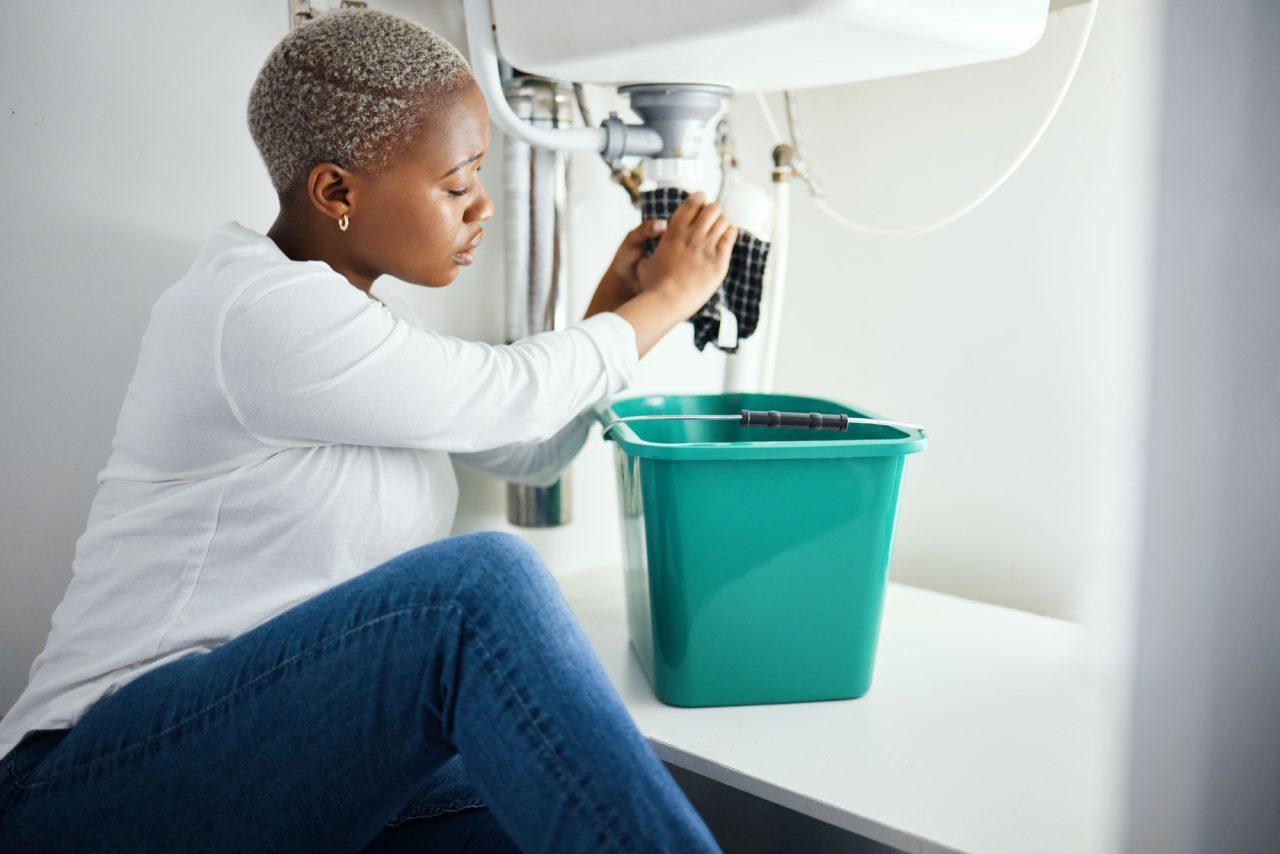
During a plumbing emergency, turn off your water FAST! Locate the main water shut-off valve and turn it clockwise until it stops. It is typically located near the water meter, often in a basement, garage, or along an outside wall. Quick action stops leaks and reduces damage from burst pipes or broken fixtures. Minor leaks require the shut-off for individual fixtures, such as under sinks or behind toilets, but more significant issues mean you need to immediately close the main valve. Being familiar with where your valve is and how to operate it can save you time and stress in a crisis. Today’s guide shares steps, tips, and what tools to keep close, so you stay ready if a plumbing emergency hits.
Key Takeaways
- Know what obvious and less-obvious plumbing emergencies look like, from standing water to a spike in your water bill, so you can act swiftly to minimize damage.
- Identify your main water shutoff valve and fixture valves so you know how to shut off your water fast in an emergency.
- Master these essential water shut-off skills, like determining valve types and verifying water has stopped flowing, so you can respond to urgent situations with efficiency and confidence.
- Isolate water flow to specific fixtures when you can. This protects unaffected areas and makes it less likely your whole property will flood.
- Plan for shutoff valves to fail by knowing where your backup options are and keeping the tools and resources around that facilitate a quick fix or a quick call to a pro.
- Make a household emergency plan. Map valve locations, prep a toolkit, and practice emergency drills so that everyone in the household is prepared if a plumbing crisis occurs.
Recognize A Plumbing Emergency
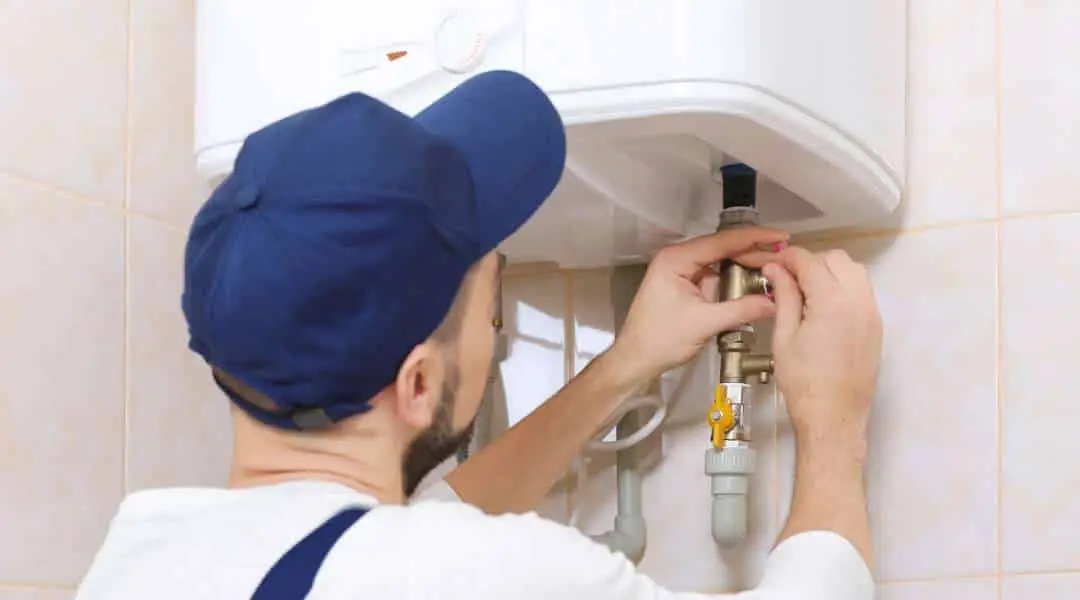
A plumbing emergency can strike at any time. Quick response frequently spells the difference between a small nuisance and disastrous damage to your home. About: Identify a Plumbing Emergency. Knowing what to look for and how to catch a problem before it catches you puts you in control when water comes calling. DETECT A PLUMBING EMERGENCY This section disaggregates what to look for, how to identify the blatant and the sneaky, and why tiny leaks can escalate fast.
Obvious Signs
Pooled water, wet patches, or drips from pipes around sinks or appliances are obvious alerts.
Identify a Plumbing Emergency
Running toilets, gurgling sinks, or showers that won’t drain are frequently the symptoms of a more serious back-of-the-house issue.
- Pooling water around washing machines, water heaters, or under sinks.
- Persistent dripping sounds even whenthe fixtures are off
- Stains or bubbling paint on ceilings and walls
- Low-function plumbing, like toilets that won’t flush.
- Visible mold, mildew, or musty smells in damp areas
Mold will grow rapidly in areas where water is standing for more than a day. A surge in visible mold or mildew is virtually always an indicator that water is entering where it really shouldn’t. Catching these problems early can help you take action before damage extends.
Subtle Clues
A fall in water pressure from taps or showers might indicate a leak or blockage. Other times, pipes under floors or behind walls leak yet never leave telltale splotches or puddles. A weird, dusty smell could indicate sitting water or even a backup of sewage.
If you have muddy patches or sunken areas in your yard, this can indicate an underground pipe leak, particularly after a recent storm or heavy rain. Water bills can be a great indicator of a leak as well. Routine checks with a water pressure gauge catch issues early. Readings over 80 psi can strain your pipes and lead to leaks.
Damage Potential
Water damage gets worse fast. Within an hour, even a slow leak can warp floors, destroy drywall, and lay the groundwork for mold that can begin to grow within 24 to 48 hours. Bursts are worst—water courses quickly, inundating rooms and spoiling structural elements, furniture, and personal possessions.
Mold and mildew bring health hazards and require costly remediation once they take hold. Even a minor, slow leak disregarded for months can rot out framing and necessitate extensive repairs. Readiness, such as being able to turn off your water and knowing where valves are, can save you thousands and purchase time until professional assistance arrives.
How To Shut Off Your Water
Being able to respond quickly in a plumbing emergency requires understanding how to turn off water. Knowing your main shutoff valve and fixture-specific valves is your best defense against leaks or floods and expensive damage. Knowing your options and the steps can save you time and money.
Locate The Valve
Your main water shutoff valve is typically located near your water meter, either in a utility room, basement, or crawlspace, or sometimes outside near the street or property line. Many times, that valve is buried behind grass or dirt or an overgrown bush, so it might require a flashlight and some digging to uncover it. If you live in a flat or apartment, look for a communal utility area or a closet close to your front door. These places are universal, so always searchfor a local building for differences.
Know where this is before you have an emergency. Tag it or hold a note up somewhere. Know where things are so you don’t confuse yourself when in a stressful moment.
Identify The Valve Type
Most houses have either a ball or a gate valve. Here’s how a ball valve works: it has a long, straight lever handle, which is parallel to the pipe when open and perpendicular to it when closed. This kind is quick to work, often requiring just a quarter turn. A gate valve has a wheel handle that must be turned multiple times to close or open. For both, don’t overtighten; stop when you feel resistance. Over-rotating can break the mechanism inside, resulting in leaks or an unusable valve.
If you aren’t certain about your valve type, look up diagrams online or have a plumber show you. Knowing this detail allows you to react with the appropriate measure.
Turn The Valve
In an emergency, act immediately. For ball valves, grab the lever and turn it 90 degrees so it rests crosswise the pipe. For gate valves, turn the wheel clockwise slowly. Typically, a half turn will do. Try a wrench if the valve feels stuck, using gentle pressure but never forcing. Turning too hard may break it. Be sure to close it all the way. If it’s coming from a particular fixture, turn off that fixture’s valve right under the sink or behind the toilet.
Confirm The Shut-Off
Once you have the main valve closed, test taps and fixtures. Water should cease flowing. Listen for any remaining hissing or dripping. If water still runs, the valve may not be sealing, or another valve exists. Check around the shutoff for leaks or pooling. Write down the process, recording any problems for later. Turn one faucet, or preferably two, on before turning the water back on, so that any trapped air from the repairs can escape and restore flow gently.
Isolate Specific Fixtures
If you’re in a plumbing emergency, isolating the flow to a single fixture is key. This helps contain damage and prevents the problem from permeating your space. Many homes have individual shutoff valves for sinks, toilets, and appliances. Familiarity with the location of these valves will help you act quickly, isolate water to the source of the issue, and avoid shutting down water to your entire home. This is particularly important for a leak or break in just one place. Isolating specific fixtures not only helps reduce water pressure and the risk of a major leak, but it also makes repairs easier without causing a big disruption.
Sinks
These valves, located under your sink’s basin, control the flow of water to your faucets. They are typically located at pipe exits from the wall. Twist both valves to the right, clockwise, to turn the water off fast and contain leaks.
After you’ve shut off the water, check the area for drips or standing water. Small leaks can lurk behind pipes or under the cabinet. Look for water stains, swelling wood, or a musty smell. These all indicate a leak has been present for some time. If you see water pooling, place a bucket under the pipes to catch any residual water in the lines.
A few sinks might require a wrench or water meter key if the valves are stuck or difficult to turn. About: Separate Particular Fixture.s In certain apartments or older houses, shutoff valves can be concealed or get jammed, so periodic inspections save you from trouble down the line.
Toilets
Locate your toilet’s shutoff valve at the base, behi, nd or beside the bowl, near where the supply line enters the tank. Turn this valve clockwise until it stops. This shuts off the flow of water and prevents the tank from refilling, which is important if the toilet is leaking or overflowing.
Next, peep around the base and behind the commode for drips. If you find water on the floor, it could be a failed seal or a crack in the tank. Once the valve is off, flush once to empty the tank. This reduces the water remaining in the lines and allows you to remedy the issue with less chaos.
Appliances
There are shutoff valves on the water supply hoses for most large appliances, such as washing machines and dishwashers. These are usually behind the machine or beneath a local sink. To prevent water from flowing while you move or service the appliance, turn the valve off.
Inspect hoses for splits, bulges, or leaks. Old hoses can rupture and inundate an entire room. If you notice water around the unit, vacuum up fast—standing water damages floors and walls. Routinely check and tighten hose fittings to keep leaks from even getting started.
When The Valve Fails
When a plumbing emergency strikes, a failed shutoff valve can escalate the situation. The water could continue, endangering floods or damage to walls, flooring, and wiring. Valves can fail when they are stuck, hidden, or broken due to corrosion, mineral deposits, or wear and tear. Knowing how to spot trouble and act quickly will help limit the damage and stress.
Valve Issue | Signs/Symptoms | Solutions/Alternatives |
Stuck | Hard to turn, won’t budge | Oil, wrench, call a plumber |
Inaccessible | Obstructed, hidden, hard to reach | Find another valve, clear the path |
Broken | Leaks don’t stop water | Shut off at the street, get repairs |
Stuck Valves
A stuck valve usually feels stiff or won’t turn at all when you test the handle. Sometimes you get rust or lime buildup, or it simply won’t budge after decades of neglect. This is typical of older homes or hard water situations.
A spritz of penetrating oil on the valve stem and handle might assist. Let it marinate for a couple of minutes before giving it another whirl. If the valve still won’t turn, a wrench can add leverage, but don’t break it. Excessive pressure might just pop the handle or valve and turn a tiny issue into a gusher.
If the valve won’t move, just stop and call a plumber. Pushing it can do more damage. A plumber has the proper equipment and know-how to contend with a stuck or rusted shut valve.
Inaccessible Valves
Occasionally, your primary valve is located behind a water heater, beneath floorboards, or obstructed by moving boxes. This occurs in houses with small utility rooms.
When the valve fails, try to discover other shutoff points, like the valve under the sink or near the meter. Use a flashlight or small mirror to peer into corners or behind appliances as necessary.
Remove any obstructions so that you can access the valve in the future. After the emergency, consider how to ease access in the future by rearranging boxes or labeling key shut-off points.
Broken Valves
If the valve is leaky or won’t stop the water, it might be broken. Sometimes, pipes bust right on the valve, or that handle just spins and spins and does nothing. These are symptoms of a catastrophic failure.
In these cases, rip the water off at the meter or street shutoff immediately. The majority of meters are located at the property line, typically covered with a metal lid. Tape over what occurred and summon a plumber for a subsequent repair. Don’t use the broken valve until it has been inspected by a professional.
Your Immediate Next Steps
Reacting quickly to a plumbing emergency is crucial to mitigating damage and protecting your home. Immediate, common-sense action protects your home, protects lives, and prepares for professional assistance if required. Start by knowing where your main water shut-off is. That makes a huge difference in arresting the flow and limiting damage. Ensure everybody in your household knows where it is. If you have a well, be sure to locate the pump shut-off as well. Wrap pipes with insulation and let taps drip in freezing weather.
Damage Control
The initial priority should be to restrict the water from spreading. Get rid of any standing water immediately with towels, buckets, or a wet/dry vacuum. This assists in protecting water from infiltrating floors and walls, which might lead to expensive restoration. You should get furniture, electronics, and valuables to a dry spot as quickly as possible. If water continues to enter, shut off affected rooms with makeshift barriers, such as rolled towels at doorways, to keep the issue at bay. Photograph and/or video all damage. These notes are critical for insurance and subsequent fixes. Opening all faucets to drain remaining water can reduce pressure in the system and aid in preventing further leaks.
Safety Checks
Never take for granted electrical hazards from water leaks. If you notice outlets, appliances, or wiring in proximity to wet areas, shut off power for that portion of your home. This minimizes the chance of shock or fire. Put on your rubber gloves and boots because there’s danger lurking in the water! Make a checklist: shut off water, cut power, move valuables, wear protective gear, and document every step. This helps to keep your answer neat and complete, even when stress is overriding your good sense.
Professional Help
If the leak is beyond your control, call a licensed plumber immediately. For serious surges or flooding, an emergency plumber can act quickly. Don’t forget to record calls, messages, professional advice, or actions. That will come in handy with insurance and down the road maintenance. Once you’ve repaired, keep checking your shut-off valves and water pressure going forward. Apply a pressure gauge if you live in an area with pressure swings, and exercise all valves at least once a year to keep them from freezing.
Prepare For The Unexpected
Plumbing catastrophes can strike at any moment, triggering anxiety-induced damage-spreading flurries. Planning allows you to maintain control and restrict expensive headaches. Preparedness is about more than just knowing where your main shut-off valve sits; it’s about making a plan, gathering tools, and making sure everyone at home can act fast if water starts flooding your space. Given that water damage is both a frequent and costly problem, with the average repair totaling more than $10,000, these tips are time well spent. Inspections and pipe insulation are important, but hands-on preparedness makes the largest impact when time is of the essence.
Map Your Valves
A hand-drawn map of your home’s plumbing is a lifesaver. Label each shutoff point, including the main valve and those for sinks, toilets, and appliances. Include notes indicating the type of valve, such as ball or gate, and jot down easy instructions for how to shut each one off. For instance, certain valves might turn a quarter turn, and others might require multiple turns.
Discuss this map with all members of the household. Review it together, making sure everyone can identify every valve location. Keep one in an accessible location, like by the front door or taped to the inside of a laundry room cabinet. Having this map nearby when you’re under pressure saves time and can contain the damage to a small area.
Assemble A Toolkit
A fully stocked emergency toolkit provides quick access to the equipment needed. Keep these items together in a marked container or bag:
- Adjustable wrench
- Pipe wrench
- Flathead screwdriver
- Phillips screwdriver
- Towels
- Buckets
- Wet/dry vacuum
- Flashlight with extra batteries
- Heavy-duty gloves
- Plumber’s tape
Tool | Recommended Use |
Adjustable wrench | Turning shut-off valves and fittings |
Pipe wrench | Gripping and loosening large pipes |
Towels | Soaking up standing water |
Buckets | Catching drips, collecting water |
Wet/dry vacuum | Quick water removal from floors |
Review your kit regularly and check it to ensure that everything functions and that nothing is forgotten. Put it somewhere you can grab it quickly—never buried under junk.
Practice The Drill
Frequent drills develop muscle memory and confidence. Bring them all together, then find and switch off each valve on your map. Run through scenarios, such as a burst kitchen pipe at night or a leaking bathroom fixture. These drills underscore holes in your plan and expose if supplies are lacking or difficult to locate.
Get everyone — young and old, experienced or not — to participate! Give easy-to-remember jobs, like who gets the toolkit or makes the call. Check your map and toolkit after each drill and modify them as your home or household shifts.
Seasonal practice, along with periodic pipe insulation and exposed connection checks, keeps everyone trained and helps prevent crises from surprising you.
Conclusion
Stop water fast in any plumbing mess: Know your home’s main shutoff valve and how to work it. Close it to stop the flow immediately. Find the handle, twist it tight, and keep it dripping. If you catch it at a sink or toilet, use the little shutoff under the fixture. If the main valve jams, call a plumber quickly. Keep a wrench or tool close to the valve for easy access. Rehearse this maneuver in advance of necessity. Keep your cool, be quick, and save your space from water damage. Need more home fix-it tips? Check out the other guides and share your own stories or questions in the comments below.
Frequently Asked Questions
1. How Do I Find My Main Water Shut-Off Valve During An Emergency?
Check for the main valve where the water line enters your property, likely at the perimeter wall or under a sink. Turn it clockwise to turn the water off.
2. What Should I Do If The Main Shut-Off Valve Will Not Turn?
If it’s stuck, don’t force it. During a plumbing emergency: how to shut off your water fast.
3. Can I Shut Off Water To Only One Fixture Instead Of The Whole House?
Yes. For most sinks, toilets, and appliances, there is a dedicated shut-off valve nearby. Turn it clockwise to shut off water to that fixture alone.
4. How Often Should I Check My Water Shut-Off Valves?
Check and try your shut-off valves at least once a year. Routine inspections keep them flowing easily in a crisis.
5. What Are The Signs Of A Plumbing Emergency?
Look for flooding, sudden decreases in water pressure, or wet areas on floors and walls. These signs could indicate you need to shut off your water quickly.
6. Should I Notify Anyone After Shutting Off The Water?
As soon as you’re able, tell everyone in your family and call a plumber immediately. If you’re in a multi-unit building, notify management or neighbors as needed.
7. How Can I Prepare For A Plumbing Emergency In Advance?
Know how to turn off your water quickly in case of a plumbing emergency. Pass this around to all the members of your household so they can act quickly during an emergency.
Emergency Plumbing In Santa Rosa, Fast Help When You Need It Most
Plumbing disasters can cause major damage if you don’t act quickly. Yorkshire Plumbing provides reliable emergency plumbing services in Santa Rosa that keep your home safe and limit costly repairs. If you’re dealing with flooding, burst pipes, sewage backups, loss of hot water, or any sudden plumbing failure, our team is ready to respond right away.
Our licensed plumbers diagnose the issue, stop the damage, and get your system working again. We use proven tools and repair methods to find the source of the problem, walk you through what needs to be done, and recommend the best solution to protect your home. You’ll get clear guidance during a stressful moment so you can make decisions with confidence.
With nearly a decade of experience serving Sonoma County, our family-owned company has built a reputation for honest service, careful work, and dependable results. Yorkshire Plumbing doesn’t just fix emergencies; we help restore peace of mind when things go wrong.
If you need emergency plumbing in Santa Rosa, contact Yorkshire Plumbing now to get immediate help and prevent further damage.
Disclaimer
The information provided on this website is for general informational and educational purposes only and is not intended as professional plumbing or construction advice. You should consult with a licensed plumber or qualified contractor for guidance specific to your home or situation. Do not rely solely on the content of this site to make decisions about plumbing repairs, installations, or maintenance. While we strive to keep the information current and accurate, it may not reflect the most recent industry standards or code requirements. Yorkshire Plumbing & Drain Services disclaims all liability for any actions taken or not taken based on the content of this site, to the fullest extent permitted by law.