Key Takeaways
- Listen for strange sounds and smell for odd fragrances. Look out for discoloration or moisture around your home, as they are usually the first signs of hidden pipe issues that need attention.
- Stay on top of your water bill and meter readings for any sudden surges or unexplained use, which might be an early indicator of leaks or inefficiencies.
- Consider the age and composition of your plumbing pipes and opt for preventative replacement or upgrades to avoid surprise malfunctions if your system is on the older side.
- Keep an eye out for signs like wet spots, cracks, or foundation problems. They could be indicative of serious underlying plumbing issues that could be putting your home’s structure at risk.
- Don’t neglect consistent or numerous warning signals. A well-timed visit to a trusted plumber can save you thousands in damage, health hazards, and repairs down the line.
- Set a routine schedule for plumbing inspections and maintenance to keep your plumbing system safe and efficient in the long run, no matter where you live.
Indicators that you need to have your plumbing inspected even before it’s too late are sluggish drains, strange noises from your pipes, diminished water pressure, or discoloration of the water. You may notice leaks or damp patches on walls and floors. These signs can signal larger issues such as pipe corrosion, blockages, or worn seals. Ignoring them can mean water damage or bigger repair bills. Early checks prevent expensive repairs. If you experience any of these in your office or home, it usually indicates that your system is due for an inspection. In the upcoming sections, you’ll discover how to detect these signs and how to act to protect your plumbing.

The Telltale Plumbing Signs
Plumbing problems don’t usually just pop up overnight; they often manifest as minor plumbing issues that serve as warning signs. If you know what to look for, you can address these hidden plumbing problems before they escalate into major headaches. All houses – old and new, rural and urban – are susceptible to such indicators, allowing you the opportunity to tackle them early, preventing costly and dangerous situations.
1. The Sounds
Shady sounds are among the first and most neglected signs of plumbing issues. Water hammer, a sharp thump you hear after turning off a tap, indicates that the pressure inside your pipes is oscillating more than it should. This is particularly true for residences with plumbing systems that have pipes smaller than half an inch in diameter, which are more susceptible to sudden changes in pressure fluctuations.
Dripping is yet another sound you cannot overlook. A steady drip might seem trivial, but over weeks or months, it signals a possible water leak or a tiny pipe fracture. Even a sluggish drip can waste hundreds of liters and promote mold growth, leading to significant water damage if left unchecked.
Gurgling from drains indicates air is trapped or a blockage is forming. This isn’t just a kitchen or bathroom problem; it can occur in any drain-running area, such as laundry rooms and basements. If you hear rattling or banging, particularly after you’ve flushed or run appliances, it could signify that a pipe is loose or badly secured. Pipes in older constructions, particularly those installed pre-1960s with galvanized material, are more prone to shift or corrode, making these noises more probable.
2. The Smells
Smells reveal what you can’t detect. A musty smell is typically the leading indicator of concealed leaks. Water caught in walls or beneath floors is just the ideal mold haven. If there is a sewage smell, this is a huge red flag indicating sewer line or septic tank problems. Septic tank leaks can leave standing water or seepage in and around the tank.
Chemical smells can occasionally indicate deteriorating plumbing materials. For instance, lead or other old pipes in houses built before 1986 can give off unique odors as they corrode. Stubborn odors in proximity to drains typically indicate clogs or backups requiring emergency attention.
3. The Sights
Visible signs are usually the most compelling. Water stains or discoloration on ceilings and walls indicate leaks overhead or behind. Rust or corrosion on exposed pipes indicates the material is degrading and is especially common in older galvanized systems.
A leaking water heater is another big red flag. If you see puddles, rust, or excessive condensation near the tank, look closer. A family of four should have a 40-gallon tank or larger, and both the tank and its connections should be checked for wear. Finding a wet spot beneath a sink or around a fixture is cause to call in an inspection, particularly if you live in an older home with aged plumbing.
4. The Feel
Water bills speak. A sudden spike of AUD$1,500 with no reason usually means a leak somewhere. Even a gradual, slow-growing increase can point to underlying issues. Check your meter readings against your bills each month. If they don’t align with your usage, you could have a hidden issue.
Check bills month to month. Big jumps or mysterious high usage, even without guests or new appliances, shouldn’t be overlooked. Plumbing inspections take little time, and reports typically come back within a day or two, so prompt action can save both stress and dollars.
Your Water Bill Speaks
Your water bill says more about the health of your plumbing systems than you think. An eye on your monthly statement helps you catch plumbing issues before they become expensive plumbing emergencies. Regardless of whether you reside in a new or older house, water bills continue to be a primary signpost for hidden leaks, pipe damage, and shifting usage behavior. By paying attention to spikes and trends in your water usage, you can keep your system healthy, save some money, and avoid bigger repairs down the road. Water bills don’t just cost money; they provide a handy way to check that your plumbing is in good shape.
Sudden Spikes
A spike in your water bill is one of the most obvious indications that something’s awry. If your habits haven’t changed, but the bill goes up, this can indicate a significant leak, possibly due to hidden plumbing problems. Even a slow, constant leak from a pipe joint or a dripping faucet can surreptitiously waste hundreds of liters over a month, resulting in an alarming rise in charges. This is particularly the case in older homes with aging pipes that can crack or corrode, leading to plumbing issues that require a thorough plumbing inspection.
Other times, the spike will feel stealthy, creeping up a little every month. If your household remains the same size but your bill keeps hovering upward, small drips may be adding up. These sneaky leaks, hidden behind walls or beneath floors, are easy to forget, but they’re a huge cost in the long run. Households that have had water issues or flooding before watch these spikes like a hawk, knowing they might indicate serious plumbing emergencies.
Water habits changes, such as additional laundry or frequent showers, can impact the bill. Seasonal changes, like more use during hot weather or post-rain, might justify a spike. If nothing about your routine has changed, the bill itself is a warning of potential plumbing maintenance needs.
Gradual Creep
Regularly checking your water meter is essential for estimating water usage and identifying plumbing issues in their infancy. If you notice the meter moving when no water is running, it’s evidence of a sneaky leak that needs immediate attention. This is particularly common in older properties, where plumbing systems may have worn seals or damaged pipes that leak without being detected.
Before going out or to bed, take a meter reading and check it again after a few hours of zero water usage. Any movement indicates a plumbing emergency that requires prompt action. Understanding how to read your meter and translate the numbers into daily consumption is crucial for connecting your bill to potential plumbing problems.
By keeping careful records over weeks or months, you can catch subtle patterns in water usage, allowing you to intervene before a minor plumbing issue escalates into significant water damage. For those outside the U.S., most water meters measure in cubic meters (m³), making it easier to compare usage rates across different regions.
Meter Clues
Older pipes tend to fail, particularly if they’re constructed of lesser materials. If your home’s plumbing is over 20 years old or made of galvanized steel or polybutylene, you’re primed for plumbing emergencies like leaks and bursts that increase your water bill. Regular plumbing maintenance, including frequent water testing, allows you to identify corrosion or impurities that indicate pipe deterioration.
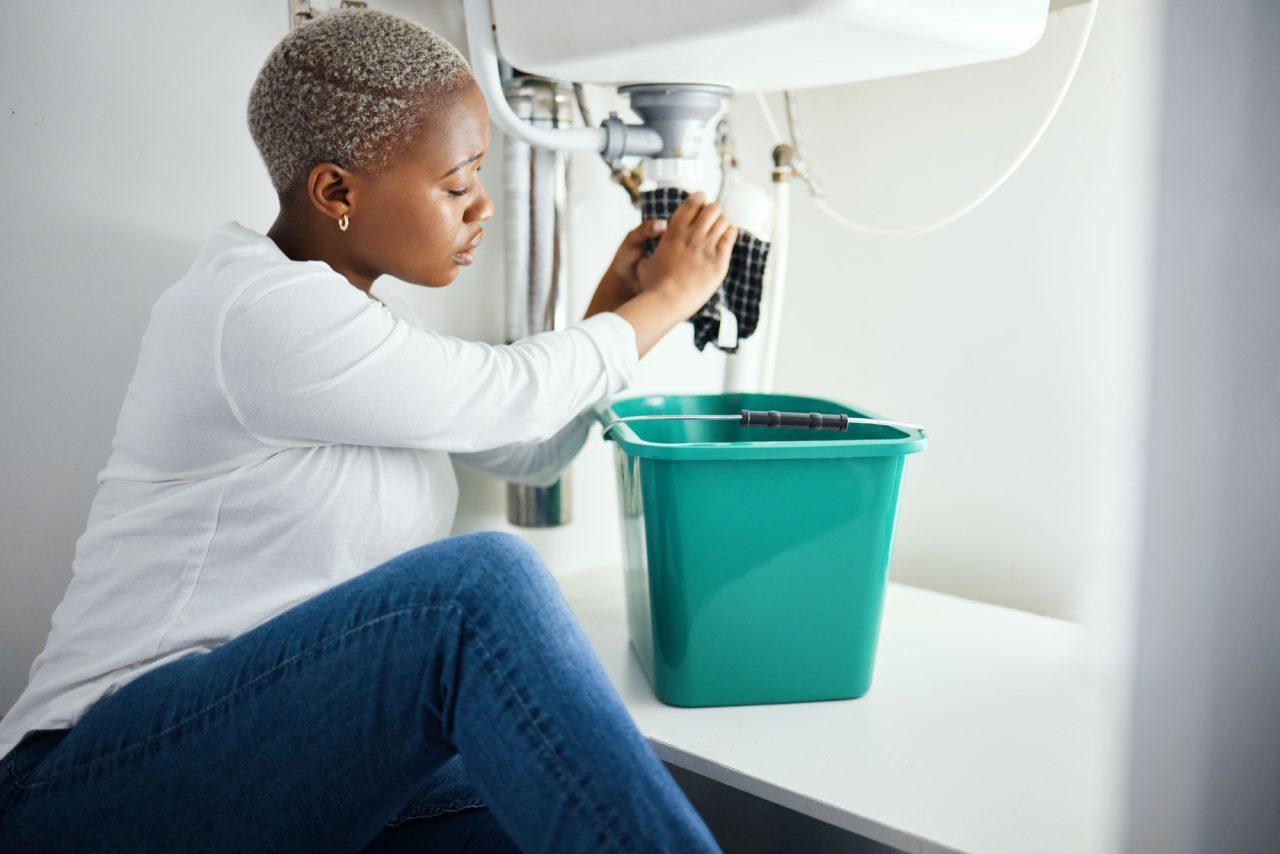
Hidden leaks can linger for months, silently destroying your foundation or walls. They can appear on your bill long before a physical indication on a pipe or fixture shows up. Be alert for any subtle stains, damp areas, or mold; these frequently indicate slow drainage issues lurking behind walls.
From checking your pipes’ age and material to testing water quality to being aware of those subtle usage increases, your water bill speaks volumes. A thorough plumbing inspection can help you spot issues before they become costly, prevent wasteful expenses, and maintain a dependable plumbing system.
The Invisible Threats
Your plumbing runs silently in the background, ensuring water flow and sustaining our daily lives. It’s easy to overlook warning signs until a plumbing emergency arises. Old pipes or hidden leaks can lead to significant water damage, costly repairs, and even increased water usage bills. Tiny drips can waste thousands of liters annually, underscoring the importance of a thorough plumbing inspection to catch these sneaky leaks before they disrupt your day or finances.
Pipe Age
Most homes and buildings have pipes that are PVC, copper, or even old steel. Every material has a normal life, with copper lasting up to 50 years, while PVC may last 25 to 40 years. However, steel or iron pipes tend to rust and fail much sooner. Being aware of when your plumbing was installed can help you anticipate potential plumbing issues. Signs of age-related deterioration, such as rust or water stains on exposed pipes, can indicate the need for a thorough plumbing inspection. If your building is older, be vigilant—antiquated pipes are prone to leaking and bursting, leading to significant water damage.
Certain materials, like galvanized steel or polybutylene, fail more frequently, making it essential to have a local plumber on speed dial for upgrades. Replacing old pipes before leakage or breakage can prevent plumbing emergencies and costly repairs. A professional plumbing inspection can help prioritize which pipes to replace based on age and risk.
Pipe Material
Is pipe material just geek talk or a critical element of long-term safety and performance? PVC is common for drains because it’s cheap and won’t corrode, and copper is often used in drinking water lines. Both have their advantages and disadvantages. Copper fights bacteria but can spurt pinhole leaks if the water is acidic. Old steel pipes rust from the inside, causing brown water or poor flow. Now, the invisible threats.
Stick with what works for your building and water chemistry. If you experience frequent leaks or stained water, the pipe material may be to blame. A plumber can test samples and assist in choosing the perfect replacement that is both durable and safe.
Water Quality
Water quality says a lot about what’s going on in your pipes. If your tap water tastes metallic, smells weird, or appears cloudy, it could be an indication of pipe corrosion or buildup. A little change in the water taste can signal metals leaching from old pipes. You’d be wise to have your water tested at least periodically, especially if you reside in an aging structure or source from a well.
Sediment at the bottom of your kettle or in your sink may indicate mineral deposits in your pipes, harming water flow and appliance life. If tests detect elevated levels of lead, rust, or other contaminants, have a filtration system installed and begin plotting out pipe replacement. Clean water is necessary not only to drink but to safeguard your appliances, fixtures, and health.
Exterior Clues
Leaks aren’t always obvious inside. Every so often, your first hint is external. Greener or wetter patches of grass may indicate a hidden leak below. Unexplained wet spots or pooling water in your yard, particularly in dry weather, should set off alarms. Cracks in your building’s foundation can stem from water saturating the soil.
Stay tuned for updates throughout the year. Down Heavies or freezing weather can stress old pipes and even amplify small leaks. Maybe some of those plants growing faster in certain spots are feasting on water from a broken pipe. Being on the lookout for these external indicators provides you a jump on fixes, preserving your pocketbook and sparing you deeper foundation issues.
Environmental Warning Signs
Plumbing issues often reveal themselves externally before they become apparent inside your home. By being aware of these environmental warning signs, you can identify plumbing problems early, such as hidden leaks or discolored water, and avoid significant water damage. Staying observant is a crucial step toward effective plumbing maintenance and ensuring the longevity of your plumbing systems.
Outdoor Clues
Pooling water in your yard, particularly when it hasn’t rained, is a serious indication of a broken sewer line. This may present itself as saturated soil, standing water, or patches of grass that grow faster than the surrounding areas due to excess moisture. If you notice damp patches that remain wet even in dry weather, investigate below ground for leaks.
Variations in the appearance or vitality of your landscaping can indicate plumbing issues. Wilting or yellowing plants in the vicinity of suspected leaks might be over-watered, or the water could be polluted. Be on the lookout for things like moss or algae growth in unusual locations, which can indicate persistent moisture leaks.
Soil that appears darker, softer, or smells different might indicate a hidden leak. Sometimes areas of your yard might subside or develop small depressions. These sinkholes and patches of erosion are warning signs that water is washing away soil. Cracks in walkways, patios, or driveways can all be indications that a leak is eroding the soil.
Foundation Issues
Cracks in your home’s foundation or walls may appear innocuous on their surface, but they could be a sign that a slow drain plumbing leak is eating away at the structure. Even minor leaks can erode soil and shift your foundation over time. Fresh cracks or worsening old ones cry out for further inspection.
Shifting or settling of your home can cause doors or windows to stick or gaps to form around frames. These shifts might be caused by water damage from leaky pipes. Monitor your foundation for shifts and cracks, even shallow ones. If these issues don’t get better, have a pro inspect to determine if plumbing is the culprit.
Seasonal Shifts
Every season poses fresh dangers for your plumbing. Winter is coming, and uninsulated pipes exposed to freezing air can burst. Allow faucets to drip slowly in winter to avoid freezing and expensive repairs.
Inspect exterior pipes and faucets before freezing temperatures. Keep outside faucets insulated and disconnect hoses from spigots. Modify your routine maintenance seasonally to check for leaks, slow drains, or changes in water pressure.
Long-term Risks
Disregarding these ecological caution flags threatens much more than simple aggravation. Unchecked leaks or drainage issues can cause catastrophic structural damage, from rotting wood to a failing foundation. Health risks increase, too, such as waterborne contamination or mold.
Minor issues, such as leaking faucets or slow drains, can waste water and increase your utility bill. Are your pipes or toilets gurgling even just a little bit? These things, left unchecked, have a way of brewing into costly catastrophes that a simple environmental check might have prevented.

Why Ignoring Signs Is Risky
We’ve got plumbing behind our walls and under our floors, so you may not even notice symptoms immediately. When you overlook the early signs of a plumbing issue, the risks to your house, health, and finances increase quickly. Neglected leaks can compromise your home’s integrity, impact air quality, and escalate into serious plumbing emergencies. Even a minor water stain or strange noise can be a hint of something far grander.
Structural Damage
Even minor or hidden water leaks can quietly devour your home’s most vital foundation. When water creeps through into wood, drywall, or concrete, it warps, gives way, and rots. Over time, these wet spots can lead to significant water damage, compromising beams, floors, and ceilings. Why It’s Dangerous to Ignore the Signs. About one homeowner ignored a tiny ceiling stain, assuming it was harmless. Months later, a portion of the ceiling fell, resulting in expensive repairs. This demonstrates how even a small leak can escalate into serious plumbing emergencies if not addressed promptly. If you spot water stains, buckling, or bubbling paint, these are cautionary messages that your building could be in jeopardy.
Mold thrives in the damp, dark places that plumbing leaks produce. If mold is present, it is not only unsightly but can literally eat into building materials like wood and drywall. This extended exposure provides the ideal environment for mildew, which multiplies rapidly and is expensive to remove. The more you wait, the greater the chance you will be hit with those big fixes that could have been sidestepped with early intervention through a thorough plumbing inspection.
If leaks reach your foundation, the stakes increase. Water collecting close to your home can cause soil to move, crack your foundation, and result in uneven floors or jammed doors. Foundations are costly to repair, and delay tends to lead to a subsequently larger, more invasive repair project that local plumbing professionals can help you avoid.
Health Hazards
Unchecked leaks can lead to significant plumbing issues, creating a perfect environment for mold and mildew to thrive, which poses a health hazard. Mold spores in the air may trigger allergies, asthma, and other respiratory problems. If you notice a musty odor or see mold around sinks, pipes, or walls, it’s a clear sign of a plumbing issue that requires immediate attention.
Contaminated water from leaks or backups can harbor germs and bacteria. If your drinking water is tainted due to a broken pipe, your family might face serious health risks. Be vigilant for discolored water, unusual tastes, or unpleasant smells from your taps. Ensuring clean water is not only a matter of convenience but also of safety.
Poor plumbing can negatively impact your indoor air quality. Symptoms like headaches or persistent sneezing could stem from hidden leaks. Taking action to address these plumbing problems can significantly improve the comfort and safety of your home.
Financial Drain
Just ask anyone who’s ever waited too long to repair a small leak. Slow leaks behind walls could go unnoticed for months, leading to significant water damage and inflated repair costs. Even something as small as a running toilet or a clogged drain can waste several hundred liters every week, which really starts to add up. High water bills are an early sign of a plumbing issue you can’t afford to ignore.
It’s costly to ignore the signs. A tiny fix is way less expensive than revamping water-damaged floors, ceilings, or foundation. For instance, repairing a small pipe leak today could be cheaper than having to replace a huge section of your wall down the line. If you have a sprinkler system, broken lines or defective controls in summer can waste water and increase costs.
Repeated clogs and drainage problems are symptoms of more serious plumbing system issues that may be percolating. Call a local plumber if you see these signs more than once, instead of just unblocking the blockage yourself. Professional plumbing inspection can now prevent a disaster such as a pipe burst or flooding. Even if it appears to be a minor issue, peace of mind knowing your plumbing is secure is priceless.
When To Call A Professional
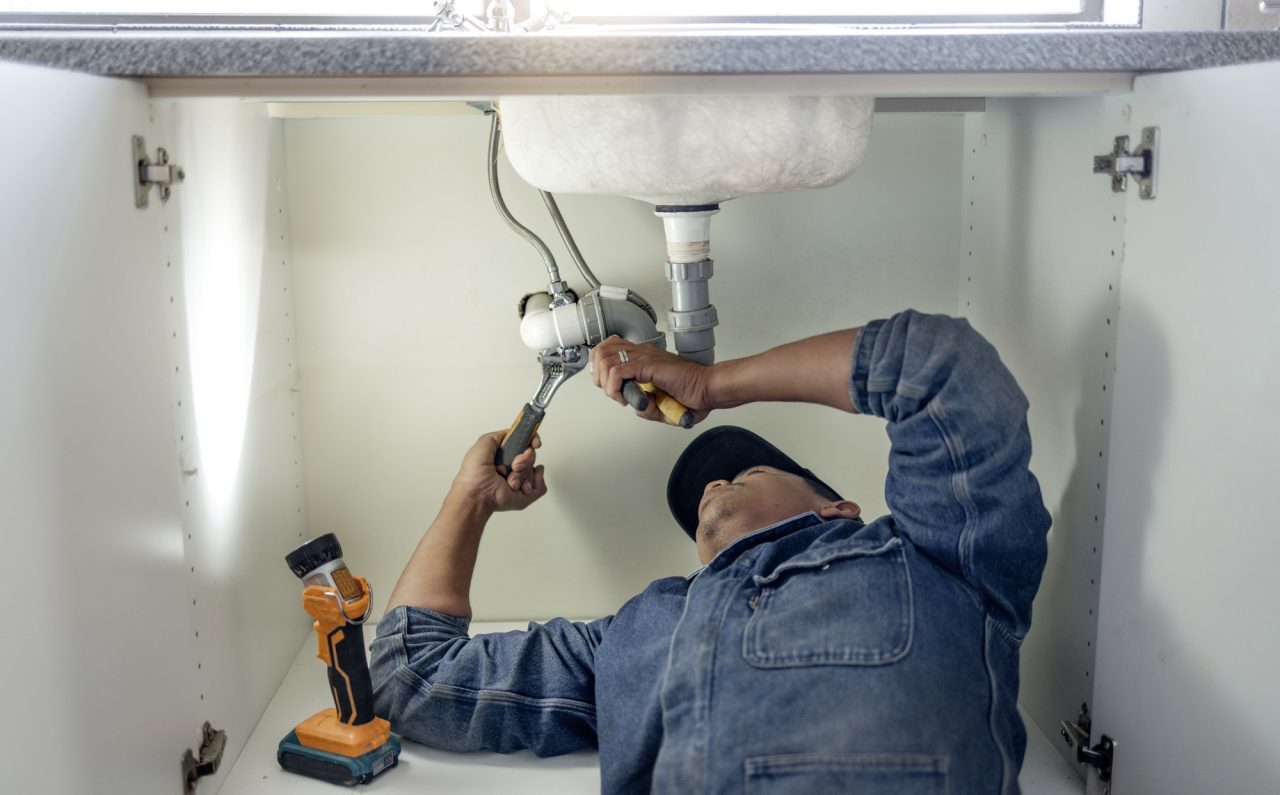
Plumbing can fail in surprising ways, and knowing when to call a professional plumber is essential to prevent expensive or hazardous results. You want to watch and listen for recurring symptoms, weird noises, nasty odors, and obvious leaks. If multiple plumbing issues arise simultaneously, the potential for significant water damage escalates quickly. It simply saves you time, money, and stress to get small plumbing maintenance tasks fixed before they turn into emergencies.
Multiple Signs
If you hear gurgling when you flush, shower, or run your dishwasher, this typically signals a plumbing issue that may involve a more internal blockage or venting problem. It’s best addressed by a professional plumber. When leaks or drainage problems recur, they’re not just nuisances; they’re flashing warnings in your plumbing systems. Even if you’ve patched up a water leak, repeated leaks over weeks or months indicate a larger problem that requires a thorough plumbing inspection.
Keep track of how frequently you’re tackling slow drainage, low pressure, or unusual noises. Recording these issues can assist your local plumbing experts in identifying the root cause more rapidly. If a toilet overflows or a pipe bursts and squirts water, call an emergency plumber immediately. Stubborn problems, especially when combined with unpleasant smells or stagnant water, don’t usually resolve on their own.
One issue can often be remedied with a DIY solution. However, if you’re experiencing multiple symptoms such as gurgling, low water pressure, and weird odors, it’s time to call in a professional. Two or more signs at once can signal a systemic breakdown, requiring skilled plumbing professionals with the right tools and expertise.
Persistent Problems
Scheduling regular plumbing check-ups is one great way to maintain system health. A professional plumber can detect indicators of wear, corrosion, or concealed leaks that are simple to overlook. If you have older pipes or tree roots near your lines, you’re at greater risk for severe problems and should consider annual inspections.
Professional evaluations can detect issues such as frozen pipes or symptoms of impending pipe blockage before they result in a breakdown. These checks keep you from big expenses from emergency repairs. For peace of mind, year after year, a lot of folks opt for yearly tune-ups. These plans provide regular inspections, minor repairs, and professional guidance, minimizing the risk of a big breakdown.
Trust a professional plumber to give you an accurate diagnosis and recommend the appropriate solution, whether that’s clearing a clog, fixing a leak, or replacing pipes damaged by root infiltration or freezing.
For Peace Of Mind
Being able to detect warning signs, such as strange odors you can’t locate, unexpected water pressure loss, or sudden water shut-off, is important because it saves you from potential catastrophes. There’s nothing like actually observing these symptoms and acting upon them to safeguard your home, your belongings, and your health.
Preventative upkeep lets you catch little problems before they get big. This not only lengthens your plumbing system’s life but also keeps repair costs lower in the long run. Calling in a pro means you receive specialized troubleshooting, secure repairs, and appropriate solutions for your case.
There’s no better way to avoid unwelcome surprises, whether you’re contending with gas leaks, ruptured pipes, or concealed water damage, than catching them in time.
Conclusion
Leaks, low flow, and new stains on your walls or ceiling all typically start to indicate some serious pipe trouble. Odd noises or odors indicate outdated components or lingering waste. Anybody who notices a jump in their water bill means water slips away somewhere. Dark spots or mold suggest leaks you can’t see. Wet soil or green patches outside are frequently associated with broken lines. Let these signs be your guide, not your boogeyman. A little peace of mind can go a long way. Plumbing is safe and dry. Read on and keep your eyes and ears open. Trust a professional plumber for a comprehensive inspection if you notice any of these warning signs. Give a hand and keep your house safe and dry.
Frequently Asked Questions
1. What Are The First Signs That My Plumbing Needs Checking?
Watch for slow drains, low water pressure, or odd noises in your pipes, as these can indicate hidden plumbing problems. It’s crucial to schedule a thorough plumbing inspection before it’s too late.
2. Can A High Water Bill Mean I Have A Plumbing Problem?
Yes. A surprise spike in your water bill usually indicates that you have a sneaky leak or other hidden plumbing problems lurking in your home.
3. Are All Plumbing Problems Visible?
A lot of plumbing issues, such as pipe corrosion or hidden leaks, can fly under the radar. Regular plumbing inspections catch these invisible threats early.
4. What Environmental Signs Should I Watch For?
Wet spots on walls, floors, or ceilings and mold growth are indications of plumbing leaks, which can lead to significant water damage and affect your health.
5. Why Is It Risky To Ignore Plumbing Warning Signs?
Neglecting these indicators of potential plumbing issues can lead to expensive repairs, significant water damage, and health risks. Taking care of business early saves time, money, and stress.
6. When Should I Call A Professional Plumber?
Hire a pro if you notice stubborn drips, water stains, or experience frequent clogs. Professional plumbing services guarantee secure and complete fixes.
7. How Can Regular Plumbing Checks Benefit Me?
Routine inspections help you avoid emergency repairs, save on costly fixes, and preserve your home’s worth. They keep your water sanitary.
Plumbing Inspections In Santa Rosa — Thorough, Reliable, And Trusted Experts
Regular plumbing inspections keep your home safe, efficient, and free from costly surprises. Whether you’re maintaining an older property, buying a new home, or preparing for winter, Yorkshire Plumbing provides detailed plumbing inspections throughout Santa Rosa.
Our licensed plumbers carefully evaluate every part of your system, from hidden leaks and aging pipes to water pressure and drain performance. Using advanced diagnostic tools and proven methods, we identify potential issues early so you can prevent emergencies and plan repairs before they become expensive problems.
With nearly a decade of experience serving Sonoma County, our family-owned team has earned a reputation for honesty, precision, and long-term results. We don’t just inspect your plumbing, we help you understand the condition of your system and what to do next.
Whether you need a routine inspection or a full plumbing assessment before buying a home, Yorkshire Plumbing is your trusted choice in Santa Rosa. Contact us today to schedule your inspection and keep your home’s plumbing in top shape.
Disclaimer
The information provided on this website is for general informational and educational purposes only and is not intended as professional plumbing or construction advice. You should consult with a licensed plumber or qualified contractor for guidance specific to your home or situation. Do not rely solely on the content of this site to make decisions about plumbing repairs, installations, or maintenance. While we strive to keep the information current and accurate, it may not reflect the most recent industry standards or code requirements. Yorkshire Plumbing & Drain Services disclaims all liability for any actions taken or not taken based on the content of this site, to the fullest extent permitted by law.