Key Takeaways
- Save yourself expensive fixes and preserve your property value by tackling plumbing maintenance on a schedule instead of ignoring it until things get out of control.
- Routine inspections and seasonal checks help you catch hidden leaks, avoid water damage, and extend the life of your plumbing system.
- Ignoring your plumbing could be a health hazard, putting everyone in your home at risk through mold and water contamination.
- Insurance policies typically don’t cover every plumbing problem, so maintenance is a vital measure to reduce incidentals.
- Plumbing fails derail your life, cause stress, and can result in major lifestyle inconveniences that are easy to prevent with routine maintenance.
- By keeping your plumbing running efficiently, you help the environment and conserve water for the good of your home and the world.
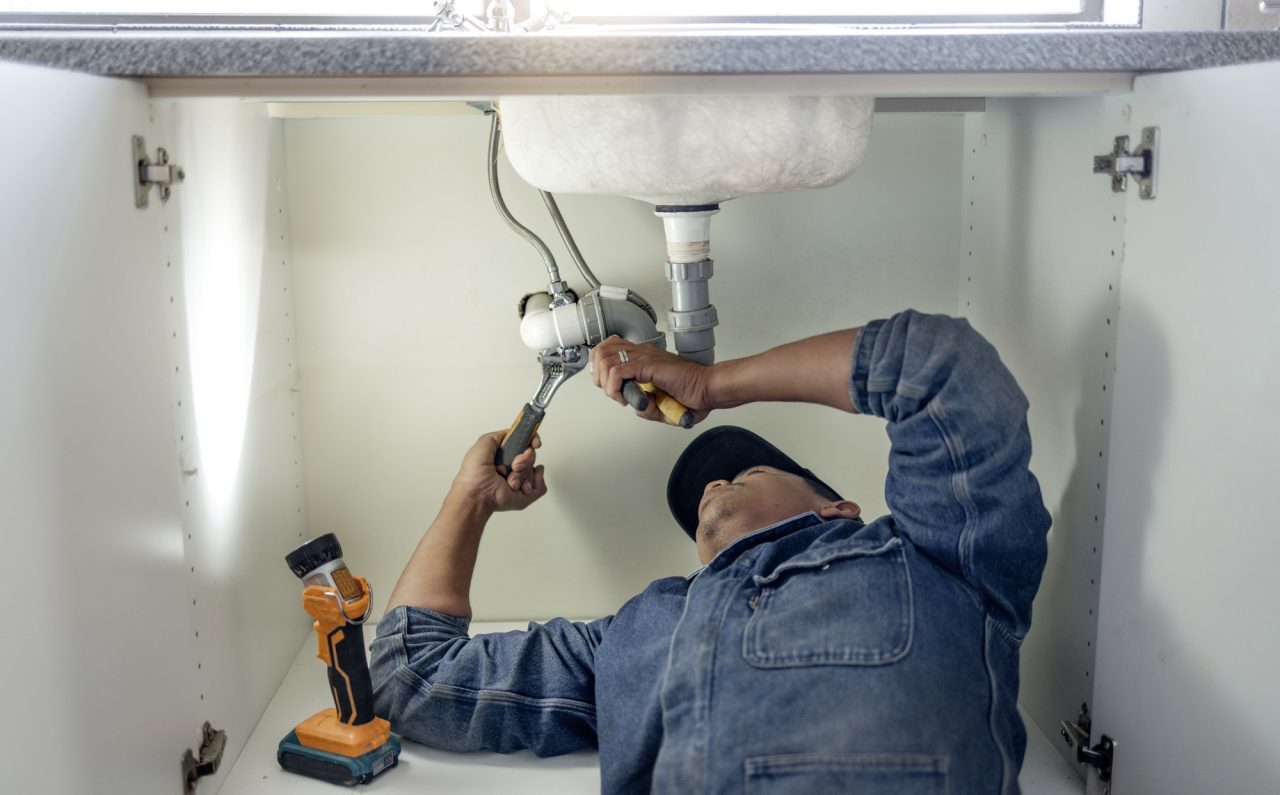
The real cost of skimping on regular plumbing care adds up in ways that can test your budget and sanity. Little leaks or slow drains frequently become big issues requiring expensive repairs or even complete pipe replacement. You could encounter water damage to floors and walls, which entails additional charges for cleanup and restoration. Mold and mildew can spread, causing health concerns for everyone in your vicinity. Sometimes, higher water bills come from silent leaks. These problems can slash the value of your home or commercial property. Understanding what’s on the line allows you to make intelligent decisions. In the body, you’ll discover how regular inspections save you time, money, and stress.
The Compounding Cost Of Neglect
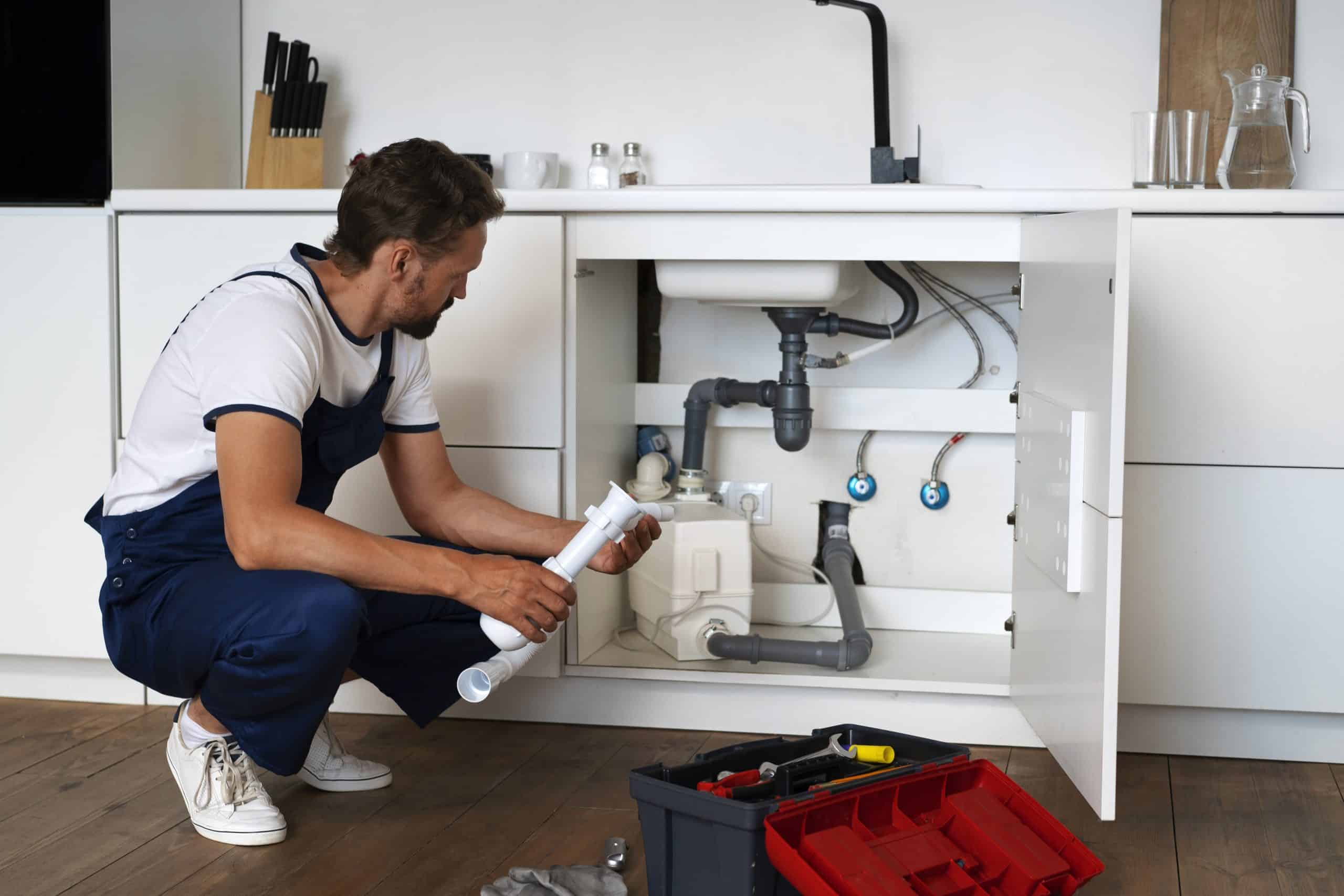
The hidden cost of plumbing neglect can lead to serious plumbing issues that snowball into more expensive repairs. A small plumbing issue, like a slow drain or minor leak, can jeopardize your security, comfort, and home value. These plumbing problems don’t simply disappear; they compound and impact your finances, environment, and overall well-being.
1. Financial Drain
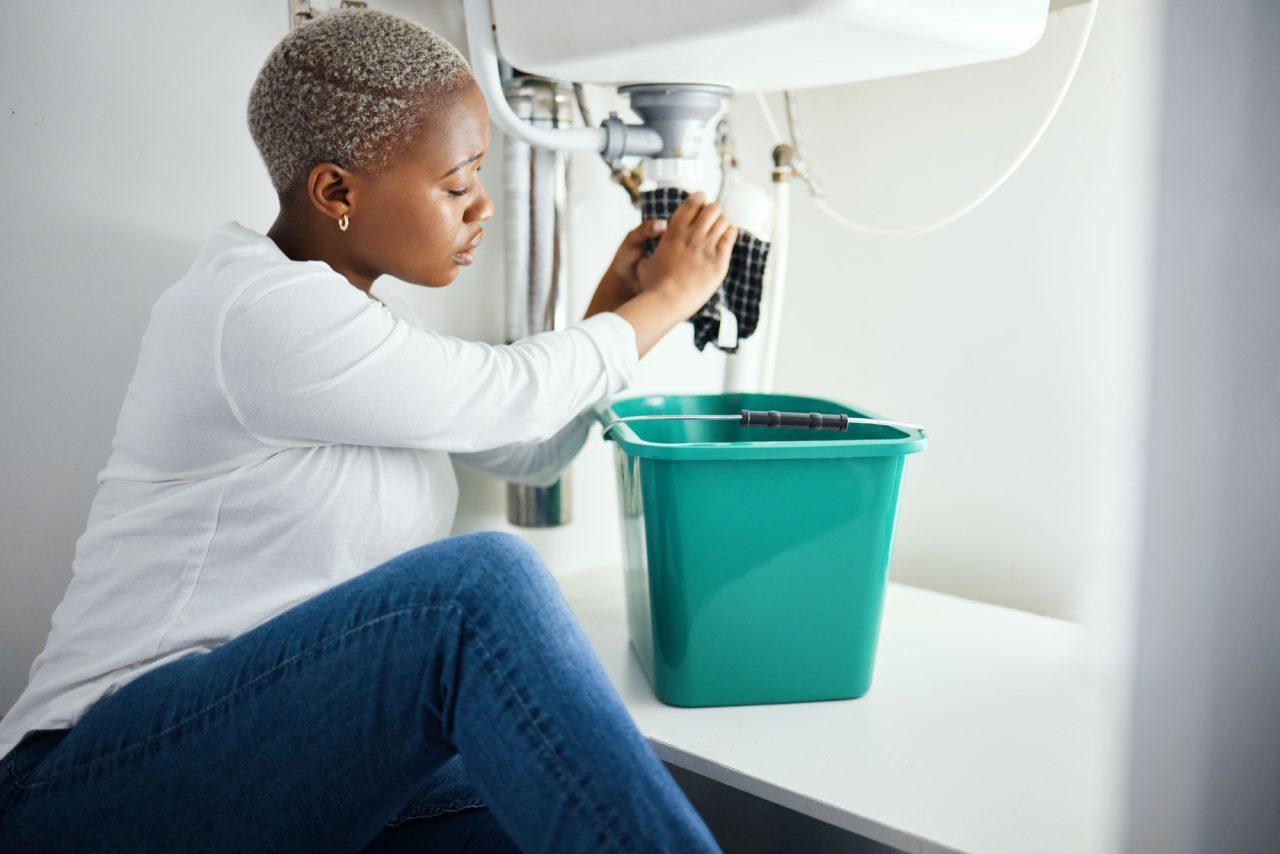
Routine plumbing checks that you ignore can lead to costly plumbing repairs down the road. Small plumbing issues like a leaking tap or a sluggish drain start to accumulate, leading to significant plumbing costs over time. Every month, wasted water inflicts a building cost on your bills, and even a minor drip can leach out hundreds of liters, compounding the expenses. If left unaddressed, these plumbing issues can escalate into larger failures, such as burst pipes or water heater blowouts, resulting in emergency plumbing repairs that can be several times higher than standard maintenance.
Unplanned repairs are pricier than planned ones. If a pipe bursts in the middle of the night, you’re probably paying a premium to get it fixed immediately. Across years, these incidental costs accumulate, sometimes into the thousands. Even worse, you could encounter indirect costs such as having to move out if repair work renders your home uninhabitable. If the damage spreads to a neighbor’s property, you may be responsible for their repairs as well, increasing your financial pain.
2. Structural Damage
Early water damage is easy enough to overlook. A slight discoloration on a wall or ceiling, a damp smell, or a warped floorboard can all indicate underlying problems. Persistent leaks rot wooden beams, crumble drywall, and undermine foundations. If water gets inside, you’re in for repairs costing tens of thousands if your foundation or support beams weaken.
Just like corroded pipes behind walls, repairs are more invasive and expensive. Watching leak-prone areas and responding swiftly can prevent expenses from spinning out of control. About: The new compounding cost of neglect.
3. Health Hazards
- Leaks can bring in mold and mildew, which can cause allergies and asthma.
- Stagnant water invites bacteria, increasing infection risk.
- Lead or rust from pipes could potentially leach into drinking water.
- Damp conditions attract pests, further harming indoor air quality.
4. Property Devaluation
There’s nothing more pungent than the compounding cost of plumbing neglect. Buyers spot stains, warped floors, or strange odors and view these as red flags, often leading to lower bids due to anticipated costly plumbing repairs. Even if you don’t plan to sell, addressing plumbing issues promptly keeps your investment where it belongs — right where you want it. Long-term neglect means you’re going to spend more in the end just to bring it back to market value.
5. Lifestyle Disruption
Plumbing problems don’t just damage your budget; they can severely impact your life. Plumbing emergencies force you to halt your daily routine. Water outages or clogged drains may leave you unable to cook, clean, or even use the bathroom. Addressing plumbing issues often involves enduring noise, dust, and strangers in your home, compounding tensions and making each day harder to manage until all damages are resolved.
The Domino Effect Of Delay
The domino effect of delayed routine plumbing maintenance can lead to serious plumbing issues. Small plumbing problems often go undetected, and the perceived savings from avoiding preventative maintenance evaporate as minor plumbing issues become major plumbing emergencies. This delay impacts water efficiency, your home’s structural integrity, and your wallet. Understanding how a little annoyance can escalate into costly repairs is essential for avoiding expensive comprehensive damage to your home or business.
The Small Drip
A little drip is not simply an annoyance; it can be a sign of larger plumbing issues. That slow leak under your sink or the bath tap drip often indicates a way bigger problem, such as plumbing neglect. When you see a drip, it’s easy to procrastinate the repair, perhaps it appears innocuous or you’re preoccupied. However, one dripping faucet has the potential to waste thousands of liters of water annually, leading to increased water bills and unnecessary resource wastage.
If you allow that little leak to persist, the plumbing problems can soon snowball. Water can seep into cabinets or floors, warping wood and causing mold growth. The longer you put it off, the more likely you’re going to need major repairs, not just a washer swap. You will end up paying much more than you would have for a quick intervention. Furthermore, plumbing efficiency declines because constant drips make plumbing run harder, causing more wear and tear on pipes and fixtures.
You can escape this domino effect by addressing plumbing issues as soon as you catch a glimpse of them. Basic movement today staves off costly repairs tomorrow and ensures your plumbing system remains reliable and efficient.
The Hidden Spread
Not all leaks are obvious, and many begin behind walls, beneath floors, or in ceilings, where you might not detect them until it’s too late. These hidden plumbing issues are perilous because water damage doesn’t confine itself to one location. It creates a domino effect of delay, seeping into insulation, wiring, and potentially even the frame of your home. Warped floors, damaged drywall, and foundation issues can all stem from one delayed plumbing problem.
Since invisible leaks are difficult to detect, routine inspections are essential for proper plumbing care. You can’t repair what you can’t detect, so inspecting pipes in hidden spaces like behind washers, under bathroom sinks, and in unfinished basements is wise. Proactive measures, such as moisture sensors or regular professional plumbing assessments, keep you ahead of plumbing emergencies.
Early detection is your best protection against costly repairs. Addressing plumbing issues quickly means you avoid a domino effect of expensive unfolding repairs, each bigger than the previous.
The Sudden Failure
Now and then, plumbing issues arise unexpectedly. A pipe bursts, flooding rooms and causing extensive water damage. Sudden catastrophes of this nature often lead to plumbing emergencies that can infiltrate bedrooms and ruin ceilings and electrical systems. Today’s little drip from a leaky faucet might become tomorrow’s burst pipe, potentially leading to costly repairs instead of a simple fix.
Emergency plumbing repairs can be exorbitant. You might find yourself needing to replace flooring, drywall, and even structural beams. This is why having a reliable plumbing service you can count on is crucial. Such emergencies can cost thousands of dollars, especially if foundation treatment becomes necessary.
Ignoring small plumbing problems invites larger, more costly plumbing issues down the road. Addressing plumbing issues immediately is always the wiser, cheaper route to take, ensuring your home remains safe and functional.
Insurance: A False Safety Net?
Here’s the kicker — many of you may think your insurance policy will step in to take care of plumbing disasters. Home insurance is not a blanket assurance for every water problem you encounter. It’s intended for acute, unexpected damage — not chronic malfeasance or normal wear and tear. For instance, if a pipe bursts suddenly from freezing, a lot of common policies are going to cover that water damage. If you overlook a slow leak for months and mold grows, insurance probably won’t be of assistance. This is a key point most homeowners miss: delayed maintenance can void coverage for certain claims. Insurance companies anticipate that you’ll maintain regular care to prevent avoidable issues. When you pass on routine plumbing care, you risk coverage gaps that leave you paying out of pocket.
To make this clear, the following table shows common plumbing repairs and their likely coverage status under standard insurance policies:
Type of Plumbing Repair | Usually Covered by Insurance? |
Sudden pipe burst (flooding) | Yes |
Slow leak (neglected for weeks/months) | No |
Blocked drain due to tree roots | No |
Water heater failure (sudden) | Sometimes |
Mold from hidden, ongoing leak | No |
Water backup from outside sewer | Rarely (needs extra coverage) |
Pipe wear from age/corrosion | No |
Accidental damage from repairs | No |
This table illustrates that insurance exists solely for unlikely, abrupt surprises – not the majority of issues that accumulate with time. The rest is on you. More than half of homeowners aren’t even sure what their policy does and doesn’t cover, so they’re not equipped when a claim is denied. If you don’t know, your financial risk is greater than you assume.
If you need a major plumbing repair, the out-of-pocket cost is often much higher than you anticipated. Replacing a main water line or water damage is inexpensive; it can run into the thousands of dollars. In many areas, two thousand to ten thousand euros is not uncommon. Even with insurance, if the claim is denied for lack of maintenance, you’re on your own. That’s why almost a quarter of homeowners don’t file claims. They’re afraid that their home’s state might trigger an audit or deny their claim.
Prevention is far less expensive than repair. If you leave it until things break, you will pay more. Insurance companies know this and that’s why they price their policies to cover rapid loss, not gradual harm. For instance, losses for roofs or plumbing in bad shape are sixty percent greater than for those in great condition. If a claim occurs due to your negligence in skipping routine inspections, that’s on you, not the insurer. Issues like a busted pipe, a slow leak, or corroded valves are completely in your control.
The Unseen Environmental Toll
When you skip routine plumbing maintenance, you risk more than just a higher water bill. The effect goes below the surface, impacting the environment in less visible ways. Each plumbing system, regardless of where you are, plays a vital role in local water usage and sustainability. If you examine the true costs, you’ll notice how minor plumbing issues and overlooked pipes squander not only money but also a resource the world can’t afford to lose.
Leaks are a primary offender. A small drip from a corrupted tap or pipe may appear insignificant, but over the course of a year, that leak can waste thousands of liters. Multiply that by millions of homes and offices, and the waste is staggering. If you’re in an area that’s short on water, this waste becomes even more grave. Every drop lost is one less that could be utilized for drinking, agriculture, or maintaining our local parks. In several cities, water supplies are already strained. Plumbing leaks compound that strain, pushing treatment plants to work overtime, which results in increased energy consumption and higher carbon emissions. This cycle is wasteful and unsustainable.
Old or broken pipes often remain hidden until they become a major plumbing issue. These leaks don’t just waste water; they can seep into walls, floors, and foundations. This moisture eventually fosters mold and mildew, responsible for acute health problems. Mold spores floating in the air can pose dangers to allergy or asthma sufferers. Flooding due to burst pipes or inadequate drainage can lead to further headaches. Wooden beams can rot, drywall may crumble, and even the foundation of your home can be at risk. These expensive plumbing repairs can occasionally require you to abandon your home during the repair process. The environmental cost is equally real because all those fixes consume new materials and energy, thereby increasing your carbon footprint.
Smart plumbing is crucial for sustainability. By addressing plumbing issues promptly and clearing drains, you contribute to the conservation of water resources. Insulating pipes reduces the likelihood of freezing and bursting, which can prevent significant flooding from occurring in the first place. By acting early, you sidestep the snowball effect. A small plumbing problem can trigger damp walls, then mold, then rotting wood, and finally foundation issues. Every link in that chain leads to additional resources squandered and strain on your immediate ecosystem. By caring for your pipes, you care for your house and the planet. Basic behaviors, such as checking for leaks or installing sink strainers to prevent clogs, accomplish more than just saving money. They help preserve clean water, one of the world’s most valued resources.
A Proactive Maintenance Blueprint
Here’s a proactive maintenance blueprint, a plan for regular plumbing checkups and maintenance to spare you cash and tension. By addressing plumbing issues early, you can nip minor plumbing problems in the bud, steering clear of expensive repairs while extending your plumbing system’s lifespan. Proactive maintenance costs between $100 and $300 a year on average, which is a great deal less than emergency plumbing repairs that can run two to three times that. A regular maintenance schedule with yearly and seasonal inspections, simple DIY fixes, and a straightforward checklist that anyone can access, wherever you reside.
Annual Inspection
Annual inspections are the foundation of any good maintenance schedule, especially for addressing plumbing issues. Make sure you arrange for a complete system checkup at least annually to identify any leaks, corrosion, or pressure problems that can lead to larger complications down the road. Professional plumbing services leverage their tools and expertise to inspect concealed pipes, joints, and valves, points you could easily overlook. This annual ritual can save you from the shock of expensive plumbing repairs or flooded floors come rain, shine, or snow. A professional inspection enhances system reliability, providing you with peace of mind that your plumbing is prepared for another season of safe service.
- Early detection of issues saves you from major repairs.
- Professional checks reveal hidden leaks or corrosion.
- Annual reviews extend the lifespan of pipes and fixtures.
- Regular inspections provide documentation for insurance or property value.
Seasonal Checks
Seasonal checks are crucial for addressing plumbing issues that arise from the special demands each climate delivers. Before winter or heavy use seasons, ensure your pipes are insulated and exterior lines drained to avoid freezing. During the warm months, flushing the water heater and clearing drains can help you avoid common plumbing emergencies. These steps assist you in steering clear of weather-related emergencies, which are more frequent than you imagine. Test your plumbing systems before periods of stress, like the holidays or the rainy season, as pressure on aged plumbing can lead to serious plumbing issues. If you encounter any plumbing problems during these inspections, schedule fixes immediately to prevent expensive plumbing repairs down the line.
- Insulate exposed pipes before freezing temperatures arrive.
- Drain outdoor water lines ahead of winter.
- Flush water heaters semi-annually to reduce build-up.
- Clean drains and check for clogs each season.
DIY Monitoring
You can do your part to maintain low plumbing costs with some simple monthly maintenance checks. Take a few minutes each month to check for damp spots on walls, ceilings, or under sinks as part of a proactive maintenance schedule. Additionally, testing water pressure in showers and taps is crucial; a drop may indicate a plumbing issue such as a leak or blockage. Keeping an eye on your water bill for inexplicable jumps is also essential, as this is a frequent indicator of silent leaks. Small habits, such as cleaning out sink traps and avoiding pouring grease down drains, help maintain reliable plumbing systems and prevent minor plumbing issues from escalating into costly repairs.
Be on the lookout for mold or mildew, as these can indicate that moisture is penetrating where it shouldn’t. Use your sight, smell, and touch to catch plumbing problems early. Repairing a dripping faucet or tightening a connection may seem insignificant, but these small plumbing tasks can prevent serious plumbing issues and regulate your repair expenditures. By cultivating these habits, you significantly reduce your risk of plumbing emergencies, which are always more expensive and disruptive.
Proactive Maintenance Checklist
- Schedule annual plumbing inspections with a certified professional.
- Check and insulate exposed pipes before winter.
- Drain outdoor water lines before freezing weather.
- Flush water heaters and clean drains at least twice a year.
- Monitor water bills monthly for unexplained increases.
- Inspect visible pipes and fixtures for leaks or corrosion.
- Clear sink traps and don’t flush grease or muck down the drain.
- Plan for repairs immediately after identifying any issues.
The True Value Of Prevention
Regular plumbing care isn’t merely about repairing leaks or unclogging blockages; it’s a smart way to save money, protect your home, and keep life running smoothly. By inspecting your plumbing systems and fixtures at regular intervals, you accomplish more than just halting minor plumbing issues; you keep the larger, more expensive plumbing problems from ever developing.
You save real cash by spotting plumbing issues early. A minor leak, if detected and repaired immediately, could only set you back a few hundred dollars. If you forgo the checks, that same leak could fester into a serious plumbing issue. Before long, water ruins walls or floors, or you’re left with a burst pipe. Now you’re dealing with costly plumbing repairs in the thousands, not to mention the cost of lost convenience and peace. Few understand that one leaking tap can spill up to 75 liters a day. Over the course of a year, that’s a lot of wasted water and money. The real worth of prevention is undeniable.
The domino effect in plumbing comes with a real price tag. If you fail to repair a minor fault, it is likely to cause you further trouble. Saying no to a small plumbing issue can save your pipes from weakening, your home from mold, or even your foundation from cracking. Each link in this chain is more expensive to repair than the previous one. If you’re familiar with the pipes in your house or apartment, you know that one loose joint or blocked drain can cause sudden, significant damage. The surest way to disrupt this cycle is with a maintenance schedule of inspections and timely repairs.
Proactive care is about peace of mind as well. You want your home to be safe and comfortable, not a source of stress. Routine plumbing inspections will leave you less susceptible to catastrophic failure. You won’t wake up to a flooded room or ruin your walls with water stains. Maintenance crews notice issues you might not, such as slow drainage inside walls or worn seals on fixtures. Addressing them now steers clear of both expensive emergency repairs and the stress of last-minute fixes.
In the long run, a solid maintenance plan safeguards your home’s value. Good plumbing contributes to your home’s value and your quality of life. If you ever want to sell or rent your space, a history of consistent maintenance is a huge selling point to buyers or tenants. They know you’ve loved the place and it’s less likely that they will be hit with nasty repair bills down the road.
Maintenance really does pay off — not just with peace of mind, but by adding the element of safety for you and your family. Water leaks can cause mold or mildew, which can cause breathing issues. Water around electrical systems is a hazard for fires or shocks. By inspecting pipes, drains and fixtures, you reduce these risks and protect your home in a cleaner, healthier environment.
Conclusion
You encounter a genuine dilemma with plumbing maintenance. Skipping checks and fixes racks up bills quick. Leaks extend, pipes deteriorate, and water loss increases. Insurance may not cover all the damage. Clean water escapes, and your room is vulnerable to mold or bigger breaks. Keeping to an easy check-up plan keeps small issues from becoming out of control. Proper maintenance is cost-efficient, stress-reducing, and extends the lifespan of your home. You cultivate peace of mind and stay at the helm of your home or business. Want more tips tailored to you? Learn more on our blog or contact us with your questions. About: the true price of passing on regular plumbing upkeep.
Frequently Asked Questions
1. What Happens If You Skip Routine Plumbing Maintenance?
Neglecting routine plumbing maintenance can lead to serious plumbing issues like hidden leaks, pipe bursts, and extensive water damage, which are often more costly to repair than regular checkups.
2. How Much Money Can You Save With Regular Plumbing Maintenance?
Regular maintenance catches plumbing issues when they’re small and less costly to fix, saving you hundreds or even thousands in plumbing repair costs.
3. Can Home Insurance Cover Damages From Neglected Plumbing?
Most policies don’t cover plumbing neglect or lack of maintenance, making preventive care essential for addressing plumbing issues and saving your home and wallet.
4. Does Poor Plumbing Maintenance Affect The Environment?
Yes, addressing plumbing issues like leaks wastes water and energy, leading to increased utility bills.
5. What Are The Signs You Need Plumbing Maintenance?
Notice slow drains, low water pressure, strange noises, or moisture? These are signs of plumbing issues that require timely repairs and a maintenance schedule for proper plumbing care.
6. How Often Should You Schedule Plumbing Maintenance?
The real price tag of addressing plumbing issues through regular maintenance keeps costly plumbing emergencies at bay and your system humming efficiently.
7. What Is The Real Value Of Proactive Plumbing Care?
Smart maintenance elongates your plumbing’s lifespan, saves you money on plumbing repair costs, and gives you peace of mind against plumbing emergencies.
Plumbing Inspections In Santa Rosa — Thorough, Reliable, And Trusted Experts
Regular plumbing inspections keep your home safe, efficient, and free from costly surprises. Whether you’re maintaining an older property, buying a new home, or preparing for winter, Yorkshire Plumbing provides detailed plumbing inspections throughout Santa Rosa.
Our licensed plumbers carefully evaluate every part of your system, from hidden leaks and aging pipes to water pressure and drain performance. Using advanced diagnostic tools and proven methods, we identify potential issues early so you can prevent emergencies and plan repairs before they become expensive problems.
With nearly a decade of experience serving Sonoma County, our family-owned team has earned a reputation for honesty, precision, and long-term results. We don’t just inspect your plumbing, we help you understand the condition of your system and what to do next.
Whether you need a routine inspection or a full plumbing assessment before buying a home, Yorkshire Plumbing is your trusted choice in Santa Rosa. Contact us today to schedule your inspection and keep your home’s plumbing in top shape.
Disclaimer
The information provided on this website is for general informational and educational purposes only and is not intended as professional plumbing or construction advice. You should consult with a licensed plumber or qualified contractor for guidance specific to your home or situation. Do not rely solely on the content of this site to make decisions about plumbing repairs, installations, or maintenance. While we strive to keep the information current and accurate, it may not reflect the most recent industry standards or code requirements. Yorkshire Plumbing & Drain Services disclaims all liability for any actions taken or not taken based on the content of this site, to the fullest extent permitted by law.