Install a brand new gas appliance? Don’t forget this safety checklist. Leak testing, proper tools, and good ventilation help prevent accidents. A tight gas line and working CO alarm provide additional security. Regulations vary by location, but the majority of advice recommends confirming joint integrity and tidying up any mess. Shutting off the main supply prior to work makes it safer for everyone involved. Once installed, testing for leaks using soapy water or a gas detector helps identify minor problems. For additional reassurance, having a licensed pro ask for a final check is wise. The core provides steps and advice for safe home installations.
Key Takeaways
- With a new gas appliance, don’t forget this safety checklist. Gas appliances can cause hidden dangers, including carbon monoxide buildup, fire hazards, and gas leaks. Regular inspections and proper installation are essential for home safety.
- Putting in carbon monoxide and gas leak detectors, keeping ventilation unblocked, and making sure appliances are suited to your living space are important means of accident prevention.
- Professional installation and verification by licensed gas fitters, along with strict adherence to local codes and documentation requirements, limit safety hazards and legal issues.
- Routine maintenance such as annual inspections, professional cleaning, and prompt repairs are required to keep all gas appliances operating at peak efficiency and safety.
- Have clear emergency plans for leak detection, evacuation, and shutoff that you practice regularly and every member of your household is aware of.
- Keep documented: Permits, manuals, warranties, service records, they all help with compliance, troubleshooting, and peace of mind should incidents occur or inspections are conducted.

The Unseen Risks Of Gas Appliances
Gas appliances are found in homes all over the world, yet their dangers tend to stay hidden as long as things go well. These risks extend past convenience and efficiency to impact safety, health, and property. From natural gas leaks to carbon monoxide buildup, homeowners should be aware of the potential hazards associated with installing gas appliances and the importance of a gas appliance checklist.
The Carbon Monoxide
Gas appliances that aren’t installed, maintained, or ventilated properly can create carbon monoxide (CO), a colorless, odorless gas that can kill. It accumulates quickly in enclosed areas if vents are cracked, corroded, or clogged by such things as birds’ nests or loose tiles in flues. You should install carbon monoxide detectors outside bedrooms and near gas appliances. These detectors must be tested regularly, with batteries replaced every six months.
Carbon monoxide poisoning symptoms begin quietly, such as headache, fatigue, or dizziness, and intensify with continued exposure. If you heat with gas ovens or stoves, you increase your risk of CO poisoning. These appliances aren’t made to heat rooms, and they can soon saturate a space with hazardous gases. Adequate ventilation is the answer. Ensure that every room with a gas appliance is vented, clean, and clear, and that flue pipes are inspected for gaps and rust.
Fire Risk Areas
Fire can ignite from gas appliances when they are improperly installed or maintained. Lint and dust can accumulate in vent pipes, increasing the chance of fire, particularly in dryers and water heaters. Brandables should always be kept away from any gas appliance.
Inspect gas lines regularly for wear, cracks, or rust. If you notice an issue, call in a specialist. Flame arrestors and other safety components are helpful to prevent flames from spreading if a fire begins. Everyone in the house should know how to turn off the gas and what to do if there is a fire.
The Gas Leaks
Gas leaks are the greatest hazard. That’s why they put the odorant that smells like rotten eggs in natural gas so you can’t ignore the danger. If you detect this odor, hear hissing, or observe dead plants in the vicinity of gas lines, turn off the main valve and get out immediately. Don’t use switches or phones inside.
Use gas leak detectors to detect leaks at an early stage. Inspect gas lines and appliances at least annually. Tiny leaks can result in huge explosions or fires. Bad installation, for example, inadequate sealing or operating gas appliances in unventilated garages, increases leak risks. Routine inspections by a qualified technician at Yorkshire Plumbing & Drain Services are the safest defense.
Your Essential Gas Appliance Safety Checklist
Installing safe natural gas appliances requires more than just plugging in the unit and turning the dial. It is a step-by-step process, with each part counting for safety, efficiency, and peace of mind. The gas appliance checklist below summarizes key safety measures.
- Hire only licensed gas fitters for installation and maintenance.
- Verify that appliances comply with local safety codes.
- Assess appliance suitability for your household and environment.
- Check all gas connections for leaks and secure fittings.
- Ensure clear, unobstructed ventilation paths.
- Test appliances after installation for leaks and proper function.
- Keep detailed records of inspections, tests, and repairs.
1. Professional Verification
Hiring a licensed gas fitter at Yorkshire Plumbing & Drain Services is not merely a recommendation. It is the law and a safety requirement in most areas. These professionals know how to spot hazards like faulty wiring or gas leaks that can result in danger. Post-installation, be sure to request a gas safety certificate. This verifies your appliance was installed securely and by a qualified person.
Regular inspections by professional specialists keep your system in prime condition. Record each visit and inspection. Keeping track of this history is not just savvy for your own peace of mind, it can help grease the wheels with insurers or future purchasers.
2. The Code Compliance
Where you live has its own code for gas appliance installation. Before you start, get to know your codes. Failing to do so can result in steep fines and significant safety hazards. Codes may change, so update your checklist every year.
If you have any questions about any rule, speak to a licensed gas professional at Yorkshire Plumbing & Drain Services. They will assist you in getting it all done!
3. Appliance Suitability
Selecting the right gas appliance is about more than color or style. Consider energy efficiency, seek out highly rated models that save money and emissions. The size should suit your space and requirements. An oversized heater squanders energy, while a mini one might not keep up.
Certain appliances need special venting or clearances, so verify these specifics. Green options, like low emission gas stoves, exist for most requirements.
4. Connection Integrity
Check all your gas lines and fittings for rust or wear. Use the proper tools to tighten connections. Never assume. Even a minor leak can spell big trouble.
Have a licensed pro from Yorkshire Plumbing & Drain Services check at least once a year. Keep a record of any repairs or modifications for later review.
5. Ventilation Path
Gas appliances require consistent air circulation to operate safely. Ensure vents are free of dust, furniture, or outdoor debris. Natural ventilation keeps air clean and reduces the risk from fumes.
Educate everyone in your household on the indicators of a blocked vent. Good habits keep you out of a lot of trouble.
6. Post-Installation Testing
Once installed, check appliances with soapy water or a detector for leaks. Test gas pressure and compare with manufacturer’s specifications. If you smell gas, do something quick, get out and call for help.
Log all tests. Replace gas detector batteries annually to ensure they function when needed.
Beyond The Installation
Safety and efficiency for your natural gas appliances don’t stop at installation. Beyond the install, proactive measures like a gas appliance checklist and maintenance protocols mitigate risk and maximize performance. Staying up to date on new safety technologies and ensuring your entire household is familiar with emergency procedures are equally critical. They keep you from getting hurt, conserve energy, and prolong appliance life.
Detector Placement
Install carbon monoxide and natural gas detectors where leaks are most dangerous, near bedrooms and near natural gas appliances. Always adhere to the manufacturer’s specific positioning instructions to ensure proper gas detection. Detectors shouldn’t be close to vents or windows because airflow can restrict their ability to detect. Test each detector every month and change the batteries at least annually, or when the device signals. Everyone in the household needs to know why detector placement is important and what to do if an alarm sounds, including discussing emergency procedures and how to call 911 correctly.
Regular Maintenance
Annual inspections should be scheduled for all natural gas appliances, yet some, such as water heaters, derive utility from a monthly visual inspection. Cleaning burners and vents prevents dangerous buildup and keeps efficiency high, which is crucial for maintaining natural gas safety. For instance, replacing air filters in your gas furnace every year can reduce risks significantly. Maintain a basic service log to track these records, as this will help you identify trends, such as recurring issues, and nip them in the bud. If you peek out and see wear, funny smells, or hear weird sounds, move swiftly and call a professional. Checking gas lines is essential, as utilities can spend millions annually upgrading mains and service lines, and federal regulations mandate main surveys every five years.
Clear Surroundings
Maintain clearance around each gas appliance. There should never be any flammable materials, like paper, cloth, or solvents, close by. A good line of defense against fire, a well cleared area surrounding your generator will assist in identifying any leaks or wear on hoses and connections. Look around each month for water damage, corrosion, or debris.
Educate your whole household on the importance of clear space. Tell them what to watch for, like rust, weird smells, or hissing. Tell them to never use appliances if they smell a leak and to always call the national hotline before digging to avoid rupturing any gas lines.
What Is Your Emergency Plan?
A well-defined emergency plan is crucial for ensuring natural gas safety when employing any gas appliance, as it can potentially save lives and minimize damage. Most of us don’t even consider emergencies until it’s too late. With natural gas, little errors become major dangers, so everyone in your household needs to be prepared. Here are the essential steps to develop and maintain an effective emergency gas plan.
- What to do if you think there is a gas leak: Get everyone out and away from the home, don’t flip light switches or use electronics, and call 911 from a safe spot.
- Educate your entire household to recognize symptoms such as the odor of rotten eggs, pipe hissing, dizziness, or headaches.
- Designate open exit routes. Conduct practice drills so everyone understands their path and responsibilities.
- Teach everyone where the main gas supply valve is and how to shut it off. Drill and use it.
- Have a ready-to-grab kit with bottled water, non-perishable food, first aid, a flashlight, and a list of emergency numbers.
- Review the plan every three months or so. Update it if your home or family situation changes.
- Emphasize that safety and getting out is a priority. Never attempt to stop a leak by yourself.
Know The Signs
The majority of gas leaks are obvious, often indicated by a powerful, sulfuric stench. If you hear hissing or whistling near pipes or natural gas appliances, it could signify a leak. Additionally, if burners won’t light or flames are yellow instead of blue, that’s a sign of impending trouble. Carbon monoxide is odorless, nausea, fatigue, or confusion are all red flags. Be on the lookout for headaches or dizziness, particularly in multiple family members. Educate everyone to vocalize and evacuate these symptoms if observed. A speedy response can prevent small problems from becoming catastrophes.
Know The Steps
- Get out of there immediately if you smell a gas leak! Don’t attempt to repair the leak or operate electronics.
- Once outside, call emergency services on your mobile or a neighbor’s phone.
- If a burner goes out, turn it off and wait at least five minutes before lighting.
- Conduct emergency drills every few months, ensuring that everyone is aware of what to do in an actual incident.
- Stick emergency numbers somewhere handy, by the phone, near the front door, or on the fridge.
- Here’s the catch. Update your plan when you change appliances, move home, or after any emergency.
Know The Shutoff
- Locate the primary gas valve, typically near your gas meter. Tell everyone where it is.
- Drills turn the valve with each family member. This develops muscle memory and makes people less afraid in an emergency.
- Attach a conspicuous tag or sticker to make the shutoff easy to locate.
- Ensure everyone is aware to turn off gas only if safe. If gas is already strong, just leave.
- Remind everyone that once the gas is off, only a professional from Yorkshire Plumbing & Drain Services should turn it back on.
Why Documentation Matters
Documentation is the cornerstone of a safe and efficient natural gas appliance installation. It documents every phase, from permits to maintenance, and aids in meeting safety standards. Proper documentation streamlines the process, making checklists shorter while reducing errors that could lead to hazards such as a natural gas leak or faulty wiring. The table below outlines the main types of documentation and their purposes.
Documentation Type | Purpose | Example Use |
Permits | Show legal compliance and approval | Required for inspections |
Manuals | Guide installation, use, and maintenance | Reference for troubleshooting |
Warranties | Define repair/replacement coverage | Claim for faulty parts |
Service Records | Track repairs and routine checks | Schedule next inspection |
Licensed Installation Required
When installing gas appliances, obtaining the necessary permits is crucial. Local laws typically require these permits to ensure that the installation meets safety standards, particularly for natural gas safety. Not securing these permits can lead to delays, fines, or hazardous situations.
It’s wise for new homeowners to store copies of all permits in a folder or digital archive, as this provides evidence of compliance during audits or when selling your home.
The permit process usually consists of filing plans, fees, and sometimes a site visit. Understanding these steps in advance keeps you from hold-ups. It is smart to check with the pros at Yorkshire Plumbing & Drain Services or your local authorities if you’re uncertain about which permits you should have.
Manuals
Manuals are the geeky stuff on how to install, operate, and maintain your appliance. All contain model-specific procedures, diagrams, and a maintenance schedule. Reading the manual before you turn it on stops you from messing things up and helps you get properly set up.
Store manuals in a labeled binder or digital folder. If an issue arises, you or a technician from Yorkshire Plumbing & Drain Services can immediately reference troubleshooting steps or wiring diagrams.
The manual enumerates inherent safety protocols and emergency measures. Make the effort to master these and pass them along to your household.
Warranties
Warranties safeguard your investment by repairing or replacing parts within a specified timeframe. Always read the warranty fine print on every appliance. This informs you what it covers and for how long.
Keep your warranty papers in a safe, marked location. If a fix is required, identifying where to locate them saves time and angst. Some brands need receipts or service logs to support the warranty.
Educating relatives on warranties means they know to act fast if any issues come up. It aids in monitoring expiration dates and the state of service.
Service Records
Recording each inspection, repair, or upgrade for your natural gas appliances creates a well-defined history for each unit. This documentation assists you in identifying trends, such as when something is constantly breaking, and helps anticipate necessary maintenance. By doing so, you can stave off recurring problems and extend the lifespan of your appliances, including your gas furnace.
Sort records chronologically in a spreadsheet, notebook, or digital app. Bring this information to service professionals during visits for better diagnostics, especially regarding installation safety checks.
Keeping a complete record file goes a long way to demonstrating adherence to safety guidelines and streamlining insurance claims. It’s useful when you sell your home, buyers like to see evidence of maintenance.
The Professional Difference
Gas appliance installation isn’t just a technical skill, it’s about protecting people and property through natural gas safety. Licensed gas fitters at Yorkshire Plumbing & Drain Services provide a standard of care based on compliance with safety standards and installation safety checks. Their training spans international safety codes, venting, and safe connection. They understand the dangers of natural gas leaks and how to test for them effectively. Regular inspections by professionals ensure that devices such as water heaters or boilers will continue to operate safely.
Gas Repair Equipment
Tool Name | Purpose/Use | Appliance Type |
Gas Leak Detector | Finds gas leaks in pipes or joints | All gas appliances |
Manometer | Measures gas pressure for safe operation | Boilers, heaters, stoves |
Pipe Reamer | Smooths pipe edges for secure fitting | Water heaters, ranges |
Flue Gas Analyzer | Checks exhaust gas for safe venting | Furnaces, boilers |
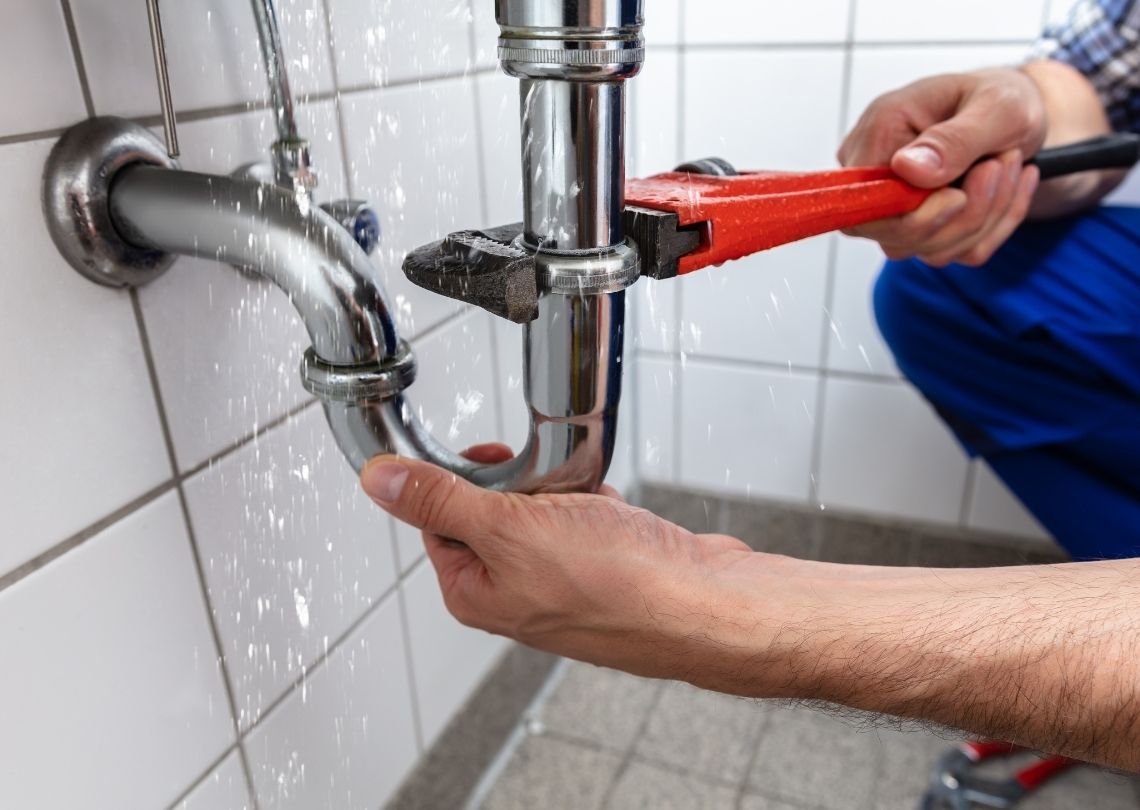
Adjustable Pipe Wrench | Tightens or loosens gas pipe fittings | All installations |
Bubble Solution | Reveals small leaks at connections | Ovens, cooktops |
Professional-grade tools are essential for installing gas appliances like stoves, heaters, and boilers, especially when ensuring natural gas safety. Using the right equipment, such as a manometer for checking pressure in a gas furnace, is crucial to avoid leaks and inefficiencies. While DIY enthusiasts may invest in good tools, they must also understand proper guidelines to ensure safety during installation. Ultimately, even the best tools cannot replace the expertise of a professional, especially when it comes to handling potential hazards associated with gas service.
Liability Coverage
Before any work begins, request evidence of liability coverage from your gas fitter, which is crucial for ensuring natural gas safety. This shields you from potential issues such as property damage or injury. Unlicensed fitters often lack insurance, leaving you liable for repairs or lawsuits if something goes wrong. Discuss this coverage with your provider, as policies differ by location. Additionally, confirm that your homeowner’s insurance covers gas-related incidents for added protection during and after installing gas appliances.
Reliable Gas Safety
Getting your natural gas appliances installed by a professional means you can rely on them to function correctly and safely. Essential safety measures, such as leak detection and proper ventilation, instill confidence. You become familiar with the warning signs of a natural gas leak and what to do in an emergency. Establishing a connection with a reliable gas fitter ensures coverage for regular inspections and upcoming issues.
Final Remarks
Keep your home and family safe by following a thorough gas appliance safety checklist before installing any unit. Double-check for leaks, inspect vents, and test alarms. Document each step and keep your records handy. If you encounter any issues or notice signs of damage, call the experts at Yorkshire Plumbing & Drain Services. Never skip or guess a step, taking a little extra time now ensures safety and peace of mind later. Share these practices with your friends and family, stay vigilant, and trust licensed professionals when handling gas appliances. Your safety always comes first.
Frequently Asked Questions
1. What Are The Key Safety Checks Before Installing A Gas Appliance?
Ensure adequate ventilation and proper airflow while installing gas appliances, checking for tight gas connections and absence of leaks. Always use approved parts and follow the manufacturer’s manual for installation safety checks.
2. Why Should I Hire A Licensed Professional For Gas Appliance Installation?
Licensed pros understand natural gas safety codes and best practices, helping to prevent potential hazards like gas leaks, which safeguards your home and complies with the law.
3. How Do I Detect A Gas Leak After Installation?
If you notice a rotten egg smell or hissing sounds near gas lines, it may indicate a natural gas leak. In such cases, exit the premises and call 911.
4. What Should I Include In My Gas Appliance Emergency Plan?
Familiarize yourself with your gas shut-off valve location and ensure proper ventilation for safety. Educate your household on emergency procedures if there is a natural gas leak or hazardous situation.
5. Why Is Documentation Important After Installing A Gas Appliance?
Maintain installation, service, and repair records for your natural gas appliances. This documentation aids with warranty, resale, and future service while confirming proper installation safety checks.
Gas Line Repair In Santa Rosa – Fast, Reliable, And Safe Service
A gas leak or damaged gas line isn’t just inconvenient, it’s dangerous. If you smell gas, notice hissing sounds, or suspect a leak, don’t wait. Yorkshire Plumbing provides expert gas line repair and replacement services throughout Santa Rosa to keep your home and family safe.
Our licensed plumbers are trained to quickly detect, diagnose, and fix gas line issues using the latest equipment and safety practices. Whether it’s a small residential repair or a full gas line replacement, we handle every job with care and precision.
With nearly a decade of experience serving Sonoma County, we’ve earned a reputation for honest work and dependable results. We never offer quick patches, only long-term solutions that restore safety and peace of mind.
From emergency gas repairs to new line installations, Yorkshire Plumbing is the team you can trust. Call or message us today for a free estimate. We offer same-day service when possible and are always available for urgent calls.
Yorkshire Plumbing is your go-to, family-owned team for safe and reliable gas line repair in Santa Rosa.
Disclaimer
The information provided on this website is for general informational and educational purposes only and is not intended as professional plumbing or construction advice. You should consult with a licensed plumber or qualified contractor for guidance specific to your home or situation. Do not rely solely on the content of this site to make decisions about plumbing repairs, installations, or maintenance. While we strive to keep the information current and accurate, it may not reflect the most recent industry standards or code requirements. Yorkshire Plumbing & Drain Services disclaims all liability for any actions taken or not taken based on the content of this site, to the fullest extent permitted by law.