Most homeowners don’t think their house is one pinhole leak away from a full-blown crisis until they’re standing in socks that are suddenly, aggressively wet.
Whole-house repiping prevents future plumbing emergencies by replacing aging, failure-prone water lines (and sometimes portions of the drain system) with modern materials, so you stop living in the “what’s the next leak?” cycle and start getting predictable pressure, cleaner water, and a system that doesn’t ambush you at 2:00 a.m. with a burst behind a wall.
That’s the clean version. The messier truth is you can “repair” an old plumbing system for years and still lose the game, because the part you fixed is rarely the part that was about to fail next.
Key Takeaways
- Repiping is the move when your pipe network is aging out, corroding, scaling shut, or made of materials with known failure patterns (galvanized steel, polybutylene, and yes, lead pipes in older housing stock).
- The biggest win is system reliability: fewer hidden leaks, fewer slab leak surprises, fewer emergency repairs, and less water damage roulette.
- Modern materials like PEX and copper don’t just “stop leaks.” They restore water flow, stabilize pressure, and cut waste that quietly inflates your water bill.
- Expect a real project: an inspection, a plan, access holes, patching, permit work in many areas, then testing and a final walkthrough.
- If you can’t find your main shut-off valve in under 30 seconds, you’re not “unprepared,” you’re just one bad Tuesday away from panic.

What Does Whole-House Repiping Replace?
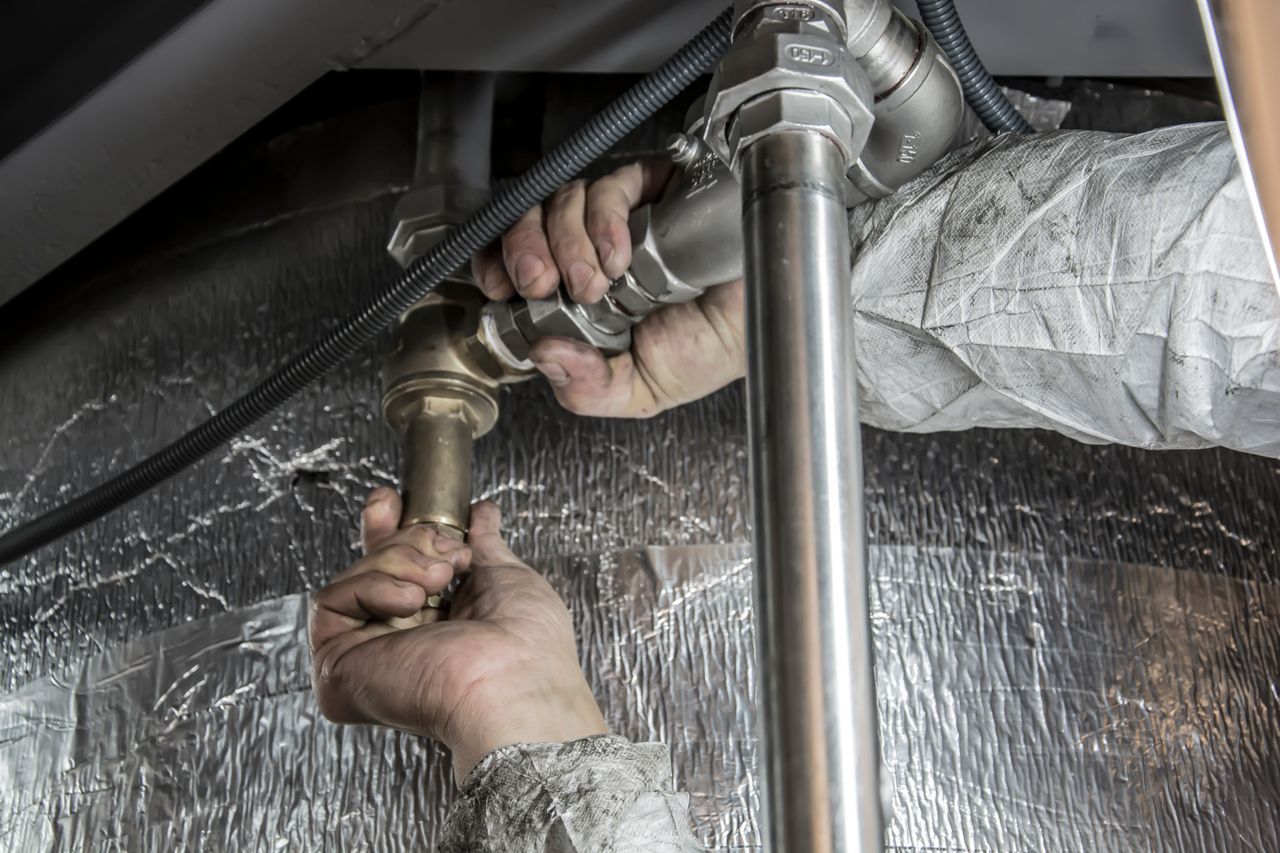
A repipe replaces the parts of your home’s water delivery that are most likely to fail, which is usually the hot and cold supply lines feeding fixtures. Sometimes it also includes shutoff valves at key locations, because a brittle old valve can turn a small leak into a sprinkler the second someone tries to touch it.
A lot of people hear “repiping” and picture every inch of plumbing getting ripped out like a movie set. Real life is more targeted, more strategic, and based on access and risk.
Supply Lines Vs Drains
Supply lines are pressurized. They are the ones that burst, spray, seep into drywall, and cause that sneaky hidden water damage that doesn’t announce itself until the baseboards look… puffy.
Drains are gravity. They fail differently: clogs, root intrusion, belly sagging, cracked joints, sewer gas, backups. Whole-house repiping usually focuses on supply lines, but a good plumber will at least evaluate drains while they’re already opening walls, because ignoring half the plumbing infrastructure is how you end up doing “Phase Two” next year.
Full Vs Partial Scope
A full repipe means replacing the main trunk lines and all branch lines feeding bathrooms, kitchen, laundry, and hose bibs, usually back to the water service entry. Partial scope is where it gets spicy: sometimes you only replace the most compromised runs (say, the hot side in a galvanized network that’s scaling shut) or only the sections accessible without tearing up tile.
Partial can be smart. Partial can also be a long-term maintenance trap if the remaining old piping is already in widespread pipe deterioration mode. The “right” scope is whatever stops the frequent leaks and ends the frequent plumbing repairs pattern, not whatever sounds cheapest on a quote.
Common Home Layouts
Layout decides difficulty. Single-story slab-on-grade homes (common across warmer U.S. regions) raise the stakes for slab leak risk. Two-story homes often have vertical chases that make new piping easier to route. Older homes with plaster, tight framing, or additions stacked on additions can turn a clean plan into a puzzle.
A competent professional evaluation maps fixture groups, pressure zones, and access points before a single cut happens.
Why Do Aging Pipes Fail Over Time?
Pipes don’t “randomly” fail. They age, and they advertise the whole time. We just miss the signals because life is loud.
Joint And Fitting Fatigue
Joints are where stress collects: soldered fittings, threaded connections, compression stops, old angle valves, and the weird “creative” transitions done during past repairs.
Pressure cycling matters. Every time a washing machine solenoid snaps shut or a fast-closing faucet stops flow, the system sees a little surge. A water hammer isn’t just an annoying thunk. It’s a repeated mechanical strain, and older joints eventually tap out.
Water Chemistry Factors
Water isn’t neutral in the way people assume. pH, alkalinity, hardness, dissolved oxygen, chloride levels, disinfectant type, and temperature all influence pipe deterioration.
Lead is a big scary word for a reason. The U.S. Environmental Protection Agency’s Lead and Copper Rule exists because corrosion control is central to keeping toxic metals from leaching into drinking water. Repiping doesn’t replace municipal treatment, but it can remove the worst in-home contributors, especially where old plumbing systems still include lead-bearing components or legacy service lines.
How Does Repiping Prevent Plumbing Emergencies?
Repiping prevents emergencies by removing the weak links that create sudden failures: thin walls, brittle plastic, corroded interiors, and fittings that can’t take modern daily use. That’s not hype. It’s basic risk management.
A practical breakdown of how a full upgrade cuts the “fix-and-break” cycle is baked into this explanation of repiping as emergency prevention, and it tracks with what I’ve watched homeowners experience: the calm after the chaos.
Burst And Freeze Risk
In colder climates, freeze events punish vulnerable runs in exterior walls, crawlspaces, garages, and attic lines. Old metal can split. Brittle plastic can crack. Even if you don’t live in snow country, freak cold snaps happen, and they always find the one neglected segment.
Repiping doesn’t make you immune to freezing, but it lets a professional reroute lines away from cold zones, insulate smarter, and replace compromised material that would have burst first.
Hidden Leak Risk
Hidden leaks are why people distrust their own houses. A slow seep behind a vanity or inside a wall can run for weeks, feeding mold and swelling wood, long before you see a stain.
Repiping shrinks that risk by removing the oldest, most failure-prone sections, especially in high-use areas like a bathroom group where pressure swings and temperature cycling are constant. It also typically includes new shutoff valves that actually work when you need them.
If you want a plainspoken overview of why a full replacement is often better than endless patchwork, this whole-home repipe explainer nails the core logic without pretending every home is identical.
Slab Leak Risk
Slab leaks are the emotionally expensive ones. Jackhammering concrete to chase a leak feels medieval, and the repair often leaves you with the nagging thought that another pinhole is waiting six feet away.
A repipe plan can often abandon in-slab lines and reroute overhead through walls and attic spaces, depending on layout and local code. You’re not just fixing a leak. You’re changing the failure mode of the house.

What Warning Signs Mean Repiping Beats Repairs?
If you’re debating “repair vs repipe,” you’re usually already past the point where a single repair buys peace. The question is whether you want predictable disruption now, or chaotic disruption later.
- Leak and patch pattern: If you’ve had multiple leaks in different locations, or you’re stacking repairs on top of repairs, you’re watching a system fail in real time. A patch doesn’t restore the pipe system. It just buys time.
- Pressure and flow drops: If showers weaken when another fixture runs, or you’re constantly cleaning aerators clogged with debris, internal corrosion or scale is likely shrinking the usable diameter.
- Water quality changes: Discoloration, metallic taste, recurring sediment, or hot-water-only weirdness can point to pipe corrosion, water heater issues, or both. Either way, it’s a sign the system needs more than a quick fix.
For a sharper “when it makes sense” checklist from a contractor perspective, this guide on when repiping is the smarter call lines up with what seasoned plumbers tend to recommend after enough routine inspections.
Which Pipe Materials Reduce Future Failures?
Material choice isn’t about fashion. It’s about lifespan, local water chemistry, install quality, and what kind of house you have.
Material | Where It Shines | Common Pitfalls | Typical Longevity (Ballpark) |
PEX (cross-linked polyethylene) | Fast installs, fewer joints, good for retrofits, quieter, flexible routing | UV sensitivity, needs proper supports, workmanship matters at fittings | Often cited as 40 to 50+ years |
Copper (Type L commonly used for residential supply) | Heat tolerance, proven track record, clean routing, strong resale comfort factor | Pitting corrosion in aggressive water, higher material cost, theft risk in some areas | Often 50+ years in good conditions |
Galvanized steel / lead-era materials | They don’t “shine,” they just exist in older homes | Corrosion, scale, restricted flow, potential lead exposure, frequent failures | Many are past due |
If you want a no-nonsense feel for the PEX vs copper debate from people who actually build houses, this Ask This Old House breakdown is worth a watch.
PEX Use Cases
PEX is popular for repipes because it snakes through framing with fewer invasive cuts. That matters when you’re trying to limit drywall surgery and keep the project from turning into a full remodel you didn’t ask for.
It also tolerates some freeze expansion better than rigid pipe. Not a magic shield, but a real advantage.
Copper Use Cases
Copper is still the “classic” in a lot of markets because inspectors know it, buyers trust it, and it performs beautifully when water chemistry is friendly.
In higher-heat applications and exposed areas, copper can be the cleaner choice. It also handles UV and outdoor exposure better than PEX, which shouldn’t be left in sunlight like it’s on vacation.
Galvanized And Lead Risks
Galvanized supply lines clog themselves from the inside out. Lead pipes and lead-bearing components raise health concerns that go beyond convenience. If your home is in the age range where lead is plausible, it’s not paranoid to ask questions, and it’s not dramatic to prioritize safe water.
What Should Homeowners Expect During The Process?
The repiping process is a construction project wearing a plumbing hat. A good crew treats your home like it’s occupied by real humans, not like it’s a jobsite warehouse.
Inspection And Plan
It starts with an evaluation: identifying existing pipe materials, tracing routes, checking pressure, locating the main valve, and planning the new piping paths. You want someone who talks through options and tradeoffs, not someone who shrugs and says, “We’ll figure it out.”
Access And Drywall Cuts
Yes, there will be holes. The goal is fewer, smarter cuts, usually behind toilets, under sinks, in closets, and in garage or utility areas. You can absolutely ask how they plan to protect floors, manage dust, and coordinate patching.
If a contractor promises “no disruption,” I’d treat that like a diet pill ad.
Testing And Permits
Professional repiping services usually involve pressure testing, leak checks at every fixture, and sometimes flushing and disinfection depending on scope and jurisdiction. Many areas require permits and inspections. That’s not bureaucracy for fun. It’s a safety and accountability layer, especially when walls are being closed back up.
How Much Disruption And Cost Should You Plan For?
The cost is local. House size, story count, accessibility, fixture count, material choice, and permit requirements all move the number.
Disruption is more predictable than people fear, but it’s still disruption. Plan for water shutoffs during work windows, some noise, techs moving through the house, and a patch-and-paint phase after the plumbing is done. If you have one bathroom, you need a more careful schedule than someone with three.
Also, water damage isn’t cheap, and insurance is not a fairy godmother. Consumer reporting on U.S. claims shows water damage and freezing losses can be significant, with average claim figures in the five-figure range. That’s why people repipe. Not because it’s fun, but because emergencies are worse.
Where Is The Main Water Shut-Off Valve?
In many U.S. homes, the main shut-off valve is near where the water service line enters the house: a garage wall, a utility room, a basement, or an exterior wall near the front hose bib. In warmer regions without basements, it’s often in the garage or in a ground box near the street by the water meter.
If you find it, test it gently. If it won’t budge, don’t Hulk it and snap the stem. Call a professional plumber and have the valve replaced under controlled conditions, because discovering a seized valve during water emergencies is the kind of comedy nobody enjoys.
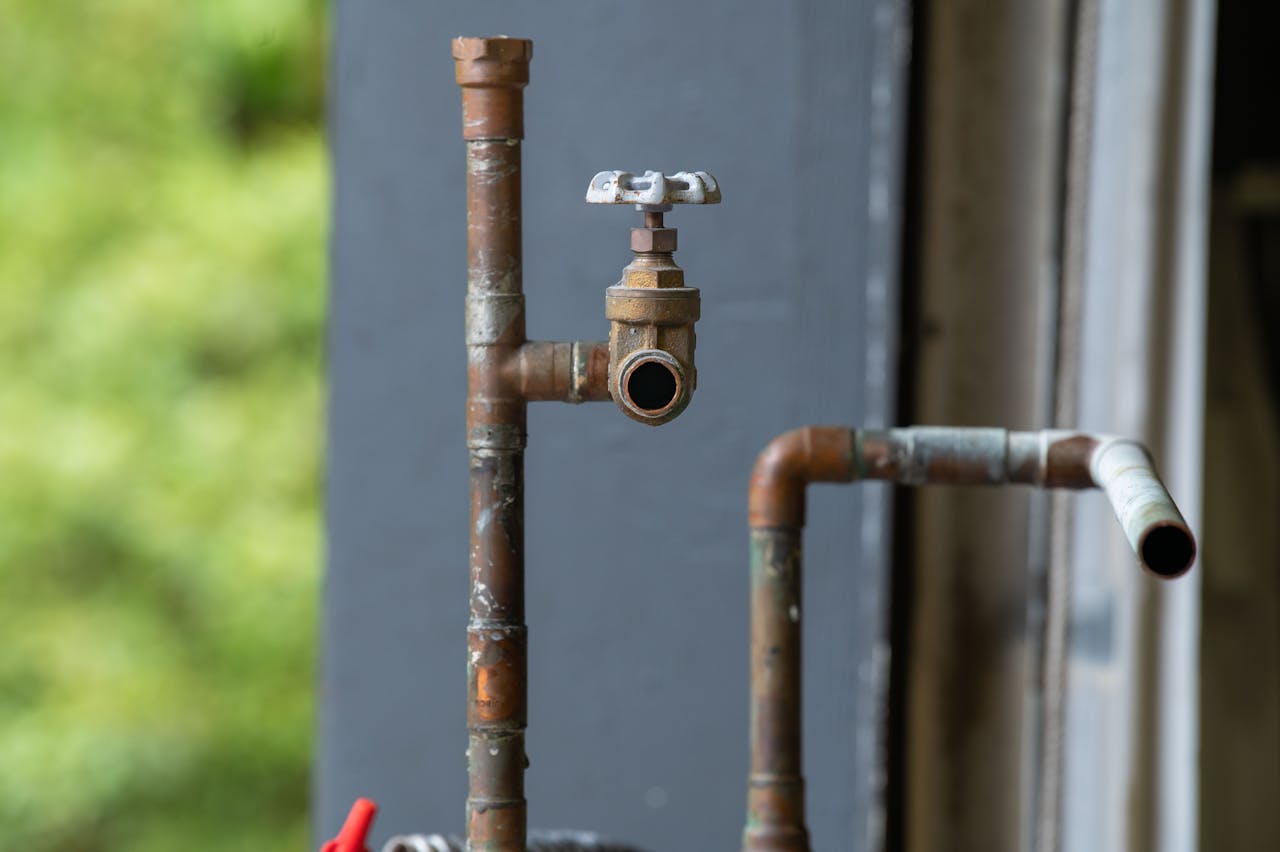
Basic operation depends on valve type. A round handle gate valve typically turns clockwise to close. A lever handle ball valve usually turns a quarter-turn so the handle is perpendicular to the pipe to shut off. After shutting off, open a faucet to relieve pressure and confirm water stopped.
What Questions Should You Ask A Repipe Contractor?
- What material are you recommending for my water chemistry and layout, and why?
- How will you route the new lines, and where do you expect to cut drywall?
- Will you replace fixture shutoffs and the main valve, or reuse old valves?
- What permits and inspections are included, and who schedules them?
- How do you test the system before closing walls, and what warranty is in writing?
- What’s the day-by-day plan for water shutoffs, and how do you protect the home during work?
If you’re screening local plumbers, I’d rather see a trail of specific, believable experiences in Google reviews than a suspicious wall of perfect five-star love letters that all sound like they were written by the same cousin.
Conclusion
People love to treat plumbing like it’s optional background noise, until it becomes the main character and starts rewriting your week.
Repiping is boring in the best way: it trades surprise emergencies for a known project, swaps old pipes for modern piping, and turns a fragile old plumbing system into something that can handle normal life without constant repairs. If your house is already hunting with discolored water, pressure drops, and that exhausting pattern of “we fixed it, now something else broke,” the most practical move is often the one that feels biggest: stop patching, replace the weak network, and get your evenings back.
FAQ
1. Does Repiping Include The Sewer Line?
Usually no. Whole-house repiping typically means supply lines. Sewer and drain work is its own scope, though a smart contractor will at least flag obvious drain concerns during the walk-through.
2. How Long Does A Repipe Take?
Many homes can be completed in a few days, but complexity, access, and inspections can stretch the schedule. Your contractor should give an expectation window, not a fantasy.
3. Will Repiping Fix Low Pressure?
If the pressure issue is caused by internal corrosion, scale, undersized old piping, or failing valves, yes, repiping often restores flow. If the issue is the municipal supply or a pressure regulator problem, repiping helps less. Diagnosis matters.
4. Is Repiping Worth It If I’m Selling Soon?
Sometimes. It can raise buyer confidence and reduce inspection drama, especially if you’re eliminating hazardous materials and chronic leaks. Just don’t assume you’ll get a dollar-for-dollar return. You’re buying certainty.
Tired Of Plumbing Problems? It May Be Time For Repiping
If you’re constantly dealing with leaks, low water pressure, rusty water, or plumbing repairs that never seem to end, the problem may be deeper than a single pipe. As plumbing systems age, pipes can corrode, crack, and restrict water flow, leading to ongoing issues throughout your home. In many cases, repiping or whole home pipe replacement provides a lasting solution that saves homeowners time, stress, and money.
At Yorkshire Plumbing, we help Santa Rosa homeowners understand the true condition of their plumbing systems. Using advanced diagnostic tools, our team can identify hidden problems and determine whether repairs or a full repipe is the better long-term investment. You’ll get honest answers, clear recommendations, and quality workmanship every step of the way.
With nearly a decade of experience serving Sonoma County, Yorkshire Plumbing has earned a reputation for reliable service and dependable results. If your home’s plumbing is showing its age, contact Yorkshire Plumbing today to schedule a professional repiping evaluation.
Disclaimer
The information provided on this website is for general informational and educational purposes only and is not intended as professional plumbing or construction advice. You should consult with a licensed plumber or qualified contractor for guidance specific to your home or situation. Do not rely solely on the content of this site to make decisions about plumbing repairs, installations, or maintenance. While we strive to keep the information current and accurate, it may not reflect the most recent industry standards or code requirements. Yorkshire Plumbing & Drain Services disclaims all liability for any actions taken or not taken based on the content of this site, to the fullest extent permitted by law.