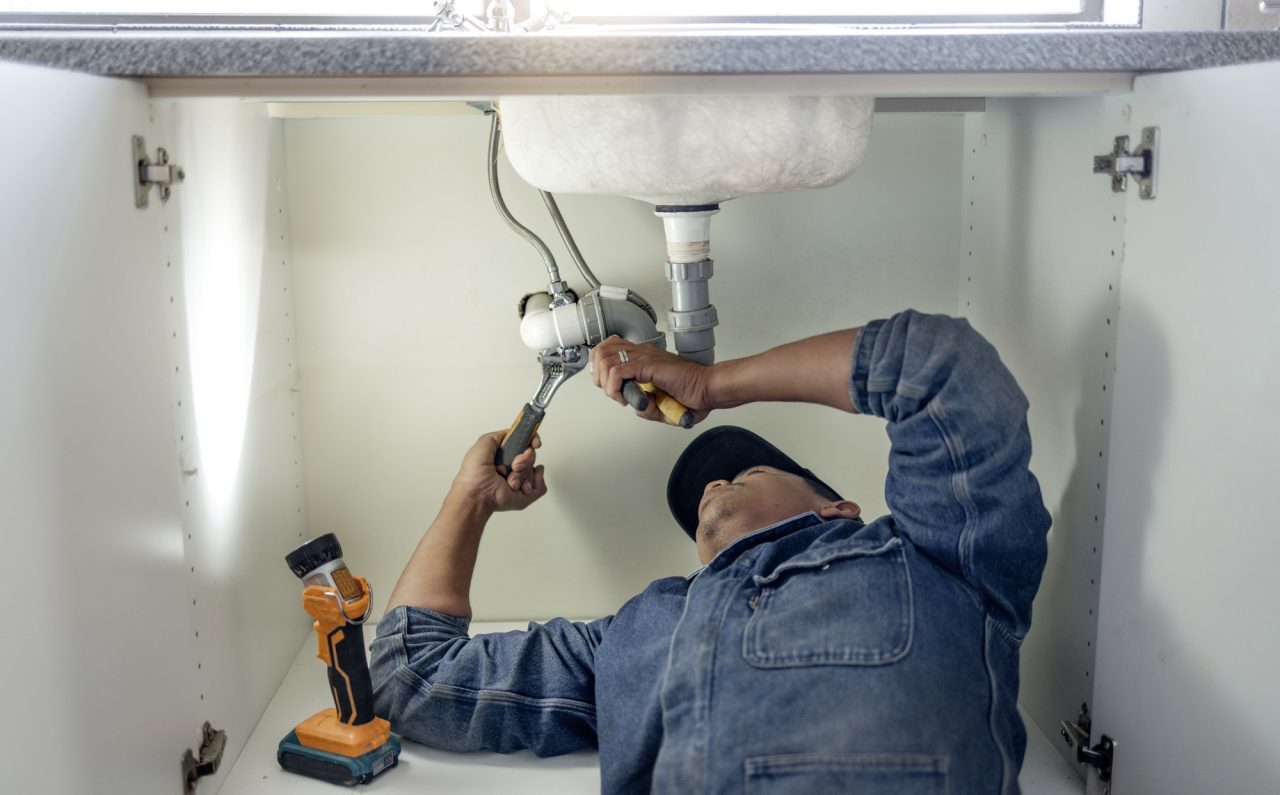
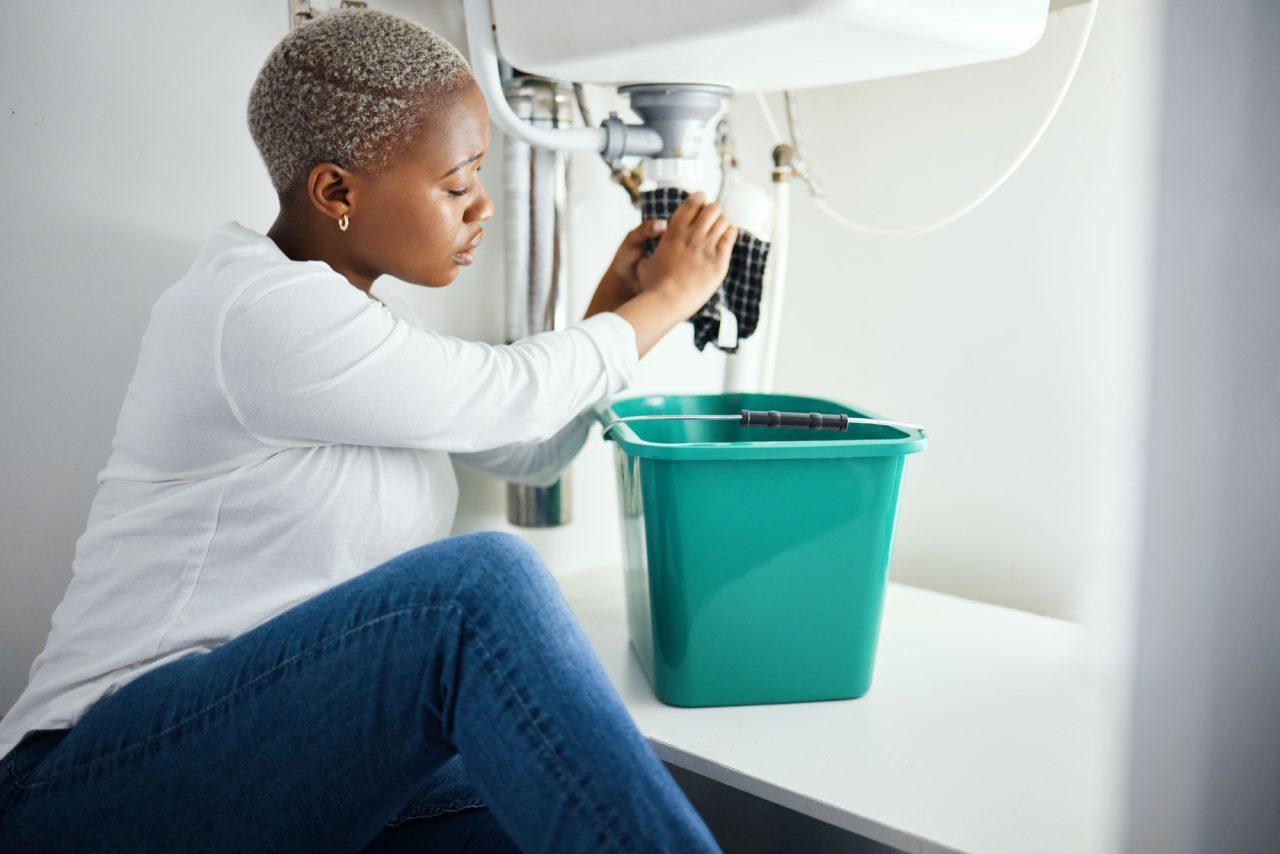
A sewer camera inspection employs a specialized video camera to examine the pipe interiors for blockages, fractures, or any issues. During a sewer camera inspection, a technician places a miniature waterproof camera attached to the end of a flexible cable into the pipe through an opening. The camera streams video back to a monitor, allowing the technician to observe inside and identify problems. This technique reveals the pipe’s state without excavation or mess. It assists in locating the source of sluggish drains, clogs, or leaks. By the end, the technician can provide a detailed report as to what’s damaged and where. The rest of the guide will dissect each step and provide additional information on the process.
Key Takeaways
- No matter where you are, consistent sewer camera inspections protect your property value, stave off expensive repairs, and maintain peace of mind.
- It includes meticulous site prep, state-of-the-art camera insertion, extensive pipe exploration, in-depth data review, and a precise report, all integral to effective diagnostics.
- By detecting typical sewer line problems like obstructions, pipe damage, root intrusion, and material degradation at an early stage, it enables targeted maintenance and mitigates potential health and environmental hazards.
- Inspections offer information beyond a visual record, such as precise line location, grade and material, enabling crews to execute targeted repairs and maintenance concepts.
- Immediate inspection is recommended when warning signs like recurring drain issues, aging infrastructure, or nearby construction arise, as timely evaluation can prevent major disruptions and protect property investments.
- Choosing Yorkshire Plumbing & Drain Services, with technical skills, the latest equipment, and a history of success, provides dependable outcomes and comprehensive reporting for your plumbing system’s continued well-being.
Why Sewer Inspections Matter
Sewer camera inspections are a realistic way to maintain your property safe, efficient, and healthy. The sewer camera inspection process employs specialty cameras to inspect pipes for obstructions, damage, or other problems invisible from the surface. Homeowners and property managers can discover why regular sewer scope inspections are a smart investment, as repair costs can soar into the thousands if left undetected.
Financial Protection
Regular sewer camera inspections help prevent large, surprise bills. By catching small pipe cracks or early root intrusions, you’re dealing with them before they get out of hand. Emergency repairs, especially following an unexpected pipe collapse or major backup, are nearly always costlier than a planned inspection.
The price of a standard inspection is small in comparison to the cost of major repairs or restoration after a sewage backup. Homeowners with older homes or antiquated pipes, such as clay and cast iron, are particularly susceptible to underground problems that can become expensive catastrophes. Being proactive means you can spend less on emergency plumbing and you have more control over your home maintenance budget.
Property Integrity
Your home’s worth and integrity rely on a trustworthy sewer system. Broken underground pipes erode foundations, wash away earth or ruin landscaping. By catching broken or sagging lines early, you’re able to make repairs before they impact your home’s foundation or yard.
A healthy plumbing system is at the core of everyday living. It runs everything from showers to laundry without missing a beat. With routine inspections, you’re able to maximize the life of your plumbing, prevent catastrophic failures and safeguard the value of your residence.
Health Safeguards
Sewer gas leaks are difficult to detect and can be deadly. Catching these leaks early keeps your home’s air safe. Sewage backups, in addition to being disgusting, can distribute bacteria and pathogens, putting you at risk for disease.
Good drainage saves you from mold and mildew. Moist zones around sluggish drains can rapidly turn into mold incubators, potentially impacting indoor air quality. By promptly addressing sewer problems, you contribute to a cleaner and safer community for all.
Future Property Value
Good sewer increases your property value. Buyers are attracted to evidence of proper maintenance, and inspection reports provide them assurance in your house.
- Sewer inspections also keep you compliant with local codes.
- Regular checks offer peace of mind.
- Inspections give you a proactive strategy.
The Sewer Inspection Process
A sewer scope inspection from Yorkshire Plumbing & Drain Services provides an HD camera inspection of underground pipes, streaming damage-free footage in real-time. It’s an in-depth procedure, usually taking one to two hours, that aids in identifying problems before they’re expensive. Most modern inspections utilize high-tech cameras and professional insight, making it simpler than ever to preserve the health of your plumbing system.
Step-By-step Overview:
- Prepare the site and clear access points
- Insert the camera carefully into the sewer line
- Guide the camera through the pipes to capture footage
- Analyze the captured data for signs of damage
- Deliver a comprehensive report with findings and recommendations
1. Site Preparation
Ensure all sewer access points are accessible, so the inspector can access them promptly. This could involve shifting furniture or patio items that obstruct access lids.
Inform your inspector of past plumbing fixes, lingering blockages or strange odors. This background focuses the inspector on problem areas. The vicinity of the access should be clear and free of obstacles or hazards, particularly in households with pets or young kids. Basic leak or overflow checks in sinks and toilets are useful pre-inspection.
2. Camera Insertion
Inspectors employ a flexible, waterproof camera mounted on a cable. For older pipes like clay or cast iron, they might deploy a beefier camera. By inserting the camera at a slow speed, you eliminate the scratching and damage to the pipe walls.
The camera streams video live, giving the inspector a chance to observe blockages or corrosion as the camera passes. Operation is the key, as greasy, blurry or disrupted footage make it hard to analyze. Newer cameras have LED lights and even record video for subsequent playback.
3. Pipe Navigation
Navigating the camera through twists and turns, the inspector inspects each meter of pipe for damage. Junctions, bends and pipe connections are inspected carefully as these are typical locations for obstructions or leaks.
If the camera encounters impediments such as tree roots, collapsed sections or corrosion, these are flagged for subsequent repairs. For difficult to see pipes or complicated floor plans, the inspector will swap to a camera with brighter lights or self-leveling capabilities. This step guarantees even concealed or hard-to-reach spots get inspected.
4. Data Analysis
We inspect all tape, frame by frame, for cracks, deposits or misaligned conduits. The inspector watches for wear on pipe joints, sagging, or past repairs.
Then a recap is compiled, outlining each problem and the probable cause.
This inspection then informs what repairs or maintenance are necessary.
Each inspection is a useful reference for preventative maintenance.
5. Report Delivery
- A report then follows, detailing observations and recommended actions.
- Photos and video clips included to display trouble spots.
- Keep the report for future inspections or repairs.
What The Camera Reveals
A sewer camera inspection reveals vital details regarding the health and performance of subterranean piping. With high definition imaging, problems such as corrosion, root intrusion or broken pieces are revealed. That way, it can be caught early and addressed, particularly in older setups with clay or cast iron pipes. This information directs repair decisions, prevents crisis and constructs a proactive maintenance plan for dependable plumbing.
Common sewer line issues found during inspections:
- Blockages from grease, debris, or foreign objects
- Pipe damage, including cracks, sagging, or collapsed sections
- Tree root intrusion disrupting pipe integrity
- Material degradation like rust or corrosion
- Misaligned or separated joints
- Aging infrastructure, especially in older neighborhoods
Drain Flow Blockages
Checklist for monitoring recurring blockages:
- Record number and location of each blockage with inspection video.
- Determine if clogging is caused by debris, grease or objects.
- TEST for slow drains or back ups elsewhere.
- Check for patterns indicative of structural problems, like pipe sagging or root infiltration.
Knowing where and how severe a blockage is located directs the process of clearing it. For instance, a buildup near a joint could be cleaned out with hydrojetting, but a complete blockage farther inside the line might require mechanical extraction.
Neglected blockages can cause sewage to back up into residences or commercial locations. Early intervention keeps it flowing and prevents emergency repairs.
If blockages keep returning in the same location, this indicates a more significant issue. That might indicate a broken pipe or repeated root penetration that requires a closer look.
Sewer Pipe Issues
Cameras detect cracks or breaks or fractures that might not appear with simple testing. Even tiny hairline cracks can cause water to leak out, or roots to leak in, both of which jeopardize pipe health.
Understanding the extent of the damage informs whether a patch will suffice or if an entire pipe section must be replaced. This gets the repair right the first time, saving time and money.
Pipe damage threatens the entire plumbing network and can result in water damage, mold, or even structural issues in buildings.
With detailed images of the inspection, repairs can be triaged by urgency, like broken pipes in vintage clay systems versus surface cracks.
Sewer Root Intrusion
To be roots from nearby trees or shrubs that have forced their way into pipes via small openings. The device reveals to the camera the extent of the blockage in the pipe and the location of the roots.
In the long run, monitoring for early root intrusion helps design landscaping and prevent future pipe issues.
Material Degradation
Rust, corrosion or other wear is typical in older pipes. What the camera can do is to spot these early, before they cause leaks or failures.
Older substances such as clay or cast iron respond to soil and water over decades. Regular inspections indicate when they’re wearing out.
This information aids in scheduling any upgrades or replacements and preventing unplanned breakdowns.
Beyond The Visuals
Sewer camera inspections extend far beyond a simple peek inside pipes, as they play a crucial role in effective sewer inspections. Information from these visits assists in scheduling long-term care for your plumbing, not just repairing what’s damaged today. The sewer camera inspection process employs multiple tools, linking video with other verifications to paint a complete picture. Older systems, particularly anything over thirty years, require this detail to identify potential plumbing issues that might become expensive or hazardous to overlook. Trained techs bring skill and tools that DIY setups simply cannot provide, saving time, money, and stress.
Locating The Line
Locating your sewer lines is essential to any work, large or small. Camera systems follow these lines through a property, assisting you in bypassing unnecessary excavation and maintaining repair clean and precise.
Using a camera, plumbers can record where pipes go and can easily identify tie-ins to city sewer or other systems. That way, you’re aware whether a blockage is a local issue or connected to a larger problem, such as a pattern of tree roots infiltrating the line. Each stage is planned and audited to ensure all labor complies with local regulations.
Assessing Pipe Grade
Good slope keeps waste flowing out, not back. Camera inspections allow you to inspect pipe angles, monitoring areas where water pools or slows.
When inspectors encounter low spots or bad slopes, it’s an indication to schedule fixes, possibly by raising or lowering a segment of pipe. Checking this often can prevent future backups and keep drains flowing well. Bad grades appear more in older systems, and overlooking this can translate into more clogs or even leaks.
A proper grade check ensures that homes remain safe, dry and code-compliant.
Identifying Materials
Knowing what your pipes are made of assists in repairs. Clay pipes hold up for a long time but will crack under roots. Cast iron rusts with age and cracks can cause leaks.
A camera reveals not only the damage, but what lies beneath the ground. That way you can pick the appropriate repair, replace a panel, patch it, or change fabrics. If you get plastic pipes, those typically signal less concern, but they can warp if the soil shifts.
Selecting the optimal restoration approach begins by understanding what’s in the soil.

When Is An Inspection Essential?
Sewer camera inspections are essential for protecting the value and utility of your property, as they serve as a diagnostic tool for assessing maintenance work. Being able to identify when you need a sewer scope inspection is crucial for avoiding costly repairs and health hazards, ultimately ensuring effective maintenance and peace of mind for homeowners, buyers, and property managers.
- Frequent clogs, slow drains, or backups
- Foul odors from drains or yard
- Soggy or sunken patches of lawn
- Signs of ground shifting or cracks in pavement
- Tree roots seen near sewer lines
- Unexplained increases in water bills
- Planning renovations or major plumbing changes
- Before buying or selling a property
- After flooding, earthquakes, or nearby construction
Pre-Purchase Due Diligence
It’s smart to get a sewer scope inspection done before you purchase any home or commercial property. A professional sewer camera inspection can discover blockages, corrosion, tree root intrusion, or collapsed pipes that can remain undetected during routine checks. These inspection results provide buyers with bargaining power to request either repairs or a reasonable price reduction. In many areas, local plumbing codes mandate current, operational sewer systems for sale. A rigorous sewer camera inspection process guarantees adherence to this standard and safeguards purchasers from assuming latent obligations. For sellers, a clean bill of health accelerates deals and establishes confidence with potential buyers.
Recurring Drain Issues
Frequent clogs and slow drains that don’t seem to disappear indicate a more serious issue with the sewer line. Effective sewer inspections in these instances help uncover the source, like grease buildup, pipe misalignment, or tree roots. Utilizing sewer camera inspection services allows for early detection, which can save money by addressing repairs before a complete replacement is necessary. Homeowners might detect bad odors or soggy patches in their yards, indicators of underground leaks or backups. Repairing these problems immediately preserves efficiency and curbs potential health risks.
Aging Sewer Infrastructure
Old homes typically have clay or cast iron sewer pipes that crack and corrode as they age. Effective sewer inspections assist in identifying vulnerabilities, such as thinning pipe walls or minor leaks, which can develop into total failures. Most homes older than 30 years require a sewer scope inspection to determine if repairs or replacement are imminent. When it comes to aging infrastructure, timely inspections enable you to prioritize repairs and avoid emergency breakdowns.
Nearby Construction
Nearby construction can jeopardize sewer lines, making regular sewer scope inspections essential. Bulldozers or digging can move the dirt or break the pipes. Periodic inspections before, during, and after surrounding construction work will catch early warning signs. Watch for ground shifting, new fissures, or ponding of water as indicators. These effective sewer inspections save your plumbing from inadvertent damage.
Hiring The Right Sewer Inspector
Choosing your sewer camera inspection service provider lays the foundation for a precise, useful sewer scope inspection. At Yorkshire Plumbing & Drain Services, our certified technicians bring years of experience, top-of-the-line equipment, and clear communication to every job. Whether you’re a homeowner or a property manager, here’s what you can expect from our team:
Criteria | Description |
Experience | Years of sewer inspection, especially with various system types |
Track Record | Proven ability to spot problems and deliver clear reports |
Equipment | Use of modern, well-maintained cameras and related tools |
Customer Reviews | Positive feedback and recommendations from past clients |
Communication | Explains process and results clearly, answers questions with patience |
Pricing Transparency | Upfront about fees (typically $125-$350 depending on inspection scope) |
Speed and Availability | Ability to schedule and complete jobs quickly, often in under an hour |
Technical Expertise
Qualification | Details |
Certification | Plumbing or sewer inspection certifications from recognized institutions |
Training | Hands-on training in sewer scope inspections and camera operation |
Local Code Knowledge | Familiarity with regional plumbing codes and standards |
Continuing Education | Evidence of ongoing learning in new inspection technologies and safety protocols |
A savvy inspector knows her way around various pipe materials, from dated clay and cast iron to contemporary PVC, and knows where danger likes to hide, root intrusion, corrosion, etc. This experience allows them to identify problems efficiently and suggest appropriate remedies.
Familiarity with local plumbing codes is crucial. This guarantees that findings and recommendations are tailored to local codes, which can be key for both legal requirements and selling the property down the road.
Reporting Quality
Seek out an inspector who writes reports that a layman can understand. The most helpful reports feature photos or video frames, easy-to-understand problem labeling, and detailed instructions about what to do next.
A quality inspector can demystify difficult topics such as why a certain type of pipe is more prone to breakage, without any overwhelming technical jargon. They’ll earmark immediacy, so you know what has to be remedied now and can hold off.
Equipment Caliber
Want a first-class inspector? They’ve got top-of-the-line sewer cameras, HD video, powerful lights and snake-like cables that can slide into hard-to-reach areas. Others incorporate distance counters or 360-degree view cameras for additional detail.
State-of-the-art tools assist in identifying obstructions, fractures, and tree root infiltrations accurately, decreasing guesswork while saving time. They should keep up with calibrating their gear so they’re not making mistakes.
Final Remarks
When it comes to sewer issues, trust Yorkshire Plumbing & Drain Services to camera-check your system. A camera allows you to view pipes directly. You discover roots or breaks or gunk. You bypass the speculation and obtain evidence. A pro maneuvers the scope, narrates for you what they’re seeing, then provides you actionable steps. You save time, avoid mess, and reduce expenses. Schedule repairs appropriately, fix leaks promptly, and maintain safety. A camera check is ideal prior to major repairs, selling your house, or if you feel a blockage coming on. Choose our experienced team. If you want to see what lurks in your pipes, reserve a check with Yorkshire Plumbing & Drain Services, and get real answers, not estimations.
Frequently Asked Questions
1. What Is A Sewer Camera Inspection?
During a sewer camera inspection service, a waterproof camera connected to a long, flexible cable has been utilized for over 30 years to visually inspect the inside of underground sewer systems. This effective sewer inspection process helps locate blockages, damage, or other potential plumbing issues without any digging.
2. Why Should I Get A Sewer Camera Inspection?
A professional sewer camera inspection can detect leaks, clogs, root intrusion, and pipe damage early, helping you avoid expensive repairs and maintain your plumbing infrastructure in tip-top shape.
3. How Long Does A Sewer Camera Inspection Take?
Average sewer camera inspections typically last anywhere from 30 to 60 minutes, with the duration influenced by the condition of the sewer systems and pipe length.
4. What Problems Can A Sewer Camera Detect?
A sewer camera inspection can effectively detect cracks, erosion, blockages, tree root penetration, and pipe joint dislocation, providing a thorough examination of the pipe’s internal state.
5. Is A Sewer Camera Inspection Safe For My Pipes?
Of course, the sewer camera inspection process is non-invasive and safe, as the camera is designed to glide through the pipes without damaging them.
Need A Sewer Inspection In Santa Rosa? Fast, Honest, Local Pros Are Just A Call Away
Bad smells, backed-up drains, or slow toilets? Don’t wait for a messy emergency. The trusted team at Yorkshire Plumbing & Drain Services is here to catch sewer problems before they turn into major repairs. With nearly a decade of experience and advanced sewer camera tech, we quickly pinpoint what’s going on underground, and give you real answers, not scare tactics.
Whether you’re buying a home, dealing with weird plumbing symptoms, or just overdue for an inspection, we’ve got your back. Call or message us today for a no-cost estimate. We offer same-day service when possible and are always ready for urgent jobs. Head to our Contact Page or give us a ring, Yorkshire Plumbing is your go-to, family-owned sewer inspection team in Santa Rosa.
Disclaimer
The information provided on this website is for general informational and educational purposes only and is not intended as professional plumbing or construction advice. You should consult with a licensed plumber or qualified contractor for guidance specific to your home or situation. Do not rely solely on the content of this site to make decisions about plumbing repairs, installations, or maintenance. While we strive to keep the information current and accurate, it may not reflect the most recent industry standards or code requirements. Yorkshire Plumbing & Drain Services disclaims all liability for any actions taken or not taken based on the content of this site, to the fullest extent permitted by law.