Water leak detection in Rohnert Park is when a licensed professional evaluates plumbing for leaking pipes using moisture meters or thermal imaging. For Rohnert Park water leak detection, when we arrive, we begin by asking you about previous leaks or unusually high water bills. Then we inspect exposed pipes, walls, and floors for staining or dampness. Technicians might employ listening devices to hear leaks behind walls or under floors. They test the water meter for unknown flow. If they detect a leak, they point out the location and describe what must be repaired. Inspections typically last no more than two hours. Knowing what goes on at each step makes property owners confident of what’s to come, so the inspection experience seems transparent and valuable. The subsequent sections will dissect each phase more thoroughly.
Key Takeaways
- Early leak detection is one of the most effective ways to protect your property from increasing financial, structural, and health risks. This underscores the importance of routine inspections and prompt action.
- Water damage from undetected leaks can cause expensive repairs, inflated water bills, and decrease the value of your property. Acting quickly is a smart money saver for homeowners.
- Extended water exposure can compromise structural elements, induce foundation displacement, and foster mold infestation, all of which jeopardize the safety and integrity of structures.
- Water leaks aren’t just a financial burden; they’re a health hazard too. Mold, poor air quality, and unsanitary conditions are all reasons that you need to have your leak handled thoroughly.
- Cutting-edge technologies such as acoustic listening, thermal imaging, and tracer gas enhance the accuracy of detection while minimizing disruption to the property. This allows for targeted and efficient repairs.
- Homeowners should read inspection reports closely, take preventive maintenance steps, and take the plunge on routine leak inspections to avoid lurking problems and protect their home zones.
Why Immediate Leak Detection Matters
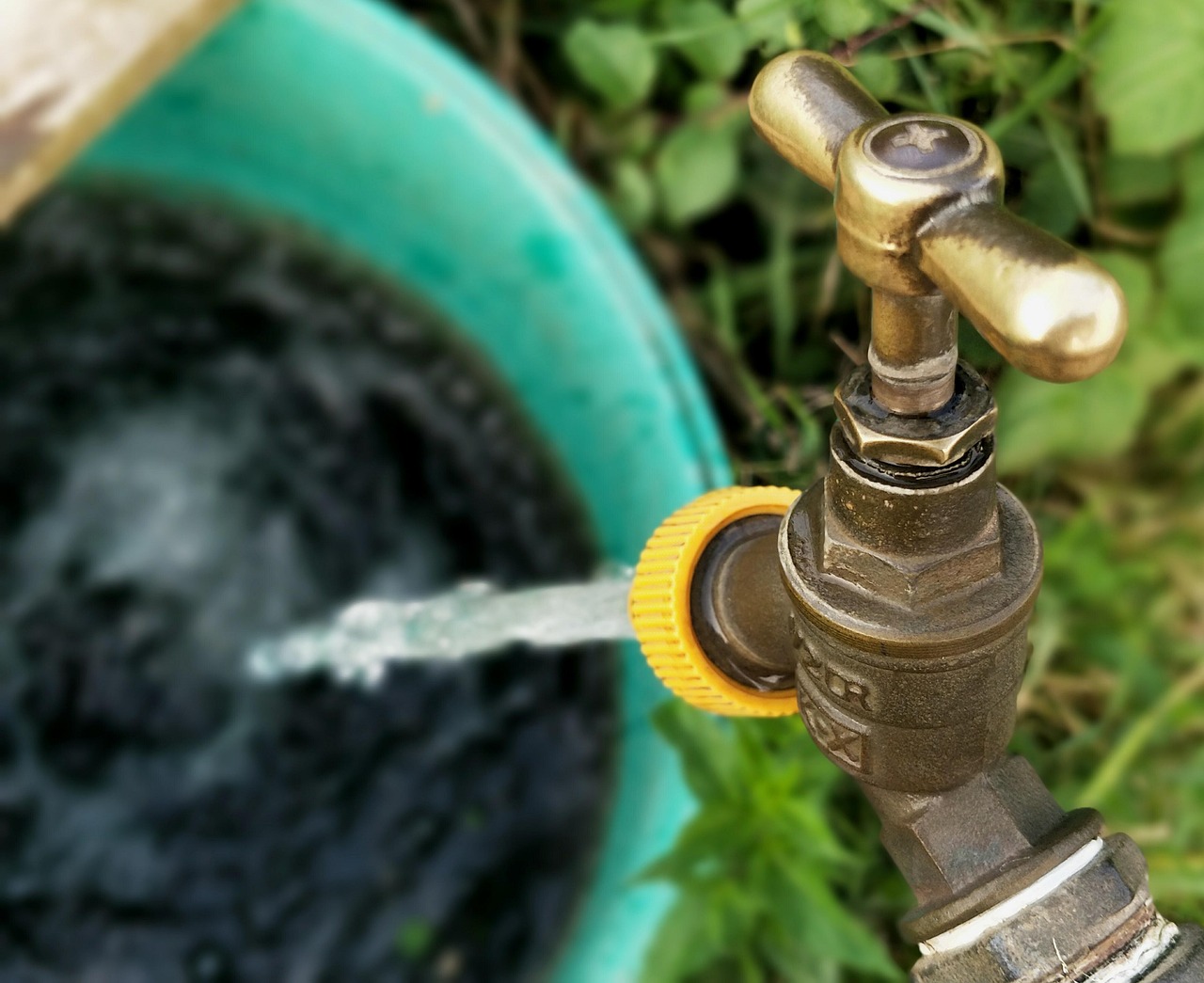
Water leaks, even small ones, can create a domino effect for homeowners and neighbors alike. Its effect is threefold: on your wallet, your building’s integrity, and your health. Too many risks hang in the balance to delay detection and intervention when a leak occurs.
Impact Area | Financial | Structural | Health |
Example Consequence | High repair costs, higher water bills, lower property value | Foundation damage, weakened walls, and mold growth | Mold exposure, poor air quality, and unsanitary conditions |
The Financial Toll
Water damage repair costs escalate quickly once leaks are left unaddressed. What could begin as a minor, cheap repair turns into a full-blown restoration job if water infiltrates walls or underneath flooring. Fixing a simple pipe leak costs a lot less than replacing mold-infested drywall or restoring a compromised foundation.
Leaks increase water bills. Even one minor leak can waste thousands of liters in the span of a few months, resulting in a scary increase in utility costs. This not only stresses personal budgets but also stresses local water supplies, particularly in areas that are already water overburdened.
Why What You Don’t See Can Hurt You – The Problem with Ignoring Leaks. Water damage can be a red flag for potential buyers who may offer less or not even want to buy. Emergency repairs following extensive water damage can be more costly, too, necessitating emergency plumbers, water pumps, and restoration services.
The Structural Risk
Deeply soaked building components lose their structural integrity. It can cause sagging ceilings, warped floors, and crumbling walls over the years. Foundation shifts are a specific worry. Undetected leaks can wash away soil under a building, which leads to foundation damage and expensive repair.
Leaks encourage wood rot and corrosion of plumbing. If pipes or beams are left damp, the destruction continues to expand past the leak site. This might entail ripping up extensive areas of flooring or walls to repair concealed rot or corrosion, which is a costly and laborious process.
Inside buildings is common. Even concrete can deteriorate when constantly exposed to water. Immediate leak detection prevents expensive damage and preserves the value of your home.
The Health Hazard
- Mold that grows from leaks can trigger asthma, allergies, and breathing problems.
- Damp conditions foster bacteria and pest infestations.
- Water leaks may contaminate drinking water pipes, risking illness.
- Structural weakness from leaks can become trip hazards and unsafe zones.
Stagnant water nurtures mold and mildew, which causes musty odors and respiratory issues. Water collecting in secret places becomes a breeding ground for pests, such as mosquitoes, which spread disease and deteriorate the sanitary environment even more.
Leaks can cause water contamination. If clean and wastewater pipes are too close, then cross-contamination may occur and endanger drinking water. Leak-induced structural damage can render living spaces unsafe and can even cause floors or stairs to collapse.
The Rohnert Park Inspection Process
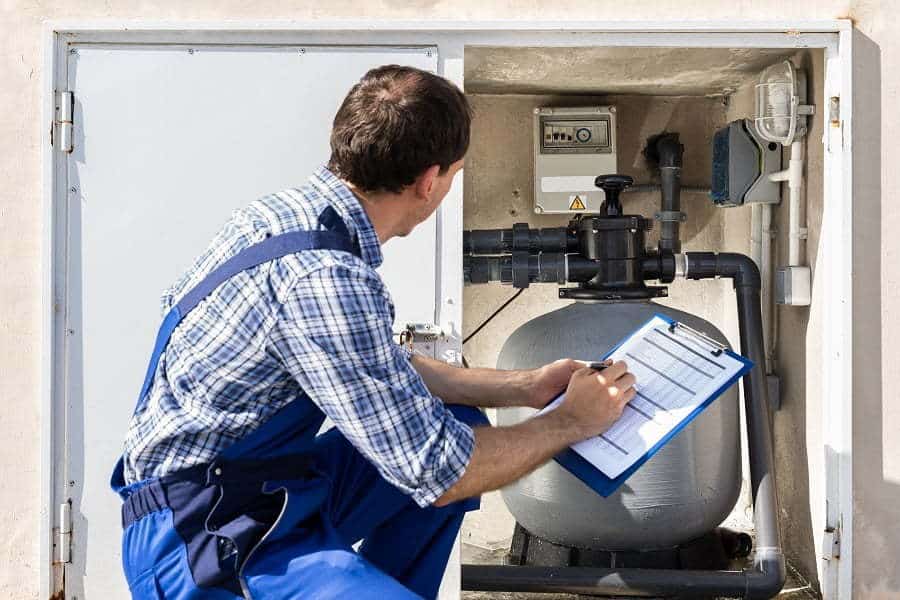
Water leak detection in Rohnert Park follows a systematic inspection protocol. Each step covers a different set of requirements, from basic communication to expert diagnosis. Licensed plumbers must be employed to guarantee safety, accuracy, and adherence to local codes. Inspections must be scheduled in advance, using the City’s eTRAKiT website, with appointment windows such as 8:00 to 12:00 or 13:00 to 15:00. Requests after 15:00 are processed the next business day. Inspection cards and approved plans must be on-site for the visit. Preparation, like clearing access to plumbing, helps the process run smoothly and ensures all parts of the system can be checked. They rely on regular inspections to catch leaks early, minimize damage, and safeguard the value of the home.
Non-Invasive Technology
Technicians turn to infrared cameras and moisture meters. These tools detect leaks without ripping up walls or floors. The technology focuses on cooler or moist areas, displaying invisible leaks. Non-invasive checks are fast, precise, and don’t tear up building materials. This accelerates the process and lowers repair costs.
Pinpointing The Source
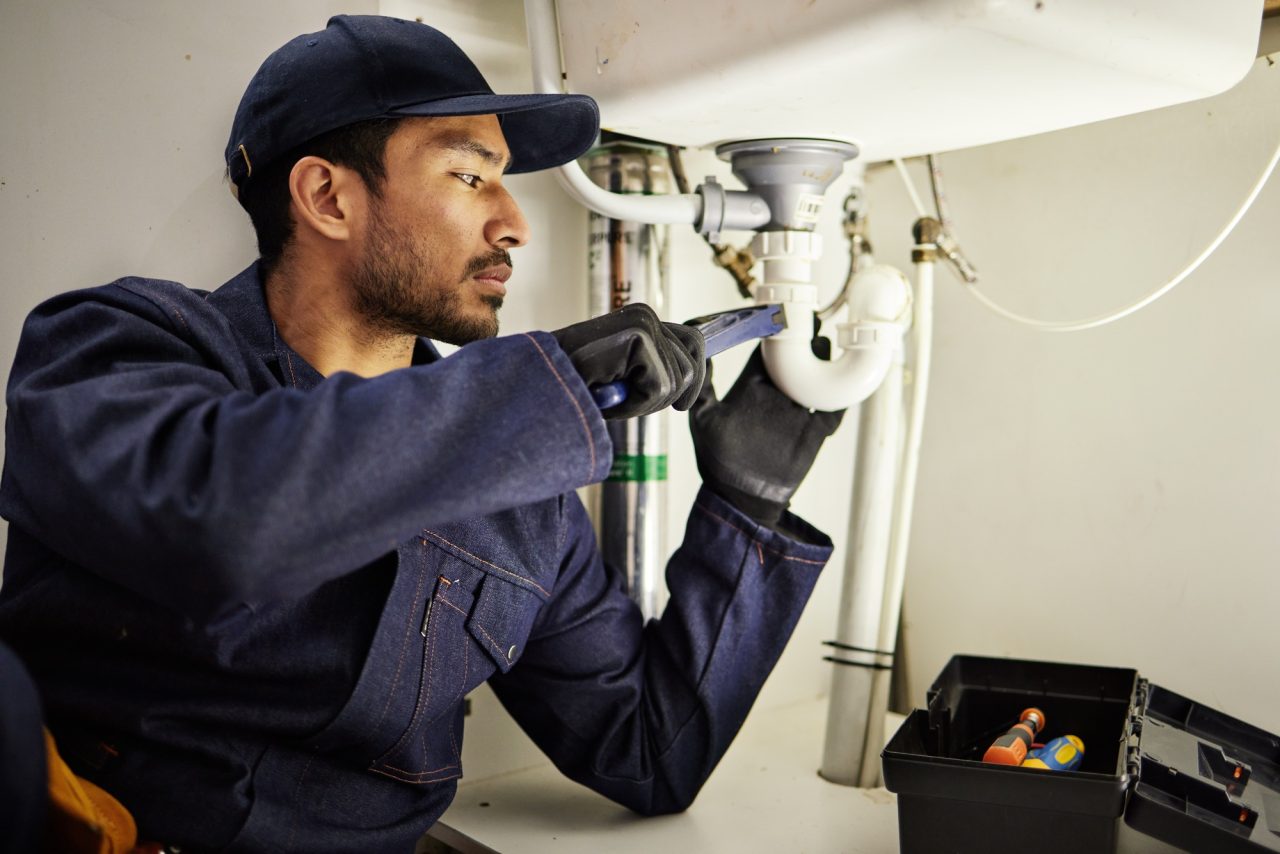
Plumbers utilize results from previous steps to locate the leak’s precise location. Acoustic sensors, tracer gases, or thermal imaging might be employed. Correct leak location saves needless repairs and money! The plumber scribbles an illegible detail report and at least five steps to solving the problem. This data-centric approach makes repairs better.
Advanced Detection Technologies
Advanced leak detection technologies, including acoustic listening, thermal imaging, and tracer gas detection, are critical for Rohnert Park plumbing inspections and other urban areas. These tools offer both speed and accuracy, particularly when working with antiquated piping in commercial or industrial environments. With these sophisticated techniques, investigators can detect leaks concealed behind drywall, below flooring, or underneath cement, sometimes in mere hours. This decreases the danger of water damage, conserves water, and lowers the overall utility and repair expenses. Together, these detection methods provide a more comprehensive picture of the plumbing system that enables prompt repairs and improved maintenance over time.
Technology | Features | Pros | Cons | Effectiveness |
Acoustic Listening | Detects sound frequencies from escaping water | Non-invasive, precise, fast | May not work with heavy noise | Very effective |
Thermal Imaging | Visualizes temperature differences | Non-invasive, quick, wide coverage | Needs a skilled operator | Highly effective |
Tracer Gas | Uses harmless gas to trace leaks | Accurate, works in tough locations | Requires system prep | Extremely precise |
Pinless Sensors | Senses moisture behind surfaces | No drilling, up to 10 cm (4″) depth | Limited to shallow leaks | Useful complement |
Tracer Gas
Tracer gas detection places a non-toxic, inert gas inside the plumbing. Sensors detect prematurely escaping gas, indicating a leak.
This process does an excellent job of detecting leaks in deep or underground piping. It even operates when other approaches cannot so easily detect them.
Tracer gas makes leak location precise, so repairs are faster and less invasive. This limits the chance of additional damage and minimizes downtime for building owners.
By investing in these advanced technologies for regular inspections, you can proactively prevent leaks, reduce repair costs, and conserve water for the future.
Beyond The Obvious Leak
Obvious leaks may just be the iceberg tip. So many leaks are hidden inside walls, under floors, or underground, where they silently wreak havoc for months or years. Ignoring these hidden leaks can result in more than just water stains. Structural damage, mold, and increased utility costs are common consequences. Inspections need to go beyond the obvious, and it is not just about the leaks. They could be about the underlying issues that could cause those big failures down the line. Outdated plumbing and modifications from previous fixes can complicate detection, necessitating a thorough, methodical search, particularly in buildings with older infrastructure.
Hidden Moisture
Water caught behind walls or underneath flooring could be a sneaky danger. Over time, that can make it an ideal haven for mold, which loves to flourish in dank, dark places. Mold can destroy building materials as well as air quality, presenting a health hazard for inhabitants. Structural wood and drywall can rot, causing floors to sag and walls to crumble.
Digging Deeper Than Beyond The Obvious Leak Specialists rely on moisture meters and thermal cameras, which scan for abnormal readings in materials. They can detect moisture even if the surface looks dry. For instance, your shower pan has a tiny leak that is not visible, but it will read on a moisture meter.
You can have a lot of damage before you even get the first leak. Routine checking, whether through smart home water meters or manual inspection, helps detect these issues early. Deep moisture evaluations then inform next moves, whether it is focused drying, mold remediation, or more invasive repairs.
Common Obstacles
Older plumbing, like corroded steel pipes and confined spaces behind walls or beneath slabs of concrete, frequently stalls inspections. Most homes have had old plumbing fixes, some badly recorded, that complicate following pipes and identifying leaks.
Environmental issues such as moving soil or high groundwater can conceal or imitate leak symptoms. These factors contribute to how leak detection is unreliable if it is not conducted by experienced professionals with specialized detection equipment.
Others, such as slab leaks or shower pan leaks, require special equipment to detect. Our techs may have to turn off the water or gas temporarily to mitigate any additional damage, particularly if they discover leaks close to utility lines.
Systemic Failures
- Corrosion inside old pipes is leading to frequent pinhole leaks
- Faulty connections at joints are causing repeated drips
- Deterioration of pipe materials, especially in older systems
- Pressure imbalances stress weak spots in plumbing
- Inadequate waterproofing in areas like shower pans
Focusing on a single leak misses the forest for the trees. If you only patch what’s obvious, deep-seated problems return. Full inspection tends to discover deep-seated issues that require more than a quick fix. Occasionally, entire pipes need to be replaced. Good inspections conclude with actionable plans to correct the underlying causes, not just the symptoms.

Understanding Your Inspection Report
Reading your inspection report. An inspection report is a description of what the plumber or leak detection expert uncovered during their examination of your pipes and fixtures. It details what parts of your plumbing system were tested, where we inspected, and what leaks or weak areas were detected. For example, most reports include results from water meters, pressure tests, or moisture tests, so you see an overview of your system’s health. Others contain photos and diagrams or even an inventory of leak probes and other equipment that were used. Having this transparent documentation is crucial to grasping the extent and severity of any issues discovered in your home.
The second section of your report explains what the problems are and where they appear. If the specialist detected a leak, your report pinpoints its location, your potential water loss, and its potential cause. If a toilet leak is discovered, the report might describe how a basic dye test works. Simply add a few drops of food color to the tank, wait approximately 10 to 20 minutes, and observe for leakage of color into the bowl. This can help identify leaks you may not notice, which can waste hundreds of gallons a month. Occasionally, the report will itemize how much a leak might be costing you from lost water and elevated fees, potentially hundreds of extra dollars each month if not repaired. Your report should provide repair options, from quick fixes to bigger jobs like pipe replacement. Suggestions could range from monitoring your water usage with a meter to using smart home tools to monitor changes over time.
Why it Matters to Know Your Inspection Report
Leaks aren’t just a minor annoyance. Left unchecked, they lead to mold, rot, and even significant structural damage. Not unusual, leaks cause billions of dollars of property damage in the USA annually. A transparent report helps you determine what repairs to address immediately and which to schedule further down the line. Take the report and set up periodic spot checks—examine exposed pipes, faucets, and appliances. An easy water meter test can reveal if your water use spikes, suggesting sneaky leaks. Take readings a couple of hours apart to catch any change.
Proactive Leak Prevention
Proactive leak prevention is fundamental in protecting homes from water damage and costly bills. As a Rohnert Park homeowner, or any city for that matter, you can actively prevent leaks and reduce expensive repairs. These measures assist in identifying danger before it escalates. Routine pipe, faucet, and water-machine inspections are basic but still useful. Watch out for rust, stains, wet spots, or even low water pressure. These can indicate leaks or fragile points. Yearly inspections, or more frequently if you experience slow drains or strange noises, assist in identifying minor issues before they escalate.
- Check all visible pipes for drips or corrosion.
- Test faucets and showerheads for steady leaks.
- Monitor water-based appliances like your dishwasher and washing machine for puddles or mildew odors.
- Check valves to confirm they open and close properly.
- Inspect for leaks proactively. Check for wet spots on floors, walls, or even outside near the meter box or street.
- Put in a water meter or smart leak sensor to monitor usage and receive alerts for any sudden spikes.
- Repair leaks or worn parts immediately, even if they seem insignificant.
- Replace old pipes and valves before they fail.
- Clear drains often to keep water flowing properly.
Water use tracking is a critical component of leak prevention. A water meter or smart home tool will indicate a change in use, which could imply a hidden leak. If water use spikes for no obvious reason, check on the system immediately. This proactive leak prevention can catch leaks before they get worse, saving money and stress. With these tools, homeowners can identify leaks that don’t present as drips or wet patches.
Daily attention is just as crucial. Leaking is inevitable when pipes get old or valves wear out. Routine inspections and immediate repairs can reduce the potential for harm, mold, and exorbitant bills. If leaks are allowed to persist, repairs could be more than $229 and may not be covered by basic plumbing plans. With approximately 200 leaks a year, every bit of leak prevention counts.
Being familiar with the warning signs of leaks, such as water stains, musty odors, or water running from a meter box, enables folks to react quickly. Fast work prevents tiny leaks from becoming huge issues.
Conclusion
Water leaks can surprise even the best of us. Transparent processes and clever technology go a long way. Quick tests and early discoveries prevent tons of hassle and keep houses high and dry. Rohnert Park teams deploy strong equipment and expertise to detect minor leaks before they become major catastrophes. Reports provide you with clear information and recommended actions so you don’t feel stranded or confused. Easy solutions today prevent major issues tomorrow. To keep your space safe, stay vigilant and act quickly. Curious about leak checks or have a query about your own abode? Leave a comment or contact. Being prepared keeps us all safe and our homes sound and dry.
Frequently Asked Questions
1. What Should I Expect During A Water Leak Inspection In Rohnert Park?
A technician examines your property with specialized equipment. They inspect both exposed and concealed locations. It is non-invasive and seeks to locate leaks with as little disruption as possible.
2. Why Is Early Water Leak Detection Important?
Early detection saves you from structural damage, mold, and exorbitant water bills! It shields your property and assists in preventing expensive fixes.
3. What Technologies Are Used For Leak Detection?
Inspectors frequently employ acoustic listening devices, thermal imaging cameras, and moisture meters. These ingenious gadgets assist in detecting invisible leaks without having to tear down the walls or floors.
4. Can Leaks Be Located If They Are Not Visible?
Yes, sophisticated detection equipment can detect leaks behind walls, beneath floors, or in concealed piping. Technicians do not just rely upon what they can see.
5. Will I Receive A Report After The Inspection?
Yes, a detailed inspection report consists of discovery, images, and advice for repair or prevention.
6. How Can I Prevent Future Water Leaks?
Routine plumbing upkeep, prompt repairs, and water usage tracking may assist. A yearly professional inspection is advised.
7. Is Leak Detection Safe For My Property?
Yes, new leak detection is harmless and non-invasive. Inspectors try to make as little disturbance as possible, but need to be able to pinpoint leaks.
Water Leaks & Water Line Repair In Santa Rosa: Stop Small Problems Before They Become Big Ones
A hidden water leak or a damaged water line can quietly wreak havoc on your home. From rising water bills to sudden drops in pressure or unexplained wet spots, these issues rarely fix themselves. Yorkshire Plumbing provides fast, professional water leak detection and water line repair in Santa Rosa, helping homeowners catch problems early and avoid costly damage.
Our team uses advanced diagnostic tools to track down leaks with precision, even when they’re buried underground or hidden behind walls. Once we find the source, we walk you through what’s happening in plain language and recommend the right repair for your situation. No guesswork, no upselling, just clear answers and solid solutions that restore your plumbing and protect your property.
With nearly a decade of experience serving Sonoma County, this family-owned company has built a reputation for honest service, careful workmanship, and dependable results. Yorkshire Plumbing doesn’t just repair water lines; we help you feel confident that your system is safe, efficient, and built to last.
If you’re dealing with signs of a water leak or think your water line may be failing, contact Yorkshire Plumbing today and get expert help before the damage spreads.
Disclaimer
The information provided on this website is for general informational and educational purposes only and is not intended as professional plumbing or construction advice. You should consult with a licensed plumber or qualified contractor for guidance specific to your home or situation. Do not rely solely on the content of this site to make decisions about plumbing repairs, installations, or maintenance. While we strive to keep the information current and accurate, it may not reflect the most recent industry standards or code requirements. Yorkshire Plumbing & Drain Services disclaims all liability for any actions taken or not taken based on the content of this site, to the fullest extent permitted by law.