Hidden leaks can happen in a home or building even when no water is seen, mainly because pipes run behind walls, under floors, or in ceilings, where leaks can go unnoticed for a long time. The slow leaks can announce themselves in increased water bills, musty odors, or subtle discoloration of walls or floors before a single drop is seen. Mold or mildew growth can indicate hidden moisture leaks. Most people discover it only after damage has escalated, since water seeks new routes out of sight. To catch a hidden leak, the secret is noticing these early signs. The following sections will address the common culprits and how to check for leaks, with advice to avoid damage.
Key Takeaways
- By paying close attention to your water bills, listening for unexpected sounds or cold air movement, and inspecting for warm spots or musty odors, you can catch hidden leaks before they become headline news.
- Using innovative leak detection technologies, including thermal imaging, acoustic sensors, and moisture meters, we can pinpoint the leak locations without causing any more damage than necessary to your property.
- Regularly check plumbing fixtures, appliance hookups, and susceptible spaces like your attic and foundation for continued leak prevention and early problem detection.
- Knowing how environmental factors and aging plumbing contribute to leak risks helps you maintain your house proactively and protect it for the long haul.
- Quick action and sometimes expert evaluation can limit expensive restoration and protect both your investment and indoor environment.

Unseen Signs Of A Hidden Leak
Leaks don’t always leave a visible pool or stain, which is why they are often undetected. Many households waste hundreds of litres daily due to leaks that no one can see, leaking away your resources and your money. Identifying these subtle signs aids in stopping long-term damage and controlling water.
The Utility Bill
A sudden spike in your water bill, particularly when your habits haven’t changed, is a surefire tip-off to a hidden leak. It’s always helpful to see if you can compare your current bill with previous months. If you notice a consistent increase or sudden spike, particularly if there has been no increase in occupants or usage, that’s an indicator to test for leaks. Sometimes, a water meter test waiting two hours without using water and then checking the reading can show if you’re losing water. For example, if your master meter never settles to zero value overnight, you’re probably leaking somewhere, even if you don’t witness it.
The Phantom Sound
Dripping or hissing sounds, particularly when the house is quiet, can indicate that water is escaping beneath floors or behind walls. These sounds can be subtle and whisper quiet, but over time grow more insistent. Check appliance areas, bathrooms, and kitchens where you can hear these sounds. Others rely on acoustic monitoring to pinpoint the precise location, particularly for leaks in pipes buried in walls or floors.
The Warm Floor
A warm floor patch may fool you, butit can signify a hot water line leak below. This is most prevalent in bathrooms, kitchens, or hallways. If you encounter a suspiciously warm spot, particularly during colder months, test for dampness, staining, or floor distortion. That’s where thermal imaging can be a lifesaver, revealing heat patterns imperceptible to the human eye to detect these leaks early.
The Musty Smell
Musty aromas, especially those wafting through basements or rooms with minimal circulation, are typically an indicator of mold from concealed leaks. If the air smells musty, particularly right after clean-up, check around plumbing, beneath sinks, and behind appliances. Continued moisture indicates a silent leak. These smells serve as indicators of water damage and impact indoor air quality and health.
The Weak Flow
An unexplained drop in water pressure or weak flow from your taps or showers could indicate a leak or blockage. If you detect a flow drop as multiple fixtures run or pressure fluctuates for no apparent reason, inspect pipes and connections. Pressure changes typically begin minor and escalate as leaks expand. Pressure gauge testing can help confirm such issues.
The Subtle Stain
Stains under sinks, on ceilings, or along walls are frequently the first visible calling card of a leak. Foundation leaks can cause cracks or damp spots. Leaks inside wall voids can cause bubbling paint or warped drywall. Dishwashers and washing machines are common culprits. Inspect hose connections and the floor underneath for indicators.
Where Leaks Hide
Leaks tend to hide, sneaking into those hard-to-reach or hard-to-see places. These leaks can lurk for months, wasting liters of water and wreaking havoc. Knowing where leaks hide is crucial for getting ahead and shielding your home.
Foundation Leaks
Cracks in your home’s foundation are usually a dead giveaway that you have a hidden slab leak. These leaks might not leave water marks, but will weaken the soil beneath your home, causing more structural problems. Damp patches or pooling water by the foundation, particularly post-rain or irrigation, may indicate water is leaking through hidden cracks. Foundation leaks destroy structural stability by dissolving the base and shifting floors or walls. This type of harm is slow but inexorable, occasionally not apparent until the home’s foundation is already under threat.
Wall Voids
Wall voids are leak-hiding heavens. These spaces of moisture, when trapped, can stain or discolor paint and emit a musty, stale smell. Mold loves to grow in these wet, shadowy corners, resulting in health hazards and expensive fixes. A moisture meter is handy to catch water lurking behind walls where no stain or wetness has yet appeared. Wiring and outlets within wall voids are vulnerable should leaks continue, causing potential electrical hazards.
Appliance Connections
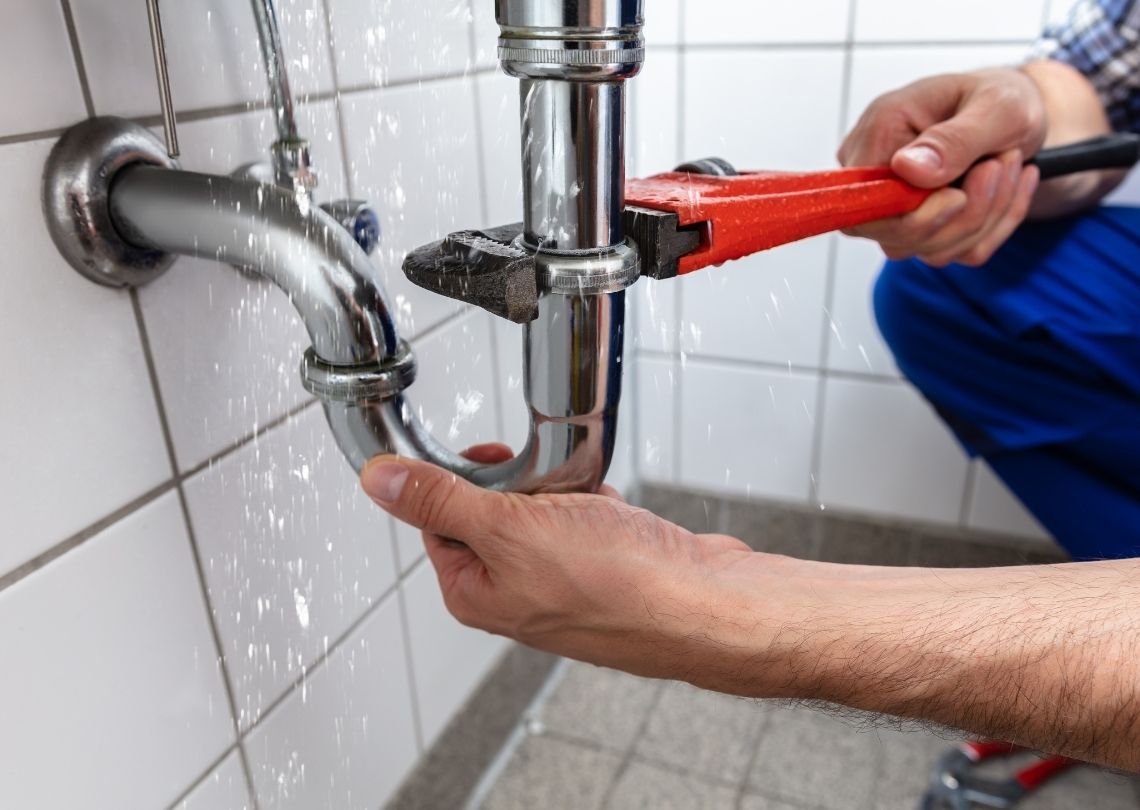
Appliance connections can leak slowly, particularly where hoses and fittings are aged or subjected to vibration. Dishwashers, washing machines, and refrigerators all have those concealed hoses that can drip for weeks without you realizing it. Pooling water below these appliances or even just diminished water pressure should cause connections to be examined more closely. Your best defense against costly surprises and wasted water is regular inspection and replacement of worn parts.
Attic Spaces
The attic can conceal leaks from the roof, plumbing, or HVAC. Insulation could expose wet areas or markings that indicate hidden water intrusion. If mold is growing in your attic, then you’ve got yourself a long-standing moisture problem and maybe even a hidden leak from a storm or humid climate. Over time, these leaks can ruin insulation, reduce energy efficiency, and negatively impact indoor air quality.
Impact Of Hidden Leaks
Concealed leaks do their damage long before the water shows. Rot and subfloor damage lurk where leaks hide. As the insulation ages, it becomes less effective, increasing your energy expenses. Mold and mildew growth lower air quality, which is unhealthy. High water bills or hissing or dripping sounds frequently indicate leaks you can’t observe.
The Silent Damage
Silent leaks do the most damage, the kind that’s difficult to even initially notice. They work quietly, eroding a building’s skeleton, insulation, and even your home’s air. From mold to energy loss to massive repair bills, the impact is everything but obvious. Identifying and addressing these quiet threats is essential to maintaining a secure, well-functioning household.
Structural Decay
Sagging ceilings, warped walls, or sticky doors can all indicate a more serious issue. Hidden behind walls or above ceilings, leaks can be overlooked, and that’s where structural rot begins. Any drip can rot wood framing and break down beams and floor supports. A few telltale symptoms, such as slight bulges in plaster or cracks near windows, indicate water creeping in and dissolving a building’s very essence. Most homes riddled with old pipes or shoddy plumbing are even more vulnerable, particularly if dirt around the house shifts or settles.
One of the big dangers is mold. Secret leaks nourish poisonous mold, which can proliferate quickly in dank, shadowy regions. Removing mold, especially deep inside walls, can cost tens of thousands of dollars and displace your family for weeks. If left unchecked, structural decay can jeopardize your home’s safety, resulting in catastrophic repairs or even eviction.
Insulation Failure
Moist insulation is a silent energy vampire. Leaks soak fiberglass or cellulose, and insulation,n once wet, loses almost all its power. You might not observe water, but you’ll sense the cool or warmth as your home’s temperature control deteriorates. Higher energy bills usually come after, since heating and cooling systems need to push harder to compete. A few leaks punch holes in insulation, allowing moisture to ooze in and exacerbate the issue. Replacing destroyed insulation not only dries out the area, but it restores your home’s energy efficiency.
Air Quality
Silent damage: Moisture lurking unseen can make the indoor air toxic. Mold and mildew lurk in wet corners, seeding the air with spores that can trigger breathing issues, headaches, or even more severe problems. Even if you don’t see mold, wet or high humidity, or a musty smell can be a red flag. Families with young children or seniors are particularly vulnerable. Air purifiers can assist, but permanent respite entails locating and repairing the leak itself.
Energy Loss
Leaky faucets waste thousands of litres annually and increase energy consumption. When insulation breaks down, heat or AC leaks out, causing your equipment to run even longer. Look for spikes in your utility bills; it can be the first early warning. An energy audit can track down the source and show you where leaks are sapping your home of comfort and cash.
Vulnerabilities
Silent leaks will be more common in older homes or those with bad plumbing. Rusted pipes or messy installation are typical offenders. Sometimes, weather or dry soil can stress pipes and cause cracks. Routine inspections, both solo and with professionals, identify leaks early before they can damage infrastructure or waste more H2O.
Your Home’s Vulnerabilities
These concealed leaks tend to come from weak points in your home’s plumbing. Most develop in silence, making early detection a key step to avoiding water waste, expensive repairs, and even health risks. Being aware of where and why leaks happen is the key to keeping your property safe.
Pipe Age
Older homes, particularly those dating back 25 years or more, commonly feature copper or galvanized steel piping that erodes with age. These materials can corrode or develop pinhole leaks or mineral build-up without warning. Checking exposed pipes for green stains, flaking, or rust can catch trouble early.
Old systems have common weak points like fittings and joints. Even if there’s no visible leak, loose or badly installed connections tend to allow moisture seepage behind walls or under floors. Listen to strange noises like hissing, which can indicate secret leaks.
If there are recurring pipe problems or repairs, have parts of the home repiped. Replacing them with modern materials like PEX or PVC will save you from future leaks and is usually more economical than constant patchwork. Licensed plumbers make sure that all installations conform to present-day standards and are less likely to result in leaks from sloppy workmanship.
Installation Quality
Your home’s plumbing installation is just as important as what your home is made of. Badly aligned pipes, mismatched fittings, and work done in a hurry can leave tiny spaces that ultimately leak. Even new homes with bad installations can develop hidden leaks within a couple of years.
Never, ever hire unlicensed plumbers for new plumbing work. They adhere to code and utilize proper materials for your area’s climate. After any installation, keep an eye out for leaks, particularly at pipe joints or areas where the pipe changes directions. A subtle drop in water pressure or damp patches near fixtures are early warning signs.
Environmental Stress
Environmental factors are a big contributor to hidden leaks. Big temperature swings can cause pipes to expand or contract, causing them to crack or loosen at joints. Pipes under the ground, particularly in areas that experience soil shifts or at the banks of rivers, can rupture or get displaced.
Stress from environmental switches is not always easy to detect. Look out for wet spots on concrete slabs or hidden mold. If your home is located in an area with saturated soils, routine inspections below grade are wise. Soil movement may trigger leaks and exacerbate existing pipe defects.
Detection And Prevention
For instance, modern leak detection technologies such as smart water meters and moisture sensors can detect leaks before they cause significant damage. Checking your water meter for unexplained changes or spikes in your water bill helps catch leaks early. Detects faint trickling or hissing noises from walls or beneath floors.
Regular inspections count. Check for mold, mildew, or dampness around fixtures and appliances. Maintain a record of changes over time, as this aids in identifying slow-developing issues. Routine plumber visits can uncover unseen dangers and safeguard your home from major fixes down the road.
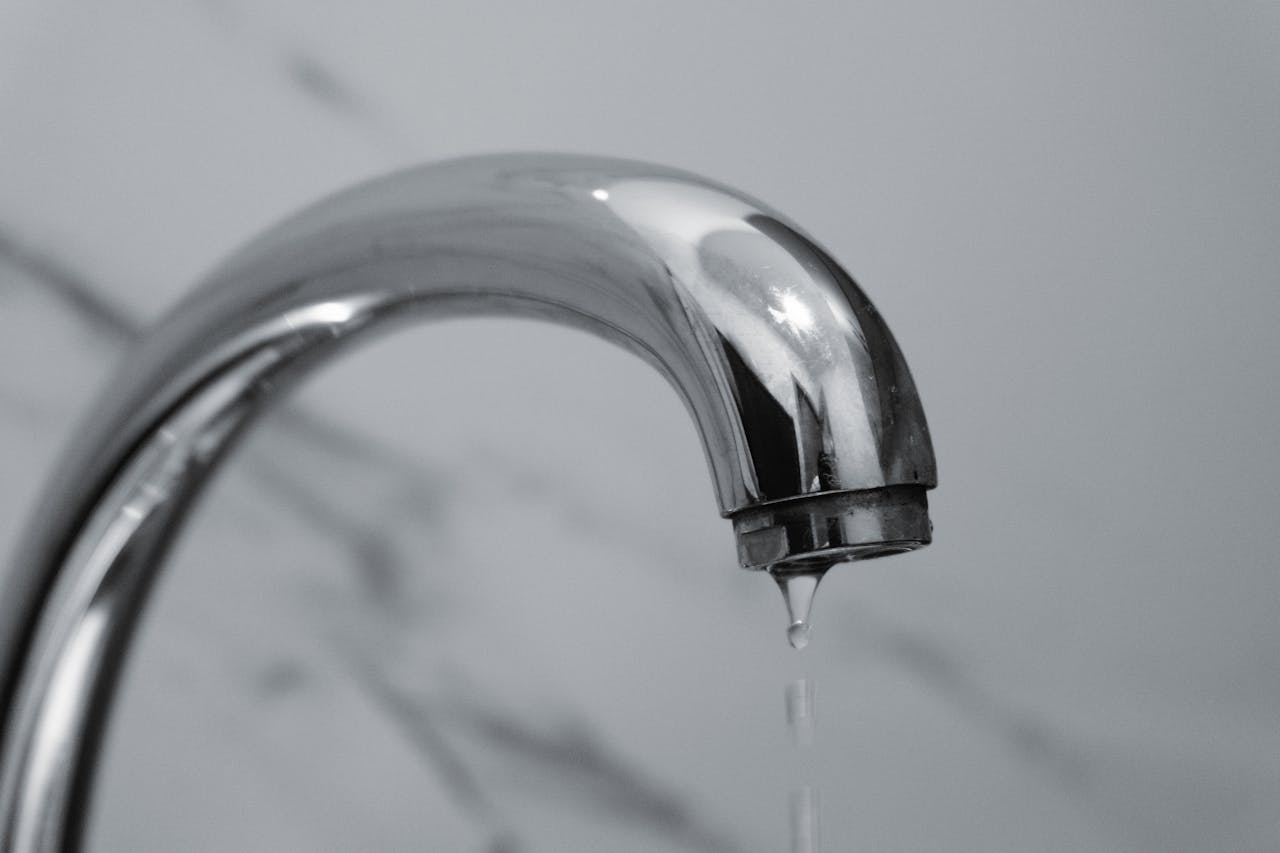
How To Investigate
Concealed leaks are difficult to identify, as water may flow a distance from the origin before displaying evidence. Many leaks never make an appearance at the surface, but they increase water bills and cause harm in the long run. Minor leaks may persist for weeks or months and leave only minimal traces, like discoloration or a mildew odor. Knowing what to do will catch hidden leaks early and prevent them from escalating.
The Meter Test
Begin by testing your water meter. Switch off all water sources in your house, such as taps and appliances. Record the existing reading. Go at least 2 hours, preferably as much as 24, without water. If the meter number shifts, water is moving somewhere in your flow chart, indicating a concealed leak. This test works anywhere, regardless of your country, as most houses have a water meter. Even a small, consistent drip can cause a spike in your monthly bill.
Apply this test after a visual scan of your house. Record all meter readings and fluctuations. If you notice any mysterious surge, it is time to do something. Call a plumber if you do not locate the source. Hydrostatic and isolation testing are more advanced tests performed by experts.
A Visual Sweep
Walk through your home and search for water stains, damp patches, or peeling paint on ceilings and walls. These stains frequently appear prior to observable water pooling. Concentrate on areas around sinks, toilets, water heaters, and washing machines. Don’t forget less-used rooms, including floors and corners.
Record your discoveries with photos and notes. This allows you to see what’s changing over time and describe the issue to a plumber if necessary. Use food coloring to test toilets. Add a few drops to the tank, wait ten minutes, and see if color appears in the bowl. If so, it’s leaking.
Sensory Checks
Leaks aren’t always obvious. Utilize your other senses. Be aware of any musty or earthy odors, as these can indicate lurking moisture behind walls or beneath floors. Feel around pipes, baseboards, and basement walls for cool or damp areas. Hear a drip or hissing, particularly at night when the house is hushed.
Don’t ignore strange noises from your pipes. These can indicate that water is leaking even if you can’t see it.
Professional Detection Tools
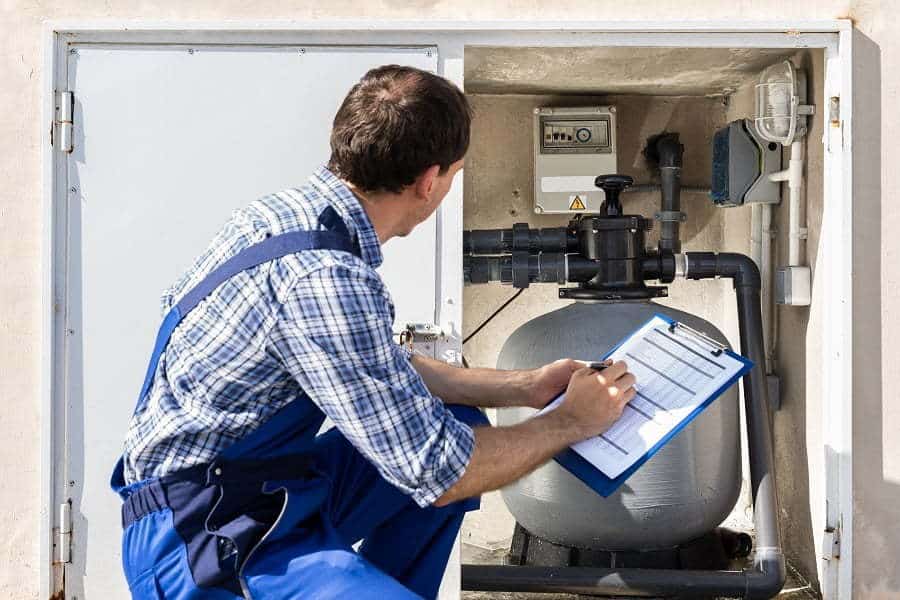
If you still can’t locate the leak, call in a professional. They bring in experts who use thermal imaging cameras to locate cold, damp spots behind walls. Acoustic sensors eavesdrop on the noise of water running through pipes and can locate the leak. Moisture meters assist in pinpointing wet building materials. These tools eliminate the need to hack into walls or floorboards, which saves time and money.
Professional Leak Detection
Professional leak detection utilizes specialized equipment and techniques to uncover elusive leaks. Even without visible water, concealed leaks can wreak havoc on floors, walls, and possessions or drive your water bill inexplicably high. Leaks can occur under concrete, behind walls, or in pipes that pass through floors, which may be difficult to access without assistance. Typical indicators are soft wood floors, warm tiles, brown ceilings, and paint that peels. In addition to quick results, our trained professionals utilize modern equipment such as thermographic imaging and hydrostatic testing to identify leaks early, reducing repair time and cost.
Thermal Imaging
Thermal imaging cameras enable professionals to detect temperature fluctuations that indicate leaks, even if the water is concealed. When water leaks from pipes, it tends to alter the temperature of the surrounding materials. These cameras display those variations as color differences on a screen, assisting in identifying leaks beneath tile, concrete, or drywall without drilling holes. A warm spot on a bathroom floor, for instance, could indicate a hot water pipe leak. There is no need for this method to damage any walls or floors during the inspection process. By monitoring temporal temperature variation, one can potentially catch plumbing problems before they do serious damage. Many people appreciate the value of hiring professionals with thermal cameras to achieve rapid, precise results.
Acoustic Sensors
Acoustic sensors hear the noise water makes from leaking pipes. These specialized devices pick up sounds folks can’t always hear, like water dripping inside a wall or hissing under a slab. The most sophisticated can filter out ambient noise, enabling professionals to identify the precise location of the leak. In congested urban environments or high-rises, this technology may provide an economical means of reducing the search area without ripping up floors or walls. Employing acoustic sensors can quickly identify a leak and limit the repair area, controlling costs.
Moisture Meters
Moisture meters detect the moisture content in materials like wood, drywall, and tile. By testing for excessive moisture in walls, floors, or ceilings, professionals can detect leaks that can’t be seen. For instance, a high reading in one location on a wall might indicate a pipe leak lurking behind it. Monitoring moisture over time helps confirm repairs are effective and that leaks don’t return. It can be smart for property managers or owners to purchase a moisture meter to monitor hot spots after repair.
Early Detection And Prevention
Early detection is key to steering clear of big repair bills and safeguarding the structure and health of a property. Being vigilant about warning signs, such as unexpected soft spots or increased water consumption, assists in identifying issues early. Get professional leak detection. Scheduling inspections or hiring experts when leaks are suspected guarantees a meticulous examination of pipes, connections, and concealed areas. Professional leak detection typically combines a number of tools to get the full picture and focus repairs where necessary.
Conclusion
Leaks fly under the radar and still wreak havoc! Walls, floors, pipes, and even air can conceal water that never appears on the surface. Little hints creep up before giant brown blotches or drippity drips. Paint peels, floors warp, and weird odors linger. Even a tiny leak can signal greater expenses down the road. Quick checks catch leaks. If it smells funny, call someone who smells leaks. Proactive steps protect your home and your sanity. For more tips or real fixes, contact a pro or explore trusted resources. Be vigilant and protect what counts.
Frequently Asked Questions
1. What Are The Common Signs Of A Hidden Water Leak?
Typical indicators are elevated water bills, a musty odor, wet patches, flaking paint, or mold. You may experience a decline in water pressure. These are symptoms that tend to come before any visual water damage.
2. Can Hidden Leaks Cause Structural Damage?
They can undermine walls, floors, and foundations without you even seeing the water. If unchecked, they can result in expensive repairs and unsafe conditions.
3. Where Do Hidden Leaks Most Often Occur In A Home?
Behind walls, under floors, in ceilings, or near plumbing fixtures. Sinkholes and crawlspaces are notorious for hidden water leaks.
4. How Do I Check For A Hidden Leak If There Is No Visible Water?
Check your water meter when no water is running. If it varies, you could leak. Check for unexplained moisture, mold, or strange noises in pipes.
5. Why Might I Not See Water If There Is A Leak?
Leaks can be hidden behind walls or under floors, where water is absorbed by building materials. This conceals any obvious water puddles or marks.
6. Should I Try To Fix A Hidden Leak Myself?
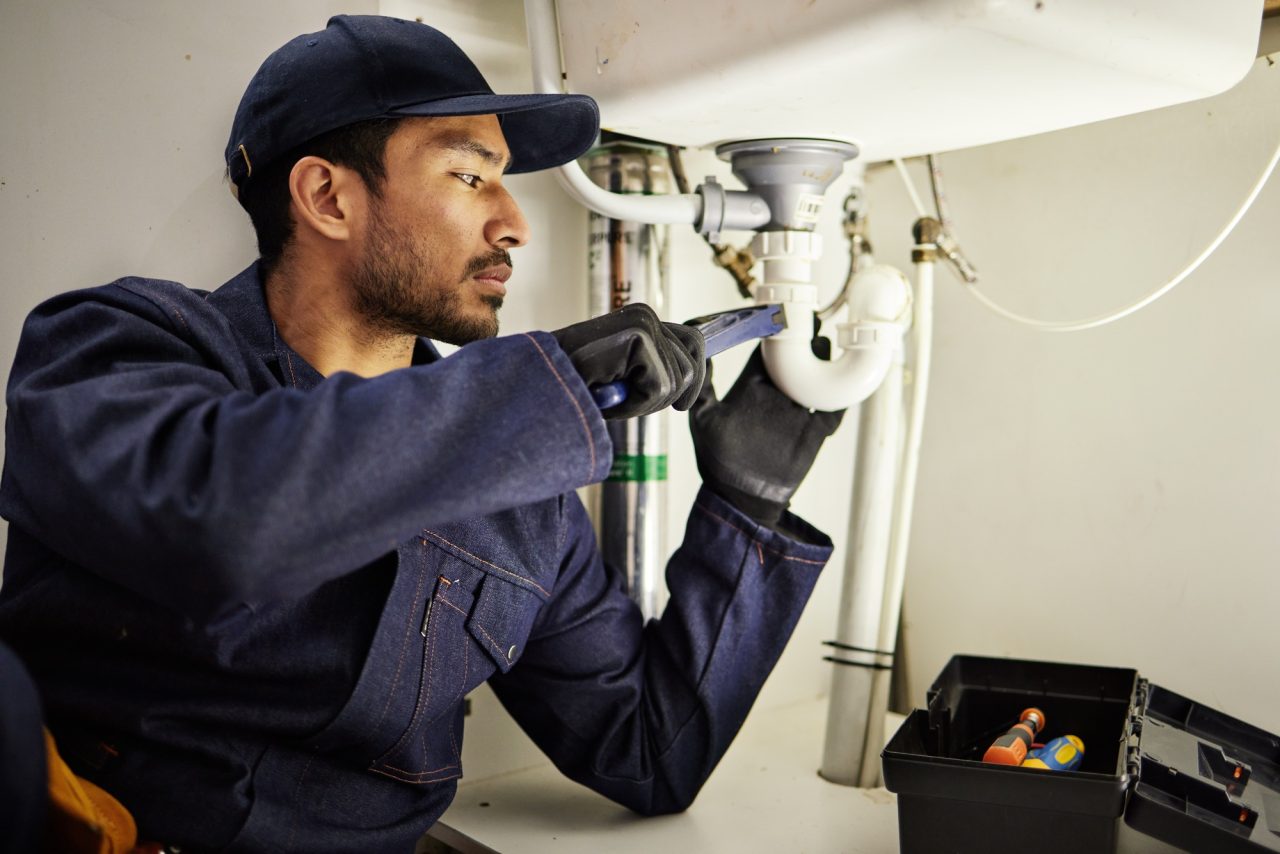
Small leaks can be fixed if you’re handy with plumbing. Hidden or major leaks will likely need professional detection and repair to halt further damage.
7. How Do Professionals Detect Hidden Leaks?
Experts employ devices such as moisture meters, thermal imaging cameras, and acoustic sensors. They utilize advanced technology that can detect leaks without wreaking havoc on your entire home.
Water Leaks & Water Line Repair In Santa Rosa: Stop Small Problems Before They Become Big Ones
A hidden water leak or a damaged water line can quietly wreak havoc on your home. From rising water bills to sudden drops in pressure or unexplained wet spots, these issues rarely fix themselves. Yorkshire Plumbing provides fast, professional water leak detection and water line repair in Santa Rosa, helping homeowners catch problems early and avoid costly damage.
Our team uses advanced diagnostic tools to track down leaks with precision, even when they’re buried underground or hidden behind walls. Once we find the source, we walk you through what’s happening in plain language and recommend the right repair for your situation. No guesswork, no upselling, just clear answers and solid solutions that restore your plumbing and protect your property.
With nearly a decade of experience serving Sonoma County, this family-owned company has built a reputation for honest service, careful workmanship, and dependable results. Yorkshire Plumbing doesn’t just repair water lines; we help you feel confident that your system is safe, efficient, and built to last.
If you’re dealing with signs of a water leak or think your water line may be failing, contact Yorkshire Plumbing today and get expert help before the damage spreads.
Disclaimer
The information provided on this website is for general informational and educational purposes only and is not intended as professional plumbing or construction advice. You should consult with a licensed plumber or qualified contractor for guidance specific to your home or situation. Do not rely solely on the content of this site to make decisions about plumbing repairs, installations, or maintenance. While we strive to keep the information current and accurate, it may not reflect the most recent industry standards or code requirements. Yorkshire Plumbing & Drain Services disclaims all liability for any actions taken or not taken based on the content of this site, to the fullest extent permitted by law.