How to tell if your plumbing problem can wait until morning. Minor leaks or sluggish drains typically don’t need speedy solutions. If it’s not spreading water and you can do it with clean water, most things can wait. Heavy leaks, stains on walls or floor,s and burst pipes require swift assistance. Bad smells or backed-up drains aren’t necessarily urgent, but they can get worse fast. For households with children, the elderly, ly or anyone with health issues, little problems might require immediate solutions. Knowing the warning signs keeps your home safe and prevents additional damage. Here’s when to hold and when to dial.
Key Takeaways
- Assess the urgency of any plumbing issue by considering the severity of water flow disruption, the location and type of water involved, and the overall functionality of your system before deciding if repairs can wait until morning.
- If you experience flooding, leaks near electrical systems, or any indications of sewage, act immediately, as these conditions pose danger and health concerns that cannot wait.
- Small drips or isolated problems that do not immediately threaten health or property can be managed with band-aid solutions, such as turning off valves, patching leaks, or using containers to collect water, until professional assistance can be secured.
- Record all apparent damage and any steps that you took. Log calls with plumbers and inventory-damaged items for insurance purposes. Provide a transparent record of the event.
- Putting off plumbing repairs can cost you more in the long run, from structural issues to mold to higher utility bills.
- Taking a proactive approach involves triaging issues, placing temporary solutions, and routinely maintaining your plumbing system to prevent emergencies and expensive repairs in the future.

Assess Your Plumbing Urgency
Plumbing issues can be anything from a mere drip to a disaster. Properly sizing up the urgency helps you prevent additional damage, protect your health, and avoid unnecessary expenses. There are a few key considerations that will help you determine if it can wait until morning or requires immediate attention.
Water Flow
Complete loss of water throughout your home, particularly in cold conditions, could mean frozen or burst pipes. This can cause flooding in a matter of minutes. If just one faucet or showerhead is affected, this could be a local clog or buildup, which is less urgent but still worth watching. If several fixtures lose pressure simultaneously, there may be a system-wide failure that requires immediate repair. Water flow that recurs after a brief lapse tends to indicate a transitory problem, but persistent issues are wise to verify soon.
Water Location
Where the water shows up is key. Leaks in the vicinity of electrical outlets, fuse boxes, or appliances should be considered urgent, as there is a risk of shock. Water ponding inside the house underneath floors, behind walls, or under sinks can destroy surfaces and structural integrity, whereas leaks outside could impact the foundation but typically seep at a slower pace. If you notice water in proximity to stairs, walkway,s or entrances, the danger of falls or structural damage increases. Check if the leak is spreading or contained.
Water Type
Clear water from a supply line is less urgent than sewage or discolored water. Sewage leaks are urgent due to the health risks, as they bring bacteria and toxins. If a burst pipe sends out clean water, turning off the main valve can contain the damage until assistance arrives. Backup from washing machines or dishwashers may have detergents and debris, but it is not as hazardous as sewage. Don’t ever touch sewage water.
System Functionality
Toilets, sinks, and drains for slow flow or backups. If only one drain is plugged, a plunger can assist. Constantly clogged or several clogged drains can indicate a more significant blockage. Your water heater is not an urgent problem if it lacks hot water unless it impacts sanitary or health issues. Any leaks emanating from the heater require immediate attention. Indicators such as water backing up where it shouldn’t, like toilets bubbling when you run the sink, demonstrate a more significant system problem.
Strange Sounds
Hear gurgling, hissing, or banging from pipes and appliances. Hissing can indicate a slow leak or pressure issue. Raps, or “water hammer,” indicate excessive pressure or loose pipes. Drain gurgles can be a sign of a blockage or venting problem. I would never ignore these persistent noises, especially when the water is off.
Your Immediate Damage Control
Plumbing problems can spiral quickly, so being aware of what immediate actions to take can both reduce loss and protect yourself. Your priority here is immediate damage control to do anything that will slow or stop water flow, protect your space, and collect the correct information for when assistance arrives.
Stop The Water
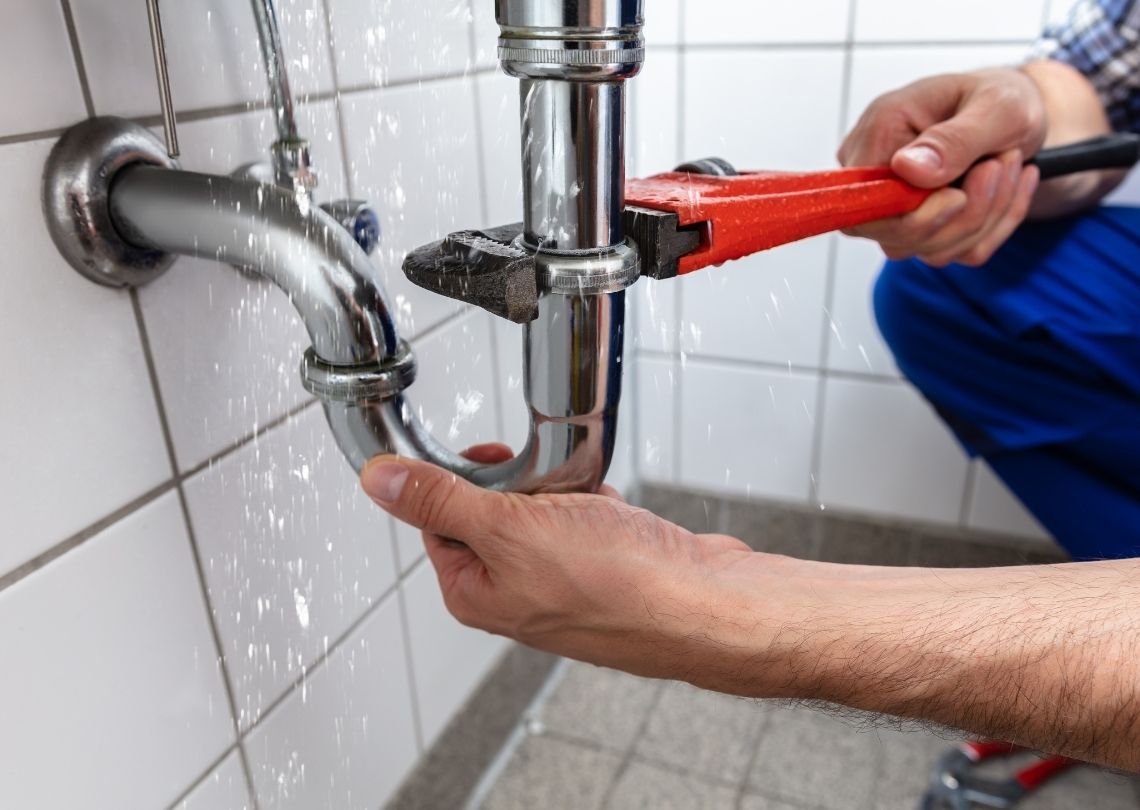
The very first thing you need to do is locate and turn off your main water shutoff valve. This valve is typically located near your water meter, where the water line enters your residence, in a basement, utility room, or on an exterior wall. Turning off the main valve immediately is crucial to prevent water from continuing to stream into those busted pipes, the sprouting faucet, or the constantly running toilet. If you can’t turn off the main line, perhaps you can turn a local shutoff valve near the fixture.
Get some plungers and drain snakes for clogs. These devices can clear small obstructions from sinks or toilets, potentially allowing water to drain and avoiding an overflow situation. If you have a minor leak, say from a pipe joint or faucet connection, patch it with plumber’s tape or pipe putty as a short-term fix until someone can look at it. Buckets, bowls, or other containers used for catching dripping or leaking water prevent pooling and additional damage, particularly in a basement or under sinks.
Power Down
If water has seeped near any outlets, wiring, or appliances, turn off power to those areas at your circuit breaker panel. Never handle electrical devices or outlets when you or the floor is wet. If safe, unplug and move any electronics or appliances away from standing water. Should you observe water creeping around a breaker box, turn off those circuits and stand back. Safety is the primary focus. Electrical hazards in wet conditions can cost you your life.
Document Everything
Capture images of any damage, such as wet floors, damaged furniture, and obvious leaks. This photo inventory aids with insurance claims and restoration. Maintain a log with dates, times, and a description of the plumbing issue, along with what you did. List items that may be damaged for insurance:
- Electronics
- Furniture
- Flooring
- Documents
- Clothing
- Tools
Note all conversations with plumbers or service providers:
- Name and company of the professional
- Date and time of call
- Advice or instructions given
- Promised arrival time
Common Plumbing Scenarios
Plumbing issues can be just an inconvenience, or they can be a safety concern. Understanding which issues require an immediate response and which can safely wait until daylight will save you from expensive damage control and keep your home safe. Here are examples of common emergencies, regular problems, and what to do in each instance.
Call Immediately
- Big leaks or burst pipes require expediency. If you notice water spraying from a pipe or wall, or discover your ceiling sagging or stained, shut off the main water line and contact an emergency plumber. Ignoring these issues can lead to damage to walls, floors, and your possessions. Emergency plumber prices are typically $70 to $400 per hour or $100 to $350 per visit.
- Sewage back-ups aren’t just a stinky nuisance; they’re a health hazard. If sewage is backing up into your sinks, tubs, or toilets, or you detect the odor of sewage in your home, this is an emergency. Call for emergency help, as exposure to sewage can make you sick and your home unlivable until repaired.
- Large, sudden indoor flooding generally means a pipe or fixture has failed. Acting quickly is imperative. Flooding can destroy floors, furniture, and even the integrity of your home. Turn off water and electricity to the affected area if safe and call an expert.
- Gas leaks or other dangerous situations, such as the smell of gas by a water heater or pipe, require a quick exit from the house and calling emergency services immediately.
Wait Until Morning
- Slow leaks, a dripping faucet, or a minor trickle under the sink can just about always wait. If you can contain the drip in a bucket and it’s not spreading, you’re good to go overnight.
- If you detect rusty or metallic-tasting hot water, this is generally the result of mineral buildup in your water heater. It does not necessitate an emergency call unless water flow ceases or the heater starts making loud banging noises.
- Frozen pipes are frequent neighbors in colder regions. If a pipe is frozen but not leaking, leave the faucet open and try to gently warm the pipe with a hair dryer. You need urgent assistance only if the pipe actually breaks.
- Think about the price and accessibility of emergency services. Certain fixes, like swapping out a wall-hung toilet, can wait until morning. It is expensive and difficult to repair.
The True Cost Of Delay
Here’s the real cost of delay. Even a small delay, sometimes just a single day, can be the difference between a mini repair and a catastrophe. Water damage moves quickly, introducing fresh threats to your property, well-being, and your home’s value for years to come. Understanding the magnitude and velocity of these risks is essential for any plumbing problem.
Compounding Damage
Type of Water Damage | Risks | Estimated Repair Cost (USD) |
Surface Water | Paint bubbling, warped floors | $1,000–$3,000 |
Wall/Ceiling Damage | Mold, weakened structure | $1,000–$3,000 |
Mold Growth | Respiratory illness, property loss | $2,000–$6,000 |
Foundation Issues | Structural instability | $10,000+ |
Leaks typically begin on a small scale and have a tendency to spiral. A sustained drip can permeate walls or under floors, causing rot and structural weakness. Even small leaks, if undetected and untouched overnight, can escalate to serious problems. Mold starts sprouting in 24 to 48 hours. Over time, moisture degrades wood, drywall, and insulation, occasionally leading to thousands of dollars in repairs. When we overlook early warning signs, it usually results in both greater cost and a more complicated restoration.
Safety Hazards
Wet floors are just a real danger. Slip and fall accidents occur in a moment, particularly in kitchens or bathrooms. Water sitting by electronics or sockets presents a grave risk of shock, which can be potentially fatal. Unchecked leaks, especially of sewage, mean that bacteria and other pathogens can spread. The health risks involve allergy problems, skin irritation, and even respiratory infections from mold and moisture. Safety is jeopardized with each day of postponing repairs.
Future Expenses
The more you pay later, the longer a leak goes unrepaired. Small leaks alone can waste up to 11,300 liters (3,000 gallons) a year from just one faucet, while household leaks can reach close to 38,000 liters (10,000 gallons). This inflates water bills and frequently implies additional expensive repairs. Property values drop if damage is visible or suspected. Issues such as compromised pipes or mold result in increased maintenance requirements, turning each postponement into a game of chance with your financial resources.
The Plumber’s Mindset
The plumber’s mindset is being ready for anything, even those middle-of-the-night leaks. That means thinking in advance, considering dangers, and responding quickly when it matters. Like most plumbing problems, they aren’t on a schedule, so a good plumber stays calm and searches for permanent solutions, not just temporary patches. This awareness is crucial for anyone who wants to prevent plumbing problems from spiraling out of control.
Triage The Problem
First, examine the issue and determine whether it requires immediate assistance or can be delayed. Burst pipes, flooding, or a toilet that will not stop running are emergencies because they can cause major damage or health hazards quickly. Minor drips or a sluggish drain can wait until tomorrow. Cluster issues by peril. If water is weeping into walls, give it top priority. If there is just a small leak under the sink and you can catch the water, this is a lower priority.
Try quick fixes if you have to wait. For example, shut the water off at the main valve or employ a bucket to capture drips. Enumerate the most pressing problems when you speak with your plumber. Clear, direct communication helps them figure out what to fix first, which can save time and money.
Mitigate The Risk
Quick Band-Aids can go a long way to containing the harm. Use towels or buckets to prevent the water from spreading. Seal minor leaks with plumber’s tape or a patch kit until a pro can examine them. We put barriers around the leak to protect floors and furniture.
Checklist for temporary fixes and prevention:
- Shut off the main water valve if the leak is severe.
- Use buckets or towels under leaks.
- Tape or patch minor pipe cracks.
- Clear the area of electrical devices.
- Keep an eye on the leak for any changes.
Be on your toes. Plumbers are great listeners because a small leak can turn big fast. Keep an eye out for any alteration in flow, pressure, or color of water.
Evaluate The System
Just check on it regularly. Search for rust or green stains on pipes, as this could indicate slow leaks or pipe corrosion. Look for dampness or mold around plumbing and beneath sinks. Test all valves and joints to be sure they are dry and tight.
Pipes and fittings should be firm, not limp, corroded, or loose. Schedule a tune-up every year. This nabs minor problems before they blossom into expensive crises.
Preparing For A Service Call
Trouble with your plumbing can feel like an emergency, but taking care of it the right way means being prepared before you dial. Concentrate on safety upfront. If water is close to an electrical outlet or panel, stay clear and turn off the power if safely possible. Cordone l’area, per impedire agli altri di entrarci, specialmente a bambini o animali. Next, contain water damage. Know where your main water valve is and turn it off if the leak is significant or water is spreading rapidly. This crucial step prevents a nasty leak from inundating even more rooms and can reduce repair expenses.
Collect data before you dial support. Jot down where the leak or clog originated, when you first noticed it, and what you did to contain it. Any valves you turned off? Did you attempt a toilet plunge or catch a bucket for a drip? Write down the symptoms you notice, such as water stains on the wall, slow drains, and strange pipe noises. If you smell gas by your water heater, leave the house. These specifics assist the plumber in locating the issue quickly.
Prepare a quick checklist and have it handy to distribute. Include the time the problem began, what you were doing, and if you attempted a repair. Mention if the water stopped or got worse. Make notes of everything you observe, such as fluctuations in water pressure or whether the leak ceases once the main valve to your house has been closed. The clearer your notes, the better.
Out of the way, plumber. Push back rugs, bins, or whatever is obstructing the region. If safe, stand water up and wipe up. Keep people away from the area and open a window if you detect the smell of mold or mustiness. Suspend use of sinks, tubs, or toilets until the plumber arrives. This prevents the problem from being widespread and allows the specialist to immediately get started.
Conclusion
Plumbing problems can arise out of the blue and challenge your endurance. Certain leaks or clogs require immediate remedies, while others can wait for daylight. Look for leaky water that won’t stop, foul odors, or flooding. These are indicators of more danger. Simple actions such as turning off water and shifting your possessions can assist prior to a professional examining it. Early action reduces costs and stress. Speaking with a plumber provides you with more knowledge and helps you strategize. Keep your cool, verify the details, and decide with your best judgment. For more DIY tips or to share your tale, contact us via the blog. You assist the entire community in growing and learning.
Frequently Asked Questions
1. How Do I Know If My Plumbing Issue Is An Emergency?
If water is flooding, there’s a risk of electrical shock, or sewage is backing up, it’s urgent. If the issue is minor and isolated, it might be able to wait until morning.
2. What Are Signs Of A Plumbing Problem That Can Wait?
Slow leaks, minor drips, or low water pressure probably can wait. If you can isolate the situation and there’s no severe risk, call a plumbing professional during regular business hours.
3. Should I Turn Off The Water Supply If I Have A Leak?
Yes. Shutting off the main water valve can help stave off additional damage until the plumber arrives. That’s a safe initial measure for most drips.
4. What Is The Risk Of Waiting To Fix A Plumbing Problem?
Putting it off might cause water damage, mold, or more expensive repairs. Some problems amplify as time passes, so evaluate the danger before waiting.
5. Can I Use Temporary Fixes Until Morning?
Yes. Grab some buckets to catch drips or towels to sop up water. Don’t make it worse by using damaged fixtures.
6. How Much Does It Cost To Call A Plumber After Hours?
Plumber emergency visits typically cost more than normal. Rates differ by location and time, but expect a premium for night or weekend calls.
7. What Should I Do Before The Plumber Arrives?
Shut off water at the source, clear the immediate area, and jot down details about the problem. This speeds the plumber’s work.
Emergency Plumbing In Santa Rosa, Fast Help When You Need It Most
Plumbing disasters can cause major damage if you don’t act quickly. Yorkshire Plumbing provides reliable emergency plumbing services in Santa Rosa that keep your home safe and limit costly repairs. If you’re dealing with flooding, burst pipes, sewage backups, loss of hot water, or any sudden plumbing failure, our team is ready to respond right away.
Our licensed plumbers diagnose the issue, stop the damage, and get your system working again. We use proven tools and repair methods to find the source of the problem, walk you through what needs to be done, and recommend the best solution to protect your home. You’ll get clear guidance during a stressful moment so you can make decisions with confidence.
With nearly a decade of experience serving Sonoma County, our family-owned company has built a reputation for honest service, careful work, and dependable results. Yorkshire Plumbing doesn’t just fix emergencies; we help restore peace of mind when things go wrong.
If you need emergency plumbing in Santa Rosa, contact Yorkshire Plumbing now to get immediate help and prevent further damage.
Disclaimer
The information provided on this website is for general informational and educational purposes only and is not intended as professional plumbing or construction advice. You should consult with a licensed plumber or qualified contractor for guidance specific to your home or situation. Do not rely solely on the content of this site to make decisions about plumbing repairs, installations, or maintenance. While we strive to keep the information current and accurate, it may not reflect the most recent industry standards or code requirements. Yorkshire Plumbing & Drain Services disclaims all liability for any actions taken or not taken based on the content of this site, to the fullest extent permitted by law.