Delaying a call to an emergency plumber almost always makes the problem more expensive. When water seeps into floors and walls, the damage goes far beyond a broken pipe. Moisture can trigger mold growth, weaken wood, and warp flooring—turning a simple repair into a major restoration project. The longer the issue is ignored, the farther the water spreads, increasing cleanup time, repair complexity, and replacement costs. Most plumbing problems are far easier and cheaper to fix when caught early. Acting quickly and calling a licensed plumber at the first sign of trouble is one of the smartest ways to protect your home and your budget.
Key Takeaways
- Delaying the call to an emergency plumber can result in significant water damage, structural decay, and increased repair costs. Quick action is essential for protecting both property and finances.
- Extended plumbing problems may pose health risks like mold and bacteria, which can contaminate indoor air and cause severe health issues for you and your family.
- Not addressing leaks or minor drips can cost you in the form of higher utility bills and can often lead to complicated, costly repairs needing specialized equipment and expertise.
- Emergency plumbers charge more for after-hours work and urgency premiums. The longer you wait, the more it costs.
- Psychological barriers like denial, underestimation, or cost fear frequently postpone these repairs. Early intervention and proactive maintenance are time-tested ways to minimize risk and expense.
- Routine inspections and documenting issues promptly are important for maintaining insurance coverage and for avoiding costly emergencies while protecting the safety and value of the home.

The True Cost Of Delayed Plumbing Repair
Hidden costs of ignoring plumbing repairs. It impacts property, health, finances, and safety. Delaying action is a gamble for any homeowner or property manager.
Water Damage
Even a minor leak can cause catastrophic water damage. Burst pipes or failed water heaters spew hundreds of liters in a matter of minutes, wreaking havoc on walls, flooring, and your belongings. Short-term consequences are stains, warped wood, and ruined electronics. Over time, unaddressed leaks leach insulation, weaken subfloors, and cause rot, adding up to $3,000 to $10,000 or more in restoration bills. The longer the water sits, the higher the cost of cleanup. Lingering moisture invites termites, cockroaches, and other pests, adding to the necessary repairs. Water-damaged homes also lose value, making them more difficult to resell and less lucrative.
Structural Decay
Water that seeps behind walls or under floors can weaken a building’s integrity. Foundations might crack, drywall might crumble,e and framing might rot. These repairs tend to be more than just patchwork. Waiting too long could boost expenses from $500 to $1,500 or more per damaged region. Over months, what began as a minor leak can become a major rebuild. Quick action limits destruction and maintains your home’s long-term security.
Health Hazards
Mold and mildew love a damp environment and can start within 24 to 48 hours of water exposure. Once mold has spread, removal costs easily jump to $2,000 to $6,000. Stagnant water promotes bacteria and viruses, endangering occupants with respiratory problems and infections. Stagnant drips may attract vermin and breed unsanitary conditions, rendering normal life hazardous. Fixing leaks promptly is vital for a healthy home.
Utility Bills
Water wasted through leaks makes utility bills increase, usually unperceived untiahe significant jump in a bill. As multiple leaks or persistent drips compound the problem, they strain household finances. Routine upkeep, for just $150 to $300 per year, avoids these shocks and stabilizes budgets.
Repair Complexity
These delays let the problems grow, so easy, inexpensive fixes become urgent, expensive emergencies. Severe damage might require specialized equipment and additional work, which escalates prices far beyond those initial repair-time predictions. Preventive maintenance makes tomorrow’s repair easier, cheaper, and less stressful.
Why Emergency Plumbing Costs Escalate
Emergency plumbing calls cost more because of a combination of factors: the timing, the urgency, the specialized skills, and the risk. Leak or burst damage can spread fast, so the more you delay, the higher the costs become. The table below shows some main reasons prices can jump for these urgent services:
Factor | Contribution to Cost |
After-hours fees | Higher rates for nights, weekends, holidays |
Urgency premiums | Extra charges for immediate response |
Specialized equipment | Advanced tools needed for complex repairs |
Labor risks | Overtime pay, hazardous conditions |
After-Hours Fees
Plumbing emergencies don’t come at a convenient time. The majority of calls come at night, on weekends, or on holidays. Because plumbers have to leave home or reschedule things, they charge more for this time. Regular hours are cheaper, but regular hours end, and you get struck with after-hours fees. These fees aren’t small; they can even double the normal rate.
Needing to make urgent repairs while most people are off work makes costs go up. That’s why most plumbing companies tack on these charges — it’s more difficult to send a qualified person out at unusual hours. For those of us residing in cities or even semi-urban locations, it is something we have to plan and budget for. If you have a plumber you trust on call, you might sidestep some additional fees, as a connection can occasionally translate to speedier, cheaper service.
Urgency Premiums
When a pipe bursts, water damage disperses quickly. Plumbers act fast, but fast doesn’t come cheap. The urgency increases demand, so rates skyrocket. The labor is not only more expensive, but the urgency means you pay a premium for fast assistance.
The sooner you need it, the more your bill. That’s the exchange. Repairing them early, before they get severe, saves you money. Too many wait, only to watch preventative maintenance turn into an emergency fix and pay lots more as a result.
Equipment Needs
Some emergencies need specialized equipment such as thermal imaging, pipe locators, or high-pressure water jets. The table below lists examples:
Equipment | Use Case |
Thermal camera | Detects leaks in hidden pipes |
Pipe locator | Finds burst or blocked lines underground |
Wet vacuums | Removes large amounts of water quickly |
Plumbers with these tools can work more quickly and more effectively. Their tech investment gets passed onto your bill. Craftsmen have the equipment to fix what a typical toolbox can’t. Bringing them on board can save you even bigger fixes down the road. By investing a little extra in quality today, you’ll find that you pay less over time.
The Psychology Of Procrastination
Procrastination is, at its core, a psychological habit that is based on a particular style of self-regulation and risk perception. I’m constantly chatting with homeowners who wait too long to fix their plumbing problems and suffer because of it, both in terms of cost and stress. Decoding the psychological blocks is the essential key to breaking this expensive cycle.
Denial
Most of us put off dealing with plumbing issues until they become an emergency. This denial is a frequent means of escaping the stress and upheaval that repairs may induce. Our brains want immediate relief, which is why we sometimes wait to call for assistance even when water is leaking or when quirky noises are noticeable.
Denial means small leaks go unchecked. After a while, a dripping pipe can turn into a burst pipe! The more you put it off, the more it has a chance to turn into a full-blown crisis with water seeping into the walls or floorboards and increasing the expense of repairs.
Confronting these issues head-on early in the process is key. Early intervention, such as fixing a slow drain or minor leak, stops escalation. It is cheaper to call a plumber for a quick fix than for flood repair.
Underestimation
Lots of homeowners believe small leaks or sluggish drains are inconsequential. We’re quick to think that a tiny drip won’t hurt. After all, life feels busy. This underestimation is bolstered by what’s called “temporal discounting,” in which the immediate relief of turning a blind eye to an issue feels more salient than distant rewards.
Even minor plumbing problems can snowball. A small leak under a sink, for instance, could lead to mold, property damage, and increased water bills. Studies reveal that incomplete tasks such as these burden the mind. This phenomenon is called the ‘Zeigarnik effect’ and decreases attention and output.
It does pay to be an early riser. Taking care of small problems saves money and avoids larger headaches. Ignoring them might lead to much more expensive repairs or replacements later in life.
Budget Fears
A lot of folks fret over the cost of emergency plumbing. Being afraid of high costs, some of us delay calling a plumber, waiting for the problem to fix itself. This coping strategy provides short-term comfort but can cause long-term monetary pain.
Putting off repairs almost always results in more expensive repair work. Water damage repair, for example, is much more expensive than addressing a minor leak. Having several plumbers provide quotes, for example, helps you find inexpensive ones, and it alleviates your stress.
Even just stashing away a little emergency fund matters. Budgeting for emergency repairs reduces stress and allows you to make faster decisions so you don’t have the panic and last-minute scramble.
When Small Problems Become Catastrophes
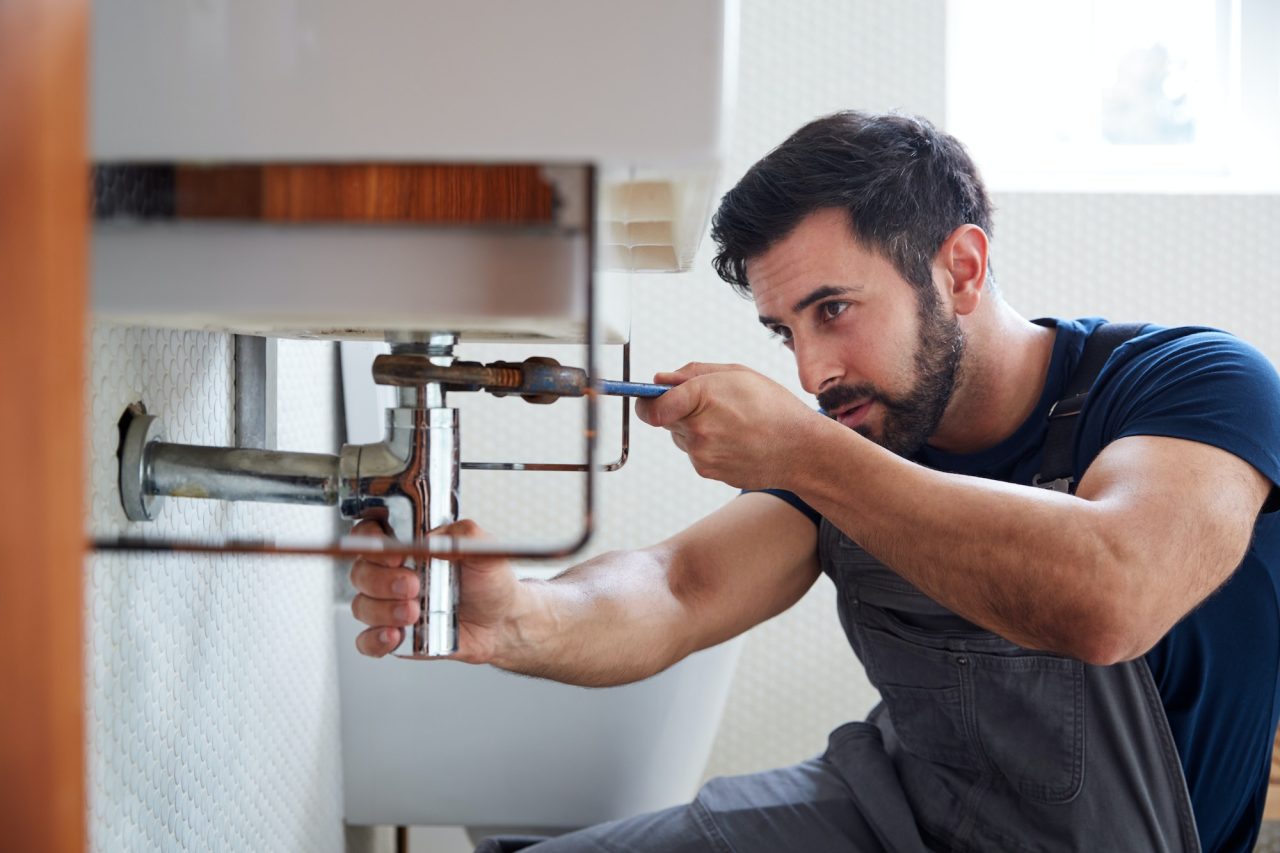
Small plumbing problems may appear trivial initially, but they can escalate into costly disasters if ignored. Keeping an eye on your plumbing and intervening early prevents damage to your home that affects your safety, comfort, and wallet. Signs that a small problem is growing include:
- Unexplained increases in water bills
- Recurring damp patches or watermarks on walls or ceilings.
- Foul or musty odors near sinks or drains
- Dripping sounds when fixtures are turned off
- Unusual noises like banging or gurgling from pipes
- Slow drainage or frequent clogs
Leaks
A pinhole-sized leak can leak liters of water every day. All that moisture eventually seeps into wooden beams, drywall, and even the foundation itself, causing rot, mold, and crumbling materials. What began as a little wet spot may end in a huge repair of structural components and mold remediation. Even small leaks can cause big problems because many leaks hide behind walls or under floors, so it’s important to inspect them regularly. Early detection is a simple fix. Delay, and you’re facing expensive repairs and possibly dangerous situations.
Drips
A dripping tap might look innocent, yet it can squander more than 15 liters of water each day, escalating your bills. Persistent drips are the harbingers of more serious problems, such as worn washers or failing valves, that can escalate if not addressed. It’s cheaper to repair a drip as soon as it comes out than it is to fix pipe damage or fixture failure down the line. Immediate response conserves water, cuts costs, and stops the plumbing problems domino effect.
Odors
When small problems become catastrophes. Lingering odors could indicate that sewage is backing up or pipes are leaking. They pose health hazards, particularly if mold or bacteria proliferate in wet zones. Embalming smells mask repairs that can become far more expensive later, as water and waste damage worsen.
Noises
Unusual noises such as banging, whistling, or gurgling from pipes are typically the initial red flags. These sounds may signify water hammer, trapped air, or obstructions. If ignored, they might cause pipes to burst or joints to break, resulting in water damage and expensive emergency repairs. Taking care of noise complaints up front keeps the system dependable and prevents costly catastrophes down the road.
Your Insurance And Delayed Repairs
Your insurance and delayed repairs. Insurance can help soften the blow when plumbing fails, but claims mechanics are contingent on how promptly you respond. When insurance is involved, delaying repairs can alter the result of any claim, sometimes in ways that cost much more than that initial fix. Water damage from a slow leak, for instance, can permeate beneath floors or seep behind walls. The longer it sits, the more it can weaken the structure, ruin finishes, and increase the bill. Most insurance plans don’t pay for losses that become worse due to neglect.
You’ll want a prudent strategy to ensure insurance works for you, not against you. Here is a checklist to help you document plumbing problems for insurance:
- Make sure you take clear pictures and videos of the leak or damage as soon as you find it, prior to any clean-up or repairs beginning.
- Document every call, email, or chat with your plumber – when and what was said.
- Save receipts for repairs, equipment, or materials bought.
- Document when you discovered the issue and when you initially contacted for assistance.
- Keep all your insurance policies and previous claims paperwork in one place.
This list can assist you in demonstrating to your insurer what occurred, when you took action, and that you didn’t allow it to fester. Insurance companies usually request that homeowners demonstrate that they responded quickly and took the appropriate actions. If they detect neglect, such as mold from a leak that’s been allowed to linger, they could deny payment or only pay for a fraction of the actual cost.
Postponing repairs can drive up your premiums. Insurers might consider you more of a liability if you’re filing for damage that escalated over time, not from abrupt incidents. Certain policies even exclude or restrict what they pay for trouble triggered by sluggish attention or substandard maintenance. This can translate to huge out-of-pocket expenses if you wait too long to contact a plumber. Even if your claim is denied, it can still put a huge stress on your budget, particularly if you don’t have savings for major repairs.
Proactive Measures Save Money
Preventative plumbing maintenance serves as your first line of defense against future emergencies. Routine checks can catch trouble before it spirals. For instance, a plumber can detect a small leak or a bit of rust on a pipe when making a routine inspection. Proactive measures save money. Catching these issues early means they can be addressed during normal business hours, which is cheaper than calling out for assistance after hours. That translates to less chance of abrupt floods or burst pipes that can ruin walls, floors, or the very foundation of the building.
Proactive measures reduce long-term expenses and prevent major interruptions. A tiny leak, left unchecked, can waste dozens of liters a day and raise water bills skyward. It all adds up: the cost of wasted water and the cost of postponed repairs. If a leak isn’t repaired, it can ooze into floors or walls and weaken wood or even the foundation. Repairing a foundation is not inexpensive; it can cost thousands of dollars. Acting early reduces the risk of encountering these exorbitant costs. Routine maintenance extends the life of pipes and fixtures, too, so you don’t always have to replace the major components.
Establishing a definitive inspection schedule is crucial for both home and business. Yearly or bi-annual inspections can identify clogged drains, slow leaks, or pipe wear long before they wreak havoc. This facilitates repair planning and maintenance budgeting. By adhering to a regular schedule, owners can prevent unexpected breakdowns and the nightmare of emergency repairs. Early fixes can often be scheduled for less busy periods, reducing both expense and inconvenience.
The early action savings are obvious. It’s far cheaper to fix a small leak or clear a drain before it backs up than to deal with a flood or major pipe break. Emergency plumbing is more expensive, particularly at night or on weekends. With some regimen checks and rapid repairs, these additional expenses can be prevented. In other words, proactive measures save money.
Conclusion
Waiting to call an emergency plumber costs a lot. Water leaks expand. Little drops eat at floors and walls. Pipes blow. Mold grows fast in damp spaces and weakens the structure. Insurance frequently doesn’t cover damage from slow repairs. Fast action keeps the price in check and everyone’s stress level down. Early calls provide more repair choices and easier claims. Staying alert to new leaks or slow drains is a money and hassle saver. Keep tools on hand for minor repairs, but call in a specialist if things go wrong. Don’t give it time to become a big, expensive mess. Keep life simple and repairs cheap. Call a plumber at the first hint of trouble. Your home and bank account will thank you.
Frequently Asked Questions
1. Why Does Delaying A Plumbing Repair Increase Costs?
Waiting lets small problems fester. Even a tiny leak can cause water damage, mold, or structural issues. As the damage continues to spread, the repairs become more complicated and costly.
2. What Are The Risks Of Waiting To Call An Emergency Plumber?
Delaying can lead to flooding, water contamination, or structural damage. These risks tend to demand more aggressive and expensive remedies down the road.
3. Does Insurance Cover The Cost Of Delayed Plumbing Repairs?
Insurance might not cover damage if it is demonstrated that the repair was procrastinated. For many claims to be accepted, you need to act quickly.
4. How Quickly Should I Respond To A Plumbing Emergency?
Act now! Acting fast minimizes damage, reduces repair expenses, and safeguards your home against chronic problems.
5. Can Small Leaks Really Become Major Problems?
A small leak that you ignore can ruin your floors with water damage or cause mold that is expensive to remove.
6. What Are Proactive Steps To Prevent Plumbing Emergencies?
Those simple actions stop emergencies and save you money in the long run.
7. How Does Procrastination Affect Emergency Plumbing Costs?
Procrastination causes bigger, pricier issues. The quicker you act, the lower your costs and the less damage you will incur.
Emergency Plumbing In Santa Rosa, Fast Help When You Need It Most
Plumbing disasters can cause major damage if you don’t act quickly. Yorkshire Plumbing provides reliable emergency plumbing services in Santa Rosa that keep your home safe and limit costly repairs. If you’re dealing with flooding, burst pipes, sewage backups, loss of hot water, or any sudden plumbing failure, our team is ready to respond right away.
Our licensed plumbers diagnose the issue, stop the damage, and get your system working again. We use proven tools and repair methods to find the source of the problem, walk you through what needs to be done, and recommend the best solution to protect your home. You’ll get clear guidance during a stressful moment so you can make decisions with confidence.
With nearly a decade of experience serving Sonoma County, our family-owned company has built a reputation for honest service, careful work, and dependable results. Yorkshire Plumbing doesn’t just fix emergencies; we help restore peace of mind when things go wrong.
If you need emergency plumbing in Santa Rosa, contact Yorkshire Plumbing now to get immediate help and prevent further damage.
Disclaimer
The information provided on this website is for general informational and educational purposes only and is not intended as professional plumbing or construction advice. You should consult with a licensed plumber or qualified contractor for guidance specific to your home or situation. Do not rely solely on the content of this site to make decisions about plumbing repairs, installations, or maintenance. While we strive to keep the information current and accurate, it may not reflect the most recent industry standards or code requirements. Yorkshire Plumbing & Drain Services disclaims all liability for any actions taken or not taken based on the content of this site, to the fullest extent permitted by law.