To take in stride a sudden loss of hot water without doing more damage, first know the culprit and use safe steps to check your water heater or boiler. Loss of hot water can sometimes be the result of a faulty heating element, thermostat, or pipes. Leaks, odd noises, or a tripped breaker can indicate the culprit. Most issues begin as minor glitches that, if neglected, can damage your system or house. These quick checks help identify whether you can fix it or require professional assistance. Thoughtful measures protect you and prevent larger failures. The meat of the post offers gas, electric, and tankless checks and tips, so you can be proactive and safe.
Key Takeaways
- React promptly and methodically to a sudden loss of hot water by shutting off water and power supplies, inspecting for leaks, and ensuring the area is safe and accessible for repairs.
- Never ignore the smell of gas or a leak because that’s a safety issue. Get out if you smell one.
- Troubleshoot the problem by determining the type of water heater you have, noting symptoms, and applying specific diagnostic methods for electrical, gas, or tankless systems.
- Know that wrong DIY fixes can cause safety hazards, void warranties, or make things worse. This makes pros the best bet for complicated problems.
- Develop coping strategies for when your hot water goes out.
- Tips for Maintaining Your Water Heater — Schedule annual flushing and anode rod inspections. Adjust temperature settings for energy efficiency and lifespan.
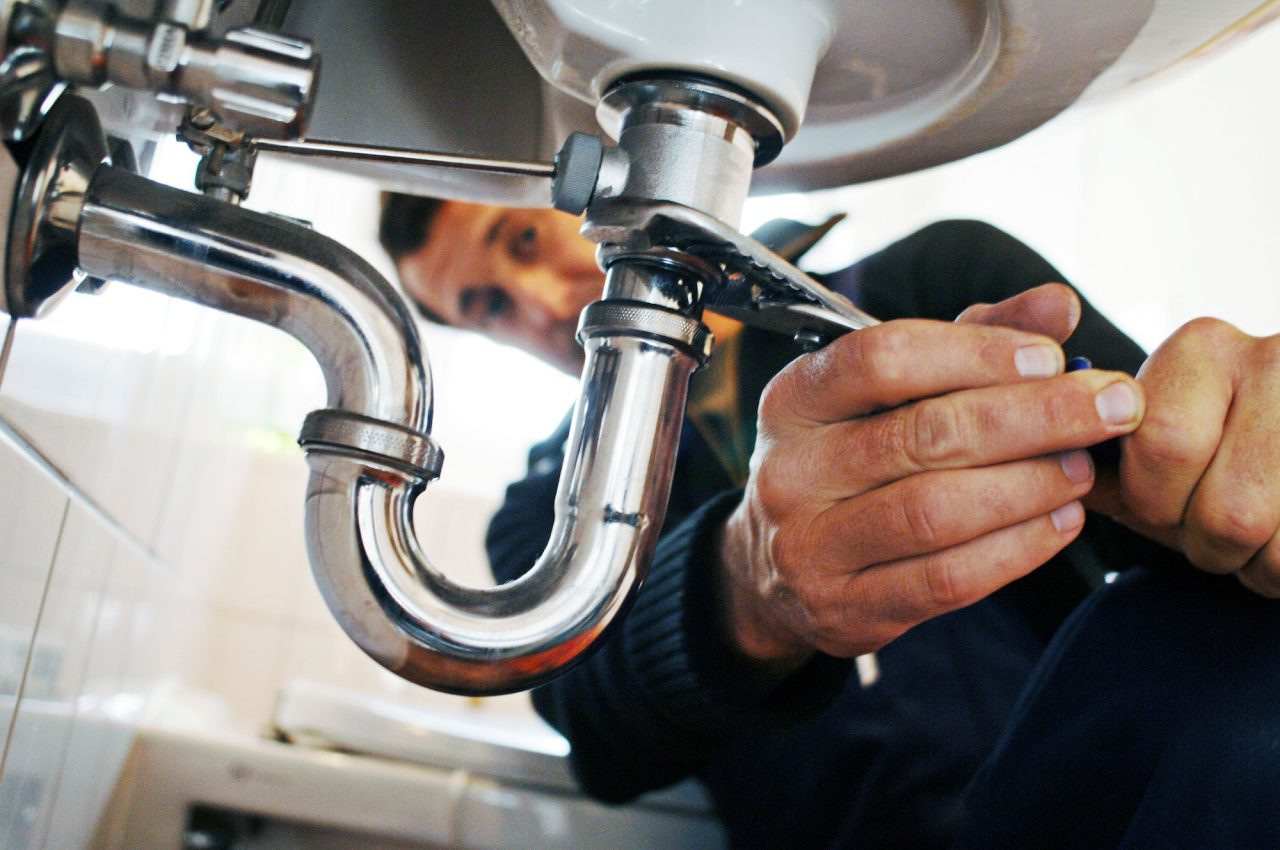
Your First Response To No Hot Water
Check For Leaks
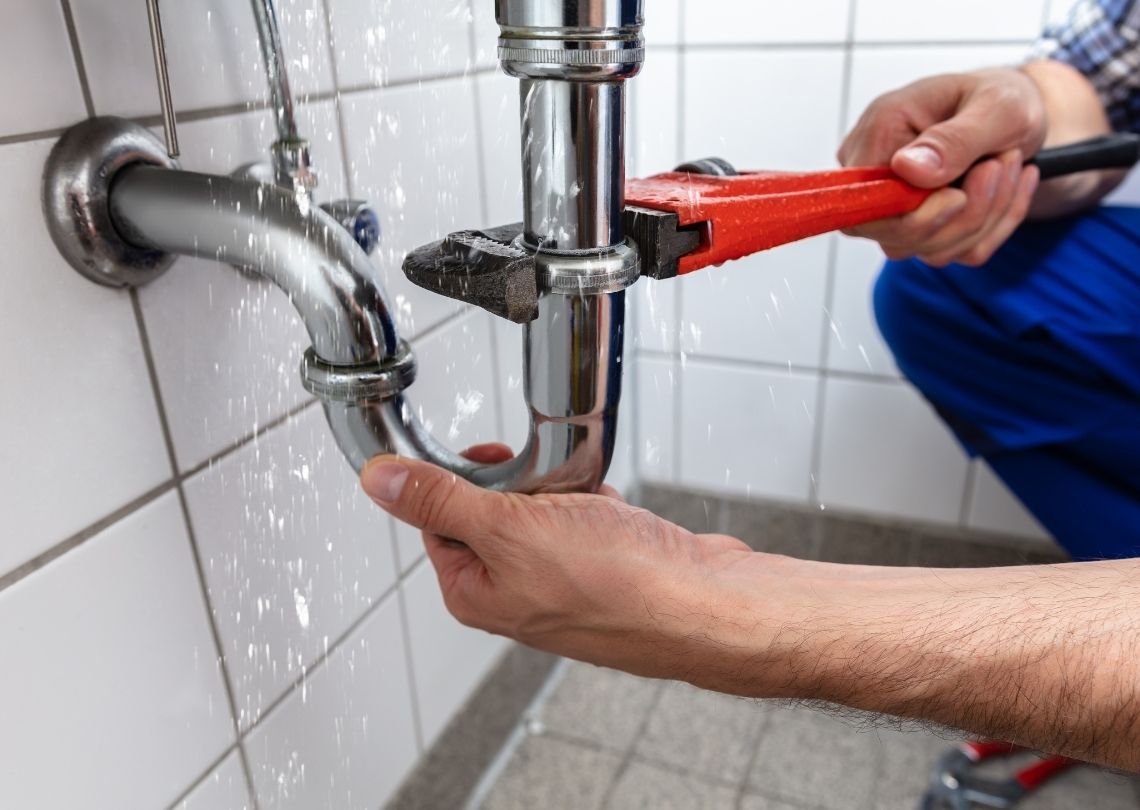
Check every hose and connection for water drops, stains, or corrosion. Search for puddles, particularly beneath the tank and in proximity to the pipes. If you notice moisture, dry it off with a towel. This can assist you in detecting persistent drips. Mark each leak, even little drips, and record them. Either write these down or take photos. This proof comes in handy later for the technician.
Smell For Gas
Stand near the water heater and sniff for gas. Gas leaks tend to smell like rotten eggs, so if you detect this, exit the area immediately and dial emergency services. Don’t toggle switches or open flames. If it smells slightly and there’s no imminent danger, crack open a window or door to air things out and limit danger.
Clear The Area
Get any boxes, clothes, or clutter away from the water heater to allow easy access for repairs. A clean work area keeps it safe for all and expedites inspection. Keep kids and pets out of there. Ensure exit paths are cleared in the event you must leave quickly.
Diagnose The Problem Safely
Pinpointing the source of a hot water loss needs a careful, step-by-step approach to avoid causing more harm. First, collect information on the water heater type—electric, gas, tankless—as each leads to different troubleshooting directions. Jot down any new smells, sounds, or drips and when symptoms begin. Be sure to turn off the power at the breaker for electric units or shut the gas valve for gas heaters before sniffing around. Check the thermostat settings, preferably at around 60°C, for safe, efficient operation. Inspect for exposed leaks, drips, or pooling around the tank and pipes. Write down everything you observe, as notes like these will assist a technician if repairs get too complicated.
Electrical Heaters
Feature | Troubleshooting Step |
Circuit Breaker | Check if tripped, reset if needed |
Heating Elements | Inspect for wear, corrosion, or visible breaks |
Thermostat | Confirm the correct setting, test with a multimeter |
Internal Noises | Listen for buzzing or popping, note for diagnosis |
Begin with the heater’s power source. Tripped circuit breakers are a frequent, hassle-free culprit. Reset the breaker if it’s tripped and see if the heater comes back on. If the breaker continues to trip, write this down as it indicates a more serious fault.
Heating elements do tend to go out. Check for symptoms such as mineral deposits, rust, or breaks. Should the component appear compromised, or if you detect abnormal sounds such as popping or buzzing, this can indicate internal faults. Turn offthe power, open the access panel, and test with a multimeter if you’re experienced. If not, record what you find for a technician.
Gas Heaters
Component | Status Check |
Gas Valve | Examine for leaks, blockages, or stuck positions |
Burner Assembly | Inspect for soot, dirt, or debris |
Ventilation System | Check for clear airflow, obstructions |
Before any inspection, shut off the gas, wait a few minutes just to be safe, inspect the gas valve for leaks or blockage, sniff for gas, listen for a hissing sound, and ensure that vents are open and clear because obstructed vents can cause carbon monoxide accumulation, which is quite dangerous.
Tankless Systems
Make sure the unit’s power and gas supply are stable. A clogged inlet or outlet valve can shut off the water to the heater, so check them for debris or scale buildup. Several tankless heaters display error codes, so record these, as they typically indicate the underlying issue. Varying supply and demand means that if the flow is too low, heating stops.
If you find the troubleshooting too daunting or you’re uncertain of a result, contact a professional for assistance. This prevents safety hazards and additional damage.
Uncovering Deeper System Failures
An abrupt loss of hot water usually indicates something more than a simple malfunction. Unchecked problems can lead to premature plumbing damage and can even indicate deeper system failures. Issues such as frequent outages, rusty water, or weird heater noises can indicate trouble under the hood.
Sediment Buildup
Sediment, one of the usual suspects for heating loss, occurs when minerals settle at the tank’s bottom. This results in popping or rumbling noises and can impede heat transfer, damaging efficiency. Over time, it can rust out the tank and cause leaks.
Build a maintenance checklist: flush the water heater with a garden hose at least once a year. Keep an eye out for rusty or brown water, as this indicates sediment or tank corrosion. If you hear strange noises, don’t dismiss these; these can indicate it’s time to flush the tank or bring in a professional. Set up annual maintenance visits to identify and address sediment problems before they get too deep, literally.
Faulty Components
A water heater’s key components—thermostats, heating elements, and gas valves—may break down unexpectedly. Thermostats can become stuck, or heating elements can burn out, both resulting in cold water. In electric units, tripped breakers or sparking indicate electrical trouble and require immediate attention. Burning odors or breaker trips indicate a critical danger and should summon urgent expert assistance.
Replace broken parts as soon as you find them. Keep a small kit of common spares like thermostats or heating elements on hand for quick fixes. Always check your heater’s manual for the right steps. Some faults, like a gas valve problem or tank damage, call for trained diagnosis. Document what you find and any repairs so a technician sees the full picture later.
Undersized Unit
If your hot water runs out quickly,y even with consistent maintenance, your heater could be undersized. Contrast its capabilities with your family’s requirements. For instance, a 100-liter tank might not sustain a large family’s daily needs. Regular maintenance that causes the system to work overtime accelerates wear.
It doesn’t hurt to check the efficiency ratings and potentially upgrade to a larger or more efficient model. High-efficiency choices can reduce operating expenses. Consider a professional opinion to size a new unit, particularly if your existing water heater is over 10 years old. Foundation or system-wide plumbing issues may trigger chronic hot water loss, so consider that in your decision.
The True Cost Of A DIY Mistake
DIY water heater repairs are costly in unexpected ways, extending well beyond the obvious lost hot water. The margin for error is a lot higher when you’re trying to do fixes you don’t know how to do. DIY savings are nothing compared to the long-term financial, safety, and legal fallout.
Warranty Invalidation
Almost all water heater manufacturers have very tough provisions in their warranties restricting or voiding coverage if unauthorized repairs occur. Even something as easy as replacing an anode rod can void a warranty if it’s not performed by a licensed technician or within specifications. Read your warranty documents carefully before attempting any fix. That, in turn, voids the warranty, so you lose coverage for repairs or replacements down the line and could face direct out-of-pocket expenses. Saving a file of all service receipts from professionals keeps your warranty intact and expedites claims when things go wrong. If you’re unsure, calling the manufacturer to find out what is permitted to fix is a wise play. Don’t mess with anything unless you know it won’t void the warranty.
Compounded Damage
A wrong DIY repair can do a lot more damage than the initial issue. Even a minor leak or broken joint can cause damage to adjacent walls or floors, increasing the repair cost. Sometimes a bad patch can take out the water heater entirely, making replacement inevitable. Replacement costs typically fall between $1,600 and $5,500, with an average of $3,550, which is significantly above the $506 average for professional fixes. If you experience new issues after a DIY, including weird noises, leaking, or inconsistent water temperature, note them down and reach out to a professional technician. Attempting to repair these additional complications yourself can complicate things further and even make the heater unrepairable, necessitating a complete replacement.
Safety Hazards
Water heaters are both electric and gas, which can be hazardous if not done right. The dangers are gas leaks, electrical shocks, and even fire hazards. Suit up with a safety shield and proper tools before any repair endeavor. Make sure there is good ventilation where you are working with gas appliances to avoid fumes. If you smell gas or think there is a leak, get out and call 9-1-1. That is what safety mistakes cost – not just a few bucks, but life-threatening.
Managing Until The Repair
When that hot water is gone unexpectedly, it throws a wrench into our daily lives and requires immediate, pragmatic attention to prevent additional damage or aggravation. Turning off the breaker to the water heater is an important initial safety measure prior to any inspection or repair work. In winter, insulating exposed pipes and leaving the heater in a warm room can prevent freezing and subsequent issues.
Alternative Bathing
- Wipe down with a basin or bucket and soap. Use a clean cloth or sponge for baths.
- Hit a gym or local rec center to utilize their showers.
- Heat limited quantities of water in a kettle or stove top for urgent sponge baths.
- Grab those baby wipes or the no-rinse cleansing wipes until you get her all fixed up.
- Update the troops on the temporary bathing schedule to smooth things along.
Sponge baths, if you haven’t tried them, are quick and water-saving. Boiling water with a kettle for every single individual is safe and comforting, particularly during the winter. Most gyms and community centers have showers and serve as a nice fallback. If you have little kids or elderly parents, take care of their bathroom needs and comfort. Describe the new routine to them so they aren’t confused.
Dishwashing Methods
Doing dishes in cold water may not be as good, but it is doable with plenty of soap and elbow grease. If you’re dealing with heavily soiled pots and pans, soak those first to loosen stuck-on food. It’s a major time and effort saver. Paper plates and plastic forks take some of the burden off when there is no hot water, but they’re not always a long-term solution. Dish duty.31 Split it up with the family so everyone gets a break and the sink doesn’t overfill.
If you’rerationingd water, make the number of dishes used per meal as small as possible. Rinse right after use to prevent build-up, since dried food is a lot tougher to get off with cold water.
Laundry Adjustments
If you can, try to hold off on laundry until hot water is restored. When it comes to emergencies, do your laundry in cold water to minimize damage and conserve energy. Hand-wash delicates or lightly soiled garments in a sink of water warmed on the stove. Be sure to communicate any updates in the laundry schedule with your household so you don’t get lost in translation.
Older water heaters become less efficient as sediment accumulates. Yearly flushing and some insulation can assist, but if your device is beyond a decade, think about swapping it out for reliability and savings.

Future-Proof Your Hot Water Supply
Hot water is important for both comfort and well-being, so unexpected loss can derail your routine and be stressful. A preventative approach is the optimal way to avoid additional damage. Maintenance is the best way to future-proof your hot water supply. Here are some key tips for future-proofing your hot water supply:
- Get an annual inspection to check for sediment buildup and system health.
- To future-proof your hot water supply, flush your water heater once a year to remove sediment.
- Inspect the anode rod annually and replace it when necessary to prevent corrosion.
- The thermostat to 49°C (120°F) is safe, hot, and efficient.
- Future-Proof Your Hot Water Supply – Insulate pipes, especially in cold climates.
- <> Swap it out if repairs start to pile up.
Annual Flushing
One annual flush is all that’s needed to keep your water heater humming. Sediment, such as minerals and rust, accumulates at the bottom of the tank. This buildup can slow heating, increase energy bills, and reduce the heater’s lifespan. Hook a regular garden hose to the drain valve, open the valve, and flush with water until it’s clear. Keep an eye on the water; cloudy or debris-filled waters indicate a more serious flush is required.
Annual flushing is best performed in the warmer months when interruptions to your water supply are less disturbing. A lot of us skip this step, but it can save you some expensive repair bills and keep the hot water flowing. Planning this tune-up with an annual examination tests both the sediment and the general system condition.
Anode Rod Check
Check the anode rod at least once a year. It is a metal rod in the tank that pulls corrosion toward itself and away from the tank liner. If the rod appears thin, covered with calcium, or is under 0.5 inches thick, replace it immediately. A healthy rod can future-proof your hot water.
Future-Proof Your Hot Water Supply — Store an extra rod for quick replacement. Skipping this step results in tank rust and premature heater demise. This little piece goes a long way toward keeping your hot water future-proof, particularly if you live in hard-water territory.
Temperature Setting
Turn down your heater’s thermostat to 49°C (120°F). This temperature optimizes comfort and safety while reducing energy consumption. It saves money and reduces scald risk. If your needs shift with the seasons, change the setting accordingly.
Future-Proof Your Hot Water. This easy habit can save you from burns, reduce your bill,s and make your water heater last longer.
Conclusion
Losing hot water can really rattle your day. Quick checks help identify threalue issue. Cut power or gas to prevent damage. Check for leaks, strange noises, or warning lights. Don’t try to guess or muscle a fix. Little miscues can get expensive real quick. Short, cold showers do the trick for now. Boil water for dishes or cleaning. Give professionals specific details about your findings. Once repaired, monitor tiny indicators of change. Regular inspections and minor repairs prevent stress later on. To be prepared, save contact information for reliable repair techs and familiarize yourself with your system’s fundamentals. Share your tips, ask questions, or trade stories with everyone else in the comments! Your voice teaches us all.
Frequently Asked Questions
1. What Should I Do First When I Lose Hot Water Suddenly?
Shut off the water heater’s power. This avoids potential electrical or gas dangers. Don’t immediately try to repair it. Hold off until you’ve gotten a safe look.
2. How Can I Safely Check For The Cause Of No Hot Water?
Check for common problems such as a tripped breaker or a blown fuse. Check for leaks around the water heater. Don’t open panels or touch wiring if you are unsure.
3. What Are Signs Of A Serious Hot Water System Failure?
If you hear strange sounds, see water pooling around the heater, or smell natural gas, you’re dealing with a big issue. These need a professional check immediately to prevent any safety hazards.
4. Can I Fix A Hot Water Heater Myself?
Small things like resetting a breaker might be OK. If your repairs are complicated or if you see a leak, call a professional. DIY blunders can lead to even more damage and expensive repairs.
5. How Can I Cope Without Hot Water Until It’s Fixed?
Boil some water for washing or cleaning. Be careful not to get scalded. Think cold for things that don’t need to be hot, like laundry or some dishes.
6. What Are The Risks Of Delaying Repairs To My Hot Water System?
Waiting to get it fixed can result in larger problems, such as water damage, mold, or increased energy costs. It can void warranties and pose safety hazards to your home.
7. How Can I Prevent Future Hot Water Interruptions?
Have it regularly maintained and inspected by a licensed professional. Change out old pieces where necessary. Clean the area around your water heater and make it accessible for quick inspections.
Emergency Plumbing In Santa Rosa, Fast Help When You Need It Most
Plumbing disasters can cause major damage if you don’t act quickly. Yorkshire Plumbing provides reliable emergency plumbing services in Santa Rosa that keep your home safe and limit costly repairs. If you’re dealing with flooding, burst pipes, sewage backups, loss of hot water, or any sudden plumbing failure, our team is ready to respond right away.
Our licensed plumbers diagnose the issue, stop the damage, and get your system working again. We use proven tools and repair methods to find the source of the problem, walk you through what needs to be done, and recommend the best solution to protect your home. You’ll get clear guidance during a stressful moment so you can make decisions with confidence.
With nearly a decade of experience serving Sonoma County, our family-owned company has built a reputation for honest service, careful work, and dependable results. Yorkshire Plumbing doesn’t just fix emergencies; we help restore peace of mind when things go wrong.
If you need emergency plumbing in Santa Rosa, contact Yorkshire Plumbing now to get immediate help and prevent further damage.
Disclaimer
The information provided on this website is for general informational and educational purposes only and is not intended as professional plumbing or construction advice. You should consult with a licensed plumber or qualified contractor for guidance specific to your home or situation. Do not rely solely on the content of this site to make decisions about plumbing repairs, installations, or maintenance. While we strive to keep the information current and accurate, it may not reflect the most recent industry standards or code requirements. Yorkshire Plumbing & Drain Services disclaims all liability for any actions taken or not taken based on the content of this site, to the fullest extent permitted by law.