Water line repair in Santa Rosa requires cautious steps and a keen eye from plumbers. To locate the issue, plumbers begin with an inspection of water pressure, leaks, and external indicators such as wet soil or puddles. Some employ sound tools or cameras that slide inside pipes to detect fractures, obstructions, or ruptures. A few common warning signs are low flow, unusual sounds, or water bills trending up for no apparent reason. In Santa Rosa, aged pipes and shifting earth lead to leaks more often, so plumbers use both new equipment and good old-fashioned know-how. To illustrate the entire process, the following sections detail each step and what homeowners can anticipate from a service visit.
Key Takeaways
- A structured and systematic diagnostic process, including initial consultation, visual inspection, pressure testing, leak isolation, and final confirmation, ensures accurate identification of water line issues.
- Cutting-edge diagnostic tools like acoustic listening, video scoping, and thermal imaging make inspections more accurate and less invasive.
- Santa Rosa water line repairs are different because of our local soil, seismic activity, and aging infrastructure. These factors necessitate specialized diagnostic and repair approaches to ensure long-term solutions.
- Typical diagnostic pitfalls, like mistaking irrigation leaks, slab leaks, or condenser problems for plumbing issues, can result in wasteful repairs and inflated bills. Precise evaluations are essential.
- The gut instinct and experience of licensed plumbers is crucial to identifying subtle patterns, sensory cues, and trickier problems often overlooked by less experienced professionals.
- Following diagnosis, transparent explanations of repair options, cost, and preventative maintenance empower homeowners to make informed decisions and preserve their plumbing’s integrity into the future.

The Plumber’s Diagnostic Process
Smart water line repair begins with a systematic diagnostic process that guarantees the actual issue gets repaired the first time. Plumbers in Santa Rosa and other cities depend on a transparent diagnostic process, frequently utilizing a mix of old-school expertise and new technologies. It facilitates the search for a root cause and saves time and money for homeowners and professionals.
A plumber’s structured approach to diagnosing water line issues often follows these steps:
- Collect background information from the homeowner about the symptoms and the plumbing history.
- Look for obvious damage or wetness.
- Employ sophisticated video cameras to peer into pipes for lurking problems.
- Perform pressure tests to check for leaks or blockages.
- Isolate leaks using sound detection and sectioning methods.
- Confirm findings through cross-referenced tests before suggesting repairs.
- Record all findings and present them to the homeowner.
Initial Consultation
It starts with the plumber talking with the homeowner. They inquire about fluctuations in water pressure, unusual noises, or water stains. The plumber discovers when it started and if it has occurred previously. They check previous fixes or issues to ascertain if a pattern exists. This informs their next actions and gives the homeowner an expectation for the diagnostic phase.
Visual Inspection
Plumbers inspect all exposed pipes, joints, and fixtures for cracks, rust, or leaks. They seek out water marks on walls or ceilings and wet areas on floors. Other times, they see mineral buildup or mold, which can indicate persistent leaks. Miniature video cameras could be used to investigate even farther into the guts of walls or underground pipes. These can help discover tricky underlying issues that aren’t obvious to the naked eye. A sewer inspection using this equipment typically runs between $100 and $500.
Pressure Testing
Water pressure is tested at various locations to determine if it is within the normal range, usually 275 to 550 kPa. Plumbers seek drops or spikes in pressure that can indicate leaks or clogs. Test each valve and fixture individually. The findings assist in identifying which piece of the water line is impacted. If data indicates strange pressure behavior, more targeted inspections are scheduled.
Leak Isolation
To pinpoint the leak, plumbers might employ sound-based leak detectors or thermal imaging. They listen for water escaping or feel for temperature changes around pipes. Occasionally, they’ll close off parts of the water line to isolate what’s leaking. Confirming the source prevents unnecessary repairs. Video inspection cameras help confirm the leak’s location, particularly if it’s in a difficult-to-access area.
Final Confirmation
Everything discovered is double-checked before any fixes begin. Plumbers review the data provided by cameras, pressure, and leak tests. They talk to the homeowner through their diagnosis to ensure understanding. A report goes back to a plumber, often with video or photo proof of recommended repairs. Local regulations and climate can impede this and must be incorporated into repair scheduling.
Advanced Diagnostic Technology
New plumbers bring with them advanced diagnostic technology to identify water line issues with accuracy. These technologies assist them in operating quickly and with minimal damage to homes or landscapes. The proper tools provide precise information, enabling homeowners to visualize the issue and have confidence in the solution. As diagnostic tools advance, plumbers in Santa Rosa keep current to provide more informative service and definitive solutions.
Acoustic Listening
Plumbers have listening devices to locate leaks behind walls or under floors. These tools detect the sounds water leaks make as they escape from pipes. Minor leaks usually slip past our eyes, but the acoustic sensors detect the faint sounds that signal trouble. The task is differentiating normal pipe noises, such as water rushing and everyday vibrations, from abnormal ones, such as hissing, dripping, or gurgling. That means plumbers can target repairs precisely where they’re needed, even if the trouble lies deep under the ground. Acoustic listening means less guesswork, fewer holes in your walls, and fast solutions.
Video Scoping
Video scoping is a video camera on a flexible cable that can look inside pipes. The plumber directs the camera through the water line and views the live feed. This reveals blockages, cracks, or areas where a pipe is beginning to rust or wear thin. Homeowners can view this footage as well, so they know what is wrong and why there is a need for repair. The video can be saved for your records or to schedule the work, like deciding whether to patch a small tear or replace an entire panel. For aging pipes, scoping assists in identifying initial indications of issues, which is key to stopping big leaks before they begin.
Thermal Imaging
Thermal imaging tools read surface temperatures to locate leaks and insulation issues. When water leaks, it cools or heats the surrounding area, leaving a temperature footprint. Plumbers swipe walls, floors, and ceilings with a thermal camera. The camera generates a color map emphasizing these hot or cold spots, so concealed leaks appear. It’s non-invasive — no need to open up the walls unless the scan indicates a problem. Homeowners get to see the thermal images as well, so it’s easier for them to understand what is occurring in their plumbing.
Santa Rosa’s Unique Challenges
Santa Rosa’s plumbing systems encounter a number of local challenges. Understanding these elements assists homeowners and plumbers alike in making smarter decisions for water line repair and long-term upkeep.
Soil Composition
- Sandy soils drain well but tend to shift pipes.
- Clay-heavy soils, like ours, hold water and create high pressure on your pipes.
- Rocky soils may scratch or damage pipe surfaces.
- Loam provides greater stability, but it isn’t as locally common.
Sandy or loose soils tend to allow water lines to shift with time, leading to leaks or breaks. Clay soils tend to cuddle the pipes with water, increasing the potential for corrosion. Rocks, if there are any, can chip or wear pipes, particularly vintage metal lines.
Soil tests are essential before any underground water line work, enabling plumbers to select the best pipe materials and plan the appropriate depth for installation. This allows it to prevent future leaks and keep the repair long-lasting. Homeowners should be aware that soil checks aren’t just for new builds; they matter when you do repairs or upgrades. Disregarding soil type can cause more frequent pipe issues or even system failure.
Seismic Activity
Santa Rosa sits in an area of frequent earthquakes, causing water lines to be under additional strain from ground movement. Even minor earthquakes can shake or snap water pipes, frequently causing leaks or bursts. For properties with aging or brittle pipes, they can be particularly devastating.
Plumbers here utilize flexible connectors and seismic bracing so pipes bend instead of breaking. Homeowners should be aware that earthquake-ready plumbing can reduce the potential occurrence of leaks or otherwise severe water damage in a quake. Easy things, such as strapping down water heaters and installing flexible supply lines, can shield your belongings and save water. Earthquake readiness is not only about being safe; it is about not having to pay for expensive repairs.
Older Infrastructure
A lot of homes in Santa Rosa have old plumbing. Ancient metal pipes rust or collect sediment over time, increasing the chances of leaks, dripping faucets, and water heater problems. Burst pipes are a regular occurrence after years of wear or changes in weather.
Regular inspections show rust, leaks, or aging joints prior to deterioration. Replacing the old pipes with new PVC or copper can increase safety and water efficiency. These new pipes are less prone to rust or blockage and can adapt to temperature fluctuations more effectively. Homeowners with excessive water usage or aging systems should have checks more frequently. This practice reduces water waste and prevents crises.
Common Diagnostic Mistakes
Water line diagnostics that are correct will help with the repairs and long-term savings. These diagnostic missteps can lead to missed leaks, wasted efforts, or continuous destruction. Below are common diagnostic mistakes and their consequences:
- Ignoring irrigation leaks causes you to fix them again and again, which is a waste of effort.
- Not inspecting the whole system leaves hidden leaks undetected.
- Misreading condensation as leaks causes needless pipe replacements.
- Neglecting deep leak detection enables issues to fester.
- Neglecting pipe age and soil chemistry accelerates pipe failures.
- Overlooking water quality causes corrosion and costly repairs.
- Incomplete inspections miss tree root damage or pipe cracks.
- Not testing water heaters or relief valves creates safety hazards.
Homeowners need to appreciate the importance of proper, precise diagnostics. Misdiagnosis results in recurring outages, increased expense, and even catastrophic property damage. Working with experienced plumbers, being inquisitive, and staying educated helps catch and correct problems early.
Irrigation Leaks
Underground irrigation systems frequently run parallel to household water lines, which makes them difficult to differentiate from main plumbing during leak detection. Many times, water pooling in yards or wet spots in soil gets confused for a plumbing leak inside the home. The telltale signs of irrigation leaks are random tall, soggy patches in the yard or weird outdoor water use spikes. If these aren’t identified, fixes might revolve around indoor pipes, overlooking the actual cause. Regular and seasonal maintenance of irrigation valves, pipes, and timers is required to prevent this confusion. Collaborate with plumbers to isolate irrigation versus indoor issues, so repairs are targeted and water isn’t wasted.
Slab Leaks
Slab leak diagnosisis difficult because the pipes are under concrete foundations and are difficult to access. Red flags are unexplained water pooling, wet floors, or fluctuating water pressure. If not identified and located quickly, slab leaks can result in foundation cracks, mold, and serious structural damage. With the help of acoustic sensors and infrared cameras, they are able to pinpoint leaks under the slab with a minimum of digging. Early diagnosis and expert treatment save money and prevent damage.
Condensation Issues
Condensation can mimic a leak, particularly in humid areas or during rapid temperature changes. Pipes can sweat, causing dripping and pooling near cold water lines. Sometimes this is mistaken for a plumbing failure, resulting in needless pipe work. Homeowners can test for condensation by simply observing pipes on humid days or after showers. Boosting airflow and adding pipe insulation limits the potential for misunderstanding. Keeping vents open and dehumidifiers running reduces condensation and helps make true leaks more obvious.
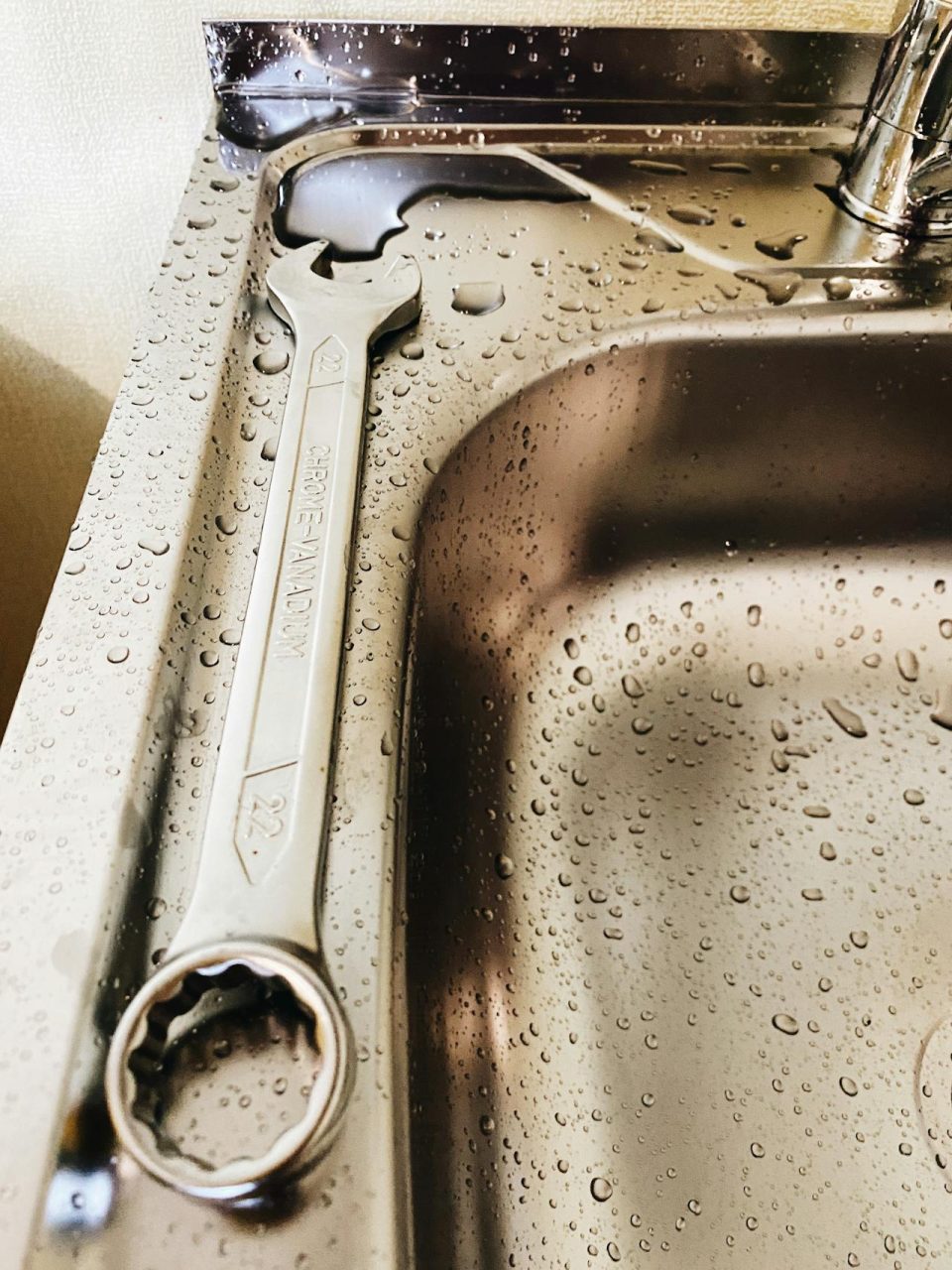
The Plumber’s Intuition
Nothing more than a plumber’s instinct. A lot of their work is based on what they picked up during their years in the field. Every job, every call, contributes to their instinct. It allows them to notice subtle clues others would overlook. For most homeowners, this faith in their plumber’s instinct is essential. Intuition is earned from hours and hours of listening to pipes, tasting fixtures, and troubleshooting problems that never quite look the same. A veteran plumber in Santa Rosa employs these sensibilities and intuitions to catch problems quickly, even when they skulk beneath the surface.
Experience Matters
A seasoned plumber can identify issues in minutes. There’s a lot of intuition that years of swapping out pipes, tracking down weeping walls, and mending water main breaks accumulate. This hands-on work allows them to understand what’s typical and atypical. Take, for instance, a new plumber who overlooks a subtle damp patch as an indicator of a potential leak. A seasoned professional will interpret it as a red flag.
In one instance, a client had water stains that showed up every rainy season. Most thought it was simply the weather. A seasoned plumber followed the trail to a cracked feeder line buried deep beneath the house. Fast, right calls like this demonstrate why it’s worth going with someone with a proven history. Remember to always check for licenses and reviews before you hire.
Sensory Clues
Plumbers use all their senses when they inspect a system. Something that smells like mold or sewage can signify a sneaky leak. When you hear a hiss or drip inside a wall, it could be a slow break. A few plumbers even teach themselves to hear the pitch of water rushing through ancient pipes or detect minor shifts in water hue.
In your inspections, this instinct is crucial. Even a little rotten egg smell can imply gas or sewer issues. Detecting this sort of detail early can prevent larger and more expensive damage down the line.
Pattern Recognition
Experienced plumbers seek out trends, not isolated problems. If a particular block in Santa Rosa experiences multiple pipe bursts, they know to inspect the water pressure or soil there. This, in turn, makes them repair things more quickly.
By reporting persistent problems, plumbers can connect the dots from small hints to larger issues. Homes with similar leaks can provide additional details for fast repairs. Homeowners should never fail to inform their plumber about problems that recur, even if they appear trivial.
After The Diagnosis
Once plumbers complete the diagnosis, homeowners usually have a good idea of the problem with their water line. This lucidity can be a relief, but it arrives with options and obligations. Next steps include considering repair options, preparing for expenses, and figuring out the timeline. A frank conversation with a trusted plumber assists in establishing reasonable expectations for the fixing, timelines, and budget.
Repair Options
Repair Option | Pros | Cons | Estimated Cost (USD) |
Spot Repair | Quick and cost-effective for small leaks | May not fix underlying issues; temporary | $150–450 per repair |
Pipe Replacement | Long-term fix, prevents future leaks | Higher upfront cost; more invasive | $1,500–3,500 (per 30 meters) |
Trenchless Repair | Minimal disruption; fast | Not suitable for all pipe types or damages | $2,000–4,000 (per 30 meters) |
Pipe Relining | Preserves landscaping; reinforces old pipes | May not work for collapsed pipes; mid-high cost | $2,500–5,000 (per 30 meters) |
Spot repair operates best for individual leaks. It’s more cost-effective and won’t combat larger issues. Pipe replacement is costly yet provides a long-term fix, particularly if you have aging or corroded pipes. Trenchless repair and pipe relining are less invasive and ideal for modern properties, but they have their own limitations and costs. Even if there’s a diagnosis, homeowners should go over each choice with their plumber and think about how long they may be in the home. Solutions that work for the long-term tend to provide better value.
A lot of us are stressed or anxious after hearing about a major plumbing problem, particularly when it comes at such a steep price. It’s important to talk through payment plans, request itemized estimates, and confirm the schedule to avoid any surprises. Plumbers are supposed to tell you all the advantages and disadvantages, not just drive toward the priciest solution.
Future Prevention
- Schedule annual plumbing inspections.
- Watch for drops in water pressure.
- Check for damp spots on walls or floors.
- Track monthly water usage for spikes.
- Avoid flushing non-degradable items.
Staying on top of checkups is the best way to prevent major overhauls. Inspections catch little leaks before they become big ones. Routine checkups notify homeowners of covert issues, an important factor in maintaining a property in the long term.
Water line issues can throw off your day, similar to a diagnosis. It might involve habit changes or hard decisions, but taking action is crucial. Open communication and timely repairs protect not just pipes but peace of mind.
Conclusion
To repair a water line in Santa Rosa, plumbers combine acute expertise, proper equipment, and a clear strategy. They detect leaks with sound meters, pressure gauges, or thermal cameras. Hard soil and old pipes make work tough, so local knowledge helps a lot. Plumbers avoid guesswork and look for micro clues, which reduces misdiagnoses. Quick, obvious action saves houses. Good plumbers trust their instinct but verify. They do not have spare time or expenses. To really get solid work, choose a plumber who understands Santa Rosa and has brand-new equipment. Interact and inquire. Transparent communication with your plumber minimizes surprises and maximizes repair knowledge.
Frequently Asked Questions
1. How Do Plumbers Diagnose Water Line Problems?
How Plumbers Diagnose Water Line Repair in Santa Rosa. They usually proceed methodically in search of leaks or blockages.
2. What Technology Helps Plumbers Find Leaks?
Plumbers utilize advanced tools such as acoustic leak detectors, thermal imaging cameras, and video pipe inspection systems. These tools assist in finding concealed leaks without excavation.
3. Why Are Water Line Repairs In Santa Rosa Unique?
Santa Rosa’s special soil, climate, and older infrastructure present unique challenges. Plumbers take local conditions into account when offering repair solutions.
4. What Mistakes Can Happen During Water Line Diagnosis?
Typical errors are saving time on inspections or trusting purely visual checks. Skipping these steps results in wrong repairs and future issues.
5. How Does A Plumber’s Intuition Help The Diagnosis?
Crack plumbers see angles, little things, and trends from decades of experience. Their instinct takes them into trouble that no technology or test can detect.
6. What Happens After A Plumber Finds The Problem?
Once they’ve diagnosed the problem, plumbers will describe it and suggest solutions. They give you a straightforward repair plan and a rough price estimate so you can anticipate what’s coming.
7. Can Homeowners Prevent Water Line Issues?
Routine inspections and immediate repairs can save you from a world of trouble. Monitoring for shifts in water pressure or surprise moisture keeps you a step ahead.
Water Leaks & Water Line Repair In Santa Rosa: Stop Small Problems Before They Become Big Ones
A hidden water leak or a damaged water line can quietly wreak havoc on your home. From rising water bills to sudden drops in pressure or unexplained wet spots, these issues rarely fix themselves. Yorkshire Plumbing provides fast, professional water leak detection and water line repair in Santa Rosa, helping homeowners catch problems early and avoid costly damage.
Our team uses advanced diagnostic tools to track down leaks with precision, even when they’re buried underground or hidden behind walls. Once we find the source, we walk you through what’s happening in plain language and recommend the right repair for your situation. No guesswork, no upselling, just clear answers and solid solutions that restore your plumbing and protect your property.
With nearly a decade of experience serving Sonoma County, this family-owned company has built a reputation for honest service, careful workmanship, and dependable results. Yorkshire Plumbing doesn’t just repair water lines; we help you feel confident that your system is safe, efficient, and built to last.
If you’re dealing with signs of a water leak or think your water line may be failing, contact Yorkshire Plumbing today and get expert help before the damage spreads.
Disclaimer
The information provided on this website is for general informational and educational purposes only and is not intended as professional plumbing or construction advice. You should consult with a licensed plumber or qualified contractor for guidance specific to your home or situation. Do not rely solely on the content of this site to make decisions about plumbing repairs, installations, or maintenance. While we strive to keep the information current and accurate, it may not reflect the most recent industry standards or code requirements. Yorkshire Plumbing & Drain Services disclaims all liability for any actions taken or not taken based on the content of this site, to the fullest extent permitted by law.