There are a few signs that you can spot right away that will tell you your plumbing just isn’t up to par. Water stains on walls or ceilings, noisy pipes when taps are on, and frequent clogs all indicate plumbing that may be substandard. These signs have a habit of popping up in everyday life, often without notice. In most homes and buildings, if something minor goes off with the water’s color or temperature, it can signal more serious underlying problems with the plumbing. Catching these issues early helps prevent more significant expenses and destruction. The main body will then unpack each sign, detail what causes it, and provide clear next steps for those who observe any of these warning signs.
Key Takeaways
- They’re the quickest ways to tell that your plumbing isn’t up to standard.
- Look for unexplained pipe noises, like banging or gurgling, and any sudden changes in water pressure or flow.
- Look for lead, polybutylene, or galvanized pipes. These are some of the fastest ways to tell that your plumbing isn’t up to standard and should be replaced.
- These could be frequent clogs, sluggish draining, or water bills that have inexplicably spiked.
- Adhere to recent plumbing codes for your safety, the longevity of the system, and to protect or increase your property value.
- Have regular professional inspections and bring in the experts for stubborn or serious plumbing problems to avoid expensive damage.
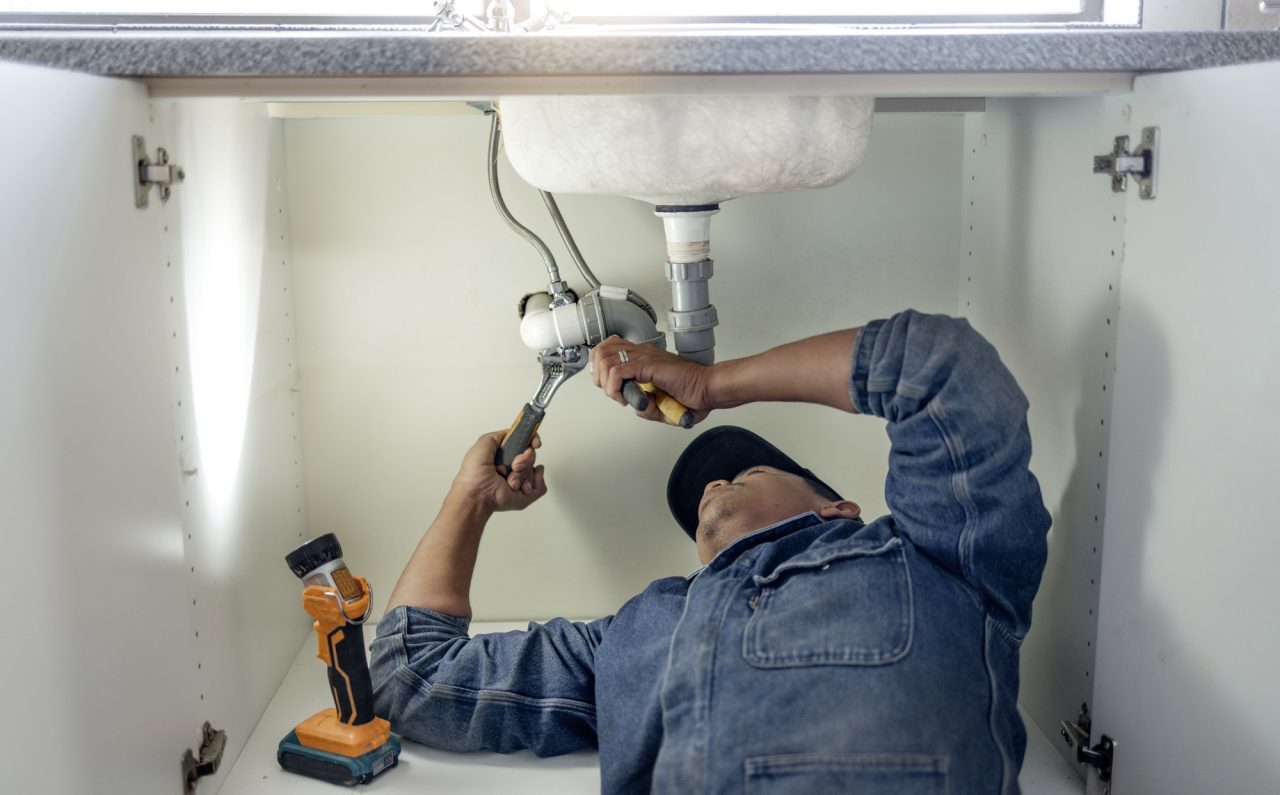
Fastest Ways to Identify Substandard Plumbing
Fastest Ways to Identify Bad Plumbing Spotting bad plumbing fast means understanding what to look for, listen for, and smell for. A lot of issues are quick to observe or feel if you’re aware of the red flags. Alterations in water streams, strange sounds, or signs of corrosion usually indicate more significant problems. These signs can assist individuals in detecting issues prior to their escalation into expensive problems.
- Water stains or discoloration on ceilings and walls
- Rust or mineral buildup on pipes and joints
- Mold growth or musty smells near plumbing fixtures
- Dripping or banging pipe noises
- Sudden drops or surges in water pressure
- Slow drains or recurring clogs in sinks and toilets
- Cloudy or brown water from taps
- Unpleasant odors from drains, especially in kitchens or bathrooms
1. Visual Clues
Rust or corrosion on pipes generally indicates that the material is disintegrating, particularly at the joints, which can be one of the serious plumbing warning signs for homeowners. Discoloration around fittings may suggest mineral deposits or a slow leak. It’s crucial to inspect walls, floors, and ceilings for stains or warped areas, as these can be indicative of concealed leaks or moisture, potentially leading to costly repairs. Mold patches, usually black or green, can indicate persistent leaks and are essential to address through preventive maintenance efforts.
2. Audible Warnings
Dripping noises behind walls or under sinks can indicate hidden leaks, a common plumbing issue that homeowners should watch for. Gurgling from your drains generally indicates a clog or trapped air, which are serious plumbing warning signs. Banging, clanking, or rattling pipes when water begins to flow may signify loose mounts or high pressure, while hissing or whistling can indicate air leaks or pressure issues. These sounds are often overlooked, but they can signal plumbing warning signs before they lead to costly repairs.
3. Pressure Changes
Low water pressure in showers or taps is a common plumbing warning sign. Pressure surges when water flow suddenly jumps can indicate defective valves or air in the pipes. Running more than one faucet and observing drops or spikes in flow indicates uneven pressure, which could hint at a potential plumbing problem, such as a blockage or failing regulator. A pressure gauge can assist in testing if it is within normal readings, typically ranging from 3 to 5 bar. Pressure fluctuations over time could indicate the system is aging or in need of repair.
4. Water Quality
Brown or cloudy water frequently indicates rust or sediment in pipes, serving as a significant plumbing warning sign for homeowners. Bad tastes or odors can stem from bacteria growth or contamination, which are early warning signs of potential plumbing problems. Any immediate shift in clarity, hue, or odor needs to be tested immediately.
5. Unpleasant Odors
Sewer gas around drains or toilets is a significant plumbing warning sign of leaks in the waste system. Musty or earthy odors may indicate mold from hidden water leaks. Stink from stagnant water in slow drains often implies that a clog is lurking, while chemical odors by drains can suggest a reaction within the pipes or the use of chemical drain cleaners.
What Outdated Materials Reveal
Old plumbing materials in a home can scream underlying plumbing warning signs that jeopardize health and finances. Looking for these materials pays by preventing leaks, enhancing water quality, and updating plumbing to current standards. The right inspection can catch certain plumbing issues before they escalate, particularly in homes constructed prior to the 1980s or in areas with high humidity and sandy soil.
Prohibited Pipes
Lead pipes are now banned just about everywhere because of the possibility of lead poisoning. Even low levels of lead exposure in drinking water can lead to grave health issues, particularly for kids. OUTDATED PLUMBING. What out-of-date materials are telling us: Polybutylene pipes, common from the ’70s to the mid-’90s, burst without warning. They corrode when they encounter oxidants in tap water, creating leaks that remain hidden until their repair becomes expensive. Galvanized steel pipes rust internally, resulting in brown water, low pressure, and clandestine leaks. If your home still has these pipes, the risk of water contamination increases annually.
Certain pipes just don’t meet current plumbing codes. Once-acceptable materials, such as some plastics or metals, can now be regulated or banned in new construction. Looking for these outdated materials keeps unforeseen melt downs at bay.
- Lead pipes: cause contamination and health issues
- Polybutylene pipes: prone to leaks and sudden failures
- Galvanized pipes: corrode, cause rust, and reduce water quality
- Old cast iron pipes risk blockages, corrosion, and high repair costs.
- Outdated PVC joints can fail in shifting or sandy soils.
Risky Fittings
Antique or incorrect fittings join pipes but tend to leak vulnerabilities. Others have plastic fittings that deteriorate with age and hot water or pressure fluctuations. If fittings aren’t approved or installed to standard, they increase the chance of water damage. In older infrastructure, you may see some leaks occurring at joints or water marks on ceilings and walls that typically lead directly to broken connectors. These problems can result in expensive repairs if not addressed.
Approved fittings are important. They keep water flowing safe and prevent leaks from getting started. Utilizing correct fittings wards off emergencies like ruptures that can lead to significant water damage and unforeseen costs.
Improper Support
Pipes require appropriate support to function efficiently, as improper support can lead to significant plumbing warning signs. When pipes sag or bend, it’s generally an indicator that brackets or hangers are missing or have deteriorated, which can result in costly repairs. Unsupported plumbing lines, particularly below floors or behind walls, place additional strain on pipes and joints, leading to slow leaks and water stains that appear in strange locations.
Appropriate supports such as metal brackets and sturdy hangers stabilize pipes, preventing unexpected plumbing issues. This is particularly crucial in older residences or areas where the earth shifts frequently, like sandy or beach environs. Even flex hoses on appliances can become problematic and need to be replaced regularly to ensure reliable plumbing care.
The Plumbing Domino Effect
Just one weak joint in a plumbing system can ignite a domino effect, with each domino exerting more pressure on the entire system. Tiny, easy-to-ignore plumbing warning signs are the seed from which much larger and more expensive breakdowns grow. Tackling these small plumbing problems early can help you avoid a plumbing domino effect of trouble that upends your routine and results in a costly repair.
One Weak Link
A leaky pipe, concealed behind a wall or beneath a sink, could spell disaster down the road. Water can intrude into floors, walls, or ceilings, causing mold, finish destruction, and structural damage of the worst kind. It’s simple to dismiss a slow drip or a spot of moisture, but these are serious plumbing warning signs. Take, for instance, discoloration around pipe joints, which can be indicative of a larger leak in the making, sometimes well before water emerges on the surface.
Defective components such as a toilet with aged parts can stress the entire network. Just one broken part can waste hundreds of gallons a day, pushing up water expenses without anyone aware. A slow drain may appear insignificant, but it can be an early warning sign that a clog is starting lower in the plumbing. If left unchecked, it tends to result in costly repairs later on.
They’re all connected. Every part of a plumbing system is linked. If one piece is in trouble, the others are under additional strain, which makes unexpected plumbing issues more likely.
System-Wide Stress
If your plumber is coming over again and again to fix pipes, taps or toilets, this means the system is being stressed. Each fix may assist for a period of time. When issues persist, it is usually indicative of system-wide needs. Multiple problems at once, like a few sluggish drains, leaks or sounds, typically indicate an underlying issue.
One wonky valve or joint can impede water’s flow or shift the pressure across the entire home. This stress can reduce the life of other components. Routine checks, particularly for houses older than the mid-twenties mark or in places with ancient plumbing systems, assist in detecting problems prior to them accumulating and causing overall breakdown.
Compounding Failures
Minor leaks in basements or crawlspaces frequently initiate the domino effect. They generate moisture that causes mold and even foundation issues. Homeowners sometimes observe slow drains as the initial indicator of roots infiltrating pipes. This results in significant blockages if not addressed.
As the Plumbing Domino Effect When small repairs are deferred, costs can escalate quickly. What began as a minor leak or blockage can culminate in extensive water damage, chaos to your schedule, and expensive emergency plumbing invoices. Compounding failures not only make repairs more costly, but more immediate as they propagate throughout the system.
Beyond Obvious Warning Signs
Plumbing issues aren’t always obvious, as certain plumbing issues often present themselves through subtle plumbing warning signs. A slow drain, minor leaks, and sluggish drains can all suck money and time if not addressed. Knowing these early warning signs helps homeowners maintain their plumbing system, conserve water, and manage expenses.
Inconsistent Bills
One of the most common indicators of hidden leaks is an unexpected spike in your water bill. Check your bill against previous months. If you see a consistent increase for no apparent reason, it’s a warning sign. Even the tiniest leaks in old pipes, particularly in pre-1980s homes, can send thousands of liters and hundreds of dollars down the drain every year.
Keep an eye on your water meter to detect leakages. Shut off all taps and water-using appliances. Take a reading, wait a couple of hours, and take another reading. If the reading differs, you probably have a leak somewhere, maybe in the walls or underground. High bills day after day require examination and often a professional inspection.
Frequent Clogs
Repeated sink or toilet clogs are more than simply a pain. If you’re clearing drains every week, the issue could be more than a rogue object. Frequent troubles suggest blockages far down the line from hard water residue or old pipes with jagged walls.
Neglecting these trends can cause catastrophic problems, like water backing up or pipes bursting. Stubborn blockages indicate that your plumbing might contain antiquated materials or design flaws that require expert intervention. Beyond these glaring warning signs, over time these issues can lead to water damage or even necessitate major repairs like whole-house repiping.
Slow Draining
Slow drains in sinks or bathtubs may feel inconsequential, but they more frequently suggest blockages or sediment. Hard water can rapidly lead to mineral buildup in pipes, which diminishes flow and plumbing life. If you notice drainage rates decreasing, don’t dismiss it.
Slow draining can cause bigger issues, such as leaks or low water pressure. If neglected, this has the potential to lead to mold, water damage, or even structural problems. If your pipes are older, regular checks and cleaning are key.
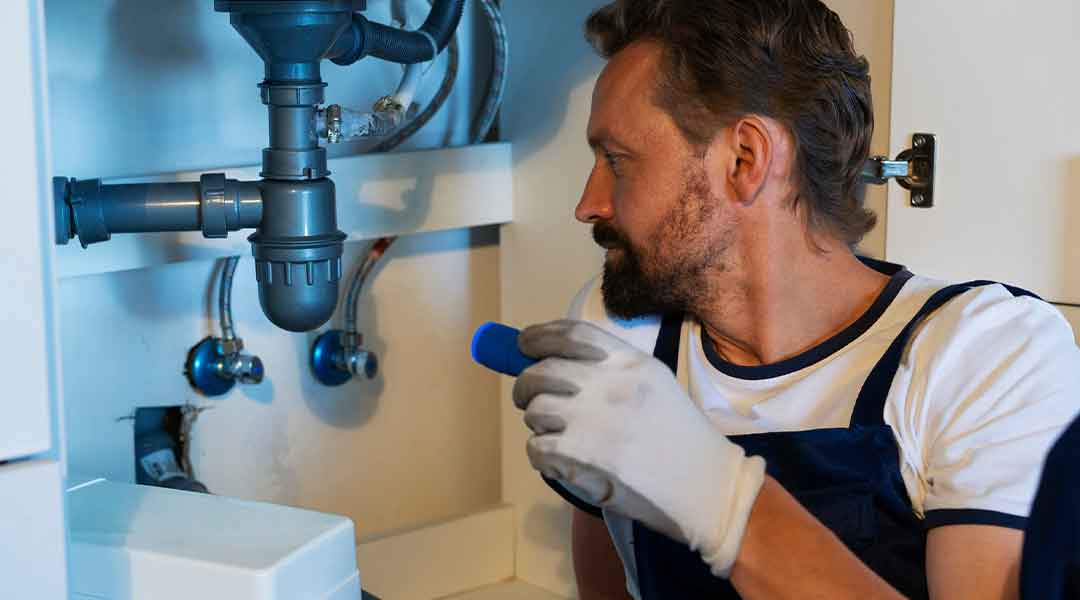
Why Modern Codes Matter
Today’s plumbing codes establish the foundation for security, excellence, and comfort. They’re not just rules but clever heuristics that help homeowners avoid wasting time, money, and angst. These codes assist in identifying early warning signs and mitigating hazards prior to becoming costly repairs. Codes simplify preventive maintenance efforts to stay on top of repairs and upgrades, which is crucial for anyone seeking to safeguard both health and property.
Your Safety
Ancient or broken pipes can pour lead, rust, or other dangerous substances into water, posing serious plumbing warning signs for homeowners. This endangers any occupant living in the home, particularly if the pipes are constructed out of legacy or prohibited materials. Modern codes outlaw these materials and strive to keep water potable, ensuring that plumbing systems function properly.
Modern codes ensure toilets, sinks, and showers are installed with adequate room so repairs are less of a hassle. They also demand appropriate venting to prevent sewer gas from escaping and to avoid plumbing problems like negative pressure that could siphon out water traps, both of which are major health hazards.
If these codes are not fulfilled, issues like mold, leaks, or even bad smells can penetrate quickly. These silent signs are not just irritating; they can become unhealthy, highlighting the importance of routine inspections to catch early warning signs before they escalate into costly repairs.
System Longevity
About why modern codes matter. They can absorb the water pound and seasonal shifts that can snap brittle ancient pipes. Modern pipes and joints are stronger and more resistant to failures.
When you use the proper materials and stay on top of code checks, you can prevent small leaks from becoming repair disasters. Cleanouts, as present in modern codes, make it simple to repair clogs before they escalate.
Routine maintenance performed with codes in mind results in fewer unexpected disruptions, less water loss, and more life until pipe replacement.
Property Value
If a home’s plumbing is up to code, it sells quicker and for a higher price. Consumers want evidence that the system is secure and won’t require a complete overhaul. If you skip code updates, it can be hard to sell or remodel.
Upgrade Type | Impact on Value | Buyer Attraction |
New pipes/materials | High | Strong |
Extra cleanouts | Moderate | Moderate |
Proper venting | High | High |
Old pipes or code can plummet value quickly. Even a modest inspection can uncover problems that damage a home’s value.
When to Seek Professional Insight
Plumbing problems may sound minor, but they’re actually serious plumbing warning signs for more significant hazards lurking underneath. Detecting these early warning signs and understanding when to contact a licensed plumber can help you avoid a lot of expense and hassle. Some issues require immediate attention, while others can benefit from routine inspections by an expert.
Obvious red flags require immediate assistance. If you notice any discolored pipes, particularly at your joints, this could indicate rust or mineral accumulations inside that may weaken the pipe or induce leaks. Low water pressure through multiple taps or showers usually indicates a whole-house problem. A clogged aerator is simple to scrub, but if the issue persists, your main pipes or supply lines could have a clog or leak. The never-ending toilet run is not just an annoyance; it could signal a fault in the flush valve or, worse, an invisible leak. These situations require a plumber, otherwise, you’ll be wasting water and facing even larger repairs down the road.
Regular check-ups can identify plumbing problems before they become overwhelming. Professional plumbers can detect leaks concealed behind walls or beneath floors, often manifested as bubbling or peeling paint off of ceilings or walls. This sort of concealed water damage, if overlooked, can result in mold and expensive repairs. Aim for the easy stuff, like repairing a leaky faucet or inspecting joints for premature rust. It will trim your bills and maintain your plumbing system in tip-top form all year.
Conclusion
Eyeing lousy plumbing begins with little hints. Fast drips, odd smells, low water flow, and noisy pipes all indicate that your plumbing isn’t up to par. Old pipes, rusty stains, or weird leaks indicate the system requires attention. Modern codes reduce risk and improve water safety. Holy water leaks, Batman! If things stay off or signs keep returning, a licensed plumber can help clear up the facts. Routine maintenance and minor repairs prevent problems from becoming big. To protect your home and your water quality, heed these warning signs and take action early. Got questions or need assistance? Contact a local pro for guidance that works for you and your region.
Frequently Asked Questions
How can I quickly spot if my plumbing is not up to standard?
So how can you tell the quickest ways that your plumbing system isn’t up to standard? Strange noises and sewer odor are significant plumbing warning signs of underlying plumbing issues.
What materials indicate outdated plumbing?
Lead, galvanized steel, or polybutylene pipes are outdated plumbing systems that can corrode and leak, leading to potential plumbing problems for homeowners. Newer systems utilize copper, PVC, or PEX for enhanced safety and longevity.
Why is water pressure important in identifying plumbing issues?
Low or fluctuating water pressure is a clear plumbing warning sign that indicates a potential plumbing problem, such as a leak, blockage, or corroded pipes in your plumbing system.
Can small leaks signal bigger plumbing problems?
Yes. Even small leaks, such as a minor drip, can signal serious plumbing warning signs like mold, water damage, and increased bills, indicating potential plumbing problems due to old or poor-quality pipes that won’t last indefinitely.
What are some hidden signs of poor plumbing?
The hidden signs are the dangerous ones – plumbing warning signs like mold-infested walls, bubbling and peeling paint, that not-so-musty smell, and mysterious water bill inflation, often indicating slow leaks or plumbing problems behind walls.
Why are modern plumbing codes important?
New codes ensure that plumbing systems are safe and efficient, helping homeowners detect plumbing warning signs like leaks and structural damage, thus keeping your property healthy and up to code.
When should I call a professional plumber?
If you’re experiencing frequent leaks, discolored water, or a slow drain, call a plumber. Professional plumbers have the equipment and expertise to recognize and repair serious plumbing warning signs safely.
Plumbing Safety, Codes & Compliance In Santa Rosa: Avoid Violations Before They Cost You
Most plumbing problems don’t start as emergencies, they start as small issues that quietly fall out of code. Over time, those issues can turn into failed inspections, safety risks, and expensive repairs that disrupt your business. Yorkshire Plumbing helps Santa Rosa property owners stay ahead of it all with expert plumbing safety and compliance services designed to catch problems early and fix them the right way.
If your building has aging pipes, inconsistent pressure, outdated fixtures, or past work that may not meet current standards, there’s a good chance something isn’t up to code. These issues often stay hidden until they trigger bigger problems like leaks, contamination risks, or compliance failures. Our team takes a close look at your system, identifying where it falls short and what needs to be done to bring everything back into alignment.
We keep things simple and clear. You’ll get a straightforward explanation of what’s going on, what’s required, and how to fix it. Whether it’s upgrading fixtures, replacing old piping, correcting improper installations, or adding safety components like backflow prevention, we focus on solutions that protect your property and keep your business running without interruption.
Yorkshire Plumbing has built a strong reputation across Sonoma County by doing things the right way. Honest recommendations, careful work, and a focus on long-term results. We don’t just fix what’s broken, we help you stay compliant, avoid future issues, and move forward with confidence.
If you’re unsure whether your plumbing is up to code, now is the time to find out. Contact Yorkshire Plumbing today and take care of potential violations before they turn into costly problems.
Disclaimer
The information provided on this website is for general informational and educational purposes only and is not intended as professional plumbing or construction advice. You should consult with a licensed plumber or qualified contractor for guidance specific to your home or situation. Do not rely solely on the content of this site to make decisions about plumbing repairs, installations, or maintenance. While we strive to keep the information current and accurate, it may not reflect the most recent industry standards or code requirements. Yorkshire Plumbing & Drain Services disclaims all liability for any actions taken or not taken based on the content of this site, to the fullest extent permitted by law.