If your kitchen sink backs up every few weeks and you keep blaming “a random clog,” you’re missing the actual pattern: frequent disposal clogs usually come from a repeatable mix of fats, fibrous or starchy food scraps, not enough cold-water flush, and a slow choke point downstream like the P-trap or a partially blocked drain line. Toss in aging parts, hard-water scale, or a sketchy install, and you’ve basically built a tiny, recurring plumbing failure factory under your counter.
In Los Angeles (where I’m writing this), I see the same storyline play out in different kitchens, different budgets, different zip codes: someone cooks, someone rinses, someone hits the switch, the unit growls, water hesitates, then the sink fills up like it’s offended. Summer makes it worse because people entertain more, rinse more “party plates,” and run the garbage disposal harder, which lines up with the seasonal spike some plumbing shops talk about in their own summer clog write-ups.
This guide is about spotting what’s actually failing, figuring out whether the problem lives inside the disposal or deeper in the drains, and getting you out of the loop where you “fix” it just enough for it to come roaring back.
key takeaways
- Frequent backups are rarely a one-time jam; they usually mean buildup in the P-trap or horizontal run, often glued together by grease.
- If other fixtures (dishwasher, nearby bathroom sinks, tubs, toilets) act up too, start thinking bigger than the disposal, sometimes all the way to the main sewer line.
- Cold water and smaller batches matter more than people want to admit, because flushing is the whole game, not just grinding.
- Hot water feels like a fix, but it can shove liquefied fats deeper into the plumbing where they resolidify into a denser plug.
- Recurring clogs after you’ve cleaned the trap are when a camera inspection and proper drain cleaning stop being “extra” and start being cheap insurance.
What fails when backups keep returning?
The emotional trap is treating each backup like weather. Surprise, inconvenience, move on. The mechanical reality is boring and consistent: something keeps catching debris, and each episode leaves residue behind that makes the next one easier.
In a typical setup, you’ve got the disposal outlet, a discharge elbow, then the trap, then a horizontal arm to the wall. That’s a lot of bends for food particles to settle in, especially in a 1.5-inch kitchen drain that was never designed to be a food highway.
Fast symptom check
This is the quickest way to stop arguing with yourself about whether it’s “the unit” or “the pipes.” Patterns matter.
Symptom you notice | Most likely culprit | What it usually means next |
Humming, no grinding, water sitting | Jam at the impellers/grind ring, or foreign object | Power off, reset, free the jam safely (never reach in) |
Slow drain even when unit is off | P-trap sludge plug or horizontal arm buildup | Mechanical clearing beats gimmicks |
Water backs up into the other bowl | Partial blockage past the trap | You can grind all day, it won’t outrun the restriction |
Dishwasher drains into sink | Dishwasher branch block or shared drain clog | Check the branch hose and the wye connection |
Gurgling, burping, sewer smell | Venting issue or deeper restriction | Air can’t move, so water can’t move smoothly |
Also, safety. People get hurt doing macho stuff around spinning appliances, and the injury stats are not imaginary, which is why I like seeing the warning spelled out plainly in this piece on the roughly 1,000 annual injuries tied to disposal units in the U.S.
Disposal vs drain-line issue
If the disposal sounds normal and water still rises, you’re usually dealing with a drain-line issue, not “bad blades.” These units don’t even use sharp blades the way most people picture it; it’s more like lugs on a spinning disc slamming waste against a grind ring, which you can see clearly in this quick mechanical breakdown of the internal grinding layout. When the chamber is clear but the sink is not, the pinch point is downstream.
If the unit jams constantly, trips the reset, or barely chews soft food, that’s either abuse, an undersized motor for the household, or wear. In bigger households, horsepower actually matters; the sizing guidance that points out a 1/2 to 3/4 HP range for 3 to 6 people isn’t marketing fluff, it’s a real constraint on how much waste you’re asking it to digest.
When multiple fixtures matter
When the kitchen sink backs up and a nearby bathroom sink drain is also slow, or your bathtub drains take forever, stop romanticizing the “kitchen-only” theory. That’s when a los angeles plumber will start asking about the main sewer line, not because they’re upselling you, but because shared drainage tells on itself.
If toilets bubble when you run the sink, or you smell sewer gas after the dishwasher drains, you’re outside the realm of a cute little disposal clog. You’re in “system” territory. Sometimes it’s a branch line. Sometimes it’s the main sewer lines. Either way, it’s not getting fixed with a lemon and good vibes.
Spot pipe and trap restrictions
Even when a garbage disposal is used correctly, the surrounding plumbing system often becomes the real limiting factor. Many drainage issues blamed on the disposal actually originate deeper in the pipes. Homes—especially older ones—may have outdated pipe materials, uneven installation angles, or subtle dips in the line where water flow slows down. These low points quietly collect debris over time, gradually restricting movement through the system.
This isn’t about improper use or “doing something wrong.” It’s simply the reality of aging or imperfect plumbing design. Over time, even well-maintained systems develop buildup that requires attention.
Why the P-Trap Becomes a Common Trouble Spot
The P-trap plays an important role in preventing sewer gases from entering the home by maintaining a water seal. However, its curved shape also makes it one of the most common locations for debris accumulation.
Instead of allowing everything to pass smoothly, the bend naturally slows water flow. This slowdown gives heavier particles—such as food scraps, grease residue, and fine sediment—a chance to settle. Over time, this mixture forms a dense layer of sludge that narrows the pipe’s internal diameter.
When drainage problems become frequent, the P-trap is often one of the first places worth inspecting. Fortunately, it is also one of the few plumbing components homeowners can safely service themselves without specialized tools.
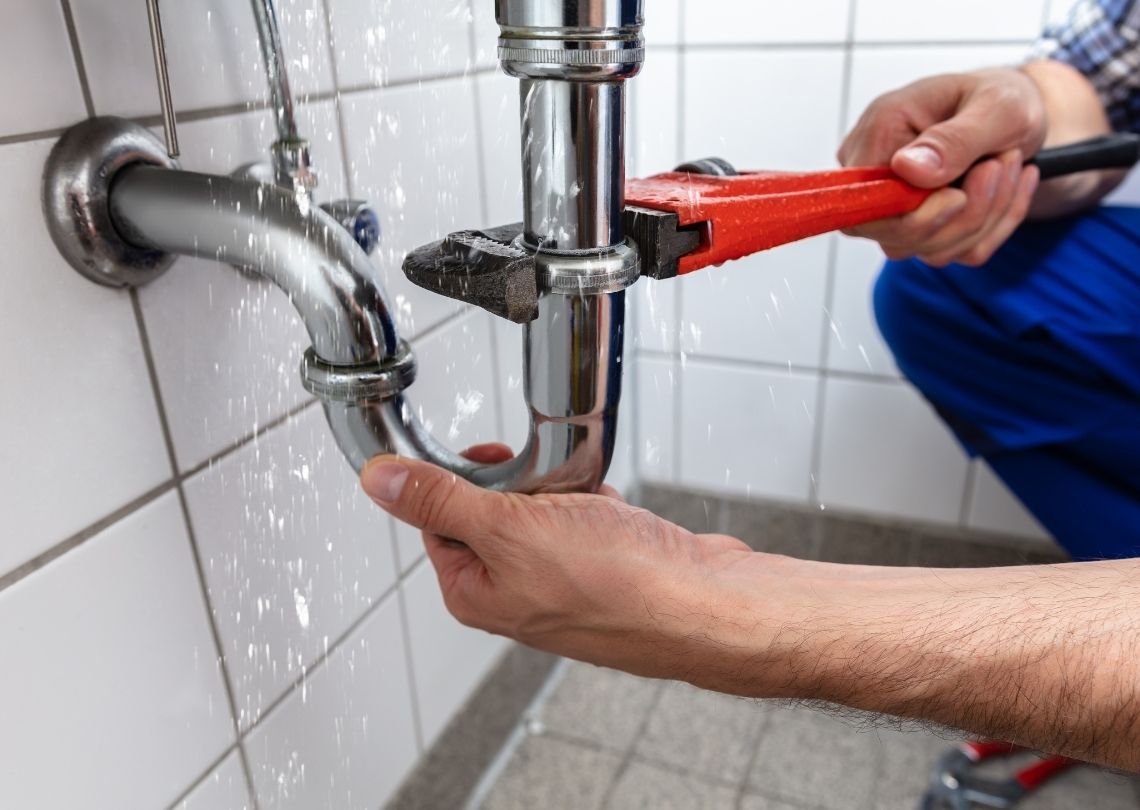
A basic cleaning process is relatively straightforward. Place a bucket beneath the trap, loosen the slip nuts, and carefully remove the curved section. Once detached, you can clear out accumulated debris, rinse the component thoroughly, and reinstall it. After reassembly, run water to confirm proper flow.
For many households, this simple maintenance step can restore normal drainage performance in under an hour.
However, hesitation or uncertainty often leads homeowners toward chemical drain cleaners. While these products may seem convenient, they can create additional problems by weakening seals, degrading pipe materials, and damaging internal plumbing components over time. Mechanical cleaning is typically safer and more effective.
How the Horizontal Drain Arm Collects Hidden Buildup
Beyond the trap, the horizontal drain line extending from the sink to the wall connection is another frequent problem area. Unlike vertical sections where gravity helps move debris downward, this horizontal segment relies heavily on consistent water flow to keep solids suspended and moving.
When flow slows—even slightly—residue begins to cling to the inner walls of the pipe. Small amounts of grease, food particles, and soap residue gradually accumulate. At first, the change was barely noticeable. Water may drain just a bit slower than usual.
Over time, however, these minor deposits build into a thicker obstruction. In many cases, the material becomes dense and sticky, especially when mixed with mineral deposits from hard water. This combination can create a hardened layer that significantly reduces pipe diameter, eventually causing full blockages.
What makes this issue more frustrating is how gradually it develops. Most homeowners don’t notice until the sink is already draining poorly or backing up during normal use.
Dishwasher Drain Lines and Unexpected Backflow Issues
Another often-overlooked contributor to kitchen drainage problems is the dishwasher branch line. This small connection carries wastewater from the dishwasher into the sink drain system, and it handles a mix of warm water, detergent, dissolved fats, and fine food particles.
Because this mixture is warm and slightly soapy, it may seem harmless. However, it can become problematic when the branch line or its connection point begins to narrow due to buildup.
When partial blockages form, pressure changes in the system can force water to behave unpredictably. Instead of flowing smoothly into the main drain, wastewater may back up into the sink. In some cases, homeowners notice the sink filling slightly after a dishwasher cycle finishes. In others, unpleasant odors may become noticeable around the sink or drain opening.
These symptoms are often misattributed to the dishwasher itself, when the real issue lies in the shared drain pathway. The connection point between the dishwasher line and the sink drain is usually the first place to inspect when these symptoms appear.
Recognizing Early Warning Signs in Drain Performance
Drain restrictions rarely happen all at once. Instead, they typically develop in stages. Early signs include slightly slower drainage, occasional gurgling sounds, or minor odor issues near the sink area. These subtle changes are often the first indication that buildup is forming somewhere in the system.
Addressing these symptoms early can prevent more serious blockages later. Once a full obstruction forms, water flow becomes significantly restricted, and simple maintenance steps may no longer be enough to restore proper function.
Why System Awareness Matters More Than Appliance Use
A garbage disposal is only one part of a larger plumbing system. Even when the unit itself is functioning properly, the pipes it feeds into determine how efficiently waste is carried away. Understanding how each section—from the disposal to the trap, horizontal line, and branch connections—works together helps explain why drainage issues occur in the first place.
In many cases, improving system performance has less to do with replacing equipment and more to do with identifying where buildup is forming and addressing it before it becomes a larger obstruction.
Watch for water-flow and habit triggers
People want a single villain. Most recurring clogs are a tag-team: habits plus geometry.
Not enough cold water
Cold water matters because it keeps grease from smearing as a liquid film. It also gives you the volume needed to push debris through the trap and into the main sewer line instead of letting it settle.
This recommendation isn’t folklore; it’s tied to the thermal mechanics of grease behavior, and the “why” is spelled out nicely in this note about cold water helping keep fats solid for better clearing.
Overloading the chamber
If you treat the disposal like a mouth and not a tool, you’ll overfeed it. Then it grinds longer, heats up, emulsifies fats, and the slurry moves slowly into the trap where it settles.
Small batches. Short bursts. Let water flow before, during, and after. That’s how you stop creating the same clog every Tuesday.
Hot water false fixes
Hot water feels like competence. You’re “melting” the problem. What you’re often doing is liquefying grease so it can travel deeper, coat more pipe, then cool into a denser blockage later.
That trap is why it’s worth reading a straight explanation of the hot-water grease effect coating internal pipe walls. It’s not dramatic. It’s just annoyingly true.
Check installation and venting red flags
Sometimes the issue isn’t what you put down the drain. It’s how the thing was assembled, especially in remodel-heavy cities where “handy” work is everywhere.
Loose or misaligned discharge
If the discharge elbow is misaligned, you can get chronic slow drainage because the outlet creates turbulence and catches debris. Loose connections also drip under the cabinet, which people ignore until the particle board swells and the smell gets weird.
Wrong trap setup
Wrong trap depth, too many bends, funky reducers, or a trap arm that runs too flat. All of it increases settling.
This is also where sizing gets real. Kitchen plumbing is commonly built around that 1.5-inch line standard and a dedicated trap, which is why the constraints in this note about typical 1.5-inch drain line compatibility matter when you’re stuffing it with food waste.
Poor vent airflow
Venting sounds abstract until you hear the gurgle. If the vent is blocked or the layout is wrong, the system can’t pull air, which means water tries to drain while fighting pressure. That slow, hesitant flow makes buildup easier.
If your sink burps when you drain a full basin, I start thinking of venting and partial blockages as a pair, not as separate mysteries.
Know when wear and hard water win
Disposal age. Motors weaken, grind rings wear, corrosion creates rough surfaces that grab debris, and seals get tired. In hard-water areas, mineral buildup narrows pipes and accelerates the “slow drain to backups” timeline.
At some point, maintenance is just delaying the inevitable. The average lifespan floats around a decade for many units, which lines up with this note on 10-year life expectancy and declining efficiency. If yours is older and clogs are frequent, replacing the appliance can be rational, but only after you’re sure the drain line isn’t the real bottleneck.
If you’ve cleaned the trap, adjusted habits, and the clogged garbage disposal routine keeps coming back, that’s where I stop playing DIY hero and call a plumber. In Los Angeles, that usually means asking for a camera scope so you can see if you’re dealing with buildup, a belly in the line, or something worse that’s flirting with the sewer line.
For minor clogs that are clearly local and recent, these are the DIY moves I actually respect:
- Kill power at the switch or breaker, then use the reset button if the unit is jammed.
- Clear the trap mechanically (bucket, slip nuts, cleanout, reassemble).
- Flush with cold water for a solid 30 seconds after grinding, not a polite drizzle.
- If you want the vinegar and baking soda routine, fine, but treat it as light maintenance, not a cure for severe clogs.
If you’re seeing backups more than once every couple months after doing the above, you’re in “stop guessing” territory:
- Recurring backups plus gurgling, especially with other fixtures, deserves professional drain cleaning.
- Standing water and foul odor that returns quickly can signal deeper blockages.
- Any hint of sewage, especially near floor drains, is a same-day call.
Conclusion
Frequent disposal clogs aren’t a personality quirk of your kitchen. They’re a repeatable outcome: grease plus the wrong food scraps plus weak water flow, meeting a trap and a horizontal run that are happy to collect sludge all day.
Fixing it is annoyingly unglamorous. Wipe out fats. Stop feeding it fibrous and starchy stuff. Use cold water like you mean it. Clean the trap when the symptoms point there. When the backups keep returning anyway, don’t keep “resetting your life” every two weeks. Get a plumber to scope the line and tell you what’s actually living in your drains. That’s how you end the loop.
FAQ
Why do clogs happen more in summer?
More cooking, more guests, more plates scraped, more watermelon rinds and corn silk, more dishwasher cycles. You’re simply putting more waste through a system that already has narrow passages and a trap designed to collect water. More volume exposes existing restrictions.
How do I tell if it’s the disposal unit or the main line?
If only the kitchen sink is acting up and the unit is humming or draining slowly, start local: trap, branch, horizontal run. If toilets gurgle, multiple drains are slow, or you get backups in unexpected places, start thinking about the main sewer line and call a plumber.
Are coffee grounds and eggshells really that bad?
Yes. Grounds form a gritty sludge that sticks to grease film. Eggshell fragments can behave like sediment. If your goal is fewer clogs, keep both out of the disposal.
Is boiling water ever a good idea?
For grease problems, it’s a short-term illusion. Boiling water can move liquefied grease deeper into the plumbing system, then it cools and sets up shop again.
When should I replace the unit instead of fighting it?
If it’s old, underpowered for the household, frequently jams on soft food, or drains poorly even when your pipes are confirmed clear, replacement makes sense. If the drain line is restricted, a new unit will inherit the same problem.
Hard Water, Mineral Buildup & Pipe Corrosion: What Santa Rosa Homeowners Should Know
Hard water can quietly damage a plumbing system over time. Mineral deposits from calcium and magnesium gradually build up inside pipes, fixtures, and appliances, reducing water flow, lowering efficiency, and increasing the risk of corrosion. Left unchecked, this buildup can lead to costly repairs, failing water heaters, and premature pipe replacement. Yorkshire Plumbing helps homeowners in Santa Rosa identify and manage hard water problems before they cause serious plumbing damage.
In many Sonoma County homes, mineral-rich water slowly leaves deposits inside plumbing lines. These deposits narrow pipes, clog fixtures, and place extra strain on water heaters and appliances. Warning signs may include reduced water pressure, white residue on faucets, longer heating times from water heaters, or discolored water coming from taps. Over time, mineral buildup can also contribute to pipe corrosion, weakening plumbing lines and increasing the likelihood of leaks.
Our team uses advanced diagnostic tools to inspect plumbing systems thoroughly, even when pipes run underground or behind walls. By identifying mineral buildup and early corrosion, we can recommend practical solutions that protect the system and extend the life of pipes, fixtures, and water-using appliances. Clear explanations and straightforward options help homeowners understand what is happening and how to prevent further damage.
No guesswork. No unnecessary upsells. Just honest information and reliable plumbing solutions designed to protect your home’s plumbing system.
With nearly a decade of experience serving Sonoma County, this family-owned company has built a reputation for careful workmanship, honest service, and dependable results. Yorkshire Plumbing does more than repair pipes. We help homeowners understand how hard water affects plumbing systems and provide solutions that reduce mineral buildup and prevent corrosion.
If you’re concerned about hard water, mineral buildup, or pipe corrosion affecting your plumbing system, contact Yorkshire Plumbing today for a professional evaluation and practical guidance.
Disclaimer
The information provided on this website is for general informational and educational purposes only and is not intended as professional plumbing or construction advice. You should consult with a licensed plumber or qualified contractor for guidance specific to your home or situation. Do not rely solely on the content of this site to make decisions about plumbing repairs, installations, or maintenance. While we strive to keep the information current and accurate, it may not reflect the most recent industry standards or code requirements. Yorkshire Plumbing & Drain Services disclaims all liability for any actions taken or not taken based on the content of this site, to the fullest extent permitted by law.