A garbage disposal is one of the most convenient appliances in any modern kitchen. It helps reduce food waste, keeps trash bins cleaner, and makes meal cleanup faster and more efficient. However, when unpleasant odors begin coming from the disposal, that convenience can quickly become a frustrating problem.
Many homeowners assume a foul smell from the garbage disposal means the unit is broken or needs replacement. In reality, most disposal odors result from trapped food particles, grease buildup, bacterial growth, or poor maintenance habits. These issues can often be resolved with simple cleaning methods and preventive care.
Ignoring unpleasant smells can lead to more than just an uncomfortable kitchen environment. Persistent odors may indicate food accumulation inside the grinding chamber, drain line, splash guard, or connected plumbing components. Over time, these materials can contribute to clogs, reduced disposal performance, and even plumbing issues.
Understanding why your garbage disposal smells is the first step toward eliminating the odor and preventing it from returning. Fortunately, many solutions are inexpensive, safe, and easy for homeowners to perform without specialized tools.
This guide explains the most common causes of garbage disposal odors, effective cleaning techniques, preventive maintenance practices, and signs that professional service may be necessary. Whether you’re dealing with a mild odor or a strong lingering smell, these tips can help restore freshness to your kitchen and keep your disposal operating properly.
Key Takeaways
- Garbage disposal odors are usually caused by trapped food debris, grease, and bacterial growth.
- The splash guard is one of the most common sources of unpleasant smells.
- Regular cleaning helps prevent odor buildup and improves disposal performance.
- Ice, baking soda, vinegar, and citrus peels can help clean and freshen the unit.
- Avoid placing grease, oils, and certain foods down the disposal.
- Persistent odors may indicate deeper plumbing or disposal issues.
- Professional inspection may be necessary when smells continue despite cleaning.
Common Reasons Your Garbage Disposal Smells
Unpleasant odors coming from a garbage disposal are often caused by everyday kitchen use. While the unit is designed to break down food waste and send it through the plumbing system, certain materials can linger behind and create foul smells over time. Identifying the source of the odor is the first step toward restoring a fresher kitchen environment.
Food Residue Left Behind
A garbage disposal does not always flush every piece of food completely out of the system. Tiny fragments can remain inside the disposal chamber, where they gradually decay.
Food particles commonly collect in areas such as:
- Around the impellers
- Inside crevices and grooves
- Along interior surfaces
- Beneath splash guards
- Near the drain opening
Certain foods are more likely to leave residue behind than others. Starchy foods like rice and pasta can expand when exposed to water, while fibrous vegetables and fruit peels may cling to internal components. Small amounts of meat, seeds, and leftovers can also become trapped and contribute to lingering odors.
Routine maintenance helps prevent these materials from accumulating and turning into a source of unpleasant smells.
Natural Decomposition of Organic Waste
Once food remnants remain inside the disposal, decomposition begins. The warm, damp environment beneath the sink creates ideal conditions for organic matter to break down.
As this process occurs, various gases and compounds are released, producing odors that may resemble:
- Rotten food
- Sour waste
- Sulfur or egg-like smells
- Fermented organic material
The intensity of these odors typically increases the longer food debris remains inside the unit. What starts as a mild smell can quickly become noticeable throughout the kitchen if not addressed promptly.
Buildup of Microorganisms
Garbage disposals are exposed to moisture almost every day, making them a favorable environment for bacteria and other microorganisms. When food residue remains inside the system, microbial growth can develop on internal surfaces.
Over time, these organisms form a slimy coating known as biofilm. This layer can adhere to disposal components, drain walls, and rubber splash guards.
Common signs that microbial growth may be contributing to odors include:
- Smells that return shortly after cleaning
- Persistent musty scents
- A sour smell near the sink
- Visible slime or residue around the drain opening
Because biofilm attaches firmly to surfaces, a quick rinse is often insufficient to eliminate the problem completely.
Grease and Fat Deposits
Another frequent cause of disposal odors involves cooking grease and animal fats entering the drain system. Although these substances may appear harmless when poured down the sink in liquid form, they often harden as they cool.
Common contributors include:
- Cooking oil
- Bacon drippings
- Butter and margarine
- Poultry fat
- Meat juices
Once solidified, these materials create sticky coatings inside the disposal and plumbing. Food particles can adhere to the buildup, creating additional areas where decomposition occurs.
Beyond producing unpleasant smells, grease accumulation may also:
- Reduce drainage efficiency
- Encourage bacterial activity
- Increase the likelihood of blockages
- Contribute to recurring plumbing issues
Avoiding grease disposal and maintaining regular cleaning habits can significantly reduce odor-related problems while helping the system operate more effectively.
The Splash Guard May Be the Hidden Source of Disposal Odors
When unpleasant smells develop around a kitchen sink, many homeowners focus their attention on the grinding chamber and drain lines. However, one frequently overlooked component can be responsible for some of the strongest odors in the entire system: the splash guard.
Because this part sits directly at the sink opening, it comes into contact with food waste, moisture, and grease on a daily basis. Without regular attention, it can become a significant source of lingering kitchen odors.
Understanding the Purpose of the Splash Guard
The splash guard is the flexible rubber piece located inside the sink drain above the disposal unit. It contains several flaps that allow food scraps and water to pass through while helping contain the disposal’s operation.
This component serves several important functions:
- Reduces water spray during use
- Helps prevent accidental contact with moving parts
- Limits debris from being forced back into the sink
- Improves overall disposal safety
Although it plays an important role, its design also creates areas where organic matter can accumulate unnoticed.
Why Odors Often Originate Beneath the Rubber Flaps
The underside of the splash guard is rarely visible during everyday use. As a result, residue can build up for weeks or even months without being detected.
Materials commonly trapped underneath include:
- Small food fragments
- Grease residue
- Coffee grounds
- Vegetable fibers
- Sauce and liquid remnants
The folds and creases in the rubber create numerous pockets where debris can settle. Combined with constant moisture and limited airflow, these conditions encourage the development of odor-causing microorganisms.
Over time, buildup on the underside of the guard can produce strong smells that resemble spoiled food, mildew, or stagnant waste. In many cases, homeowners mistakenly assume the disposal itself is failing when the actual issue is concentrated around the rubber barrier.
Signs the Splash Guard Needs Attention
A dirty splash guard may be the culprit if you notice:
- Unpleasant smells near the sink opening
- Odors that return shortly after cleaning the disposal
- Visible residue on the rubber surface
- A slimy texture underneath the flaps
- Strong smells that become more noticeable when running water
Because the guard sits at the top of the system, odors generated there can spread quickly throughout the kitchen.
How to Clean the Splash Guard Properly
Fortunately, cleaning this component is simple and often produces immediate results.
Follow these steps:
- Turn off power to the disposal for safety.
- Put on protective cleaning gloves.
- Gently pull back the rubber flaps.
- Use a small brush or old toothbrush to scrub all surfaces.
- Apply dish soap or a non-abrasive household cleaner.
- Pay special attention to hidden grooves and folds.
- Rinse thoroughly with warm water.
- Repeat as needed to remove stubborn residue.
Including the splash guard in your regular sink maintenance routine can help keep the disposal area cleaner, fresher, and less prone to recurring odor problems.
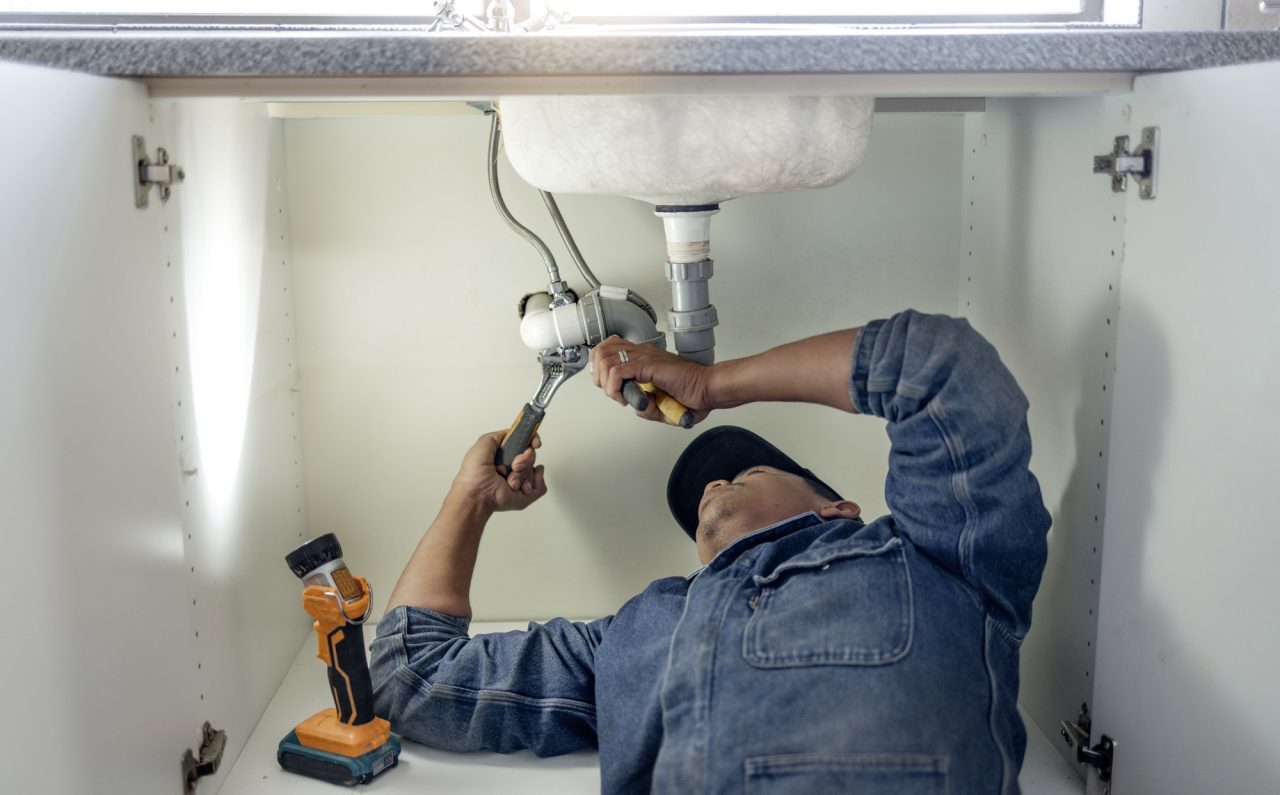
Effective Ways to Eliminate Garbage Disposal Odors
Once unpleasant smells develop inside a garbage disposal, thorough cleaning is often necessary to restore a fresh kitchen environment. Fortunately, several safe and effective maintenance techniques can help remove residue, break down odor-producing contaminants, and improve overall disposal performance.
Combining multiple cleaning methods on a regular basis can help prevent recurring odor issues while extending the life of the unit.
Remove Residue with Ice Cubes
One of the simplest ways to clean the interior of a disposal is by using ordinary ice cubes. While ice may seem unlikely to help, it can provide a gentle scrubbing action as it passes through the grinding mechanism.
How Ice Helps Clean the Unit
As the cubes are processed, they:
- Dislodge accumulated particles
- Help scour interior surfaces
- Break apart minor deposits
- Carry loose debris toward the drain line
To use this method, run a steady stream of cold water and slowly feed a tray of ice cubes into the disposal. Allow the unit to operate until all the ice has been crushed and flushed away.
This technique is particularly useful for removing light buildup that may not be reached by water alone.
Freshen the Drain with Baking Soda and Vinegar
A combination of baking soda and vinegar is a popular household solution for addressing unpleasant sink odors. When combined, these ingredients create a foaming reaction that can help loosen residue and freshen interior surfaces.
Simple Cleaning Procedure
Follow these steps:
- Pour approximately one-half cup of baking soda into the drain opening.
- Add one cup of white vinegar.
- Allow the mixture to bubble and foam.
- Let it sit undisturbed for 10 to 15 minutes.
- Flush thoroughly with hot water.
This process may help dissolve organic residue while reducing odor-causing contaminants that contribute to unpleasant smells.
Freshen the System with Citrus Rinds
Natural citrus peels can provide a quick and effective way to improve the smell of a disposal. The aromatic oils found in citrus fruits release a clean, refreshing scent during grinding.
Suitable options include:
- Lemon peels
- Orange peels
- Lime rinds
- Grapefruit peels
Advantages of Citrus Cleaning
When used properly, citrus materials can:
- Leave a pleasant fragrance
- Help mask lingering odors
- Assist with removing minor surface residue
- Provide a natural alternative to chemical deodorizers
Only small amounts should be used at one time. Large quantities may place unnecessary strain on the disposal and plumbing system.
Use Proper Water Flow During Operation
One of the most overlooked aspects of disposal maintenance is adequate water usage. Insufficient water allows food waste to remain inside the unit and nearby pipes rather than being carried away completely.
Recommended Water Usage Habits
For best results, run cold water:
- Several seconds before activating the disposal
- Throughout the grinding process
- For at least 15 to 30 seconds after use
This continuous flow helps transport waste through the drainage system and reduces the likelihood of material settling inside the disposal or plumbing lines.
By incorporating these cleaning practices into your routine maintenance schedule, you can significantly reduce unwanted odors, improve sanitation, and keep your garbage disposal operating more efficiently throughout the year.
Preventing Future Garbage Disposal Odors
Keeping a garbage disposal free from unpleasant smells is much easier when consistent habits are established. Instead of relying on deep cleaning only after odors appear, a preventive approach helps maintain a fresher kitchen environment and reduces the chances of buildup inside the system.
Build a Simple Weekly Maintenance Routine
One of the most effective ways to avoid recurring odor problems is to follow a regular cleaning schedule. A few minutes each week can significantly reduce the accumulation of food residue and bacteria.
A basic maintenance routine may include:
- Grinding ice cubes to help loosen interior debris
- Cleaning the rubber splash guard to remove hidden residue
- Using a baking soda and vinegar mixture for deodorizing
- Flushing the drain thoroughly with hot water
These steps work together to keep internal components clearer and minimize the conditions that cause foul smells. Consistency is more important than intensity—light, frequent upkeep is far more effective than occasional deep cleaning.
Rely on Cold Water During Every Use
Water temperature plays a bigger role in disposal performance than many homeowners realize. Using cold water helps keep fats and oils in a solidified state so they can be broken into smaller particles and carried through the plumbing system more efficiently.
Cold water usage also supports:
- Reduced grease coating inside pipes
- Better movement of ground food waste
- Lower risk of sticky residue forming on components
- Improved long-term function of grinding parts
To maximize results, cold water should be running before the disposal is turned on, remain active during operation, and continue for several seconds afterward to ensure proper flushing.
Avoid Overloading the Grinding Chamber
Another key factor in preventing odor buildup is controlling how much food enters the disposal at one time. Overloading the unit can overwhelm its grinding capacity, causing partially processed waste to remain inside the chamber.
A better approach is to introduce food scraps gradually. Small portions allow the system to:
- Process waste more efficiently
- Maintain consistent grinding performance
- Reduce leftover particles inside the chamber
- Minimize strain on mechanical parts
Taking a slower, more controlled approach not only reduces odors but also helps extend the lifespan of the appliance.
Operate the Disposal on a Regular Basis
Disposals that sit unused for extended periods are more likely to develop stagnant water conditions and microbial growth. Even without heavy food waste, inactivity can allow moisture and residue to settle inside the unit.
Running the disposal occasionally helps:
- Keep internal components moving freely
- Prevent stagnant buildup inside the chamber
- Discourage bacterial development
- Maintain a fresher-smelling sink area
Even brief weekly operations with water flow can make a noticeable difference in odor prevention.
By combining regular maintenance, proper usage habits, and consistent water practices, homeowners can significantly reduce the likelihood of unpleasant disposal smells and keep the kitchen environment cleaner over time.
When Disposal Odors Indicate a Bigger Problem
Sometimes cleaning alone will not solve the issue.
Drain Line Blockages
Odors may originate from a partial blockage further down the drain.
Warning Signs
Look for:
- Slow drainage
- Gurgling sounds
- Water backups
- Persistent odors
These symptoms may indicate a developing clog.
Sewer Vent Problems
Plumbing vents help regulate pressure and remove sewer gases.
Signs of Vent Issues
Potential indicators include:
- Sewer-like smells
- Multiple affected drains
- Gurgling fixtures
A professional plumber may be required to diagnose vent problems.
Worn or Damaged Disposal Components
Older disposals may develop odor issues due to wear.
Potential problems include:
- Internal corrosion
- Cracked components
- Damaged seals
When these issues occur, replacement may be more cost-effective than repeated repairs.
Signs You May Need a New Garbage Disposal
Although odors often have simple causes, sometimes replacement is the best solution.
Frequent Repairs
Repeated repairs can become expensive.
A new unit may offer:
- Improved efficiency
- Better reliability
- Quieter operation
Persistent Odors Despite Cleaning
If thorough cleaning repeatedly fails to eliminate odors, hidden damage may exist.
Professional inspection can determine whether replacement is appropriate.
Conclusion
A smelly garbage disposal is a common household problem, but it is rarely something homeowners must simply tolerate. In most cases, unpleasant odors result from trapped food particles, grease accumulation, bacterial growth, or buildup beneath the splash guard. Regular cleaning and proper operating habits can eliminate these issues and prevent them from returning.
Simple maintenance practices such as using cold water, cleaning the splash guard, grinding ice, and flushing the system regularly can significantly improve disposal performance and kitchen freshness. Avoiding grease, fibrous foods, and excessive food waste further reduces the risk of odor development.
If odors persist despite thorough cleaning, the issue may involve deeper plumbing concerns, drain blockages, venting problems, or an aging disposal unit. In these situations, professional inspection can identify the root cause and recommend the most effective solution.
With proper care and timely maintenance, your garbage disposal can remain clean, efficient, and odor-free for years to come.
Frequently Asked Questions
Why does my garbage disposal smell even after cleaning?
The odor may be coming from the splash guard, drain pipes, grease buildup, or a developing clog further down the plumbing system.
Is it safe to put bleach in a garbage disposal?
Occasional diluted bleach use may be acceptable, but frequent use can damage components and disrupt beneficial bacteria in septic systems. Safer alternatives include baking soda and vinegar.
How often should I clean my garbage disposal?
A basic cleaning once per week is recommended for most households. Heavy-use kitchens may benefit from more frequent maintenance.
Can lemon peels damage a garbage disposal?
Small amounts are generally safe and can help freshen the unit. However, large quantities may contribute to buildup in some plumbing systems.
What foods should never go into a garbage disposal?
Avoid grease, cooking oil, bones, fibrous vegetables, coffee grounds, pasta, rice, and large amounts of starchy foods.
When should I call a plumber for disposal odors?
Contact a professional if odors persist despite cleaning, if drains are slow, if water backs up, or if sewer-like smells are present throughout the home.
Can a clogged drain cause garbage disposal odors?
Yes. Food particles trapped in partially blocked pipes can decompose and create unpleasant smells that appear to come from the disposal.
How long does a garbage disposal typically last?
Most garbage disposals last between 8 and 15 years, depending on usage, maintenance, and installation quality.
Hard Water, Mineral Buildup & Pipe Corrosion: What Santa Rosa Homeowners Should Know
Hard water can quietly damage a plumbing system over time. Mineral deposits from calcium and magnesium gradually build up inside pipes, fixtures, and appliances, reducing water flow, lowering efficiency, and increasing the risk of corrosion. Left unchecked, this buildup can lead to costly repairs, failing water heaters, and premature pipe replacement. Yorkshire Plumbing helps homeowners in Santa Rosa identify and manage hard water problems before they cause serious plumbing damage.
In many Sonoma County homes, mineral-rich water slowly leaves deposits inside plumbing lines. These deposits narrow pipes, clog fixtures, and place extra strain on water heaters and appliances. Warning signs may include reduced water pressure, white residue on faucets, longer heating times from water heaters, or discolored water coming from taps. Over time, mineral buildup can also contribute to pipe corrosion, weakening plumbing lines and increasing the likelihood of leaks.
Our team uses advanced diagnostic tools to inspect plumbing systems thoroughly, even when pipes run underground or behind walls. By identifying mineral buildup and early corrosion, we can recommend practical solutions that protect the system and extend the life of pipes, fixtures, and water-using appliances. Clear explanations and straightforward options help homeowners understand what is happening and how to prevent further damage.
No guesswork. No unnecessary upsells. Just honest information and reliable plumbing solutions designed to protect your home’s plumbing system.
With nearly a decade of experience serving Sonoma County, this family-owned company has built a reputation for careful workmanship, honest service, and dependable results. Yorkshire Plumbing does more than repair pipes. We help homeowners understand how hard water affects plumbing systems and provide solutions that reduce mineral buildup and prevent corrosion.
If you’re concerned about hard water, mineral buildup, or pipe corrosion affecting your plumbing system, contact Yorkshire Plumbing today for a professional evaluation and practical guidance.
Disclaimer
The information provided on this website is for general informational and educational purposes only and is not intended as professional plumbing or construction advice. You should consult with a licensed plumber or qualified contractor for guidance specific to your home or situation. Do not rely solely on the content of this site to make decisions about plumbing repairs, installations, or maintenance. While we strive to keep the information current and accurate, it may not reflect the most recent industry standards or code requirements. Yorkshire Plumbing & Drain Services disclaims all liability for any actions taken or not taken based on the content of this site, to the fullest extent permitted by law.