A garbage disposal is one of the hardest-working appliances in the kitchen. Day after day, it helps process food scraps, reduce waste, and keep sinks functioning efficiently. Because it operates out of sight beneath the sink, many homeowners rarely think about it until something goes wrong. However, like any mechanical appliance, a garbage disposal has a limited lifespan. Over time, its motor, grinding components, seals, and electrical systems experience wear that can affect performance and reliability.
Many disposal problems can be resolved with simple maintenance, clearing a jam, or pressing the reset button. However, there comes a point when repairs become less practical and replacement becomes a smarter investment. Knowing the warning signs can help homeowners avoid unexpected breakdowns, water damage, unpleasant odors, and costly plumbing issues.
The challenge is determining whether the disposal needs a minor repair or if it has reached the end of its useful life. Frequent clogs, persistent leaks, unusual noises, poor grinding performance, and repeated electrical problems are often indicators that the unit is struggling. Ignoring these symptoms can lead to more serious issues, including damage to plumbing systems and kitchen cabinets.
This guide explores the most common signs that it may be time to replace your garbage disposal. By understanding what to look for, you can make informed decisions about maintenance, repairs, and upgrades while keeping your kitchen operating smoothly and efficiently.
Key Takeaways
- Most garbage disposals last between 8 and 15 years with proper maintenance.
- Frequent repairs may cost more over time than replacing the unit.
- Persistent clogs, leaks, and unusual sounds often indicate significant wear.
- A disposal that constantly needs resetting may have a failing motor.
- Lingering odors can sometimes signal internal deterioration.
- Poor grinding performance affects drainage and kitchen convenience.
- Replacing an aging unit can improve efficiency, reliability, and safety.
Understanding the Typical Lifespan of a Garbage Disposal
Before identifying replacement signs, it’s helpful to understand how long these appliances typically last.
Average Service Life
Most residential garbage disposals function reliably for approximately 8 to 15 years. Several factors influence longevity, including:
- Frequency of use
- Quality of installation
- Type of food waste processed
- Maintenance habits
- Motor quality
Units that receive proper care often remain operational for over a decade, while heavily used systems may wear out sooner.
Factors That Accelerate Wear
Certain habits can shorten the lifespan of a disposal:
- Grinding hard objects regularly
- Processing fibrous materials
- Allowing grease accumulation
- Running without adequate water flow
- Ignoring maintenance needs
When these practices become routine, components experience increased strain and deteriorate more quickly.
Frequent Clogs Are Becoming a Regular Problem
An occasional clog is normal. However, repeated blockages may indicate that the disposal is no longer functioning effectively.
Reduced Grinding Efficiency
As grinding components wear down, they become less effective at breaking food waste into small particles.
Common symptoms include:
- Food remaining in the chamber
- Slower drainage
- More frequent sink backups
- Increased need for plunging
Why Worn Components Matter
Older grinding elements struggle to process waste efficiently. Larger particles can accumulate in drain lines, increasing the likelihood of recurring clogs.
If clearing blockages becomes a regular household chore, replacement may provide a long-term solution.
Constant Need for Resetting
The reset button is designed to protect the motor from overheating or overloading.
Occasional Resets Are Normal
A disposal may require a reset after:
- Processing excessive food waste
- Encountering a jam
- Experiencing temporary overheating
These isolated incidents are typically not a cause for concern.
Frequent Shutdowns Are Different
If the unit repeatedly trips its overload protector, it may indicate:
- Motor fatigue
- Electrical component failure
- Internal mechanical resistance
A disposal that needs resetting regularly is often approaching the end of its service life.
Slow Draining Despite Clearing Clogs
Many homeowners assume slow drainage always means a clogged pipe. However, the disposal itself may be responsible.
Food Waste Isn’t Being Processed Properly
A worn unit may leave food particles too large for efficient drainage.
Signs include:
- Water backing up into the sink
- Waste accumulating in the chamber
- Increased drain maintenance
Impact on Plumbing
Poor grinding performance places additional stress on drain lines and may contribute to recurring plumbing issues throughout the kitchen.
Replacing the disposal can restore proper waste processing and improve drainage efficiency.
Persistent Odors That Won’t Go Away
Garbage disposals occasionally develop unpleasant smells due to trapped food residue.
Normal Odors vs. Serious Problems
Routine odors often disappear after cleaning.
Methods include:
- Ice cubes
- Citrus peels
- Baking soda rinses
When Smells Persist
If unpleasant odors continue despite thorough cleaning, internal deterioration may be occurring.
Potential causes include:
- Deep internal corrosion
- Trapped waste in damaged components
- Aging materials absorbing odors
When cleaning no longer solves the problem, replacement may be the best option.
The Motor Struggles to Start
A healthy disposal should activate quickly when switched on.
Delayed Startup
If the motor hesitates before operating, it may indicate:
- Electrical wear
- Aging components
- Reduced motor efficiency
Humming Without Grinding
One common symptom of failure is a humming sound without blade movement.
This often signals:
- Internal motor problems
- Mechanical resistance
- Worn bearings
While some humming issues result from jams, repeated occurrences can indicate a failing unit.
Visible Rust or Corrosion
Many garbage disposals are exposed to constant moisture.
Surface Corrosion
Minor surface discoloration is not always problematic.
However, extensive corrosion deserves attention.
Signs of Serious Deterioration
Look for:
- Rust around mounting hardware
- Corrosion near seals
- Deteriorating metal surfaces
- Flaking components
Corrosion weakens structural integrity and often leads to leaks or mechanical failures.
Increasing Repair Costs
Repairs can be worthwhile for newer units, but older disposals often become expensive to maintain.
Evaluating Repair Frequency
Ask yourself:
- How often does the disposal require service?
- Are problems becoming more frequent?
- Are repair costs increasing?
When Replacement Makes More Sense
If repair expenses begin approaching the cost of a new unit, replacement is often the better investment.
A newer disposal may offer:
- Better performance
- Improved energy efficiency
- Quieter operation
- Enhanced durability
Reduced Grinding Power
One of the clearest signs of wear is declining performance.
Food Takes Longer to Process
You may notice:
- Longer operating times
- Incomplete grinding
- More residue left behind
Increased Motor Strain
As efficiency decreases, the motor works harder to perform routine tasks.
This additional strain often accelerates overall wear and contributes to future breakdowns.
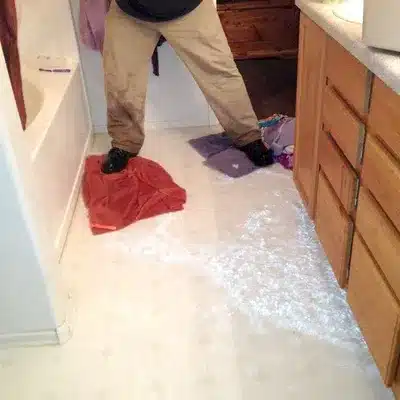
The Garbage Disposal Is More Than 10 Years Old
While age alone does not automatically mean a garbage disposal needs to be replaced, it is an important factor to consider when evaluating the condition of the unit. Like most household appliances, garbage disposals experience gradual wear over time. Even if the system appears to be functioning, years of daily use can take a toll on critical components hidden inside the housing. Once a disposal reaches or exceeds the 10-year mark, homeowners should pay closer attention to its performance and overall reliability.
Aging Components Become Less Reliable
A garbage disposal contains several moving and electrical parts that naturally wear down after years of operation. Every time the unit processes food waste, these components are subjected to friction, moisture, vibration, and heat. Although designed for long-term use, no mechanical system is immune to deterioration.
Some of the parts most commonly affected by age include:
- Bearings that support motor movement
- Internal seals that help prevent leaks
- Electrical wiring and connections
- Grinding rings and impellers
- Mounting assemblies and fasteners
As these components wear, the disposal may become less efficient and more prone to operational problems. Performance issues often begin gradually, making them easy to overlook until they become more frequent or severe.
Increased Risk of Unexpected Breakdowns
Older disposals are more susceptible to sudden failures because multiple components may be nearing the end of their service life simultaneously. A unit that has operated reliably for years may begin showing signs such as intermittent operation, unusual sounds, slower waste processing, or occasional leaks.
Even if each issue appears minor on its own, they can indicate broader age-related deterioration within the system. When repairs become more common, homeowners may find themselves spending time and money addressing one problem after another.
An unexpected breakdown can also create inconvenience at the worst possible time, especially in busy households that rely heavily on their kitchen appliances.
Preventive Replacement Can Reduce Future Problems
When a disposal is more than a decade old and already experiencing recurring issues, replacement may be a more practical solution than continued repairs. Investing in a new unit before a complete failure occurs can help prevent larger plumbing complications, water damage, and emergency service calls.
A proactive approach allows homeowners to schedule installation at a convenient time rather than dealing with a malfunction during a kitchen emergency. It can also eliminate concerns about aging components that may fail without warning.
Modern Models Offer Meaningful Improvements
Today’s garbage disposals often provide significant advancements compared to older units. Improved motor technology, enhanced grinding systems, and better sound insulation contribute to smoother and more efficient operation. Many newer models are designed to handle food waste more effectively while producing less noise and requiring less maintenance.
Additional features such as stainless steel components, improved jam resistance, and enhanced overload protection can also contribute to longer service life and greater reliability.
When Age Becomes a Deciding Factor
A disposal that is over 10 years old may still function, but age should be considered alongside other warning signs such as leaks, frequent clogs, recurring resets, or declining performance. When these issues begin appearing together, replacement often becomes the most cost-effective and dependable option.
Upgrading an aging disposal can improve kitchen efficiency, reduce maintenance concerns, and provide peace of mind knowing the system is equipped to handle everyday use for years to come.
Benefits of Replacing an Aging Garbage Disposal
Installing a new disposal offers several advantages beyond simply fixing a problem.
Improved Performance
Newer systems typically provide:
- Faster processing
- Better grinding capability
- Smoother operation
Enhanced Efficiency
Modern units often use motors designed for:
- Lower energy consumption
- Better overload protection
- Reduced maintenance requirements
Quieter Operation
Advanced insulation and motor technology significantly reduce noise levels compared to older systems.
Increased Reliability
A new disposal helps reduce:
- Unexpected breakdowns
- Emergency repairs
- Recurring plumbing concerns
Choosing the Right Garbage Disposal for Your Home
When the time comes to install a new garbage disposal, selecting the right model is just as important as replacing the old one. Not all units are built the same, and choosing a system that matches your household’s needs can make a significant difference in performance, durability, and day-to-day convenience. Taking the time to evaluate features, motor strength, and overall construction helps ensure you get the most value from your investment.
Consider the Appropriate Motor Size
One of the first factors to evaluate is motor capacity. Garbage disposals are available in several power levels, each designed for different usage demands.
Smaller households or individuals who cook less frequently may find that a 1/3 or 1/2 horsepower model provides sufficient performance for handling everyday food scraps. These units are often budget-friendly and suitable for lighter workloads.
For families that prepare meals regularly or generate larger amounts of kitchen waste, a 3/4 horsepower disposal often offers a better balance between power and efficiency. These models can process a wider range of food residue with less strain on the motor.
Homes with heavy kitchen usage may benefit from a 1-horsepower unit. The additional power allows the system to process food waste more effectively while reducing the likelihood of jams and excessive wear. Choosing a motor that aligns with your household’s habits helps improve long-term reliability and reduces unnecessary stress on internal components.
Look for Durable Construction Materials
The quality of materials used inside a disposal can have a major impact on its lifespan. Models equipped with stainless steel grinding components are often more resistant to corrosion, rust, and everyday wear than those made from lower-grade materials.
Since disposals operate in a constantly damp environment, corrosion resistance is particularly important. Durable internal parts can maintain performance longer and reduce the chances of premature failure. Investing in stronger construction often results in fewer maintenance concerns over the years.
Evaluate Noise Reduction Features
Older garbage disposals are often known for being loud during operation. Fortunately, many modern systems include sound-dampening technology designed to reduce vibration and operating noise.
Features such as insulated grinding chambers, vibration-reducing mounts, and advanced motor designs can make a noticeable difference in kitchen comfort. This is especially valuable in open-concept homes where appliance noise can easily travel into living and dining areas.
Choosing a quieter model can improve the overall user experience without sacrificing performance.
Prioritize Reliability and Jam Prevention
Modern disposals frequently include design improvements intended to minimize common operational problems. Enhanced grinding systems, improved motor protection, and advanced anti-jam technologies can help the unit process waste more efficiently.
These features reduce the likelihood of blockages and overload situations, which can extend the life of the appliance and decrease the need for troubleshooting. A disposal that handles food waste smoothly is less likely to experience interruptions during regular use.
Consider Safety and Convenience Features
Many newer units include additional safety mechanisms designed to protect both the appliance and the homeowner. Features such as overload protection, improved splash guards, and automatic shutoff systems can provide added peace of mind.
Some models also offer easier installation designs and maintenance-friendly components, making future servicing more convenient if needed.
Making a Smart Long-Term Investment
Choosing a replacement garbage disposal should involve more than simply selecting the least expensive option available. Evaluating motor strength, construction quality, noise control, reliability features, and overall durability can help ensure the new unit meets your household’s needs for years to come.
A well-chosen disposal not only improves kitchen efficiency but also helps reduce future maintenance concerns, providing dependable performance and greater convenience throughout its service life.
Conclusion
A garbage disposal is designed to simplify kitchen cleanup, but no appliance lasts forever. While minor issues can often be repaired, recurring problems frequently signal that the unit is nearing the end of its useful life. Frequent clogs, persistent leaks, unusual noises, repeated resets, lingering odors, and declining grinding performance are all warning signs that should not be ignored.
Recognizing these symptoms early can help homeowners avoid larger plumbing issues, water damage, and unexpected appliance failures. In many situations, replacing an aging disposal is more cost-effective than continuing to invest in repairs that provide only temporary relief.
A new garbage disposal offers improved efficiency, quieter operation, enhanced reliability, and better overall performance. By paying attention to warning signs and acting proactively, you can maintain a cleaner, more functional kitchen while avoiding the inconvenience of a complete breakdown.
Frequently Asked Questions
How long does a garbage disposal typically last?
Most garbage disposals last between 8 and 15 years depending on usage habits, maintenance, and overall build quality.
Should I repair or replace my garbage disposal?
If the unit is relatively new and the issue is minor, repair may be worthwhile. However, frequent breakdowns and costly repairs often make replacement the better choice.
Why does my garbage disposal keep clogging?
Repeated clogs may indicate worn grinding components that can no longer process food waste effectively.
Is a leaking garbage disposal repairable?
Leaks from plumbing connections may be repairable. However, leaks from the housing or internal seals often require replacement.
What does it mean when my disposal hums but doesn’t grind?
A humming sound may indicate a jam, motor issue, or worn internal components. If the problem occurs repeatedly, replacement may be necessary.
Can persistent odors mean my disposal needs replacement?
Yes. If unpleasant smells remain after thorough cleaning, internal deterioration or trapped residue within damaged components may be the cause.
Is it worth replacing a 10-year-old garbage disposal?
In many cases, yes. Older units are more prone to leaks, motor failures, and reduced performance, making replacement a practical long-term investment.
Hard Water, Mineral Buildup & Pipe Corrosion: What Santa Rosa Homeowners Should Know
Hard water can quietly damage a plumbing system over time. Mineral deposits from calcium and magnesium gradually build up inside pipes, fixtures, and appliances, reducing water flow, lowering efficiency, and increasing the risk of corrosion. Left unchecked, this buildup can lead to costly repairs, failing water heaters, and premature pipe replacement. Yorkshire Plumbing helps homeowners in Santa Rosa identify and manage hard water problems before they cause serious plumbing damage.
In many Sonoma County homes, mineral-rich water slowly leaves deposits inside plumbing lines. These deposits narrow pipes, clog fixtures, and place extra strain on water heaters and appliances. Warning signs may include reduced water pressure, white residue on faucets, longer heating times from water heaters, or discolored water coming from taps. Over time, mineral buildup can also contribute to pipe corrosion, weakening plumbing lines and increasing the likelihood of leaks.
Our team uses advanced diagnostic tools to inspect plumbing systems thoroughly, even when pipes run underground or behind walls. By identifying mineral buildup and early corrosion, we can recommend practical solutions that protect the system and extend the life of pipes, fixtures, and water-using appliances. Clear explanations and straightforward options help homeowners understand what is happening and how to prevent further damage.
No guesswork. No unnecessary upsells. Just honest information and reliable plumbing solutions designed to protect your home’s plumbing system.
With nearly a decade of experience serving Sonoma County, this family-owned company has built a reputation for careful workmanship, honest service, and dependable results. Yorkshire Plumbing does more than repair pipes. We help homeowners understand how hard water affects plumbing systems and provide solutions that reduce mineral buildup and prevent corrosion.
If you’re concerned about hard water, mineral buildup, or pipe corrosion affecting your plumbing system, contact Yorkshire Plumbing today for a professional evaluation and practical guidance.
Disclaimer
The information provided on this website is for general informational and educational purposes only and is not intended as professional plumbing or construction advice. You should consult with a licensed plumber or qualified contractor for guidance specific to your home or situation. Do not rely solely on the content of this site to make decisions about plumbing repairs, installations, or maintenance. While we strive to keep the information current and accurate, it may not reflect the most recent industry standards or code requirements. Yorkshire Plumbing & Drain Services disclaims all liability for any actions taken or not taken based on the content of this site, to the fullest extent permitted by law.