When a home inspector flags plumbing problems, their report will identify leaks, blockages, or worn pipes that may require repair. Buyers and sellers frequently leverage this report when determining next steps, such as requesting repairs or price reductions prior to sealing the deal. Plumbers may be called in to inspect and provide repair estimates. The second half of this post illustrates what to expect and how people deal with flagged plumbing issues.
Key Takeaways
- Decoding a home inspection report in detail makes you aware of the gravity of each plumbing concern, leading to educated decision-making and repair prioritization.
- Addressing flagged plumbing problems such as corroded pipes, low water pressure, and active leaks is essential to maintain water quality, property safety, and the overall functionality of the plumbing system.
- Plumbing problems discovered during an inspection can impact mortgage approval, insurance coverage, and the home’s value, so it’s crucial to be prepared during the buying or selling process.
- Once you have the inspection report, negotiate repairs or credits, or withdraw your offer, depending on how extensive and costly the plumbing issues are, always putting any agreements in writing.
- Know what you’re getting into with hidden costs from unseen damage to permit fees and future-proofing your plumbing upgrades.
- Sellers gain from early fixes, honest disclosure, and thinking about as-is sale tactics. Buyers need a second opinion from competent pros to confirm and navigate.

Decoding the Inspector’s Report
Decoding the inspector’s report A home inspection report provides a picture of the property’s plumbing status on the day of inspection, of course, only what is visible and accessible. It’s not intended to frighten buyers, but to offer a dispassionate, reality-based perspective on the home. About 86% of home inspections reveal something that needs repair, and knowing what’s up with flagged plumbing issues is key for safety, negotiating, and future budgeting. Familiarity with the lingo, such as “material defect” or “end of service life,” enables buyers to interpret the findings. Plumbing reports typically flag corroded pipes, low water pressure, sluggish drains, water heater issues, and active leaks. Any of these can impact water quality, daily routines, safety, and repair costs.
1. Corroded Pipes
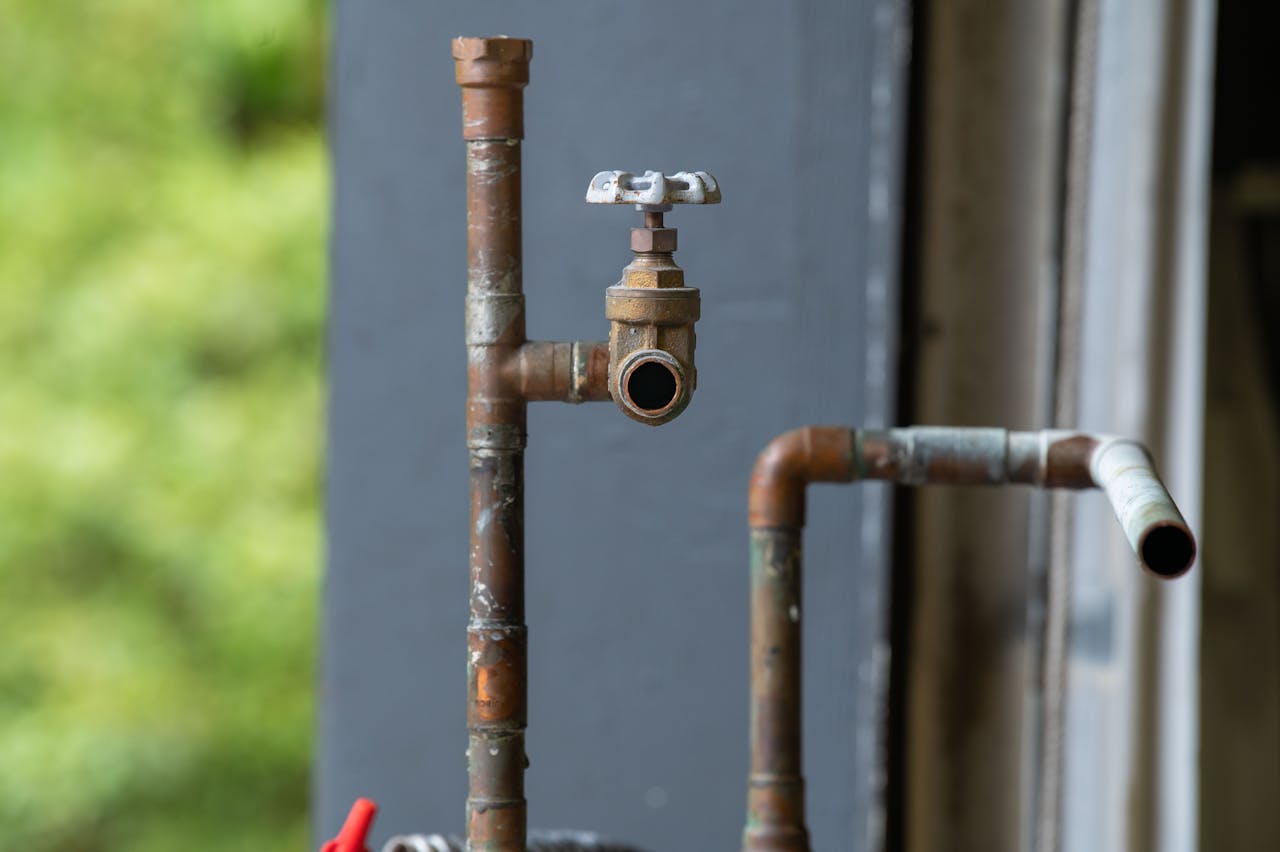
Rusted pipes typically translate to leaks, diminished water quality, and potential health hazards because of contaminants seeping into the water. They’re more typical in older homes with galvanized steel pipes, which begin to rust after ten years. If corrosion is detected, it’s wise to schedule repairs or complete pipe replacement. Inspections should be concentrated on exposed pipes and connections. However, pipes embedded in walls may need additional professional evaluation. Preventive care, like regular checks and water quality testing, can catch corrosion in the early stages and prolong pipe life.
2. Low Water Pressure
Low water pressure may stem from obstructions, pipe constriction, or aging fixtures. This impacts showering and washing and generally makes routines inefficient. If pressure drops are frequent, they stress appliances and plumbing fixtures and cause them to break down more quickly. Sometimes scouring out pipes or updating old lines can get things flowing again; in other cases, a plumber may need to see if a complete replacement is in order.
3. Slow Drains
Slow drains signal clogs, pipe narrowing, or underlying damage. Common causes are hair, grease, or debris buildup. Pipe cracks or root intrusion can slow drainage. Regular cleaning and proper waste disposal habits help prevent major clogs. Persistent slow drains call for a professional plumber to inspect and address the root cause before it escalates.
4. Water Heater Issues
Indicators such as sporadic hot water, leaks, or unusual sounds indicate water heater issues, particularly in models aged 10 to 15 years or more. Punctual fixes or improvements become the secret to preventing breakdowns. Inspectors will observe the age, apparent condition, and any indications of leakage or rust. Looking at newer, more efficient water heater models can reduce energy costs and increase dependability.
5. Active Leaks
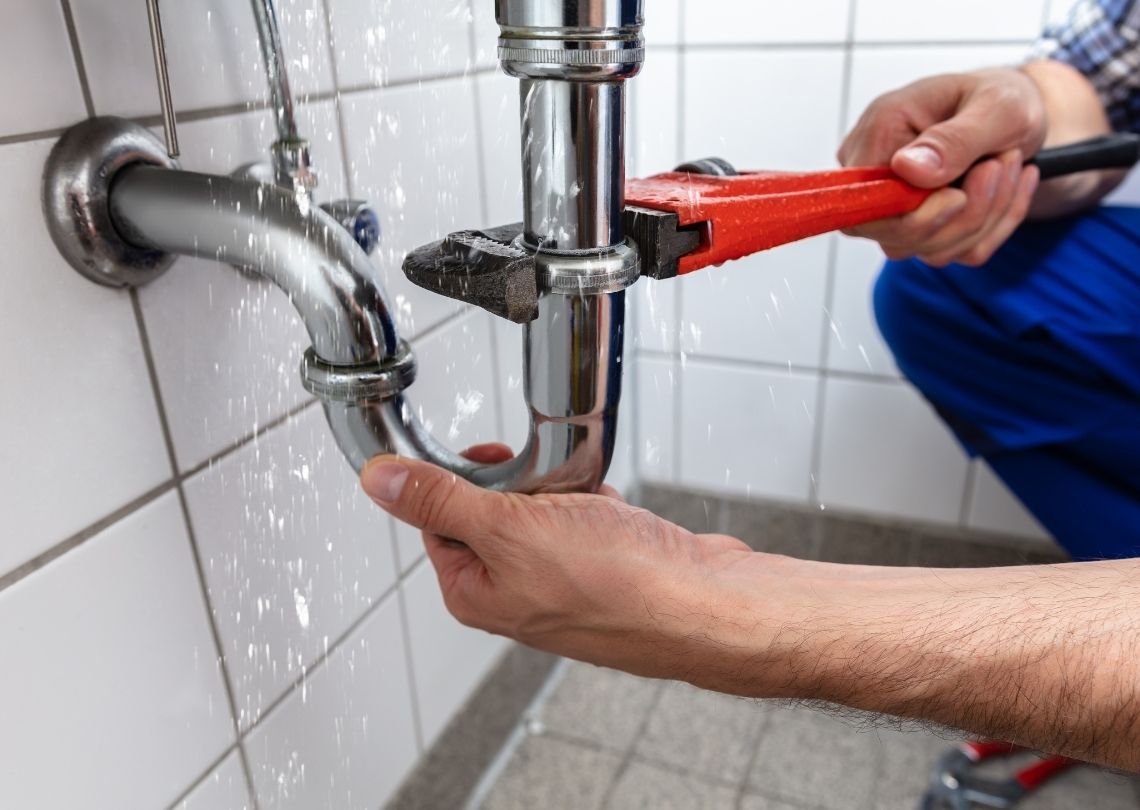
Active leaks are pressing. Water leaking from pipes or fixtures threatens to ruin walls, floors, and wiring and can encourage mold. The inspector notes directly the location and seriousness of leaks, but you need immediate intervention—call a licensed plumber right away. Leaks in vintage homes may be indicative of more extensive plumbing wear, so prepare for more comprehensive fixes if needed.
|
Issue |
Possible Impact |
Significance |
|
Corroded Pipes |
Water quality, leaks |
High—Affects safety and costs |
|
Low Water Pressure |
Routine disruption, appliance wear |
Moderate—Daily efficiency |
|
Slow Drains |
Clogs, backups |
Moderate—Hygiene and comfort |
|
Water Heater Issues |
Hot water loss, inefficiency |
High—Comfort and cost |
|
Active Leaks |
Water damage, mold |
Very High—Immediate repair |
Immediate Financial Implications
When a home inspector calls out plumbing problems, there are immediate financial implications for buyers and sellers. These issues can impact mortgage approval, insurance, valuation and can even cause a renegotiation. Knowing these implications saves buyers big money and allows sellers to anticipate the sale’s potential disappointments.
Mortgage Approval
Major plumbing problems can scare lenders. Nearly all banks and financial institutions want a property to be up to a standard before they will sign off on a loan. If there are old pipes, leaks, or water damage in a home, the lender might hold up or refuse to approve the mortgage until the repairs are completed. This is particularly the case with government-backed loans, which have more stringent health and safety standards.
Transparent communication with lenders is crucial. Buyers need to communicate with lenders about the inspection results upfront. It assists them in establishing expectations about potential hold-ups or additional demands.
Checklist for Mortgage Approval Documentation:
- Detailed inspection report noting all plumbing issues
- Quotes or invoices for needed repairs, from licensed contractors
- Receipts for work completed if repairs are done prior to closing.
- Re-inspection documentation, showing work passed local codes
Fortunately, real estate agents or brokers can help buyers and sellers deal with these mortgage hurdles. They can advise clients on timing, paperwork, and when to call in specialists such as plumbers or structural engineers.
Insurance Coverage
Plumbing problems can affect your homeowner’s insurance. A lot of insurers cap water damage, particularly if caused by neglect or a pre-existing condition. The immediate financial implications are that if plumbing issues aren’t disclosed, insurers can refuse future claims.
It’s important to disclose all known plumbing defects when applying for insurance. If you don’t, you risk having claims denied at a later date. If the inspection report exposes larger hazards, the insurer may raise premiums or demand evidence of repairs before providing a policy.
Other buyers might require additional protection, such as water back-up or sump pump failure endorsements, to guard against potential future plumbing failures. Going over policy options and comparing coverage limits can assist buyers in making an informed decision.
Property Valuation
Plumbing problems nearly always decrease property value. Appraisers factor the cost of necessary repairs and the threat of additional issues, which can lower the amount a lender will loan.
- Severity and extent of plumbing defects
- Age and material of existing pipes
- Local plumbing code compliance
- Visible water damage or mold
- History of previous plumbing repairs
Taking care of bigger plumbing issues prior to the appraisal could protect the home’s value. Sometimes, it’s worth investing in up-to-date plumbing upgrades, such as galvanized steel to copper or PEX, because it increases your property value and appeals to homebuyers seeking a move-in ready home.
Negotiation of Repairs
A red-flagged plumbing issue can often trigger a fresh round of buyer-seller negotiations. They might request price reductions or credits at closing or that repairs get done before the deal closes.
Occasionally, purchasers will require the seller to cover a re-inspection or to bring in outside specialists, such as a roofer, chimney inspector, or structural engineer, if water damage indicates more significant problems. This additional expense accumulates rapidly and puts even more of a strain on your finances.
What Are Your Next Steps?
If a home inspector flags plumbing issues, what happens next can define the entire buying experience. You need to address each step with a concise plan, taking note of the findings and how they integrate into the overall puzzle of the home’s condition. Begin with a close reading of the inspection report. List your worries in order of urgency: high for active leaks, foundation or roof troubles that could escalate quickly; medium for old fixtures; and lower for drips or slow drains. It helps sort what needs to be fixed now versus later. It’s wise to be present for the inspection, if you can, so you experience these problems up close and comprehend their severity.
Simply request a repair amendment and translate your repair list directly from your inspection report. This keeps you and your agent on track to action the process. You should have critical plumbing issues, such as leaks, broken pipes, or backflow risks, fixed first because ignoring them risks your investment and safety. Be straightforward with the seller about what you require and establish a repair schedule that meets your contract deadlines.
Negotiate Repairs
First, work with the seller or their agent to address the identified plumbing repairs prior to closing. Identify the most pressing plumbing problems in your bargaining, such as pipe leaks, waterline corrosion, or drainage difficulties. Use the inspection to strengthen your argument, demonstrating why these particular repairs are important to health and safety. For instance, the inspector discovered active leaks resulting in moisture intrusion. Emphasize how this might result in mold or foundation damage if left untreated. Put any repairs you agree to in writing and be sure they are part of the purchase agreement. This gets it in writing and forces the seller to do the work before close.
Request Credits
Sometimes it’s best to ask the seller for a credit rather than to request direct fixes. You’ll handle the plumbing after the fact. Begin by obtaining cost estimates from local contractors for the repairs and then base your credit amount on these figures. Integrate your credit request into the larger purchase negotiation, connecting it to the sales price or closing costs. For instance, if you have €2,000 in plumbing repairs, include this in your credit application. Just make sure credits are spelled out in the final contract so there’s no confusion at closing.
Withdraw Offer
If the issues are too large, consider leaving. Determine if the price risk from the plumbing is greater than the value of the home. If you do cancel, inform the seller promptly and courteously. There can be financial implications too, such as lost deposits or fees, so consider these carefully. Remember, safeguarding your investment is always priority number one, particularly if the home has structural or major system issues that might get worse or pricier.
The Cost Beyond the Quote
When a home inspector identifies plumbing problems, the original repair quote usually underrepresents the entire cost risk. For homeowners, the surprise is that hidden costs can surface during or after repairs, affecting budgets and long-term plans. These costs are variable depending on property age, location, and severity of the plumbing fault. Here’s a nice summary table of possible hidden costs and what they mean.
|
Hidden Cost Type |
Example |
Implication |
|
Hidden Damage |
Mold behind walls, structural decay |
Extensive remediation and health risk |
|
Future Upgrades |
Replacing old pipes, fixtures |
Higher upfront but long-term savings |
|
Permit Fees |
Local authority permits |
Legal compliance, extra expenses |
|
Uncovered Repairs |
Damage not seen during inspection |
Sudden budget increases |
|
Temporary Accommodations |
Hotel stay during major repairs |
Added living costs |
Hidden Damage
Plumbing problems almost never come alone. A red-flagged leak can open the door to lurking threats such as mold, warped floors or a building’s frame. These are frequently not realized until after work commences. Moisture trapped for years in older homes might have compromised key supports or permitted fungi to grow behind surfaces. The damage can add several thousand euros to the cost, particularly if structural repair or complete mold remediation is required.
When hidden damage is revealed during repairs, documentation becomes essential. Homeowners should photograph damage and keep repair invoices for insurance claims. Some insurance policies will cover hidden water damage if promptly reported. Consulting with a structural engineer or a certified mold assessor can help define the scope of needed remediation and prevent recurrence.
It’s smart to budget for hidden damage! Putting aside a contingency fund, usually 10 to 20 percent of the repair estimate, can alleviate strain if shocks occur. For homes built before the 1970s, anticipate the increased likelihood of unseen issues caused by obsolete materials and design.
Future Upgrades
That’s the opportunity of addressing flagged plumbing problems — an opportunity to optimize systems. A lot of old homes have antiquated pipes or fixtures that leak water or don’t comply with current codes. By upgrading to new materials, such as PEX or copper, you can ensure a safer home and lower the risk of leaks. Smart water sensors and low-flow fixtures are examples of modern technologies that reduce long-term costs.
When you plan future upgrades as part of the maintenance, you avoid this disruption again and again. Investigating local plumbing code helps you make sure your proposed upgrades are up to code and even add value to your property. As a homeowner, you can budget for incremental improvements instead of a full system replacement all at once.
Permit Fees
Permits are required for most plumbing repairs or upgrades, particularly when altering pipe layouts or replacing major components. Not getting permits can result in fines, rework, or resale challenges. Permit costs differ by municipality and project, ranging from €50 to more than €500.
Consulting a licensed plumber guarantees that you’re following local regulations. Asking about permit requirements in advance allows you to identify which repairs require approval. Factoring permit fees into your repair budget avoids nasty surprises and keeps you out of a courtroom.
A Seller’s Strategic Response
What should a seller do when a home inspector raises plumbing issues? The right strategy can influence property value, buyer confidence, and the speed of the sale. As a seller, you can try to fix it. You can disclose information. You can even consider selling it as-is, with each option having its own particular risks and advantages.
Proactive Repairs
Front end repairs can prevent little issues from blossoming into expensive delays. Scheduled inspections from a certified plumber can identify leaks, pipe rust, or drain errors in their nascent stages, frequently circumventing calamities. It provides sellers with an opportunity to time these checks for their peace of mind and to record any upgrades, like replaced faulty joints or fixture updates.
Preventative action such as timely filter changes, drain cleaning and pipe insulation not only prolong system life but indicate conscientious ownership. When fixes are obvious, buyers feel more comfortable with a home’s condition. In seller’s markets, some skip repairs, but many find it worth repairing obvious defects to increase desirability. By obtaining a minimum of three contractor quotes, you’re guaranteeing reasonable prices and giving sellers the opportunity to select the best value. A repair list provides evidence of affection, which can increase the value of the property and facilitate negotiations.
Full Disclosure
Sellers who disclose all known plumbing defects establish confidence. Detailed records, including bills, warranties, and inspection notes, help buyers visualize the entire history of repairs and maintenance. Such transparency can prevent or reduce wrangles down the line and promotes faster, less bumpy dealmaking.
Announcing the system’s age and any weaknesses known demonstrates respect for the buyer’s right to know. Open discussions at the deal demonstrate that the seller has nothing to hide. This is what can make the difference between a buyer moving forward or falling out. Providing a one-year home warranty or repair credits, typically by reducing the sale price, can ease buyers’ minds. In other words, 83% of sellers compromise in one way or another, showing the true worth of openness and adaptability.
As-Is Sale
With an as-is sale, the seller puts the property on the market with zero guarantees to repair flagged problems. This alternative plays best for hot markets, where demand is strong and buyers have limited alternatives. For instance, the sale price will probably reveal the plumbing’s reality, possibly scaring off some buyers but appealing to folks comfortable with fixing things.
Sellers should anticipate buyers requesting credits, a price reduction, or a ‘hold back’ whereby escrow reserves funds for repairs. These discussions can go on for days, with sellers required to respond as quickly as possible, typically within two to five days, to maintain momentum. Even with an as-is deal, complete disclosure is critical to not getting sued post-close.
Why a Second Opinion Matters
When a home inspector identifies a plumbing problem, it’s wise to get a second opinion before proceeding. Plumbing can be tricky and an issue that’s flagged might not be as cut and dry as it appears in the initial report. A second opinion from an experienced plumber helps determine whether the problem is emergency-level, negligible, or even misdiagnosed. This step gives you a better handle on what’s actually happening, so you don’t waste money on work that doesn’t address the underlying issue. Often, the initial diagnosis will target surface symptoms, such as slow drains or water stains, without identifying the underlying source. A second plumber can detect if the issue is more profound, like a concealed leak in the wall or a venting issue, ensuring you address the true root cause.
A second opinion is a good way to economize. Sometimes, the first plumber’s ‘fix’ sounds expensive or radical—replacing whole pipes or fixtures—when a more modest repair will suffice. A second opinion can reveal that a less invasive and less expensive approach is available. Say one plumber recommends digging up your yard to replace a sewer line, but the second has trenchless pipe repair for less hassle and cost. This distinction can translate into saving thousands of dollars and tons of aggravation. By comparing estimates and repair plans from two or more plumbers, you can uncover big gaps in pricing or scope of work. It’s not uncommon to have two pros recommend wildly different solutions to the same problem, or have rates that vary widely. These head-to-head comparisons help you notice if someone is gouging or skipping an essential step.
Conclusion
Home inspectors flag plumbing issues to keep buyers and sellers informed. A flagged pipe leak or bad drain points to bigger things like cost, safety, or legal risk. Purchasers leverage the report to negotiate price or repairs. Sellers resort to bandaids or call a licensed plumber out to demonstrate good faith. Both sides recognize the value of a second opinion. No one wants to play plumbing roulette with water damage or black mold. Clear action steps and quick action assist all. To keep it all fair, verify the information, request documentation, and consider more than one estimate. Need some home inspection tips or tips for your next move? See other posts and join the conversation.
Frequently Asked Questions
What does it mean if a home inspector flags plumbing issues?
It means the inspector raised red flags on your plumbing. These may be leaks, corrosion, blockages, or old pipes. The report assists buyers and sellers in understanding the extent and necessary fixes.
Can flagged plumbing issues affect the home sale?
Yup, flagged plumbing can affect the sale. Buyers can negotiate repairs or a price reduction. Unresolved problems could stall or scuttle the deal.
Who pays for plumbing repairs after inspection?
It’s up to the purchase agreement as to responsibility. Most of the time, sellers repair any major plumbing problems before closing. Other times, buyers agree to take the home “as-is” and fix repairs on their own.
Should buyers get a second plumbing opinion?
Indeed, a second opinion brings clarity. Licensed plumbers can verify the inspector’s results and give repair estimates. This assists buyers in making educated decisions.
Are plumbing issues always expensive to fix?
Not necessarily. Some issues, such as small leaks, are inexpensive. In fact, major issues like replacing pipes can be downright expensive. Professional quotes really help give you a clearer sense of costs.
Can I negotiate the home price if plumbing issues are found?
Yes, buyers can negotiate the price or ask for repairs before closing. Repair items listed on the inspection report provide justification for price negotiations.
What are hidden costs related to plumbing repairs?
Undercover expenses could be water damage fixes, mold remediation, or higher insurance. Think of these when budgeting for plumbing fixes.
Plumbing Safety, Codes & Compliance In Santa Rosa: Avoid Violations Before They Cost You
Most plumbing problems don’t start as emergencies, they start as small issues that quietly fall out of code. Over time, those issues can turn into failed inspections, safety risks, and expensive repairs that disrupt your business. Yorkshire Plumbing helps Santa Rosa property owners stay ahead of it all with expert plumbing safety and compliance services designed to catch problems early and fix them the right way.
If your building has aging pipes, inconsistent pressure, outdated fixtures, or past work that may not meet current standards, there’s a good chance something isn’t up to code. These issues often stay hidden until they trigger bigger problems like leaks, contamination risks, or compliance failures. Our team takes a close look at your system, identifying where it falls short and what needs to be done to bring everything back into alignment.
We keep things simple and clear. You’ll get a straightforward explanation of what’s going on, what’s required, and how to fix it. Whether it’s upgrading fixtures, replacing old piping, correcting improper installations, or adding safety components like backflow prevention, we focus on solutions that protect your property and keep your business running without interruption.
Yorkshire Plumbing has built a strong reputation across Sonoma County by doing things the right way. Honest recommendations, careful work, and a focus on long-term results. We don’t just fix what’s broken, we help you stay compliant, avoid future issues, and move forward with confidence.
If you’re unsure whether your plumbing is up to code, now is the time to find out. Contact Yorkshire Plumbing today and take care of potential violations before they turn into costly problems.
Disclaimer
The information provided on this website is for general informational and educational purposes only and is not intended as professional plumbing or construction advice. You should consult with a licensed plumber or qualified contractor for guidance specific to your home or situation. Do not rely solely on the content of this site to make decisions about plumbing repairs, installations, or maintenance. While we strive to keep the information current and accurate, it may not reflect the most recent industry standards or code requirements. Yorkshire Plumbing & Drain Services disclaims all liability for any actions taken or not taken based on the content of this site, to the fullest extent permitted by law.