If you’re trying to figure out how to tell if your pipes are failing internally, the fast answer is this: you’re looking for a pattern of small “weird” changes (water color, pressure, smells, sounds, recurring clogs, damp drywall) that don’t resolve when you do the normal homeowner stuff. Internal failure is usually progressive, quietly turning a normal plumbing system into a leak factory or a future burst pipe event.
Most people wait for obvious flooding. That’s the expensive way to learn.
Key Takeaways
- Internal pipe failure usually shows up as water symptoms (discolored water, low water pressure, hot-cold swings) or drain symptoms (repeat clogs, odors, gurgling), long before a burst happens.
- A “hidden leak” is often detectable by where the house changes (bubbling paint, warped flooring, cabinet base swelling) and by a simple water meter test.
- Stop gambling with quick patches if you see repeated leaks or localized blockages; a targeted inspection (often a camera) beats serial repairs and surprise water damage.

What Causes Hidden Pipe Failure?
Internal problems aren’t dramatic. They’re petty. Little processes chew on pipe walls until one day you’re standing in pooled water at 2 a.m. wondering why the shutoff valve suddenly feels like the most important technology ever invented.
Corrosion, scale, and mechanical stress are the big three. Your pipe type matters too, and so does the environment: hard water, aggressive water chemistry, soil conditions, foundation shift, freezing temperatures, even vibration from traffic. In Los Angeles, we worry about earthquakes and old galvanized runs hiding in walls; in colder regions,s the elevated risk is frozen pipes and a burst water pipe when thaw hits.
Corrosion And Pitting
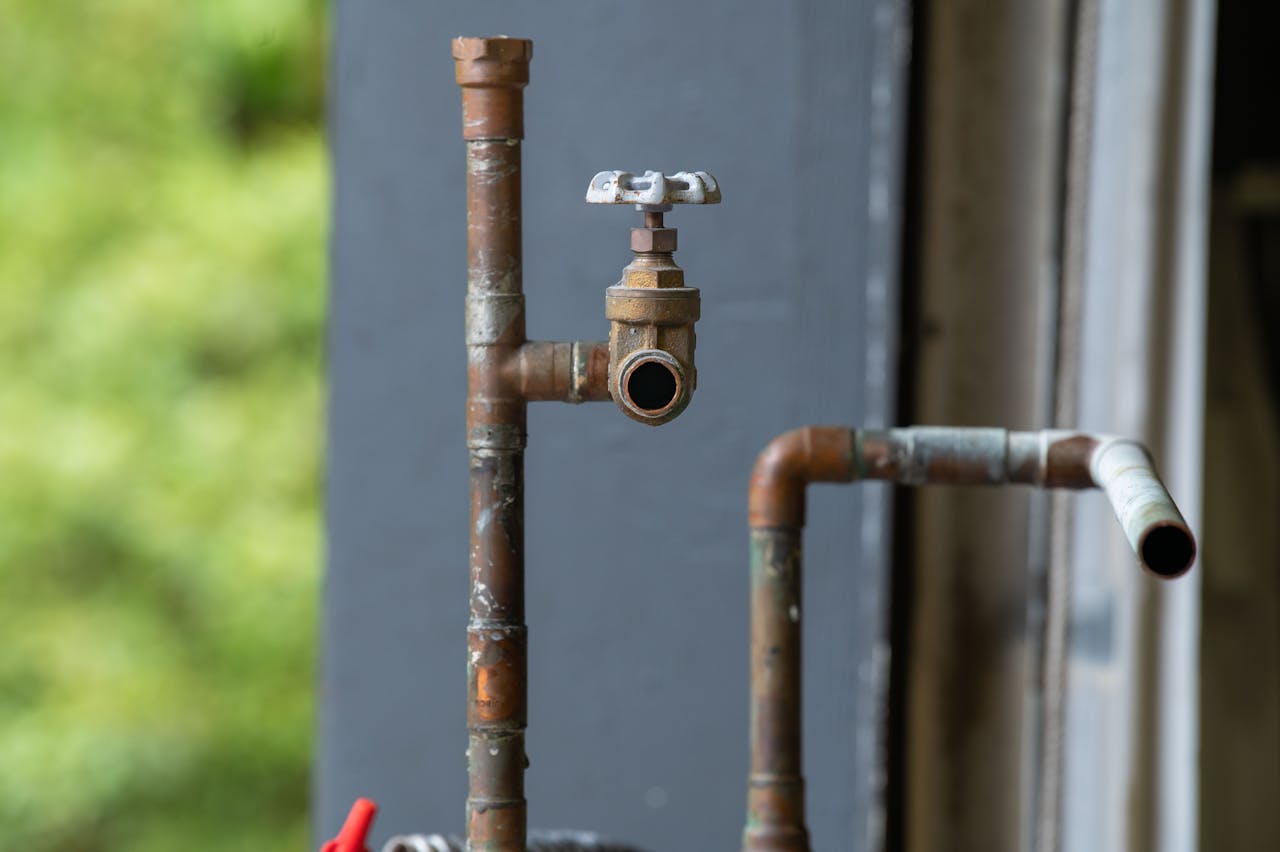
Corrosion is what happens when metal decides it would rather be something else. Galvanized steel pipes and older steel pipes rust from the inside, narrowing the water flow and flaking into your drinking water. Copper gets its own flavor of trouble: pitting corrosion can create pinhole leaks that don’t look like much until water damage shows up three feet away from the actual leak.
If you’re seeing green stains around copper or rust freckles on steel, that exterior evidence can track with internal breakdown, and a quick look at green stains on copper or rust spots on steel will make that connection uncomfortably clear.
Scale And Mineral Buildup
Scale is basically mineral plaque. Hard water lays down calcium and magnesium inside the line, constricting the inside diameter. Water pressure drops, fixtures feel anemic, and the system gets noisier because it’s working harder to move the same volume.
This is where people get tricked. They replace a shower head, swap a faucet aerator, maybe even blame the city, while the real issue is the pipe slowly choking.
Cracks, Pinholes, Joint Failure
Cracks and joint failure are the “structure” problems. Thermal expansion and contraction, sloppy installs, aging solder joints, old compression fittings, ground movement, foundation issues, and yes, freezing can split vulnerable pipes. Polybutylene is notorious for sudden pipe failures, sometimes cracking from the inside in a way that feels unfair.
Also, a burst pipe isn’t always an ice story. Water hammer, pressure spikes, and long-term corrosion can set up pipe burst conditions in warm climates too.
What Water Symptoms Signal Internal Damage?
The water itself snitches. You just have to notice.
Rusty, Brown, Metallic Water
Rusty, brown, or reddish water is a classic sign of internal pipe corrosion, especially with old pipes made of galvanized steel or cast iron. If it only happens at one faucet, the issue might be localized. If it happens house-wide, you’re looking upstream.
Metallic taste and debris are part of this same family. If you’ve ever filled a bathtub and seen flakes, that’s not “sediment from the city,” at least not automatically. Sometimes it’s your own plumbing system shedding. Seeing debris like flakes in the water is one of those gross little clues you shouldn’t ignore.
Low Pressure And Reduced Flow
Low water pressure is not a personality trait of your house. If it’s new, if it’s worsening, if it’s uneven between fixtures, something has changed.
Scale buildup and corrosion reduce flow, and you feel it most in showers and faucets that used to blast. One or two slow fixtures can be a local valve or aerator; widespread low water pressure points to restrictions in supply lines, partially closed valves, or internal buildup.
This is one of the warning signs that multiple plumbing groups keep circling back to, including this practical rundown of common signs of plumbing problems, because pressure problems are rarely “nothing.”
Hot-Cold Swings At Fixtures
Hot-cold swings usually get blamed on the water heater. Sometimes that’s fair. Other times, deteriorating internal debris jams mixing valves, anti-scald devices, or cartridges so your shower does that fun thing where it goes Arctic, then lava.
If temperature fluctuations show up at one water fixture, focus there first. If multiple fixtures are doing it, the problem can be sediment traveling through the system, or pressure imbalance across hot and cold lines.
What Drain Symptoms Signal Internal Damage?
Supply-side failure gets all the attention because “burst pipes” is a scary phrase. Drain-side issues tend to be slower, smellier, and weirdly easy to rationalize until you can’t.
Repeat Clogs In One Area
A recurring blockage in the same sink, tub, or toilet is rarely about your choice of toilet paper. Repeat clogs often mean a restriction that never got fixed: scale, grease, roots in sewer lines, a belly in the line, or a partial collapse.
If you keep clearing the same drain and congratulating yourself, you’re basically doing cardio while the underlying failure grows. This is where a proper inspection beats guesswork, and a lot of pros prefer a camera check because it’s direct evidence, not vibes. If you want the professional version of that argument, this note about red flags in your plumbing system gets to the point.
Sewage Or Musty Odors Indoors
Sewage smells, musty odors, or that damp-basement funk when you don’t have a basement can mean wastewater leakage, a compromised vent, or dried traps, but internal damage needs to be on your mental list.
If odors show up after running water, after flushing, or on hot days, pay attention. Sewer gas is not a candle problem. It’s a health and safety risk.
Gurgling, Banging, Whistling Sounds
Gurgling can mean venting issues or a drain struggling past a partial blockage. Banging can be a water hammer or loose lines. Whistling sometimes points to a failing valve, a worn cartridge, or narrowed flow. Sounds are underrated detection tools because they show up before visible damage.
If your plumbing system is suddenly “talkative,” something changed.
Where Should You Check For Hidden Leaks?
People go hunting for leaks like they’re looking for a lost earring. Random. Emotional. Not efficient. You want a short loop: look where water travels, look where it pools, then verify with a meter.
Walls, Ceilings, Floors, Cabinets
Start where water damage telegraphs itself. Bubbling paint. Peeling wallpaper. Warped baseboards. A cabinet floor that feels spongy. A ceiling stain that grows after someone showers.
Check under sinks with a flashlight. Feel around shutoff valves. Look behind the washing machine. If you have exposed pipes in a garage or basement, scan for corrosion, mineral crust, or active drips. Even a quick visual like inspecting pipes under sinks and in basements shows what “normal” versus “uh-oh” can look like.
And yeah, check outside too. Outdoor spigots and outdoor faucets get ignored until cold weather hits, then frozen pipes happen fast.
Water Meter And Shutoff Test
This is the cleanest homeowner test for hidden leaks because it doesn’t care about your opinions.
- Turn off everything that uses water inside and outside (ice makers, sprinklers, all faucets, appliances).
- Find your water meter, note the reading, and wait 15 to 30 minutes without using any water.
- If the meter changes, you likely leak somewhere in the water supply side.
If you want to get stricter, do the same test with the main water shutoff closed. If the meter still moves, you might be dealing with the line between the meter and the house, which is where “small leak” becomes “sinkholes” and expensive damage in the yard.
Toilets, Valves, Hoses, Water Heater
Toilets are sneaky. A silent running toilet can inflate a water bill without leaving obvious flooding. Put a few drops of food coloring in the tank, wait, and see if color shows in the bowl without flushing.
Valves and supply hoses fail all the time, and when they do, it can look like a pipe failure even though it’s a component failure. Water heaters can also mimic pipe problems by sending sediment into water fixtures and messing with temperature stability.
If you’re seeing frequent leaks across different locations, that pattern matters. One leak is an event. Recurring leaks can be the system failing.
Here’s a simple way to map symptoms to likely causes and where to check:
Symptom you notice | Likely internal cause | Where to check first |
Discolored water or flakes | Internal corrosion, scale shedding | First-draw water at multiple faucets, water heater drain |
Low water pressure | Scale buildup, corroded restrictions, failing valve | Main shutoff valve, pressure regulator, supply lines |
Hot-cold swings | Sediment/debris affecting cartridges, imbalance | Shower valve/cartridge, heater output, multiple fixtures |
Repeat clogs | Partial collapse, scale, root intrusion in sewer | Affected drain line, cleanout, camera inspection |
Musty/sewage odors | Drain leak, vent issue, sewer problem | Under-sink traps, venting, floor drains, sewer line |
Act Now To Limit Damage
When you suspect internal failure, the goal is to avoid turning a repair into a restoration project. Water damage escalates fast, and the mold timeline is not generous.
Shut Off Water And Electricity Risks
If you have active leaking or obvious flooding, shut off the water at the nearest valve you trust, or go straight to the main water shutoff. If water is near outlets, appliances, or your electrical panel, cut power to that area. Electricity and pooled water are a classic bad pairing.
If you’re in a freezing region and you think frozen pipes are in play, don’t crank up a blowtorch on a frozen pipe. Warm it gently, open faucets to relieve pressure, and be ready for a burst when the ice plug releases.
Document Damage And Dry The Area
Take photos. Not because you’re being dramatic, but because insurance and contractors live on documentation.
Then dry. Fans, dehumidifiers, towels, whatever you’ve got. Pull toe-kicks off cabinets if water gets underneath. Lift rugs. The sooner you control moisture, the lower the risk of serious water damage.
Avoid Quick Fixes That Worsen Leaks
This is where my patience gets thin. If you’re wrapping a corroded line in tape every few months, you’re not repairing; you’re doing denial.
Temporary patches have their place, especially to stop immediate flooding, but repeated “band-aids” can trap moisture, hide corrosion, and delay the moment you call a professional plumber until the pipe burst becomes unavoidable. If you need an example of how frequent leaks can signal a broader system problem, this video on frequent leaks in an old cast iron system is the kind of reality check that ruins your weekend in a useful way.
Decide On Repairs, Prevention, And Pro Help
Repairs depend on the failure mode. Pinholes in copper might be isolated, or they might be the beginning of a pattern. Galvanized steel nearing the end of its lifespan often fails by restriction first, then leaks, then burst pipes in the weakest sections. Drain problems can be a simple blockage, or a structural issue in the sewer.
Material age helps you make smarter calls. Galvanized steel pipes commonly land in that 20 to 50 year window before internal corrosion becomes a main character, while copper often runs longer, and PVC can last decades if installed well and not abused by UV or movement. Polybutylene is its own headache, and if you have it, you don’t “wait and see” casually.
Prevention is boring but effective: manage freezing risk (insulate exposed pipes, drain outdoor faucets before cold snaps, keep some heat on during extreme cold), address hard water with treatment if scaling is chronic, don’t ignore small leaks, don’t overtighten valves until they snap, and stop pouring drain chemistry down lines like it’s a personality.
When to call a plumber is simpler than people want it to be. If you have a hidden leak you can’t locate, recurring localized blockages, water meter movement with everything off, or any sign of active water damage inside walls or ceilings, you want a professional. If you’re looking at a possible burst pipe, you want emergency plumbing services, not a YouTube degree.
A lot of organizations describe the same cluster of primary signs, and this field guide to early signs your pipes are failing lines up with what seasoned plumbing system technicians see: the system whispers before it screams.
Conclusion
Internal pipe failure rarely occurs without warning. In most cases, it develops gradually over time as corrosion, mineral buildup, aging materials, pressure fluctuations, and everyday wear slowly weaken the plumbing system. What may appear to be a sudden leak or burst pipe is often the result of years of deterioration that went unnoticed behind walls, beneath floors, or underground.
The good news is that many plumbing failures provide early warning signs before significant damage occurs. Recurring leaks, reduced water pressure, discolored water, unusual sounds in the pipes, unexplained increases in water bills, and persistent moisture issues should never be ignored. While any one of these symptoms may seem minor on its own, a pattern of ongoing problems often indicates a deeper issue within the plumbing system.
Homeowners can take several proactive steps to identify potential problems early. Regularly inspecting visible plumbing components, monitoring water pressure, checking for signs of moisture damage, and performing simple tests such as a water meter leak check can help uncover hidden issues before they escalate. Paying attention to changes in your home’s plumbing performance can provide valuable clues about the condition of your pipes.
When warning signs continue to appear, professional evaluation becomes essential. An experienced plumber can assess the condition of the system, identify hidden leaks, determine whether corrosion or deterioration is present, and recommend the most effective repair strategy. Addressing problems early often results in less disruption, lower repair costs, and reduced risk of extensive water damage.
Ultimately, protecting your home from internal pipe failure is about staying informed and responding to warning signs before they become emergencies. By taking recurring plumbing issues seriously and seeking professional assistance when necessary, homeowners can extend the life of their plumbing systems, improve reliability, and avoid the stress and expense associated with major water damage. A proactive approach today can save significant time, money, and frustration in the future.
FAQ
1. Can Pipes Fail Internally Without Any Visible Leaks?
Yes. Internal corrosion and scale can restrict flow for months or years before you see water stains. You might only notice low water pressure, discolored water, or odd taste in drinking water.
2. Is Low Water Pressure Always A Sign Of Failing Pipes?
No. It can be a partially closed valve, a failing pressure regulator, municipal supply issues, or clogged fixture aerators. It becomes a stronger signal when it’s widespread, worsening, and paired with discolored water or recurring leaks.
3. How Do I Know If A Leak Is In The Wall Versus A Fixture?
Fixture leaks usually leave evidence right at the source: under the sink, at the toilet supply, around a faucet base, at the water heater. A hidden leak often shows up as damp drywall, bubbling paint, warped flooring, or a meter that moves when all fixtures are off.
4. What’s The Fastest Way To Confirm A Hidden Leak?
The water meter test is the fastest homeowner confirmation. For pinpointing location, pros use acoustic listening, thermal imaging in some cases, and camera inspection for drains and sewer lines.
5. Do Frozen Pipes Always Burst?
No, but freezing raises the risk dramatically. Ice expands, pressure builds, and the pipe can split, sometimes in a spot you don’t see until thawing causes immediate flooding.
Tired Of Plumbing Problems? It May Be Time For Repiping
If you’re constantly dealing with leaks, low water pressure, rusty water, or plumbing repairs that never seem to end, the problem may be deeper than a single pipe. As plumbing systems age, pipes can corrode, crack, and restrict water flow, leading to ongoing issues throughout your home. In many cases, repiping or whole home pipe replacement provides a lasting solution that saves homeowners time, stress, and money.
At Yorkshire Plumbing, we help Santa Rosa homeowners understand the true condition of their plumbing systems. Using advanced diagnostic tools, our team can identify hidden problems and determine whether repairs or a full repipe is the better long-term investment. You’ll get honest answers, clear recommendations, and quality workmanship every step of the way.
With nearly a decade of experience serving Sonoma County, Yorkshire Plumbing has earned a reputation for reliable service and dependable results. If your home’s plumbing is showing its age, contact Yorkshire Plumbing today to schedule a professional repiping evaluation.
Disclaimer
The information provided on this website is for general informational and educational purposes only and is not intended as professional plumbing or construction advice. You should consult with a licensed plumber or qualified contractor for guidance specific to your home or situation. Do not rely solely on the content of this site to make decisions about plumbing repairs, installations, or maintenance. While we strive to keep the information current and accurate, it may not reflect the most recent industry standards or code requirements. Yorkshire Plumbing & Drain Services disclaims all liability for any actions taken or not taken based on the content of this site, to the fullest extent permitted by law.