Key Takeaways
- Plumbing inspections provide proactive insight into hard-to-detect problems like leaks, corrosion, and malfunctioning fixtures. They assist in avoiding extensive water damage and expensive repairs.
- By providing a snapshot of what needs repair and when, inspections help you plan upcoming repairs.
- Thorough inspection results aid in precise cost prediction and budgeting, enabling homeowners to effectively plan for plumbing repairs.
- With professional inspection tools, like video scopes and leak detectors, you will get a thorough evaluation that extends beyond what is achievable with a simple DIY inspection.
- These regular inspections and swift repairs often result in lower utility bills, higher property value, and continued insurance compliance.
- After the inspection, you want to carefully review reports, collect several repair estimates, and arrange work with qualified professionals. These factors will help the long-term health of the plumbing system.
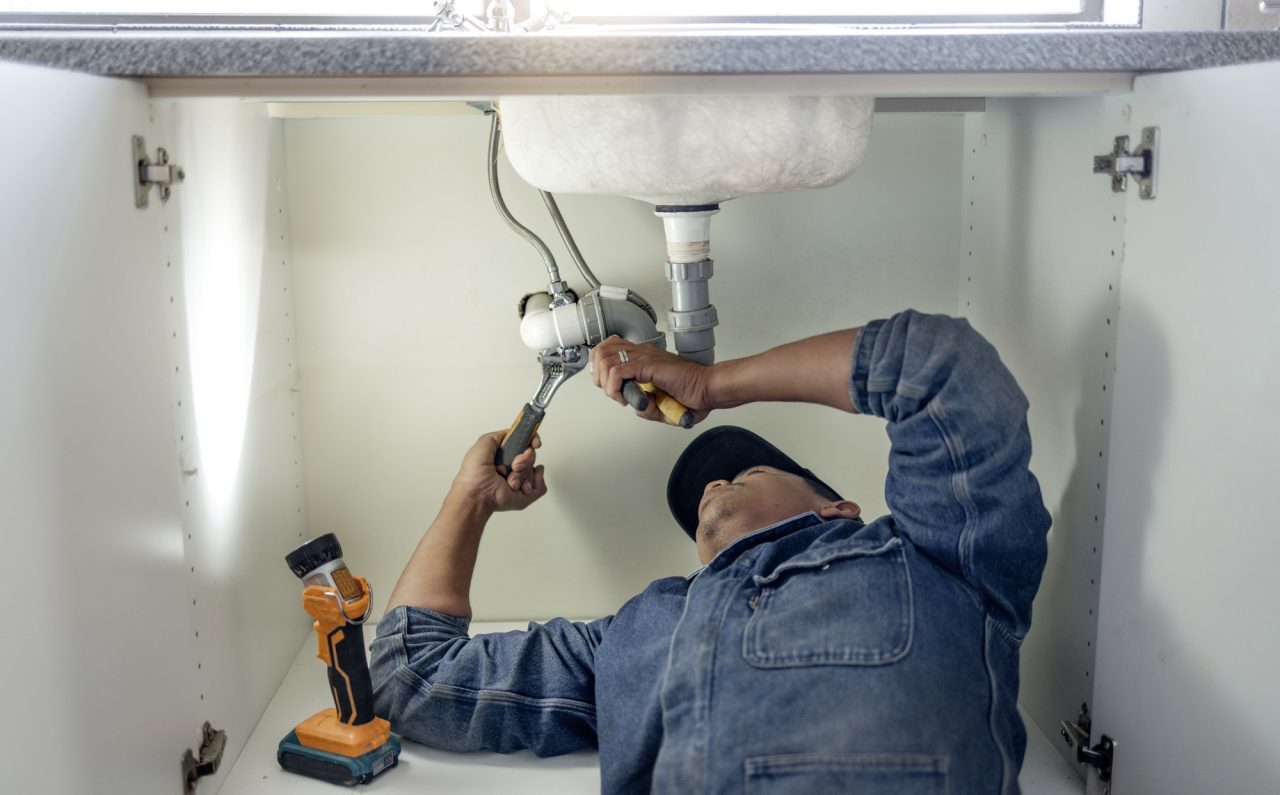
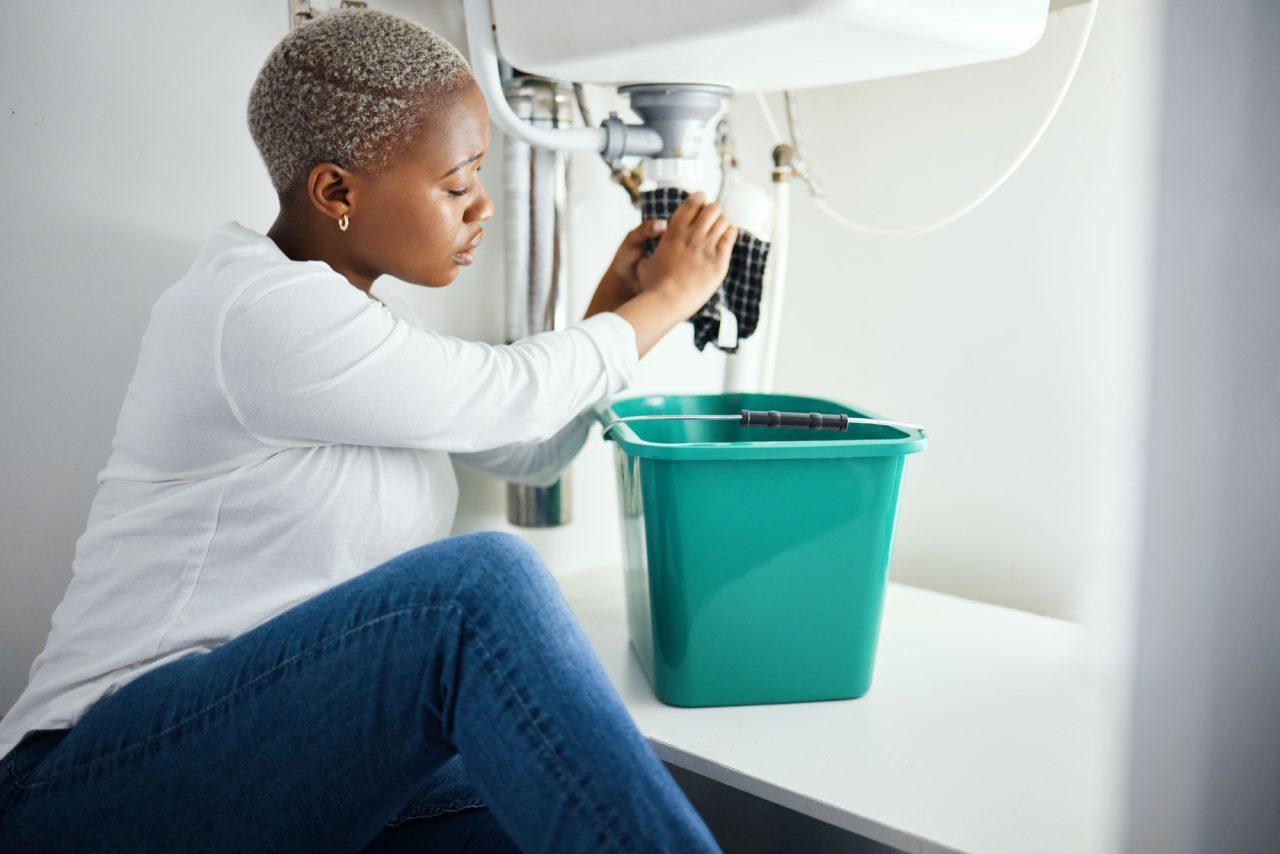
Bonus: plumbing inspections help you plan for repairs Plumbing inspections help spot early signs of leaks, pipe wear or clogged drains, which let you plan repairs before small issues grow. These inspections employ devices such as video cameras and pressure gauges to identify latent defects beneath floors or behind walls. When you know what needs to be fixed, you can budget and plan work when it fits your schedule. Early action leads to less risk of water damage and lower repair bills. Homeowners, landlords, or anyone with older construction enjoy peace of mind from routine plumbing inspections. To demonstrate how these steps are a part of a smart plan for home care, the following sections discuss what to anticipate from an inspection and how to act on the findings.
How Inspections Inform Repairs
Routine plumbing inspections are crucial for repairs as they offer a transparent and comprehensive understanding of the plumbing system’s condition. These inspections help homeowners identify early symptoms of plumbing issues, prioritize the severity of problems, and organize intelligent repair plans. Regular plumbing inspections keep expenses and surprises under control, empowering homeowners to make informed decisions.
1. Pinpoint Problems
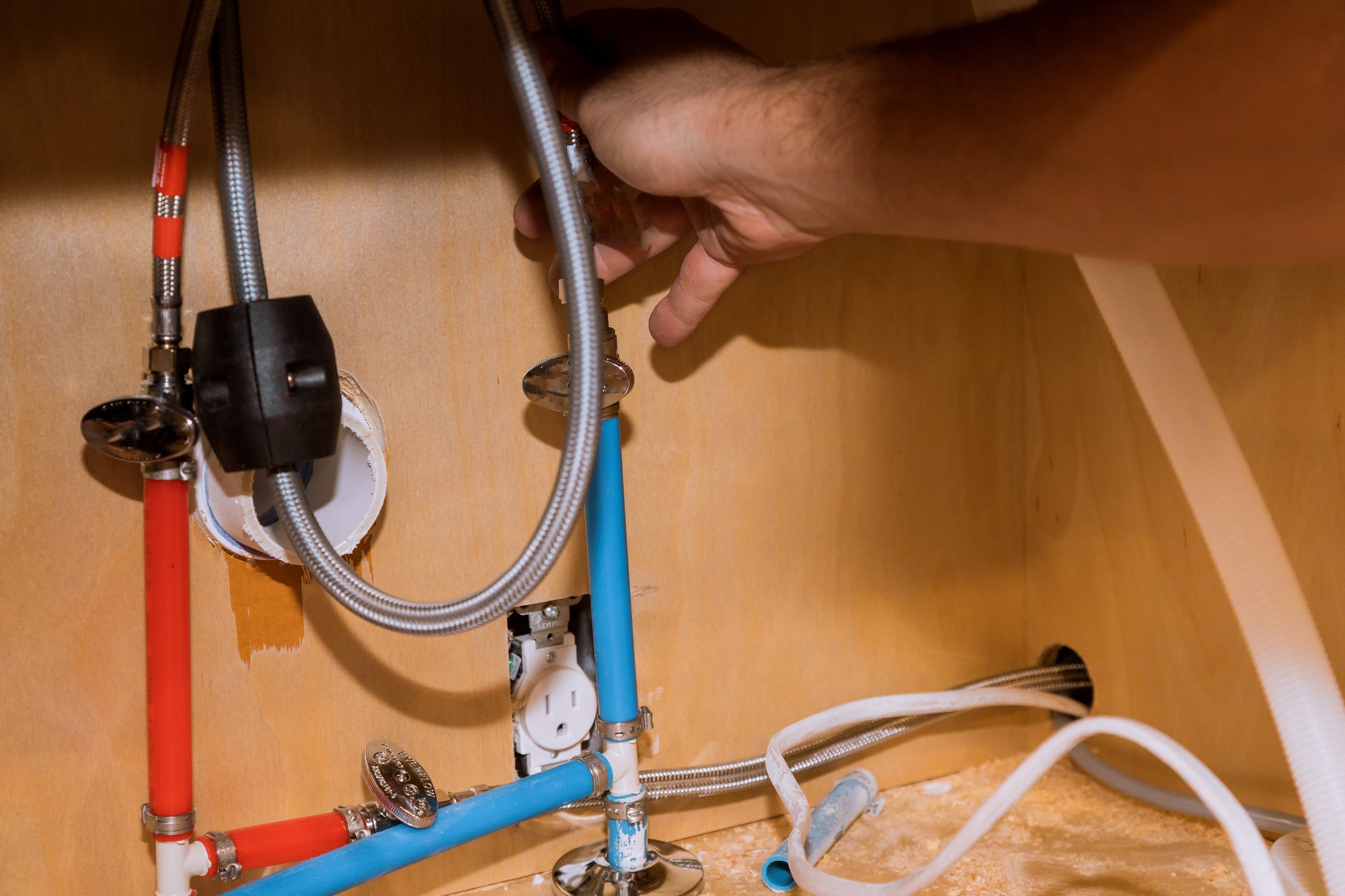
A thorough inspection reveals concealed leaks that could otherwise be missed, hidden behind walls or beneath floors. These leaks can waste huge volumes of water and can eventually cause damage or mold growth leading to more expensive repairs. Inspectors will look for corroding pipes, a problem in older homes where metal pipes have not been swapped out for decades. Corrosion may clog water or burst pipes, making you vulnerable to expensive emergencies.
Clogged drains, a particular emphasis, not only impede day-to-day tasks but may cause wastewater to back up, posing health hazards and damaging properties. Leaking fixtures such as dripping faucets or malfunctioning valves are identified too. They may appear small but often indicate underlying system problems. Thanks to the early detection of inspection, these issues can be repaired before they spiral, conserving time, water, and money.
2. Assess Severity
During a routine plumbing inspection, issues are sorted as minor, like slow drips, or major, such as failing main lines. The risk of disaster, such as flooding from a burst pipe, is assessed based on visible wear and pressure test results. Inspectors examine how these faults could impact the plumbing system’s safety, especially if contaminated water or gas leaks are discovered. Some problems, like a cracked sewer line, require urgent action due to health and property risks, while others allow for more flexible scheduling.
3. Prioritize Actions
After prioritizing problems, inspectors assist in developing a repair plan, categorizing fixes by immediacy. Emergency repairs, such as repairing active leaks, are booked first to minimize damage and additional expense. Less pressing problems, such as a slow-draining sink, are relegated to maintenance lists. Grouping repairs by type, owners can spread costs over time and not be hit by the sticker shock of sudden, big expenses.
As for inspections directing repairs, routine maintenance, such as unclogging minor blockages or changing out worn washers, is scheduled to prevent little issues from becoming crises. This process helps prolong the life of the system and keeps water bills as low as possible.
4. Forecast Costs
Repair costs are initially estimated based on the plumbing inspection report that defines the work and materials. Early fixes, such as addressing small plumbing issues like a pipe leak, tend to be less expensive than waiting for a complete breakdown. For instance, fixing a small pipe leak is significantly cheaper than replacing a water-damaged wall. By budgeting for emergency plumbing repairs and using real-world figures like $1,500 to $3,800 for sewer line work, owners can set aside funds and avoid sticker shock. By focusing on routine plumbing inspections for ongoing upkeep instead of last-minute fixes, you can see clear cost savings over time.
5. Plan Timeline
Routine plumbing inspections uncover supply line issues that could impact water quality or safety, necessitating immediate repairs. Blocked or inefficient drainage systems are flagged, leading to recommendations for upgrades or repairs. Water heaters should undergo a thorough plumbing inspection for rust, leaks, or poor heating, all of which indicate a potential need for replacement or repairs. Fixtures and vents are inspected for safe, consistent functioning, with any defects placed on the repair schedule.
What Inspectors Uncover
Plumbing inspections dig deep into a system’s core, exposing hidden hazards and identifying necessary repairs. A thorough plumbing inspection involves examining every aspect of your plumbing system, from pipes to fixtures, for leaks, blockages, and outdated materials that may not comply with current health codes. Inspectors are concerned with the overall interconnection of everything, ensuring that clean water remains fresh and that waste keeps moving out without plumbing issues.
Supply Lines
Inspectors begin by examining supply lines for leakage. Even tiny leaks along these pipes can waste litres a day, pushing up bills and creating unseen wall damage. They search for corrosion or mineral buildup, as found in locations with hard water, which can reduce the lifespan of a pipe. If pipes are composed of old materials like lead or galvanized steel, they’re red flagged immediately by inspectors, as these can present health hazards and are prohibited in a lot of different nations.
Supply lines must be equipped with proper backflow prevention fittings, in which dirty water flows back into clean lines. What Inspectors Find. Inspectors inspect backflow devices, particularly in older houses. This halts pollution and maintains your water potable.
Drain Systems
Inspectors find slow drains all the time, which is an early symptom of a much bigger problem. If a drain backs up, it could indicate that roots, grease, or other debris are clogging pipes miles from the fixture. Detecting this early allows you to schedule repairs before a backup causes damage. Inspectors look for 90 degree turns in waste lines, particularly near toilets. These tight bends can ensnare debris, increase the potential for blockages, and complicate repairs down the line.
Corrosion is a concern. Rust or pitting compromises pipes, potentially causing leaks or breaks. In older homes, inspectors suggest checking more often, every six to twelve months, because old pipes break down quicker. Missing or damaged vent stacks, or stacks with incorrect diameters, are frequently overlooked by homeowners. These vents allow air into the system, so waste flows nicely and gases vent. When vent stacks are faulty or absent, drains become sluggish and odors accumulate.
Water Heaters
Water heaters receive a thorough examination as well. Inspectors test the age and wear of the tank, as tanks older than a decade often require replacement to prevent leaks or bursts. They seek leaks around fittings that are prone to pool water and floor damage. In hard water regions, mineral deposits inside tanks reduce efficiency and life, so inspectors check for this.
Efficiency is the key for energy bills. About what inspectors discover, inspectors check temperature controls, ensuring water is adequately hot for safety but not scalding. This keeps energy use down and prevents burns.
Fixtures & Vents
Inspectors test every faucet and showerhead for leaks, which accumulate. Toilet caulking is a common concern. Some inspectors claim caulk prevents leaks, while others caution it conceals them. No one response covers all, so inspectors indicate the status for you to determine. They inspect toilets for base leaks and flush quality, ensuring any waste is cleared every time.
Vent systems are difficult. Destroyed or absent vents create slow drains and nasty odors. Even experienced homeowners overlook vent issues, so they measure each vent stack’s height and diameter. Everything else, from outdoor spigot to laundry sink faucets, gets inspected for cracks, leaks and bad drainage.
The Value Of Early Discovery
Identifying leaks or aging pipes early through routine plumbing inspections leads to smaller repairs and less water wasted, ultimately reducing monthly bills. Early fixes prevent significant water damage too, sparing you much higher costs down the road. Well-maintained plumbing raises property value and provides documentation for insurance purposes, making professional plumbing inspections a wise, commonsense move for any property owner or manager.
The Hidden Financial Benefits
Routine plumbing inspections help property owners discover hidden financial benefits. They expose hidden leaks, inefficient fixtures, and wasteful water use, simplifying the planning of necessary repairs and upgrades. Regular plumbing inspections preserve property value while minimizing the risk of emergency plumbing repairs and insurance battles. These are not just the obvious benefits; they are financially supportive and sustainable.
Lower Utility Bills
Discovering leaks early can prevent your water bills from increasing unexpectedly. Even a slight drip from a faucet or shower can waste hundreds of liters of water annually. A running toilet can waste thousands more, which leads to higher monthly fees if not dealt with.
Plumbing inspections assist in identifying these issues promptly. Fixing them immediately means you don’t pay for water you never use. In the long run, these routine inspections and fixes will prevent your system from running inefficiently, reducing waste and energy bills. For instance, a post-inspection retrofit of low-flow fixtures can result in permanent improvements in savings and water efficiency.
Prevent Water Damage
Undetected leaks or old, worn pipes are usually the culprits behind water damage that permeates through walls, floors, and ceilings. If caught late, repairs aren’t just limited to plumbing but can extend to structural fixes and mold removal, both of which are costly.
When you catch them early during inspections, you prevent minor leaks from becoming significant damage. Acting fast keeps you from emergency repairs, which usually cost more and are more disruptive. Regular inspections keep tabs on how well previous repairs are holding up, allowing you to see if your attempts at preventing water intrusion are effective.
Improve Property Value
A house with well-maintained plumbing is worth more. Regular inspections and repairs prove that you stay on top of maintenance, which instills trust and desirability. By logging your inspection results and repairs, you provide evidence that the system is well maintained.
If you’re going to put it on the market, features such as new pipes or water-saving upgrades increase the property’s appeal to efficiency-conscious buyers. Compliance with local plumbing codes spares you penalties and keeps your home market-ready. Any of these steps give your property a leg up in a crowded market.
Validate Insurance
Insurers typically demand documentation that repairs and maintenance were completed before approving water damage claims. Inspection reports are proof you maintain your plumbing, so claims get processed more easily.
Not only does it demonstrate you have a good system in place, it proves your system follows the policies. That can help prevent fights or claims denials. Checking your coverage post plumbing inspections enables you to fine-tune your policy for better protection against future issues.
Use Advanced Tools
Video scopes allow inspectors to conduct a thorough plumbing inspection by looking inside pipes and confined spaces. Leak detectors simplify the plumbing diagnosis process, locating concealed plumbing issues before they become apparent.
Why Professional Tools Matter
Professional plumbing tools provide a layer of inspection that you can’t get with the naked eye or within reach of basic household equipment. They enable professional plumbers to perform a thorough plumbing inspection, recording real-time measurements and images that identify concealed defects and warning signs. Utilizing these tools for routine plumbing inspections not only helps you avoid small plumbing issues growing into big, expensive repairs, but it also keeps your plumbing system up to code. With them, homeowners have the comfort and assurance that their plumbing health is being tracked with precision and knowledge.
Video Scopes
Video scopes allow you to inspect pipes from within, giving you an immediate view of clogs, buildup or corrosion that typical inspections cannot reach. These feed a camera down a pipe, capturing footage for later analysis. Due to high-resolution imaging, even hairline cracks or minor root intrusions can be identified before they transform into major leaks or bursts. For older structures, video scopes assist in detecting pipe wear or corrosion likely to cause unexpected failures. Scopes for forensic inspection can expose voids, hidden damage or structural flaws inside walls or beneath floors, allowing you to identify trouble spots with surgical precision without having to tear apart an entire wall or floor.
Homeowners benefit from video proof, as they get to see their pipes for real. This visibility enables proactive repair or upgrade planning and can be beneficial for insurance or regulatory reasons. Video scopes record changes over time, providing a record that assists with maintenance scheduling and budgeting for upgrades.
Leak Detectors
Leak detection tools, such as those offered by Midwest Leak Detection, are designed to locate concealed leaks efficiently and precisely. These meters utilize audio or moisture sensors to detect moving water, even behind walls or floors. The faster the leak is identified, the less water is wasted, emphasizing the importance of routine plumbing inspections. One drip per second can waste over 11,000 liters a year, so rapid fixes informed by this data can significantly reduce the risk of plumbing issues harming your walls or electricals. Routine leak inspections are akin to flossing for your plumbing; small leaks are addressed before they escalate into major, costly plumbing problems!
These professional tools surpass what most DIY enthusiasts can achieve. They can identify leaks in hard-to-reach areas and often uncover plumbing issues that remain undetected until significant damage occurs. In many jurisdictions, leak detection is part of building code compliance, helping to avoid potential legal or insurance complications.
Pressure Gauges
Pressure gauges are essential for ensuring optimal performance in plumbing systems. They measure water pressure and help to make sure that the system functions within safe limits. High or low pressure can be indicative of bigger issues, like clogs, aging pipes, or faulty valves, that might not be detected otherwise. Inconsistent pressure readings can indicate leaks or vulnerabilities in the system, leading to timely action and precise fixes.
Pressure data allows professionals to make well-educated decisions on when to replace pipes or install pressure regulators. Regular scrutiny adds years to plumbing and lessens the chance of catastrophic breakage. It is all about pressure management in commercial buildings.
DIY Vs. Professional Inspections
DIY inspections can catch the obvious issues, like dripping taps or visible rust, but they overlook concealed or emerging problems. Professional audits employ specialized tools to evaluate the entire system, offering precision and comprehensiveness that DIY checks cannot achieve. Licensed plumbers are trained to detect subtle red flags and read data from specialized devices.
Homeowners who combine DIY with periodic professional checkups get the best of both worlds. They anticipate problems, minimize repair expenses, and preserve the value of their home.
DIY Checks Vs. Professional Audits
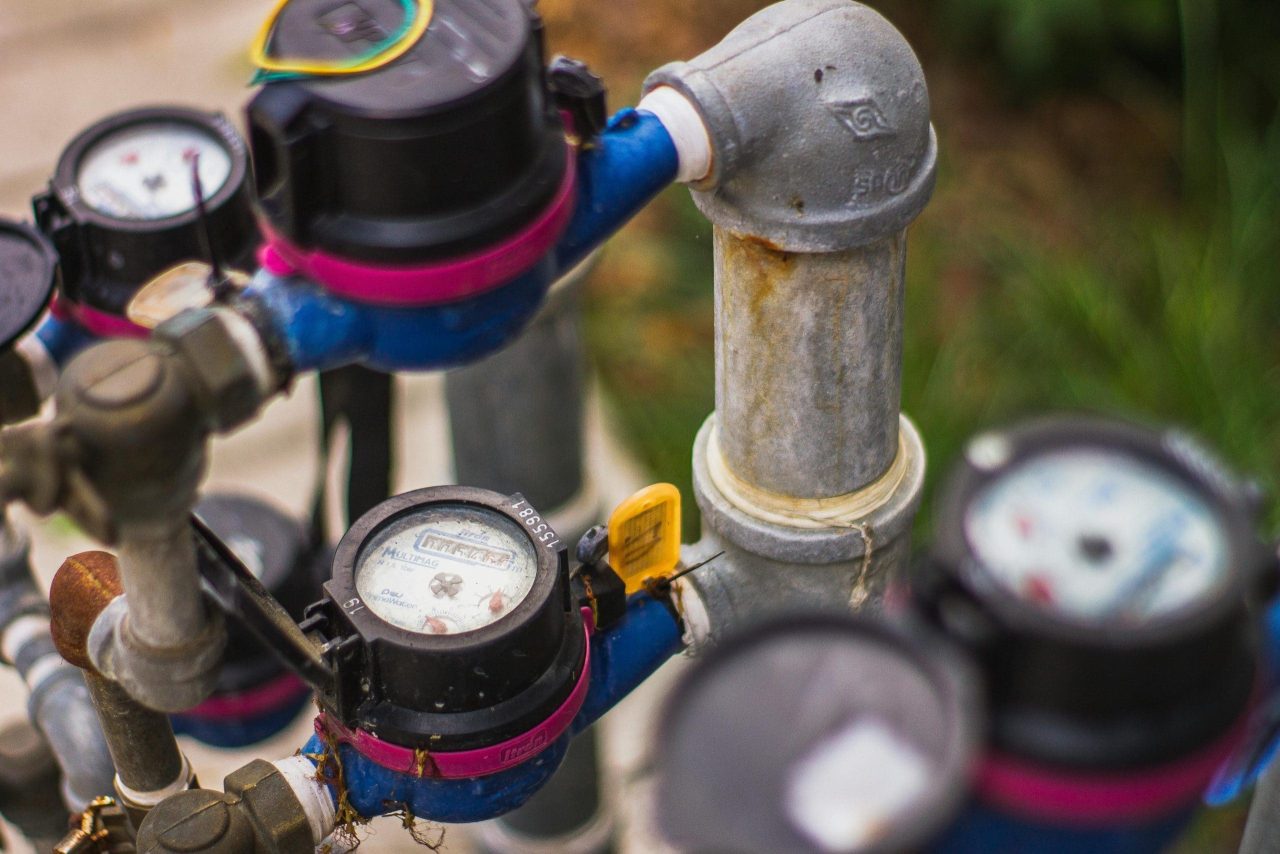
Plumbing inspections are a must-do for anyone considering fixes, especially routine plumbing inspections for effective home maintenance. DIY checks versus professional plumbing inspections each have their pros and cons. The appropriate option tends to vary based on your plumbing system’s complexity, your talent, and available resources, allowing landlords and tenants to better plan maintenance and expenses.
Surface-Level View
An expert auditor comes equipped with expertise and sophisticated equipment, providing a thorough plumbing inspection of the plumbing system. DIY Checks vs. Professional Audits may involve an audit of pipes in walls, under floors, or under concrete, which are typically overlooked with simple DIY checks. They have access to specialized cameras, moisture meters, and pressure gauges, enabling them to detect hidden leaks or corrosion before a simple visual check would suffice. They check for sneaky plumbing issues such as inconsistent water pressure or strange noises in the system, which can indicate underlying problems like mineral deposits or loose fittings.
When pros conduct a professional plumbing inspection, they look beneath the surface. They examine how various components of the plumbing interact. For instance, a minor leak under a sink could be connected to a pressure issue. This wide perspective assists in identifying root causes instead of merely addressing symptoms. If you notice leaks coming back shortly after your DIY repair or water stains continue to spread, it’s a signal that a surface check is no longer sufficient, and a total audit is required.
Professional audits typically cost between $150 and $800 per visit. While this may seem like an expense, it will save you money by nipping plumbing problems in the bud before they become urgent! Professional work typically includes warranties or guarantees, providing additional peace of mind that DIY fixes can’t necessarily provide.
System-Wide Analysis
DIY checks begin with a walk-through of exposed pipes and fittings. Keep an eye out for dripping faucets, joint rusting, or wall and ceiling stains. Make note of any wet spots, mold, or musty odors. Document your observations with photos or notes so you can monitor for changes or provide the information to a professional plumber if necessary. Regular plumbing inspections can help catch issues early on, preventing small leaks from becoming significant water damage.
For the brave spender, a sewer camera ranging between $200 and $1000 provides an even more detailed peek inside your drain lines. Although this instrument is recyclable, it can take a while to get good at applying it. DIY is fine for spotting leaks, tightening loose fittings, or blasting out small clogs. One easy error to make is over-tightening, which can crack fittings and lead to leaks, creating plumbing issues that may require a plumbing diagnosis.
When problems become recurring or appear to be systemic, like when the water pressure dips in a few rooms or there’s a lingering odor, it’s time to bring in a pro. They can issue you a comprehensive plumbing inspection report, highlighting emergency fixes and maintenance requirements. From here, you can receive quotes from licensed plumbers and schedule repairs according to suggestions. By scheduling prompt repairs and establishing a routine plumbing inspection schedule, you help evade larger issues. A mix of both DIY checks and professional plumbing inspections keeps plumbing systems reliable and safe.
Your Post-Inspection Action Plan
A plumbing inspection report isn’t just a checklist—it’s a technical map revealing the position of your plumbing system, identifying immediate care priorities and long-term care needs. To translate results from routine plumbing inspections into action, you need a plan that establishes priorities, helps you budget, and sets you up for fewer surprises going forward. This part describes how to disaggregate your report, collaborate with professional plumbers, and leverage the results to direct remediation and maintenance.
Understand The Report
Think outside the routine plumbing inspection report: A plumbing inspection report has a laundry list of problems, from minor leaks to corroded pipes or faulty valves. Begin by reviewing the report line by line, paying attention to specific explanations of each plumbing issue — where and how serious. Reports are generally classified using language such as “urgent,” “moderate,” or “routine maintenance” to indicate which issues should be addressed immediately. If the report is confusing, have your professional plumber do a walkthrough to explain things to you. For instance, a report may mention a ‘slow drain at the kitchen sink’ and ‘corrosion found in the main supply line,’ both of which require fixing, but the latter poses a higher risk. Follow-up inspections to verify repairs or look for recurring plumbing problems may be recommended in the report, particularly in older plumbing systems.
It’s wise to seek a second opinion if the inspection indicates a need for significant repairs, such as rerouting pipes or adding new water heaters. This prevents wasteful expenses and validates the appropriate repair. Use the report for future planning: mark dates for annual plumbing inspections, like a monthly look for leaks or a quarterly full-system review. This attention can keep little problems from turning into expensive emergencies and extends the life of pipes and fixtures.
Get Repair Quotes
Once you have an idea of what’s wrong, contact a few local plumbers to get some repair estimates, including a detailed plumbing inspection. Request a line-item breakdown in each estimate, covering labor, materials, and any additional fees. For example, if the job involves replacing 10 meters of pipe, ensure the quote differentiates the price for pipe, connectors, and labor. By comparing at least three quotes, you can identify outliers and secure fair prices. However, don’t simply choose the cheapest option; consider factors like experience, warranty on work, and the clarity of communication from each plumber.
If you’re tight on budget, discuss phased repairs with your professional plumber. Start with the most pressing repairs identified in your plumbing inspection checklist and defer less immediate work. This strategy minimizes disruption and helps distribute costs, especially for significant projects. Always verify that the plumber is licensed and insured before scheduling, ensuring quality workmanship and protection against any unexpected plumbing issues that may arise.
Schedule The Work
Schedule repairs by urgency, plumber availability and your schedule. Priority repairs such as burst pipes or main valve replacements should be completed immediately. For less immediate tasks, schedule them at times that minimize disruption to your routine. For instance, kitchen plumbing would be ideal on a weekend if you work from home.
Stay in communication with the plumber before, during, and after the work. Verify dates a few days ahead and request updates if anything shifts. After the repair, check the work yourself or arrange a re-inspection to make sure everything is made right. For seasonal preparation, like insulating pipes before winter, plan in advance to avoid scrambling. These steps ensure that repairs are made properly and promptly, minimizing the potential for subsequent failures.
Conclusion
Plumbing inspections provide an honest peek at your pipes and lines. They assist in identifying leaks, compromised joints, or corroded areas early on. That means you can schedule repairs without any uncertainty. A pro with his cool inspection gear finds things you miss on your own, like small drips hidden behind a wall or weak water flow caused by pipe build-up. A full check saves money by stopping big messes before they start. You have a concrete agenda of what to fix, how urgently, and how much each job is likely to cost. To get ahead, schedule your next plumbing inspection with a reliable professional. Post your own plumbing check stories or tips in the comments and help others plan smart for their homes.
Frequently Asked Questions
1. How Do Plumbing Inspections Help You Plan For Repairs?
Routine plumbing inspections catch problems early, allowing you to plan necessary repairs before they escalate into plumbing emergencies.
2. What Common Problems Do Plumbing Inspectors Find?
Routine plumbing inspections often reveal leaks, corrosion, and worn fixtures, helping prevent expensive damage.
3. Are Professional Plumbing Inspections Worth The Cost?
Yes. Routine plumbing inspections help spot hidden plumbing issues, potentially saving you from costly repairs and safeguarding your property value.
4. How Often Should Plumbing Systems Be Inspected?
Professionals suggest scheduling routine plumbing inspections every 1 to 2 years to keep the plumbing system healthy and prevent surprises.
5. Can I Do Plumbing Inspections Myself?
You can look for obvious leaks or drips during routine plumbing inspections. They use specialized tools to detect underlying plumbing issues that you may not notice.
6. Do Inspections Help Me Budget For Plumbing Repairs?
Yes. They provide a thorough plumbing inspection for your system, allowing you to anticipate and budget for necessary repairs.
7. What Tools Do Professionals Use During Inspections?
They use cameras and moisture meters during routine plumbing inspections to find issues unseen to the naked eye.
Plumbing Inspections In Santa Rosa — Thorough, Reliable, And Trusted Experts
Regular plumbing inspections keep your home safe, efficient, and free from costly surprises. Whether you’re maintaining an older property, buying a new home, or preparing for winter, Yorkshire Plumbing provides detailed plumbing inspections throughout Santa Rosa.
Our licensed plumbers carefully evaluate every part of your system, from hidden leaks and aging pipes to water pressure and drain performance. Using advanced diagnostic tools and proven methods, we identify potential issues early so you can prevent emergencies and plan repairs before they become expensive problems.
With nearly a decade of experience serving Sonoma County, our family-owned team has earned a reputation for honesty, precision, and long-term results. We don’t just inspect your plumbing, we help you understand the condition of your system and what to do next.
Whether you need a routine inspection or a full plumbing assessment before buying a home, Yorkshire Plumbing is your trusted choice in Santa Rosa. Contact us today to schedule your inspection and keep your home’s plumbing in top shape.
Disclaimer
The information provided on this website is for general informational and educational purposes only and is not intended as professional plumbing or construction advice. You should consult with a licensed plumber or qualified contractor for guidance specific to your home or situation. Do not rely solely on the content of this site to make decisions about plumbing repairs, installations, or maintenance. While we strive to keep the information current and accurate, it may not reflect the most recent industry standards or code requirements. Yorkshire Plumbing & Drain Services disclaims all liability for any actions taken or not taken based on the content of this site, to the fullest extent permitted by law.