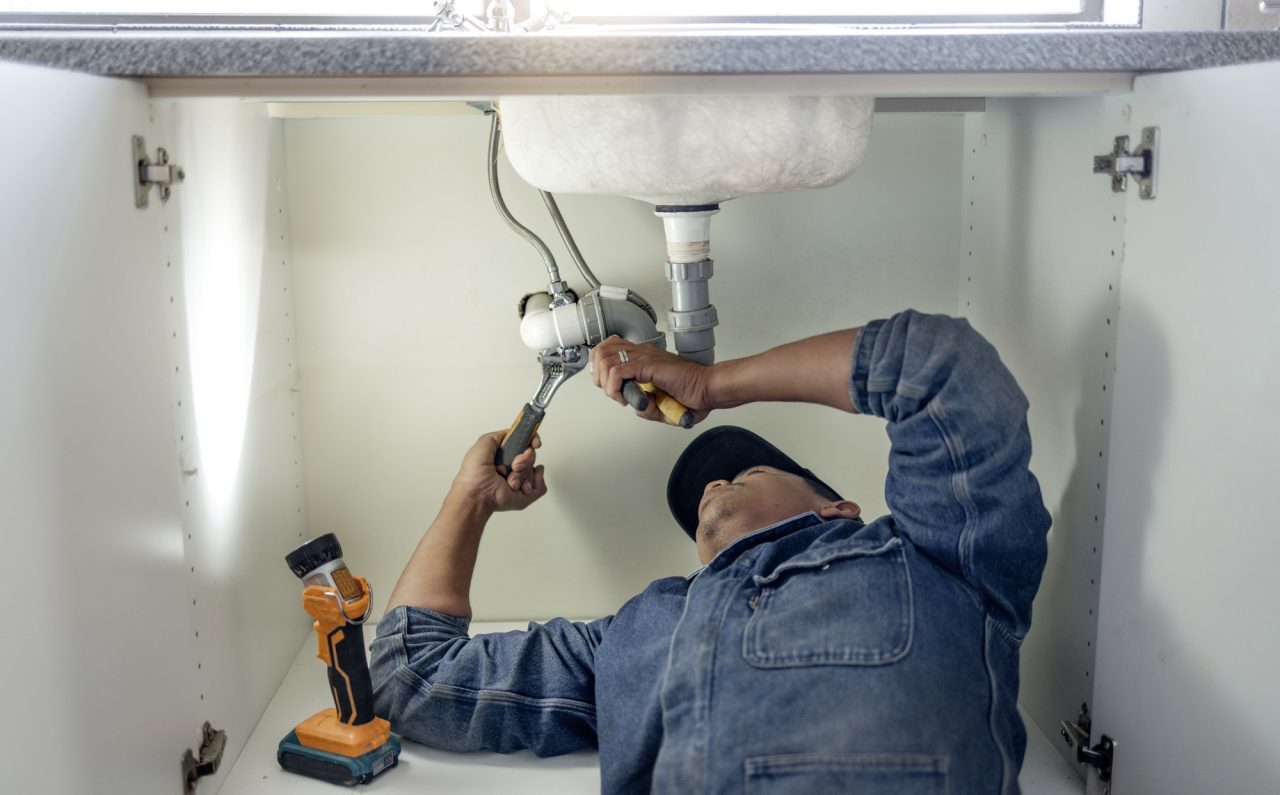
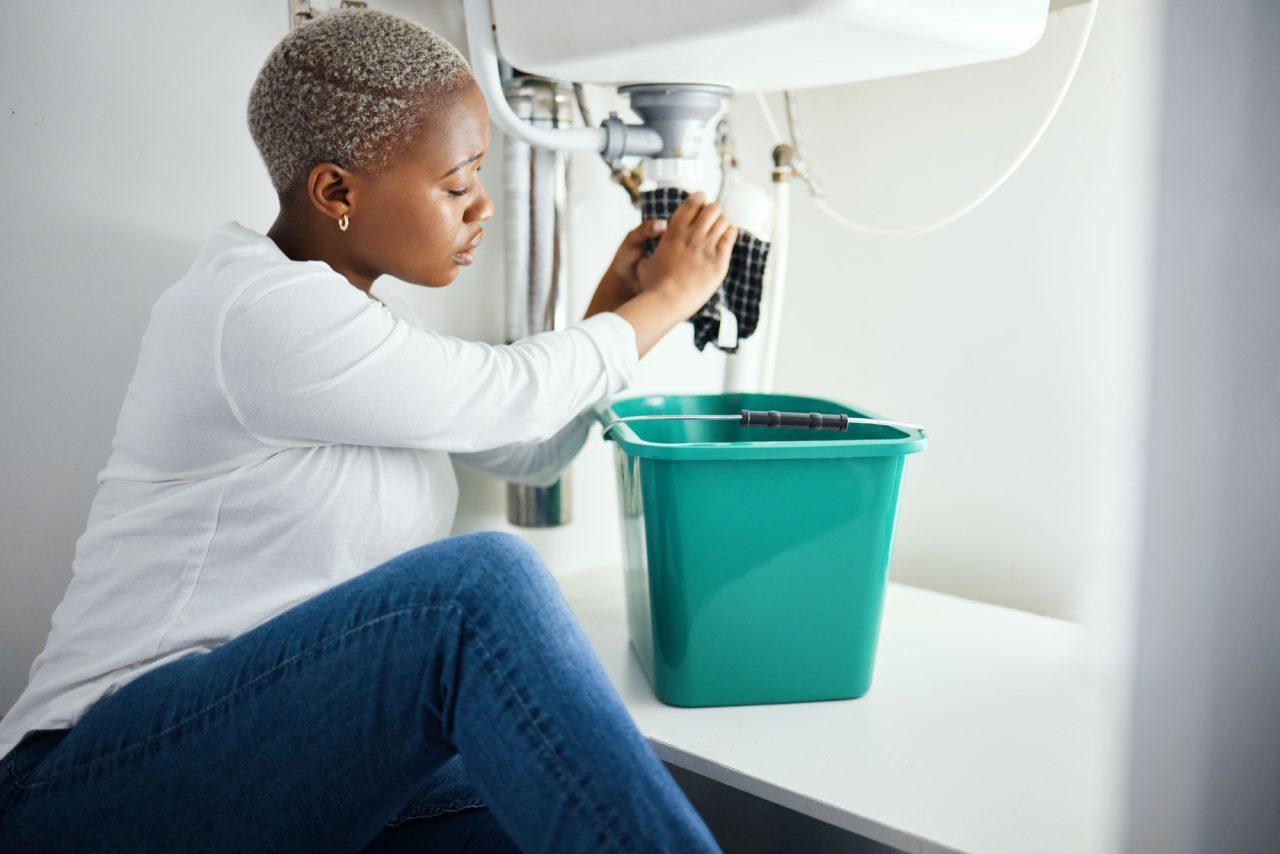
Key Takeaways
- You should absolutely get your plumbing inspected before winter so that you don’t experience pipe freezes, leaks, and plumbing emergencies due to sudden cold snaps or rain.
- It means you can defend your house from stealthy plumbing problems, like silent leaks or mineral accumulation, with routine inspections and trusted leak-sensing technology.
- Be especially vigilant of older pipes and recent wildfire damage. Both will leave your home prone to expensive repairs.
- You save by investing in preventive plumbing inspections, which help you avoid costly emergency repairs and improve your system’s efficiency.
- Make your family healthier and safer by ensuring your plumbing is leak-free, mold-safe, and water contaminant-free with routine checking.
- Here is how you can mix basic DIY plumbing checks with professional inspections for complete insight and a home protected throughout the winter.
Why every Santa Rosa home needs a plumbing inspection before winter. Keep your pipes safe and minimize the potential for leaks when the cold hits. Winter temperatures stress pipes, turning little cracks into big ones and weakly glued joints into leaking ones. An inspection helps you identify concealed issues early and prevents water damage from occurring. Most of the time, minor repairs in the fall prevent major repairs when it’s cold and damp. You’ll save money on bills as leaks and clogs tend to waste water and heat. For families, a safe and dry winter home means peace of mind. You feel safer and keep your home sturdy. The next section walks you through it.
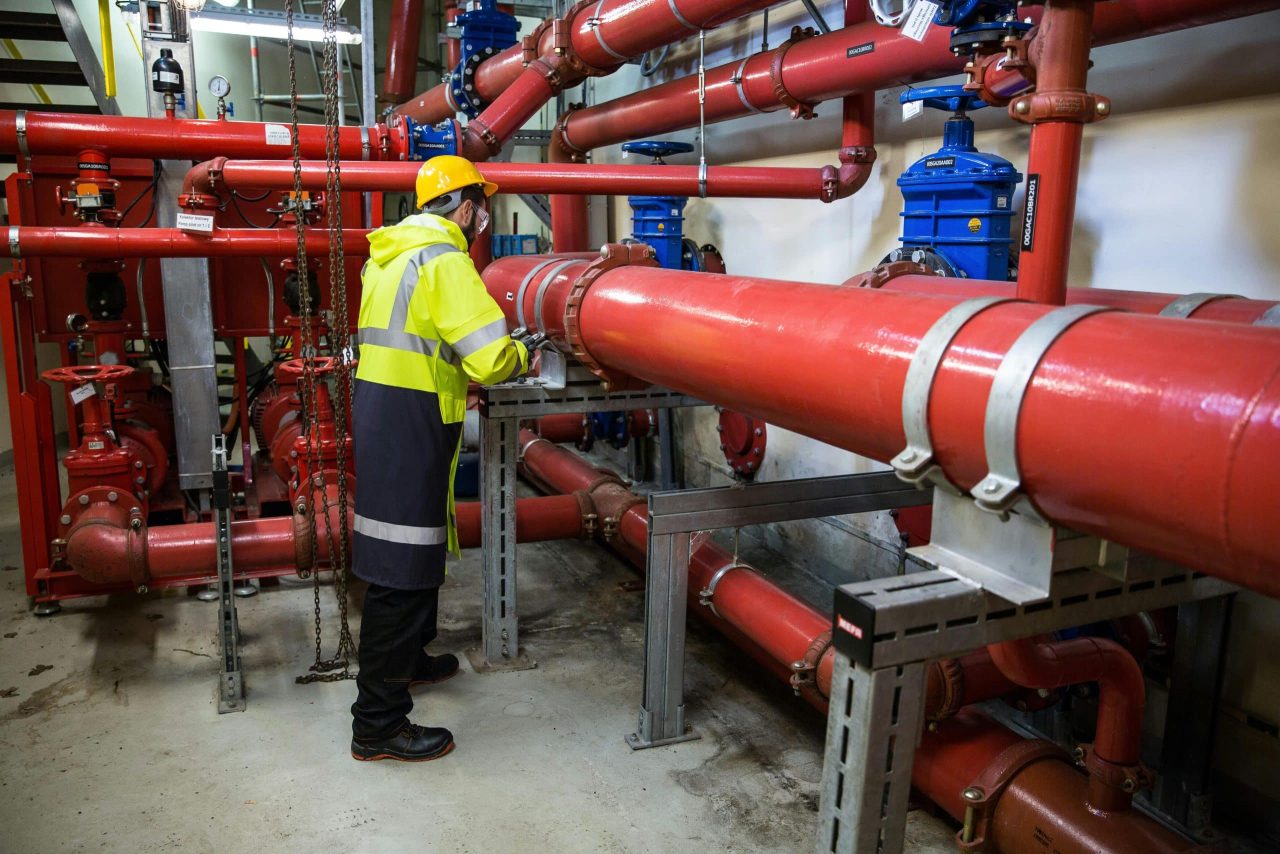
Why Your Santa Rosa Plumbing Needs Inspection
A winter plumbing inspection isn’t just a seasonal chore; it’s a vital preventative maintenance inspection that keeps your home safe and saves you money on costly repairs. Even in areas with relatively mild winters, issues like frozen pipes and plumbing leaks can sneak up on you. Unchecked plumbing problems, particularly under the stress of cold weather or heavy rainfall, can escalate into emergencies that disrupt your life and budget.
1. Mild Winter Risk
Mild winters may have you thinking your plumbing is safe, but these seasons are great at concealing issues. Pipes could already have tiny cracks or poor joints that deteriorate with time, particularly when temperatures plunge. Just a brief freeze can cause the water in your pipes to expand and burst, flooding your home. If you don’t check for these issues, the damage can sneak up on you.
Routine inspections detect early wear and tear before it expands. If you notice sluggish drains or diminished water pressure, these are warning signals. When you arrange a plumbing inspection before winter hits, you receive professional attention on every connection and pipe, providing you with a concrete strategy. This step spares you from bigger surprises down the line.
2. Sudden Cold Snaps
Cold snaps have no warning and leave exposed pipes the most vulnerable. Pipes on outer walls or in unheated spaces freeze quickly, and when water freezes, pipes burst. Burst pipes lead to water damage, repair bills, and sometimes days without water.
Inspect the wrapping on your pipes. Check outdoor taps and hoses as well. If they’re not drained or covered, they can crack and leak. Wrap foam sleeves or heat tape, an easy repair that keeps your system secure. These little things make a huge difference when it gets cold.
3. Heavy Rainfall Strain
Torrential rain inundates drains and adds strain to sewer lines. When it cannot keep up, you get backups, leaks, and flooding inside your home. Poorly draining gutters let water pool near your foundation, compounding the problem.
Regular drain inspections and gutter and downspout clearing assist in diverting water. Be on the lookout for slow drains or gurgling sounds, both of which indicate blockages forming. A quality inspection will identify compromised pipe joints before they collapse under rain pressure. Don’t wait until the last minute, when water starts backing up into your home.
4. Older Home Vulnerability
Older homes have aging pipes and fittings, frequently of less durable material. These systems are more prone to leak or break when winter stress strikes. Even tiny drips in aged pipes can result in huge damage if left unpatched.
It inspects rust, fragile joints, and outdated fixtures. Sometimes it’s wise to swap out aging valves or pipes for improved water flow and a reduction in unforeseen events. Even a minor remodel can increase efficiency and keep you out of major remodeling expenses.
5. Wildfire Aftermath
Wildfires can ruin plumbing, even if flames never lay full force on your home. Heat, smoke, and ash infiltrate pipes, causing hidden leaks or water contamination. Outdoor plumbing, such as irrigation, tends to take the biggest hit.
A wildfire inspection looks for cracked or melted fittings. If ash or smoke residue is in there, your water quality could be compromised. Deal with these problems quickly to protect your plumbing and purify your water.
What A Proper Inspection Covers
A trustworthy plumbing inspection before winter involves more than a cursory look at your fixtures. It’s a comprehensive examination of your water infrastructure. This all-in-one approach emphasizes proactive monitoring, risk evaluation, and mitigation to safeguard your home and health during the winter. Inspections cover pipes, drains, water heaters, valves, sump pumps, and fixtures, focusing on inefficiencies and hazards such as leaks or frozen lines that can result in costly repairs or water waste.
Core areas a plumbing inspection should include:
- Visual and operational inspections for leaks, cracks, or corrosion in all pipes.
- Assessment of insulation on exposed piping
- Checking joints, connectors, and fixtures for wear or damage.
- Check the water heater for sediment, leaks, and performance.
- Inspection of sump pumps and drainage systems
- Testing of main shutoff valves for accessibility and operation
- Evaluation for water quality issues or irregularities
- Identification of potential freezing risks
- REPORT of any problems and needed repairs.
Water Heater
Here’s what a proper winter plumbing inspection will cover. The technician should test for sediment buildup, which reduces heater efficiency and accelerates wear. Flushing sediment ensures you receive consistent hot water and fewer breakdowns. You need to check the water temperature setting too, as they set proper controls to keep hot water flowing and prevent scald hazards, particularly when demand surges during the winter season. Additionally, check for plumbing leaks around the heater; even minor leaks can lead to major water damage if ignored. Schedule regular preventative maintenance inspections to double the lifetime of your heater and avoid costly winter plumbing issues.
Exposed Pipes
Exposed pipes are vulnerable during frozen weather. If you’ve got pipes in basements, crawl spaces, or along exterior walls, they require a thorough inspection. They should identify any pipes lacking adequate insulation, as these are the most likely to freeze and burst. Corrosion, rust, or green stains indicate weak spots that could leak when pressured by winter’s chill. Pipe joints and connectors are tight and dry or rust-free. For example, adding insulation sleeves or wraps is an easy way to protect your pipes and reduce the risk of winter plumbing nightmares.
With some homes having complicated floor plans, not all exposed pipes are easy to spot. I find it’s good to use a thermal camera to identify cold spots or concealed leaks. Insulation varies from foam sleeves to fiberglass wraps and should extend the entire length of exposed pipes.
Sump Pump
Not all homes have sump pumps, but if you do, a professional plumbing inspection is essential. A good pump should start and run smoothly when tested, demonstrating it can handle heavy rains or snowmelt. To prepare for the winter months, make sure to inspect your power source. Battery backups are great if you’re prone to outages. The drainage line should be unobstructed and sloped away from the house. Any debris or silt in the pit can bog down the pump or clog the plumbing system, so cleaning is imperative. A pro can detect early wear, such as weird sounds or slow cycling, before it becomes a storm-time breakdown.
Main Shutoff Valve
Locate your primary shutoff valve and ensure it turns easily, as this is crucial during a winter plumbing inspection. If it sticks or leaks, it might not function in an emergency. Corrosion is common in older homes, so check for green or white buildup. Conduct an emergency drill so everyone can turn the water off if there’s a burst pipe. A thorough plumbing inspection should include testing the valve a few times each year, especially before winter when pipes are most vulnerable.
Uncover Hidden Plumbing Problems
Plumbing likes to keep issues concealed behind walls, beneath floors, or within cabinets — elusive until damage has already occurred. Unnoticed leaks, mineral deposits, and pressure changes are a surefire danger in any household, especially when considering the importance of a winter plumbing inspection. Annual inspections and proactive plumbing inspections are the key to keeping your plumbing system reliable and efficient during the cold weather.
Silent Leaks
Silent leaks are among the most common yet least obvious plumbing problems. These leaks frequently develop in places you’re not in regular sight of, such as beneath sinks, behind toilets, or within walls. While small drips may not appear urgent, they can lead to significant water damage and increased energy bills. They also create ideal breeding grounds for mold and mildew, which flourish in moist, dark areas. Mold growth poses a danger to your health and is nearly impossible to eradicate once it proliferates. Conducting a winter plumbing inspection can help identify potential plumbing issues before they escalate.
A solid checklist for detecting silent leaks includes looking for wet areas on floors, walls, or ceilings near plumbing fixtures. You’ll want to examine cabinets for soft or swollen wood, which is a frequent indicator of concealed moisture. Checking your water meter is a common-sense way to detect leaks. If your usage spikes unexpectedly or the meter moves when no taps are open, you probably leak. Leak detection sensors and thermal cameras can assist in locating slow leaks that are difficult to detect manually. Scheduling a professional plumbing inspection annually is the best step you can take, especially if your home has polybutylene pipes, known for their leak risk.
Mineral Buildup
Mineral buildup, or scale, occurs due to hard water leaving deposits in pipes and fixtures. Over time, this buildup constricts pipes, restricts water flow, and can lead to costly winter plumbing issues if not addressed. A professional plumbing inspection can help identify these problems early, ensuring your plumbing system operates efficiently. In extreme cases, it can block pipes, necessitating expensive repairs. Hard water reduces the lifespan of your plumbing by leading to corrosion, particularly in older metal pipes.
A little maintenance goes a long way. If you see white or chalky residue on taps, it’s a sign of build-up. By scheduling a preventative maintenance inspection, you can help avoid minerals from collecting and increase your water quality. Early action keeps your pipes flowing and your wallet happy.
Pressure Irregularities
Uncover Hidden Plumbing Problems. Pressure that fluctuates could signal an underlying issue lurking in your pipes, like a clog, broken valve, or leak. Freezing temperatures impact pressure, too, and frozen burst pipes wreak major property damage.
It’s easy enough to test water pressure with a simple gauge, and you should do so at least once a year. The perfect pressure is generally 275 to 415 kPa. Notice significant shifts in water pressure or hear pipes banging; perhaps you’ve got to tweak your pressure regulator. If the problem persists, have a licensed plumber look for a hidden culprit with tools such as thermal cameras. Catching these issues early will keep your plumbing system protected throughout the winter.
The Financial Case For Prevention
Plumbing requires continuous maintenance if you want to save money and avoid major home setbacks. It may be tempting to skip the check-ups to save money, but the risks pile up. Undetected leaks, burst pipes, and water waste can all lead to sky-high bills and expensive repairs. Like most homeowners, many aren’t aware of the financial damage that can result from minor, overlooked plumbing problems. When winter hits, those little cracks or leaks in your plumbing system can escalate into huge issues very quickly, particularly if the temperatures drop below freezing. If a pipe bursts, you’ve got more than just the price of emergency repairs. You may need to pay for fixing property damage or even temporary accommodations while repairs are made. By scheduling a winter plumbing inspection today, you make a wise move to prevent these issues and keep your home secure.
- Avoid emergency repair costs that spike during winter
- Water down leaky faucets to reduce your water bills.
- Extend system life, saving money on early replacements
- Reduce the risk of water damage due to burst or frozen pipes.
- Boost energy efficiency, reducing home heating costs
- Cut water waste, support sustainability, and lower expenses
- Increase your home’s market value with well-kept infrastructure
Getting the equivalent of a routine plumbing check is a relatively low-cost way to detect and repair these issues before they become costly. For instance, a small leak that you ignore can easily waste hundreds of liters of water and increase your water bill every month. That same leak, left unattended, could freeze and burst a pipe when winter comes, leaving you with thousands of dollars in damage. Addressing leaks promptly doesn’t save money. It helps conserve a resource that counts everywhere. If you flush your water heater annually, it operates more efficiently and lasts longer, so you’re not having to purchase a new one every few years. This simple practice reduces both power consumption and replacement expenses.
Energy efficiency is another area where plumbing checks make a real difference. If your pipes or fixtures leak or clog, your water heater and pumps have to work harder, consuming more energy to keep up. Locating and solving these issues can reduce your energy bills month after month. For instance, a clogged pipe or slow drain can cause your system to work overtime, increasing your energy consumption and the equipment’s longevity.
Plumbing professionals advise a comprehensive inspection every couple of years. This provides insight into your system’s health and aids in spotting potential plumbing issues early. Preventative maintenance isn’t simply about peace of mind — it’s a smart investment. It allows you to budget, avoid unexpected expenses, and maintain your home efficiently.

Beyond The Pipes: Health And Safety
A pipe check is about more than water movement. It’s an important step for your health and safety at home. Did you know that many plumbing problems can lurk for months before you even notice water stains? By that point, you can already be dealing with health concerns and expensive repairs. One of the biggest concerns is mold. It can start to grow in as little as 24 to 48 hours after a leak, particularly in a humid environment. Mold and mildew love standing water, and if you inhale these spores, you might encounter respiratory issues or allergies. These health effects don’t vanish quickly. It can literally take months or even years to reverse the damage from mold exposure, and your health is compromised immediately.
Leaks aren’t just about mold; they can introduce other risks. Water from broken pipes can mix with bacteria or chemicals, especially if your plumbing system is outdated or made from polybutylene. This increases the likelihood of stomach bugs, skin irritation, or worse. A professional plumbing inspection looks for these vulnerabilities, hunting for evidence of hard water that erodes pipes and inspecting the soil surrounding your house, as certain soils can accelerate pipe deterioration. By anticipating these elements, you can prevent water that appears clear but is actually undrinkable.
Safety extends beyond the pipes. Water and electricity are a dangerous combination, and a tiny leak close to your wiring or an outlet has the potential to short-circuit your entire system, cause a fire, or even lead to a full system shutdown. This risk is exacerbated if you live in an older home where pipes and wires might come into contact. After checking the pipes, health and safety remain paramount. Routine winter plumbing inspections assist in identifying leaks before they become fire hazards. In certain locations, high humidity levels can cause leaks to escalate into hazards more quickly, necessitating special attention to pipes that might only have a slight drip.
A thorough plumbing inspection rounds out your home safety plan. It detects invisible leaks, tests water quality, and ensures proper filters are installed. If your plumbing has old or hazardous materials, inspectors will inform you about what needs replacement. They detect issues early, which can save you significant money and stress. More importantly, it keeps your water safe and your house healthy. Regular preventative maintenance inspections are an effective way to address minor plumbing issues before they evolve into major and costly problems.
DIY Checks VS. Professional Insight
As winter approaches, you might wonder whether a DIY check of your home’s plumbing system is sufficient or if you should hire a skilled plumber for a more thorough plumbing inspection. Both options have their own advantages and disadvantages, and it’s essential to weigh them carefully. Here’s a side-by-side comparison to give you a clear view of both perspectives.
DIY checks:
- No labor, so you save on little fixes.
- Can spot basic leaks, drips, and loose fittings.
- Allows you to select your own tools and components.
- Excellent for education on your system’s anatomy.
- Repairs are longer, usually spanning days.
- Over-tightening fittings is an easy slip-up.
- Can overlook latent or deep-seated problems.
- No expert diagnostic tools and technical know-how.
Professional insight:
- Employs advanced technology like thermal cameras or pressure sensors.
- Finds hidden leaks, corrosion, and weak points fast.
- Fixes and diagnoses done right the first time.
- Manages the heavy stuff like main lines or gas pipes.
- Provides advice on system upgrades or code requirements.
- More expensive because of service and labor.
- Reduces future breakdown risk.
- Requires less time and is frequently completed in a single visit.
DIY checks can be successful for small plumbing jobs, such as a leaky tap or a slow drain. You may notice water stains under a sink or a drip from a hose bib and decide to tackle it yourself. By purchasing your own parts, you keep costs down. However, these tasks can drag on for an entire weekend, especially if complications arise. Many homeowners overestimate their abilities, thinking a monkey wrench and a new washer can fix everything, which can lead to even greater messes. For instance, over-tightening components can crack pipes or seals, causing more plumbing leaks than before.
If a problem persists after your DIY check or involves main water lines, gas, or sewer pipes, it’s time to contact a professional plumbing company. These situations are riskier and require a sophisticated skill set. Experienced plumbers can identify issues you might miss, such as pipe corrosion hidden behind drywall or weak pressure caused by blockages deep within the plumbing system. They utilize tools that most homeowners don’t have, like cameras that snake down drains or ultrasonic leak detectors. A professional plumbing inspection ensures that your entire plumbing system is thoroughly checked, allowing for proactive maintenance and reducing the likelihood of unexpected plumbing emergencies.
Ultimately, it’s about balance. While DIY checks and fixes are valuable, allowing a pro to conduct a winter plumbing inspection today is crucial for maintaining a robust plumbing system through the winter months. This minimizes risk and helps you avoid costly winter plumbing issues. A professional inspection provides full insight into your plumbing’s health and allows you to plan for necessary upgrades or repairs before a minor issue escalates.
Conclusion
Cold months hit Santa Rosa hard. Pipes freeze quickly, and leaks appear where you’d least expect. Every Santa Rosa home needs a plumbing inspection before winter. Little cracks expand when water freezes. Leaks you miss soak walls, floors, and your wallet. Expert plumbers find issues that lurk past cursory inspections. They use real tools, not guesswork. You gain peace and maintain health hazards at a minimum. Your home is snug, dry, and prepared for winter storms. Dodge the drama, ring up a local expert, and be ahead of destruction. Need a checklist of what to question your plumber or advice on what to be alert for? Contact us today and protect your home for the entire season!
Frequently Asked Questions
1. Why Is A Plumbing Inspection Important Before Winter?
A winter plumbing inspection allows you to identify leaks, cracks, or pipe weaknesses before cold weather can cause major harm. This proactive plumbing inspection saves expensive repairs, safeguards your home, and maintains safe water flow for the winter season.
2. What Does A Professional Plumbing Inspection Include?
A specialist conducts a thorough plumbing inspection of pipes, water heaters, drains, and faucets to identify potential plumbing issues. They check for leaks, corrosion, and obstructions, ensuring your plumbing system remains safe and efficient!
3. Can Plumbing Problems Go Unnoticed?
Yes. A lot of problems with plumbing, such as minor leaks or pipe corrosion, can lurk behind walls or beneath floors. A professional plumbing inspection uncovers these issues before they turn into costly winter plumbing issues.
4. How Can A Plumbing Inspection Save You Money?
Early detection through a winter plumbing inspection saves costly repairs and water damage. Addressing small plumbing issues today is much less expensive than handling burst pipes or flooding in the winter.
5. Are Plumbing Inspections Only About Preventing Leaks?
No. A professional plumbing inspection safeguards your water quality, staves off mold, and confirms that your plumbing system is up to safety code, keeping your home healthy and safe.
6. Can You Do A Plumbing Inspection Yourself?
You can look for obvious leaks or drips, but only a professional plumbing inspection can detect unseen issues. Keeping your plumbing reliable involves hiring an expert for preventative maintenance inspections.
7. How Often Should You Schedule A Plumbing Inspection?
You should schedule a winter plumbing inspection at least once a year, particularly before the cold weather. Routine professional plumbing inspections prevent surprises and preserve the value of your home.
Plumbing Inspections In Santa Rosa — Thorough, Reliable, And Trusted Experts
Regular plumbing inspections keep your home safe, efficient, and free from costly surprises. Whether you’re maintaining an older property, buying a new home, or preparing for winter, Yorkshire Plumbing provides detailed plumbing inspections throughout Santa Rosa.
Our licensed plumbers carefully evaluate every part of your system, from hidden leaks and aging pipes to water pressure and drain performance. Using advanced diagnostic tools and proven methods, we identify potential issues early so you can prevent emergencies and plan repairs before they become expensive problems.
With nearly a decade of experience serving Sonoma County, our family-owned team has earned a reputation for honesty, precision, and long-term results. We don’t just inspect your plumbing, we help you understand the condition of your system and what to do next.
Whether you need a routine inspection or a full plumbing assessment before buying a home, Yorkshire Plumbing is your trusted choice in Santa Rosa. Contact us today to schedule your inspection and keep your home’s plumbing in top shape.
Disclaimer
The information provided on this website is for general informational and educational purposes only and is not intended as professional plumbing or construction advice. You should consult with a licensed plumber or qualified contractor for guidance specific to your home or situation. Do not rely solely on the content of this site to make decisions about plumbing repairs, installations, or maintenance. While we strive to keep the information current and accurate, it may not reflect the most recent industry standards or code requirements. Yorkshire Plumbing & Drain Services disclaims all liability for any actions taken or not taken based on the content of this site, to the fullest extent permitted by law.