Hydro jetting vs. Snaking, those are the two main ways to clear clogged pipes, but each works differently. Hydro jetting blasts high-pressure water deep into your pipes, disintegrating grease, roots, and other stubborn clogs. Snaking employs a long metal cable to break through or extract clogs that obstruct the pipe, which is efficient for uncomplicated or soft obstructions. Hydro jetting often leaves the pipe cleaner since it literally scrubs the pipe walls, whereas snaking primarily just opens up a path for water to flow. To decide which method suits best, consider the nature and scale of the clog. The meat will explain each method and provide practical tips based on typical pipe problems.
Key Takeaways
- Hydro jetting provides an in-depth, powerful clean for tough and persistent clogs, while snaking is better for lighter blockages and regular upkeep.
- Selecting between hydro jetting and snaking depends on the severity and nature of the clog and the overall condition of the plumbing system, making a professional assessment highly valuable.
- Hydro-jetting involves blasting pressurized water through your pipes to scrub them clean of buildup, degrading mulch, and other material that a traditional snake can’t break up. This process preserves the long-term health of your pipes and helps prevent future clogs.
- Snaking is a good option for quick relief of uncomplicated clogs. It may not clear deep blockages or help to avoid recurrence, showing its limits in tough situations.
- Both methods carry risks if not performed correctly. Improper use of a plumbing snake or high-pressure jet can damage pipes, so professional evaluation and the use of camera inspections are recommended to mitigate potential hazards.
- Routine maintenance, such as occasional professional cleaning and inspections, is necessary to ensure the flow of water remains efficient, that plumbing systems have a longer lifespan, and to avoid expensive repairs down the line.
The Real Difference Between Hydro-Jetting And Snaking
Understanding the real difference between hydrojet drain cleaning and traditional snaking techniques allows homeowners, property managers, and professionals alike to make informed decisions about sewer cleaning options. While both methods clear clogs, the equipment and efficiency, especially with a hydro jetting machine, differ significantly.
Feature | Hydro Jetting | Snaking |
Tool Used | High-pressure water jet (1,500-4,000 PSI) | Manual or motorized auger |
Effectiveness | Removes grease, scale, roots, and buildup | Clears simple, localized clogs |
Cost (USD) | 300-600 per service | 100-300 per service |
Water Use | 190-380 liters (50-100 gallons) | Negligible |
Pipe Impact | Can stress fragile pipes | Gentler on old pipes |
1. The Method
Hydrojet drain cleaning employs a specialized machine that forces water at a pressure of 1,500 to 4,000 PSI through a jetting hose with a multi-directional nozzle. The technician feeds the hose into the sewer line, fires up the hydrojet, and water shoots through the system, scouring off deposits of grease, mineral deposits, and even tree roots. This process typically clears the pipe wall almost completely and restores original flow rates. For simpler clogs, plumbers use plumbing snakes, which are flexible steel cables fed into the pipe either manually or mechanically. As the auger advances, it either pulverizes the blockage or pulls it out, making it more focused and minimally invasive, ideal for light clogs or fragile plumbing systems.
One of the main considerations in preparing for hydro-jet drain cleaning is an initial camera inspection to check pipe integrity due to the high pressure involved. Snaking is fast and requires minimal setup, which can be beneficial in emergencies or for aging pipes that are susceptible to damage. The choice between hydro jetting and snaking depends on the origin of the clog and the health of the pipe. Recurrent or extreme buildup signals the need for hydro jetting, while occasional, softer blockages might only require traditional snaking techniques.
2. The Power
Hydro jetting’s high-pressure water jets pulverize years of buildup, flush out grease, and even remove tree roots, so it’s the go-to for deep cleaning and recurring issues. Snaking is all about brute force, so it doesn’t stand a chance with heavy buildup or roots, but can attack hair or paper clogs.
Hydro jetting can bring the pipe to near-original condition. It’s not possible for pipes that are already weak. Snaking is safer on ancient or delicate plumbing, but it leaves residue and sometimes won’t cure persistent issues. The PSI in jetting dwarfs the torque of even the most powerful snake, which means it is more aggressive.
3. The Result
Hydro jetting provides a deep clean, removing layers that snaking cannot reach. The outcome is a pipe with nearly no debris, greatly minimizing the potential for future clogs. Snaking opens the flow by removing the direct clog, but does not treat accumulated crud. It is great for fast solutions.
Hydro jetting provides long-term value, particularly in commercial or high-use systems. Snaking is more for upkeep or easy clogs. Both restore flow, but hydro jetting extends pipe life by minimizing buildup over time.
4. The Application
Hydro jetting is ideal for deep-rooted, recurring, or difficult clogs, particularly those with roots or years of buildup. It is used in sewer lines or commercial drains. Snaking is well-suited for straightforward obstructions, such as hair or small objects, and is appropriate for use in older or more delicate pipes.
Your plumbing type makes a difference. The real difference between hydro jetting and snaking is that an expert evaluation assists in determining the appropriate method and weighing the cost, risk, and efficiency.
Understanding The Plumbing Snake
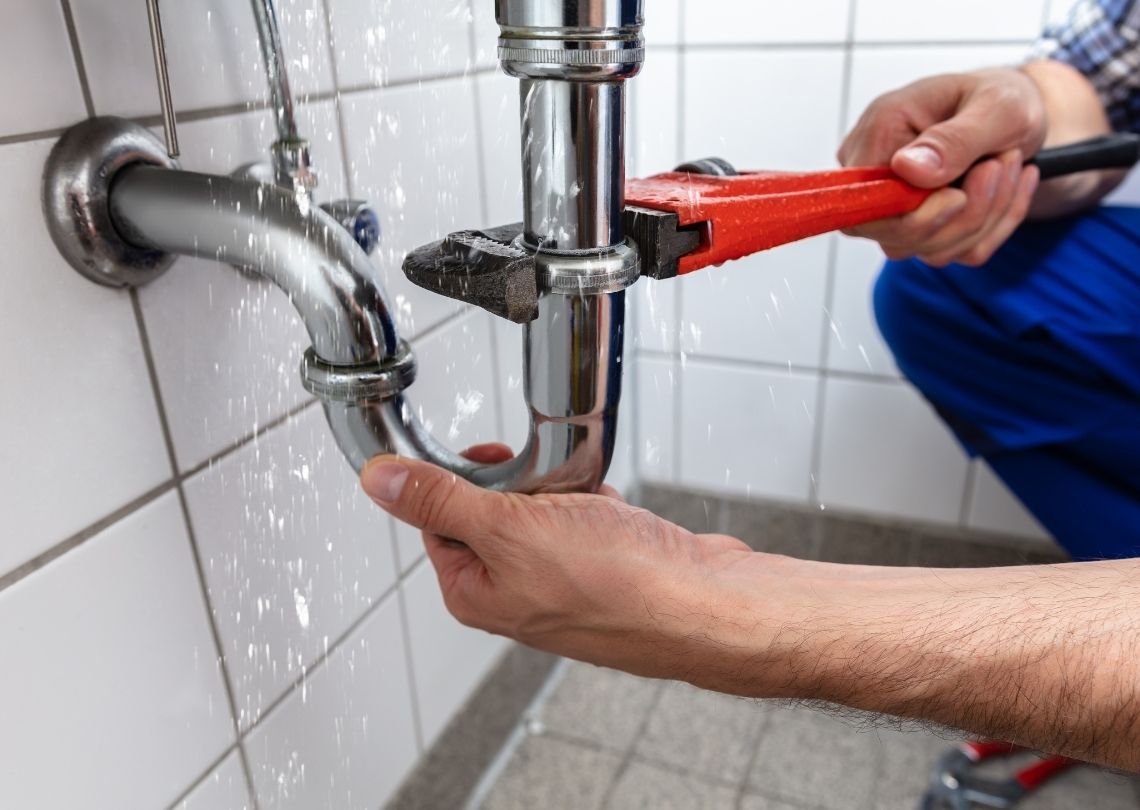
A plumbing snake, also known as a drain auger, is a coiled steel cable with a handle and a corkscrew tip designed for professional drain cleaning. Its task is to locate and demolish clogs within pipes, making it an effective tool for tackling stubborn sewer line clogs. Unlike chemical cleaners, a snake works by literally grabbing or pushing through the clog. The cable’s length and size may vary, from a compact 7.5-meter hand tool for bathroom drains to a heavy-duty 60-meter motorized machine suitable for main sewer line cleaning.
When It Works
A plumbing snake works best with soft clumps, such as hair, food scraps, or wads of toilet paper. For instance, if a shower drain clogs due to hair accumulation, a plumbing snake can snag and extract it without needing to dismantle the pipes. Kitchen sinks clogged with food scrapings or grease that has begun to harden are other good possibilities. For most homes, a manual snake will do the trick, but for more stubborn clogs, hydrojet drain cleaning is a powerful alternative.
Snaking is fast and inexpensive for small clogs, with service fees typically around $50. This method is excellent for general maintenance, as it helps keep drains free of routine gunk and prevents larger plumbing issues. Many tenants and homeowners prefer snaking for its instant solution without the need for costly tools or chemical drain cleaners. Regularly using a plumbing snake service can save you from bigger headaches down the line.
Hair clogs are common in bath drains, and a snake can easily snag and extract the knotted mess. Additionally, little toys or paper jammed in toilet drains are a snap for the snake to snatch. In these cases, the process is simple: insert the snake, twist it, pull out the blockage, and reassemble the parts, or consider a hydro jetting process for a more comprehensive cleaning if needed.
When It Fails
About The Snake, as we saw it, snakes have limits. Hard blockages, like thick tree roots or packed grease, resist the snake’s tip. If the clog is deep in the sewer line, even a long motorized snake won’t reach or break it up. Some clogs, such as cement or mineral deposits, require more muscle than a snake can provide.
A snake on delicate or aged pipes can result in cracks or leaks. Unprofessional use can lead to hurting the p-trap or scraping the pipe walls. Sometimes, snaking just bores a hole through the clog, leaving debris behind that soon clogs the pipe again.
Snakes can miss lurking problems. If pipes are broken, misaligned, or root-invaded, the snake will not cure the underlying cause. Where they can, the wrong size cable or forcing it can make matters worse. When snaking doesn’t cut it, you need hydro jetting or a professional inspection for a real repair.
Understanding Hydro Jetting
Hydro jetting is an advanced pipe cleaning technique that employs pressurized water, sometimes as high as 4,000 PSI, to eliminate stubborn blockages and scrub the interior of pipelines. This professional drain cleaning method aims to clean pipes by scraping off years of buildup, grease, scale, or even tree roots. Unlike conventional drain cleaning, hydro jet drain cleaning uses expert nozzles and water jets to crush and flush out material without harsh chemicals or mechanical augers.
Advantage | Hydro Jetting | Traditional Snaking |
Cleaning Depth | Removes all buildup | Clears the main blockage |
Range of Pipe Types | Most materials | Limited by pipe shape |
Recurring Clog Risk | Low | Higher |
Residue Left Behind | Minimal | Often significant |
Tree Root Removal | Effective | Ineffective |
Cost | Higher | Lower |
What distinguishes hydro jetting is its ability to tackle a variety of pipe materials and clog varieties, making it an effective solution for sewer cleaning. It is scalable for both residential and commercial environments, addressing everything from small kitchen drains to larger sewer lines. Hydro jetting can be paired with various nozzles to match the pipe size or blockage, making it customizable for a wide range of uses. It’s important to note that basic, shallow blockages might not require such a dramatic approach.
A Deeper Clean
Hydro jetting offers a powerful cleaning method that traditional plumbing snakes can’t compete with. The high-pressure water jets don’t merely jab a hole into the clog, but they thoroughly scour the entire inside of the pipe, effectively removing layers of sludge, grease, and mineral scale. This hydrojet drain cleaning technique is particularly effective against years of residue left by snaking. Unlike snaking, which may only create a channel through the center of a clog, the hydro jetting process employs rotating and forward-facing jets that scrub and reach every inch of the pipe’s inner surface, flushing away debris and residue.
In environments like food service or industrial settings, where grease buildup is frequent, a professional drain cleaning service using hydro jetting can restore pipe flow far more efficiently than traditional methods. Deep cleaning is essential for preventing future clogs, as it clears away every trace of accumulation. Hydro jetting decreases the chances that junk will catch and initiate a fresh clog, making it a proactive solution.
This comprehensive cleaning strategy is crucial for anyone looking to avoid recurring service calls or midnight plumber runs. The hydro jet drain cleaning method not only enhances drainage performance but also extends the lifespan of your plumbing system by preventing stubborn sewer line clogs.
Long-Term Solution
One of the biggest hydro jetting benefits is extending the life of your plumbing. By keeping pipes clean of grit, roots, and buildup, you reduce wear and tear from permanent blockages or band-aid repairs. Clean pipes mean less repeat clogging, reducing interruptions for businesses and households.
No matter the home, deep cleaning lays the foundation for a healthy lifespan for any plumbing system. Less residue leads to fewer areas for bacteria or smells to form, which can be crucial in both healthcare and hospitality environments.
Hydro jetting’s up-front price is higher than snaking, sometimes a few hundred dollars, and it can save you costly repairs from burst pipes or major clogs down the road.
How To Choose The Right Method
Choosing between hydrojet drain cleaning and traditional snaking techniques depends on various factors, including the type and seriousness of the clog, the state of your pipes, and long-term plumbing goals. Understanding these factors aids in steering the hydro jetting process and reduces the chance of re-injury. Collaborating with a professional drain cleaning expert is often the easiest way to evaluate sewer cleaning options, as each system and situation is unique.
Clog Severity
- Snaking is most effective for minor, soft obstructions such as hair, paper, or soap scum accumulation.
- Hydro jetting is ideal for heavy grease, mineral deposits, roots, or persistent issues.
- If a clog occurs only one time and the pipes are strong, snaking usually suffices.
- If the clog is caused by tree roots or dense grease, hydro jetting is your best bet.
For instance, in a bathroom where hair tends to clog the drain, hydrojet drain cleaning will clear the pipe fast. In kitchen drains clogged with old grease, the hydro jet process uses high-pressure water to blast through the accumulation far quicker than a typical snake. Professional plumbers use cameras to scope pipes and check clog severity before digging in. They consider how deep the clog extends, whether it’s expanding, or if roots are present. Serious clogs can put stress on pipes, leading to leaks or breaks if not repaired quickly. Fixing these quick stops defers bigger repairs later.
Pipe Condition
Pipe age and material are crucial factors in determining the best method for drain cleaning. Old, brittle clay pipes or severely rusted iron can crack from the high pressure of hydrojet drain cleaning. In these situations, using plumbing snakes is a safer alternative. Rust flakes, leaks, or pipe sag, for instance, require a more delicate approach. Occasionally, older pipes respond best to hydro jetting, as this method uses water instead of harsh tools. Experts always conduct a cleaning inspection to assess pipe resistance before any technique.
Future Prevention
- Organize routine cleanings to prevent serious blockages.
- Hydro jetting provides a deep clean and improves flow.
- Keep an eye out for recurring clogging and beat it to the punch before it causes harm.
- Ask about long-term fixes, not just fast repairs.
Hydro jetting flushes out junk, significantly reducing the likelihood of future clogs in your plumbing system. This comprehensive cleaning method enhances the durability of pipes and maintains optimal water flow throughout. Regular inspections and hydrojet drain cleaning not only save you money in the long run but also ensure that your plumbing functions smoothly year after year.
Potential Risks You Should Know
Both hydrojet drain cleaning and traditional snaking techniques are popular for clearing clogged drains. They come with risks, especially when not performed by professionals, which can lead to larger plumbing issues and unnecessary costs.
Snaking Dangers
Snaking, often referred to as cabling, involves sending a flexible metal cable down the pipe to break up or hook obstructions. If not executed properly, this method can lead to significant damage, especially in aged or delicate pipes. Clay pipes, thin plastic, or corroded metal are particularly vulnerable to issues caused by traditional snaking techniques. If the operator pushes too hard, it can push the clog deeper, worsening the blockage, especially when encountering resistant materials like roots or compressed sediment.
In many cases, rather than removing the clog, the snake merely shifts the issue further down the pipe, making it even more challenging to access. Various sizes of plumbing snakes are available, but a cable that’s too large can snag or twist the pipe, risking cracks in the pipe wall. Conversely, a cable that’s too thin may fail to clear the clog, leading to repeated attempts and additional stress on the plumbing system.
For a more effective solution, hydrojet drain cleaning offers a comprehensive cleaning approach that uses high-pressure water to clear stubborn sewer line clogs. This method not only removes clogs but also cleans the interior of the pipes, reducing the likelihood of future issues. Expert knowledge is essential in choosing the right method, and experienced plumbers understand how much torque to apply and which tools to use.
By opting for professional drain cleaning services, homeowners can avoid costly pipe repairs or replacements down the line. Using techniques like hydro jetting can significantly enhance drainage performance and ensure that plumbing systems remain in optimal condition.
Hydro Jetting Dangers
Hydro jetting employs a specialized hose that delivers water at pressures of up to 4,000 psi, making it an effective method for professional drain cleaning. This powerful force can clear clogs in sewer pipes but may also damage aged pipes or those compromised by corrosion. Using a hydrojet drain cleaning system that isn’t rated for high burst pressure could lead to a blowout inside the pipe, causing further issues.
An improper nozzle selection can result in missing the clog or pushing debris deeper into the plumbing system, exacerbating the problem. Some stubborn clogs, like roots, may become lodged even more firmly instead of being flushed out. Therefore, hydro jetting should always follow a thorough cleaning inspection by plumbing pros to avoid damaging the pipes.
Without proper evaluation, using excessive pressure on vulnerable pipes can lead to cracks or complete failure, making it crucial to rely on experienced hydro professionals for effective sewer cleaning options.
The Camera Inspection
Camera inspection checks the pipe condition before cleaning. The camera snakes through the drain, transmitting video so you can identify breaks, weak spots, or stubborn clogs. This step is crucial for ancient, brittle, or previously patched plumbing.
It demonstrates whether snaking or hydro jetting is the preferred alternative. If the pipe is weak, snaking may not be done for safety. If there’s root intrusion, then hydro jetting may be required, but only if the pipe is strong enough.
Routine checks can detect potential problems, allowing homeowners to address concerns before they require emergency repairs or full pipe replacement.
Beyond The Clog: Pipe Health
Pipe health is about more than just clearing a simple clog, but it depends on consistent flow to ensure that every pipe’s interior remains as clean as possible. Grease, scale, or debris buildup can slow water flow and stress joints, leading to leaks or breaks down the line. Quick-fix solutions that only address clogs don’t prevent these insidious background shifts. A little attention to pipe health goes a long way.
It’s about maintenance, regular cleanings to prevent buildup and slow wear. Hydrojet drain cleaning employs high-pressure water, up to 27,500 kPa, to scrub the entire inside surface of the pipe. This hydro jetting process can effectively shed layers of hardened grease, minerals, and even bits of tree roots. Snaking, by comparison, is swift and excellent for minor clogs consisting of hair or a morsel of food. While it blasts through the block, it doesn’t clean off tacky slime or stubborn crust. For homes with old cast iron pipes, bypassing deep cleaning can allow rust and scale to accumulate, which reduces the lifespan of the line. Uncleaned, even brand-new PVC or clay pipes, can develop sludge and require repair earlier.
Expert pipe inspections locate hidden dangers. A camera can identify cracks, roots, or heavy buildup that a mere plumbing snake cannot dislodge. Clogs that keep recurring in the same location may indicate a deeper issue, such as grease or mineral scaling. Neglecting these warnings can be even more costly, as full pipe replacement can be multiple times the cost of a professional drain cleaning.
Pipe material is crucial for selecting the appropriate cleaning method. PVC can withstand most methods, but old clay may crack under excessive water pressure. Cast iron typically requires a full hydrojet drain cleaning, while other plastics may just need a light cleaning. Regardless of type, consistent care tailored to the pipe prevents clogs and maintains flow. The cleaning price varies by pipe type, approach, and location of the home. Hydro jetting usually costs more than traditional snaking, but its impact tends to last longer and keeps pipes in better health.
Conclusion
When it comes to clearing pipes, both hydro jetting and snaking demonstrate true worth. Snaking does a great job for clogs like hair or little items caught up in the pipe. Hydro jetting uses extremely powerful water flow to clear out waste buildup and scrub down your pipes to prevent further clogs, ensuring clean lines for longer. Both methods have their time and place, but choosing the right one depends on the clog, pipe configuration, and what the pipes can’handle.’ Consider how old and how strong your plumbing is before you choose. If you’re unsure, have a pro check your lines. To get in front, keep pipes clean, and repair minor issues promptly. Looking for more pipe care tricks or new tools? Get the rest of my blog for real tips that WORK.
Frequently Asked Questions
1. What Is The Main Difference Between Hydro Jetting And Snaking?
Hydro jetting is a professional drain cleaning method that is more comprehensive for significant or persistent obstructions in the plumbing system.
2. When Should I Use A Plumbing Snake Instead Of Hydro Jetting?
For light or simple clogs, such as hair or small debris, consider using a plumbing snake, and for more stubborn sewer line clogs, professional drain cleaning with hydrojet drain cleaning may be necessary.
3. Is Hydro Jetting Safe For All Types Of Pipes?
Hydro jet drain cleaning is safe for most modern pipes, but it can damage old, fragile, or already damaged pipes. Always consult with a professional drain cleaning expert before choosing this method!
4. Can I Perform Snaking Or Hydro Jetting Myself?
While homeowners can tackle simple clogs with plumbing snakes, for more stubborn sewer line clogs, it’s best to rely on professional drain cleaning using hydro jetting.
5. How Do I Choose Between Hydro Jetting And Snaking?
Factor in clog type and severity, pipe condition, and expert recommendations. For stubborn or recurring clogs, professional drain cleaning with hydrojet drain cleaning is usually the better option.
Plumbing Safety, Codes & Compliance In Santa Rosa: Avoid Violations Before They Cost You
Most plumbing problems don’t start as emergencies; they start as small issues that quietly fall out of code. Over time, those issues can turn into failed inspections, safety risks, and expensive repairs that disrupt your business. Yorkshire Plumbing helps Santa Rosa property owners stay ahead of it all with expert plumbing safety and compliance services designed to catch problems early and fix them the right way.
If your building has aging pipes, inconsistent pressure, outdated fixtures, or past work that may not meet current standards, there’s a good chance something isn’t up to code. These issues often stay hidden until they trigger bigger problems like leaks, contamination risks, or compliance failures. Our team takes a close look at your system, identifying where it falls short and what needs to be done to bring everything back into alignment.
We keep things simple and clear. You’ll get a straightforward explanation of what’s going on, what’s required, and how to fix it. Whether it’s upgrading fixtures, replacing old piping, correcting improper installations, or adding safety components like backflow prevention, we focus on solutions that protect your property and keep your business running without interruption.
Yorkshire Plumbing has built a strong reputation across Sonoma County by doing things the right way. Honest recommendations, careful work, and a focus on long-term results. We don’t just fix what’s broken; we help you stay compliant, avoid future issues, and move forward with confidence.
If you’re unsure whether your plumbing is up to code, now is the time to find out. Contact Yorkshire Plumbing today and take care of potential violations before they turn into costly problems.
Disclaimer
The information provided on this website is for general informational and educational purposes only and is not intended as professional plumbing or construction advice. You should consult with a licensed plumber or qualified contractor for guidance specific to your home or situation. Do not rely solely on the content of this site to make decisions about plumbing repairs, installations, or maintenance. While we strive to keep the information current and accurate, it may not reflect the most recent industry standards or code requirements. Yorkshire Plumbing & Drain Services disclaims all liability for any actions taken or not taken based on the content of this site, to the fullest extent permitted by law.