Grease buildup is a terrible problem inside kitchen drains since it not only blocks water flow but also triggers foul odors. Food grease and cooking oil stick to pipes and congeal as they cool, causing the drain to stall or become clogged. Grease layers tend to ensnare other materials, such as food particles and soap, and combined, they can cause the pipes to corrode or burst. In large kitchens or restaurants, grease is a leading cause of increased plumbing costs and kitchen downtime. While most people turn to hot water or soap to flush the grease, those aren’t actual fixes, and they can lead to more buildup further down the pipes. To illustrate why this problem matters, the following sections detail real dangers and smarter grease buildup reduction methods.
Key Takeaways
- Grease buildup in kitchen drains happens when fats and oils cool and solidify, forming stubborn blockages that decrease drainage efficiency and sometimes emit foul odors. Both of these issues can be initially noticed as slow draining or foul smells.
- Food debris and particles caught up with grease make clogs even worse, so scraping and wiping dishes before washing is a small but important preventative step.
- Pipe constriction occurs when the grease layer in the pipe walls thickens enough to slow water flow to a trickle, leading to slow drainage, backups, and expensive plumbing repairs if not addressed.
- Grease’s relationship with other disgusting things,s such as biofilm and temperature swings, makes it even more difficult to wash away, emphasizing the importance of regular hot water flushes and focused cleaning efforts.
- Grease does a number on our sewers and environment outside our household, too, which is why we need community-wide education and greener disposal habits to provide long-term relief.
- By properly disposing of grease, educating all members of your household, and scheduling regular maintenance, you can shield both your plumbing and your wider community from the expensive impacts of grease buildup.
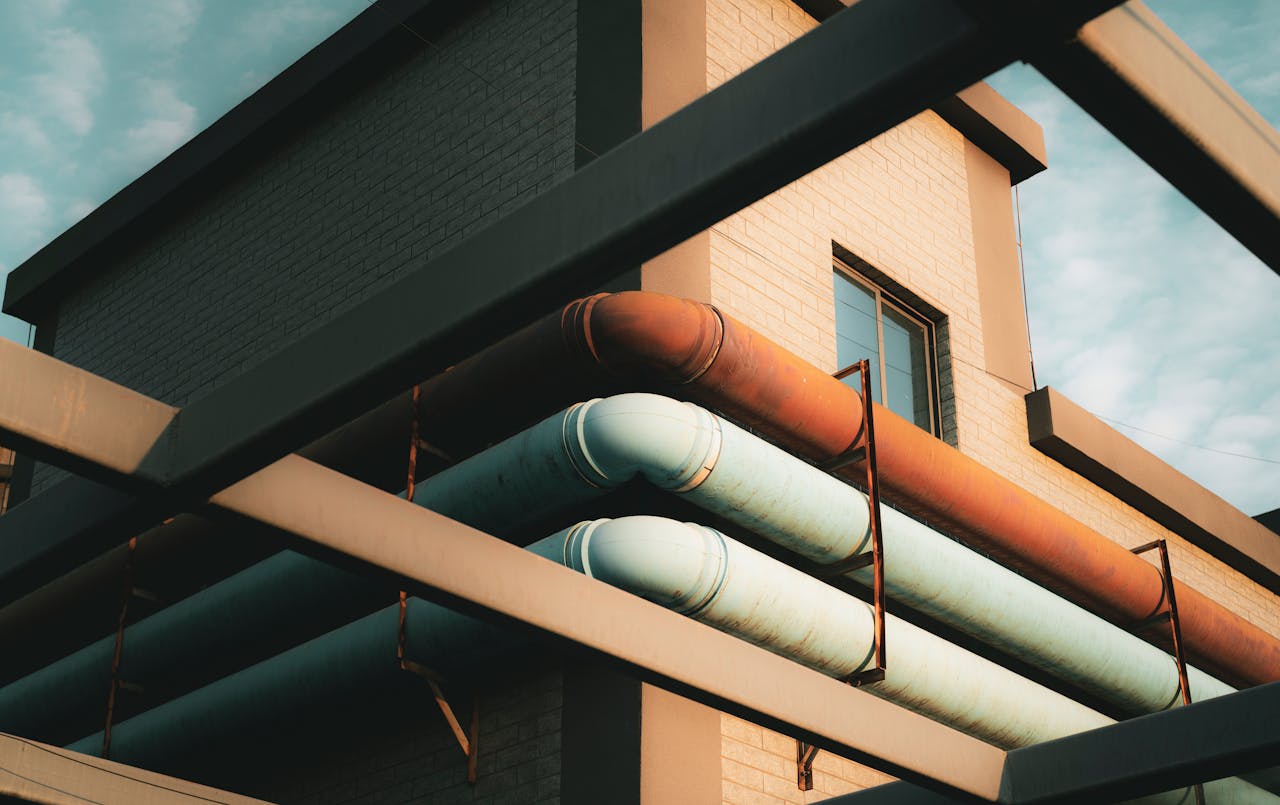
The Anatomy Of A Grease Clog
Grease clogs develop when fats, oils, and grease are dumped down kitchen sinks. These substances, along with food residue, can form significant clogs that affect drainage and may lead to major plumbing problems, prompting the need for regular drain cleaning to avoid costly repairs.
- Grease cools and hardens into immovable blockages in the pipes.
- Food scraps and particles become trapped, worsening grease buildup.
- Grease pipe constriction slows drainage and promotes backups.
- Stinky smells are usually an indication that grease is collecting in the pipes.
1. Solidification
Hot grease or oil poured down the drain might appear innocuous, but it can lead to significant clogs in your plumbing system. When the liquid washes down and cools within the pipes, it solidifies and adheres to the pipe walls, creating stubborn grease buildup. As excess grease accumulates, the water channel constricts, resulting in sluggish flow that can ultimately plug the pipe. To prevent major plumbing issues, it’s essential to avoid pouring grease down the kitchen sink and to consider regular drain cleaning services.
2. Debris Trap
Most kitchen drains house a menu of food scraps, coffee grounds, and even soap, which can lead to significant clogs. These particles become trapped in the tacky grease coating the pipes, creating a perfect environment for grease buildup. Gradually, this food and grease combination concocts stubborn clogs. If individuals routinely throw out food waste or flush down small pieces of rice, pasta, or eggshells, it exacerbates the problem. Using sink strainers and disposing of food in compost or the garbage instead of the sink helps minimize debris buildup, making regular plumbing maintenance essential.
3. Pipe Constriction
Grease clogs can significantly reduce the inner diameter of drain pipes, leading to major plumbing problems. Even a small layer of grease buildup can slow water flow, causing water to pool or drain slowly. Over months or years, this constriction can result in frequent backups and stress the plumbing system. Signs include water draining more slowly than usual or gurgling sounds from the pipes. Regular drain cleaning and checks can prevent bigger, more expensive plumbing issues.
4. Foul Odors
Foul odors emanate from stagnant water and debris suspended within grease-lined pipes, often leading to major plumbing problems. Rancid or sour odors usually indicate that grease buildup is accumulating out of sight, with animal fats smelling worse than vegetable oils. A smelly kitchen sink is one of those early warning signs that it’s time for thorough drain cleaning services before things get worse.
5. Sewer Backups
These types of grease clogs, especially when they reach a size similar to a fatberg, can lead to significant clogs in entire sewer lines, resulting in backups and overflows. This situation may cause raw sewage to back up into homes or the environment, posing serious health hazards. Warning signs include several drains backing up or water emerging from floor drains. To avoid major plumbing problems, taking preventive steps like not pouring grease down the drain and scheduling regular drain cleaning can help avoid costly repairs.
The Unseen Chemical Reaction
Grease accumulation in kitchen drains is more than a visual annoyance, but it’s a significant cause of major plumbing problems. When grease goes down the kitchen sink, it rarely travels alone. It mixes with food residue, detergents, and minerals in the water, triggering a chemical chain reaction that forms stubborn grease buildup. Warm grease may seem harmless as it courses through your pipes, but once it settles, it congeals on pipe walls, creating a sticky coating that restricts water flow. This buildup attracts debris, turning minor clogs into severe plumbing issues. Therefore, regular drain cleaning and proper disposal practices are essential to prevent these plumbing nightmares.
Grease Types
Oil/Fat Type | Likelihood to Cause Clogs | Plumbing Impact |
Animal Fats (lard) | High | Hardens quickly, severe blockage risk |
Butter/Margarine | High | Sticks easily, tough to flush out |
Coconut Oil | Moderate | Solidifies at room temperature |
Olive Oil | Moderate | Thicker film, slow drainage |
Vegetable Oil | Low | Flows more easily and is less likely to harden |
Certain cooking oils, particularly those high in saturated fat such as lard and butter, leave the most stubborn film. They coagulate even at moderate room temperatures, creating insoluble clogs. Every day, foodstuffs, remaining sauces, meat trimmings, and even creamy dressings contribute to the issue by attaching themselves to the grease.
Vegetable oils, though less likely to harden, cause buildup with food particles. Understanding which greases are most dangerous informs smarter decisions about disposal and cleaning behaviors.
Temperature’s Role
It’s a critical factor in grease life that is surprisingly underappreciated. Hot water can assist in dissolving grease in cleanup. Once the water cools, it hardens again and sticks to the pipe walls. In colder temperatures, this process accelerates, with grease setting nearly immediately.
Flushing drains with boiling water can clear minor clogs if performed immediately after grease dumping. It’s just a temporary solution. Long-term prevention takes vigilance. Don’t dump hot bacon grease down the drain and only rinse with cold water after you’ve captured and thrown out the grease.
Biofilm Interaction
Biofilm Effect | Clog Formation Impact | Disruption Step |
Protects grease deposits | Increases blockage | Use enzyme cleaners |
Traps small particles | Forms stubborn clogs | Mechanical scrubbing |
Shields bacteria colonies | Persistent odor | Regular maintenance |
Biofilm, a microscopic colony of bacteria, protects grease from soap and water. Bacteria love it here, clinging to the grease and food, fusing it into a sticky sludge. This biofilm grease concoction is not easy to scrub away, so blockages become more challenging to clean out.
Breaking up biofilm is an unseen chemical reaction. Enzyme-based cleaners, mechanical scrubbing, and regular drain flushing can interfere with biofilm development and keep drains clean.
Identify The Warning Signs
Grease gunk in kitchen drains is more than a nuisance, but it’s a technical issue that can lead to major plumbing problems if ignored. Recognizing the early and advanced signs of grease buildup can save you from expensive repairs and health hazards in both residential and commercial kitchens. Knowing these warning signs equips kitchen operators, facility managers, and homeowners with the foresight they need to take action before the issue escalates into a full-blown crisis.
Keep an eye out for slow drainage as an early warning sign of grease buildup. Grease doesn’t solidify overnight, but it creates adhesive layers on the walls of pipes and grease traps. This buildup begins to impede the flow of water through the drain. Initially, this might not seem significant, just a few extra seconds for the kitchen sink to drain, but when you’re in the midst of meal prep or the dinner rush at a restaurant, such delays can quickly become a bottleneck. These slowdowns tend to start subtly and are easy to overlook, indicating that drain cleaning or maintenance is overdue.
Be aware of the warning signs, such as gurgling drains, which signal a potential clog. When grease is allowed to accumulate inside the pipe, it disrupts the air and water flow. Trapped air pushes its way out through the liquid, resulting in gurgling or bubbling sounds whenever water goes down the drain. These noises are more than just annoying, and they provide a mechanical hint that the drain is struggling with constricted flow. Ignoring these sounds can lead to larger issues as the buildup continues to expand, eventually causing significant clogs.
Recognize unpleasant odors from the sink as a red flag. A persistent stench that won’t go away is often one of the earliest and most obvious indicators that a grease trap needs attention. Bad odors can suggest that the base of the trap is coated with heavy sludge, while foul smells accompanied by low-level flooding are a sure warning of underlying grease trap issues. These odors typically arise from backlogged, decaying food caught in grease, signaling that you’ve skipped a crucial cleaning day.
Watch for repeated backups as a sign of serious plumbing issues. Grease clogs, forcing a backup,p may manifest as wastewater filling up in sinks, spillover during peak hours, and recurring blockages after rinsing or draining. Indicators like standing water or wastewater pooling often suggest that grease removal has not been performed in a while. These repeated episodes indicate that the issue is no longer trivial and that expert care is required. By regularly checking for these warning signs, you can help maintain a safe and efficient kitchen.
Staying vigilant for these signs of grease buildup can prevent major plumbing issues and ensure that your kitchen operates smoothly. Regular maintenance, including thorough drain cleaning services, can help you avoid costly repairs and keep unpleasant odors at bay.
Beyond Your Kitchen Drain
Grease is not just a kitchen drain problem, but it can lead to significant clogs in the entire plumbing system, causing major plumbing issues that seep into municipal sewers and ultimately the environment. Understanding this full impact highlights the importance of regular plumbing maintenance and best practices.
Household Plumbing
Grease doesn’t stay put in your kitchen drain. It travels through pipes, cools, hardens, and adheres to the pipe walls. Eventually, this buildup restricts the water’s way, leading to slow drainage and even complete clogs. You may hear gurgling, encounter foul odors, or see water backing up in the bathroom or laundry drains. Unattended, these issues foreshadow larger plumbing horrors.
Ignoring grease leads to expensive repair bills down the road. Slow drains in one room can quickly seep into others, causing issues all over the house. Regular cleaning, boiling water, and not pouring grease down drains are simple things. Establishing a maintenance plan is wise, particularly for households with heavy cooking or multiple kitchen users.
Municipal Sewers
- Grease accumulates from tens of thousands of homes and causes sewer blockages that put pressure on city infrastructure.
- Cities and towns deal with expensive repairs and frequently charge the costs to residents.
- Community awareness campaigns are essential to educating people on how they should properly dispose of their grease, such as in designated containers, not the drain.
- Instilling positive habits and providing clear directives can help maintain municipal systems and minimize callouts for urgent repairs.
Grease that makes its way out of home plumbing can solidify in sewer mains, leading to backups impacting entire neighborhoods and causing major plumbing problems. By educating everyone about the consequences of grease buildup and promoting best practices for drain cleaning, we can minimize these dangers and prevent costly repairs that burden communities.
Environmental Impact
Grease clogs do more than block pipes, and they pollute water sources. When blockages result in sewer overflows, untreated waste may enter rivers, lakes, or the soil. Wastewater treatment plants do treat grease, but a lot of it still overwhelms capacity.
On a long-term basis, grease pollution can damage groundwater and sensitive environments. Such hard blockages can upset plant and animal life, causing greater issues down the line. Opting for sustainable disposal options, such as collecting and reusing cooking fats or recycling grease, contributes to reducing damage.
Proactive Grease Management
Proactive grease management is essential to prevent major plumbing problems. Without it, grease can plug water flow, handicap daily tasks, and result in expensive repairs. A checklist for grease management includes disposing of grease properly, scraping and wiping cookware, and flushing drains on schedule. These proactive efforts, while basic, can prevent kitchen sink grease blockage issues before they begin and save plumbing from permanent damage.
Proper Disposal
Don’t ever dump your cooking oils or fats down the kitchen sink! Even tiny quantities can congeal and cause significant clogs, sending schedules in houses and restaurants down the drain. Instead, pour used grease into a durable, sealable container and dispose of it in the trash or, if your community offers one, a curbside recycling program. Many cities provide recycling points for used cooking oil, which is then transformed into biodiesel. Using a grease container, like an empty can or a purpose-made jar, helps prevent stubborn grease buildup. Clear signage near the sink can remind everyone to use these bins. By instilling this habit, you’re keeping grease out of your pipes and ensuring thorough drain cleaning services.
Scrape And Wipe
To prevent major plumbing problems, scrape food bits and residual grease off plates, pans, and silverware into the garbage before washing. Wiping down greasy pans and surfaces with paper towels to absorb as much oil as possible and disposing of them in the trash is essential. Turn this into a daily cleaning ritual, especially after frying or sautéing. Even minor adjustments, such as wiping out a pan before washing it, can significantly reduce kitchen sink grease blockage. These habits accumulate over time and make a significant difference in maintaining clear drain lines.
Routine Flushing
Flush kitchen drains with hot water after each use to assist in melting and moving away any residual grease. To tackle stubborn grease buildup, once a week, dump a kettle of boiling water down your drain, then add a combination of 1/2 cup baking soda and 1/2 cup vinegar. This fizzing action dissolves early grease accumulation and deodorizes the pipes, helping to prevent major plumbing problems. Make it a team effort to maintain the habit. Keep an eye on water flow, but if it’s sluggish, use technologies such as hydro-jetting for thorough drain cleaning services to fight significant clogs. Basic weekly cleaning keeps drains flush and healthy, preventing them from becoming a bigger problem.
How To Resolve Buildup
Grease buildup in kitchen sinks is a problem that rapidly becomes a big mess. As soon as fat, oil, or grease hits a drain, it cools and solidifies, clinging to the inside of pipes. This impedes water flow and causes slow drainage or significant clogs. Acting early and knowing what works can save you time, money, and stress. Regular plumbing maintenance is essential to avoid major plumbing issues caused by grease accumulation.
Clearing stubborn grease clogs requires patience and the proper procedures. Hot water is a first go-to: boil a full kettle and pour it slowly down the drain. This may loosen and dislodge minor buildup. For more stubborn grease, dump half a cup of baking soda down your drain, followed by a cup of hot vinegar. Plug the drain with a wet rag or stopper. This captures the bubbles and warmth within. Allow it to sit for a minimum of an hour or overnight if you have some serious clogs going on. Once it has been sitting for a bit, flush it with additional hot water. Dish soap works too, since it dissolves grease and oil, making it effective for kitchen sink grease blockage.
If the grease clog remains, the issue could be too large to handle with home remedies. A visit from a professional drain cleaning service is the best next step. Professional plumbers can employ tools such as motorized augers or hydro-jetting, which eliminate dense buildup quickly and efficiently. They inspect pipe integrity and detect other plumbing issues, such as fractures or defective joints. For individuals in older homes or shared plumbing, professional assistance prevents minor clogs from turning into major plumbing problems.
For the smaller grease issues, lots of solutions use household staples. Baking soda and vinegar are good, but even a powerful flush of hot water does the trick if applied frequently. Wiping your pans and plates with a paper towel before washing them prevents excessive grease from going down your pipes. Never dump cooking oil or fat directly into the sink. Catch it in a jar or container and dispose of it with solid garbage. These basic disposal practices reduce hazards and maintain open sink drains.
Frequent drain checks catch accumulation at the outset. Watch for slow draining, gurgling, or suspicious odors. A speedy monthly inspection prevents buildup from clogging up. I know some folks who pour hot water or baking soda down the drain every week as a preventative measure. This little bit of work prevents the majority of grease issues from ever getting started, alleviating headaches down the line.
Conclusion
Grease slips down drains quickly, so it accumulates before you know it. Over time, it accumulates to form thick, sticky layers that block pipes and impede flow. Creeping smells and water standing in the sink are common issues. Grease isn’t just affecting your kitchen. It spreads out into city pipes and drives up repair bills for all of us. Little steps bring big change. Scrape plates, use strainers, and throw cooled grease into the garbage, not down the drain. Watch out for sluggish drains and strange odors. Get assistance fast if you notice problems. Clear pipes lead to less clogging, less hassle, and a healthier home. Swap advice, trade tales, and assist others in crafting great habits that keep drains free.
Frequently Asked Questions
1. Why Is Grease Buildup A Serious Problem In Kitchen Drains?
Grease buildup, especially from cooking residues, solidifies in pipes, obstructing water flow and leading to major plumbing problems like slow drains and unpleasant odors, ultimately resulting in expensive plumbing repairs.
2. How Does Grease Cause Clogs In Pipes?
When hot grease cools, it hardens and adheres to pipe walls. Over time, stubborn grease buildup and food residue accumulate, creating a clogged drain that can only be removed by a professional plumber.
3. What Are The Warning Signs Of Grease Buildup In Drains?
Warning signs of major plumbing problems include slow drains, foul odors, and gurgling noises, and these indicate that grease buildup might already be clogging your pipes!
4. What Chemical Reaction Causes Grease Buildup In Pipes?
Grease buildup combines with materials in wastewater, like calcium, to form hard, soap-like deposits. These stubborn grease buildups cling to pipe walls and accumulate over time, exacerbating major plumbing problems.
5. How Can I Prevent Grease Buildup In My Kitchen Drains?
Don’t pour grease or oil down the drain. Always wipe pans with paper towels and throw grease in a sealed box to prevent severe grease buildup. Routinely flush kitchen sink drains with hot water and detergent to avoid stubborn grease buildup.
Plumbing Safety, Codes & Compliance In Santa Rosa: Avoid Violations Before They Cost You
Most plumbing problems don’t start as emergencies; they start as small issues that quietly fall out of code. Over time, those issues can turn into failed inspections, safety risks, and expensive repairs that disrupt your business. Yorkshire Plumbing helps Santa Rosa property owners stay ahead of it all with expert plumbing safety and compliance services designed to catch problems early and fix them the right way.
If your building has aging pipes, inconsistent pressure, outdated fixtures, or past work that may not meet current standards, there’s a good chance something isn’t up to code. These issues often stay hidden until they trigger bigger problems like leaks, contamination risks, or compliance failures. Our team takes a close look at your system, identifying where it falls short and what needs to be done to bring everything back into alignment.
We keep things simple and clear. You’ll get a straightforward explanation of what’s going on, what’s required, and how to fix it. Whether it’s upgrading fixtures, replacing old piping, correcting improper installations, or adding safety components like backflow prevention, we focus on solutions that protect your property and keep your business running without interruption.
Yorkshire Plumbing has built a strong reputation across Sonoma County by doing things the right way. Honest recommendations, careful work, and a focus on long-term results. We don’t just fix what’s broken; we help you stay compliant, avoid future issues, and move forward with confidence.
If you’re unsure whether your plumbing is up to code, now is the time to find out. Contact Yorkshire Plumbing today and take care of potential violations before they turn into costly problems.
Disclaimer
The information provided on this website is for general informational and educational purposes only and is not intended as professional plumbing or construction advice. You should consult with a licensed plumber or qualified contractor for guidance specific to your home or situation. Do not rely solely on the content of this site to make decisions about plumbing repairs, installations, or maintenance. While we strive to keep the information current and accurate, it may not reflect the most recent industry standards or code requirements. Yorkshire Plumbing & Drain Services disclaims all liability for any actions taken or not taken based on the content of this site, to the fullest extent permitted by law.