Temporary water shutoffs during repiping are normal, planned interruptions so plumbers can isolate sections of your plumbing system, control pressure, and make safe, code-compliant tie-ins without spraying your house like a busted fire hydrant. In Austin, you should expect a handful of shutoff windows across the project, with the longest ones typically happening during the “swap and tie-in” moments, not during the cosmetic patching or cleanup.
And yes, it’s annoying. No, it’s not usually a sign the contractor is clueless. It’s just the physics (and liability) of working on live pipes in an occupied home.
Key Takeaways
Most Austin homeowners get through repiping shutoffs smoothly if they treat it like a tiny, boring emergency drill.
- You’ll see multiple short shutoffs, plus one or two longer ones tied to final connections and testing.
- The crew needs clear access to the main shutoff, the water meter, and the work zones, or your “quick shutoff” turns into a long one.
- After service is restored, expect air, sputtering taps, and some discoloration. Flush correctly before you panic-text your plumber.
- Surprise interruptions are often paperwork and access problems: unpaid bills, meter obstructions, safety hazards, failed inspections, or restoration fees and scheduling gaps.

Why Do Repipes Require Water Shutoffs?
Repiping is controlled chaos. You’re basically asking a crew to replace the circulatory system of your house while you still live inside it, still flushing toilets, still washing hands, still expecting your kitchen sink to behave. The only way that works is strategic shutoffs.
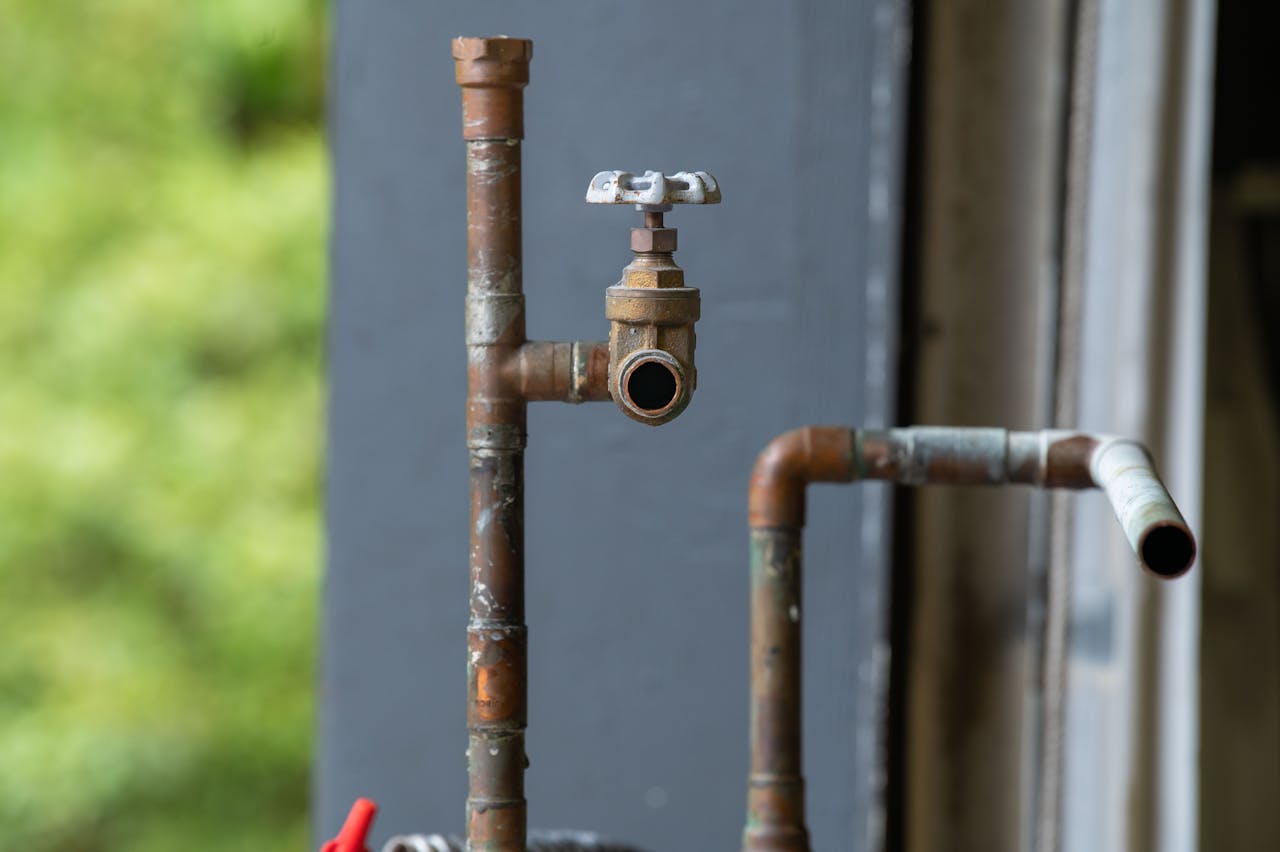
Isolation Valves
A good repipe relies hard on isolation. The point is to shut water off to the smallest area possible while the crew swaps pipes, then bring it back so you can function.
This is also where older Austin homes get spicy. You might have a main valve that “sort of” closes, or a crusty angle stop under a vanity that snaps if you look at it wrong. Modern codes push for accessible shutoff valves for a reason, and you can see the vibe in municipal code language about having a readily accessible main shut-off valve at the structure, like this example in an accessible main shut-off valve requirement. Not Austin-specific, but the principle is universal: if you can’t isolate cleanly, shutoffs get bigger and longer.
Pressure Control
When the crew opens the system, they’re not just stopping water. They’re managing pressure, trapped air, and the weird hammering that happens when lines refill fast. Austin’s hard water doesn’t help. Scale and mineral buildup can make old copper pipes and fittings cranky, and a sudden surge can dislodge rust or debris that’s been sitting there like sedimentary rock.
Pressure control is why you’ll hear the plumber talking about staging: shut down, drain, cut, cap, test, refill slowly. It sounds fussy because it is.
Safety Rules
There’s a reason cities spell out that emergency or repair shutoffs can happen for public safety and that the city isn’t automatically liable for your inconvenience, like the policy flavor in this kind of city repair shut-off ordinance language. Again, not Austin, but the logic tracks: water service is a safety system, not just a convenience.
During repiping, safety isn’t only about flooding. It’s about contamination risk too. If a line is open and pressure drops, back-siphonage can pull in junk from places you do not want in your drinking water, which is why rules around cross-connection and suspending service exist in documents like this backflow and contamination guidance during repairs. Plumbers shut things down because nobody wants to be the headline.
How Long Do Shutoffs Usually Last In Austin?
People want a single number. Real life gives you ranges, because an Austin Repipe can be a tidy 1970s slab-on-grade with decent access, or a quirky older place with additions, tight chases, and valves that have been ignored since the first iPhone.
Still, the pattern is pretty consistent.
Austin Repipe Context | Typical Shutoff Window | What Drives The Duration |
Single-family home (straightforward access) | 1 to 4 hours at a time | Tie-ins, pressure testing, valve surprises |
Multi-unit or shared systems | 2 to 6 hours (sometimes staged by stack/line) | Coordination, risers, tenant access, inspections |
Same-day restoration goal | Water back by late afternoon | Drywall access, fixture count, troubleshooting |
Municipal notices often model the daytime shutoff window as something like 9:00 AM to 3:00 PM, and they warn about discoloration after restoration, like this very plain municipal shutoff notice example. That’s not Austin, but the “daytime work, afternoon restore” rhythm is common because crews need daylight hours plus buffers for testing.
Single-Family Homes
For a typical Austin home, the crew usually tries to keep the house water supply usable at the start and end of each day. Short shutoffs happen when they cut in new PEX supply pipes, isolate branches, or swap a main section. Longer shutoffs happen during final tie-ins when the old system is effectively “retired,” and the new one becomes the only path.
If you have multiple bathrooms, the crew may temporarily leave one bathroom live while the others are being swapped, assuming the valves cooperate.
Multi-Unit Buildings
Multi-unit repiping is a coordination problem wearing a plumbing costume. You’re dealing with risers, shared mains, unit entry, and tenants who are not all on the same schedule.
The basic play is staged shutoffs by line or floor, but even that requires access to every unit in the stack at the right time. One locked door can extend a shutoff for everyone. This is why property managers lean on formal notice templates, even simple ones like an HOA-style water shutoff notice, because “we told people in the group chat” does not count as a plan.
Same-Day Restoration
Most reputable plumbers aim for same-day restoration unless you’re doing something unusually invasive. The tell is whether the contractor is talking like an adult about pressure testing, inspection timing, and what happens if a fitting fails under test.
If you hear “we’ll just figure it out,” that’s not a strategy. That’s foreshadowing.
What Happens In Each Project Phase?
Repiping doesn’t feel linear when you live through it. It feels like a parade of people opening walls, closing walls, turning valves, turning them again, then asking you if the new sink is “supposed to do that.”
So here’s the phrase reality.
Phase | What You Experience | Where Shutoffs Pop Up |
Pre-work walkthrough | Access talk, fixture mapping, valve check | Usually none, unless testing dead valves |
Active pipe swaps | Cutting, drilling, running new lines | Short staged shutoffs, section by section |
Final tie-ins | Switching over, testing, flushing | Longest shutoff window, then sputtering taps |
Pre-Work Walkthrough
This is where you win or lose time. A competent crew will locate your main shutoff, confirm meter access, identify which fixtures share branches, and flag anything sketchy like old gate valves or corroded angle stops.
If you’re in an older Austin home with copper pipes and a history of leaks, expect more caution. Corrosion plus hard water plus time equals fittings that can crumble when disturbed. Nobody loves that, but it’s better to find out at 9:00 AM than at 7:00 PM.
Active Pipe Swaps
This is the loud part. The crew is running new lines (often PEX plumbing now, sometimes copper depending on preference and specs), drilling through studs, and popping open drywall where needed.
Shutoffs in this phase are usually tactical. The plumber shuts, drains, swaps, then restores. When it goes wrong, it’s usually because a valve doesn’t fully close, or a “temporary measure” cap drips and they have to rework it.
Final Tie-Ins
Final tie-ins are where your day gets rearranged. This is when the new plumbing system gets connected to the main, old sections are isolated, and the whole network is pressure tested as a complete system.
You might hear terms like static pressure test, leak check, and fixture balancing. This is also when you discover the random stuff: a shower cartridge clogged with sediment, a faucet aerator packed with debris, or a toilet fill valve that suddenly refuses to behave.
Prepare Your Home Before Water Goes Off
This part is boring, which is why most people skip it, then act personally betrayed when they can’t rinse shampoo out of their hair.
Water Storage Plan
Health departments often advise storing water in advance and keeping shutoffs under about 4 hours when planned, and you can see that spelled out bluntly in a state health department door-hanger template. Use that mindset.
If you want a simple prep list that actually works, do this:
- Fill a bathtub for toilet flushing, plus a few clean containers for drinking and cooking.
- Charge phones and power banks because you’ll be coordinating texts and calls all day.
- Put a note on the fridge so nobody runs the dishwasher out of habit.
Access And Pets
Clear the work zones. Under-sink cabinets. Garage wall where the main line enters. Closet backs if the lines run there. If you have pets, set them up in a closed room away from doors and tools.
Plumbers don’t want your cat escaping any more than you do. They just also don’t want to trip over a litter box while carrying a pipe.
Appliance Protection
Turn off appliances that rely on water. Ice makers. Washing machines. Dishwashers. Tankless water heaters often need special attention, and your plumber should tell you what they want powered down. If they don’t, ask.
Also, don’t be cute and try to “help” by shutting random valves unless you know what they do. Half the emergency calls I’ve heard about start with someone thinking they’re being proactive.

Manage Health, Safety, And Communication
Repiping shutoffs are mostly manageable until you add humans. Kids. Tenants. Roommates. That one neighbor who will absolutely start watering their lawn the second the water comes back.
So you manage people like you manage pressure. Slow and deliberate.
Drinking And Hygiene
If the shutoff is short, bottled water and stored water cover you. If it’s long, plan to be out of the house for a chunk of the day. Austin has plenty of places to camp out with Wi‑Fi, and honestly, it’s better than hovering over the crew asking when your tap will come back.
When service returns, don’t treat the first clear-looking glass as proof everything is perfect. Flush lines and clean aerators before you call it done.
Tenant Notices
If you’re a landlord, you need to give clear notice. Texas rules differ from other states, so don’t blindly copy California compliance language, but it’s still instructive to see how detailed tenant protections can get in something like the Water Shutoff Protection Act policy FAQs. The point is the standard: dates, times, what to store, who to contact, what to expect after.
If you’re stuck, even a generic utility repair notice format can help you remember the basics, like safety warnings and restoration expectations, without sounding like you wrote it on your phone in a parking lot.
Neighbor Coordination
In tight Austin neighborhoods, especially with older infrastructure, the human side matters. If your repipe requires a meter shutoff or the crew needs street-side access, give adjacent neighbors a heads-up. Not because you’re legally obligated, but because they might park in front of the meter box or block access without realizing it.
And if you’re in a multi-unit situation, share a real shutoff notice, not just a screenshot of a text chain. If you want a standardized form that looks official enough to be taken seriously, something like a temporary water shut-off notice template shows the basic layout people recognize.
Fix Unexpected Service Interruptions During A Repipe
Unexpected interruptions usually come from a handful of repeat offenders: unpaid bills, meter access drama, safety concerns, or project scheduling gaps where the restoration step gets delayed.
If your service goes out when nobody said it would, run through this in order:
- Check whether the main valve at the house is actually open and not stuck half-closed.
- Confirm the meter box is accessible and hasn’t been blocked, locked, or damaged during work.
- Ask the contractor if they tripped a safety stop because of contamination risk, pressure test failure, or a plumbing defect they uncovered.
- Call the utility if your account has a balance, debt, or unpaid bills that could trigger a shutoff, and ask about a payment plan or an assistance program if income is tight.
- If the utility restored service but pressure is weird, treat it as a flushing and fixture issue first, not a mystery.
On the flushing side, I like seeing homeowners follow a real demo instead of guessing. The Michigan EGLE flushing walkthrough is straightforward, and the Michigan State University Extension 30-minute flushing procedure shows the aerator removal step people skip. If flow stays uneven at one sink, cleaning the aerator usually fixes it, and a quick visual guide like this faucet aerator sediment clearing video makes it less intimidating.
If discoloration or rust shows up, flushing multiple fixtures for about 30 minutes is common advice, and this rust sediment elimination write-up reflects what many plumbers recommend. If one fixture stays blocked, the troubleshooting crowd tends to be annoyingly right, and this peer troubleshooting thread on sediment in lines is a decent sanity check.
One more quiet cause of “surprise shutoffs” is restoration logistics. Drywall crews. Texture matching. Inspection scheduling. Permits. If your contract is vague about who patches what, and when, you can end up with a functional repipe but delayed finish work, and that can create extra shutoffs if access has to be reopened.
Also, if your plumber starts leaning on push-to-connect fittings as permanent solutions everywhere, ask questions. “SharkBites” have their place, but a whole-house repipe deserves better than a patchwork of shortcuts hidden in walls.
And yeah, I’ve seen homeowners try to crowdsource fixes in group chats with usernames like lunchboxdeluxe, israel sebastian and youvegotnail marina demeshko. It’s funny until it isn’t. Get the contractor on the phone.
Conclusion
If you go into an Austin repipe expecting zero shutoffs, you’re basically asking for magic, and magic is not a line item plumbers can invoice for. Expect planned interruptions, expect a little mess at the tap when service returns, and expect the project to go smoother if you clear access, store water, protect appliances, and treat communication like part of the job, not an afterthought.
The goal isn’t to eliminate disruption. It’s to keep it controlled, safe, and predictable, which is exactly what a good repipe is supposed to do.
FAQ
1. Will My Water Be Off The Entire Day?
Usually no. In Austin, shutoffs tend to be clustered around active connections and final tie-ins, with the goal of restoration by late afternoon, barring valve failures or testing issues.
2. Why Is My Tap Sputtering After The Shutoff?
Air in the lines. Open the highest faucet in the house first, then work your way down, and clean aerators if a sink has low flow.
3. Is Discolored Water Normal After Repiping?
Often, yes. Sediment and rust can get stirred up when pressure changes. Flush before you assume contamination, and follow the contractor’s guidance if there’s an advisory.
4. Can The City Shut Off Service During My Repipe?
If there’s a safety issue, meter access issue, or account problem, yes. Keep the meter accessible, confirm your water bills are current, and communicate with Austin Water if anything looks off.
5. What Should I Demand From My Contractor Before Work Starts?
A shutoff plan by phase, clear access requirements, who is responsible for restoration, and how they handle failed pressure tests or discovered leaks.
Tired Of Plumbing Problems? It May Be Time For Repiping
If you’re constantly dealing with leaks, low water pressure, rusty water, or plumbing repairs that never seem to end, the problem may be deeper than a single pipe. As plumbing systems age, pipes can corrode, crack, and restrict water flow, leading to ongoing issues throughout your home. In many cases, repiping or whole home pipe replacement provides a lasting solution that saves homeowners time, stress, and money.
At Yorkshire Plumbing, we help Santa Rosa homeowners understand the true condition of their plumbing systems. Using advanced diagnostic tools, our team can identify hidden problems and determine whether repairs or a full repipe is the better long-term investment. You’ll get honest answers, clear recommendations, and quality workmanship every step of the way.
With nearly a decade of experience serving Sonoma County, Yorkshire Plumbing has earned a reputation for reliable service and dependable results. If your home’s plumbing is showing its age, contact Yorkshire Plumbing today to schedule a professional repiping evaluation.
Disclaimer
The information provided on this website is for general informational and educational purposes only and is not intended as professional plumbing or construction advice. You should consult with a licensed plumber or qualified contractor for guidance specific to your home or situation. Do not rely solely on the content of this site to make decisions about plumbing repairs, installations, or maintenance. While we strive to keep the information current and accurate, it may not reflect the most recent industry standards or code requirements. Yorkshire Plumbing & Drain Services disclaims all liability for any actions taken or not taken based on the content of this site, to the fullest extent permitted by law.