Small leaks, slow drains, or low water pressure may appear innocuous but can conceal greater threads like mold, water damage or even faulty pipes. Damp spots on walls or floors, strange odors, and loud pipe noises are usually indicators of concealed problems. Certain issues, such as leaking gas water heaters or sewage backups, require urgent assistance from the pros to prevent damage. Plumbers have both the right tools and the know-how to detect these hazards in their early stages. To help identify these warning signs, the central article discusses frequent unsafe problems, what to be aware of, and when it’s logical to call a plumber for safety and peace of mind.
Key Takeaways
- Be aware of drips that won’t stop, slow drains, foul odors, gurgling or bubbling noises, low water pressure, or visible corrosion, as they can be early indicators of unsafe problems.
- Taking care of your plumbing problems immediately will help protect your home from structural damage, mold, electrical hazards and even health risks.
- Postponing plumbing repairs not only builds up the price tag, but can result in extensive damage to your home and water infrastructure, impacting its value.
- Routine plumbing checkups, system awareness, and shutoff valve location awareness give you the power to prevent emergencies and stay safe.
- Freezing weather, heavy rains, and shifting ground can all exacerbate plumbing problems, so preventative precautions are a must.
- Working with licensed professionals guarantees adherence to plumbing codes and minimizes the dangers of aging materials, incorrect installations, and hazardous alterations.
When to Call a Plumber
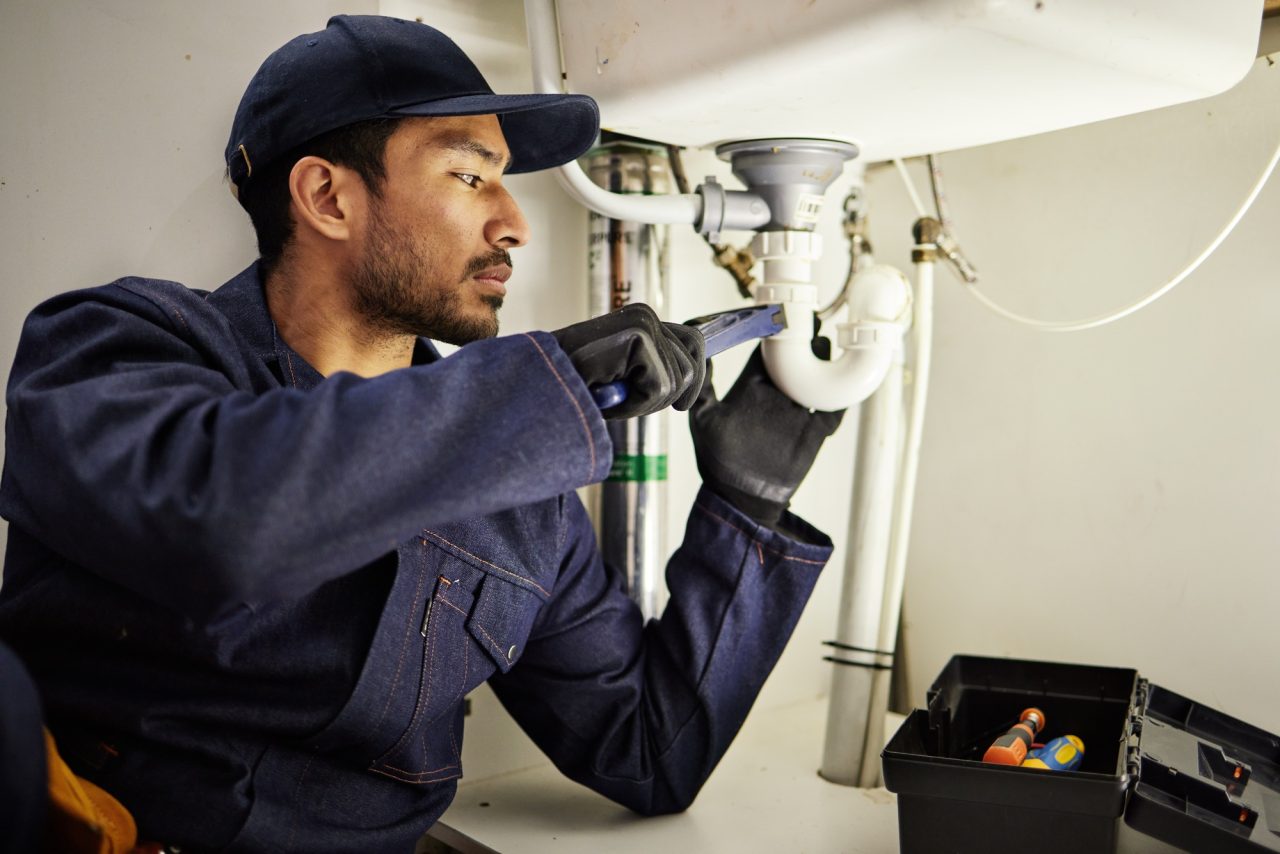
Minor plumbing issues can seem innocuous, but they can escalate into a serious plumbing emergency if left unaddressed. Recognizing the warning signs of urgent plumbing problems can help you act early, prevent plumbing emergencies, and maintain a safe environment in your home.
1. Persistent Drips
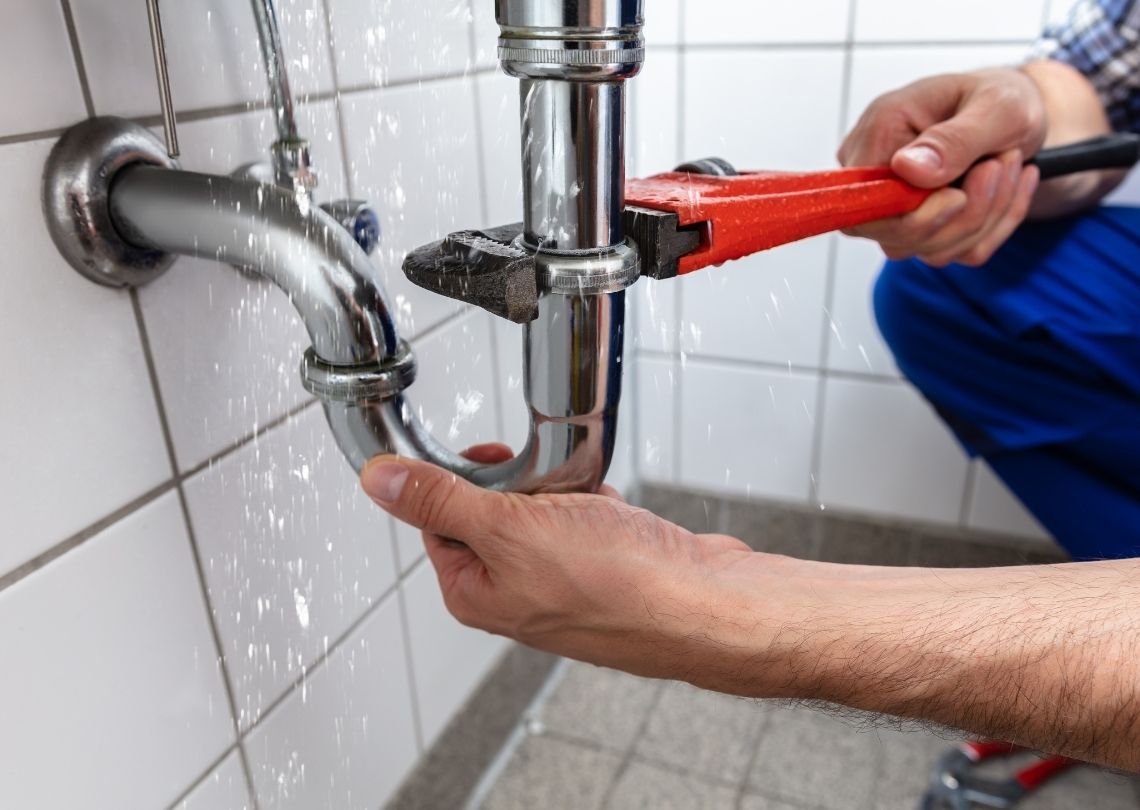
A drip under a sink or from a faucet should not be dismissed as a minor plumbing issue. Over time, even small leaks can lead to extensive water damage and mold growth, which are serious plumbing emergencies. Constant drips not only waste water but also increase your bill, and they can indicate a larger problem with your plumbing systems. If you notice persistent drips, especially in concealed areas, contact an emergency plumber before the plumbing crisis escalates.
2. Slow Drains
Slow drains are one of the surest signs of hidden blockages that can rapidly escalate into a plumbing emergency. Attempt to clean minor clogs with a plunger or a safe drain cleaner first. If more than one drain is slow, this might indicate a main pipe blockage, leading to potential emergency plumbing solutions. These slow drains are not easy to fix and often signal even more serious plumbing issues within your system. When drains won’t clear, have a plumber investigate and repair the problem before it gets worse.
3. Unpleasant Odors
Smells emanating near drains or pipes can indicate sewage backups or even a plumbing emergency, both of which are hazardous. These odors can signify mold growth, which can begin within 24 to 48 hours on moist surfaces. If you detect strong or continual odors, particularly rotten egg or musty ones, don’t brush them off. An emergency plumber can identify the source and keep your home healthy.
4. Gurgling Noises
Gurgling pipes or drains can indicate air being trapped or a blockage forming, which may signal urgent plumbing repairs. These sounds frequently occur ahead of a plumbing emergency, such as water backup or slow drainage. If it continues, call an emergency plumber for blockages or vent problems to prevent a costly catastrophe.
5. Low Water Pressure
If your water pressure experiences sudden dips, it could signal a plumbing emergency due to leaks or clogs. Test the water pressure in different fixtures; if just one is impacted, it might be a local plumbing issue. Low water pressure not only impedes daily tasks but can also indicate a more severe plumbing problem. Call an emergency plumber if it doesn’t improve, as it might require urgent plumbing repairs.
6. Visible Corrosion
Examine the pipes for rust, green stains, or white deposits, as these can indicate a plumbing emergency. Corroded pipes may lead to urgent plumbing repairs or even a serious plumbing emergency if not addressed. Scheduling plumbing inspections can help prevent costly catastrophes.
The Hidden Dangers
Plumbing problems are more than an inconvenience; they can lead to serious plumbing emergencies that introduce hidden hazards to home safety and health. Even minor leaks or clogs, when neglected, can escalate into urgent plumbing repairs, causing significant damage and expense in the long run. Many homes, particularly those with older plumbing systems, are at greater risk from something a little less obvious. By identifying the potential impact early, we can avoid larger issues and maintain safe environments for our homes.
Structural Damage
Leaking can silently soak walls, rot floors and even shift a building’s foundation. Water marks, warped wood or buckling tiles usually indicate there’s trouble underneath. These signs indicate water is invading where it shouldn’t, and the damage is typically more severe than it appears.
A burst pipe, for instance, can saturate a room with hundreds of liters in a matter of minutes. This can compromise structural supports and necessitate significant repairs. Little drips might appear insignificant, but they can accumulate to cause substantial damage over the course of a few weeks or months. Getting these damages fixed is sometimes more than just a plumber’s gig. Walls, floors, and even foundations may require professional care. Immediate response from an experienced plumber is key to stifling additional devastation and escalating expenses.
Mold Growth
That’s what mold is — a frequent consequence of prolonged leakage moisture. It thrives quickly in moist corners, beneath sinks, or behind walls. Not just ugly, it is a serious danger to the indoor air. Those with allergies or breathing issues can be blindsided. Anyone can be impacted by mold spores.
Plumbing leaks are a #1 source of hidden mold that can require expensive and complicated remediation. Mold remediation typically involves both plumbers and mold specialists to attack the problem and purify the air. Maintaining plumbing and promptly addressing leaks is the best way to prevent mold before it spreads.
Electrical Hazards
Water and electricity don’t mix. In most homes, particularly older houses, leaky pipes or water near outlets are a vivid warning sign for imminent danger. Wet spots on walls close to wiring, flickering lights or tripped breakers can all be indicators that water is seeping into electrical systems.
If you detect these signs, it’s crucial to contact a professional plumber immediately. They can collaborate with electricians to ensure fixes are managed securely. Proper drainage, waterproofing, and inspections in the intersection of plumbing and wiring avoid shocks, shorts, or fires.
Plumbing Codes and Compliance
Plumbing codes establish the guidelines for installing, repairing, and maintaining plumbing systems. These regulations not only prevent waterborne illnesses and leaks but also mitigate the risk of plumbing emergencies in residences and structures. Most countries adhere to the International Plumbing Code (IPC), although variations exist. Understanding your local codes is crucial to avoid fines and legal headaches, especially during a plumbing crisis. Updated codes may require more durable materials or safer designs than previously permitted. Routine inspections from a licensed plumber can help ensure your plumbing is up to code while enhancing your home’s value.
Code/Standard | Main Requirement | Purpose | Impact |
International Plumbing Code | Minimum standards for systems, materials | Health and safety | Used globally, base for many |
Local/Regional Codes | May add stricter rules to IPC | Adapted to local risks | Varies by city/state/country |
Approved Materials List | Use of safe, non-toxic pipes and fittings | Prevent contamination | Affects material choices |
Installation Methods | Set ways to join, support, and vent pipes | Avoid leaks and damage | Impacts system reliability |
Inspection Requirements | Regular checks by certified professionals | Ongoing compliance | May be needed for property sale |
Outdated Materials
Old plumbing materials, such as lead or galvanized steel, can lead to serious plumbing emergencies by leaking dangerous substances into your water supply. Codes in many places now prohibit these materials due to contamination issues and their potential to cause plumbing emergencies like burst pipes or clogs over time. Certain older fixtures might not comply with current safety or efficiency standards, resulting in increased expenses and water wastage. Testing your house for vintage pipes or fittings may reveal urgent plumbing problems that require attention.
If you discover pipes that are rusty, corroded, or leaking, it’s wise to consult emergency plumbing services. Switching to newer materials such as copper or PEX can mitigate health risks and extend the life of your plumbing systems. A licensed plumber can guide you through the best choices for your home.
Improper Installations
Such improper setups are easy to overlook if you don’t know what to look for. Crossed hot and cold lines, loose connections, or missing vent pipes can cause leaks, foul smells, or slow drains. A minor installation error can turn into a giant compliance issue.
Note any strange sounds, drips, or changes in water pressure. Come armed with these notes during a plumber checkup. Routine inspections by a professional can identify issues early, so your plumbing is up to local code and functions as it needs to.
Unsafe Modifications
Homebrew repairs or modifications may be cheaper in the immediate term, but they violate code and endanger your health. For instance, supplementing pipes without appropriate fittings or connecting to an incorrect drain line can result in leaks or contamination.
Review any previous alterations to your home’s plumbing. If you notice strange configurations, open pipes or incompatible components, have an expert inspect them. Unauthorized modifications can signify fines, increased repair costs or even litigation, so patching them quickly is critical.
The Cost of Delay
These seemingly minor plumbing issues, including slow drains and plumbing leaks, if neglected, can escalate into a serious plumbing emergency. Urgent plumbing repairs are essential to avoid costly catastrophes, health hazards, and diminished property value.
Financial Impact
Plumbing emergencies can lead to a costly catastrophe. A burst pipe can inundate your home in just a few minutes, spewing hundreds of liters of water that can ruin floors, walls, and even your most cherished belongings. After such an emergency plumbing crisis, restoration from water damage will require new drywall, flooring, and insulation — easily running into thousands of dollars. Mold removal can add even more to the bill.
A small plumbing issue may appear innocuous, but it dissipates approximately 38,000 liters annually in the average residence. This constant loss not only increases your water bill but can corrode structures over time. Ignoring a drip or hidden leak can lead to significant emergency plumbing issues, particularly when damage spreads within walls or beneath flooring.
Paying for emergency plumbing services after hours is much more expensive than a routine appointment. Delaying urgent plumbing repairs can transform a quick solution into an expensive disaster. Consulting a professional early can help you understand the risks and avoid substantial future bills.
Health Consequences
Plumbing Issue | Health Risk | Potential Effect |
Leaky pipes | Mold growth | Allergies, breathing issues |
Sewer backup | Bacteria exposure | Illness, infections |
Gas leaks | Toxic fumes | Headaches, nausea, worse |
Standing water | Mosquito breeding | Disease spread |
Leaks can contaminate water, presenting a serious risk to occupants in the house. Mold caused by leaking pipes could trigger allergies or even asthma. Gas leaks present even more danger, such as poisoning and the risk of fire.
Speedy fixes are a must to save your health. Knowing the risks allows you to make intelligent decisions before issues escalate.
Property Value
Plumbing problems decrease value. Buyers see water stains, mold, or busted fixtures and they may low-ball or bail. Seasonal checkups catch problems early, maintaining your home’s systems in healthy shape.
There’s nothing like having plumbing that’s been upgraded or fixed and sharing this with potential buyers to boost trust. It safeguards your investment, making it easier to sell your home if you so desire.
Environmental Triggers
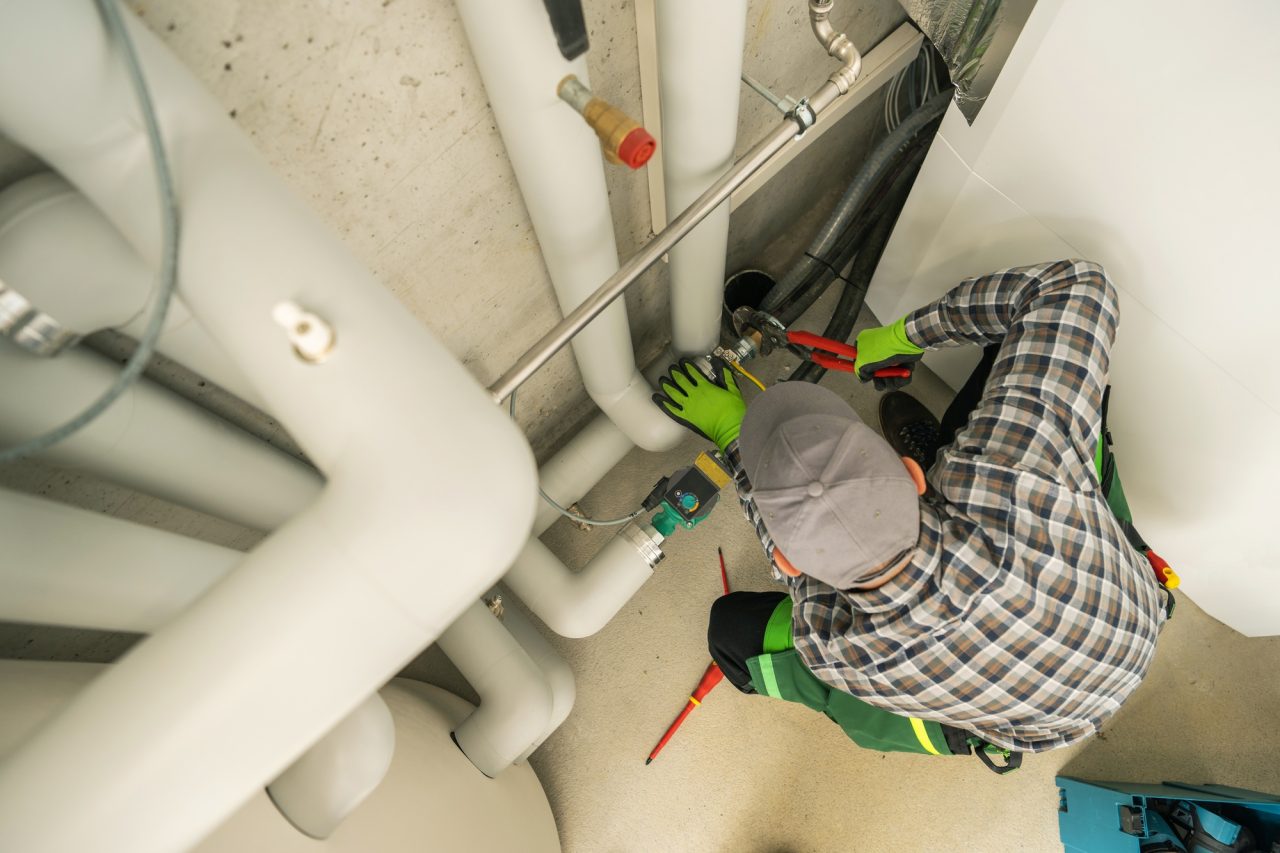
A lot of common plumbing emergencies can turn hazardous if some environmental triggers are overlooked. Changes in temperature, precipitation, and earth stability all affect plumbing systems. Environmental factors can transform a slow drain or plumbing leak into a full-scale crisis.
Freezing Weather
- Cover exposed pipes with insulation sleeves or foam.
- Keep indoor temperatures above 10°C, even when away.
- If it’s extremely cold outside, let your faucets drip slowly to prevent pressure buildup.
- Seal cracks in walls and floors where cold air can seep in.
- Close vents that let in outdoor air near pipes.
- Disconnect garden hoses and shut off outdoor taps before winter.
- Know where your primary water shutoff is in the event of a burst.
Pipe insulation is crucial. Exposed pipes in garages, basements, or outer walls tend to freeze and burst when temperatures fall below zero. A broken pipe can dump hundreds of liters in minutes, resulting in flooding and damage. Heading warm rooms and draft checking can prevent these tragedies.
Consult for winter tips from plumbers in your area. In certain locations, exceptional situations may require special action like heat tape or pipe rerouting. Their advice can protect pipes and keep them flowing through even the craziest winters.
Heavy Rain
Torrential rains can saturate drainage systems and cause water to flow back into homes. Ensure that the ground slopes away from your foundation and that drains are clear. Gutters and downspouts should be free of leaves and debris to funnel water away safely. If drains or gutters are blocked, rainwater can accumulate and seep into basements or crawl spaces. Flooding can add pressure to underground pipes, which can cause them to crack.
Floodwater can bring soil and debris into drains, resulting in clogged or slow drains or even complete blockage. Post-storm plumbing checkups catch unseen destruction. Early repairs can stave off bigger issues such as leaks or contamination of water.
Ground Movement
Soil shifts and earthquakes can shift pipes out of line or fracture them. Even slight movements can loosen joints, causing leaks or system failure. Tree roots are attracted to the moisture of the sewer pipes, so the pipes are more likely to clog or break as the ground moves or settles.
Evaluate your region’s ground stability and consult professionals if you experience regular leaks or shifting floors. Proactive measures, like root barriers or flexible pipe joints, can assist plumbing in resisting earth movement. Construction work in the vicinity can unsettle pipes, making it important to watch out for the odor of gas or unexpected decreases in water pressure.
Your Proactive Plan
Early intervention prevents plumbing emergencies from escalating into costly catastrophes. A proactive plan enables you to move quickly and avoid major repair bills. With routine care and smart monitoring, over 90% of emergency plumbing issues can be prevented.
- Begin with a reality check. Can you hang or do you need immediate relief?
- Schedule annual plumbing inspections with a licensed plumber.
- Install flow sensors to monitor water flow and detect leaks.
- Know where your major shutoff valves are and ensure that everyone in your home does too.
- Practice how to turn off the water to contain the damage if something does.
- Maintain an up-to-date list of emergency contacts, such as a reliable plumber.
Regular Inspections
Arrange for routine inspections at least once a year to detect small leaks, corrosion, or loose pipes before they become serious. Use a checklist to inspect all exposed pipes, taps, drains, and fixtures. Make a note of your results every time, so you can track any shifts over months or even years, and bring this record with you to your plumber’s office for added perspective.
Bringing in a licensed plumber for inspections provides an additional security blanket as pros know where hidden damage or wear can lurk. Take these visits to inquire about your system or any strange noises or drops in water pressure. This step by itself can prevent 99% of plumbing emergencies from occurring.
System Monitoring
Even basic smart water meters and leak sensors can notify you of fluctuations in water flow or sudden spikes of use, which may indicate a burst pipe or slow leak. Technology now allows real-time alerts sent directly to your phone so you can act fast even if you’re away.
Reviewing monitoring data on a monthly basis can aid you in identifying trends, such as gradual upticks in water usage that indicate hidden leaks. Consult a plumber about what tools work best for your system, particularly if you live in an older building or experience frequent clogging. Addressing these systems adds a buffer and prevents small issues from becoming big ones.
Knowing Your Shutoffs
- Locate and mark all water shutoff valves in your home.
- Make sure each valve turns easily; lubricate if needed.
- Place instructions next to the main shutoff for quick access.
- Indicate the valves for all family members and explain how to operate them.
By practicing the shutoff process, you ensure that you can act quickly in a plumbing emergency, potentially saving your home from extensive water damage. Keep emergency plumbing numbers, such as your local plumbers and water supplier, easily accessible. If you notice flooding or a significant plumbing issue, turning off the main water supply is always step one.
Conclusion
Little drips or strange noises may seem like a quick fix, but huge hazards can lurk behind them. Slow drains, wet floors or gas smells suggest larger problems. That water next to the wires or that mold brings true peril quickly. Plumbing codes keep homes safe and ignoring them can be a lot more expensive in the long term. It saves money, keeps everyone safe, and prevents waste. Keep your eyes open for shifting, weird odors, or water in places it shouldn’t be. A quick call to a plumber can put a stop to trouble before it multiplies. Consult local professionals if you notice any warning signs. Peace of mind begins with one tiny leap — seek assistance when things don’t feel right!
Frequently Asked Questions
When should I call a plumber for a small leak?
Call an emergency plumber if you observe persistent leaks, water stains, or mold. Ignoring these common signs can lead to a plumbing emergency, causing major damage or health risks.
Are plumbing codes important for small repairs?
Indeed, plumbing codes guarantee safety and correct installation. Even minor fixes need to comply with local codes to safeguard your home and well-being.
What risks come from ignoring minor plumbing issues?
Small plumbing problems, if ignored, can escalate into a serious plumbing emergency and pose health risks.
How can plumbing problems affect my health?
Leaks and standing water can lead to a plumbing emergency, encouraging the growth of mold and bacteria that pose serious health risks.
Can delaying plumbing repairs increase costs?
Yes, ignoring small plumbing issues can lead to a plumbing emergency, resulting in major damage and costly repairs.
What are environmental triggers in plumbing?
Environmental triggers, such as changes in water pressure or temperature, can indicate urgent plumbing repairs requiring a plumber’s attention.
How do I create a proactive plumbing maintenance plan?
Organize annual inspections, repair dripping taps right away, and maintain unblocked drains. This way, you can avoid emergencies and keep your plumbing system safe and efficient.
Plumbing Safety, Codes & Compliance In Santa Rosa: Avoid Violations Before They Cost You
Most plumbing problems don’t start as emergencies, they start as small issues that quietly fall out of code. Over time, those issues can turn into failed inspections, safety risks, and expensive repairs that disrupt your business. Yorkshire Plumbing helps Santa Rosa property owners stay ahead of it all with expert plumbing safety and compliance services designed to catch problems early and fix them the right way.
If your building has aging pipes, inconsistent pressure, outdated fixtures, or past work that may not meet current standards, there’s a good chance something isn’t up to code. These issues often stay hidden until they trigger bigger problems like leaks, contamination risks, or compliance failures. Our team takes a close look at your system, identifying where it falls short and what needs to be done to bring everything back into alignment.
We keep things simple and clear. You’ll get a straightforward explanation of what’s going on, what’s required, and how to fix it. Whether it’s upgrading fixtures, replacing old piping, correcting improper installations, or adding safety components like backflow prevention, we focus on solutions that protect your property and keep your business running without interruption.
Yorkshire Plumbing has built a strong reputation across Sonoma County by doing things the right way. Honest recommendations, careful work, and a focus on long-term results. We don’t just fix what’s broken, we help you stay compliant, avoid future issues, and move forward with confidence.
If you’re unsure whether your plumbing is up to code, now is the time to find out. Contact Yorkshire Plumbing today and take care of potential violations before they turn into costly problems.
Disclaimer
The information provided on this website is for general informational and educational purposes only and is not intended as professional plumbing or construction advice. You should consult with a licensed plumber or qualified contractor for guidance specific to your home or situation. Do not rely solely on the content of this site to make decisions about plumbing repairs, installations, or maintenance. While we strive to keep the information current and accurate, it may not reflect the most recent industry standards or code requirements. Yorkshire Plumbing & Drain Services disclaims all liability for any actions taken or not taken based on the content of this site, to the fullest extent permitted by law.