Key Takeaways
- Pipes get older, and over time, their material, the quality of how they were made, and potentially their location all make them more prone to corroding.
- Routine monitoring and timely repairs can identify signs of corrosion before it causes leaks, collapses, and expensive water damage.
- Water chemistry, such as a pH imbalance or mineral content, can cause pipes to corrode more quickly. This means regular water testing and treatment are important for older pipes.
- These outdated materials, like galvanized steel, cast iron, and early copper, are more likely to corrode and may not satisfy modern safety or durability standards. If at all possible, replacing those with more modern alternatives is advised.
- Subtle warning signs — changes in water quality, sporadic water pressure, and visible damage — shouldn’t be overlooked, either, as these may suggest corrosion or pipe failure.
- Clever ideas like targeted pipe replacement, pipe relining, and cutting-edge water treatments provide promising options to prolong the life of plumbing systems and improve water quality.
Older pipes are far more vulnerable to corrosion because many were made from materials like galvanized steel or iron that naturally deteriorate over time when exposed to water, oxygen, and minerals. As protective coatings wear away and joints weaken, moisture begins attacking the metal from the inside, leading to rust, pitting, and gradual pipe decay. Over the years, these pipes lose their smooth interior surface, allowing corrosion and mineral buildup to spread even faster. Small cracks and thinning pipe walls can eventually lead to leaks, reduced water pressure, discolored water, and costly plumbing failures. Understanding how corrosion develops—and how it affects both plumbing performance and water quality—is essential for recognizing when aging pipes may need professional attention or replacement.
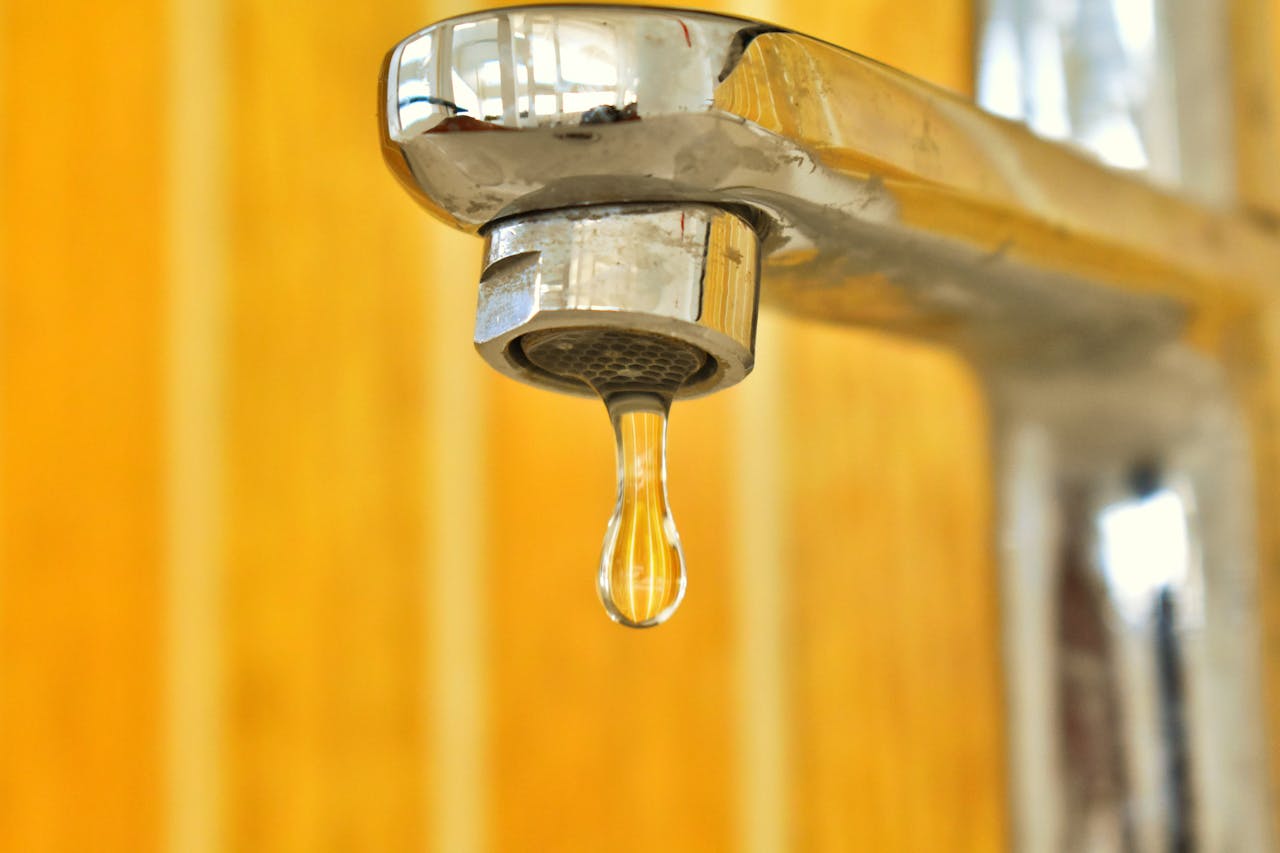
The Natural Process Of Getting Older
Old pipes are more susceptible because they’re corroded after decades of wear, shifting standards, and water chemistry. Even well-maintained pipes endure gradual harm from regular use, and this internal deterioration is difficult to detect until issues arise. Pipes have a natural life span and degradation rate that depends not just on the pipe material, but on other external factors, like climate, soil, and maintenance. Periodic inspections will detect it early, but when one section has wear, the others of the same age and composition are weakening as well.
Pipe Material | Typical Lifespan (years) | Susceptibility to Corrosion | Common Issues |
Galvanized Steel | 20–50 | High | Rust, leaks, buildup |
Copper | 50–100 | Low–Moderate | Pitting, pinhole leaks |
Cast Iron | 50–75 | Moderate | Scale, cracks |
PVC/Plastic | 40–70 | Very Low | Brittle, joint failure |
1. Material Degradation
Pipes age at different rates depending on their composition. Metal pipes, such as galvanized steel, rust and oxidize from the interior, which gradually destroys them. This can result in leaks, cracks, or even complete breaks as the pipe becomes thinner. Copper pipes fare better, typically lasting twice as long, but they can develop tiny pinhole leaks as well. Plastic does not rust, but it may crack or snap under duress or with aged glues. The pipe you choose is important because it determines how long your plumbing endures and what issues might arise.
2. Manufacturing Limits
Certain older pipes were constructed with less accuracy or without today’s quality control. A lot never had protective coatings, which means they’re susceptible to rapid rust and corrosion. Occasionally, imperfections from the manufacturing process, such as thin areas or abrasive seams, cause pipes to malfunction prematurely. New pipes get the advantage of improved materials and strict controls, resulting in fewer weak points and a longer life.
3. Protective Layer Failure
Pipes’ coatings, designed to protect pipes from water and air, deteriorate over time. Once the layer breaks down, metal is exposed, and rusting accelerates. Frequent use and hard water accelerate this process. If these coatings are inspected and maintained, pipes live longer. If neglected, deteriorating coatings can lead to flooding and expensive repairs.
4. Cumulative Stress
Pipes expand and contract just a little each day as water surges and pressure varies. The earth moves, too; dirt can settle and push against pipes, causing small fractures to expand. Over time, this stress accumulates. Even seemingly sound pipes can snap without much notice. By observing water pressure, you can identify problems before they arise.
5. Biofilm Accumulation
Inside ancient pipes, slimy films of biofilm, a combination of bacteria and minerals, may develop. When the water is still, these films develop more rapidly. Certain bacteria produce acids that eat away at metal and accelerate the corrosion process. Cleaning pipes every once in a while can reduce biofilm and extend the longevity of pipes.
How Water Chemistry Accelerates Corrosion
Water chemistry has a direct effect on pipe corrosion rates. PH, mineral content, and municipal additives can exacerbate the degradation of aging plumbing materials. The following table outlines several water chemistry factors and their impact on corrosion rates:
Water Chemistry Factor | Effect on Corrosion Rate | Example Impact |
Low pH (acidic water) | Speeds up corrosion | Metal leaching, pipe pitting |
High mineral content (hard water) | Causes scale and corrosion | Scale buildup, reduced flow |
High TDS/temperature | Increases corrosivity | Pipe leaks, metallic taste |
Chemical additives (e.g., chlorine/chloramine) | Can increase corrosion | Pinholes, accelerated metal loss |
pH Imbalance
Acidic water, with a pH under 7.0, is far more prone to corroding metal pipes. The lower the pH, the more aggressive the water is and the more metal it leaches. Signs such as bluish-green stains in sinks or a metallic taste in water can indicate a pH issue. Old plumbing, particularly lead or copper, is more vulnerable as prolonged exposure to acidic water encourages metals to leach into the drinking water.
Keeping the pH balanced is a pipe saver. Routine monitoring and water tests assist homeowners in tracking pH levels. If corrosive water is discovered, water treatment options like neutralizing filters can assist. These solutions help optimize pH and prevent corrosion, protecting both the safety of potable water and the longevity of plumbing systems.
Mineral Content
Hard water, with high levels of minerals such as calcium and magnesium, can lead to scale deposits developing inside pipes. This deposit reduces flow area, stresses the pipe, and accelerates corrosion. Mineral buildup can chemically interact with metals, resulting in corrosion or tiny leaks as time passes.
Hard water is prevalent around the world, and 60% of private wells and springs have corrosive water. Scale and corrosion combine to erode and weaken old pipes, resulting in more repairs. Water softening systems can reduce these problems by eliminating extra minerals. Routine cleaning keeps pipes clearer and helps them survive longer.
Treatment Evolution
Water treatment has evolved over the decades. Older treatment practices typically didn’t control for corrosion, particularly where changing water sources was a common occurrence. Even with new sources, chemicals might still have to be added to keep the protective layer inside pipes. Not doing so, as in the Flint water crisis, can allow acidic water to rapidly corrode lead and iron lines.
Newer systems are more effective at controlling pH, TDS, and temperature, using stability indices to quantify and control corrosivity. Homeowners should keep abreast of water treatment alterations locally and test their tap water. That way, you can avoid corrosion hazards and maintain safe water at home.
Common Outdated Pipe Materials
A lot of old structures and houses have pipes made from materials that are not up to current plumbing code. These pipes, though at one time cutting-edge, can now lead to water quality issues, health hazards, and increased maintenance expenses. Knowing what sort of pipes your property has allows for timely upkeep and prevents expensive disasters. Get rid of old pipes to avoid water damage and safeguard water quality.
- Lead pipes
- Galvanized iron and steel
- Cast iron
- Early copper
- Ductile iron
- Plastic (PVC, PEX)
Galvanized Steel
Galvanized steel pipes, dating back to the 1920s to 1960s, rust and corrode over time. The protective zinc layer wears off, exposing the steel underneath to water and oxygen. This accelerates rust, which constricts the pipe’s diameter and hinders water. Many older galvanized pipes feature zinc with lead layers, further complicating the water safety issues. Homeowners with galvanized pipes tend to experience a decrease in water pressure and a metallic taste in their tap water. Rust flakes can dislodge, turning your water a reddish-brown color. By updating to PVC or PEX pipes or new copper, you can increase the reliability and quality of your water.
Cast Iron
Cast iron pipes were common in the 19th and early 20th centuries for water and sewer lines. These pipes are high-pressure resistant and valued for their longevity. However, they can still rust. As the pipe ages, rust accumulates internally, potentially leading to clogs and providing a coarse surface that traps debris. This causes leaks and expensive repairs. It requires frequent inspections, but even with maintenance, cast iron frequently fails after decades of use. Ductile iron supplanted cast iron for a while, but even that yielded to plastics such as PVC. Modern materials provide extended service life, the advantages of lighter weight, and reduced maintenance requirements.
Early Copper
Early copper pipes, in vogue from the early 1900s, appear foolproof but actually have their own problems. Pitting corrosion, which causes tiny holes to develop along the pipe, may be due to low material quality or acidic water. This form of corrosion is difficult to detect but causes leaks and water damage as time passes.
Copper was once selected for its corrosion resistance. Any pipes installed prior to the 1970s won’t pass today’s standards. If the local water is acidic, for example, copper pipes corrode faster, causing blue-green stains and pinhole leaks. Replacing old copper pipes with new copper or PEX can stop these issues and safeguard plumbing systems for years down the road.
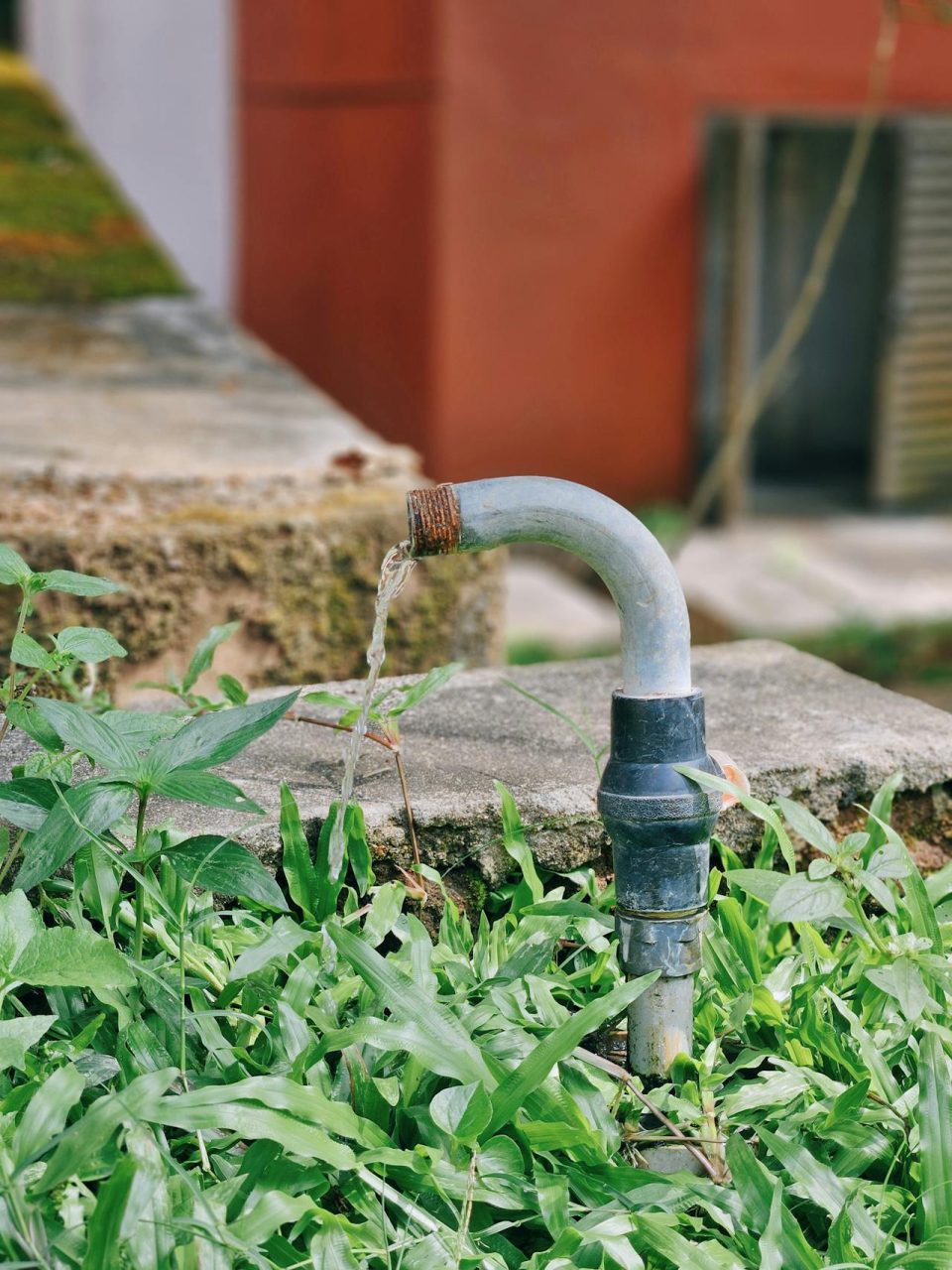
Understanding How Old Pipes Rust And Break Down
Corrosion of older pipes is often hidden and can go on for years before you ever see the first telltale drip. The “secret agents” of corrosion—water, air, and whatever’s touching the pipe—break it down over time. From coast to coast, from well to city water to snow to desert sun, this can happen to any home, and its initial signs—a pressure drop, a little discoloration, or seepage—are easy to miss. Knowing what causes this hidden decay is crucial for timely repairs and for avoiding larger disasters like flooding or major water damage.
Pitting
Pitting corrosion begins as small ‘pits’ on the interior surface of a pipe. These spots develop into tiny holes that can compromise the pipe’s structural integrity well before a leak is detected. Pipes in older buildings, subjected to the same water chemistry for decades, are particularly susceptible to this type of damage. Chloride water or acidic water can accelerate pitting, particularly in copper or steel pipes. Quality plumbing can also be affected if the water chemistry is severe. As rust continues to pit, leaks can develop abruptly, occasionally resulting in severe water damage behind walls or beneath floors. You should regularly check for signs of staining, greenish spots, or pinhole leaks that may aid in catching pitting early.
Galvanic Action
Galvanic action occurs when two distinct metals, such as copper and steel, come in contact with each other, with water serving as a conduit between them. This makes one of the metals corrode more rapidly than it otherwise would. Older plumbing often has mixed-metal connections that weren’t properly insulated, making galvanic corrosion more likely. Galvanic action failures are likely to happen at a joint or connector, which is sometimes concealed. Using fittings of the same metal or adding insulating sleeves can reduce this risk. A professional can measure the metals present in a system and make adjustments to increase the system’s lifespan.
Erosion
Erosion corrosion is powered by rapid or turbulent water flowing through pipes. High flow rates or frequent changes in direction can wear down pipe walls, even in robust materials. Over time, this results in thinning, leaks, and in some instances, a decline in water quality as particles break loose from the pipe. Older pipes, already compromised by other corrosion, are more susceptible to erosional failure during surges of excessive water pressure. Controlling water velocity with pressure-reducing valves or softening elbow bends helps. Regular inspection and flow testing can expose lurking threats before they strike.
Recognizing The Subtle Warning Signs
No pipe that’s any good is going to explode without giving you some warning signs first. Identifying the precursors to corrosion and degradation can save you thousands in repairs and even protect your health. These warning signs are subtle, but they can be indicative of serious underlying issues that occur in aging plumbing systems. Look for these key indicators:
- Brown, red, or yellow water flowing from the tap
- Changes in water taste, odor, or clarity
- Fluctuating or inconsistent water pressure at different outlets
- Apparent stains, rust, or odd discoloration on walls or ceilings.
- Damp spots or unexplained patches of moisture
- Bulging, cracked, or visibly deteriorated pipe sections
- Water that cools quickly as it travels through pipes
Water Quality
It’s important to notice the subtle warning signs. Discolored, rusty water is a red flag that your pipes could be corroding, especially in homes with galvanized steel or cast iron plumbing. This is more than an aesthetic concern. Drinking this water long-term can be detrimental to health. At times, the water can taste metallic or even have a weird smell, which can indicate pipe corrosion or bacterial growth. Routine water testing can help you monitor these shifts and potentially detect contamination sources in their early stages. If water quality changes, respond promptly to prevent additional damage to pipes, which can avoid both health issues and more significant plumbing failures.
Pressure Changes
Fluctuating water pressure usually indicates that pipes have constricted from years of mineral scale or sediment buildup. Steady water pressure is the secret to a sound plumbing system. Small leaks or partial blockages won’t be detected unless pressure is measured. Observing regular changes is an indication that the pipes could be close to the end of their lifespan, particularly if they’re more than 40 to 50 years old.
- Install a pressure gauge at the main supply line.
- Record baseline pressure readings at multiple times of day.
- Be alert for quick drops, spikes, or sustained oscillations in pressure.
- Contrast readings at different fittings to detect local and system-wide issues.
Visible Damage
Rust stains or discoloration on walls and ceilings can indicate pipes are leaking behind surfaces. Bulging or cracked pipes are indications of significant damage and should not be overlooked. If you can see damage, get it inspected and fixed quickly. Postponing may cause water damage, mold, and structural damage to your floors and walls. Just as repeated leaks or visible pipe wear frequently translate into the need for a full repipe, an annual report can indicate that patchwork repairs will only be short-term.
Modern Plumbing Materials For Longevity
If you’re planning renovations or repiping, modern materials provide significantly better corrosion resistance:
- PEX (cross-linked polyethylene): Highly resistant to corrosion and scaling, flexible, and easy to install.
- CPVC (chlorinated polyvinyl chloride): Resistant to chemical corrosion, suitable for hot and cold water.
- Stainless steel: Extremely durable and corrosion-resistant, ideal for industrial or high-moisture environments.
- PVC: Often used for drain and vent pipes, resistant to rust and chemical corrosion.
Replacing older pipes with these materials can drastically reduce the risk of corrosion and future maintenance costs.
Modern Solutions For Old Problems
There are multiple choices in modern plumbing to fix that old, corroded pipe problem! Through the use of new materials, advanced repair techniques, and better water quality control, homeowners and experts can extend the life of plumbing and evade the hazards of aged pipes. These solutions go a long way in meeting today’s standards for safety and efficiency while minimizing disruptive repair work.
Strategic Replacement
Upgrading antiquated pipes with modern ones can prevent leaks that easily hide in older systems. A lot of older homes still have galvanized steel pipes, which were the standard before the 1960s, or even polybutylene pipes from the 1970s to the 1990s, both of which are infamous for their propensity to fail. These old pipes can accumulate scale and sediment over time, constricting their interiors and reducing water flow. Strategic replacement, whether focused on weak sections or a full system upgrade, addresses these problems and updates plumbing to modern standards.
A full repipe can even remedy typical issues, such as low water pressure, one of the initial indicators of deteriorating pipes. By working with licensed pros, they will make sure that new pipes are installed properly, instead of creating future leaks and code violations. Homeowners who invest in these upgrades not only experience more consistent water pressure, but they also get fewer emergency repairs, making it a wise long-term investment.
Pipe Relining
Pipe relining is a less destructive way to rejuvenate old pipes, particularly when tearing up floors or gardens is expensive or disruptive. This method coats the interior surfaces of aging pipelines with a robust lining, sealing fissures and preventing seepage. It works well for repairing tree-root punctures, which commonly plague sewer lines in old houses.
This technique leaves the original plumbing intact instead of having to fully replace it. Relining can extend pipe life by decades and reduce the expense and disruption of large excavation projects. If you’re a homeowner with damaged but largely intact pipes, this is where looking into relining is usually the most reasonable option.
Water Treatment
It turns out that if you can manage the water quality, you can halt pipe corrosion. Hard water, which is mineral-packed, can accelerate scale buildup within pipes, causing blockages and rust. Water softeners and filters strip away these minerals, shielding pipes from harm. Periodic inspections and maintenance of these systems keep them operating properly.
Treating water helps keep it clean and can make pipes last longer. This is especially important for homes with old pipes since better water quality can lead to fewer repairs and a lower chance of leaks.
Long-Term Benefits Of Modern Plumbing
Replacing older pipes with modern materials has several advantages:
- Corrosion Resistance: PEX and CPVC do not rust, and modern copper alloys resist pitting.
- Improved Water Quality: Clean, uncontaminated water reduces health risks.
- Lower Maintenance Costs: Modern pipes require fewer repairs and less frequent inspection.
- Energy Efficiency: Efficient water flow reduces strain on pumps and water heaters.
While the upfront investment may be significant, the long-term reliability and safety benefits make it worthwhile.
Conclusion
Every year, older pipes naturally wear down. Metals like iron and steel corrode as water flows through them, with acid, salts, and heat accelerating rust. Lead pipes can also deteriorate, potentially leaching harmful substances. The results are often discolored water, unusual tastes, and reduced flow. In contrast, modern copper and plastic pipes are far more durable and resistant to corrosion.
Regular inspections and water testing are the most effective ways to catch issues early—and that’s where Yorkshire Plumbing & Drain Services comes in. Their professional inspections and targeted solutions help maintain clean, safe water while preventing long-term damage. From timely repairs to strategic pipe replacements, they ensure your plumbing stays reliable for years to come. Wondering what type of pipes run through your home or office? Trust Yorkshire Plumbing & Drain Services to evaluate, advise, and upgrade your system safely.
Frequently Asked Questions
1. Why Do Older Pipes Corrode Faster Than New Ones?
Old pipes tend to corrode. As they age, the constant presence of water and oxygen makes these metals break down, so corrosion is more common.
2. What Types Of Pipe Materials Are Most At Risk Of Corrosion?
They’re more prone to corrosion in older iron, steel, and lead pipes. Such materials are less resilient to water and its chemicals than modern copper or plastic.
3. How Does Water Chemistry Affect Pipe Corrosion?
Acidic, mineral-rich, or chlorinated water can accelerate corrosion. These reactions between the water and the pipe material erode the pipes more quickly.
4. What Are The Main Signs That Pipes Are Corroding?
Watch for discolored water, a metallic taste, low water pressure, or leaks. These warning signs typically suggest rust in your pipes.
5. Can Corrosion Be Prevented In Old Pipes?
Regular maintenance and water quality checks can assist. Coating older pipes or replacing them with corrosion-resistant ones prevents damage, too.
6. Is Pipe Corrosion Dangerous To Health?
Yes, corrosion can leach harmful metals such as lead or iron into potable water. This can cause health problems, particularly for kids and sensitive populations.
7. What Are The Modern Solutions To Fix Corroded Pipes?
Newer technologies range from pipe relining to copper and plastic replacements to water treatment systems that regulate water chemistry and inhibit future corrosion.
Hard Water, Mineral Buildup & Pipe Corrosion: What Santa Rosa Homeowners Should Know
Hard water can quietly damage a plumbing system over time. Mineral deposits from calcium and magnesium gradually build up inside pipes, fixtures, and appliances, reducing water flow, lowering efficiency, and increasing the risk of corrosion. Left unchecked, this buildup can lead to costly repairs, failing water heaters, and premature pipe replacement. Yorkshire Plumbing helps homeowners in Santa Rosa identify and manage hard water problems before they cause serious plumbing damage.
In many Sonoma County homes, mineral-rich water slowly leaves deposits inside plumbing lines. These deposits narrow pipes, clog fixtures, and place extra strain on water heaters and appliances. Warning signs may include reduced water pressure, white residue on faucets, longer heating times from water heaters, or discolored water coming from taps. Over time, mineral buildup can also contribute to pipe corrosion, weakening plumbing lines and increasing the likelihood of leaks.
Our team uses advanced diagnostic tools to inspect plumbing systems thoroughly, even when pipes run underground or behind walls. By identifying mineral buildup and early corrosion, we can recommend practical solutions that protect the system and extend the life of pipes, fixtures, and water-using appliances. Clear explanations and straightforward options help homeowners understand what is happening and how to prevent further damage.
No guesswork. No unnecessary upsells. Just honest information and reliable plumbing solutions designed to protect your home’s plumbing system.
With nearly a decade of experience serving Sonoma County, this family-owned company has built a reputation for careful workmanship, honest service, and dependable results. Yorkshire Plumbing does more than repair pipes. We help homeowners understand how hard water affects plumbing systems and provide solutions that reduce mineral buildup and prevent corrosion.
If you’re concerned about hard water, mineral buildup, or pipe corrosion affecting your plumbing system, contact Yorkshire Plumbing today for a professional evaluation and practical guidance.
Disclaimer
The information provided on this website is for general informational and educational purposes only and is not intended as professional plumbing or construction advice. You should consult with a licensed plumber or qualified contractor for guidance specific to your home or situation. Do not rely solely on the content of this site to make decisions about plumbing repairs, installations, or maintenance. While we strive to keep the information current and accurate, it may not reflect the most recent industry standards or code requirements. Yorkshire Plumbing & Drain Services disclaims all liability for any actions taken or not taken based on the content of this site, to the fullest extent permitted by law.