A leak is water or gas escaping from a pipe or container through tiny fissures or openings, while a line break is when the pipe has cracked or broken, blocking flow or causing a large discharge. Leaks sneak, hidden for a time. They can do silent damage and silent waste. Line breaks are abrupt and generate significant pressure drops. They frequently halt service immediately. Both require urgent attention, but line breaks require a complete shutdown and emergency repair, while leaks may only require patching or sealing. To make wise decisions about treatment and caution, you must understand these important distinctions. In the following, identify explicit indicators and actions for both scenarios.
Key Takeaways
- Knowing the difference between leaks and line breaks is important for managing your water. Leaks are often gradual and show subtle symptoms, while line breaks result in rapid water loss.
- The scale and severity of damage vary, with line breaks causing swift flooding and widespread property damage. Leaks can cause cumulative structural damage if they go unnoticed.
- Knowing the source of the breaks and their causes, whether pipe age, outside pressure, or water chemistry, allows for more focused inspection and upkeep, which can help avoid future failures.
- Early detection with vigilance, looking for damp spots, sudden water bill increases, or loss of pressure, can reduce property damage and repair costs.
- Immediate action, including turning off the main water supply and contacting a professional, is crucial to minimizing damage and staying safe.
- Routine upkeep, insurance insight, and timely fixes are the holy trinity of avoiding silent damage, minimizing future costs, and preserving plumbing health.
The Fundamental Difference
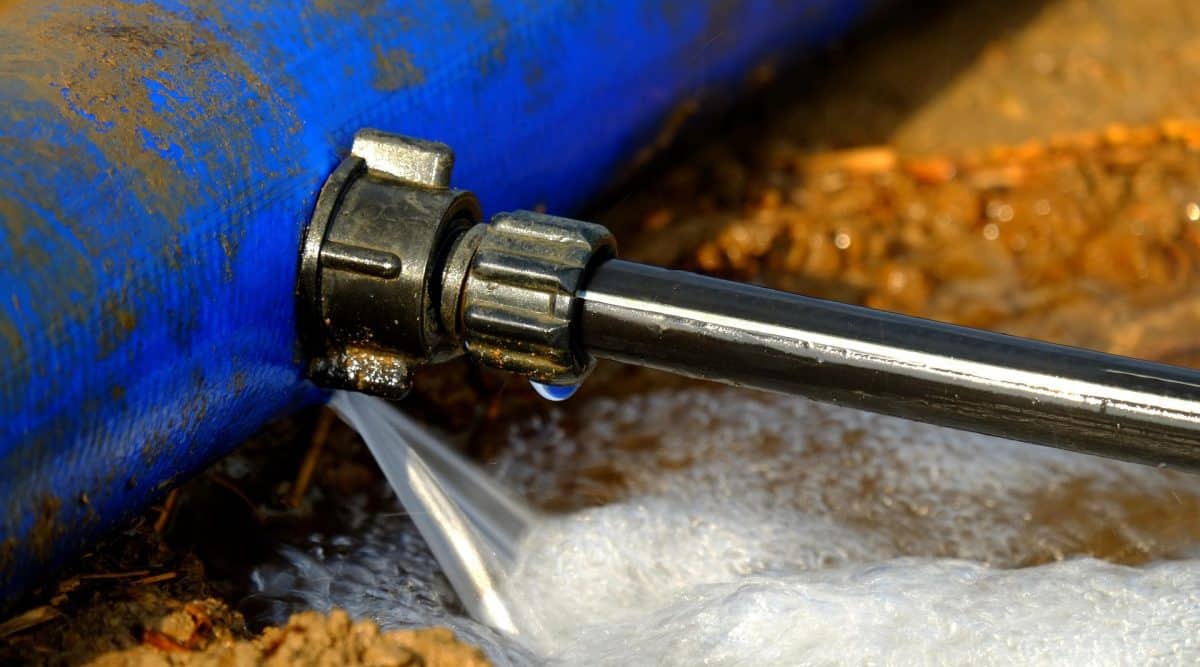
A leak and a line break both include water getting out of plumbing that doesn’t want it to be, but what differentiates the two is the volume of water lost, the speed of water loss, and the degree of disruption. Leaks, for instance, are slow, steady, and sometimes elusive, whereas line breaks are sudden, severe, and have a way of announcing themselves quickly. Knowing these differences is critical for anyone in charge of fixing up real estate.
1. Scale
Leaks are a slow trickle of information, sometimes a mere drip. Over days or weeks, this can accumulate, but at the moment, the impact is small. A line break causes a massive, haphazard gush of water, likely drowning the vicinity within minutes. This scale difference means leaks can quietly rot walls or floors, while a line break can flood everything, soaking whole rooms, saturating basements, and overwhelming drainage, all in a matter of minutes. When triaging repairs, the scale assists homeowners in determining what can be deferred and what requires immediate attention. A pinhole drip beneath the sink no longer seems so pressing, but a burst main line must be stopped now to prevent massive water loss and property damage.
2. Severity
Leaks, if not repaired, can cause mold, wood rot, and structural damage. The slow speed means harm can sneak up on you, becoming horrible only after weeks or months. A line break is usually an all-hands-on-deck crisis. The severity is high as flooding can devastate floors, walls, and even electrical systems within hours. This type of damage needs not only immediate repairs but specialized cleanup and restoration. Understanding how serious it is helps you decide if a fast DIY repair is still in order or if you need a crew of specialists for an expensive, intricate task.
3. Location
Leaks tend to surface at pipe joints, fittings or under sinks — locations that experience frequent wear or vibration. These spots may be accessible and obvious, but they can be concealed behind walls or beneath floors, increasing the difficulty of locating them. Line breaks occur in main supply or buried lines, usually outside the building or under concrete. The location of the issue determines how you seek and squelch it. Finding a leak under a bathroom sink is typically easy, but a line break under a slab may involve breaking concrete and using special equipment. Environmental factors such as ground movement or temperature swings can make certain spots more prone to leaks or breaks, so understanding where to look saves time and cost.
4. Cause
Leaks most commonly occur due to wear and tear, aging pipes, loose connections, or corrosion. They can be caused by subtle changes in construction or minor fluctuations in temperature. Line breaks are more likely to result from abrupt occurrences, like a surge in water pressure, freeze or thawing, or bulldozing by construction. Figuring out why it went wrong is the ticket to prevention. Routine checks can detect initial wear, such as rust or dampness, prior to escalation. Making sure you don’t have water pressure that’s too high, insulating your pipes in cold climates, and keeping an eye out for soil movement around buried lines all serve to lower the risk of both leaks and breaks.
How to Spot the Problem
When it comes to minimizing water waste, limiting structural damage, and controlling costs, early detection of leaks and line breaks in plumbing systems is key. Too many homeowners overlook the initial signs of trouble, taking action only when water stains or pooling become evident. Remaining vigilant to shifts in water pressure, bills, or even noises in the home can help a lot. The sooner you notice these problems, the sooner you can address them, which can avoid a world of damage and repair costs. It’s important to watch your water usage for sudden spikes—an unexplained increase can be a sign of a lurking issue.
Subtle Signs
The smallest signs are frequently the first signs of leaks, and they’re easy to miss. Water leaks can create minimal changes at first, and these changes are important. Damp spots could appear on floors or walls. Unexplained water stains, particularly on ceilings, indicate water is leaking from pipes overhead. Mold can sprout in a day or two with moisture unaddressed, and the musty smell can tip you off to clandestine leaks before mold is even visible.
- Damp or wet spots on floors or walls
- Increased humidity in rooms without other cause
- Warm or hot patches on the flooring
- Water stains on ceilings or walls
- Dripping sounds within or behind walls
- Wobbly or shifting toilets
- A gurgling sound in the pipes after flushing.
- Unexplained spikes in water bills
Here’s a sure-fire way to check your water meter. Use it, then come back two or three hours later without using any water to take another reading. If it changes, you probably have a leak.
Obvious Indicators
Egregious signs demand drastic measures. Water that is pooling in unexpected places or the sound of flowing or dripping water inside walls indicates a serious leak or line break. An abrupt and unexplained drop in water pressure may indicate that a line has split. Big wet patches, the kind that spread quickly, usually indicate a broken pipe or a serious leak.
Step in immediately if you notice or hear these signs. Prompt action can restrict water damage and expensive repairs. ALWAYS check out strange changes in your flow or pressure. Ignoring these symptoms begets bigger problems, especially when water begins to do visible damage or grow mold.
What Causes Plumbing Failures?
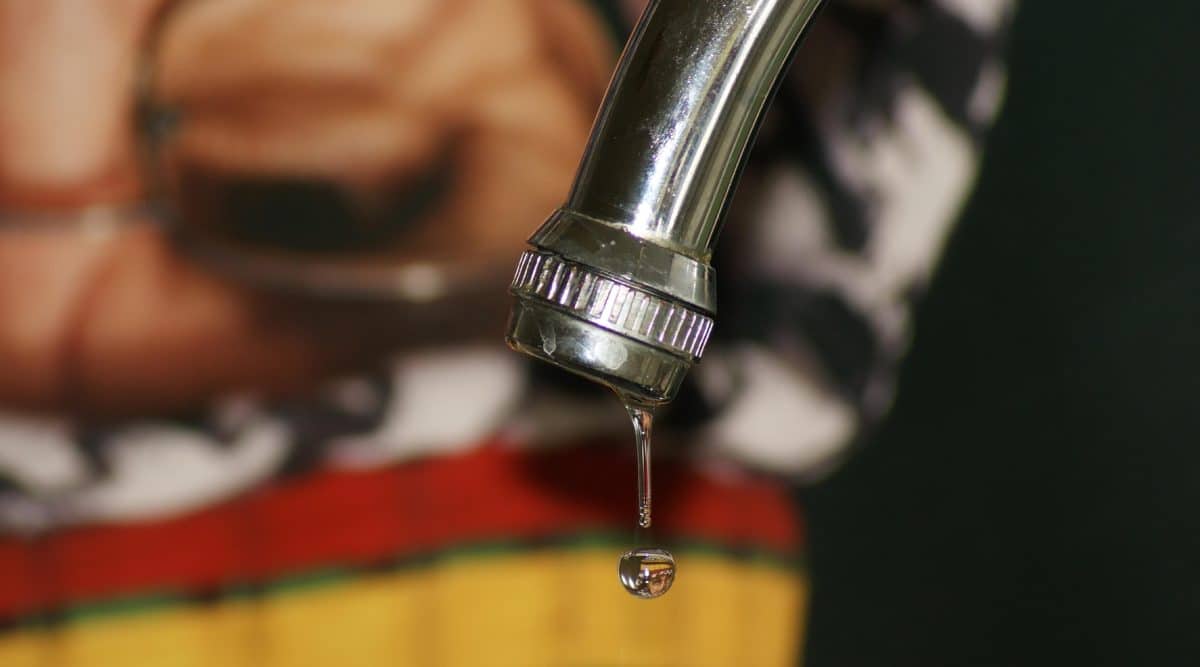
Plumbing failures are typically caused by multiple compounding issues. Knowing the culprits behind plumbing failures allows homeowners and property managers to minimize their exposure, avoid costly repairs, and maintain well-functioning water systems. Many things can start out small but turn into giant failures.
Pipe Age
As they age, their resistance to stress diminishes. Old galvanized steel pipes, for instance, will only last 50 to 70 years. Past this age, rust and mineral deposits frequently erode pipe walls, leaving them susceptible to leaks and breaks. Many failures occur when pipes are just too old to operate as designed. Even one missed inspection or a valve left unchecked for years can tip the scales toward a line break. Older plumbing needs more repairs, which accumulate over time. Keeping tabs on the age of each piece of plumbing assists with scheduling replacements and prevents expensive emergency repairs.
External Pressure
Pipes don’t operate in a vacuum. External forces, such as shifting soil or the presence of tree roots, can exert pressure against pipes until they fracture. In colder environments, freeze-thaw cycles bring an additional level of danger, as water in pipes expands and contracts, stretching joints and walls. Excessive water pressure, particularly over 80 psi, can push aging or substandard plumbing past its tolerance. Homeowners need to examine their pipes, landscaping, and soil. By detecting threats early, like invasive roots or unstable soil, they can begin taking measures to protect pipes from damage.
Water Chemistry
What conduit sleeps in quality water? Mineral-rich or acidic water can corrode pipe walls, particularly in older metal lines. Corrosive water is a leading cause of leaks and reduces the lifespan of a plumbing system. Corrosion is responsible for nearly 87% of genuine water losses in the US. Routine water testing can catch these problems before they escalate. Installing filters or water softeners isn’t going to save you from chemical wear, but it’s a smart way to protect plumbing and dodge expensive repairs.
Poor Installation
Cheapening the install is how you plan plumbing failure. Unsupported pipes, drains without vents or traps, and substandard connections tend to fail earlier. An ill-fitted pipe might hold for some time, but strain and shake will win out. Homeowners should always select licensed contractors and verify their reviews. Proper installation decreases repair costs and maintains warranties, minimizing long-term risk.
Your Immediate Action Plan
Think and act quickly, while remaining calm—those are your two best tools when confronting a leak or a line break. Both issues can cause water to diffuse quickly and result in larger headaches, such as mold, property loss, or even structural damage. They provide a definitive, risk-free route for any homeowner, regardless of location or plumbing infrastructure.
Shut Off Water
First, locate your primary water valve and close it immediately. When you stop the water, you stop additional damage and can keep flooding to a minimum. If you’re not sure where the shut-off valve is, locate it where the main water line enters your home, typically in a basement, garage, or exterior wall.
It’s important to learn how to do this prior to a crisis. Go ahead and practice shutting the valve off and on every couple of months. Others have even tagged or stickered the valve as a reminder to make it easy to find and grab in a hurry. Commercial buildings need to have everyone on staff aware of this step because a quick action can prevent a catastrophe.
Water from a broken line or major leak doesn’t sit idly by. The earlier you act, the less you have to clean up later.
Assess Damage
After the water is off, inspect for damage. Caution—stagnant water can conceal sharp objects or even electrocution when there is Category 2 or 3 water (gray or black water). Always wear gloves and boots. If the water is contaminated, wear a mask and eye shield.
Record or photograph what you observe. Recording everything from the beginning makes insurance claims and chatting with repair services a breeze. Attempt to reach all impacted surfaces, even concealed locations like behind walls or beneath flooring.
Destruction goes up if you don’t do anything about it. Mold can begin to grow within 72 hours if things remain wet. If you have carpets or drywall that are soaked even after three days, schedule to remove and replace them.
Call for Help
Reach out to a professional plumber immediately. The sooner you call, the less likely it is to have grown. Most emergency crews will respond within 24 hours and assist with water extraction, drying, and repairs.
If you have a plumber you trust, keep their number close at hand. When you call, provide as much detail as possible about what kind of water it is, whether it is clear, cloudy, or dirty, where the break or leak is, and what you have done already. This enables the plumber to arrive equipped with the appropriate tools and prepare for the optimal repair.
Prompt treatment, accurate documentation, and professional assistance get healing done faster and better.
Understanding the Repair
It’s this knowledge of the repair that can help homeowners make smart decisions and steer clear of larger problems. When a leak or a line break occurs, the correct action and the appropriate individuals are important. Repairing a leak can be as simple as tightening a fitting or replacing a minor component, whereas a line break usually requires more heavy-duty equipment, excavation, and pipe replacement. Either one can inflict expensive destruction if not addressed quickly and properly. Repair cost, particularly for main water lines, can average $1,005, but it depends on the toughness of the job and materials. Acting quickly by shutting off the main water valve at the first sign of trouble stops more damage and keeps repair costs in check.
Responsibility
Homeowners are crucial participants in detecting and repairing plumbing leaks. It’s more than just dialing a plumber. Routine inspections and awareness of indicators, such as rusty water or puddling, can prevent problems from escalating. Maintenance, such as inspecting for corrosion or leaks, maintains the pipe’s integrity. If you observe new wet spots, strange sounds, or cloudy water, report it immediately. Keeping it moving defends your house and pays off in the long run.
- Look for warning signs such as discolored water or damp spots.
- Schedule regular checks for pipes, especially in older homes.
- Act fast and call a plumber when a problem rears its head.
- Keep records of repairs and inspections.
- Ask questions during repairs to understand what’s being done.
Methods
Repair techniques vary with damage. Small leaks could require nothing more than a patch or a clamp. Line breaks, which are more serious, typically require pipe replacement or even excavating and replacing entire sections. Out with the old metal pipes in favor of sturdy plastic. Each fix has pros and cons. Quick patches cost less but may not last, while full replacements take longer and cost more.
- Patching with epoxy or clamps.
- Pipe replacement for broken or corroded sections.
- Trenchless repairs to limit digging.
- Joint tightening or fitting replacement. Homeowners should inquire with their plumber about which method they are employing and why.
Timeline
Minute tasks, such as repairing a minor leak, might require a couple of hours. Larger tasks, such as a fractured main, can require days, particularly if they involve underground excavation. Timelines vary based on how accessible the pipe is, the nature of the break, and the weather. Discuss details with your plumber so you have a good sense of how long repairs will last and receive updates if things shift.
Beyond the Puddle
There’s never just a simple plumbing problem. A puddle in a basement or a jump in the water bill sneakily points to the undercurrent problems that usually fly under the radar. Distinguishing leaks from line breaks is important, but the true expense arises from what remains unseen and unaddressed. Immediate fixes are only the beginning. Lurking hazards, future expenses, and insurance specifics all require constant attention.
Silent Damage
Not every water damage is blatant. Silent destruction lurks as leaks hide behind walls, beneath floors, or under driveways. Running water meters, warm spots on the floor, or mysterious puddles are the early indicators. Most homeowners ignore these whispered warnings, delaying the inspection because there is no obvious sign of trouble.
Leaving small leaks unchecked can let water into foundations and shift or crack them, necessitating big-time structural fixes. Leaking water pressure washes away soil and undermines building support, causing serious problems over time. By conducting routine inspections, a water meter reading before and after a period of no water use, for example, these covert culprits can be identified early. Addressing plumbing issues early prevents the gradual accumulation of quiet destruction, which, over time, becomes exponentially more costly.
Future Costs
Unaddressed plumbing problems don’t tend to remain minor. Small leaks can squander 10,000 gallons or more a year, and some leaks lose 340 liters a day or more. This doesn’t just increase monthly water bills; it escalates repair costs as the damage spreads.
Addressing leaks now is always less expensive than letting them wait until crisis mode. Upkeep with timely fixes leads to fewer fire calls and less digging in. By budgeting for annual inspections, you can avoid being faced with unexpected expenses.
Insurance Nuances
Insurance coverage for plumbing failures is a tricky issue. A lot of policies leave out slow leaks. They’ve got you covered for a broken pipe or a fallen tree branch. Homeowners ignorant of these exclusions may get claims denied.
It is essential to understand what your policy insures for water damage. Routine updates and thorough records, such as pictures, repair logs, and water bills, simplify filing a claim if damage emerges. Without evidence, even valid assertions can be contested.
Conclusion
What’s the difference between a leak and a line break? Leaks begin gradually and frequently manifest themselves with tiny wet spots. Line breaks come on strong, with water pouring out and immediate damage. Both demand prompt response, but repairing them requires distinct procedures. Plumbers inspect for fractures, corrosion, or ruptured pipes. They employ basic equipment and a keen vision. Identifying these symptoms helps you detect problems ahead of time and reduce frustration. Plumbing issues affect all houses, not just vintage ones. Be vigilant, monitor your pipes, and seek assistance if you detect a problem. Interested in finding out additional methods to keep your home safe and dry? See other tips and stories on the blog.
Frequently Asked Questions
What is the main difference between a leak and a line break?
What’s the difference between a leak and a line break? A line break is a full rupture resulting in an immediate, gushing flow of water.
How can I tell if I have a leak or a line break?
A leak is usually a damp spot or slow drips. A line break tends to cause flooding or a powerful, forceful flow of water.
What should I do first if I find a leak or line break?
Turn off your main water supply. This prevents more damage until a professional gets there.
What causes leaks and line breaks in pipes?
Some of the most common causes include corrosion, freezing, excessive water pressure, and aging or damaged pipes.
Are leaks less serious than line breaks?
Leaks are typically less urgent but can still do damage. Line breaks are emergencies and should be addressed immediately.
Can I repair a leak or line break myself?
Small leaks can be patched from time to time. Most repairs, particularly line breaks, should be left to a professional plumber.
How can I prevent leaks and line breaks?
Check your plumbing often, insulate pipes in cold areas, and repair minor issues right away.
Water Services in Santa Rosa — Fast, Reliable, and Trusted Experts
When water problems hit your home, quick action matters. Whether you’re dealing with a leak, low pressure, or a burst pipe, Yorkshire Plumbing delivers fast, professional water service throughout Santa Rosa.
Our licensed plumbers specialize in diagnosing and repairing all types of water line issues using advanced equipment and proven methods. From pinpointing hidden leaks to replacing old pipes, we provide dependable solutions that protect your home and restore proper flow.
With nearly a decade of experience serving Sonoma County, we’ve built a reputation for honest communication, quality workmanship, and long-lasting results. We don’t just fix the problem, we make sure it stays fixed.
From emergency water line repairs to full system upgrades, Yorkshire Plumbing is your trusted, family-owned choice for reliable water services in Santa Rosa. Contact us today for a free estimate. We offer same-day service whenever possible and are always ready for urgent calls.
Disclaimer
The information provided on this website is for general informational and educational purposes only and is not intended as professional plumbing or construction advice. You should consult with a licensed plumber or qualified contractor for guidance specific to your home or situation. Do not rely solely on the content of this site to make decisions about plumbing repairs, installations, or maintenance. While we strive to keep the information current and accurate, it may not reflect the most recent industry standards or code requirements. Yorkshire Plumbing & Drain Services disclaims all liability for any actions taken or not taken based on the content of this site, to the fullest extent permitted by law.