Garbage disposals have become one of the most convenient kitchen appliances in modern homes. They help reduce food waste, keep kitchens cleaner, and make post-meal cleanup easier. However, like any appliance that handles constant use, garbage disposals can eventually develop problems. From strange noises and persistent clogs to leaks and complete breakdowns, disposal issues can quickly disrupt daily routines and create frustration for homeowners.
In Santa Rosa, where many households rely on garbage disposals for efficient kitchen cleanup, recognizing early warning signs can help prevent more expensive plumbing repairs. Some disposal issues can be resolved with simple troubleshooting, but others require the expertise of a trained professional. Knowing when to attempt a minor fix and when to contact a professional plumber is essential for protecting both your plumbing system and your safety.
Ignoring disposal problems may lead to larger complications such as damaged pipes, water leaks, unpleasant odors, or even electrical hazards. In some situations, attempting a repair without proper tools or experience can make the issue worse. Professional repair services help identify the root cause of the problem and restore proper function while minimizing the risk of future damage.
This guide explains common garbage disposal problems, signs that indicate professional repair is needed, and why timely service matters for homeowners in Santa Rosa. Whether your disposal is making unusual sounds, refusing to turn on, or repeatedly clogging, understanding the repair process can help you make informed decisions and avoid unnecessary stress.
Key Takeaways
- Garbage disposals commonly experience clogs, jams, leaks, electrical issues, and worn components over time.
- Strange noises, recurring blockages, foul odors, and water leaks are common signs that professional repair may be necessary.
- Attempting complex repairs without experience can damage plumbing systems or create safety hazards.
- Routine maintenance can extend the life of a garbage disposal and reduce repair costs.
- Professional plumbers can diagnose hidden issues that homeowners may overlook.
- Delaying repairs may lead to pipe damage, mold growth, kitchen flooding, or appliance failure.
- Some disposal problems indicate that replacement is more cost-effective than continued repairs.
Common Garbage Disposal Problems
Understanding common disposal problems can help homeowners identify when repairs are needed.
Garbage Disposal Will Not Turn On
One of the most common complaints is a disposal that refuses to operate.
Sometimes pressing the reset button restores operation. However, if the disposal repeatedly stops working, professional diagnosis may be required.
Why Professional Help Matters
Electrical issues can pose serious safety risks. A licensed professional can safely inspect wiring and determine whether repair or replacement is necessary.
Garbage Disposal Is Humming but Not Grinding
A humming sound often indicates that power is reaching the unit, but the flywheel is jammed.
Common Causes of Jams
Items that commonly cause jams include:
- Bones
- Fruit pits
- Silverware
- Fibrous vegetables
- Grease buildup
Risks of Ignoring the Problem
Running a jammed disposal may overheat the motor and permanently damage internal components.
Persistent Clogs
Frequent clogs are another common disposal issue.
Foods That Commonly Cause Blockages
Certain foods should never go down a garbage disposal, including:
- Grease and oil
- Pasta
- Rice
- Coffee grounds
- Eggshells
- Potato peels
- Celery
- Corn husks
These materials may expand, harden, or wrap around internal components.
Warning Signs of a Serious Clog
You may notice:
- Slow draining water
- Standing water in the sink
- Gurgling sounds
- Recurring backups
- Multiple drain issues
Why DIY Solutions Sometimes Fail
Chemical drain cleaners may damage pipes and disposal components. Persistent clogs often indicate deeper plumbing problems that require professional equipment.
Strange Noises Coming from the Disposal
Garbage disposals are designed to handle everyday food waste with a consistent humming or grinding sound. However, when unusual noises suddenly appear, it often means something inside the unit is not functioning correctly. Strange sounds should never be ignored because they can point to developing mechanical issues, loose parts, or hidden obstructions that may eventually lead to complete failure. Recognizing these warning signs early can help prevent expensive repairs and extend the lifespan of the appliance.
Grinding or Metallic Clanking Sounds
One of the most alarming noises a disposal can make is a harsh metallic grinding sound. This commonly happens when hard foreign objects accidentally fall into the grinding chamber. Utensils, bottle caps, fruit pits, small bones, screws, or even broken glass can become lodged between the impellers and grinding ring. When the motor continues running against these materials, it may damage internal components and dull the grinding surfaces.
If you hear metal scraping or clanking, turn the disposal off immediately. Avoid reaching inside with your hands. Instead, disconnect the power and inspect the chamber using tongs or pliers to safely remove the obstruction.
Rattling During Operation
Rattling noises often indicate that something loose is moving around inside the unit. Small food scraps that are too hard to grind properly can bounce around the chamber and create repeated tapping sounds. In some situations, the mounting assembly or drain connections may loosen over time, especially in older systems that experience frequent use.
Persistent rattling should be checked promptly because loose hardware can eventually affect stability and lead to leaks beneath the sink. Tightening connections early may prevent larger plumbing problems later.
High-Pitched Screeching
A sharp screeching sound is usually a sign of internal wear. Aging bearings inside the motor can deteriorate from moisture exposure and constant operation. As these parts wear down, friction increases and produces an unpleasant squealing or screeching noise whenever the disposal runs.
Motor-related sounds often become louder over time and may eventually lead to overheating or electrical failure. If the screeching continues after clearing the disposal, professional inspection may be necessary to determine whether replacement parts or a new unit are required.
Excessive Shaking or Vibrating
Strong vibrations are another sign that something is wrong inside the disposal system. Unbalanced internal components, damaged blades, or loose mounting brackets can cause the unit to shake excessively during operation. In severe cases, the movement may even loosen plumbing connections beneath the sink.
Ignoring heavy vibration can place stress on both the disposal and surrounding pipes. Addressing the issue early helps protect the sink assembly and prevents additional damage throughout the kitchen plumbing system.
Why Prompt Attention Matters
Unusual disposal sounds rarely resolve on their own. Minor issues can quickly escalate into motor damage, leaks, or complete breakdowns if left untreated. Paying attention to changes in sound allows homeowners to identify problems before they become more costly and disruptive. Routine maintenance, careful food disposal habits, and prompt inspections can help keep the unit operating smoothly and quietly for years.
Water Leaks Around the Disposal
Leaks should never be ignored because they can damage cabinets, flooring, and nearby plumbing components.
Common Leak Locations
Sink Flange Leaks
Leaks near the sink opening may result from worn seals or loose mounting hardware.
Dishwasher Connection Leaks
The dishwasher hose connection can loosen or crack over time.
Drain Pipe Leaks
Drain lines connected to the disposal may deteriorate or loosen.
Internal Cracks
Older disposal units may develop cracks in the housing.
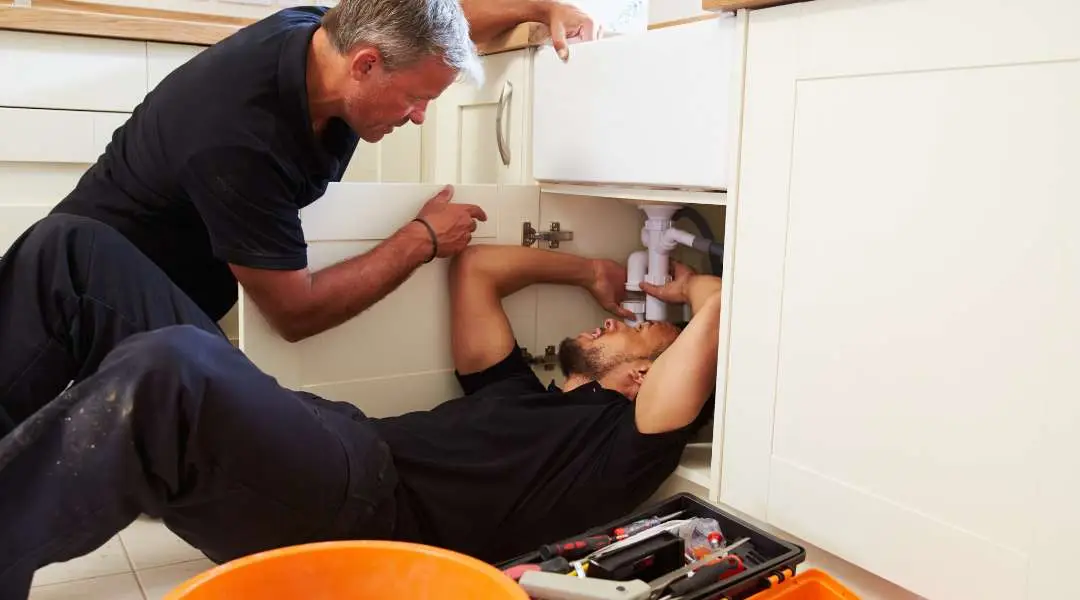
Why Leaks Require Prompt Attention
Even small leaks can contribute to:
- Mold growth
- Wood rot
- Cabinet damage
- Water stains
- Structural deterioration
Professional inspection helps identify the exact source of the leak.
Bad Odors That Will Not Go Away
Occasional odors are normal after food waste accumulates, but persistent smells may indicate a deeper issue.
Causes of Garbage Disposal Odors
Food Buildup
Food particles trapped inside the chamber may decay over time.
Grease Accumulation
Grease may coat internal surfaces and trap bacteria.
Drain Pipe Issues
Odors may originate from deeper plumbing problems rather than the disposal itself.
When Odors Signal a Bigger Problem
If cleaning attempts fail to eliminate odors, professional cleaning or plumbing inspection may be necessary.
Frequent Reset Button Trips
The reset button protects the disposal motor from overheating.
Common Reasons the Reset Button Keeps Tripping
Overloaded Motor
Excessive food waste can strain the motor.
Electrical Problems
Faulty wiring or damaged electrical components may trigger shutdowns.
Aging Disposal Unit
Older units often experience reduced motor efficiency.
Repeated reset button trips should not be ignored because they may indicate serious internal damage.
Slow Draining Kitchen Sink
A slow sink often points to developing drainage issues.
How Garbage Disposals Affect Drainage
Improperly ground food waste can accumulate inside pipes and restrict water flow.
Contributing Factors
Common contributors include:
- Grease buildup
- Large food scraps
- Poor water flushing habits
- Pipe obstructions
Why Professional Drain Cleaning Helps
Professional drain cleaning removes buildup safely without damaging pipes or disposal components.
Signs Your Garbage Disposal Needs Replacement
Not every disposal problem can be repaired cost-effectively.
Indicators That Replacement May Be Better
Advanced Age
Most garbage disposals last between 8 and 15 years depending on use and maintenance.
Frequent Repairs
Repeated service calls may cost more than replacement over time.
Major Motor Failure
Motor replacement can be expensive in older units.
Cracked Housing
Cracked units typically require full replacement.
Persistent Performance Issues
Units that consistently clog, leak, or jam may no longer function efficiently.
A professional can help determine whether repair or replacement is the better investment.
Why DIY Garbage Disposal Repairs Can Be Risky
Many homeowners attempt disposal repairs themselves, but some issues require specialized knowledge.
Potential Risks of DIY Repairs
Electrical Hazards
Garbage disposals combine water and electricity, increasing the risk of electric shock.
Plumbing Damage
Improper repairs can damage pipes and create leaks.
Personal Injury
Sharp internal components may cause injury.
Voided Warranties
Unauthorized repairs may void manufacturer warranties.
Professional service helps reduce these risks while ensuring proper repairs.
Benefits of Hiring a Professional in Santa Rosa
Working with a qualified professional provides several advantages.
Accurate Diagnosis
Professionals can identify both visible and hidden issues affecting the disposal system.
Proper Tools and Equipment
Specialized equipment allows safe removal of jams, clogs, and damaged components.
Safe Repairs
Licensed technicians follow proper electrical and plumbing safety standards.
Long-Term Solutions
Professional repairs often address the root cause rather than temporary symptoms.
Reduced Stress
Professional service helps homeowners avoid repeated problems and unnecessary guesswork.
Preventive Maintenance Tips for Garbage Disposals
Proper maintenance can help extend disposal lifespan and reduce repair needs.
Run Cold Water During Use
Cold water helps solidify grease so it can move through pipes more effectively.
Avoid Overloading the Disposal
Feeding large amounts of food waste at once may strain the motor.
Use the Disposal Regularly
Regular use helps prevent rust and keeps moving parts functional.
Clean the Disposal Periodically
Safe cleaning methods include:
- Ice cubes
- Baking soda
- Mild dish soap
- Citrus peels in moderation
Avoid Problematic Foods
Limiting fibrous, starchy, and greasy materials reduces clog risks.
Seasonal Plumbing Concerns in Santa Rosa
Certain seasonal habits can increase disposal strain.
Holiday Cooking Demands
Large gatherings often produce more food waste than usual.
Common Holiday Disposal Problems
- Grease overload
- Vegetable peel buildup
- Bone jams
- Excessive food scraps
Cooler Temperatures
Grease may harden faster in pipes during cooler weather.
Increased Kitchen Usage
Frequent cooking and entertaining can place additional stress on disposal systems.
Scheduling maintenance before high-use seasons may help prevent emergencies.
How Professionals Diagnose Garbage Disposal Problems
Professional diagnosis involves several steps.
Visual Inspection
Technicians inspect for leaks, corrosion, cracks, and loose connections.
Electrical Testing
Voltage and wiring checks help identify power issues.
Drain Assessment
Drain flow testing identifies blockages or restricted pipes.
Internal Component Inspection
Professionals examine grinding parts, flywheel movement, and motor condition.
Safety Evaluation
Inspecting mounting systems and electrical components helps ensure safe operation.
Comprehensive inspections often uncover issues homeowners may not notice.
Emergency Garbage Disposal Situations
Some disposal problems require immediate professional attention.
Major Water Leaks
Rapid leaks can damage cabinets, flooring, and walls.
Burning Smells
Electrical burning odors may indicate motor failure or wiring issues.
Complete Drain Backups
Severe clogs can affect multiple fixtures.
Sparks or Electrical Issues
Any sign of sparking or electrical malfunction requires immediate shutdown and professional service.
Prompt repairs help prevent more extensive damage.
Repair vs. Replacement: Making the Right Decision
Homeowners often wonder whether repairing or replacing a disposal makes more sense.
When Repair Is the Better Option
Repair may be ideal when:
- The unit is relatively new
- Problems are minor
- Components are easily replaceable
- The motor remains in good condition
When Replacement Is Smarter
Replacement may be preferable when:
- Repairs become frequent
- Energy efficiency declines
- The unit is old
- Internal cracks develop
- Performance continues to worsen
Professional guidance helps homeowners make cost-effective decisions.
How to Extend the Life of Your Garbage Disposal
A garbage disposal is one of the hardest-working appliances in the kitchen. It handles daily food waste, supports easier cleanup, and helps reduce trash buildup. However, without proper care, even a high-quality unit can wear out faster than expected. Fortunately, a few smart habits can significantly improve performance and help homeowners avoid frequent repairs or premature replacement.
Use Cold Water Every Time
Running cold water while operating the disposal is one of the simplest ways to protect the system. Cold water helps solidify grease and oils so they can move through the plumbing more effectively instead of coating the inside of pipes. Allow the water to continue flowing for several seconds after the disposal stops grinding to help flush food particles completely through the drain system.
Hot water may seem helpful for cleaning, but it can liquefy grease temporarily and allow it to settle deeper in the pipes, eventually contributing to blockages. Consistent use of cold water supports smoother drainage and reduces residue buildup.
Feed Food Waste Gradually
Overloading the disposal with large amounts of food scraps at once places unnecessary stress on the motor and grinding components. Instead of dumping everything into the sink together, add small portions gradually while the unit is running. This gives the blades enough time to process the waste efficiently and minimizes the risk of jams.
Larger scraps should also be broken into smaller pieces before entering the disposal. Hard or bulky items can strain internal parts and reduce grinding efficiency over time. Taking a few extra seconds to prepare food waste properly may help extend the appliance’s lifespan.
Avoid Sending Problem Materials Down the Drain
Certain foods and substances are known to create problems inside garbage disposals and plumbing systems. Grease, cooking oil, fibrous vegetables, pasta, rice, eggshells, coffee grounds, and bones are among the most common culprits. These materials may stick to internal surfaces, wrap around moving components, or swell with moisture inside pipes.
Being selective about what enters the disposal helps prevent clogs, unpleasant odors, and unnecessary wear. Composting food scraps when possible can also reduce the amount of strain placed on the appliance.
Clean the Unit Safely
Routine cleaning helps maintain performance and keeps odors under control. Safe cleaning methods may include flushing the disposal with cold water and mild dish soap or using ice cubes to help dislodge residue from grinding surfaces. Baking soda and vinegar can also help freshen the drain naturally.
Harsh chemical cleaners should generally be avoided because they may corrode metal parts, damage seals, or weaken pipes over time. Gentle maintenance methods are often more effective for preserving long-term function.
Operate the Disposal Regularly
Even if the disposal is not used heavily, running it periodically helps keep moving components functional. Long periods of inactivity may allow rust, corrosion, or debris buildup to develop inside the chamber. Regular operation keeps the system moving properly and may help prevent internal parts from sticking.
Schedule Professional Maintenance When Needed
Professional inspections can identify developing problems before they become serious. Small leaks, worn components, or partial blockages are often easier and less expensive to address early. Routine maintenance may also improve efficiency and help homeowners avoid unexpected breakdowns.
Consistent care plays an important role in extending the life of a garbage disposal. Proper usage habits, safe cleaning methods, and timely professional attention can help the unit operate more efficiently for many years while reducing the likelihood of costly plumbing issues.
Conclusion
Garbage disposals provide convenience and improve kitchen efficiency, but they also experience wear over time. Problems such as jams, leaks, strange noises, recurring clogs, and electrical malfunctions should never be ignored. While some minor issues can be resolved through basic troubleshooting, many situations require professional attention to prevent further damage and restore safe operation.
For homeowners in Santa Rosa, recognizing the warning signs early can help avoid larger plumbing emergencies and costly repairs. Professional garbage disposal repair services offer accurate diagnosis, safe repair methods, and long-term solutions that protect both the appliance and the plumbing system.
Routine maintenance, proper usage habits, and timely professional service can significantly extend the life of a garbage disposal. Whether the issue involves a stubborn clog, leaking unit, or complete motor failure, knowing when to call a professional can save time, money, and frustration.
Frequently Asked Questions
How long does a garbage disposal usually last?
Most garbage disposals last between 8 and 15 years depending on maintenance, usage habits, and unit quality.
Why is my garbage disposal humming but not working?
A humming sound usually indicates a jammed flywheel or stuck internal component preventing the blades from turning properly.
Can I use chemical drain cleaners in my garbage disposal?
Chemical cleaners are generally not recommended because they may damage pipes, seals, and disposal components.
What foods are most harmful to garbage disposals?
Grease, bones, coffee grounds, fibrous vegetables, rice, pasta, and starchy foods commonly cause problems.
Is it safe to repair a garbage disposal myself?
Minor troubleshooting may be safe if power is disconnected, but electrical or plumbing repairs should typically be handled by professionals.
Why does my garbage disposal smell bad?
Food buildup, grease accumulation, and bacteria inside the disposal or drain pipes often cause unpleasant odors.
When should I replace instead of repair my disposal?
Replacement is often recommended when the unit is old, frequently breaks down, leaks from cracks, or has severe motor damage.
Can a garbage disposal damage plumbing pipes?
Improper use can contribute to clogs and pipe buildup, especially when grease or unsuitable foods are introduced.
Why does my disposal keep tripping the reset button?
Repeated reset trips may indicate motor overload, electrical problems, overheating, or aging components.
Should I run hot or cold water with my garbage disposal?
Cold water is recommended because it helps solidify grease and allows waste to move through pipes more effectively.
Hard Water, Mineral Buildup & Pipe Corrosion: What Santa Rosa Homeowners Should Know
Hard water can quietly damage a plumbing system over time. Mineral deposits from calcium and magnesium gradually build up inside pipes, fixtures, and appliances, reducing water flow, lowering efficiency, and increasing the risk of corrosion. Left unchecked, this buildup can lead to costly repairs, failing water heaters, and premature pipe replacement. Yorkshire Plumbing helps homeowners in Santa Rosa identify and manage hard water problems before they cause serious plumbing damage.
In many Sonoma County homes, mineral-rich water slowly leaves deposits inside plumbing lines. These deposits narrow pipes, clog fixtures, and place extra strain on water heaters and appliances. Warning signs may include reduced water pressure, white residue on faucets, longer heating times from water heaters, or discolored water coming from taps. Over time, mineral buildup can also contribute to pipe corrosion, weakening plumbing lines and increasing the likelihood of leaks.
Our team uses advanced diagnostic tools to inspect plumbing systems thoroughly, even when pipes run underground or behind walls. By identifying mineral buildup and early corrosion, we can recommend practical solutions that protect the system and extend the life of pipes, fixtures, and water-using appliances. Clear explanations and straightforward options help homeowners understand what is happening and how to prevent further damage.
No guesswork. No unnecessary upsells. Just honest information and reliable plumbing solutions designed to protect your home’s plumbing system.
With nearly a decade of experience serving Sonoma County, this family-owned company has built a reputation for careful workmanship, honest service, and dependable results. Yorkshire Plumbing does more than repair pipes. We help homeowners understand how hard water affects plumbing systems and provide solutions that reduce mineral buildup and prevent corrosion.
If you’re concerned about hard water, mineral buildup, or pipe corrosion affecting your plumbing system, contact Yorkshire Plumbing today for a professional evaluation and practical guidance.
Disclaimer
The information provided on this website is for general informational and educational purposes only and is not intended as professional plumbing or construction advice. You should consult with a licensed plumber or qualified contractor for guidance specific to your home or situation. Do not rely solely on the content of this site to make decisions about plumbing repairs, installations, or maintenance. While we strive to keep the information current and accurate, it may not reflect the most recent industry standards or code requirements. Yorkshire Plumbing & Drain Services disclaims all liability for any actions taken or not taken based on the content of this site, to the fullest extent permitted by law.