Barbecue and fire pit gas line installation in Santa Rosa is about putting in a stationary source of gas to fuel your outdoor fires or grills, making your backyard cooking and warmth convenient and safe. Many residences and commercial properties choose gas lines for reliable fuel and less mess than propane tanks or wood. Santa Rosa local codes require safe work and proper permits for all gas line projects. Our expert installers survey the site, select the appropriate type of pipe, and comply with all building codes to prevent leaks and fire hazards. This upgrade helps make your outdoor spaces more enjoyable every day or for parties. In the following sections, discover the most important steps for safe, long-lasting gas line installation in Santa Rosa.
Key Takeaways
- Always check local codes and acquire the necessary permits before starting any gas line installation.
- Perform a thorough site evaluation to determine the best gas line paths, evaluate soil types, and overcome obstacles. This prevents costly complications during installation.
- Hire licensed, experienced professionals like Yorkshire Plumbing & Drain Services to install and service gas lines. This mitigates safety risks and ensures compliance with technical specifications and local codes.
- Safety first: know the telltale signs of gas leaks, including sulfur-like odors, hissing sounds, or dying vegetation, and take action immediately if detected.
- Anticipate local conditions such as wet winters and seismic activity by selecting rugged materials, planning adequate drainage, and taking extra precautions.
- Have your gas lines and appliances inspected and maintained routinely. Keep records to help your system last for years.
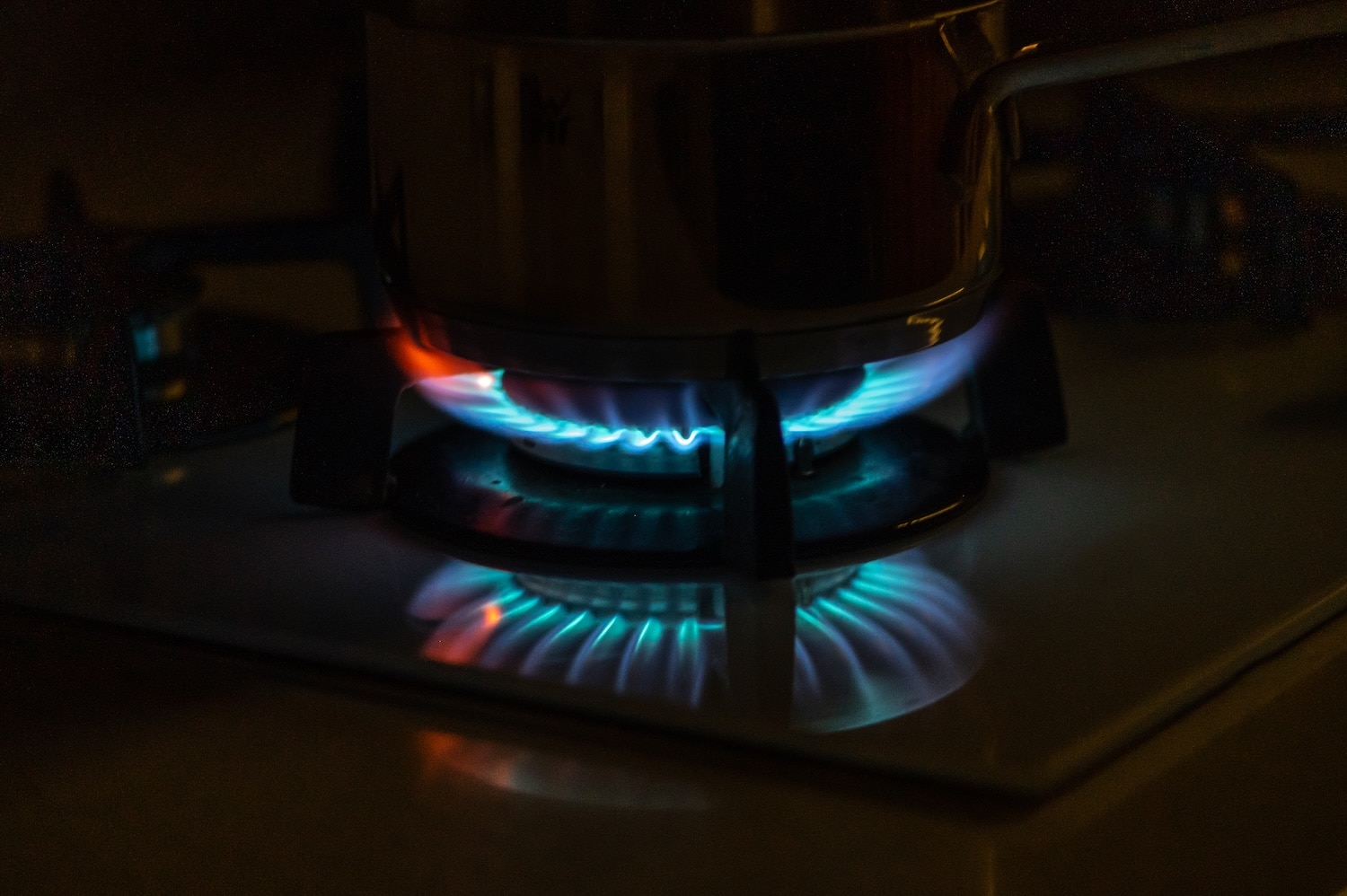
Planning Your Santa Rosa Gas Line
Santa Rosa gas line installations for BBQs and fire pits are technical projects influenced by local regulations, safety codes, and your property’s unique needs. Smart planning reduces risk and ensures reliable gas flow for new installations or replacements, whether for a fire pit, grill, or tankless water heater.
Local Codes
Santa Rosa adheres to rigorous city and state regulations for gas line installations. All new work, including replacement of worn or damaged pipes, must comply with California plumbing code to protect users. North Bay Area Air Quality Management District guidelines also apply to outdoor gas appliances, helping reduce emissions and preserve air quality. Since codes can change, it’s essential to check for updates before beginning a project.
Permit Process
Proper paperwork is key when installing gas lines. Gather property plans, appliance specs, and piping diagrams before applying for a permit. Inspections may occur from trenching to final hook-up, and each step must pass before proceeding. Keep track of deadlines to avoid delays, especially when replacing lines or installing new appliances.
Site Assessment
A thorough site review helps select the ideal location for new or replacement gas line installations. Start with a property map to design a safe path avoiding trees, driveways, and underground utilities. Consider soil type—rocky or shifting ground can complicate installation or threaten future leaks. Be on the lookout for aging pipes, hissing, strange odors, or corrosion. Work with skilled plumbers like Yorkshire Plumbing & Drain Services who can recommend appropriate pipe types, such as rugged PE piping for outdoor runs.
Discuss these points with your plumber:
- Size and capacity needs for planned appliances
- Pipe material selections (e.g., PE piping)
- Proper location to avoid roots or structures
- Inspection and safety planning
- Gas leak emergency steps
Professional Gas Line Installation
For fire pits and BBQs in Santa Rosa, don’t risk DIY installations. Yorkshire Plumbing & Drain Services ensures every phase—from trenching to final inspection—complies with local, national, and industry standards. Expert installation eliminates leaks, reduces risks, and maximizes lifespan. Routine service and timely gas line replacements, particularly when new appliances are added, safeguard your investment and safety.
- Trenching and Depth
Trenching begins with reviewing local building codes to locate the correct depth, typically between 450 mm and 600 mm. Soil type affects stability and safety. Tools such as trenchers and shovels ensure clean and precise work. Mark trenches to reduce future accidental damage. - Pipe Selection
Choosing the right pipe is crucial for efficiency and safety. PE pipes are preferred for outdoor runs because they don’t rust and last decades. Steel may be used for high pressure, and PVC in some cases. Pipe size depends on appliance BTU rating and total demand. Skilled plumbers ensure pipes are routed safely and meet code requirements. - Connection and Sealing
Reliable connections prevent gas leaks and maintain performance. Threaded joints should be wrapped with high-quality Teflon tape or pipe dope, and all fittings tightened properly. Replace twisted or old valves before failure. Connections to appliances should be inspected for wear, corrosion, or damage. Hissing, odd odors, or visible damage signal a need for professional evaluation. - Pressure Testing
Pressure testing is mandatory before using any gas line. A manometer checks for leaks and pressure drops. Record all results for future reference. Routine testing after repairs or extreme weather ensures continued safety. - Final Inspection
A certified gas technician performs the final check, confirming code compliance and functionality. Any problems must be corrected before approval. City permits and certifications ensure the work meets safety regulations and is legally completed.
Recognizing Gas Leak Dangers
Know the dangers of gas leaks. Gas leaks can be silent killers. Neglecting maintenance or using inappropriate sized pipes increases the danger. Unchecked gas lines can cause explosions, property loss, or worse. By identifying the warning signs and taking action, we can protect lives, protect homes, and protect our neighborhoods.
Common signs of gas leaks:
- Sharp, sulfur-like or rotten egg odor
- Hissing or whistling sounds around pipes or appliances
- Dead or dying plants near gas lines
- Bubbles in standing water outside
- Unusual dust or mist near gas appliances
- Gas appliances with yellow or orange flames (not blue)
- Higher gas bills with no clear reason
Distinct Gas Smell
Natural gas is naturally odorless, but companies add a sulfurous scent to help people detect leaks, which is particularly important for gas line installations. This odor is pungent and easily recognizable, even in low concentrations. If the smell is strong, there could be a big leak. Never ignore your nose, if you smell gas, act immediately by evacuating and calling for immediate assistance. Routine maintenance and professional inspections at least once a year can identify problems in the early stages and protect your household, especially when it comes to gas line replacement and ensuring fire safety in your home.
Gas Line Noise
Leaking gas can sometimes produce hissing or whistling noises near pipes or appliances, which may be subtle yet significant warnings. Pay attention to these sounds, especially when using your gas BBQ or fire pit. If you notice any persistent noises, it’s essential to contact skilled plumbers for a professional inspection. These sounds act as an early warning that your gas system could be compromised. Don’t attempt repairs on your own, experienced professionals from companies like Yorkshire Plumbing & Drain Services ensure safety during gas line installations and replacements.
Visual Assessment
Be on the lookout for bubbles in standing water near gas line installations, as this could indicate a gas leak underground. Additionally, dead or dying plants in a localized area, particularly near these underground pipes, can signal a leak. Any dust or mist around your BBQ or fire pit should prompt further investigation. Changes in your yard, like dead patches of grass, may seem minor but could be danger signals. It’s crucial to remain vigilant around gas appliances and schedule regular plumbing services to identify potential issues before they escalate.
Your Immediate Gas Leak Response
Gas leaks are dangerous emergencies that require quick, decisive steps to protect your family. Whether you’re putting in a gas line installation for a BBQ or fire pit in Santa Rosa or beyond, understanding how to respond if you suspect a leak is crucial. The smell, like rotten eggs, alerts you to an issue. Responding quickly avoids a fire, explosion, or the risks of inhaling gas. Leave that to skilled plumbers and get out before you investigate or fix it yourself.
Do Not Ignite
Don’t light fires or generate sparks for any reason if you smell a gas leak. Keep matches, candles, and lighters away. Turning off gas appliances could be beneficial, but it is only helpful if you can do this without danger. If in doubt, get out, don’t risk lights and switches! Even using a phone or turning on lights can spark, so don’t touch any electronics until you’re a good distance away from the house.
Keep all sources of ignition away from the suspected leak area. I know you want to open the windows or test the leak, but even a little spark can be hazardous. Your immediate gas leak response should be to leave the area undisturbed and free of anything that could ignite a fire.
Evacuate Immediately
Explain to everyone, family, roommates, friends, pets, etc., to immediately evacuate outside. Be cool, but move quickly. Once out, go to a predetermined meet-up point at least 30 meters from the house. This prevents chaos and gets everyone out healthy and present.
Close doors and windows behind you to help contain the gas inside and lessen spread. Be alert for any hissing sounds or indications of a gas leak. Don’t re-enter for anything.
Get Expert Assistance
Once you’re away, dial 911 or your local fire department. Then, call your utility company’s emergency number. Give clear information: your address, what you smelled, and any visible signs of a leak. Air out. Wait for directions and don’t return indoors until experts declare it safe.
There’s only one person who should ever inspect or repair the leak, a certified professional. Gas leaks can be caused by old, corroded pipes, so it’s smart to have them inspected regularly. Immediate and cool reporting facilitates immediate and effective response.
Sonoma County Climate Considerations
Gas line installations for BBQs and fire pits in Santa Rosa must be carefully planned, considering Sonoma County’s climate and regulatory landscape, including local emissions targets. It’s the weather shifts, soil types, and quake activity that significantly impact safety and durability. These factors play a crucial role in the execution of gas line replacement projects.
- Wet winters make soil shift or erode, potentially damaging buried gas lines.
- Fire season is a high risk for outdoor appliances and lines, particularly during dry months.
- Sonoma County sits in a seismic zone, so earthquake preparedness is essential for all underground systems.
- Local rules move to meet legal and environmental pressure. For example, the recent changes to natural gas rules.
- Emissions reporting and energy use are closely tracked, with natural gas accounting for 77% of building energy emissions in 2022.
Soil And Seismic
Soils in Sonoma County range from sandy loam to heavy clay. All of them impact gas line installation. Sandy soils drain well but may shift more in storms. Clay retains moisture, risking expansion and forcing of the pipes. Rocky ground can make trenching difficult but provides excellent support once lines are installed.
Soil Type | Drainage | Stability | Installation Challenge |
Sandy | Fast | Low | Shifting, erosion risk |
Clay | Poor | Medium-Low | Swelling, displacement |
Rocky | Variable | High | Hard trenching |
Loam | Good | High | Preferred, stable |
Earthquake risk influences installation. Flexible piping, seismic shutoff valves, and deeper trenching are just the beginning. Protective sleeves and joint couplings allow lines to safely move during quakes.
Wet Winters
Heavy rain saturates the soil from late fall through early spring. Gas lines could have waterlogged or shifting soil. Erosion around trenches can expose pipes and lead to leaks.
Never assume there isn’t pooling of water in gas lines. Be sure drainage paths divert water away from appliance hookups. Plan inspections immediately after significant storms and not just at season’s end. Periodic inspections catch soft spots or cracks early.
Winter installations need to utilize gravel beds and backfill that drains well. These measures reduce the danger of stagnant water and frost heaving.
Fire Season
Fire Safety Measure | Description |
Clearance zones | 1+ meter cleared of flammable material |
Fire-resistant materials | Steel, copper, and rated flexible connectors |
Appliance shutoff valves | Manual or automatic, easy to access |
Local code compliance | Align with latest fire and building codes |
Fire season metal lines, shutoff valves and flame-proof fittings to boot. Keep dry grass, leaves and brush away from all outdoor gas units. Fire rules in Sonoma County can shift from year to year, so check before you light up a project.
Keep current with RCPA for emissions and code standards evolving. Santa Rosa now favors electric-first standards. Gas lines are still permitted following recent court decisions.
Long-Term Gas Line Maintenance
Long-term gas line installation maintenance is vital to ensuring safety and efficiency in gas-fueled systems. Periodic inspections catch trouble when it’s cheap and safe to fix. For most lines, whether BBQ or fire pit, it’s either rust, cracks, or roots going into pipes. For this reason, have it checked once a year. Experienced technicians from Yorkshire Plumbing & Drain Services employ technologies such as cameras and sensors to detect minor leaks or potential vulnerabilities that could be concealed. Spotting these issues early helps bypass costly major repairs or even replacements.
We do not only service the lines, but all gas appliances as well. BBQs, heaters, dryers, and fireplaces all require cleaning and maintenance to keep them operating efficiently. Dust, soot, or debris in burners or vents can make them run harder, waste gas, or even be a fire hazard. It’s smart to inspect the fittings and hoses for any wear. PE piping is now common for gas lines as it never rusts and lasts longer. If your system still relies on antiquated metal pipes, consider an upgrade, especially if you’re adding new appliances like tankless water heaters that require larger or specialized lines.
It’s wise to maintain clear records for each inspection, repair, and upgrade. This history assists technicians in understanding what’s been repaired previously and identifying trends that could indicate larger problems. It assists homeowners in demonstrating their system has been maintained if selling or renovating.
Knowing the warning signs of gas line issues is a must. Be on the lookout for hissing near lines, strange odors such as rotten eggs, or corrosion. Any of these can indicate a leak or break in the line. If you see something, do something, turn off the gas and call in an expert. Waiting can cause even bigger dangers.
Final Remarks
How to Install a BBQ and Fire Pit Gas Line in Santa Rosa Yorkshire Plumbing & Drain Services, bring in a pro who understands the codes and local ordinances. Expert hands slice danger and make your system endure. Be alert for gas leaks. Even a tiny leak can become a huge issue quickly. Repair problems immediately when you notice them. Sonoma County weather can erode your line with time, so regular inspections count. Basic maintenance keeps it safe. Ready to get your BBQ or fire pit started? Contact a reputable local gas line installer. Be safe, enjoy your space, and keep your setup flowing for years.
Frequently Asked Questions
1. What Permits Are Needed For Gas Line Installation In Santa Rosa?
Before any gas line installations, it’s essential to secure permits from the local building department. Ensure you verify with the City of Santa Rosa regarding current requirements and have your installer follow all safety regulations.
2. Can I Install A Gas Line For My BBQ Or Fire Pit Myself?
That said, we recommend hiring skilled plumbers for gas line installations, as this work is potentially dangerous and must meet local codes. Our expert installers will ensure proper and safe connections.
3. How Does Sonoma County’s Climate Affect Gas Lines?
Sonoma County’s temperature fluctuations and moisture can affect gas line installations, making it crucial for skilled plumbers to identify leaks and obstructions in your gas system.
4. How Often Should I Maintain My Outdoor Gas Line?
Get your gas line installations professionally inspected at least once a year! Routine upkeep by skilled plumbers catches leaks, rust, and other problems before they become dangerous.
5. Why Is Professional Installation Important For Long-Term Safety?
They use the right materials and methods for gas line installations and replacements. This reduces the chances of leaks, fire hazards, and expensive repairs while protecting your home and family.
Gas Line Repair In Santa Rosa – Fast, Reliable, And Safe Service
A gas leak or damaged gas line isn’t just inconvenient, it’s dangerous. If you smell gas, notice hissing sounds, or suspect a leak, don’t wait. Yorkshire Plumbing provides expert gas line repair and replacement services throughout Santa Rosa to keep your home and family safe.
Our licensed plumbers are trained to quickly detect, diagnose, and fix gas line issues using the latest equipment and safety practices. Whether it’s a small residential repair or a full gas line replacement, we handle every job with care and precision.
With nearly a decade of experience serving Sonoma County, we’ve earned a reputation for honest work and dependable results. We never offer quick patches, only long-term solutions that restore safety and peace of mind.
From emergency gas repairs to new line installations, Yorkshire Plumbing is the team you can trust. Call or message us today for a free estimate. We offer same-day service when possible and are always available for urgent calls.
Yorkshire Plumbing is your go-to, family-owned team for safe and reliable gas line repair in Santa Rosa.
Disclaimer
The information provided on this website is for general informational and educational purposes only and is not intended as professional plumbing or construction advice. You should consult with a licensed plumber or qualified contractor for guidance specific to your home or situation. Do not rely solely on the content of this site to make decisions about plumbing repairs, installations, or maintenance. While we strive to keep the information current and accurate, it may not reflect the most recent industry standards or code requirements. Yorkshire Plumbing & Drain Services disclaims all liability for any actions taken or not taken based on the content of this site, to the fullest extent permitted by law.