A little drippy leak under your house turns into crawlspace flooding over a period of time. Water soaks into the soil, softening the earth and increasing moisture. Over weeks or months, wood beams soak it up, pipes rust, and insulation gets wet. Mold starts growing in those dark, damp spaces, and spores waft through the air. As the leak continues, the water saturates and fills the space. Small cracks in walls or floors can expand, allowing even more water in during storms. A lot of homeowners overlook these early warning signals because the transformations occur gradually and silently. To see how little leaks become big crawl space floods, the next section will highlight the primary red flags and culprits.
Key Takeaways
- Even a small plumbing defect or damaged pipe can start a process of slow saturation, eventually leading to significant water accumulation and crawl space flooding if left unaddressed.
- Keeping an eye out for sudden humidity spikes, musty smells, and mysterious upticks in your bills can catch hidden moisture issues before they get serious.
- Over time, moisture weakens building materials, causing rot, structural damage, and the possibility of compromised air quality affecting your household’s health.
- Adequate venting, soil evaluation, and good drain systems can go a long way toward minimizing moisture accumulation and stopping a small leak from turning into crawl space flooding.
- Sweat and Condensation on Pipes and Ductwork: Regular inspections, dehumidifiers, vapor barriers, and better drainage measures are all actionable steps to protect your home’s structural integrity and property value.
- When signs of persistent or severe moisture issues appear, consulting a professional ensures expert evaluation and remediation, safeguarding both occupant safety and long-term home stability.
How A Small Leak Becomes A Flood
Your crawl space might be out of mind, but even a small water leak can trigger a domino effect leading to flooding, structural damage, and health dangers. For instance, a mere 1/8-inch crack in a pipe can waste 950 liters of water daily. Such minor water intrusions, including tiny leaks in irrigation systems, can waste thousands of liters a month, impacting the security and comfort of your home, especially during heavy rains.
Examples of common plumbing defects or damaged pipes:
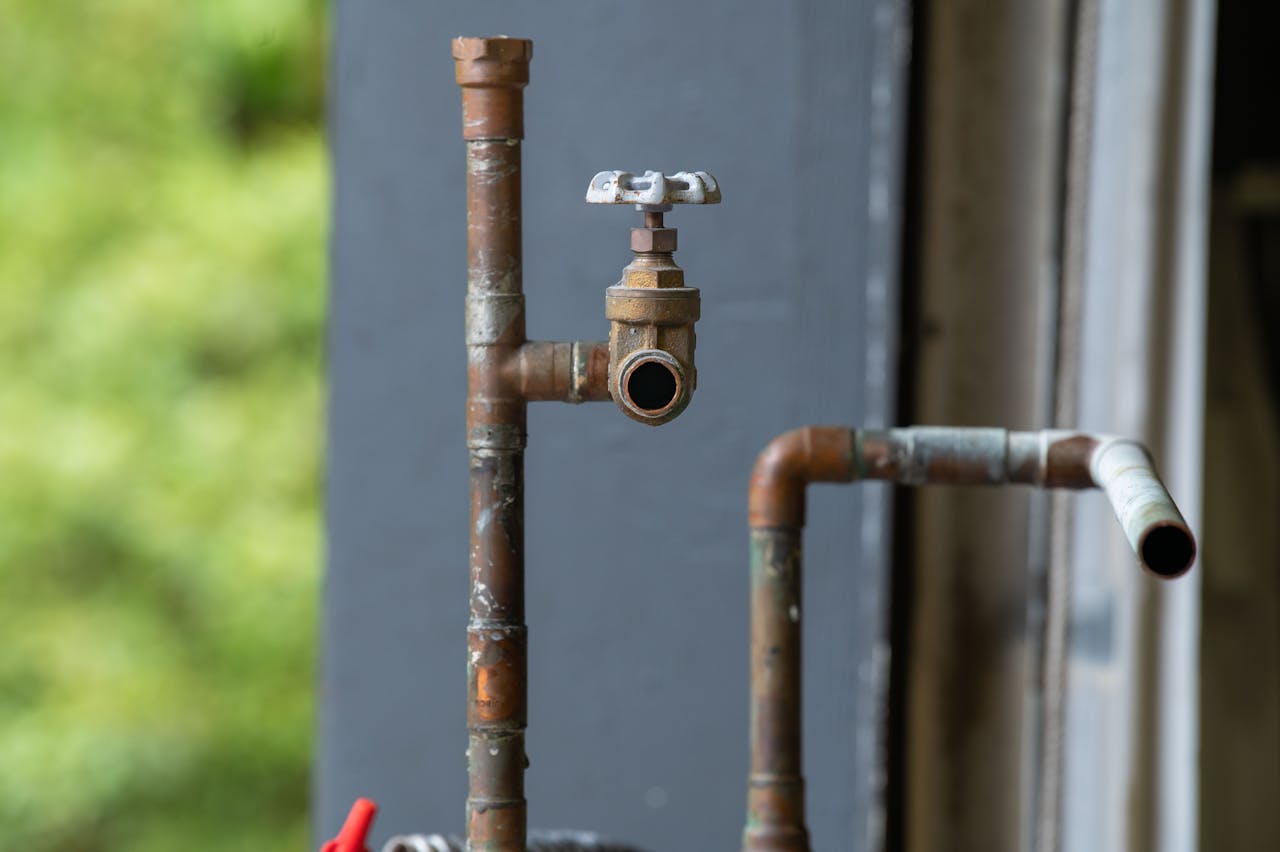
- Hairline cracks in copper pipes.
- Damaged or loose pipe joints or fittings.
- Corroded galvanized steel lines.
- Defective irrigation valves.
- Loose hose connections.
- Burst pipes from freezing or pressure.
1. The Initial Source
Crawlspace leaks often start with minor plumbing defects, such as a poorly sealed joint or a crack from high water pressure, that can lead to basement water leaks. Outside influences, including heavy rain and poor drainage around the building, can force water under the house. These water problems accumulate over time, resulting in significant moisture issues.
2. Slow Saturation
Small leaks can lead to significant water problems as they saturate the ground and surrounding materials. This moisture intrusion affects wood, insulation, and soil over time. Monitoring crawl space water levels, even with a basic ruler or sensor, can identify issues before basement leaks or flooding occur, which many homeowners often overlook.
3. Humidity Spike
As water accumulates, humidity in the crawl space increases, indicating a potential water problem. A hygrometer’s moisture reading signals a silent intruder, as high humidity levels, often above 60 percent, suggest ongoing moisture issues. Having a specialized crawl space dehumidifier is a blessing, as it can effectively slow mold growth and keep the air drier, preventing mold that can start within two days and affect the air quality of your home.
4. Material Decay
Wet wood and insulation deteriorate due to ongoing moisture problems. Rot and mold eat away at the beams and joists, especially when crawl space water removal is neglected. Insulation becomes worthless when it’s wet, leading to severe water damage.
5. The Tipping Point
Flooding occurs when rainwater doesn’t have any other place to go. One hard rain or one burst pipe can cause the crawl space to fill with water, leading to moisture problems. Even minor floods can damage a home, creating a risk for mold and rot.
Unseen Warning Signs
Small leaks hardly ever announce themselves in the beginning. They lurk within walls, beneath floors, or down deep in crawl spaces, gradually bleeding water into surfaces. These water leaks can go undetected for months, emerging only as slight strangenesses or subtle changes in the home’s atmosphere. Identifying warning signs early is critical to avoiding crawl space flooding and future flooding.
Moldy Air Smell
A musty indoor smell is usually the first hint of water problems. Constant moisture allows mold and mildew to flourish in unseen areas, particularly crawl spaces and basements. Odors can seep up through floorboards or vents, even before any visible mold growth. This is a vector of water that has saturated insulation or wood over months or years and sets the stage for fungal growth. A moisture meter can help you check humidity levels in rooms like basements, kitchens, or bathrooms. Readings over 50% indicate a disaster, but good indoor air needs to remain between 30% and 50%. Periodic inspections with a moisture meter can help identify basement water leaks before they escalate.
Higher Bills
Unexplained spikes in water bills can often indicate water leaks behind walls or under floors, potentially leading to significant water problems like basement leaks or crawl space water issues. By comparing your bills month to month, you can identify any jumps even if your habits remain unchanged. Sometimes, plumbing pipes may leak for long periods without any visible signs. Monitoring your water meter can provide valuable insights, and you can perform a simple test by recording the meter, refraining from using water for two hours, and checking again. If the reading increases, it indicates a leak somewhere, and addressing these small alterations promptly can help prevent larger issues down the road.
Pest Activity
Moist crawl spaces attract pests such as termites, ants, and rodents, which are drawn to areas where water pools, including issues like crawl space water leaks. More bugs in your house usually indicate that water is around that shouldn’t be, often linked to a moisture problem. Pest control is a help, but addressing the source of the moisture, such as through effective waterproofing, needs to be done as well. Routine checkups can spot infestations or water problems before they cause significant damage to your home.
Warped Floors
Soft or springy floors, or those that appear buckled, indicate water damage underneath, often caused by basement water leaks. Wood warps when soaked, and insulation wicks water up from crawl spaces, leading to moisture problems. Inspect flooring for indications such as swelling, gaps, or a spongy sensation when walked on. Quarterly inspections catch these issues before they turn into catastrophes, ensuring effective waterproofing against future flooding.
What Accelerates The Problem
What makes it even worse is that small leaks in crawl spaces can snowball into much bigger problems when the stars align. Factors such as air flow, soil type, and ground slope can exacerbate minor water intrusions, potentially leading to serious crawl space flooding and creating hazards like electrical issues, pests, and mold.
Poor Ventilation
Crawl spaces lacking ample ventilation circulate moisture, increasing humidity quickly. Mold and mildew thrive in these humid areas, degrading insulation and wood. That same moisture can corrode wires, HVAC units, and ductwork, putting the entire building in jeopardy.
Opening vents or bringing in fans can keep air flowing and dry. The more it blows, the lower the humidity and the slower the bugs and mold. Most homes miss this step, allowing water to collect and provide an ideal environment for infestation or decay. Sometimes, routine inspections are overlooked, and a minor drip isn’t repaired until the rot is extensive.
To assess and boost ventilation:
- Check for blocked or missing vents in crawl spaces.
- Test airflow with a basic smoke pencil or air sensor.
- Put in or fix vents to permit airflow on both sides.
- Add exhaust fans if the natural flow is not enough.
- Repeat checks a couple of times a year, particularly after storms.
Soil Composition
The earth surrounding a house is important. Certain soils retain water, but others filter it out. Clay, for instance, expands and holds water adjacent to your foundation, increasing the chances of a moist crawl space. Sandy soils allow the water to move but can displace, causing instability.
If soil remains saturated, it can exert pressure on the foundation, causing supports to settle or walls to crack. Waterlogged soil feeds pest problems and keeps the space humid, which makes electrical and duct damage more probable. A soil test helps detect these threats early, allowing you to schedule drainage or soil remediation efforts before a leak turns into a flood.
Foundation Grade
If the land slopes towards the house, water will pool by the foundation. Bad grading is a leading cause of crawl space flooding. Even clogged gutters can spill water that accumulates near the foundation and exacerbates the moisture issue.
Correct grading drains water, not to the house. Sloping soil a minimum of 5% (roughly 15 cm over 3 m) from the house does the trick. Shifting the slope or adding drainage prevents water from pooling by the foundation, reducing the likelihood of cracks, pests, and pooling beneath the house.
The Domino Effect On Your Home
One leak can trigger a domino effect on your home’s structure, air quality, and value. When rainwater creeps into the crawl space, it seldom poses a danger to just one area of your home. Each water problem creates a domino effect on your household, leading to costly basement water leaks and moisture damage in the immediate and long term.
Structural Integrity Issues
Extended moisture can degrade building materials. Foundation cracks or cracks along interior walls often indicate water issues beneath. Clay soil, which impacts one in four homes and costs $12 billion in damage each year globally, exacerbates this peril by swelling when wet and contracting when dry, straining the foundation.
If not repaired, water can rot wood beams or compress insulation, making the HVAC system run more and driving energy costs 15 to 25 percent higher. Wood rot is aggressive where there’s wood, warmth over 16 degrees Celsius, and moisture. When cracks appear, the freeze-thaw cycle causes them to spread, which lets in even more water. Exterior patching or tar coatings won’t address the underlying concern, so a more holistic solution is required.
Air Purity Levels
Stubborn moisture breeds mold, which can begin sprouting up as soon as 24 to 48 hours post-flood. The U.S. EPA cautions that water-damaged areas need to be dried promptly to avoid this. Mold releases spores and other pollutants that swirl through air vents, decreasing indoor air quality and impacting respiratory health.
Air purifiers can assist, but they are a piece of the puzzle. It’s equally vital to address the source of the moisture and keep an eye on humidity levels to maintain clean, safe air, particularly for allergy and asthma sufferers.
Moisture-Related Infestation
Damp crawl spaces are a draw for termites, cockroaches, and rodents. These critters love moist areas and will cause additional structural destruction by gnawing at wood and insulation.
Preventative measures include sealing crevices, deploying dehumidifiers, and ensuring that the soil slopes away from your home’s foundation to avoid water accumulation.
Property Value
Moisture Issue | Impact on Value (%) | Notes |
Foundation Cracks | -10 to -15 | Signals structural risks |
Mold Growth | -5 to -10 | Health and remediation concerns |
Wood Rot | -8 to -12 | Costly repair, visual damage |
HVAC Inefficiency | -3 to -8 | Higher running costs, reduced comfort |
Routine inspections and timely fixes maintain your home’s worth, especially after heavy rain, to prevent basement water leaks.
Your Proactive Action Plan
Even a tiny water leak can cause a domino effect, resulting in crawl space flooding, mold, and structural danger. A specific, proactive schedule for effective waterproofing manages these risks and controls maintenance costs. The checklist below encompasses every essential step to control moisture and keep crawl space humidity in check.
Regular Inspections
Deep crawl space and plumbing inspections should occur at least once a year to prevent water problems such as crawl space water leaks. Seasonal changes, including heavy rains or fast temperature shifts, often reveal unnoticed leaks or condensation. Be sure to test every plumbing joint, seal, and crawl space corner for impending signs of water accumulation, as this can help identify potential basement leaks early on.
It is crucial to record every inspection, even if nothing is found. Maintain thorough documentation with dates, photos, and notes on any modifications or repairs. This history can assist in identifying patterns or trouble spots, enabling you to catch small problems before they escalate into costly fixes. After major storms, consider professional crawl space water removal services for a thorough inspection to detect dangers that may be overlooked.
Manage Humidity
Combat humidity to prevent mold and moisture. Specialized crawl space dehumidifiers are more effective than traditional ones, keeping relative humidity under 60%. This lowers the risk of condensation and keeps mold at bay.
Vapor barriers, consisting of heavy-duty polyethylene sheets, can be installed over soil and foundation walls to prevent ground moisture from entering. Encapsulation brings it to the next level by actually sealing the entire crawl space, creating a controlled, dry environment. They assist with air circulation and purification around the house. Take out the water immediately if it is found to reduce damage and health risks.
Improve Drainage
Good drainage prevents water from inundating the crawl space. Finish surface grading around your house so water goes away from the foundation. Have your gutters cleaned out twice a year to avoid overflow and runoff. Ensure that your downspouts extend a minimum of 1.2 meters from your home or building.
French drains or sump pumps are a more foolproof solution for flood-prone homes. French drains divert water below the surface, and sump pumps automatically discharge accumulated water. Crawl space waterproofing and encapsulation will reduce these long-term risks of moisture and structural damage even more.
Professional Help Indicators
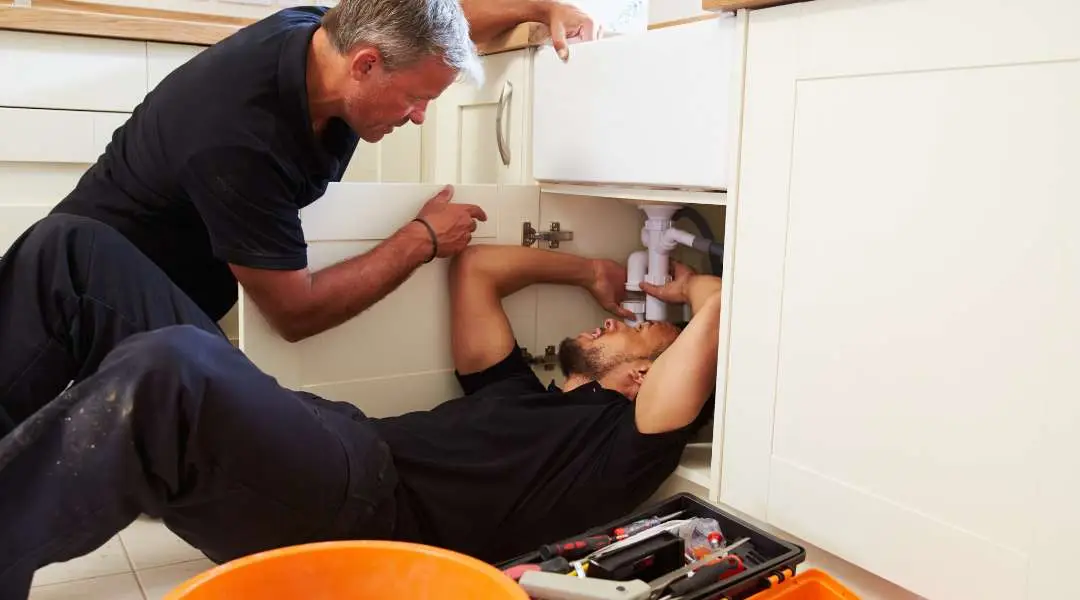
Knowing when to call a professional is crucial when it comes to addressing water problems in your crawl space. Often, small leaks may seem like an easy fix, but even a small puddle can obscure larger risks. Water in the crawl space can enter from excessive rainfall or poor drainage, and while some moisture is natural, too much can spell disaster for your home’s integrity and air quality. An underlying problem is indicated if you find pooled water or a damp spot that keeps coming back. Attempting to address these incidents with DIY solutions frequently overlooks problems such as concealed leaks, mold infestation, or structural damage. A professional has the tools and training to identify where water intrusion occurs and to what extent damage has developed, even in hard-to-reach areas.
Professional assistance is essential for crawl space inspections and effective waterproofing solutions. Experts can thoroughly inspect the entire area, not just surface pools, and determine whether the water accumulation is typical or indicative of a flooding risk. If you reside in a particularly rainy region, a damp crawl space is likely, but standing water over a few centimeters deep can lead to wood rot, destroyed insulation, or worse, mold. This type of damage can cost several thousand dollars to repair. Water can migrate from the crawl space into the house through the poured footing and stem wall, making quick action critical. If you’re unsure how much water is too much or if you notice water accumulating even after attempts to dry it, you should seek assistance from someone experienced in crawl space water removal.
If you’re uncertain whether the water you see is normal or indicative of a more significant issue, it’s best to consult a pro. They possess the necessary equipment to dry out the area and prevent future basement leaks. Proactive expert action can save you high costs on repairs and help protect your home from ongoing moisture issues.
Final Remarks
Leaks begin small and appear harmless, but water travels quickly and goes everywhere. One drip leads to wet wood, soggy earth, and then soaked walls. Mold grows fast in a dark, damp crawl space. Wood warps, pipes rust out, and wires short. Each step is more expensive to repair than the previous one. Early inspections prevent small leaks from turning into crawl space flooding. Check for spot stains, sniff for musty odors, and feel for soft spots or puddles. Use quality lights and probe frequently. Don’t clog your drains, but repair pipes. Call pros if you notice big pools or smell heavy mold. Keep your wits about you, be inquisitive, and spread the knowledge. Home care keeps the price down. Need more tips or have a story? Post a comment below.
Frequently Asked Questions
1. How Can A Small Leak In My Crawl Space Lead To Flooding?
A little water leak can lead to crawl space flooding, but this ongoing moisture builds up over time and eventually causes significant water problems if not repaired quickly.
2. What Are The First Warning Signs Of A Crawl Space Leak?
Watch for damp spots and musty odors, as these warning signs often indicate water problems, including potential crawl space water leaks.
3. What Factors Make Crawl Space Flooding Worse?
Bad drainage, clogged vents, and high humidity can accelerate the water buildup. That’s how that little leak becomes crawl space flooding.
4. How Does Crawl Space Flooding Affect My Home?
Flooding can compromise your home’s foundation system, cause mold, and lead to moisture problems that ruin insulation or wiring.
5. What Should I Do If I Find A Small Leak In My Crawl Space?
Catch leaks early to prevent crawl space flooding. Take care of the water, dry it out, and repair the cause of the basement leaks. Quick action prevents big problems and saves money.
Flooding, Moisture Problems, And Crawl Space Issues In Santa Rosa: Stop Damage Before It Spreads
Water problems in a commercial building rarely fix themselves. Minor flooding, excess moisture, or crawl space issues can quietly damage flooring, weaken structural components, and create unhealthy conditions for employees and customers. Yorkshire Plumbing provides fast, professional solutions in Santa Rosa, helping businesses control moisture and prevent costly repairs.
Standing water, damp crawl spaces, musty odors, warped flooring, and unexplained humidity are all warning signs. Left untreated, these problems can lead to mold growth, wood rot, insulation damage, and rising energy costs. Our team uses advanced diagnostic tools to locate the source of moisture, whether it’s poor drainage, leaking lines, groundwater intrusion, or ventilation problems beneath your building.
Once we identify the cause, we walk you through what’s happening in plain language and recommend the most effective solution. That may include drainage improvements, sump pump installation, vapor barriers, pipe repairs, or crawl space moisture control systems. You get clear answers and practical solutions that protect your property and restore a dry, stable environment.
With nearly a decade of experience serving Sonoma County, this family-owned company has built a reputation for honest service, careful workmanship, and dependable results. Yorkshire Plumbing does more than address visible water problems. We help business owners safeguard their buildings from long-term moisture damage that can disrupt operations and increase expenses.
If your commercial property is experiencing flooding, persistent dampness, or crawl space concerns, contact Yorkshire Plumbing today and resolve the issue before small moisture problems turn into major structural damage.
Disclaimer
The information provided on this website is for general informational and educational purposes only and is not intended as professional plumbing or construction advice. You should consult with a licensed plumber or qualified contractor for guidance specific to your home or situation. Do not rely solely on the content of this site to make decisions about plumbing repairs, installations, or maintenance. While we strive to keep the information current and accurate, it may not reflect the most recent industry standards or code requirements. Yorkshire Plumbing & Drain Services disclaims all liability for any actions taken or not taken based on the content of this site, to the fullest extent permitted by law.