To prevent plumbing issues in inaccessible locations, begin with regular inspections and routine maintenance. Pipes in those less-accessible places behind walls, beneath floors, or above ceilings frequently conceal these warning symptoms, which might include slow drips, odd noises, or damp spots. Catching these clues early can save you time and money. Use simple tools such as a flashlight or a moisture meter to detect leaks in inaccessible areas. In hard water areas, small-scale filters assist in maintaining clean pipes. In older homes or high-traffic buildings, establish a pipe inspection schedule every six months. To find out which tools help most and how to work around tight spaces, keep reading, as the parts below break down steps and tips for simple, steady upkeep!
Key Takeaways
- Frequent checks and preventative maintenance are your best defense against plumbing issues, particularly in hard-to-reach areas like crawl spaces, which are vulnerable to concealed leaks and moisture concerns.
- Putting corrosion-resistant materials and smart leak detection systems in hard-to-reach places is a good investment to reduce future risk and provide early warning of possible plumbing failure.
- By planning accessible plumbing layouts and installing effective drainage mechanisms, you can simplify repairs and reduce the potential for chronic moisture issues.
- Fixing small leaks and checking water pressure protects not just your home’s infrastructure but also keeps utility bills in check and can stop problems from turning into expensive repairs.
- A few easy tricks, including targeted pipe insulation and thorough sensory and visual checks, can make your plumbing system more durable and weather-resistant.
- A comprehensive emergency action plan, knowing shutoff valve locations, and keeping a repair kit handy ensure you can react quickly to urgent situations. Regular professional inspections provide peace of mind and safety.
The Unseen Plumbing Threat
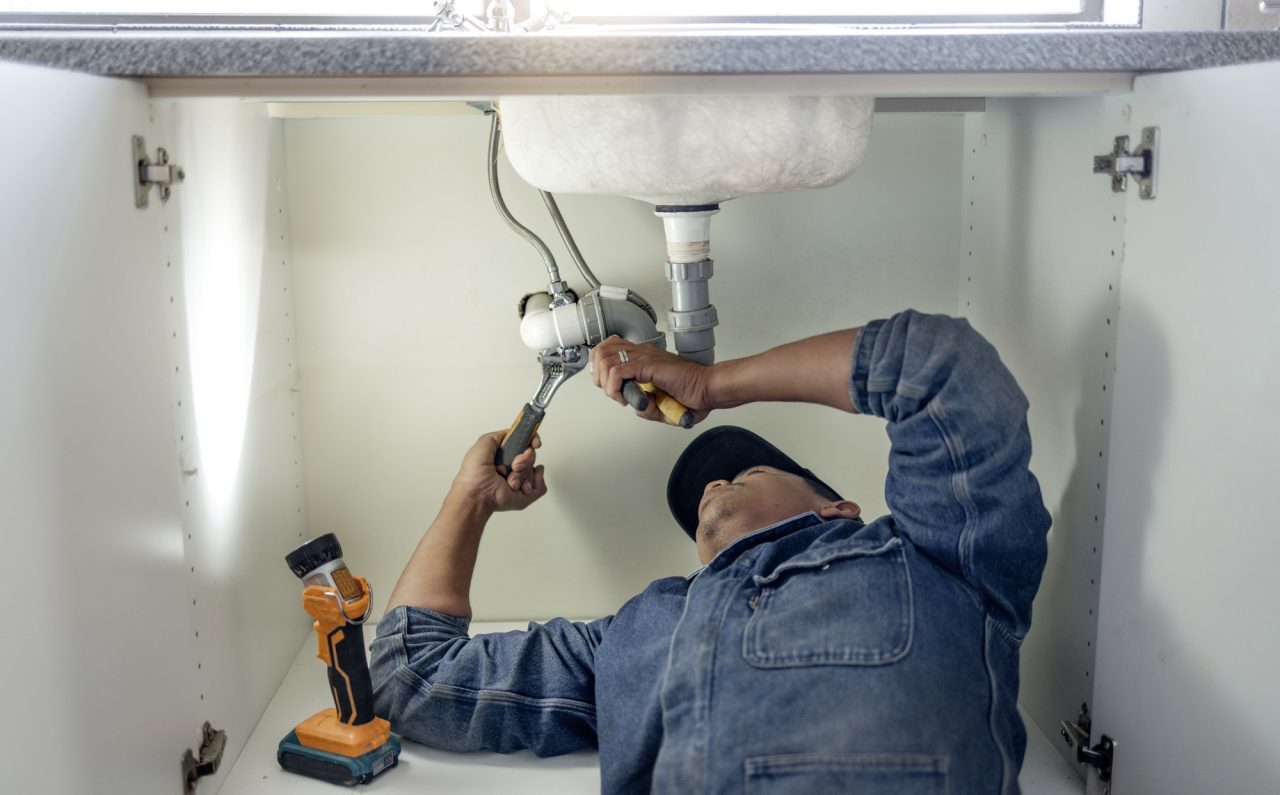
Undercover plumbing dangers frequently initiate themselves under cover, particularly in locations such as crawl spaces and basements that are less accessible to routine inspections. These areas trap moisture and conceal leaks, preventing you from identifying potential issues until they’ve escalated. A tiny, unseen leak can waste thousands of liters of water annually, destroy building materials, and cause mold. Seasonal changes, like a deep freeze in the winter, can work pipes to the breaking point or cause them to freeze and burst, leading to costly repairs. Regular maintenance and periodic inspections are the only way to detect these hazards in their early stages.
Beyond The Faucet
Plumbing System | Common Problems | Typical Risks |
Copper pipe | Corrosion, pinhole leaks | Slow leaks, water damage |
PVC pipe | Cracking, joint failure | Sudden bursts, flooding |
Galvanized steel | Rust, sediment buildup | Reduced flow, hidden leaks |
Appliance connections | Loose hoses, worn seals | Flooding, hidden water loss |
Old pipes tend to explode. Joints can become loose, and seals can degrade over time, allowing water to leak in hidden areas. Many homes have washing machines and dishwashers that can leak slowly, particularly if hoses or connections begin to deteriorate. Even a minor leak at a fixture or beneath a sink can lose a significant amount of water annually.
Poorly sealed sinks, bathtubs, and toilets allow water to seep behind walls or under floors. Over time, it can rot wood and drywall and become the ideal breeding ground for mold.
Crawl Space Dangers
Crawl spaces are a special menace since it’s tough to check for leaks or moisture without doing some crawling yourself. Damp areas around these points typically indicate a water leak, inadequate drainage, or condensation on pipes. If you spot musty smells, warped wood, or moldy insulation, water is probably getting in and staying.
Mold proliferates in soggy crawl spaces and can infiltrate the living spaces overhead. It can impact your indoor air and exacerbate allergies. When you add drainage or a vapor barrier under your home, you keep your crawl spaces dry, preventing leaks and mold from proliferating.
Financial Impact
- By overlooking minor leaks, you face larger water and repair costs over time.
- Dripping faucets and secret leaks inflate utility bills every year.
- Emergency repairs are almost always more expensive than a routine checkup.
- Early inspection is a smart investment that saves both money and stress.
Any drip, even a slow one, can waste thousands of liters every year, driving up bills and causing hidden damage. When pipes burst or major leaks are hidden, it can lead to plumbing emergencies that cost thousands in repairs and lost water. Preventive maintenance usually costs a lot less than costly repairs.
Proactive Prevention Strategies
Plumbing in crawl spaces requires preemptive action to prevent expensive damage and downtime, especially from potential issues like clogs. With a little regular maintenance, good planning, and informed choices, users around the world can keep their homes safe, efficient, and free from preventable plumbing emergencies.
1. Strategic Material Selection
Selecting corrosion-resistant, robust pipes reduces leaks and helps maintain a reliable plumbing system. Things made out of PEX or copper resist the wear and tear of hard places, ensuring a clean water supply. Kitchens or bath fixtures ought to be selected according to their usage and moisture levels, which reduces abrasion and prevents potential issues like unexpected splits. Choosing eco-friendly products like recycled PVC or low-lead brass cuts down on environmental strain and conserves water, which is important everywhere.
2. Smarter System Design
Designing with access in mind involves installing access panels or removable covers in walls or floors in the area where pipes are located. This makes it easier to check or repair pipes down the road, preventing potential plumbing emergencies. You’re going to have drainage planned for each area, particularly in the basement or crawl space where water pools. With the help of professional guidance, even when accessed online, you can chart out a plumbing system that is safe and convenient to use, regardless of the building’s age or style.
3. Advanced Leak Detection
Smart leak detectors notify a phone if water is detected, helping to prevent costly repairs. These systems, with moisture sensors in concealed corners, detect minor leaks before they escalate into more significant plumbing emergencies. Annual or biannual inspections supervised by Yorkshire Plumbing & Drain Services with advanced tools detect leaks that traditional methods do not.
4. Water Pressure Regulation
Too much water pressure above 85 psi stresses pipes and can lead to costly repairs in your plumbing system. Pressure regulators maintain the flow, safeguarding pipes and fixtures in all climates. Checking pressure with a simple gauge helps users identify potential issues early, as odd pressure shifts can indicate concealed leaks or clogs that require immediate attention.
5. Targeted Insulation
To prevent freezing and bursting, it’s essential to wrap pipes in unheated attics, basements, or outer walls with foam sleeves or fiberglass wraps. This not only traps heat but also reduces condensation, ensuring a proper water supply. Regular inspections are crucial, as they help maintain your plumbing system and prevent costly repairs related to unexpected leakage or other potential issues during winter.
Master Your Inspection Routine
Proactively avoiding plumbing issues, especially in inaccessible spaces, starts with a plan that includes a professional plumbing inspection. Master your inspection routine by using a clear checklist to monitor your plumbing system’s health. Early detection of potential issues is cost-saving and prevents costly repairs or wasted water, particularly in older homes where major clogs are prone to manifest themselves.
Sensory Checks
Sensory Check | What To Notice | Possible Issue |
Listen | Dripping, gurgling, whistling | Leaks, blockages, air in lines |
Smell | Musty, earthy, or foul odors | Mold growth, stagnant water |
Feel | Damp spots, warmth on floors | Hidden leaks, pipe bursts |
Tune your ear to strange noises, like dripping or gurgling, even through walls. Odd clanging sounds can indicate leaks or air in the pipes, potentially leading to plumbing emergencies. Sniff for musty or foul smells, which can indicate mold is sprouting from secret moisture due to unexpected leakage. Get a good sense of your inspection pattern to prevent costly repairs.
Visual Clues
Search for water stains, peeling paint, or surface warping near your plumbing system. These are often the initial symptoms of leaks or condensation. Master Your Inspection Routine by checking all fixtures and exposed pipes for rust, green stains, or corrosion, which can indicate potential issues with water quality or pipe failure. Mold or mildew, especially in corners or under sinks, is a sign that moisture is not under control. Stay ahead of your inspection schedule to avoid costly repairs. Keep an eye on your water bill, as surprises often stem from a hidden leak, even if you don’t see water.
Diagnostic Tools
Use a moisture meter to test for water lurking behind walls or floors, as this could indicate potential issues with the plumbing system. Pipe inspection cameras allow you to inspect pipes behind walls or under floors without dismantling them, helping to prevent costly repairs. A pressure gauge might indicate whether the system is under excessive pressure, which could cause bursts or leaks, leading to plumbing emergencies if not addressed promptly.
Differentiating Water Sources
Differentiating water sources is crucial for addressing plumbing emergencies and avoiding costly repairs. Knowing the water source troubles, such as leaks in the plumbing system or condensation, can help combat ugly plumbing problems in hard-to-reach places. Yorkshire Plumbing & Drain Services can accurately determine the cause and recommend solutions.
Pipe Leak Problems
Common Causes: Plumbing leaks can lead to significant issues if not addressed promptly. Early detection is crucial, and a water meter test works great here. By shutting off all water and reading the meter, you can check for hidden leaks. Little leaks, often overlooked, tend to waste thousands of liters and can cause costly repairs. Monitoring your water consumption and looking for bill surges may help identify these hidden leaks. Regular maintenance of your plumbing system is essential; check joints and pipe connections for moisture or stains. Dye tests, especially in toilets with food coloring, are easy to implement. Whether it’s a drip or a leak, get it fixed immediately to prevent additional plumbing damage and conserve on your monthly water bill.
Foundation Seepage
Foundation seepage can often be confused with a plumbing system issue because both can manifest as moisture or dampness in basements and crawl spaces. The key distinction lies in the source: foundation seepage typically stems from water collecting around the house, not from a ruptured plumbing system. Bad drainage or grading can cause this, leading to potential problems like wet patches on walls or floor fissures. Verifying the grading around your home is essential, but it should slope away from the foundation. Implementing good drainage solutions, such as French drains, can significantly reduce the risk by moving water away. If seepage persists, it’s advisable to have a professional plumbing inspection to check for underlying issues.
Condensation Buildup
Condensation is an issue in humid or stagnant air areas, especially in the plumbing system. Pipes, particularly in basements or attics, can sweat when warm air makes contact with cold surfaces, leading to potential issues like excess moisture accumulation. Excess humidity in kitchens and bathrooms is a red flag for plumbing emergencies. Installing vents, dehumidifiers, and insulating pipes can all help reduce condensation and prevent costly repairs. Pay attention to temperature fluctuations in your home, as these can lead to additional moisture problems.
Your Emergency Action Plan
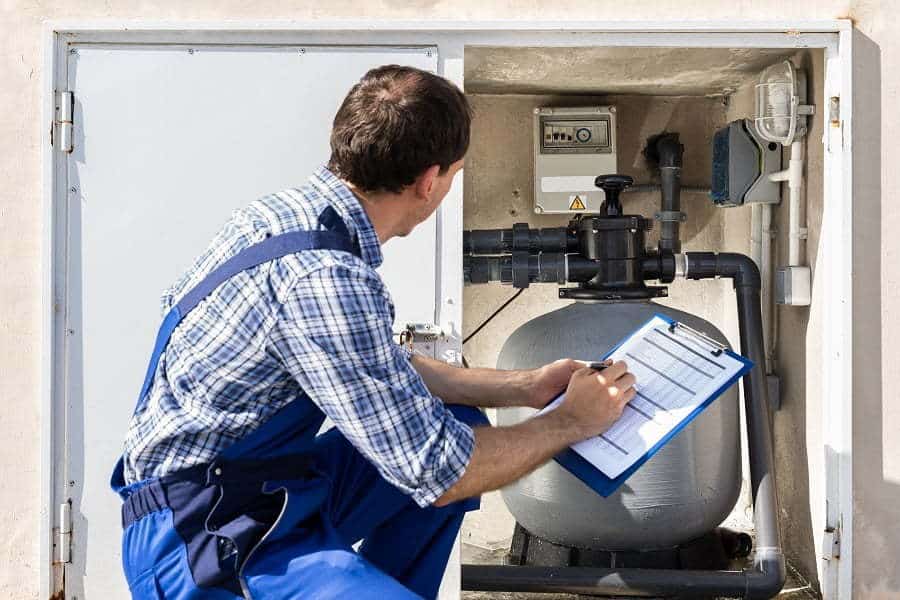
Every household could use an emergency action plan for plumbing emergencies, especially when dealing with hard-to-reach plumbing systems. These few steps will help minimize property damage, keep everyone safe, and accelerate repairs, ensuring a reliable water supply.
- Locate and mark all water shutoff valves, including the main and fixture.
- Ensure all residents are aware of valve locations and how to shut them off.
- Assemble an emergency plumbing kit with tools and contact numbers for Yorkshire Plumbing & Drain Services.
- Maintain an up-to-date list of preferred plumbers for immediate assistance.
- Test your sump pump and valves regularly for reliability.
- Schedule yearly plumbing inspections.
- Learn the indications of sewer gas leaks and main water supply issues.
Locate Shutoffs
Understanding the location of your whole house and individual shut-off valves, including the main supply valve, is crucial for effective water management. This valve, typically found near where the water line enters the structure, can shut off the entire water supply within seconds. In the case of a burst pipe, quickly shutting the closest valve limits potential issues and prevents extensive damage. Clearly labeling these valves with waterproof tape or tags ensures they can be easily accessed during plumbing emergencies.
It’s essential to practice shutting off the water with every member of the household, enabling everyone to respond swiftly in an emergency. Regular maintenance is key, either check valves for corrosion or sticking, and operate them a couple of times a year. This precaution helps prevent them from freezing up when needed most, ensuring your plumbing system remains functional and safe.
Assemble Kit
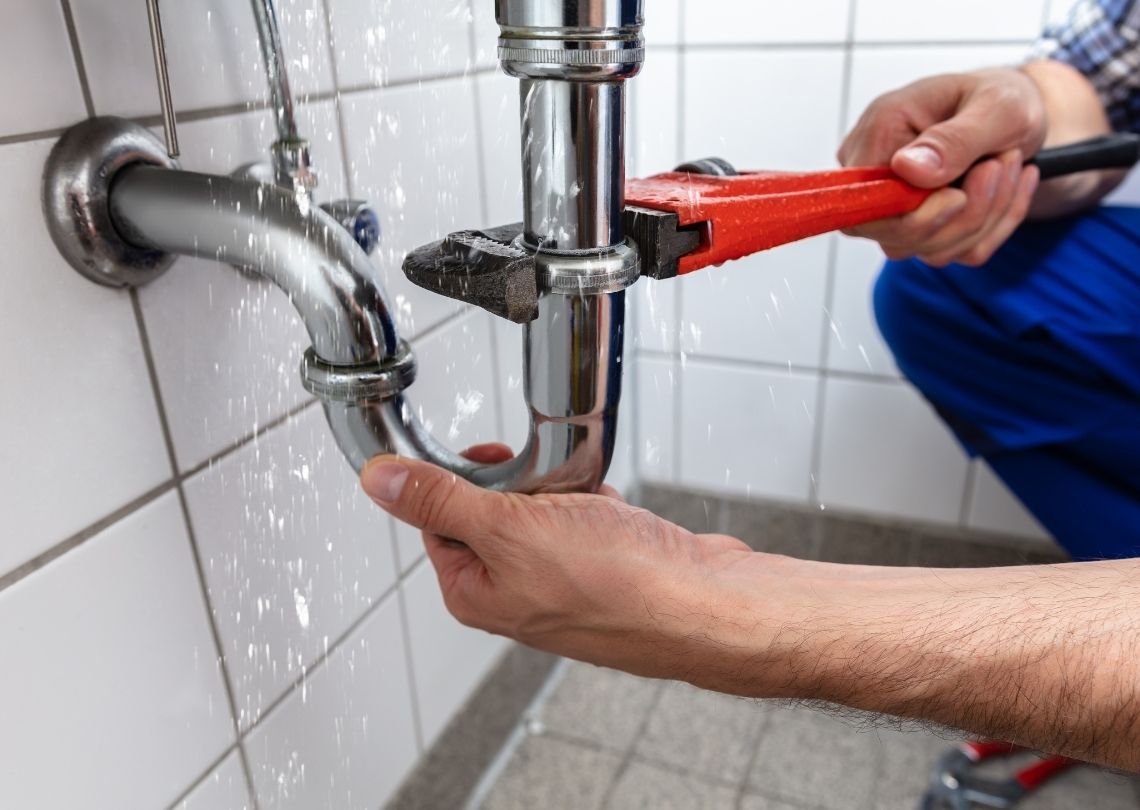
Assemble an emergency plumbing toolkit with wrenches, pipe sealant, pliers, and more. Include plumbing tape, towels, buckets, and a flashlight. List emergency plumber contact details by searching your location for the best results. Store it in an accessible location, and review the contents every couple of months to ensure nothing is missing or damaged.
Refresh the kit with new numbers or tools if you move or upgrade your plumbing.
Contact Professionals
Know your limits when it comes to plumbing emergencies. If a job’s too big, call a licensed plumber for a professional plumbing inspection. Establish a rapport with your local plumber, who can assist with repairs and long-term prevention. Having him perform an annual inspection can detect potential issues before they lead to costly repairs, such as sewer gas smells or pipe bursts.
The Case For Professional Oversight
Professional oversight is key to maintaining a plumbing system in good condition, particularly in difficult-to-access areas. It is not merely for repairing a leak or a busted pipe. Just like when you hire a licensed plumber, you receive a pair of trained eyes who can identify sneaky issues before they fester. They know what to look for, like a small leak in a wall that could waste more than 7,890 liters of water annually if left unattended. This level of insight is not easy to replicate with DIY approaches or shortcuts, especially when it comes to potential issues in the drain lines.
Certified electricians examine more than wiring. In big structures, like offices or flats, plumbing mayhem becomes a maze, with multiple users, layers, and hazards. A pro can conduct tests to maintain the water pressure within the safe range of 2.8 to 4.2 bar (40 to 60 psi), curbing bursts or slow leaks. They know how to sniff out gas smells and properly repair them, keeping people safe from dangerous leaks. For water heaters, an annual inspection by a professional reduces the risk of unexpected failure and maintains hot water flow, even during the winter, which is crucial for daily activities like showering and washing dishes.
Pipe insulation is yet another task for the professionals. It circulates water, prevents pipes from freezing, and extends the life of the system. In winter, this can be the difference between an average day and a flooded home. Sewer lines, for example, are often overlooked. Otherwise, blockages can accumulate and back up. When you book regular maintenance with a professional, you eliminate hidden problems that could spiral into major repairs, avoiding costly repairs down the line.
When pros take care of repairs and installations, they adhere to safety codes and utilize proper tools. That is, the work gets done right the first time, and you never have to think about it for years. You get the peace of mind, knowing your system is scanned, repaired, and optimized for efficient water drainage!
Final Remarks
How to prevent plumbing issues in inaccessible locations. Utilize intelligent instruments to detect leaks quickly. Repair leaky joints immediately. Keep an eye out for stains or mold on walls and floors. These indicate concealed leaks. Understand the noise of water flowing through pipes, even with taps off. Call a pro for any job you can’t get to or fix with hand tools. Good pipes lead to fewer big bills and less stress. Pass your knowledge along to friends or colleagues. Help one another catch issues early. Need more tips or assistance in a sticky spot? Have questions? Comment below or contact your local plumber! Secure sewers begin with simple actions and regular inspections.
Frequently Asked Questions
1. What Are Common Plumbing Problems In Hard-To-Reach Areas?
Leaks, clogs, and corrosion are common in hidden pipes, particularly those behind walls or beneath floors, leading to potential issues like water damage and costly repairs if not caught early.
2. How Can I Inspect Plumbing In Hard-To-Reach Areas?
Use a flashlight and mirror to inspect for moisture, stains, or mold, especially around plumbing systems and fixtures like the showerhead or sink, as these can indicate potential issues.
3. Why Is It Important To Differentiate Water Sources During Inspections?
It enables you to trace water back to its source, which can help identify potential issues like leaks from the plumbing system. Clean water, gray water, and wastewater are all different solutions that may impact your home differently.
4. What Tools Help Prevent Plumbing Issues In Hidden Spaces?
Leak detectors, moisture meters, and inspection cameras are useful tools for identifying potential issues in your plumbing system, alerting you to problems early, even in hard-to-reach places.
5. When Should I Call A Professional Plumber?
If you experience persistent leaks, mold, or unexplained high water bills, it may indicate potential issues within your plumbing system. Get in touch with a licensed plumber, as specialists possess the appropriate equipment and experience to securely examine and fix concealed plumbing.
Flooding, Moisture Problems, And Crawl Space Issues In Santa Rosa: Stop Damage Before It Spreads
Water problems in a commercial building rarely fix themselves. Minor flooding, excess moisture, or crawl space issues can quietly damage flooring, weaken structural components, and create unhealthy conditions for employees and customers. Yorkshire Plumbing provides fast, professional solutions in Santa Rosa, helping businesses control moisture and prevent costly repairs.
Standing water, damp crawl spaces, musty odors, warped flooring, and unexplained humidity are all warning signs. Left untreated, these problems can lead to mold growth, wood rot, insulation damage, and rising energy costs. Our team uses advanced diagnostic tools to locate the source of moisture, whether it’s poor drainage, leaking lines, groundwater intrusion, or ventilation problems beneath your building.
Once we identify the cause, we walk you through what’s happening in plain language and recommend the most effective solution. That may include drainage improvements, sump pump installation, vapor barriers, pipe repairs, or crawl space moisture control systems. You get clear answers and practical solutions that protect your property and restore a dry, stable environment.
With nearly a decade of experience serving Sonoma County, this family-owned company has built a reputation for honest service, careful workmanship, and dependable results. Yorkshire Plumbing does more than address visible water problems. We help business owners safeguard their buildings from long-term moisture damage that can disrupt operations and increase expenses.
If your commercial property is experiencing flooding, persistent dampness, or crawl space concerns, contact Yorkshire Plumbing today and resolve the issue before small moisture problems turn into major structural damage.
Disclaimer
The information provided on this website is for general informational and educational purposes only and is not intended as professional plumbing or construction advice. You should consult with a licensed plumber or qualified contractor for guidance specific to your home or situation. Do not rely solely on the content of this site to make decisions about plumbing repairs, installations, or maintenance. While we strive to keep the information current and accurate, it may not reflect the most recent industry standards or code requirements. Yorkshire Plumbing & Drain Services disclaims all liability for any actions taken or not taken based on the content of this site, to the fullest extent permitted by law.