To verify that a remodel was completed with quality plumbing work, test for reliable water flow, absence of leaks, and strong water pressure across all faucets. Your pipes should sit flush against the walls, with no funky bends or exposed joints. New shutoff valves and clean drains are a sure sign of a remodel with good plumbing work. Water heaters, if new, should have clear safety labels. Verify that all fixtures are as per plan or contract. If there is a city permit, request inspection records or sign-off sheets. These actions assist in identifying issues sooner and preventing larger expenses later. For the following sections, discover methods to verify each point, questions for your contractor, and indicators that work requires a professional’s second opinion.
Key Takeaways
- Start with documentation: Always verify permits, contracts, and inspection reports to confirm the remodel followed local plumbing codes and approved plans.
- Check for visible quality work: Proper plumbing should have clean pipe layouts, secure joints, correct materials, and no signs of leaks, corrosion, or improper connections.
- Test the system in real use: Run faucets, showers, toilets, and appliances to check water pressure, drainage speed, and overall consistency of performance.
- Look for proper installation standards: Pipes should be well-supported, correctly sloped for drainage, and free from unnecessary bends, exposed joints, or obstructions.
- Don’t ignore hidden systems: Venting, water hammer protection, and pipe insulation all play a major role in long-term plumbing reliability and comfort.
- Verify accessibility: Shutoff valves, cleanouts, and access panels should be easy to reach for maintenance and emergency repairs.
- Watch for warning signs: Gurgling drains, fluctuating water pressure, slow drainage, or unusual pipe noises may indicate deeper installation issues.
- Professional inspection adds security: A licensed plumber can identify hidden defects, confirm code compliance, and catch problems that homeowners typically miss.
- Long-term maintenance matters: Regular inspections, pressure checks, and immediate repairs help extend system lifespan and prevent costly damage.
- Always confirm warranties: Ensure plumbing work and materials are covered, and keep documentation for future claims or repairs.
Review the Project Documentation
Project documentation is the spine of any home remodeling project, especially when there’s plumbing involved. Going over these records ensures compliance with plumbing codes, averts future disputes, and keeps all parties updated on the plumbing process. This involves reviewing necessary permits, contracts, and inspection reports for accuracy and completeness.
Permits
Before starting any plumbing renovations, a remodel must secure the correct permits. It’s essential to ensure that permits are pulled timely and are neither expired nor missing. These permits should detail the specific plumbing process and confirm that local officials have approved the work. Review the project documentation thoroughly, especially the plumbing system, including pipes, water heaters, and fixtures. Confirm that permits include final inspections and comments for each phase, as any absence or expiration could indicate substandard work and lead to problems in the future.
Contracts
Contracts are your evidence as to what was agreed to during the plumbing renovations. Look over the project documentation and skim the contract to ensure it specifies licensed plumbers and quality, approved materials for pipes and fittings. Locate any inspection and compliance portions; these ensure the plumber had safeguards throughout the plumbing process. It should have neatly mapped out what plumbing was completed, including new lines and drains or simply an upgrade of fixtures. Proper contracts include provisions on how to deal with plumbing issues that arise post-remodel, like who pays for repairs and how they get resolved. It should track with the work logs, noting what hours were worked, materials used, and who was on site in addition to the contract.
Inspection Reports
Project documentation is crucial for any plumbing project, as inspection reports indicate whether the remodel passed critical plumbing inspections. It’s important to scan these reports for code compliance comments and flagged issues. Each phase of the plumbing process, including rough-in, pressure tests, and final connections, should be meticulously recorded. Reports must confirm that each test, such as water pressure or leak tests, succeeded before moving on to the next phase. If issues arise, they should detail the resolution process with inspector sign-offs.
How to Visually Inspect Proper Plumbing Work
One way to ensure quality after a remodel, especially during plumbing renovations, is to visually inspect the entire plumbing system.
- Leak or water stains under sinks, toilets, and water heaters.
- Gallons of water leaks and damage. Warping. Discoloration. Mineral deposits.
- Secure, properly installed plumbing connections and fittings
- Condition and compatibility of pipes, fixtures, and materials
- Pipe support, slope, and venting
- Water pressure and clarity
- Accessible shut-off valves and access panels
1. Materials
Ensure that your home plumbing system adheres to current plumbing codes and local standards. Pipes should not exhibit cracks or major blemishes, and proper plumbing work should be visually inspected. Avoid mixing incompatible materials, like connecting copper directly to galvanized steel, which can lead to corrosion. It’s essential to check for fixtures that align with the rest of your plumbing system, as the wrong part can reduce its lifespan and cause leaks.
2. Connections
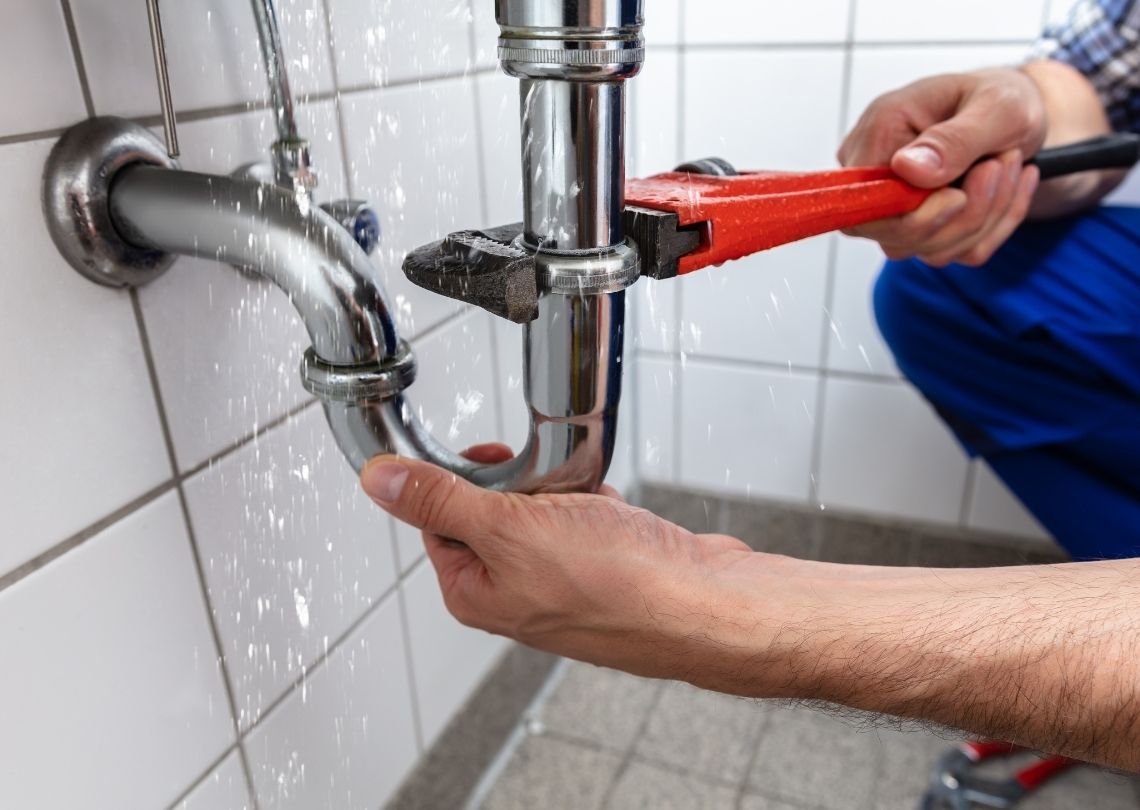
Check every connection in your home plumbing system, particularly beneath sinks, behind toilets, and near water heaters, for evidence of leakage or scale accumulation. Tight, well-sealed fittings are key for leak prevention during plumbing renovations. All connections, whether threaded, soldered, or glued, should be flush with no gaps or stress marks, ensuring that code approved connection methods were utilized and that nothing looks forced or jury-rigged.
3. Support
Pipes require consistent support from hangers or brackets attached to walls or floors during the plumbing process. These supports should maintain pipes straight and prevent sagging between anchor points, ensuring that the entire plumbing system functions effectively. Nothing should obstruct access to shut-off valves or fixtures for repair down the line. Pipes must adhere to spacing guidelines, as improper support can lead to noise, leaking, or breakage. Visually inspect proper plumbing work and ensure that support brackets are strong and rust-free, installed at proper intervals.
4. Slope
To ensure a successful plumbing project, drain lines must slope downward at least 2% (2 cm drop per 1 m run) so waste flows clear. It’s crucial to check for level or uphill stretches, as these can lead to clogs or backflow. All horizontal pipes, particularly beneath sinks or hidden behind walls, ought to flow at a consistent slope toward the main drain, adhering to local plumbing codes. Even a few flat spots or dips can trap debris or impede water flow, creating issues in your entire plumbing system down the road.
5. Accessibility
Fixtures such as shut-off valves and traps will be accessible for repairs, ensuring a smooth plumbing process. There should be access panels behind tubs, showers, or in walls if pipes may require future work, especially during plumbing renovations. Layouts must provide sufficient clearance for cleaning or replacing components, as no plumbing can obstruct doors, drawers, or walkways.
Perform Functional System Tests
Functional system tests are crucial in ensuring that plumbing renovations contain appropriate plumbing work. These tests verify water flow, leaks, and drainage to ensure the entire plumbing system functions appropriately on a daily basis. Start with a checklist: turn on all taps, flush toilets, check appliances like dishwashers or washing machines, run showers, and inspect visible pipes. Seek consistent water pressure, rapid drain, and zero leaks. Repeat them at different times to test whether problems arise during typical use.
Water Pressure
Fixture | Pressure (kPa) | Code Range (kPa) |
Kitchen sink | 350 | 210–550 |
Bathroom faucet | 320 | 210–550 |
Shower | 400 | 210–550 |
Washing machine | 390 | 210–550 |
To ensure a well-functioning home plumbing system, test water pressure at each fixture using a small gauge that fits onto the tap. Record and test against the local code, which typically ranges from 210 to 550 kPa. Be on the lookout for any precipitous pressure drops or spikes when running multiple fixtures, as these changes can indicate a lurking issue, such as a partial clog or improperly sized pipes. Low water pressure can cause appliances to run badly, while high pressure can wear out pipes and fixtures during the plumbing process.
Drainage Speed
Fixture | Drainage Time (seconds) | Acceptable Time (seconds) |
Kitchen sink | 12 | <15 |
Shower | 30 | <60 |
Bathroom basin | 9 | <15 |
Bathtub | 58 | <90 |
To ensure the efficiency of your home plumbing system, it’s essential to test the actual functionality of the system. Fill the sink or tub with a certain amount of water and measure how long it takes to drain. Benchmark your results against the times. Slow drains can reveal blockages or pipes on the incorrect slope, indicating potential issues in your plumbing project. If it drains quickly and smoothly, the system is plumbed correctly, and all pipes are properly sized and angled.
Leak Checks
Test all open joints, valves, and fixtures for moisture and drips as part of the plumbing process. Conduct functional system tests to ensure the integrity of your home plumbing system. If you have pipes behind walls or under floors, a low-cost moisture meter can detect leaks you can’t see. Pressure tests are crucial to locate pinhole leaks; close all outlets, pressurize the system, and check if the gauge falls. Repair any leaks immediately to prevent water damage and mold development.
The Unseen Plumbing Essentials
The plumbing process, if you will, to every remodel involves essential elements—pipes, vents, and insulation—that are just as crucial as the finish work. Just like how home plumbing systems need thoughtful design and unseen intricacies to function efficiently, they must remain silent and endure leaks. Regular inspections help catch leaks and ensure everything stays in good shape, highlighting the importance of a well-planned plumbing project.
Proper Venting
Venting is crucial to the plumbing process, particularly for drainage. Properly installed vent pipes allow air to enter and exit pipes, ensuring that water and waste don’t become trapped. Without these essential vent lines, pipes can ‘suck air,’ leading to slow drainage and unusual noises. Smartly located vent pipes help keep water moving and unpleasant odors at bay. Symptoms of vent issues include gurgling noises, slow drains, or water backing up, which can disrupt your entire plumbing system.
It’s vital for vent pipes to adhere to local codes, as each jurisdiction has its own regulations. Most require vent pipes to extend above the roof and remain free of obstructions like bird nests or debris. Blocked vents can complicate tasks such as flushing toilets or drying out traps, making it essential to optimize the plumbing renovations by ensuring vents aren’t hidden behind walls or too far from fixtures.
Water Hammer
A water hammer is the loud banging noise that occurs when water is forced to stop or change direction quickly. It not only sounds terrible, it can rattle and eventually ruin pipes. Some of the more common signs of water hammer include rattling heard when taps close quickly or vibrations felt through walls.
Plumbers can install water hammer arrestors to dissipate these shocks. These are often located near washing machines, dishwashers, or fast closing valves. If arrestors are absent or improperly installed, pipes might require additional support or reconfiguration. It’s not just fixing the clog; having plumbers inspect the entire system prevents future trouble.
Noise Insulation
Silent pipes make houses happy. Insulation wraps or foam sleeves around pipes reduce noise from water flow or flushing. In others, thick walls or floors help muffle sound. If you have pipes near living spaces, you need to be extra careful to keep noise to a minimum.
A few cities actually have ordinances for plumbing noise. Inspections should verify that insulation complies. Easy solutions, such as adding clips to secure those pipes to prevent them from rattling, can do wonders. Teams should seek out the noisy areas and repair them before sounds become an issue.
Why Professional Verification Matters
Professional verification ensures peace of mind that a remodel is safe and of quality, especially during plumbing renovations. Plumbing errors are not always obvious, and minor faults can escalate into major headaches if not addressed during the plumbing process. No matter if your remodel is in a new kitchen, bathroom, or utility room, a professional plumber can verify that all parts of the home plumbing system are installed correctly and remain safe over time.
- Ensures all work meets current local codes and standards
- Spots leaks, corrosion, or pressure issues early
- Helps prevent water waste and lowers utility costs
- Identifies risks in outdoor and indoor plumbing systems
- Improves system efficiency and lifespan
- Reduces the chance of costly repairs later
Building codes differ in each location, and even in a single city, regulations can evolve. Professional verification ensures that all pipes, fixtures, and drainage lines comply with current codes. This isn’t just crucial for safety; it is vital for insurance and resale value. Professional verification is important because while a code violation might be small, it can create problems if you later sell your home or file an insurance claim, especially during the second rough phase of your plumbing project.
Licensed plumbers can identify lurking problems that many homeowners would overlook. Small leaks, for instance, can squander thousands of gallons of water annually. Hard water mineral buildup may clog pipes and reduce flow, while temperature swings may cause pipes to crack or burst. In northern winters, outdoor plumbing freezes, and experienced inspectors know to look for early indicators of these issues and suggest solutions before they become more serious.
One inspection can pay for itself in saved repair dollars. These routine inspections identify leaks, pressure issues, or corrosion prior to causing serious damage. This is critical for homes in hard water areas, where mineral scaling can accelerate wear and tear. Annual maintenance keeps hot water flowing, reduces mid-winter breakdowns, and helps conserve water, ensuring your entire plumbing system operates efficiently.
Long-Term System Integrity
Long-term system integrity in plumbing means the system remains functional, secure, and free from major repairs well into the future. It relies on intelligent design, periodic inspections, immediate repairs of minor damages, and adherence to construction standards. These measures help maintain expenses lower, restrict water damage, and ensure the plumbing supports all of us, wherever we live or function.
Key Strategies for Maintaining Plumbing Systems
- Do regular maintenance at least once a year for houses and more frequently for larger or multi-level structures like every floor per month.
- Test water pressure with a trusted gauge. Keep it between 2.7 and 5.5 bar (40 to 80 psi) so as not to stress pipes and fixtures.
- As we discussed above, check for leaks. Look at exposed pipes, joints, and fixtures for drips, stains, or wetness.
- Just ensure that all plumbing upgrades or repairs comply with local and international codes to avoid headaches down the road.
- Repair minor leaks, clogs, or damaged fixtures immediately to prevent expensive maintenance down the line.
- Keep records of all work you do or have done to the system, including repairs, upgrades, inspections, and more.
Warranty
They provide coverage in case issues arise after a remodel, especially during plumbing renovations. Always inquire if piping and supplies have a warranty. Year-long warranties aren’t uncommon, and some are even longer, particularly for parts or labor related to the plumbing process. Examine the fine print; some extend to just components, whereas others encompass work or particular failure categories. The warranty should include typical problems such as leaks or defective fixtures in your entire plumbing system. Save all warranty information and receipts. You’ll need these records if you ever have to file a claim.
Maintenance
Routine inspections are fundamental to maintaining a good home plumbing system for the long haul. They assist in detecting leaks, clogs, or early indications of wear prior to these problems causing significant harm. Testing water pressure is easy yet crucial in the plumbing process. Too high or low pressure may indicate stealth leaks or clogs. Homeowners and property managers should know simple things, such as keeping an eye out for wet spots, sluggish drains, or strange noises from pipes. A simple patch that stops a slow drip or drain clog usually prevents larger repair costs down the road. Addressing problems immediately maintains the long-term health of the system for all users.
Conclusion
How to verify if a remodel was done with legit plumbing. Peruse the project documents. Look for neat pipes and clean joints. Run taps and flush toilets while keeping an eye out for leaks. Confirm that key components, such as vents and traps, are positioned correctly. Bring in a licensed plumber for a second look. These steps prove whether the work holds up or not. Give these tests a whirl on your next undertaking, or pass these pointers along to a friend with a home makeover on the calendar. Stay smart and safe. For additional ways to inspect your home systems, explore other guides or contact a local pro for professional assistance.
Frequently Asked Questions
How can I tell if my remodel’s plumbing work is up to code?
Ensure the project has the necessary permits and inspection reports, as these documents validate that your bathroom remodel was completed with proper plumbing processes, adhering to local plumbing codes.
What should I look for when visually inspecting plumbing after a remodel?
Check for neat pipe connections and tight fittings in the home plumbing system, ensuring no leaks and appropriate pipe slopes for effective ground plumbing.
Why is it important to have a licensed plumber verify the work?
A licensed plumber can identify unseen issues in your home plumbing system and verify that the entire plumbing system is secure and meets current code, safeguarding your investment and peace of mind.
What are functional tests for checking plumbing quality?
Turn on all faucets, flush toilets, and run appliances as part of the plumbing process. These tests help detect issues in the entire plumbing system, such as leaks, slow drains, and water pressure.
Are there hidden plumbing issues I should be aware of after a remodel?
Yes. Issues such as substandard pipe insulation, improper venting, and concealed leaks in the home plumbing system can result in future destruction. Professional inspection helps identify these plumbing issues early.
How does proper plumbing work affect long-term home value?
Proper plumbing work, including ground plumbing systems, means no leaks, no mold, and no water damage, safeguarding your home and preserving its worth.
Can I rely on the contractor’s word that plumbing work was done properly?
Always ask for paperwork and get a third-party inspection to ensure proper plumbing renovations were performed on your home plumbing system.
Plumbing Safety, Codes & Compliance In Santa Rosa: Avoid Violations Before They Cost You
Most plumbing problems don’t start as emergencies, they start as small issues that quietly fall out of code. Over time, those issues can turn into failed inspections, safety risks, and expensive repairs that disrupt your business. Yorkshire Plumbing helps Santa Rosa property owners stay ahead of it all with expert plumbing safety and compliance services designed to catch problems early and fix them the right way.
If your building has aging pipes, inconsistent pressure, outdated fixtures, or past work that may not meet current standards, there’s a good chance something isn’t up to code. These issues often stay hidden until they trigger bigger problems like leaks, contamination risks, or compliance failures. Our team takes a close look at your system, identifying where it falls short and what needs to be done to bring everything back into alignment.
We keep things simple and clear. You’ll get a straightforward explanation of what’s going on, what’s required, and how to fix it. Whether it’s upgrading fixtures, replacing old piping, correcting improper installations, or adding safety components like backflow prevention, we focus on solutions that protect your property and keep your business running without interruption.
Yorkshire Plumbing has built a strong reputation across Sonoma County by doing things the right way. Honest recommendations, careful work, and a focus on long-term results. We don’t just fix what’s broken, we help you stay compliant, avoid future issues, and move forward with confidence.
If you’re unsure whether your plumbing is up to code, now is the time to find out. Contact Yorkshire Plumbing today and take care of potential violations before they turn into costly problems.
Disclaimer
The information provided on this website is for general informational and educational purposes only and is not intended as professional plumbing or construction advice. You should consult with a licensed plumber or qualified contractor for guidance specific to your home or situation. Do not rely solely on the content of this site to make decisions about plumbing repairs, installations, or maintenance. While we strive to keep the information current and accurate, it may not reflect the most recent industry standards or code requirements. Yorkshire Plumbing & Drain Services disclaims all liability for any actions taken or not taken based on the content of this site, to the fullest extent permitted by law.