Safety tips for homeowners working around plumbing systems include wearing gloves, shutting off the main water valve, and keeping tools in good shape. Water leaks, sharp tools, and wet floors typically cause slips or cuts. Basic precautions like locating gas lines before drilling and utilizing a flashlight in shadowed areas reduce danger. Knowing how to spot mold or mildew keeps the indoor air clean. Most homeowners neglect user guides, but they have common warnings and safe steps. Keeping a phone nearby in case of an emergency is sensible for anyone working solo. The body will discuss additional advice, identifying hazards, and safe handling of minor plumbing tasks.
Key Takeaways
- Before you dive into any work a la plumber, always set your workspace by removing clutter, making sure there is good lighting, and collecting protective gear.
- Inspect for leaks, electrical hazards, and structural concerns to reduce danger and avoid accidents.
- Turn off water sources, drain pipes, and label shut-off valves before repairing to prevent water damage.
- Leverage the right tools and equipment, check them periodically, and wear proper safety gear to shield against injuries and hazards.
- Don’t blindly trust yourself with every repair and call the professionals when things get complicated.
- Protect your plumbing from future headaches with inspections, maintenance, and seasonal prep.
Essential Plumbing Safety Protocols
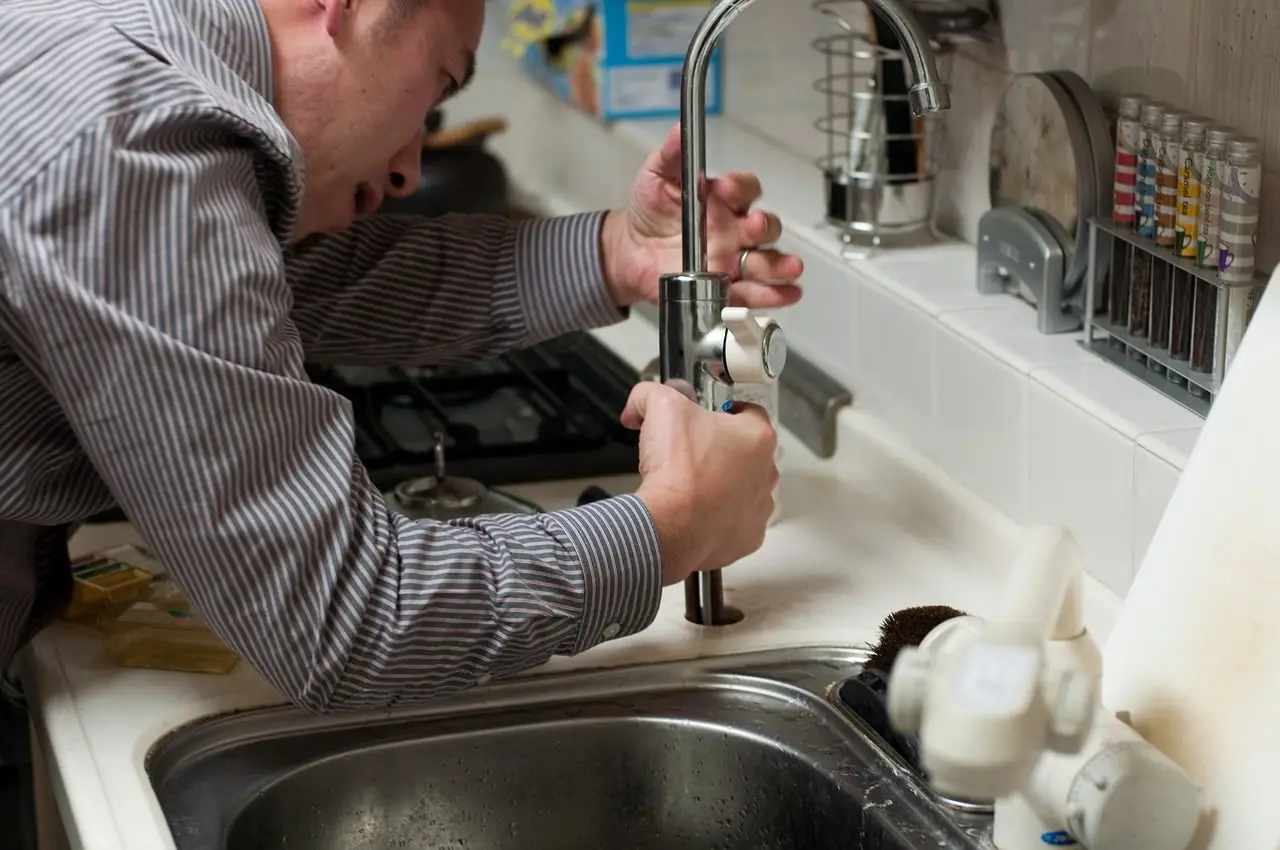
Working around plumbing requires careful planning and adherence to essential plumbing safety tips. DIYers should understand the mechanics, employ protective gear like safety goggles, and safeguard themselves each time to prevent unexpected leaks.
1. Assess the Situation
Check for leakage, mold, or stains indicating water damage, as these clues alert you to potential vulnerabilities beneath walls or floors. It’s essential to locate any wires or outlets near your work area since water and electricity pose a significant threat. Areas of sagging flooring or cracked walls can indicate an elevated danger, requiring additional caution. Consider how your activity might impact the structure or the surrounding pipes, especially in homes with aging plumbing systems that may need professional plumbing services.
2. Prepare Your Workspace
First, eliminate obstacles and provide a broad approach to your work zone. Set tools and parts nearby without blocking exits. Protect floors and furniture with protective coverings like plastic or old towels to prevent damage from water and debris. Careful planning and following essential plumbing safety tips ensure that you focus on safety and avoid unexpected leaks.
3. Use Proper Equipment
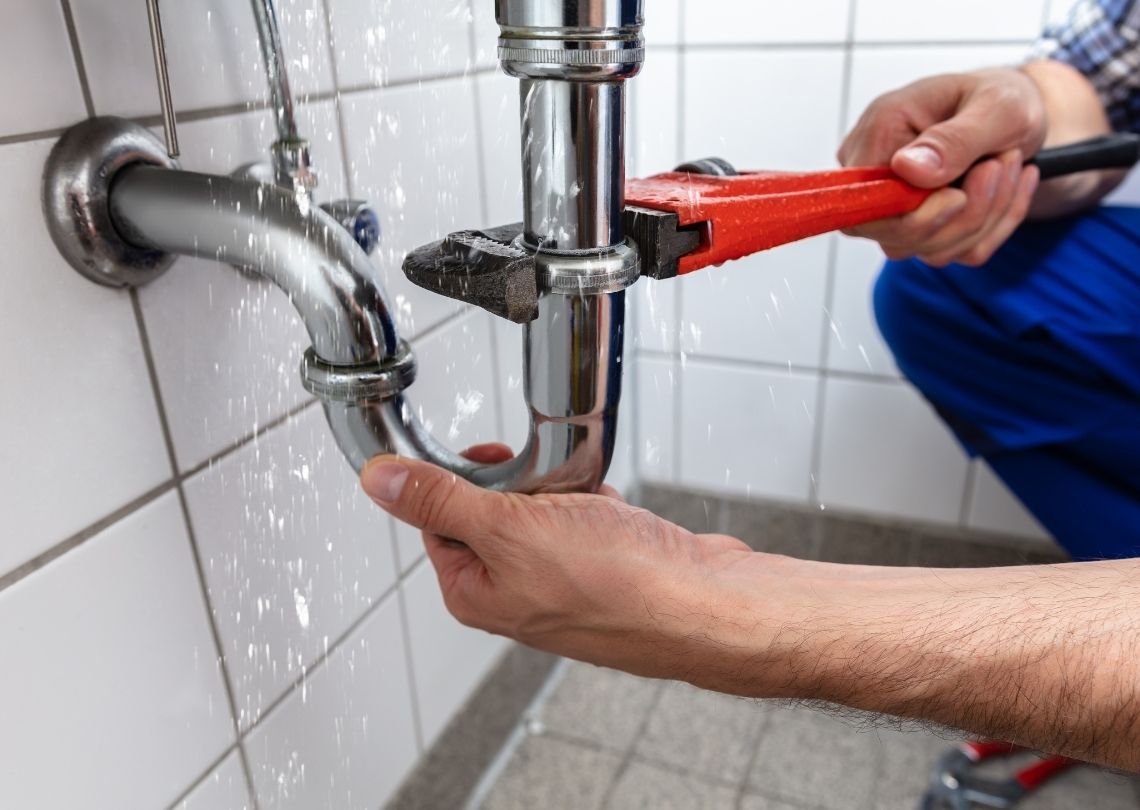
Select wrenches, cutters, and sealants designed for plumbing tasks. Always wear protective gear like gloves and safety goggles, regardless of how minor the job site may seem. Have buckets, cloths, and a mop accessible to catch spills, ensuring convenience and safety during your plumbing services.
4. Manage Water Flow
Before starting repairs, it’s essential to close the main valve or any local shut-off to protect pipes. Open taps to drain water from pipes, which reduces the risk of unexpected leaks. Occasionally, you’ll need a jug or bucket for convenient water access on the job.
5. Execute the Repair
Take all necessary safety precautions and read product instructions carefully to protect against leaks and personal injury. Ensure all joints and fittings are tight, and check them for leaks. Document everything with notes or photos for future inspections and repairs, supporting your plumbing services.
6. Verify Your Work
Check everything thoroughly and ensure that all repairs comply with code. Turn on the water slowly to inspect for leaks or strange noises. Use protective gear while picking up tools and wiping them down. If in doubt, consult professional plumbing services or seek advice online.
Identify Hidden Dangers
There are dangers about plumbing work around the home that are not readily apparent. Many hidden hazards, including pebbles in plants and tripping hazards, can lead to unexpected leaks or damage. Here’s a summary of essential plumbing safety tips and a safety checklist to help spot and manage these vulnerabilities effectively.
- Lead pipes, which were used in much of the homes built prior to the 1980s, are a danger to health, particularly if water is ingested. Routine inspections for these pipes are essential, and if identified, replacement should be imperative.
- Exposure to chemicals from cleaning agents and pipe sealants can damage skin and lungs, particularly in areas with limited ventilation.
- Biological hazards such as mold or bacteria flourish in moist areas, frequently concealed behind walls or beneath floors and can make you sick.
- Slow leaks or water damage can cause structural problems such as wood rot or weakened floors around plumbing, which could cause accidents or expensive repairs.
- Corroded pipes, faulty water heaters, and clogged drains can fly under your radar and cause havoc.
- DIY plumbing routinely bypasses necessary safety steps, leaving behind latent or future dangers.
- Basic leaks, when ignored, can escalate bills, compromise construction materials, and open the door to mold.
- Regular inspections and simple maintenance are key to detecting these hazards early.
Electrical Risks
Water and power lines frequently run hand in hand, increasing the chance of electrical shock. To ensure safety, always plot out electrical wires and outlets before you begin your plumbing services. For additional precaution, turn off power to any location where you will be working around pipes. Among other things, be sure to use tools with insulated handles if you find yourself forced to work in tight or damp locations. Even a minor splash can be catastrophic if it gets into a live outlet, emphasizing the need for proper safety procedures.
Chemical Exposure
Before applying any chemicals, it is essential to read the label and safety sheet to understand the risks. Wearing gloves and eye protection is crucial to guard against fumes or skin burns. Additionally, store all chemicals in secure, labeled locations out of reach of children or animals to ensure safety. Dispose of unused or aged chemicals at approved sites to protect the environment and reduce vulnerabilities.
Biological Hazards
Damp corners in kitchens, bathrooms, or basements can cultivate mold quickly, so make sure to dry out these areas and conduct regular inspections. Always wash hands after touching pipes, drains, or anything wet. If you must deal with sewage, put on rubber gloves and try not to splash. When crawling into tight, damp spaces, use protective coverings or barriers to enhance safety.
Structural Integrity
Checklist for inspection: Look for warped floors, sagging ceilings, or soft spots near water sources. Detects concealed threats that may lead to unexpected leaks. If you notice extensive or expanding damage, consult professional plumbing services for guidance and ensure your safety by keeping away from vulnerable areas until they are fixed.
Understand Your Home’s System
Understanding your home plumbing allows you to identify problems sooner, repair minor damage before it becomes significant, and reduce your bills. Regular inspections of your plumbing system are essential for protecting pipes and ensuring clean water flow. Plumbing can last for years with proper maintenance, but each home features its own unique layouts and varieties of pipes that require your focus. Every plumbing system has two main parts: the water supply and the drain-waste-vent (DWV) system, both of which necessitate careful planning to prevent unexpected leaks.
Mapping Your Plumbing
Mapping your plumbing system is essential for protecting your property, as it allows you to visualize where pipes, valves, and fixtures are located behind sheetrock and beneath subfloors. By labeling each shutoff valve, faucet, and appliance connection, you simplify the process when addressing unexpected leaks or shutting off water quickly during emergencies. Ensure this map is accessible to everyone at your home, preventing anyone from digging for answers during emergency repairs. Remember to refresh your map whenever there are changes, such as new fixtures or pipes.
Identifying Pipe Materials
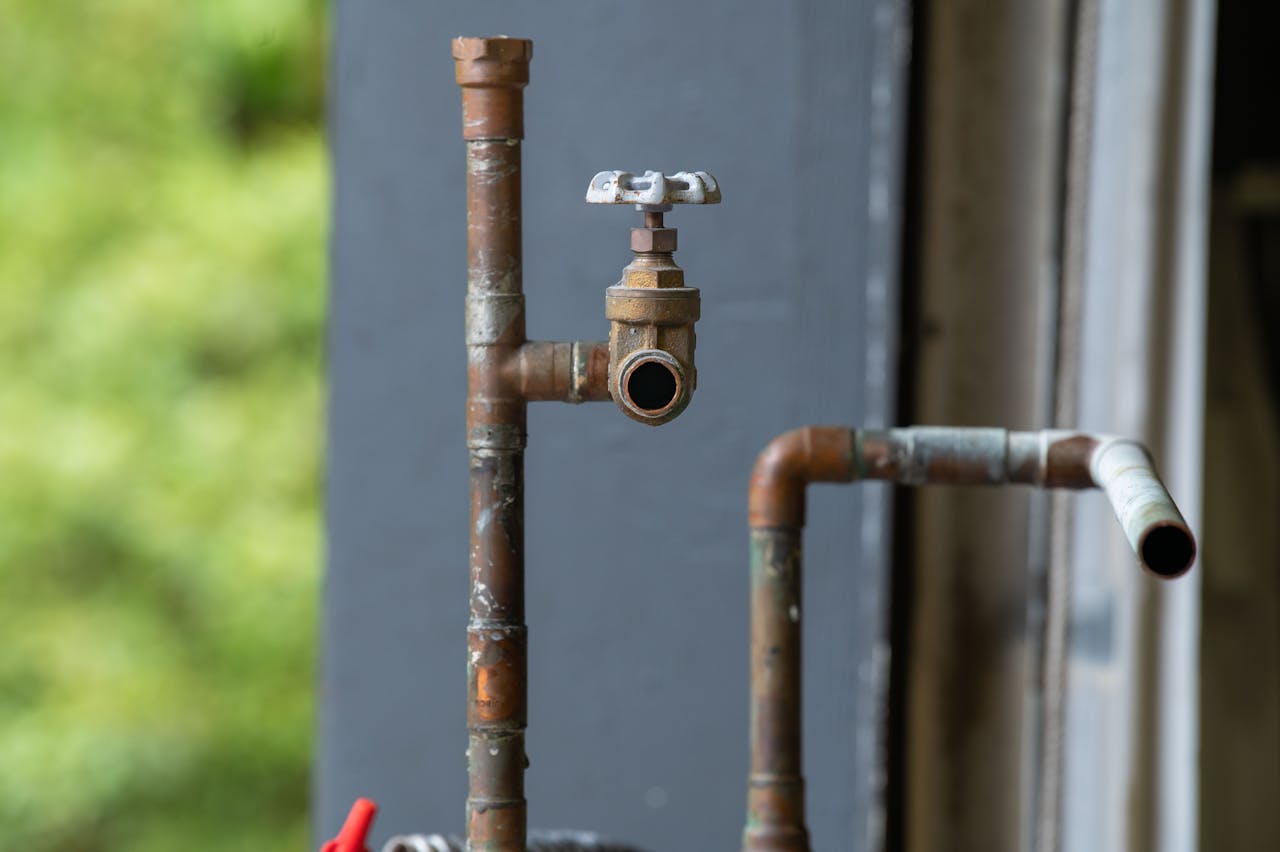
Find out what pipe materials are used in your plumbing services. Most homes have PVC for drains, copper for supply, or older galvanized steel, which requires careful planning for maintenance. Each variety necessitates unique equipment; for instance, copper pipes require soldering, whereas PVC employs special glue. Indicators such as rust on steel or fractures in plastic signal it may be time to replace aging pipes. Additionally, know your local regulations on permitted pipes, as some may be prohibited in new homes.
Recognizing Outdated Codes
Plumbing codes evolve, and out-of-date systems might have inadequate venting or antiquated drain arrangements that don’t comply with current regulations. To ensure compliance, learn your local codes and compare them to what you observe in your own home. Keep an eye out for violations, such as improperly sloped pipes, uncapped vents, or unapproved fittings. Jot down anything that seems amiss and schedule to repair it at your next tune-up. A licensed plumber’s annual inspections can catch these issues early, helping you avoid fines and securing your system’s efficiency.
The DIY vs. Pro Dilemma
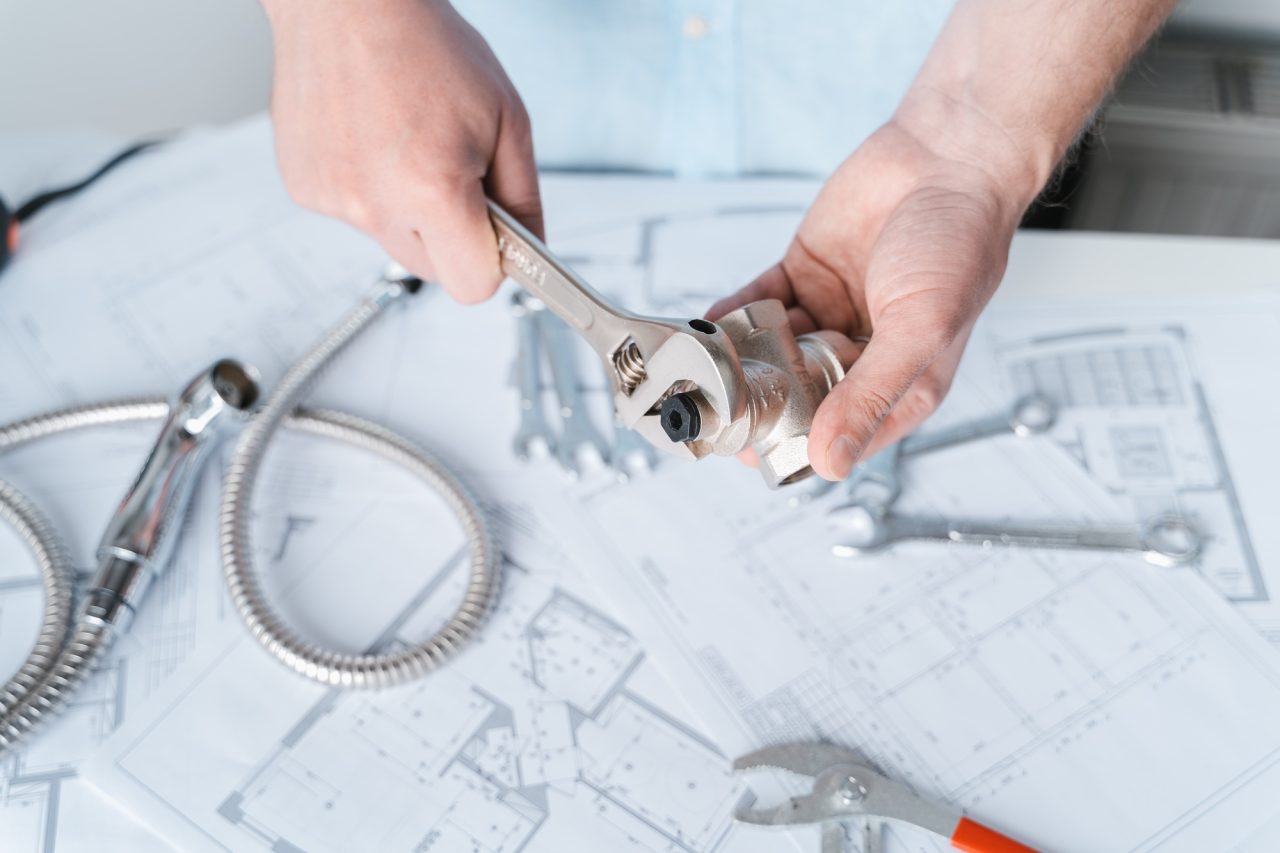
Plumbing issues can be tricky, and even minor mistakes can spell big trouble. The DIY vs. Pro dilemma is all about the task, your abilities, and the potential hazards. Certain plumbing projects are safe for homeowners, but others, such as securing pipes to prevent future leaks, require professional plumbing services to avoid safety hazards and unnecessary expense.
When to DIY
Easy, everyday fixes, such as tightening a leaky tap or unblocking a sluggish drain, are good entry points if you possess a bit of plumbing expertise. Many great resources worldwide, from step-by-step videos to illustrated guides, can demonstrate how to replace a washer or reseal a joint. With these, you could typically fix a drip or keep a drain flowing without a lot of fuss, ensuring proper plumbing services for your home.
Before you begin, see if you have the proper tools and are comfortable using them. If a job involves disassembling pipes, crawling around in confined spaces, or using sharp tools, an inexperienced person might cause more damage than help. What appears straightforward, such as replacing a toilet or a new faucet, can result in leaks behind walls or beneath flooring if it is done incorrectly, leading to potential future leaks that could threaten your property.
In my experience, certain fixes can feel insignificant in the moment, but a forgotten screw or loose fitting could cause cloaked leaks. These may increase your water bill or seep slow damage to walls or floors, which is expensive to repair. If it stretches on for days or migrates to multiple rooms, it might be time to bring in a pro for residential plumbing services.
When to Call Us
Bigger work, like digging up pipes or repairing burst mains or gas lines, is the licensed plumber’s domain. These tasks tend to require specialized equipment and a strong understanding of safety protocol. If you begin a DIY fix and find yourself in trouble, it’s best to put down the wrench and bring in the pros to avoid something worse.
Major leaks or water stains on ceilings or drops in pressure allude to deeper issues that require a professional’s eye. They bring years of experience, the right tools, and know how to meet local safety codes. This reduces the potential for expensive errors and protects your home.
After all, calling in a pro can be a money saver if it’s done right the first time. You skirt the expense of tools you might never use again and stay on top of your utility bills by addressing wasteful leaks immediately.
My Personal Take: The Overconfidence Trap
Most homeowners have confidence in their own hands to do plumbing work, often relying on online guides and videos for convenience. However, this overconfidence can lead to unexpected leaks and errors that pose a threat to property, making professional plumbing services essential for securing proper safety and compliance.
The YouTube Effect
Online tutorials — videos in particular — have convinced us all that we can patch a leak or change a faucet. These are good for foundational learning, but they instill a false sense of ability. What’s missing is that every plumbing is different. A step-by-step guide for one kind of pipe or valve might not be the same as yours.
No, not all videomakers are gurus. Others miss essential precautions or fudge important specifics, which is dangerous if adhered to without question. For instance, a video might demonstrate a repair with a specific tool or piece that is inaccessible in your region or incompatible with your setup. Simply observing somebody make a repair isn’t the equivalent of understanding the appropriate amount of force to use when tightening fittings. Over-tightening, for example, is a timeless mistake that can easily strip threads or break pipes.
The Ripple Effect
A minor goof in the plumbing can set off a domino effect. For instance, a joint with a slow drip can cause water damage behind walls, mold growth, or even foundation issues. Small leaks that aren’t plugged can become huge headaches, often undetected until the impact is far-reaching.
The impact isn’t just physical. Insurance will not pay for damage from a DIY repair, particularly an unpermitted one with no paper trail. This can either decrease the value of the home or stall a later sale. Routine inspections and immediate fixes go a long way, but striking that balance of when to seek professional assistance is equally crucial for maintenance in the long run.
The Financial Aftermath
DIY plumbing repairs appear cost-effective. Economics usually do not work. If the DIY fix does not work, the price of additional parts, time, and even hiring someone to reverse the damage can be much more expensive than if a pro had done it right the first time.
Those surprise costs multiply when terrible fixes lead to more serious issues such as water damage, mold remediation, or even repairs. Establishing a firm budget and balancing the risk helps. More often than not, it’s cheaper and much safer in the long run to pay for expert assistance.
Proactive Plumbing Maintenance
Being proactive about your plumbing means you’re taking measures to detect problems early and maintain a well-functioning system. These little inspections and procedures can prevent unexpected leaks and costly repairs down the line. Here are essential plumbing safety tips for homeowners.
- Inspect for leaks under sinks and swivel all faucet handles monthly.
- Check exposed pipes and fixtures for corrosion or moisture.
- Around threaded joints, wrap plumber’s tape around the joint threads to avoid leakage. Two to three wraps in the thread direction is usually sufficient.
- Flush all toilets and run every faucet to prevent water from becoming stale.
- Flush your water heater and check appliance hose connections every three months.
- Insulate pipes ahead of cold weather
- Try low-flow aerators to save water and reduce your footprint.
- Book yearly inspections and maintain a log of all repairs and inspections.
- Leave yourself monthly, quarterly, and annual task reminders.
Routine Inspections
Regular, yearly plumbing inspections by a licensed professional can help identify leaks, corrosion, and code violations early on. A plumber will inspect exposed pipes, joints, and fixtures, along with less-visible locations like crawlspaces and basements. They’ll check for slow leaks, which frequently present as discoloration or dampness around fittings.
Be sure to take notes of what the plumber discovers and any preventive measures they recommend. This record simplifies noticing trends if the same problem recurs. If you discover a minor problem such as a slow drip or loose handle, repair it immediately rather than procrastinating. Early action is the secret to preventing small problems from becoming emergencies.
System Flushing
Benefits of Flushing | Issues from Neglecting Flushing |
Removes sediment buildup | Sediment causes clogs and corrosion |
Improves water quality and pressure | Water quality declines |
Extends life of pipes and fixtures | Shortens lifespan of system |
Flush safely by slowly running water through each faucet or flushing outdoor pipes with a hose to prevent unexpected leaks. Forceful surges can damage old pipes, so make flushing an annual to-do. After flushing, check water clarity and pressure, as a sudden drop may indicate a blockage that requires professional plumbing services.
Seasonal Preparation
Insulate all exposed pipes with foam sleeves or protective coverings before winter to prevent freezing. Drain outside faucets, remove hoses, and turn off exterior valves to protect pipes from bursting. Proactive plumbing maintenance is essential, especially during heavy rain in your area; rethinking your maintenance schedule each season according to local weather can help prevent unexpected leaks and expensive destruction.
Conclusion
If you’re fixing or inspecting pipes at home, keep to the fundamentals. Know when to call the plumber. Be on the watch for leaks, strange odors or dampness. Little things, such as shutting the main valve or using gloves, go a long way. Call a pro if it feels too big or too risky. Each home has a different system, so verify yours before you begin. Simple practices, such as periodic inspections, prevent the majority of problems from occurring. Proper preparation saves you both time and money. Pass these tips along to a friend or family member who might find them handy. Keep it clever, keep it safe. Smart things keep it flowing. For additional home tips, be sure to browse the rest of our guides.
Frequently Asked Questions
What are the most important plumbing safety tips for homeowners?
Before starting any plumbing job, ensure to turn off water and power, wear protective gear like gloves and safety goggles, and follow the manufacturer’s instructions to prevent unexpected leaks.
How can I identify hidden plumbing dangers at home?
Inspect pipes frequently for corrosion or leaks, particularly in concealed locations, as these vulnerabilities can lead to unexpected leaks, mould, or water marks that threaten property safety.
Why should I understand my home’s plumbing system?
The better you know your plumbing system, the easier it is to smell trouble and sidestep inadvertent destruction, ensuring compliance with essential plumbing safety tips for safer fixes.
When should I call a professional plumber instead of doing it myself?
Call a pro for big leaks, sewer issues, or gas lines, especially if you lack the knowledge or experience. Professional plumbing services have the essential equipment and expertise for complicated or dangerous jobs.
What is the risk of overconfidence in DIY plumbing?
Overconfidence can lead to unexpected leaks, costly damage, or personal injury. Be honest about your skills; if you lack the knowledge, seek professional plumbing services.
How can proactive maintenance help prevent plumbing issues?
Regular inspections and cleaning drains can protect against unexpected leaks, preventing major repairs and ensuring the convenience of your plumbing services.
Are there safety risks in ignoring small plumbing issues?
Yes, minor problems can trigger unexpected leaks, mold, or structural headaches. Nipping them in the bud safeguards your home and health.
Plumbing Safety, Codes & Compliance In Santa Rosa: Avoid Violations Before They Cost You
Most plumbing problems don’t start as emergencies, they start as small issues that quietly fall out of code. Over time, those issues can turn into failed inspections, safety risks, and expensive repairs that disrupt your business. Yorkshire Plumbing helps Santa Rosa property owners stay ahead of it all with expert plumbing safety and compliance services designed to catch problems early and fix them the right way.
If your building has aging pipes, inconsistent pressure, outdated fixtures, or past work that may not meet current standards, there’s a good chance something isn’t up to code. These issues often stay hidden until they trigger bigger problems like leaks, contamination risks, or compliance failures. Our team takes a close look at your system, identifying where it falls short and what needs to be done to bring everything back into alignment.
We keep things simple and clear. You’ll get a straightforward explanation of what’s going on, what’s required, and how to fix it. Whether it’s upgrading fixtures, replacing old piping, correcting improper installations, or adding safety components like backflow prevention, we focus on solutions that protect your property and keep your business running without interruption.
Yorkshire Plumbing has built a strong reputation across Sonoma County by doing things the right way. Honest recommendations, careful work, and a focus on long-term results. We don’t just fix what’s broken, we help you stay compliant, avoid future issues, and move forward with confidence.
If you’re unsure whether your plumbing is up to code, now is the time to find out. Contact Yorkshire Plumbing today and take care of potential violations before they turn into costly problems.
Disclaimer
The information provided on this website is for general informational and educational purposes only and is not intended as professional plumbing or construction advice. You should consult with a licensed plumber or qualified contractor for guidance specific to your home or situation. Do not rely solely on the content of this site to make decisions about plumbing repairs, installations, or maintenance. While we strive to keep the information current and accurate, it may not reflect the most recent industry standards or code requirements. Yorkshire Plumbing & Drain Services disclaims all liability for any actions taken or not taken based on the content of this site, to the fullest extent permitted by law.