Key Takeaways
- Understanding these early indicators and taking action can help preserve the integrity of your home’s plumbing and prevent potentially hazardous situations.
- Alterations in water quality, such as discoloration, odor, and sediment, tend to be the most efficient sign of corrosion and should be investigated immediately.
- Whether your pipes are corroded depends on what kind of pipes your home has, with older metal pipes at greater risk. Knowing your plumbing system’s makeup guides smarter maintenance.
- Environmental conditions and water chemistry: Corrosion rates can be affected by factors like temperature changes, mineral content, and pH levels. These should be regularly monitored to reduce damage potential.
- Treating pipe corrosion in its early stages can save you from health risks associated with contaminated water, potential structural damage to your property, and skyrocketing repair costs.
- A licensed plumber can provide professional diagnostics and repair or replacement options, from pipe lining to modern materials, that ensure long-term plumbing health and prevent future corrosion.
Signs of corroding pipes include rust, leaks, and brown water. You might also notice low water flow or weird smells coming from your sinks. If you see these early signs, you can prevent bigger issues. Knowing what to do next, like calling a plumber or getting old pipes replaced, can help keep your water clean and save you money. The following section will outline simple steps for each sign.
What Are The Signs Of Pipe Corrosion?
Here’s how to tell if your pipes are corroding. Catch it early to prevent expensive damage and keep your water clean and safe. Identifying the typical indicators allows you to act promptly and safeguard your plumbing system.
- Metallic or sweet flavors in drinking water
- Noticeable pressure drops in your plumbing system
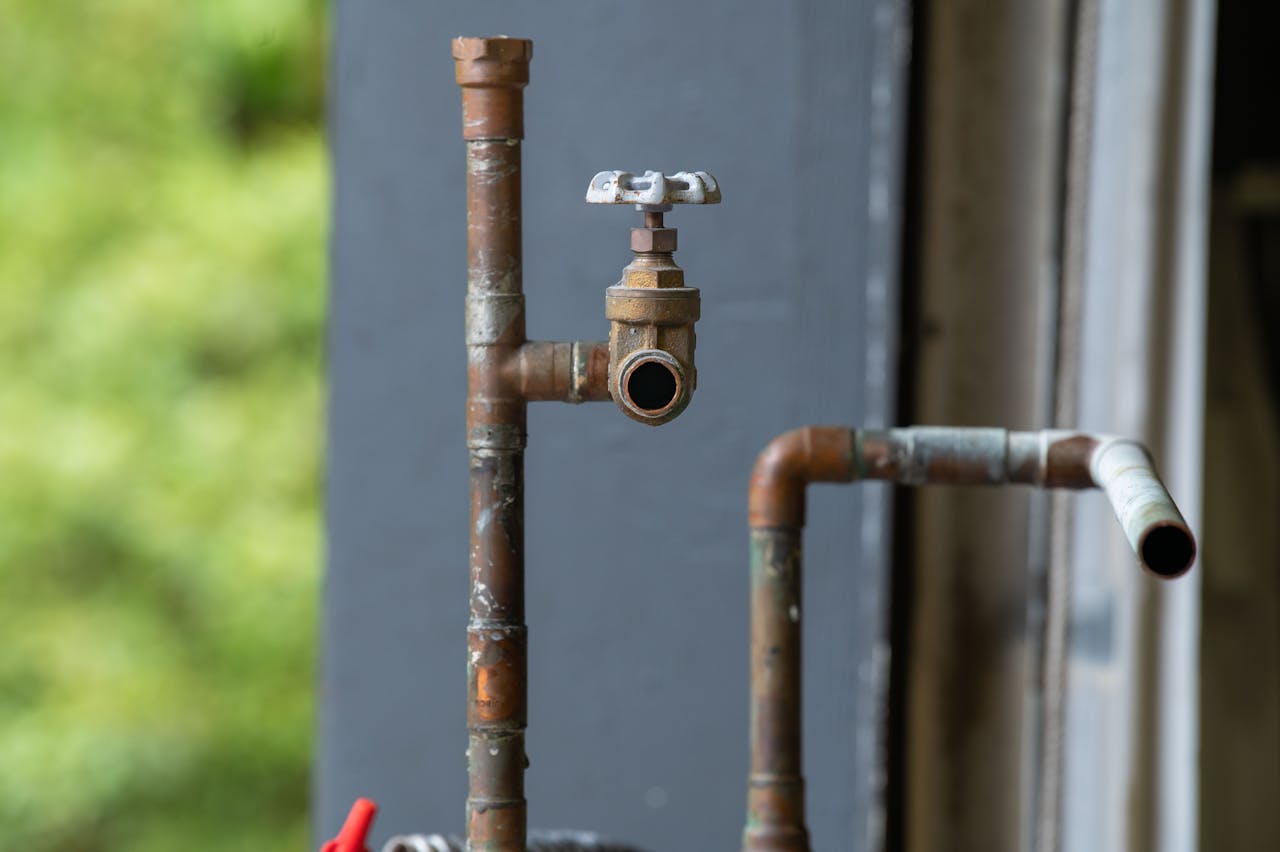
- Visible signs of rust, stains, or corrosion on pipes and around faucets.
- Discoloration or particles in water
- Wet spots or puddles near pipes
- Persistent clogs or slow drains
- Unusual or loud noises from plumbing fixtures
1. Water Changes
Brown, red, or yellow discoloration in tap water is a key indicator of corroded pipes leaching rust or metal. Unusual smells, such as musty or metallic, can indicate contamination from pipe deterioration. If you notice sediment or rust in your water, that is an immediate indicator that the inside surfaces of pipes are wearing away. Temperature variation, particularly if abrupt, can indicate that pipe layers are thinning or failing, and it impacts the pipe’s reaction to hot and cold water.
2. Pressure Drops
Major water pressure drops are usually indicative of pipe corrosion since buildup narrows the flow path inside pipes. Locations with tender water circulation, such as a single shower or faucet, could have localized corrosion or a leak. Test water pressure and compare with historical records to identify variations. Pressure drops everywhere in the home or just in certain locations can both indicate clues of where and how corrosion is forming.
3. Visible Evidence
Check exposed pipes for rust, green stains, or other corroded areas. Wet spots or puddles around pipes or plumbing fixtures can indicate leaks from corroded sections. Flaking or peeling paint on walls or ceilings surrounding pipes may be a sign of concealed corrosion. Joints and fittings are particularly susceptible. Check for crusty build-up, discoloration, or any other evidence of deterioration at connection points.
4. Frequent Clogs
Frequent clogs in your drains are worse than annoying. They’re an indication that your corroded pipes are shedding their internal lining and creating blockages. Slow sink, tub, or shower drainage can be a telltale sign of narrowing pipes due to corrosion. If you’re constantly grabbing drain cleaners, this might be an indicator that pipe integrity is on the decline. Ongoing clogs, especially in aging plumbing systems, should cause a checklist to be pulled up and a more detailed examination to be considered to ward off later disasters.
5. Strange Noises
Strange noises, such as banging or gurgling when water is flowing, have been associated with air pockets or loose pipe particles resulting from internal corrosion. Continuous dripping or hissing noises sometimes signify small leaks or air escaping from compromised pipe segments. Any change in the types or volume of noise when using water could signal potential trouble within the pipes that should be evaluated.
Why Your Pipes Corrode
Pipe corrosion is a common problem with an extensive list of culprits. No matter what kind of pipes you have, they disintegrate over time. Water flows through them, transporting minerals and other chemicals that can react with the pipe’s substance. The corrosion threat escalates in aging plumbing, particularly where upkeep is sparse or conditions strain the pipework. Knowing how pipe material, water chemistry, and outside factors affect this process is critical to avoiding expensive damage.
Pipe Material | Susceptibility to Corrosion | Example Issues |
Galvanized Iron | High | Rust, leaks, and discolored water |
Steel | High | Rust, pipe failure |
Copper | Moderate | Pitting, green stains |
Cast Iron | High | Deterioration, leaks |
Plastic (PVC/PEX) | Low | Degradation, chemical leaching |
Pipe Material
Older metal pipes, such as galvanized iron and steel, are the most at risk. These materials were common in years past but have a propensity to oxidize and corrode over decades. Rust surfaces, water browns, and leaks soon ensue. Cast iron pipes, found in many venerable pre-war buildings, crack and chip off, creating vulnerable points that allow water to leak. Copper pipes, a popular choice due to their rust resistance, can corrode, particularly if the water supply is acidic or has a high mineral count. This corrosion may manifest as green stains or pinhole leaks.
Sure, modern plastic pipes like PVC and PEX don’t rust, but they’re not without issues. Sunlight, extreme heat, or chemicals break down plastics over time and cause them to crack or leach. Selecting durable materials and upgrading old pipes works to reduce corrosion hazards and prolong plumbing lifespans.
Water Chemistry
Testing your water’s pH is crucial. Either excessively acidic or alkaline water accelerates corrosion, particularly in metal pipes. Hard water minerals, particularly calcium and magnesium, cause scale to form inside pipes. As time goes on, this limits water flow and adds strain to the pipe walls. Hard water deposits look white or chalky and can hold moisture that promotes rust. Treating your water with softeners or pH balancers helps shield the entire system from premature harm.
Environmental Factors
Underground pipes, especially metal ones, can rust due to wet soil and acid. When the temperature changes suddenly, it can make pipes expand and shrink, which can hurt the joints and create cracks. Nearby construction can shake the ground or introduce harmful chemicals that damage the protective layers on pipes. Changes in landscaping, like planting new trees or adding irrigation, can also expose pipes to extra moisture and chemicals, speeding up the rusting process. Every tiny crack is like a door inviting rust to creep under the surface and start eating away at your pipes. Cleaning products or solvents stored nearby can harm these protective coatings, making pipes more vulnerable to corrosion.
Hidden Risks Of Corroded Pipes
Corroded pipes can be very harmful without you even noticing. The problems might not show up until it’s too late. These pipes can threaten your health, damage your home, and empty your wallet. The true cost often goes beyond what you can see.
Health Risks
Corroded pipes can be harmful to your health. When pipes rust, they can release metals into your drinking water. This can lead to stomach issues like nausea, vomiting, and diarrhea. Bacteria can thrive in damaged pipes, especially where there are tiny leaks. If your water tastes off or smells weird, it’s best not to drink it. Changes in water quality, such as a strange odor, unusual taste, or brown color, can mean the water isn’t safe. Even a slight metallic taste shouldn’t be ignored. Clean, safe drinking water is essential for your family’s health, and any decline in water quality can affect everyone in the house.
Structural Damage
Leaking, corroded pipes too frequently lurk behind walls or beneath floors. Water spots on ceilings or damp walls indicate that pipes might be leaking. Over months or years, even a small, slow leak can compromise wood framing, drywall, and flooring. This hidden destruction can cause rotting wood or crumbled plaster.
Extreme leaks can make their way to the foundation, where water degrades concrete and can result in cracking or shifting. Mold thrives in such nooks and crannies, especially behind wall panels or beneath carpets, and carries its own set of health hazards. Rust not only causes reduced water pressure and clogged drains, but it can also hide some bigger problems lurking under the surface.
Financial Impact
Plumbing problems, particularly those linked to corrosion, often start small but can quickly grow into costly repairs when ignored. A minor issue that is inexpensive to fix at first can escalate into significant damage, impacting your home’s structure, air quality, and overall value. Recognizing the potential costs of common plumbing concerns underscores the importance of early detection and routine maintenance. Taking prompt action not only helps prevent unexpected expenses but also protects your property and promotes a safer, more efficient living space.
Issue | Typical Cost (USD) | Potential Outcome |
Small leak repair | $100–$400 | Minimal property damage if caught early |
Pipe replacement (per meter) | $50–$250 | Costs rise with older or hidden pipes |
Mold remediation | $500–$6,000+ | More expensive if hidden or widespread |
Water damage restoration | $1,000–$10,000+ | Extensive repairs for major incidents |
Overlooking corrosion can result in repair bills even higher than routine maintenance. Concealed water damage from pinhole leaks or rusted pipes can result in having to replace entire sections of wall or flooring. Lower property value is a factor, as buyers shy away from homes with a history of water quality or plumbing problems. Preventative checks and timely fixes can save you a lot of money in the long run.
How To Assess The Damage
Knowing your pipes’ corrosion is a vital part of maintaining your water safety and your property in good condition. Initial measures involve seeking surface damage and leaks, inspecting water color, and utilizing water tests to identify latent threats. Routine inspections, both on your part and with a certified plumber, identify problems before they become expensive.
Safe Inspection
Put on gloves and a mask before you even begin to examine pipes. This helps keep you protected from dust, metal flakes, or mold that may come loose when you inspect aged plumbing. A flashlight helps you peer into those hard-to-check places under sinks or by the water heater. Shine it close to pipe joints and bends. These are typical spots where rust and leaks tend to manifest, particularly in areas where the pipes are in the open.
Check for obvious indications like flaking metal, bluish or green staining on copper pipes, or brown-red streaking on steel pipes. Water collecting under a pipe or damp spots on walls frequently indicate that a slow leak is already occurring. If you notice brown water at the tap, it’s probably old steel pipes deteriorating. A blue-green tint can signify corroding copper pipes. Make notes of where you discover stains or leaks, what the water itself looks like, and which pipes appear most damaged. This log will help a plumber diagnose the problem more quickly.
Professional Diagnostics
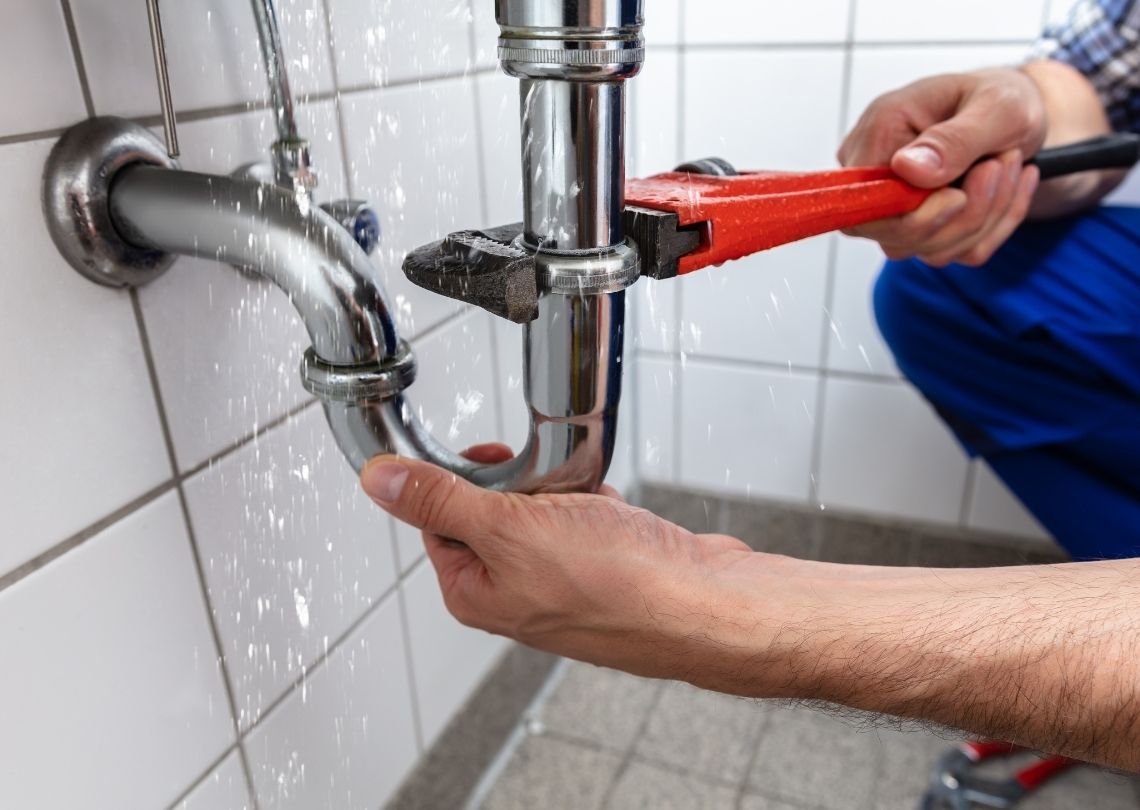
A licensed plumber has the tools and experience for a deeper peek. They employ cameras that snake inside pipes to detect corrosion invisible from the outside. These cameras can reveal pitting, scale deposits, and even thin spots in pipe walls, which are indications of long-term deterioration. Plumbers can run water tests for lead, metals, or other pipe-breakdown indicators. They’ll give you a report of what’s wrong with each kind of pipe, such as steel, copper, or whatever, so you know how severe the damage is and where.
Depending on the results, the plumber will inform you if you need to replace pipes, repair joints, or simply keep an eye on certain spots for the time being. For houses with old metal plumbing, it’s prudent to get these inspections every few years, as decades of water make corrosion inevitable. Maintaining regular inspections and addressing issues early will save you from severe water damage or costly pipe replacements.
What Are Your Repair Options?
When pipes become corroded, the optimal repair option may vary depending on the extent and dispersal of the corrosion. Some approaches repair just trouble areas, while others repair the entire system. All have advantages and disadvantages, and the best option frequently depends on pipe vintage, composition, and location.
Targeted Repairs
Spot repairs are best for pipes with minimal corrosion. Technicians begin by identifying the impacted parts. They could punch out the defect and weld in a new piece or solder on a new piece, minimizing inconvenience and expense. Epoxy sealants can patch small leaks or weak points. This approach works for newer systems or when corrosion is limited.
Timely repairs matter. Going too long can leave you looking like a bad actor, and not in a good way. Once they’re repaired, it’s smart to watch those sections. Watch for any new leaks or rust. Spot repairs and cathodic protection using electric currents to slow corrosion can extend the life of pipes. Chemical treatments can assist by dissolving mineral deposits and inhibiting new corrosion, but these are more prevalent in industrial settings.
Pipe Lining
Pipe lining is when a resin, often epoxy, is used to coat the inside of pipes. This forms a seal to prevent leaks and block additional rot. It works for many pipe types and does not require extensive digging or wall teardown.
It begins with scouring the pipes and then sending in a liner coated in epoxy. Once it cures, the pipe is almost as strong as new. Liner installation is less invasive, can be completed more quickly, and typically costs 30 to 40 percent less than repiping. Pipe lining is great for pipes that have moderate corrosion, giving back the structure without swapping out the whole thing.
Pipe bursting replaces pipes in difficult-to-access locations. It pulverizes the old pipe as it draws in a new one, limiting surface disruption. It’s always worth checking with a good plumber to see if lining or bursting works for you.
Full Replacement
Complete replacement or repiping is sometimes required for extensive or advanced corrosion. In older homes, particularly those with steel or iron piping, full repiping can avert leaks and water quality issues. Copper or modern plastic pipes are much more corrosion-resistant.
This option requires planning. Replacement can interrupt water service and necessitate tearing out walls or floors. Work with a plumber to design and schedule the project. There may be financing available to help cover the cost, especially for big jobs.
Preventing Future Corrosion
Preventing future pipe corrosion is all about forward-thinking and taking practical measures to nip problems in the bud. A smart plan keeps your plumbing safe and saves you from larger repairs in the future.
- Check the quality of water frequently. This is a fundamental step. Testing indicates whether your water is acidic, hard, or has excessive oxygen, bacteria, or sediment. Understanding this helps you choose the optimal repair, whether for your house or your organization.
- Protect to prevent future rust. If tests indicate your water is outside the safe range, consider installing a water softener or filtration system. These systems reduce minerals and other caustic elements that corrode pipes. For instance, if water is hard, meaning it contains high quantities of calcium and magnesium, a softener replaces those minerals with sodium. If the water is acidic, treatment will raise the pH to a safer level.
- Maintain proper water chemistry. Here’s where the proper pH and mineral content come into play. If the pH is lower than 7, it can make pipes rust faster. Try to maintain a pH of 7 to 8.5. Be on the lookout for chlorine as well. Certain locations chlorinate water aggressively, and excessive chlorine can accelerate corrosion in metal pipes.
- Choose robust plumbing materials. If you’re replacing old pipes or installing new, use copper or PEX. Both resist corrosion better than older metals such as steel or iron. Copper is durable and rust-resistant, and PEX is high-performing for hot and cold water alike and doesn’t pit or scale.
- Check out your pipes and repair problems before they occur. An annual or biannual inspection helps identify rusty spots, leaks, or suspicious discoloration. Proactive care can keep a minor issue from becoming a complete replacement job.
- No harsh cleaners. Most drain cleaners contain either strong acids or bases. These can chemically interact with metallic pipes and corrode them. Opt for gentler, pipe-safe alternatives.
- Check water pressure and flow. If water pressure drops or flow slows, it can indicate a clogged pipe with rust or scale. Discovering this early means you can address the issue before it escalates.
- Know what causes corrosion. Elements such as the acidity of the water, mineral content, and even bacteria can all contribute. If you know what’s in your water, you can collaborate with a plumber or water specialist to select the appropriate measures for your region.
Conclusion
Noticing rust, leaks, or unusual-tasting water is more than a minor nuisance—it could be a warning that your pipes are corroding. Rusty spots on sinks or discolored water often signal weakening pipes, which can lead to water waste, costly repairs, and even health concerns.
With Yorkshire Plumbing & Drain Services, small problems don’t have to become big disasters. Our expert inspections identify issues early, from tiny leaks to corroded pipes, and our professional solutions—like replacing aging pipes and ensuring your water’s pH balance—stop damage before it spreads. Regular maintenance and timely repairs are the safest way to protect your plumbing system, preserve your home, and ensure clean, safe water for your family. Stay proactive, and let our team keep your pipes in peak condition.
Frequently Asked Questions
1. How Can I Tell If My Pipes Are Corroding?
Watch for indicators like tainted water, diminished water pressure, leaks, or a metallic flavor. Rust stains around fixtures or on pipes indicate corrosion.
2. What Causes Pipe Corrosion In Homes?
Pipe corrosion typically occurs as a result of water chemistry, aging materials, excessive water pressure, or bad installation. Environmental factors, such as soil, can be a factor.
3. Are Corroded Pipes Dangerous To My Health?
Indeed, corroded pipes can leach metals such as lead or copper into water, which can be dangerous to ingest. Corrosion can result in leaks that harm your home.
4. How Do I Check The Extent Of Pipe Corrosion?
Get a plumber to snake your pipes with cameras or test the water. Rust, leaks, and discolored water are all warning signs.
5. What Should I Do If I Discover Corroded Pipes?
Shut off your water supply and call a licensed plumber. Early steps can help prevent water damage and safeguard your health.
6. Can Pipe Corrosion Be Repaired, Or Do Pipes Need Replacing?
While small patches of corrosion can be repaired, extensive corrosion is likely going to necessitate pipe replacement. A plumber can advise the optimal course of action.
7. How Can I Prevent Pipe Corrosion In The Future?
We use corrosion-resistant materials, install water softeners as needed, and recommend regular plumbing inspections.
Hard Water, Mineral Buildup & Pipe Corrosion: What Santa Rosa Homeowners Should Know
Hard water can quietly damage a plumbing system over time. Mineral deposits from calcium and magnesium gradually build up inside pipes, fixtures, and appliances, reducing water flow, lowering efficiency, and increasing the risk of corrosion. Left unchecked, this buildup can lead to costly repairs, failing water heaters, and premature pipe replacement. Yorkshire Plumbing helps homeowners in Santa Rosa identify and manage hard water problems before they cause serious plumbing damage.
In many Sonoma County homes, mineral-rich water slowly leaves deposits inside plumbing lines. These deposits narrow pipes, clog fixtures, and place extra strain on water heaters and appliances. Warning signs may include reduced water pressure, white residue on faucets, longer heating times from water heaters, or discolored water coming from taps. Over time, mineral buildup can also contribute to pipe corrosion, weakening plumbing lines and increasing the likelihood of leaks.
Our team uses advanced diagnostic tools to inspect plumbing systems thoroughly, even when pipes run underground or behind walls. By identifying mineral buildup and early corrosion, we can recommend practical solutions that protect the system and extend the life of pipes, fixtures, and water-using appliances. Clear explanations and straightforward options help homeowners understand what is happening and how to prevent further damage.
No guesswork. No unnecessary upsells. Just honest information and reliable plumbing solutions designed to protect your home’s plumbing system.
With nearly a decade of experience serving Sonoma County, this family-owned company has built a reputation for careful workmanship, honest service, and dependable results. Yorkshire Plumbing does more than repair pipes. We help homeowners understand how hard water affects plumbing systems and provide solutions that reduce mineral buildup and prevent corrosion.
If you’re concerned about hard water, mineral buildup, or pipe corrosion affecting your plumbing system, contact Yorkshire Plumbing today for a professional evaluation and practical guidance.
Disclaimer
The information provided on this website is for general informational and educational purposes only and is not intended as professional plumbing or construction advice. You should consult with a licensed plumber or qualified contractor for guidance specific to your home or situation. Do not rely solely on the content of this site to make decisions about plumbing repairs, installations, or maintenance. While we strive to keep the information current and accurate, it may not reflect the most recent industry standards or code requirements. Yorkshire Plumbing & Drain Services disclaims all liability for any actions taken or not taken based on the content of this site, to the fullest extent permitted by law.