Key Takeaways
- Mineral buildup in the plumbing causes surface corrosion, blockages, and component failure, which can lead to costly repairs and replacements.
- Hot water and hard water are the worst offenders when it comes to mineral deposits. Unbalanced pH can play a role in the buildup throughout a fixture or pipe.
- Early warning signs of mineral buildup are more subtle. White residue, low water pressure, or noisy pipes make regular inspections and maintenance a must.
- Mineral deposits do more than make faucets and fixtures look bad. They actually decrease the efficiency of your water heater and appliances, which drives up your energy bills and household expenses.
- Preventative measures, including regular cleaning, water treatment systems, and professional inspections, go a long way in avoiding mineral damage and keeping plumbing systems operational for longer.
- Taking these steps is how plumbing stays dependable, affordable, and beautiful for families in every corner of the country and under every water scenario.
Hard water deposits minerals like calcium and magnesium onto taps, pipes, and showerheads. These deposits adhere to metal and plastic, clogging holes and causing fixtures to operate sub-optimally. Over months or years, mineral buildup makes faucets drip, valves stick, and showers spray unevenly. White or brown stains accumulate and become increasingly difficult to remove. Certain metals begin to rust, and rubber seals can crack or break. With less water passing through, heating or cooling systems may consume more energy. To aid in maintaining fixtures in optimal condition, understanding how mineral buildup grows allows individuals to identify early signs and apply straightforward remedies.
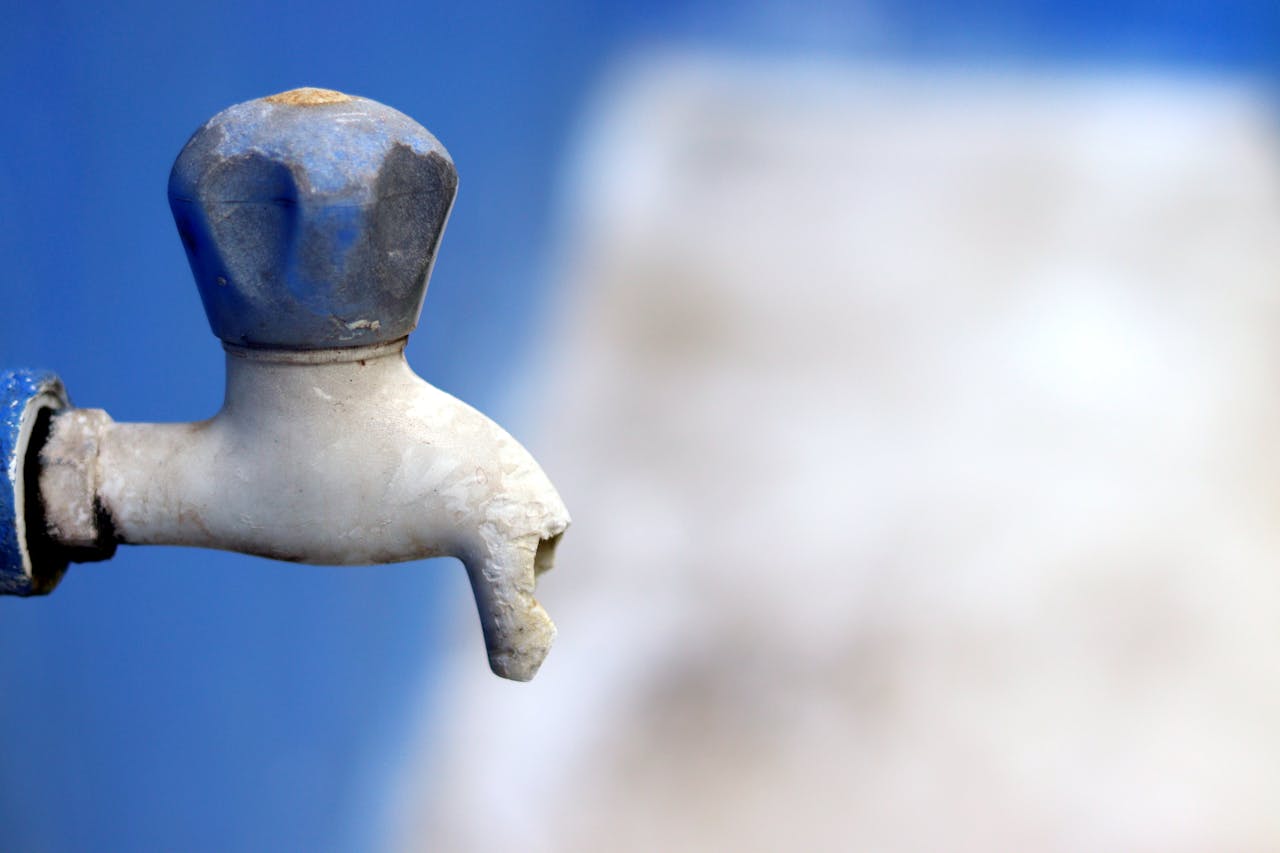
What Is Mineral Buildup?
Mineral buildup is primarily caused by hard water, which contains elevated levels of dissolved minerals, mainly calcium and magnesium. When hard water evaporates or is heated, these minerals are left behind, gradually accumulating on surfaces like faucets, showerheads, water heaters, and inside pipes. Over months and years, these deposits form a dense, crusty layer that is difficult to remove without chemical cleaners or mechanical scrubbing.
Mineral buildup can harm both the parts we see, like sinks and faucets, and the ones we can’t see, such as pipes, water heaters, and appliances. It’s important to understand how these mineral deposits work to see how they can quietly cause damage over time.
How Mineral Buildup Affects Your Plumbing
Scale in your pipes is a quiet, invisible force entrenching itself over the course of years. This mostly hard water scale deposits in pipes, faucets, and appliances in homes and buildings across the globe. The impact varies from slight reductions in water pressure to parts breakage and an eyesore of discoloration that destroys a fixture’s attractiveness. Below, a table provides a quick look at the most common types of mineral damage and their effects:
Type of Damage | Description | Effect on Plumbing System |
Surface corrosion | Rough, pitted, or stained metal surfaces | Loss of shine, faster wear, weakened metal |
Internal blockages | Deposits are narrowing pipe interiors | Reduced flow, low pressure, pipe bursts |
Component failure | Valves, seals, and fittings break down | Leaks, malfunctions, costly repairs |
Aesthetic ruin | Stains, chalky residue, dull fixtures | Visual decline, less appealing spaces |
Efficiency loss | Heat transfer and flow slow down | Higher bills, poor appliance function |
1. Surface Corrosion
Hard water minerals, particularly calcium and magnesium, cling to metal surfaces and scrape off their protective coatings. This abrasiveness grinds down faucets and showerheads, stripping them of their luster. Limescale manifests itself in white spots and stains, rendering fixtures look aged, even when new. Over time, the minerals eat into the metal, making it weak and thin. Washing with the correct detergents can help slow this damage, but once corrosion sets in, it is difficult to repair.
2. Internal Blockages
Mineral scale in pipes begins microscopically and increases over the years. The interior of a 1/2 inch copper pipe can be diminished by 20 percent in just five to seven years. In very hard water homes, pipes can accumulate 8 to 12 pounds of scale over a period of ten years. These deposits weaken water flow, sometimes reducing it by half within 15 years. Thick deposits can completely clog pipes after 20 years, resulting in leaks or bursts. Eliminating these blockages unaided is difficult, which is why routine inspection and upkeep are important.
3. Component Failure
Mineral deposits attack valves, fittings, and seals, accumulating until parts fail. Corrosion accelerates leaks and causes water to flow erratically. When these components break, service is costly and slow. Early checks catch small problems before they bloom.
4. Aesthetic Ruin
Mineral stains and chalky marks mar the appearance of sinks, taps, and showers, despite cleaning. These deposits give bathrooms and kitchens a dirty appearance, regardless of how much they’re scrubbed. While cleaners and faucet filters can do the trick, hard water will continue to leave its mark if not addressed.
5. Efficiency Loss
When minerals encrust water heaters and pipes, heating requires more time, and energy consumption rises. Clogged drains reduce water flow and complicate your daily tasks. Dishwashers and washing machines have to work harder and wear out earlier. Water treatment and routine cleaning extend the life of your plumbing and save you money.
What Causes Buildup?
Mineral buildups in plumbing fixtures begin with hard water, which contains a high concentration of minerals, primarily calcium and magnesium. These minerals originate from natural sources, groundwater shifts, or municipal water treatment changes. As water courses through our pipes, if it’s hot or the pH is off, minerals drop out. Over time, this results in limescale and other deposits that can choke pipes and destroy fixtures. Pipe type, water quality, and consumption all influence how quickly and severely the buildup becomes.
Water Hardness
Hard water is simply water with high mineral content, primarily calcium and magnesium. As hard water flows through your pipes, it deposits minerals. These deposits can accumulate for years, constricting pipes and impeding water flow. If the water is very hard, you could observe water flow reduced by 50 percent in a mere decade or so. Limescale is a notorious hard water offender and can clog showerheads, faucets, and even appliances like kettles and dishwashers. In certain areas, even a standard half-inch copper pipe can shed 15 to 20 percent of its port opening to deposits in just five to seven years. Regional variations are important. A house in a soft water region will experience fewer problems, while homes in hard water territories may have to swap out fixtures more frequently. Water softeners are the classic solution, exchanging calcium and magnesium for sodium or potassium to keep pipes free of clogging.
Water Temperature
Mineral buildup and hot water accelerate it. Heat makes it easier for minerals to come out of solution and adhere to materials. Water heaters, boilers, and hot water pipes are more susceptible to limescale and clogging. That translates into more maintenance. With regular maintenance, like flushing out water heaters, you can help slow down buildup. Turn down your heater a degree or two; it will make a difference.
Water pH
PH is a prime culprit. Acidic water can eat away at pipes. If the water is too alkaline, calcium and magnesium settle out more quickly, resulting in buildup. Balanced pH keeps both issues in control. Routine water tests catch pH shifts early. Tweaking treatment, such as adding buffers or using specialized filters, maintains buildup at bay.
Spotting The Warning Signs
Mineral buildup is a creeping menace that can destroy plumbing if left unchecked. Most of us live with hard water for years, assuming that stains, weird noises, and low pressure are just a part of life. These signs typically indicate more underlying problems that can reduce fixture life and increase cost. Spotting the warning signs.
- White or chalky stains on faucets, showerheads, or tiles expose limescale deposits from calcium and magnesium. Brown or red staining, particularly in toilet bowls, sinks, or around drains, points to high iron content in the water, a hallmark of hard water. If these stains only appear in one location, the issue might be local as opposed to system-wide. Foggy plates and glassware with white smudges after dishwasher cycles mirror mineral deposits left over by hard water. These surface marks are more than skin deep; they indicate that minerals are depositing inside your pipes, appliances, and fixtures, gradually destroying them.
- A reduction in water flow or pressure can indicate that mineral deposits are blocking the interior of pipes, aerators, or showerheads. This is typical in hard water homes, where those minerals coat themselves in layers and constrict water flow. Inconsistent water pressure at various taps or appliances indicates plumbing inefficiencies due to buildup. When dishwashers or washing machines get clogged, for example, they strain, burn out sooner, and increase utility bills. Garments laundered in hard water deteriorate approximately 15% faster, contributing to recurring expenses.
- Plumbing that bangs, gurgles, or hisses could mean air is trapped in the system or that there’s a sudden change in pressure from mineral build-up. These noises tend to escalate if ignored. If you hear continual weird noises from pipes or water heaters, it’s wise to have a professional check for mineral buildup. Acting early can prevent bigger plumbing disasters and save on repair costs.
Beyond Your Faucets
Mineral build-up goes way beyond your everyday faucets. It extends down into plumbing lines and appliances around the globe. Hard water, rich in calcium and magnesium, is prevalent in numerous areas. This scale buildup goes beyond your faucets and can undermine the entire plumbing infrastructure while increasing operational expenses.
Appliance Impact
Hard water deposits rock-like minerals in dishwashers, washing machines, and water heaters. Over time, these deposits constrict water passages, impeding the flow and making parts labor harder. Consider a washing machine in a hard water region, which can clog within years, reducing efficiency and resulting in expensive repairs or premature purchases. Even moderate buildup, eight to twelve pounds in some homes, can truncate an appliance’s lifespan. Frequent cleaning is key. Maintenance, running descaling cycles or using cleaning tablets, can clear out some scale and extend the machines’ life. Installing a water softener is a common solution to hard water, as soft water can gently dissolve old deposits while preventing new ones.
Plumbing System Strain
Mineral buildup constricts pipes, restricting water flow by as much as 40% in 10 years. The inside diameter of a ½” copper pipe can scale down 15 to 20% in as little as 5 to 7 years. As flow declines, pressure fluctuations become more frequent, which can cause leaks or even bursts. Underground pipes in clay soil are at increased danger, as shifting earth puts additional strain on already deteriorated pipes. With routine checkups and timely tune-ups, you can stretch the system’s lifespan by identifying and repairing mineral issues before they do costly damage.
Energy Consumption
When minerals coat heating elements and pipes in water heaters, the system has to use additional energy to heat water. This waste drives up your utility costs. Appliances that work harder because of buildup pull more energy, increasing energy consumption overall. Keeping pipes and appliances clean, as well as installing water treatment systems, can help you reduce your energy costs and lower your bills over time.
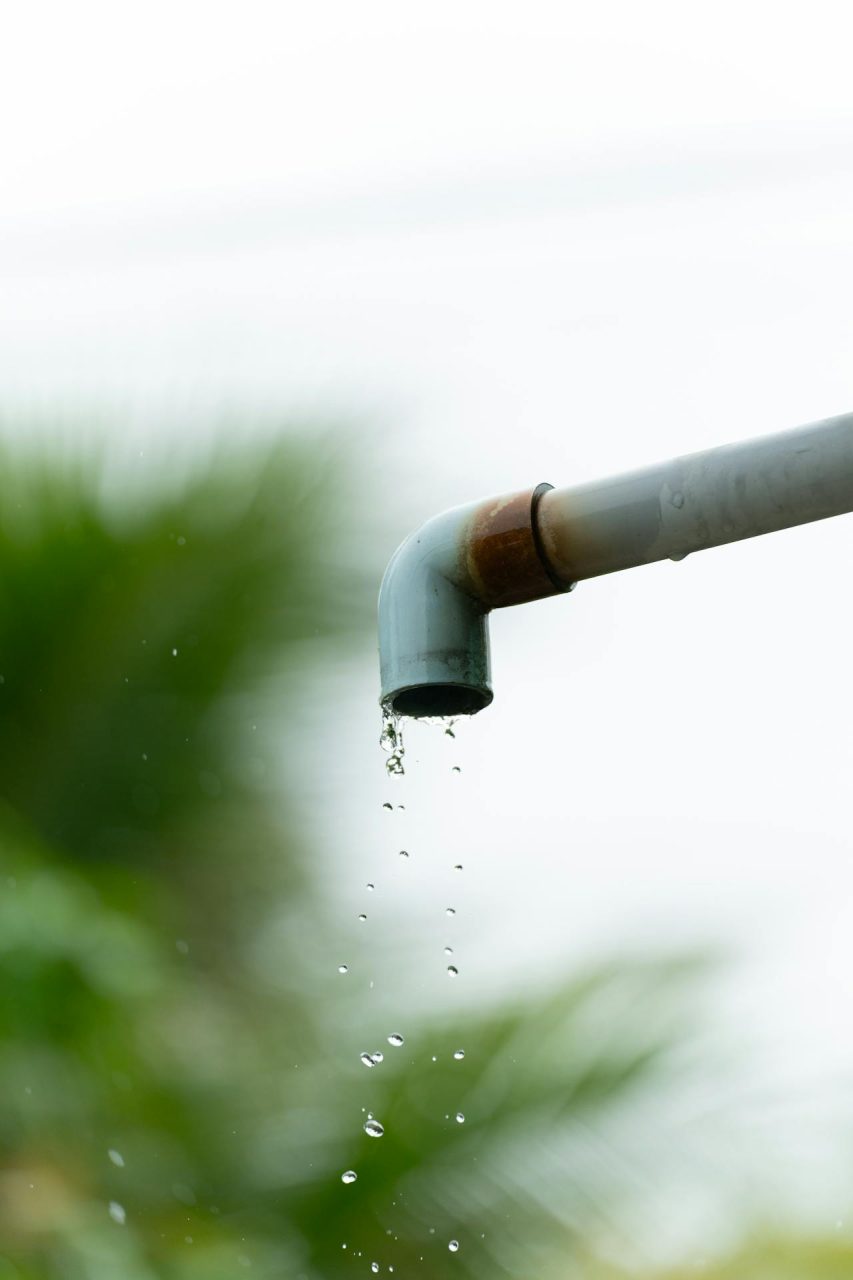
The Chemistry Of Decay
Mineral buildup occurs when mineral-rich water, primarily calcium and magnesium, passes through pipes, faucets, or fixtures. These minerals are from hard water, which is very prevalent all over the world. As hard water flows through plumbing, it deposits a chalky layer that adheres to metal, plastic, or ceramic surfaces. We call this chalky layer scale. In time, scale impedes water flow, reduces pressure, and impairs fixture function. Hot water accelerates this process, which is why water heaters typically end up with thick scale inside them. This causes them to consume more power and reduces their lifespan.
The chemistry of scale is straightforward, and a real pain. When calcium and magnesium come into contact with the metal or plastic in pipes, they react and begin to cling. If oxygen is available, it initiates corrosion, particularly in metal pipes. Corrosion decays the pipe internally and, in the process, microscopic particles of metal can enter the water. Sometimes, toxic things like lead or copper leach into your tap water, not only altering its taste or odor but also making it more dangerous. Different minerals do their own thing. For instance, iron in water can cause reddish staining and a metallic taste, while manganese can turn water brown or black and give it a strange smell.
How fast pipes break down depends on factors such as water temperature, pH, and oxygen content. Hot water causes the minerals to settle faster, and therefore, your bathroom and kitchen fixtures wear out faster. If the water is more acidic or basic, it reacts more with the pipe material, accelerating decay. Periodic maintenance, like descaling or flushing the system, can delay this. Water treatment systems, such as softeners or reverse osmosis filters, can help by extracting minerals from the water before it has a chance to reach your pipes. These systems simplify the maintenance of clean fixtures and extend their lifespans.
Proactive Fixture Protection
Proactive fixture protection is all about protecting plumbing fixtures from hard water damage. In most places, hard water is loaded with calcium and magnesium. These minerals, over time, create deposits that clog, stain, and corrode metal, ceramic, or plastic fixtures. This buildup lowers water pressure, shortens the lifespan of dishwashers and water heaters, and drives up utility costs by causing systems to work harder. Installing a water treatment system, like a whole-home water softener, is a great way to minimize mineral buildup. Routine checkups save money on repairs or replacements by catching issues early. Knowing your plumbing system’s requirements is key to selecting appropriate protection.
Effective strategies for proactive fixture protection:
- Buy a water softener to minimize calcium and magnesium deposits.
- Clean fixtures regularly using products designed for limescale.
- Schedule professional plumbing inspections at least once a year.
- Educate yourself on the water quality in your area.
- Maintain a log of appliance and fixture maintenance.
Regular Cleaning
Cleaning fixtures on a regular schedule prevents mineral buildup before it becomes visible or damaging. Prevention is easier if you use the right products. Regular soaps can’t break down limescale, but hard water-specific cleaners do a better job. Think faucets, showerheads, and anywhere water pools or dribbles slowly.
Proactive fixture protection. Stains and buildup not only damage performance but can also leave homes feeling less fresh. Regular maintenance saves costly fixtures and maintains water at optimal pressure.
Easy daily habits, such as drying sinks and taps after you use them, go a long way. Little things can save you from big fixes down the road.
Water Treatment
Water softeners for the whole house replace calcium and magnesium with sodium, stopping limescale before it starts. Reverse osmosis filters out many minerals and impurities, making water safe for drinking and perfect for your appliances. For specific areas like kitchen faucets, point-of-use filters can provide extra protection. You can also use chemical water conditioners to help break down existing scale and stop new buildup. Every home has different water needs. With the right treatment, you can avoid most mineral buildup, saving you money and effort. Our specialists can test your water and recommend the best solution.
Professional Inspection
Taking Care of Your Fixtures. It’s easy to notice when something is wrong with your plumbing. A plumber can find slow leaks, early signs of limescale, or broken valves before they turn into bigger problems. Finding these issues early can save you money and help you avoid expensive repairs later. Getting good advice means you’ll have solutions that fit your home and the type of water you have. Regular check-ups should be part of your upkeep plan.
Conclusion
Mineral buildup isn’t just an aesthetic issue—it can block water flow, corrode pipes, and drastically shorten the lifespan of your plumbing fixtures. Hard water accelerates this process, turning simple cleaning into costly repairs. Stubborn stains, crusty deposits, reduced water pressure, rust, or cracks are clear signs of underlying damage.
With regular inspections and professional solutions from Yorkshire Plumbing & Drain Services, you can catch these problems early, prevent long-term damage, and save money. Simple steps like using water softeners or timely maintenance go a long way, but expert guidance ensures your system stays safe and efficient. Monitor for early warning signs, act promptly, and consult our team for tips on protecting your fixtures and choosing the right tools.
Don’t wait for problems to escalate. Proactive care with Yorkshire Plumbing & Drain Services keeps your plumbing flowing smoothly for years to come.
Frequently Asked Questions
1. What Is Mineral Buildup In Plumbing Fixtures?
It happens when dissolved minerals, such as calcium and magnesium, settle on surfaces inside faucets, showerheads, and pipes. This typically occurs in hard water areas.
2. How Does Mineral Buildup Damage Fixtures Over Time?
Minerals can clog, corrode, and deteriorate your fixtures. This eventually causes leaks, reduced water pressure, and expensive repairs or replacement.
3. Which Signs Indicate Mineral Buildup On Fixtures?
Typical indicators are white or chalky deposits, low water pressure, and irregular mist patterns. Fixtures can be harder to clean or crust over.
4. Can Mineral Buildup Affect Appliances Beyond Faucets?
Yes, mineral deposits can destroy dishwashers, washing machines, and water heaters. This results in diminished efficiency, increased energy consumption, and shorter appliance lifetimes.
5. What Causes Mineral Buildup In The First Place?
Mineral buildup occurs due to hard water. Hard water is rich in dissolved minerals, which fall out and become deposits when passing through plumbing.
6. How Can I Prevent Or Reduce Mineral Buildup?
Frequent cleaning, water softeners, and filters can address deposits. Regular maintenance maintains fixture efficiency and longevity.
7. Is Mineral Buildup Harmful To Health?
Mineral buildup is not dangerous to your health. It can harbor bacteria or impact water quality if neglected for extended periods.
Hard Water, Mineral Buildup & Pipe Corrosion: What Santa Rosa Homeowners Should Know
Hard water can quietly damage a plumbing system over time. Mineral deposits from calcium and magnesium gradually build up inside pipes, fixtures, and appliances, reducing water flow, lowering efficiency, and increasing the risk of corrosion. Left unchecked, this buildup can lead to costly repairs, failing water heaters, and premature pipe replacement. Yorkshire Plumbing helps homeowners in Santa Rosa identify and manage hard water problems before they cause serious plumbing damage.
In many Sonoma County homes, mineral-rich water slowly leaves deposits inside plumbing lines. These deposits narrow pipes, clog fixtures, and place extra strain on water heaters and appliances. Warning signs may include reduced water pressure, white residue on faucets, longer heating times from water heaters, or discolored water coming from taps. Over time, mineral buildup can also contribute to pipe corrosion, weakening plumbing lines and increasing the likelihood of leaks.
Our team uses advanced diagnostic tools to inspect plumbing systems thoroughly, even when pipes run underground or behind walls. By identifying mineral buildup and early corrosion, we can recommend practical solutions that protect the system and extend the life of pipes, fixtures, and water-using appliances. Clear explanations and straightforward options help homeowners understand what is happening and how to prevent further damage.
No guesswork. No unnecessary upsells. Just honest information and reliable plumbing solutions designed to protect your home’s plumbing system.
With nearly a decade of experience serving Sonoma County, this family-owned company has built a reputation for careful workmanship, honest service, and dependable results. Yorkshire Plumbing does more than repair pipes. We help homeowners understand how hard water affects plumbing systems and provide solutions that reduce mineral buildup and prevent corrosion.
If you’re concerned about hard water, mineral buildup, or pipe corrosion affecting your plumbing system, contact Yorkshire Plumbing today for a professional evaluation and practical guidance.
Disclaimer
The information provided on this website is for general informational and educational purposes only and is not intended as professional plumbing or construction advice. You should consult with a licensed plumber or qualified contractor for guidance specific to your home or situation. Do not rely solely on the content of this site to make decisions about plumbing repairs, installations, or maintenance. While we strive to keep the information current and accurate, it may not reflect the most recent industry standards or code requirements. Yorkshire Plumbing & Drain Services disclaims all liability for any actions taken or not taken based on the content of this site, to the fullest extent permitted by law.