Key Takeaways
- Hard water in Santa Rosa comes primarily from local groundwater and the Russian River system. Both sources have increased mineral content from the surrounding rock.
- These common minerals build up in pipes and appliances, causing reduced efficiency, frequent clogs, and increased maintenance for homes.
- Hard water causes spotty dishes, dingy laundry, and itchy skin. It causes plumbing and appliances to fail prematurely.
- Unrelenting hard water issues affect every Santa Rosa household’s bottom line, including energy usage, utility costs, and costly repairs or replacements.
- Recognizing and treating hard water involves knowing your water quality report, exploring treatment options like salt-based softeners, salt-free conditioners, or whole-home filtration, and potentially hiring a professional installer.
- Regular maintenance, routine inspections, and proactive water testing are all necessary to reduce damage, enhance water quality, and optimize the long-term resilience of plumbing systems in Santa Rosa homes.
Many homes in Santa Rosa face problems caused by hard water, which has a lot of calcium and magnesium. The water often comes from local wells or city supplies that have these minerals. You might see white spots on your faucets, showerheads, or dishes. Clothes can feel stiff, and colors may fade quickly. Soap and shampoo may not bubble up well, which can make your skin feel dry and your hair rough. Hard water can also harm appliances like water heaters and dishwashers, making them work less efficiently over time. Knowing about these problems can help homeowners find ways to fix them. The following sections will explain each issue in more detail.
Santa Rosa’s Hard Water
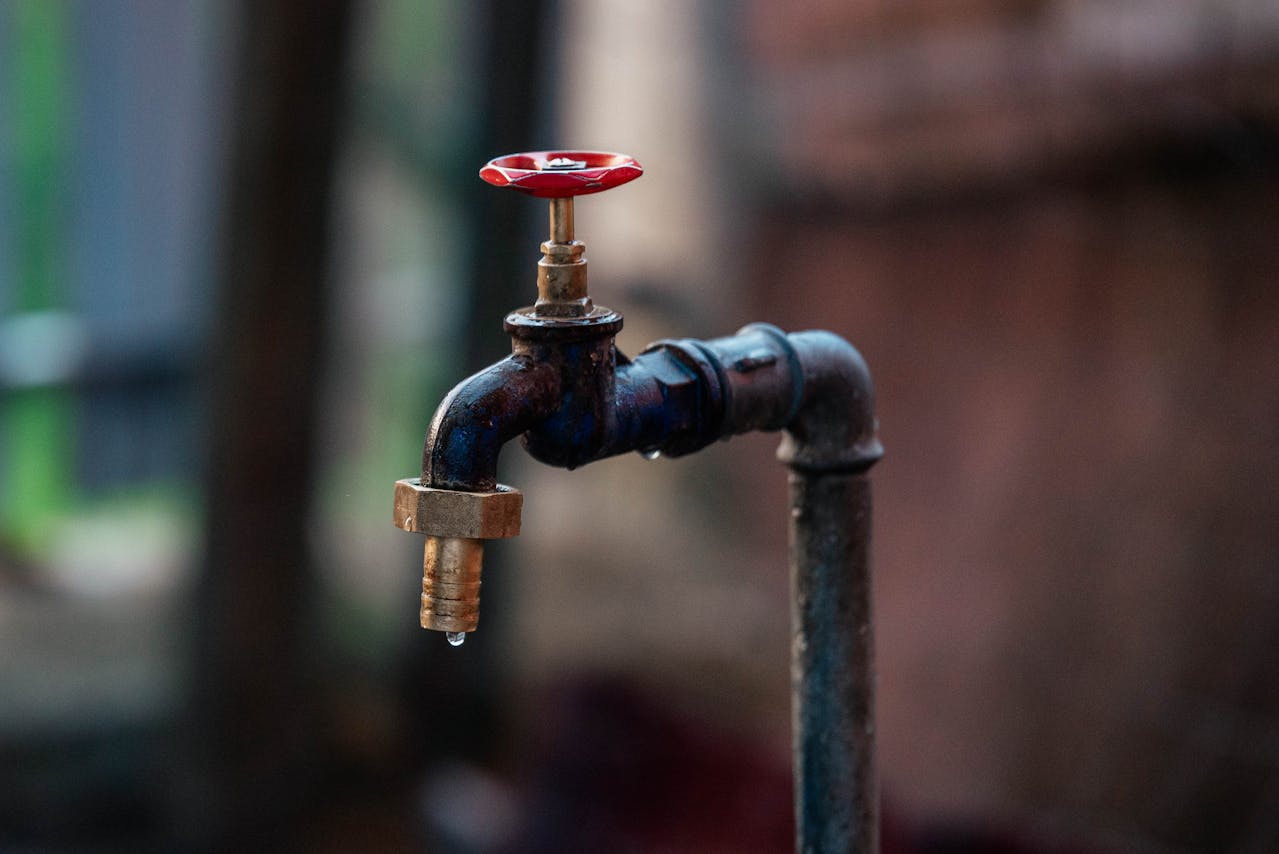
Santa Rosa homes battle hard water problems because of the area’s geological history and water sources. With both the local municipal supply and groundwater wells sourcing from mineral-rich aquifers and the Russian River, Santa Rosa’s water is hard, permeating the way we use water daily and affecting our household systems.
The Source
Santa Rosa gets its water from two main sources: the Russian River system and local groundwater. While the Russian River supplies a large percentage of municipal water, its flow is seasonal and impacts the hardness. During drier months, we depend more on groundwater, which is typically more mineralized. Local treatment plants address contaminants and some hardness, but their methods are designed for pathogens, not dissolved minerals. Seasonal shifts, notably lower river flow in late summer, push up the percentage of groundwater used, boosting the average hardness in tap water. Households experience differences in soap efficiency and appliance functionality during these transitions.
The Minerals
Hard water contains a variety of naturally occurring minerals that, while not always harmful in small amounts, can create long-term issues for plumbing systems, appliances, and even daily household tasks. Understanding what these minerals are and how they behave helps explain why hard water leads to reduced efficiency, higher costs, and noticeable changes in water quality.
- Calcium carbonate
- Magnesium sulfate
- Iron
- Manganese
- Trace silica
Minerals in hard water accumulate within pipes and water heaters, forming scale that gradually reduces efficiency over time. This buildup can cause water heaters to lose up to 29% of their efficiency, increasing annual energy costs by approximately $150 to $300. Even high-efficiency dishwashers and washing machines are affected, as scale interferes with performance and may even void manufacturer warranties.
The health impact of these minerals varies. Calcium and magnesium are essential nutrients, but in high concentrations, they can affect water taste and cooking results. Vegetables boiled in hard water may lose their texture and absorb fewer nutrients. Meanwhile, minerals like iron and manganese can cause staining and discoloration and may pose health concerns when present in excessive amounts. Standard refrigerator filters typically do not remove these minerals, leaving appliances and plumbing systems exposed to ongoing buildup and damage.
Geology Type | Contribution to Hardness | Common Minerals |
Alluvial Soils | High | Calcium, Magnesium |
Volcanic Rock | Moderate | Iron, Manganese |
Sandstone | Low | Trace Silica |
The Measurement
Understanding how water hardness is measured is essential for identifying potential issues in your home and choosing the right treatment solution. These measurements help quantify mineral content, compare water quality standards, and determine when action, such as installing a softener, is necessary to protect plumbing and appliances.
- Parts per million (ppm) shows the mass of minerals per liter, with levels above 120 ppm considered problematic.
- Grains per gallon (gpg) is used in the US, with 7 gpg marking hard water.
- Milligrams per liter (mg/L) is equivalent to parts per million (ppm) for most minerals.
Santa Rosa’s annual water quality reports clearly illustrate how hardness levels and total dissolved solids (TDS) fluctuate throughout the year. TDS values provide a broader view of overall mineral content, helping families make informed decisions about their water quality. Home test kits are also widely available; most use test strips or titration methods and provide results in both ppm and gpg. If you’re tired of replacing worn-out appliances, installing a water softener can save you approximately $100 to $200 per year and significantly reduce repair needs.
Common Hard Water Problems
Hard water is a pervasive issue, impacting Santa Rosa households as well as those around the world. Its primary offenders are calcium and magnesium acquired as water passes over mineral-abundant rocks, such as limestone and dolomite, which are common in California. Hard water can cause lasting damage, making household maintenance a hassle and expensive. Early indicators, such as white film on shower doors, spotty dishes, or dingy laundry, should not be overlooked. They typically indicate mineral buildup underneath that, over time, destroys pipes, reduces appliance life, and drives up costs.
- Scale buildup in appliances reduces efficiency and voids warranties.
- Clogged pipes, leaks, and early fixture wear.
- Spotty dishes and glassware, dull laundry.
- Skin irritation and dryness.
- Higher cleaning and maintenance costs.
1. Appliance Damage
High-efficiency appliances, like water heaters, are vulnerable to scale from hard water. Mineral deposits coat heating elements, forcing them to work overtime and consume more energy, and possibly burn out prematurely. This buildup doesn’t just bog them down; it can void warranties if neglected. Dishwashers and washing machines take a hit as minerals coat their inner components, leading to breakdowns or leaks. Repairs for these issues can be expensive, sometimes more than an appliance replacement. As with any hard water sanitizer, regular maintenance is key, such as soaking removable parts in white vinegar to dissolve scale. Over time, avoiding this step can translate to significantly increased expenses and more replacements.
2. Plumbing Clogs
The mineral accumulation constricts pipes and fixtures, reducing water flow and intensifying pressure. This can cause leaks or burst pipes, especially when water hardness is above 120 ppm. Toilets frequently become ‘running’ when calcium stops flappers and fill valves from sealing, wasting hundreds of litres per month. I hear signs of plumbing trouble, such as slow drains and slow flow. DIY fixes, like vinegar soaks, assist in unclogging small blockages. However, consistent build-up typically requires expert care.
3. Skin Irritation
Hard water divests skin of its natural oils, leaving it dry and irritated. This is particularly harsh on sensitive skin, like in kids or the elderly. Eczema sufferers have long witnessed repeat flare-ups exacerbated by mineral-laden water. They can help relieve the symptoms by using gentle soap, moisturizing after bathing, and using humidifiers, but the cause is still there until you condition your water.
4. Dull Laundry
Minerals keep detergent from doing a good job, so your clothes come out looking dingy and stiff. Do you find yourself needing extra soap, which seldom remedies the situation? Mineral build-up can weaken fibers, reducing garment life. To combat this, pair your laundry boosters with water softening products to keep clothes smelling fresh.
5. Spotty Dishes
Spots and cloudy film on dishes after washing in hard water occur because minerals react with dish soap, leaving it less effective and leaving residue. A wipe with vinegar after or rinse aids can assist, but a water softener is the best way to be assured of sparkling clear glassware every time.
The Hidden Cost Of Hard Water
Hard water is invisible, but the financial cost to Santa Rosa families is real. That mineral-rich water can eat away at your plumbing, increase energy costs, and escalate your regular maintenance costs. The table below outlines some common financial impacts:
Issue | Estimated Cost (USD) | Example Impact |
Energy loss from buildup | $150–300/year | Water heater efficiency drops by 29% |
Appliance repairs | $50–200/repair | Dishwasher and washing machine failures |
Early replacements | $400–2,000/ appliance | Shorter lifespan for heaters, kettles |
Plumbing repairs | $100–300/visit | Clogged pipes, reduced water pressure |
Overall community cost | $43 million (Santa Rosa) | Response to water contamination |
Higher Bills
Hard water minerals accumulate in water heaters, creating a scale that makes heaters labor more. That inefficiency drives bills higher. Energy costs are as much as $150 to $300 more a year. It results in families facing higher monthly utility bills, particularly if appliances like kettles or washing machines start to lose performance.
Showers and faucets with mineral build-up flow more slowly, causing people to use more water to accomplish the same task. In households with long-shower teens, contaminants increase exposure and create health and energy issues. Hard water problems are an unseen financial drain. Cutting hard water problems often pays for itself with lower bills for water and energy, giving back savings every month.
Frequent Repairs
Minerals in hard water create deposits inside pipes and appliances. When scale lines clog, water flows more slowly, and pressure decreases. This results in increased plumber visits to repair stuck valves or replace corroded fixtures. Every trip can add up, particularly if maintenance becomes regular.
Over time, dishwashers or washing machines break down more often, contributing to repair expenses. Homeowners might notice chalky deposits inside kettles and on taps, an obvious indicator of scaling. Basic measures such as routine cleaning and water softeners reduce repair frequency and keep those bills controlled.
Early Replacements
Hard water makes appliances work harder and wear out sooner. Heating elements in water heaters, washing machines, or dishwashers corrode and must be replaced prematurely. Purchasing new appliances every few years, instead of their anticipated lifespan, often accumulates four hundred to two thousand dollars per unit.
Regular maintenance and using filters or softeners can extend their lifespan. A few of the newer models are made to withstand mineral damage, so making the upgrade will pay for itself.
Beyond Minerals And Hardness
Hard water isn’t the only problem for homes in Santa Rosa. Other issues like strange tastes, odors, and possible contaminants can often go unnoticed. To truly understand your water quality, it’s important to conduct a thorough test. These hidden dangers can impact both health and daily life. That’s why it’s crucial to look beyond just hardness and address all potential water concerns with advanced filtration and treatment options.
Taste And Odor
Hard water frequently contributes a metallic taste or smell to tap water. This can make it less enjoyable for drinking, cooking, or even laundering. In many cases, residents report a chemical aftertaste. Chlorine, which is used extensively in California to disinfect tap water, is a prime culprit. Though good at killing bacteria, chlorine can impart a harsh, chemical aftertaste and generate an unpleasant odor.
To make it taste better, most households add carbon filters or reverse osmosis to the process. These filters eliminate chlorine, minerals, and particulates that lead to poor taste and odor. In addition to hardness, a good filter makes water taste better, which in turn promotes healthy drinking habits. It assists in cooking since purer water maintains the inherent flavors of food and beverages.
Potential Contaminants
Santa Rosa’s water supply could be the proverbial cocktail of contaminants — hexavalent chromium, nitrates, and heavy metals. Hexavalent chromium, the so-called “Erin Brockovich chemical,” occasionally goes over local health criteria. Nitrates, typically from agricultural runoff, and chlorine are frequent gripes as well. Kids, whose skin is thinner, soak in chemicals as much as 40% more rapidly than adults, particularly in baths and showers. With the skin capable of absorbing up to 64% of contaminants during a 10-minute shower, bathing is a significant route of exposure. Frequent water tests are essential for identifying these dangers in their infancy. Knowing what’s in the water lets homeowners select a targeted filter, making water safer for uses beyond just drinking.
Disinfection Byproducts
Chlorine disinfection, though essential, can produce dangerous byproducts when it combines with organic material. Trihalomethanes (TTHMs) such as chloroform and bromodichloromethane are a concern. Beyond hardness, why else should we worry about TTHMs? Well-designed water treatment systems that address both chlorine and its byproducts can mitigate these issues. Utilizing a premium activated carbon filter or even a whole house filtration system can reduce exposure to these byproducts in all household water — not just the tap.
Your Water Softening Options
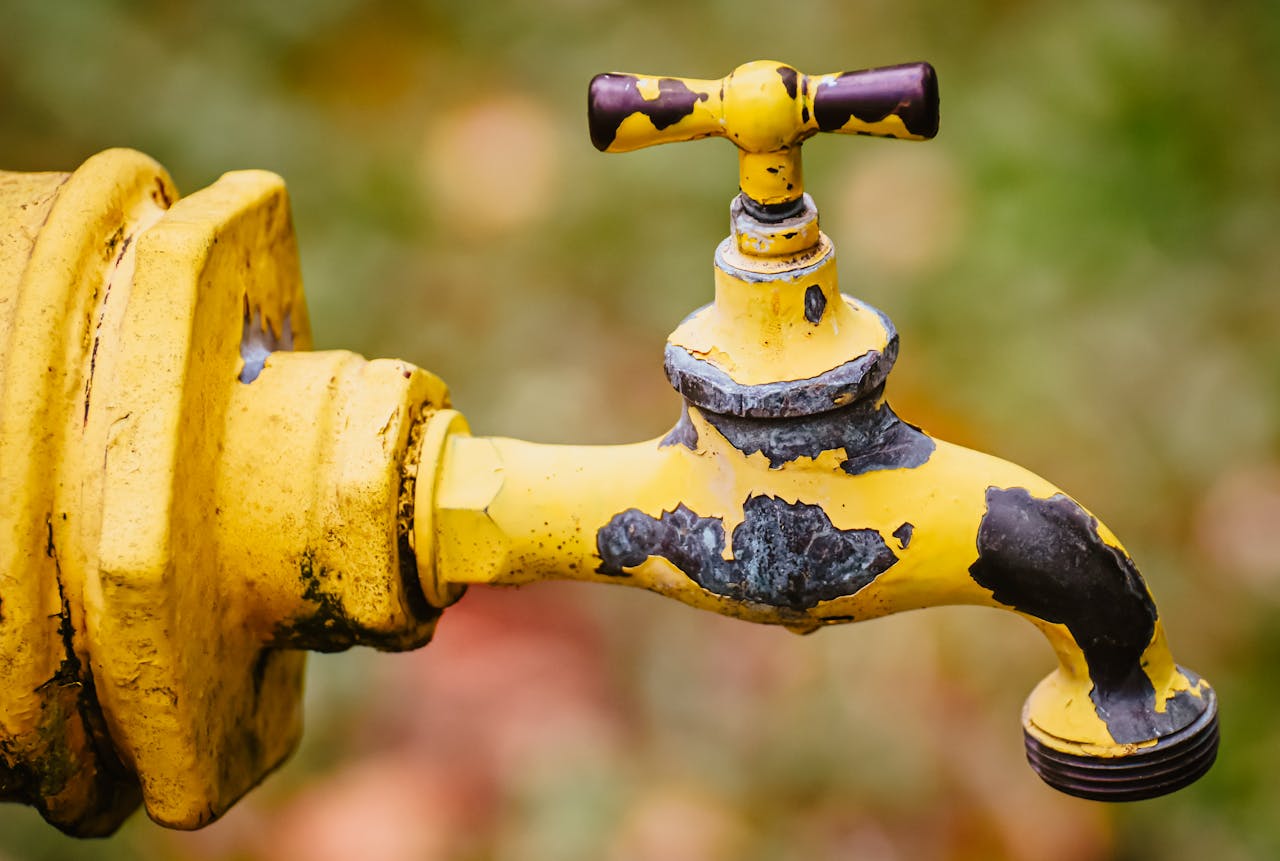
Hard water is a common occurrence in Santa Rosa residences, leading to cloudy dishes, persistent water stains, and white soap scum on bathroom surfaces. Mineral deposits can cause clogged pipes and fixtures, decreased water pressure, and more frequent appliance replacement. Choosing the right water softening solution requires educating yourself on the options, their pros and cons, and crucial considerations such as water hardness, household needs, and installation requirements. Here’s a somewhat organized breakdown of the most popular water softening options.
- Salt-Based Systems
Salt-based softeners soften water through ion exchange, pulling calcium and magnesium, the main offenders in hard water, out. These systems do a good job of maintaining household water softness and preventing scale buildup. They’re particularly useful for households facing constant appliance repairs or intensive house cleaning. The big advantage is their demonstrated capacity to extend the lifespan of water heaters, dishwashers, and washing machines. On the maintenance side, you need to add salt regularly and occasionally clean the brine tank. Certain models come with smart regeneration, which runs only when necessary, conserving both salt and water. Salt discharge may be an environmental issue in places with tight wastewater regulations.
- Salt-Free Conditioners
Salt-free water conditioners don’t eliminate the minerals but alter their form so that they won’t adhere to things. These systems are low-maintenance and salt-free, perfect for those concerned about environmental impact or sodium consumption. They’re quick to install and low maintenance, usually just a filter change. They won’t be as powerful for very hard water homes or even those looking to rid all mineral spots. Salt-free units perform best in medium-hard scenarios and for users primarily concerned with scale prevention in plumbing, not complete water softening.
- Whole-Home Filtration
Whole-home filtration systems address more general water quality issues. They will filter out sediment, chlorine, and occasionally heavy metals, as well as minor hardness. These systems condition taste and odor, provide pure water at every faucet, and typically require just yearly filter replacements. It installs more slowly than point-of-use units, but many homeowners can do so themselves in a matter of hours. Over time, these systems can save you money associated with appliance wear and filter swaps. They are ideal for families worried about both hardness and water quality.
Proactive Plumbing Protection
Proactively defending your plumbing from hard water begins with understanding how minerals in water attack metal and plastic pipes. When these minerals accumulate, they create scale, soap scum, and even clog pipes. That causes lower water pressure and more expensive repair and energy bills. In Santa Rosa and beyond, hard water equals bigger bills and more time repairing. The optimal solution to preventing these issues is to act prior to their exacerbation.
Routine maintenance involves inspecting pipes, taps, and home appliances regularly. Easy things like descaling with vinegar or a commercial solution can help dissolve mineral deposits. This keeps washing machines, dishwashers, and water heaters running longer. Scraping aerators and showerheads prevents clogs and keeps the water pressure nice and smooth. Hard water makes water heaters work harder, so peeling off scale saves energy. Untreated hard water scale can add $150 to $300 to heating bills per year on average.
Getting pros to take a peek at pipes detects problems before they bloom. Experts can detect hairline leaks, vulnerable pipes, or even early indications of scale you might overlook. They can test water hardness, so homeowners know what they’re up against. Inspections can catch the need for bigger fixes early or prove when it’s time to add new tools like water softeners or filtration. Such checks save about 15 percent on annual repair costs.
Water treatment systems are a clever way to battle hard water. One of the best long-term answers is to install a water softener. Softened water leads to less scale, slicker operation for every appliance, and cleaner pipes. A softener means about 35% less detergent in the laundry because soap works better in soft water. Cooking with soft water helps food, in particular vegetables, retain texture and vitamins. For an extra edge, a whole-house filtration system can guard you against more than minerals and other chemicals or contaminants, too.
Conclusion
Hard water can quietly wreak havoc on Santa Rosa homes. Limescale builds up in pipes, taps, and water heaters, causing appliances to wear out faster and driving up utility bills. Soap scum leaves skin and hair feeling unclean, and dishes never shine. Many homeowners don’t notice these signs at first, but over time, the damage adds up—and quickly.
The safest way to prevent long-term damage is proactive maintenance. Yorkshire Plumbing & Drain Services offers expert inspections and solutions to identify and fix issues before they escalate. From installing water softeners or filters to professional pipe and equipment checks, their team ensures your plumbing stays healthy. Spot problems early, act fast, and save both your home and budget.
Don’t wait for small issues to turn into costly repairs. Reach out to Yorkshire Plumbing & Drain Services today and safeguard your home with trusted, local plumbing expertise.
Frequently Asked Questions
1. What Is Hard Water, And Why Is It Common In Santa Rosa Homes?
Hard water is filled with minerals, primarily calcium and magnesium. In Santa Rosa, natural underground sources lead to elevated mineral contents in tap water.
2. How Can Hard Water Affect My Daily Life?
Hard water can prevent soap from lathering effectively, spot dishes, and make laundry feel coarse. It can cause dry skin and lackluster hair post-shower.
3. What Are The Most Common Plumbing Problems Caused By Hard Water?
Hard water often causes limescale in pipes and appliances. This slows water flow and can wear out your water heater, dishwasher, and washing machine sooner.
4. Does Hard Water Increase Home Maintenance Costs?
Indeed, hard water can increase maintenance costs. Limescale buildup can cause appliances to break down more quickly and consume more energy, which raises repair and utility costs.
5. Are There Any Health Risks From Drinking Hard Water?
Hard water is safe to drink. It’s not harmful; it can alter the flavor because of the minerals.
6. What Water Softening Options Are Available For Santa Rosa Homes?
Salt-based water softeners, salt-free conditioners, and reverse osmosis systems are some of the more popular choices. There are advantages to both depending on your requirements and budget.
7. How Can I Protect My Plumbing From Hard Water Damage?
Installing a water softener or regular descaling treatments is a great way to prevent mineral buildup. Regular service from a professional plumber assists in maintaining your pipes and appliances healthy.
Hard Water, Mineral Buildup & Pipe Corrosion: What Santa Rosa Homeowners Should Know
Hard water can quietly damage a plumbing system over time. Mineral deposits from calcium and magnesium gradually build up inside pipes, fixtures, and appliances, reducing water flow, lowering efficiency, and increasing the risk of corrosion. Left unchecked, this buildup can lead to costly repairs, failing water heaters, and premature pipe replacement. Yorkshire Plumbing helps homeowners in Santa Rosa identify and manage hard water problems before they cause serious plumbing damage.
In many Sonoma County homes, mineral-rich water slowly leaves deposits inside plumbing lines. These deposits narrow pipes, clog fixtures, and place extra strain on water heaters and appliances. Warning signs may include reduced water pressure, white residue on faucets, longer heating times from water heaters, or discolored water coming from taps. Over time, mineral buildup can also contribute to pipe corrosion, weakening plumbing lines and increasing the likelihood of leaks.
Our team uses advanced diagnostic tools to inspect plumbing systems thoroughly, even when pipes run underground or behind walls. By identifying mineral buildup and early corrosion, we can recommend practical solutions that protect the system and extend the life of pipes, fixtures, and water-using appliances. Clear explanations and straightforward options help homeowners understand what is happening and how to prevent further damage.
No guesswork. No unnecessary upsells. Just honest information and reliable plumbing solutions designed to protect your home’s plumbing system.
With nearly a decade of experience serving Sonoma County, this family-owned company has built a reputation for careful workmanship, honest service, and dependable results. Yorkshire Plumbing does more than repair pipes. We help homeowners understand how hard water affects plumbing systems and provide solutions that reduce mineral buildup and prevent corrosion.
If you’re concerned about hard water, mineral buildup, or pipe corrosion affecting your plumbing system, contact Yorkshire Plumbing today for a professional evaluation and practical guidance.
Disclaimer
The information provided on this website is for general informational and educational purposes only and is not intended as professional plumbing or construction advice. You should consult with a licensed plumber or qualified contractor for guidance specific to your home or situation. Do not rely solely on the content of this site to make decisions about plumbing repairs, installations, or maintenance. While we strive to keep the information current and accurate, it may not reflect the most recent industry standards or code requirements. Yorkshire Plumbing & Drain Services disclaims all liability for any actions taken or not taken based on the content of this site, to the fullest extent permitted by law.