The most common code violations found in older homes include outdated wiring, lack of ground fault circuit interrupters (GFCIs), missing or faulty smoke detectors, poor ventilation, and improper plumbing. Outdated electrical systems, such as knob-and-tube wiring or ungrounded outlets, are some of the most common code violations in older homes. Almost every older home lacks GFCIs near sinks or outdoors, and it’s a standard safety code now. Smoke detectors may not work well. Bathrooms and kitchens are occasionally not ventilated well, resulting in moisture issues. Plumbing isn’t necessarily up to current codes, with antiquated pipes that leak or corrode. Being aware of these issues allows homeowners or buyers to verify safety and prepare for necessary repairs or updates. The next paragraphs provide additional information about each.
Key Takeaways
- Check older homes for code violations associated with outdated materials such as lead pipes, asbestos insulation, and galvanized steel.
- Make sure all venting systems, particularly for gas appliances and exhaust fans, are correctly installed and vented to avoid gas accumulation and moisture issues.
- Inspect the home’s drainage and grading to reduce the potential for water damage, mold, and structural concerns.
- Inspect plumbing and electrical hookups for wear, corrosion, loose fittings, or temporary fixes that require a more permanent solution.
- There are a number of common code violations found in older homes, such as confirming the presence and access to shut-off valves, smoke detectors, handrails, and other safety features.
- Work with licensed professionals and local permitting processes to upgrade systems, improve compliance, and reduce long-term risks.
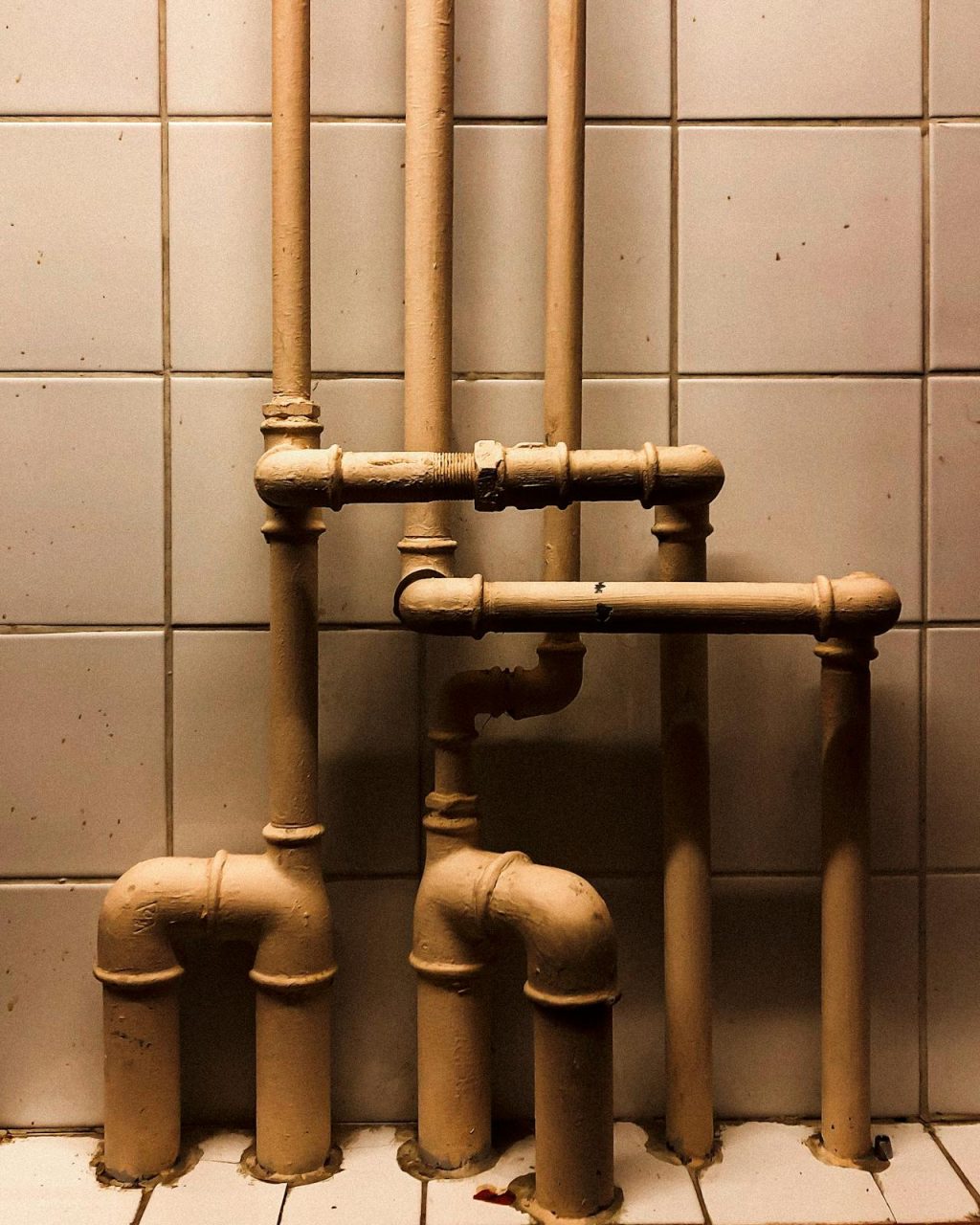
Common Plumbing Code Violations
Older homes often have plumbing that does not meet current building codes. Many issues arise from outdated techniques, degraded materials, or previous repairs performed without a home inspection. These code violations can create major safety hazards and jeopardize the building’s integrity.
- Lead pipes pose health risks, especially in drinking water lines.
- Galvanized steel pipes corrode and restrict flow. They are common in pre-1980 homes.
- Cast iron pipes are prone to internal decay, collapse, and blockages.
- Asbestos insulation is hazardous and was once used to wrap pipes for heat control.
- Outdated fixtures may not meet water efficiency or safety codes.
- Mixing incompatible materials: Old fittings with new pipes can cause leaks.
1. Outdated Materials
Lead, galvanized steel, or cast iron pipes remain in many homes, posing significant health hazards and potential risks of routine leaks. These outdated materials are often linked to construction code violations, as galvanized steel typically clogs from rust and cast iron can crack, causing sewer line failure. Pre-regulation fixtures may house unsafe components that do not comply with current building codes and lack water-saving benefits. Additionally, some insulation on these pipes could contain asbestos, a material now known to be hazardous to health, leading to inflated repair bills and a major safety issue.
2. Improper Venting
Venting systems should eliminate gases and moisture safely to adhere to current building codes. Without proper venting, sinks and toilets can gurgle or flush slowly, leading to potential hazards. Exhaust fans in kitchens and bathrooms must vent externally, as improper ventilation can foster mold and create hidden dangers for homeowners.
3. Inadequate Drainage
Drain pipes must slope at least 6.35 mm per 30 cm for effective gravity flow; otherwise, water can back up and collect. Blocked drains and water near the foundation are common red flags. Improper grading outside can channel water to the home, posing potential risks to building integrity.
4. Faulty Connections
Old homes often present potential risks such as loose fittings, worn joints, or patch jobs that can lead to code violations. Corroded connections may leak and cause water damage, creating a major safety issue. Quick fixes like tape or non-compatible parts are not long-term solutions and can result in common housing code violations.
5. Missing Shut-offs
Shut-off valves are critical for emergencies in every home. Many older homes lack them at sinks, toilets, or even the main line, which can lead to serious plumbing violations. Without convenient access, leaks can cause major damage before water can be shut off, highlighting common safety concerns.
Why Old Homes Have Issues
Old homes have their fair share of issues simply because current building codes and practices have evolved so much over time. Stuff that was safe or cheap a couple of decades ago might now be hazardous or outdated. For instance, pre-1978 homes may have lead paint. This paint can flake or chip, which is a health hazard, particularly for young children. Asbestos, which was used for insulation between 1930 and 1950, is another big problem. It can shatter into tiny fibers that damage the lungs when inhaled. Lead and asbestos are banned or severely restricted in many countries.
Many old homes used what was convenient or prevalent at the time, and that’s not always consistent with today’s building codes. Knob-and-tube wiring or aluminum wires, for instance, were fine at the time. Now, they’re frequently in violation of safety regulations and may ignite. Plumbing was another area of big change. A lot of older homes contain lead pipes, and lead can leach into drinking water. It’s a worldwide health issue, not just for one nation.
Some issues arise from deferring maintenance. Deferred maintenance appears as ancient roofs, cracked walls, or exhausted heating. These signs indicate something more substantial could be awry, like a fragile foundation. As homes age, they settle into the earth. This can leave beams sagging or floors tilting and compromises the safety of the house.
Old homes can have things lingering from previous improvements that are now hazardous or overlooked. Take, for instance, old buried oil tanks that leak and contaminate the soil. Plumbing can fail code if previous work wasn’t done to the new standards. This may be as simple as missing backflow valves or as large as confusing waste and clean water lines.
Building codes vary from location to location and over time. What was legal 50 years ago may not necessarily be permissible now. This is why a home that was inspected and insured when built may require dozens of updates today, even if nothing major was touched since, to avoid common housing code violations.
Critical Non-Plumbing Violations
Older homes are prone to critical code violations that can jeopardize the safety, health, and financial stability of your family. Beyond plumbing, these violations can affect structural integrity, electrical safety, and fundamental home protections. The table below compares several of the most common housing code violations, their potential risks, and the updates usually required.
Violation Type | Main Risk | Typical Update or Remedy |
Outdated electrical | Fire, shock, power loss | Panel replacement, GFCI outlet upgrades |
Structural damage | Collapse, injury, costly repairs | Foundation, wall, or roof repair |
Missing detectors | Fire, carbon monoxide poisoning | Install and test alarms |
Accessibility issues | Injury, legal non-compliance | Add ramps, widen doors, ADA upgrades |
Roofing violations | Leaks, storm damage, mold | Roof repair or replacement |
Electrical Systems
Old electric panels can be found in many homes constructed prior to the 1980s, often leading to common safety concerns. These panels frequently lack the capacity to support today’s appliances and technology, which increases the risk of fires. Additionally, aluminum wiring, common in homes from the 60s and 70s, may become loose or oxidized, creating a significant fire hazard. In Florida, electrical malfunctions result in tens of thousands of fatalities each year. Exposed wiring, sometimes left over from renovations, presents electrocution hazards and often does not comply with current building codes. Moreover, missing GFCI outlets in kitchens, bathrooms, or laundry areas heighten the risk of electric shock, especially in wet locations.
Structural Integrity
Wall and foundation cracks can indicate potential risks that may lead to serious problems. A single poorly executed renovation can compromise the entire home, leaving it less capable of withstanding storms or even everyday wear and tear. Sagging floors or ceilings may arise from water intrusion, termite damage, or failing support beams, which can be a major safety issue. If load-bearing walls were converted without reinforcement, they may no longer support upper levels or roofing. Water stains and soft spots in ceilings and walls are red flags that leaks or previous flooding have jeopardized the home’s structural integrity.
Safety Measures
Smoke and carbon monoxide detectors are crucial safety standards that are often absent or malfunctioning, as highlighted in a 2013 survey. These devices must be installed properly and tested regularly because they save lives. Additionally, handrails on staircases are necessary for safe navigation between floors, yet they are occasionally missing in older residences, creating potential safety hazards. Other common housing code violations include neglected emergency escapes, inadequate lighting in halls and stairwells, and a lack of handicapped-accessible exits, which are often overlooked in many homes.
The Real Dangers of Non-Compliance
Older homes often conceal common housing code violations that jeopardize health, safety, and your wallet. These issues frequently lurk unseen until a home inspection reveals them or a crisis occurs. Problems such as obstructed exits, outdated wiring, or lack of permits can transform ordinary living or commerce into a potential disaster. The impact goes well beyond just fixing; it can lead to significant financial burdens. The table below shows the main dangers of non-compliance:
Area | Examples | Risks and Impact |
Health & Safety | Exposed wires, blocked exits, faulty smoke alarms | Electric shock, fire, injuries, or even loss of life |
Financial | Fines, repairs, insurance hikes, lost revenue | Civil fines, high repair costs, more expensive insurance, lost productivity |
Liability | Lawsuits, denied claims, business reputation | Owner responsible for accidents, denied insurance, long-term damage to reputation |
It’s not just a per incident code violation fine. In many jurisdictions, fines accrue daily until the issue is resolved. A homeowner could face thousands in civil fines for lack of permits or unsafe work practices. There have even been instances where repeated infractions resulted in incarceration. For businesses, an audit can uncover violations with penalties substantial enough to jeopardize their future.
Liability is a significant concern for owners. The real risks of non-compliance arise when work is not performed correctly, as insurance companies may increase premiums or deny coverage for damage. If anyone is injured due to a code problem, such as a blocked escape route or a defective electrical panel, the owner can be sued for damages. This can result in years of expensive litigation and tarnish a business’s reputation. Certain violations, like exposed conductors or unsafe stairs, can lead to more serious accidents than mere injuries.
Compounding matters are hidden dangers. Many issues remain out of sight until a catastrophe or a full audit occurs. By that point, repairs tend to be far more expensive than if the issue had been addressed early. In unfortunate situations where businesses have to close for repairs, lost income compounds the burden. In certain audits, owners discovered substantial penalties from problems they were previously unaware of.
At worst, flouting current building codes has led to injury and loss of life. It’s not simply about regulatory compliance; the safety of individuals and property is on the line.
The Inspector’s Hidden Clues
Older homes often hide clues that point to potential housing code violations. Home inspectors look deeper than surface-level wear and tear, spotting patterns and warning signs that hint at bigger problems, unsafe repairs, or future failures. Their approach is systematic, examining documentation and assessing the overall condition to help homeowners avoid costly surprises.
Systemic Patterns
Reoccurring plumbing leaks, water stains, or low water pressure might indicate extensive plumbing problems, such as old galvanized pipes that are rusting from the inside out. Home inspectors are attuned to these recurring issues, understanding that one leak is usually a sign of other hidden dangers lurking under the surface. Neglect is evident in torn, missing, or painted-over certification labels, large gaps over 3 millimetres between doors and frames, or non-latching hardware. These facts, albeit minor, are connected to negligent maintenance and can lead to potential safety hazards.
Even previous home improvements can sometimes introduce new risks. Beams not sized for loads or bearing on proper support and wrong fire-rated caulking are common code violations. Absent blocking for braced wall panels weakens walls, and skimping with undersized OSB as fire blocking are red flags. Skipped maintenance patterns underscore continuing dangers and the need for review.
DIY Footprints
Unpermitted repairs are frequent in older homes. They can be anything from jury-rigged electrical wiring to plumbing work that’s not up to local code. Inspectors check for mixed outlets, exposed wiring, or unapproved extensions. DIY repairs frequently sacrifice safety with shortcuts like failing to connect self-closing mechanisms or installing non-rated door hardware.
The dangers of do-it-yourself renovations extend beyond personal safety. Non-compliant guardrails, shoddy stairs and temporary anchor bolts for foundations are serious hazards. Unpermitted work is cheap, but inspectors can’t resist and they know these ‘fixes’ will be redone by the professionals.
Future Failures
Older systems like panels or old pipes are at risk of breaking. Inspectors watch for elements such as obsolete fuse boxes or rusted supply lines that are on the verge of failure. When neglected, they can result in persistent leaks, circuit overloads, or even fires.
Proactive maintenance is your best defense. Inspectors emphasize upgrades and repairs when they are most timely, such as for anchor bolts, which are much more difficult to repair retroactively.
Navigating the Upgrade Process
Upgrading older homes comes with navigating rules that didn’t exist when the house was built. Building codes change over the years, so what was approved inspection-wise years ago may no longer be safe or lawful. A lot of homeowners want to patch old plumbing, install a few new outlets, or redo a kitchen, but need to first navigate local regulations and procedures to keep things above board and avoid potential housing code violations.
When dealing with plumbing, it’s crucial to check that all pipes are leak and corrosion-free. Replace any old-style pipes, such as lead or galvanized, with safer copper or PEX. All drains must have functioning traps to prevent sewer gases. Water heaters should be equipped with pressure relief valves and proper venting. Backflow prevention is another key aspect; certain locations require specific valves to prevent the water from back flowing. All sinks and toilets must have shut-off valves, and venting for drains along with standard distances for pipe fittings are mandated by current building codes.
Search for hose bibb vacuum breakers on outside spigots to prevent backflow. It is these little improvements that keep the water clean and safe, ensuring compliance with local housing code standards.
Conclusion
Older homes show their age in lots of ways, and code issues usually come out on top. Even loose wires in the walls, missing shut-off valves, or old pipes can show up quick during a check. Leaks, weak pipes, or bad fuses don’t just violate codes; they endanger health and safety. Upgrades keep things safe and smooth. Every fix, big or small, contributes to a safer home. Getting ahead of these issues saves you headaches down the line. For the second step, consult a professional or review local regulations. New information and a good plan lead to a less painful process. Stay safe and keep that old place humming!
Frequently Asked Questions
What are the most common code violations in older homes?
Old homes often present potential housing code violations, including outdated plumbing and electrical wiring, which can pose safety hazards like lack of ground-fault protection and unsafe stairs.
Why do older homes have more code violations?
Building codes are different now, and older homes may have common housing code violations, as their materials and systems might not meet current building standards.
Are plumbing violations dangerous in older homes?
Absolutely — plumbing violations such as lead pipes, suboptimal drainage, and improper venting can result in health risks and potential problems if not addressed.
What non-plumbing code violations should I watch for?
Be on the lookout for common safety concerns like electrical hazards, absent smoke detectors, unstable railings, and bad fire exits, as these issues often indicate potential housing code violations in older homes.
How can an inspector help identify code violations?
They search for hidden dangers, such as bad wiring or leaking pipes, that homeowners might not see during a home inspection. They give you a repair report.
What are the risks of not correcting code violations?
Ignoring common housing code violations can lead to safety hazards, health issues, or even legal problems, making it essential for homeowners to address these potential risks to protect their dream home.
How should homeowners upgrade old homes to meet codes?
Begin with a professional home inspection to identify potential housing code violations. Make repairs that have the highest safety impact first, such as electrical panels and plumbing, ensuring compliance with current building codes.
Plumbing Safety, Codes & Compliance In Santa Rosa: Avoid Violations Before They Cost You
Most plumbing problems don’t start as emergencies, they start as small issues that quietly fall out of code. Over time, those issues can turn into failed inspections, safety risks, and expensive repairs that disrupt your business. Yorkshire Plumbing helps Santa Rosa property owners stay ahead of it all with expert plumbing safety and compliance services designed to catch problems early and fix them the right way.
If your building has aging pipes, inconsistent pressure, outdated fixtures, or past work that may not meet current standards, there’s a good chance something isn’t up to code. These issues often stay hidden until they trigger bigger problems like leaks, contamination risks, or compliance failures. Our team takes a close look at your system, identifying where it falls short and what needs to be done to bring everything back into alignment.
We keep things simple and clear. You’ll get a straightforward explanation of what’s going on, what’s required, and how to fix it. Whether it’s upgrading fixtures, replacing old piping, correcting improper installations, or adding safety components like backflow prevention, we focus on solutions that protect your property and keep your business running without interruption.
Yorkshire Plumbing has built a strong reputation across Sonoma County by doing things the right way. Honest recommendations, careful work, and a focus on long-term results. We don’t just fix what’s broken, we help you stay compliant, avoid future issues, and move forward with confidence.
If you’re unsure whether your plumbing is up to code, now is the time to find out. Contact Yorkshire Plumbing today and take care of potential violations before they turn into costly problems.
Disclaimer
The information provided on this website is for general informational and educational purposes only and is not intended as professional plumbing or construction advice. You should consult with a licensed plumber or qualified contractor for guidance specific to your home or situation. Do not rely solely on the content of this site to make decisions about plumbing repairs, installations, or maintenance. While we strive to keep the information current and accurate, it may not reflect the most recent industry standards or code requirements. Yorkshire Plumbing & Drain Services disclaims all liability for any actions taken or not taken based on the content of this site, to the fullest extent permitted by law.