Key Takeaways
- Even small dripping faucets can cause significant structural, mold, and foundation damage over time, so early detection and repair are essential for preserving property integrity and reducing long-term costs.
- Regular checks of faucets, cabinets, and floors detect early moisture issues. Seasonal upkeep keeps hidden damage from getting worse.
- Santa Rosa’s special climate and water quality issues mean that residents have to change their plumbing habits, keep an eye on rain-related damage, and be aware of local water quality issues to safeguard their homes.
- Checking water bills for unexpected hikes and identifying any musty smells or staining offer residents key indicators of concealed leaks, encouraging early action before significant restoration is needed.
- Building a holistic home maintenance plan, encompassing regular inspections, water-efficient upgrades, and immediate professional intervention, is key to managing leaks well and protecting home health.
- Homeowners should know when to call a professional plumber, particularly for stubborn leaks, complicated repairs, or emergencies, to ensure that all plumbing work is completed safely and effectively.
Dripping faucets and hidden damage: what Santa Rosa residents should know. These tiny leaks usually signify concealed issues in pipes, valves, or wall spaces that may escalate. If water seeps into wood or drywall, mold, mildew, and even frame-weakening damage can develop. Most people don’t notice these problems until spots or stains show up, or the air begins to smell musty. Addressing a faucet promptly can halt these issues from extending and save money on repair costs down the road. Being aware of the warning signs and what to look for in terms of hidden damage keeps homes safer and expenses lower. The main post provides advice and action items for pre-season inspections and repairs.

The Sneaky Faucet Leak
A dripping faucet is never the headline concern, but the dangers lurking behind this small annoyance can be large. Just one drip a second can waste more than 11,000 liters of water a year. This statistic points to broader concerns about water conservation, particularly in drought-prone areas. The slow, steady leak, on the other hand, deafened in its own halo of routine, can insidiously accumulate to economic ruin, structural damage, and a host of other hidden dangers.
1. Structural Rot
The moisture from a dripping faucet can enter wooden beams and supports. Early indications are darkened wood, a musty odor, or spongy areas around sinks. Given enough time, even small drips can make wood swell, deteriorate, and rot, which compromises the structural integrity of cabinets, floors, and walls. Home safety becomes an issue as rot spreads and possibly affects support beams. By scheduling routine inspections of woodwork around plumbing fixtures, you’ll catch early problems before they intensify.
2. Mold Growth
Dampness near faucets and pipes makes a perfect breeding ground for mold. Mold can present itself as black or green patches or emit a lingering musty smell. These fungi can wreck surfaces and raise health concerns, particularly for allergic or respiratory sufferers. Remediation typically involves professional cleaning, removal of damaged materials, and making sure the space is completely dry. Maintain good ventilation and check regularly; that’s your defense against mildew.
3. Foundation Damage
Drip water from leaks can get to the foundation and erode or crack concrete. Even small drips unchecked can undermine foundation stability over months or years. Observing new cracks or uneven floors frequently indicates hidden water problems. Catch leaks early, and you reduce your risk of serious foundation damage. When you suspect foundation issues, a structural expert’s opinion is key to preventing expensive fixes.
4. Cabinet Warping
Kitchen and bathroom cupboards are often the first to display water damage from leaks. Swelling, discoloration, and warped panels may betray signs of continued exposure to moisture. If left unchecked, this degrades cabinet substrates, compromising both performance and longevity. If you repair leaks and dry things immediately, you can stop the damage from getting worse. In extreme cases, cabinet replacements are often required in conjunction with a larger restoration process.
5. Flooring Ruin
Water that seeps under floors can loosen tiles, damage wood, or blister laminate. Frequent inspections for soft spots or discoloration are the best way to catch damage early. When flooring is damaged by water, immediate restoration is required to avoid mold and structural rot. Use water-resistant materials and sealed joints to protect floors from future leaks.
Santa Rosa’s Unique Risks
Santa Rosa’s climate, geography, and water supply lead to plumbing hazards and hidden damage. Given the region’s history of flooding, strong storms, and building codes, residents need to take pragmatic action to reduce leaks and water loss. Local regulations and climate also help determine how homeowners and businesses address plumbing upkeep and repair.
Climate Impact
Santa Rosa’s unique risks include its unpredictable weather, which can be dry for months or feature quick, heavy storms. Temperature and moisture swings stress pipes, seals, and fixtures. Pipes may contract during cool nights and expand during heatwaves, resulting in cracks or loose joints. Wet seasons bring fierce storms and flash creek level rises, particularly around Mark West Creek and the Russian River. Water intrusion becomes a real risk for structures in these low-lying areas following wet winters.
Older or in-disrepair drainage systems might have a hard time coping with the surplus, particularly in regions with dense clay soils. This can cause water puddling around foundations and seeping into basements or crawlspaces. Because of Santa Rosa’s sloped valleys, some homes experienced more runoff. Building codes mandate that new buildings employ more elevated standards for waterproofing and drainage, but older residences might not have those safeguards. Extreme weather means residents must inspect for leaks or vulnerabilities after every storm.
Water Quality
Santa Rosa homeowners should understand how local water quality affects their plumbing systems. The mineral content, acidity, and even microbial presence in water can silently damage pipes and fixtures over time. Knowing the specific issues linked to your area’s water helps prevent leaks, extend appliance lifespan, and maintain a safer household water supply.
Issue | Impact on Plumbing | Risk of Leaks |
Hard water | Mineral buildup in pipes | High |
Sediment | Clogs in faucet aerators | Moderate |
Corrosive water | Pipe corrosion and pinhole leaks | High |
Microbial growth | Biofilm in pipes | Low |
Santa Rosa’s water is hard with lots of minerals like calcium and magnesium. These minerals accumulate inside pipes and fixtures. Over time, buildup constricts pipes and creates pressure spikes. This can cause loose fittings or burst joints. Sediment and particles can clog faucet screens or settle in tanks. Water that is too acidic or “corrosive” can literally eat away at pipes, resulting in little, hard-to-find leaks.
Santa Rosa’s unusual risks. This safeguards both plumbing and appliances. Residents can view local water quality reports from city or state sites. These reports assist in monitoring seasonal changes and emerging hazards. Filtering the water you use lowers the risk of leaks and improves the health of those drinking it.
Hidden Harm From Dripping Faucets
A slow drip in the wrong place can set off a domino cascade of unseen damage. The impact is frequently hidden and trickles up only after significant destruction. In new and old houses alike, a small leak can affect air quality, the structure of the home, and your bills. Common signs of hidden faucet damage include:
- Musty or unpleasant odors, especially near plumbing fixtures
- Water stains or discoloration on walls, ceilings, or floors
- Unusual increases in utility bills without other explanation
- Peeling paint or wallpaper near wet areas
- Visible mold or mildew, especially in humid environments
- Sounds of dripping water behind walls or under sinks
Odors
A musty smell is among the earliest clues that water damage is lurking behind walls or under cabinets. Dripping faucets let moisture hang around, and in humid climates, that can nurture mold and mildew. It’s usually most pungent in the vicinity of the source, around sinks or in closed cupboards. At times, the aroma is light and detectable only following an extended absence from the apartment.
The key is tracing the smell back to its source. Inspect beneath sinks, near faucet bases, and behind access panels. Moisture meters or even simple sniff tests can assist in pinning down the location. By detecting it at an early stage, homeowners can put a halt to further damage and sidestep mold that could exacerbate indoor air quality. Once a leak has been identified, immediate repair is required to eliminate odor and avoid additional moisture issues.
Stains
If you notice brown, yellow, or green spots on your walls or ceilings, or dark patches on your cabinets, that could be a sign of trouble. Look out for rust-colored stains under your sinks or on your pipes, too. You might also see a white, chalky substance on your masonry or concrete, known as efflorescence.
Stain patterns tend to indicate the direction or source of water. Documenting these details with photos can help plumbers diagnose the leak. Fix them promptly for any stained patches, as these could give way to rot or worse, structural damage. For stubborn or extensive staining, have your home inspected professionally to expose hidden leaks and to make certain they are fixed completely.
Utility Bills
A dripping faucet doesn’t appear to be a high priority, but one leak can squander hundreds or even thousands of liters a year. Watching water bills can help; unexpected spikes usually mean leaks. Making the hidden damage of a dripping faucet visible through some simple calculations, especially in hard water areas, shows that it adds up pretty fast.
Like a dripping faucet hidden behind the wall, some of the damage is unseen. If bills remain elevated despite these modifications, it is time for professional leak detection. Licensed plumbers use tools to trace unseen leaks, ceasing wasted water and helping homeowners prevent future repairs.

A Hidden Risk For Homeowners
Homeowners have a blind spot for minor issues lurking in plain view. One of the most popular is a basic dripping faucet. Most folks eventually cease hearing it, allowing it to recede into the din of everyday existence. This tiny drip can squander several hundred, even several thousand, liters a year. This translates to higher water bills and added strain on local resources. In humid climates, the danger is even worse. The additional moisture from leaks accelerates mold and mildew growth, compromising air quality and potentially causing damage to walls, floors, and ceilings.
Testing taps, toilets, and other plumbing fixtures frequently is among the best ways to catch problems when they’re still young. A quick peek under the sink or behind a faucet can reveal water stains, rust, or even mold. These indicate leaks that are hidden from view. For instance, a pinhole leak in a pipe behind a wall might manifest itself as only a faint water mark or a musty smell. Mysterious spikes in your water bill can be a warning sign that something’s amiss, even when you can’t detect or hear a leak.
Knowing what to look for is key. Dripping taps, slow leaks, and water stains are just a few of the indicators that all is not well. We all know that moldy smells, warped wood, or flaking paint can mean water is getting where it shouldn’t. If ignored, they can become much bigger and expensive repairs. A faucet washer or seal may be just a couple of bucks to replace, but if you put it off, the wasted water and hidden damage can add up to hundreds in repair bills down the road.
Taking action beats sitting around hoping a problem doesn’t escalate. Repair leaks as soon as you notice them. If you’re not sure what to do, a quick call to a licensed plumber can prevent small problems from expanding. This conserves water, reduces your expenses, and maintains your home for the future.
Your Proactive Defense Plan
Just like your GOAL plan, your plumbing GOAL plan, a good check and care plan for plumbing, keeps little leaks from becoming big, expensive disasters. Do you know that many households waste more than 11,000 liters of water annually from just one dripping tap? You’re saving cash and helping the water cause. Regular inspections and prompt fixes are a must, particularly in drought-plagued regions or where water bills can soar.
Inspect
Begin with a visual inspection of all faucets, pipes, and joints. Check for rust, green stains, or water spots. These indicate leaks or concealed damage. Listen for unusual noises coming from pipes. These can indicate problems within walls or floors.
Use no-nonsense tools like moisture meters or infrared cameras to identify hidden leaks. These instruments detect moisture and temperature fluctuations that indicate water leakage. If you notice chalky build-up around joints or valves, it might be hard water, which causes leaks as it wears away the seal.
Log what you discover and when. Keeping a record aids in identifying trends and simplifies subsequent reviews.
Once in a while, you need a pro plumber. Their specialized equipment and expertise can spot issues you may overlook, particularly in aged structures or previously leaky properties.
Maintain
Scheduling maintenance every quarter does it for most homes. Replace worn washers and seals immediately if you observe drips. These minor components are frequent sources of stubborn leaks.
Clean aerators and showerheads to prevent mineral deposits from impeding water flow. Hard water areas need this more frequently. Mind your water pressure as well. Excess pressure stresses pipes and exacerbates leaks.
Routine maintenance makes everything operate smoothly and minimizes the potential for major breakdowns.
Act
If you notice a leak, take action right away. Even a small drip can cause problems like mold, mildew, or damage to your home. Fixing leaks quickly helps save water and lowers your bills.
If a fix is immediate, prioritize it. Call your favorite plumber immediately. Good communication with repair experts makes sure the job gets done right.
Professional services can provide peace of mind and save in the long run if repairs are beyond reach or leaks persist.
When To Call Professionals
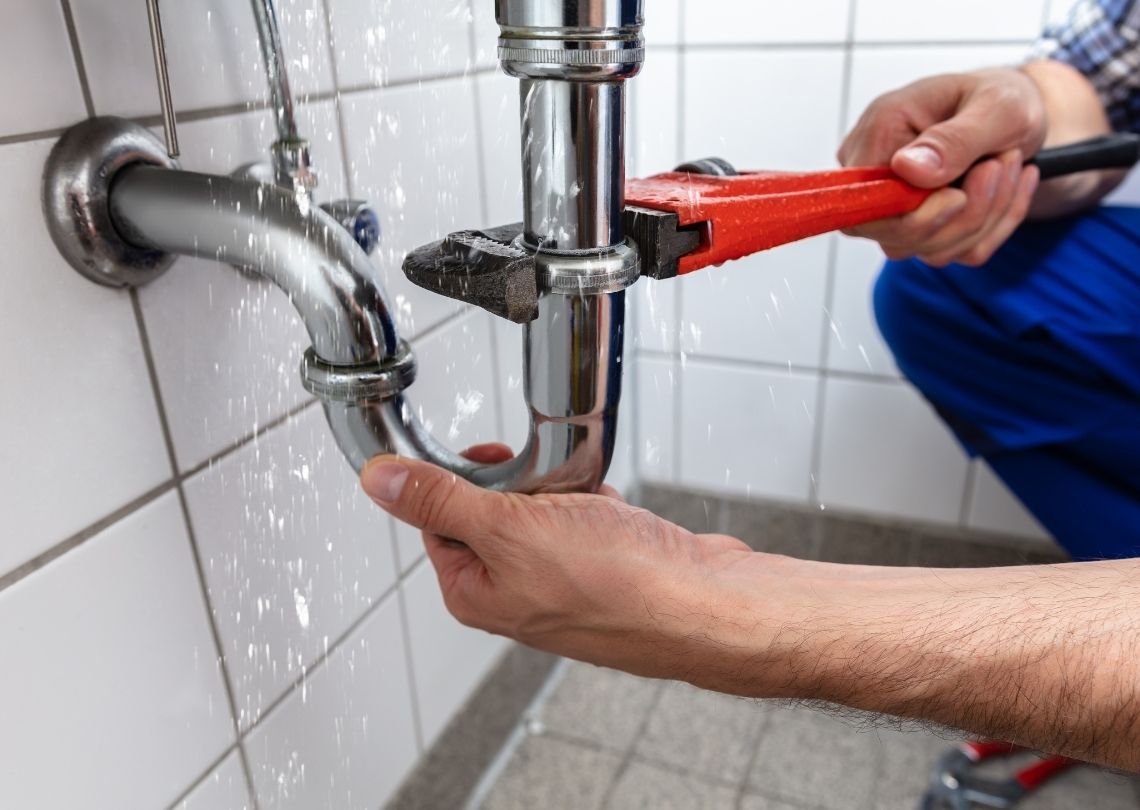
Dripping faucets, unnoticeable leaks – they all seem small, but knowing when to call in the pros is important. DIY repairs can occasionally paper over the issue temporarily or, worse, cause the situation to become even more problematic. If you observe a quick increase in your water bill, that can indicate a concealed leak behind walls or beneath floors. Professional plumbers utilize tools such as pressure sensors or thermal cameras to locate these leaks promptly and repair them at the source, preserving water and potentially avoiding additional repair expenses.
If you think you might have a water line leak or notice evidence such as damp spots on floors, walls, or ceilings, it’s time to call a plumber. These precautions, taken early, can help hold the water damage at bay and prevent mold. Frozen pipes are a threat in colder regions. Attempting DIY pipe thawing can be effective in mild instances, but once you start hearing cracking noises or notice water marks, it’s time for a pro to take charge. They know how to thaw pipes safely and avoid busts that can flood your home and destroy your goods.
Burst pipes and sewer backups are emergencies requiring immediate professional assistance. A burst pipe can cause liters of water to gush into your home in minutes, wrecking floors, furniture, and wiring. Sewer backups, on the other hand, are health risks because of bacteria and can impact your home’s foundation if they aren’t handled quickly. In either scenario, a licensed plumber can come in, respond immediately, prevent additional damage from occurring, and begin the recovery process. For riverside homes or low-lying areas vulnerable to flooding, it’s smart to have a local plumber’s information on hand. Quick response minimizes the chance of permanent structural damage.
Other times, DIY repair might sound adequate. Once the dripping continues, or you don’t know what caused the issue, or if you’re simply in over your head, it’s better to call in the pros. Good plumbers don’t just repair the immediate problem. They inspect your system to prevent future headaches. This is particularly useful for bustling professionals or anyone wishing to rest assured that their abode is secure.
Conclusion
Dripping taps in Santa Rosa can ignite larger issues than many people suspect. A slow drip can waste litres daily and damage pipes, walls, or floors. Dripping faucets and concealed damage: what Santa Rosa residents should be aware of. Santa Rosa homes are at additional risk from our local soil and weather changes, so even minor leaks can escalate quickly. Repairing leaks in your home early saves you money on your water bill and saves your home from costly damage. Rely on local plumbers who know the neighborhood and catch the issue before it gets out of control. Dripping faucets and hidden damage: what Santa Rosa residents should know.
Frequently Asked Questions
1. What Causes A Dripping Faucet?
These problems are often caused by worn washers, faulty seals, or corrosion in the tap. These trouble spots allow water to leak even when the faucet is turned off.
2. How Can A Dripping Faucet Lead To Hidden Damage?
Dripping faucets and hidden damage: what Santa Rosa residents should know. Over time, this can cause mold, wood rot, and structural damage behind walls and beneath floors.
3. Why Are Santa Rosa Homes At Higher Risk For Water Damage?
Santa Rosa’s climate, combined with older homes, means that many homes are at risk. Moisture can accumulate at a faster rate, and older pipes may leak more easily.
4. How Much Water Can A Single Dripping Faucet Waste?
One dripping faucet, for example, can waste hundreds of liters a month. This not only increases water bills but also fuels hidden structural damage.
5. What Signs Indicate Hidden Faucet Damage?
Be on the lookout for musty smells, discoloration on your walls or ceilings, and unexplained high water bills. These indicators could point to unseen leaks or water damage lurking behind the curtain.
6. Should I Fix A Dripping Faucet Myself Or Call A Professional?
Easy fixes, like switching a washer, can be completed by homeowners. For stubborn leaks or suspected unseen damage, it is best to consult a licensed plumber.
7. How Can I Prevent Faucet Leaks And Hidden Damage?
Make a habit of checking faucets, pipes, and under sinks for leaking water. Schedule annual plumbing inspections and repair minor issues before they become major.
Faucet Repair & Kitchen Plumbing In Santa Rosa – Fast, Honest, Local Help
Leaky faucets, low water pressure, or plumbing issues in your kitchen can quickly disrupt your day. Don’t let a small drip or faulty fixture turn into a bigger, costlier problem. The trusted team at Yorkshire Plumbing provides expert faucet repair and kitchen plumbing services to keep your home running smoothly.
With nearly a decade of experience and the right tools for the job, we deliver real solutions, not quick fixes. From repairing worn-out faucets and clearing clogs to upgrading sinks, fixtures, and water lines, our licensed plumbers are ready to help.
Whether you’re dealing with a leaky kitchen faucet, planning a remodel, or facing unexpected plumbing trouble, Yorkshire Plumbing has you covered. Call or message us today for a free estimate. We offer same-day service when possible and are always available for urgent jobs.
Yorkshire Plumbing is your go-to, family-owned team for reliable faucet repair and kitchen plumbing in Santa Rosa.
Disclaimer
The information provided on this website is for general informational and educational purposes only and is not intended as professional plumbing or construction advice. You should consult with a licensed plumber or qualified contractor for guidance specific to your home or situation. Do not rely solely on the content of this site to make decisions about plumbing repairs, installations, or maintenance. While we strive to keep the information current and accurate, it may not reflect the most recent industry standards or code requirements. Yorkshire Plumbing & Drain Services disclaims all liability for any actions taken or not taken based on the content of this site, to the fullest extent permitted by law.