Most homes in Sonoma County have plumbing pipe problems, including leaks, corrosion, clogged drains, and root intrusion. Numerous homes in the region have aging pipes that rust or degrade, which sometimes causes water to collect or create damp areas beneath floors. Tree roots from the local landscaping tend to grow into pipes, cracking or blocking them. Generally found in homes built prior to the 1980s, clay or cast iron pipes are more susceptible to rust and leaks. Grease, hair, or debris clogs drains frequently, causing slow draining or backups. Identifying these issues early prevents further damage and reduces expensive repairs. The rest of the post explains these problems in depth.
Key Takeaways
- Regular inspections and maintenance, including yearly camera inspections and water heater flushing, are crucial for early identification and prevention of typical under-home plumbing problems.
- Fixing corroded pipes, leaking joints, and failing water heaters right away keeps more serious issues, such as water damage, mold growth, and high utility costs, at bay.
- Sonoma County homes have their own unique plumbing challenges, with expansive clay soil, aggressive tree roots, aging infrastructure, and seismic activity. Specialized solutions and awareness are a must.
- The unseen damage of unresolved plumbing issues includes structural wood damage, poor indoor air quality, pest infestations, and sky-high water bills.
- Identifying these warning signs, musty odors, spiking water bills, low water pressure, and slow drains, empowers you to act promptly and minimize the likelihood of widespread destruction.
- By addressing issues promptly and consulting with professional plumbers for complex issues or emergencies, you can ensure safe and effective repairs and help extend the lifespan of your plumbing systems in diverse home environments.

Common Under-Home Plumbing Issues
Under-home plumbing can present many challenges, especially in older homes with outdated plumbing systems.
- Pipe corrosion, leading to leaks and water contamination
- Sewer line blockages, often from tree roots or debris
- Leaking pipe joints, causing moisture and mold
- Aging water heaters, which may rust or leak
- Cracked drains leading to slow drainage and water damage
1. Corroded Pipes
Older plumbing systems, especially those with outdated pipes like galvanized steel, are particularly susceptible to corrosion. Over time, minerals in hard water react with the metal, weakening pipe walls. This can lead to rusty, brown, or yellow-tinged water, indicating rust inside. Leaks often develop at joints where pipe sections come together, and aging seals give way. Replacing old pipes with modern materials can help avoid recurring leaks and contamination.
2. Sewer Line Intrusions
In older neighborhoods with stately trees, tree roots often seek out sewer lines for their water, particularly impacting outdated plumbing systems. These roots can break through clay or cast iron pipes, causing significant blockages and potential pipe collapse. To address these common plumbing issues, sewer camera inspections are performed to pinpoint the source of root intrusions. Regular maintenance, including installing root barriers and routine cleaning, can help prevent future plumbing problems, ensuring a smoother flow and reducing the risk of chronic slow drains or sewer odors.
3. Leaking Joints
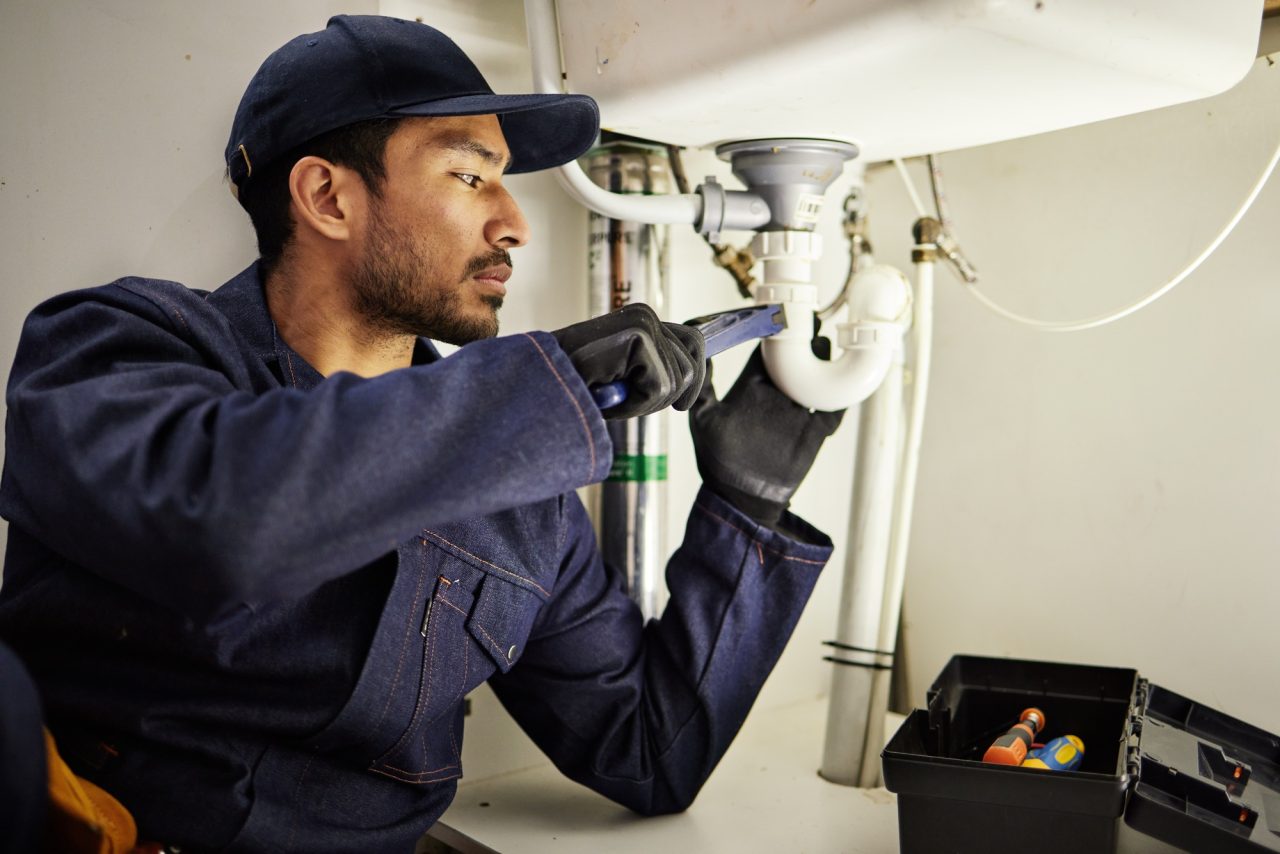
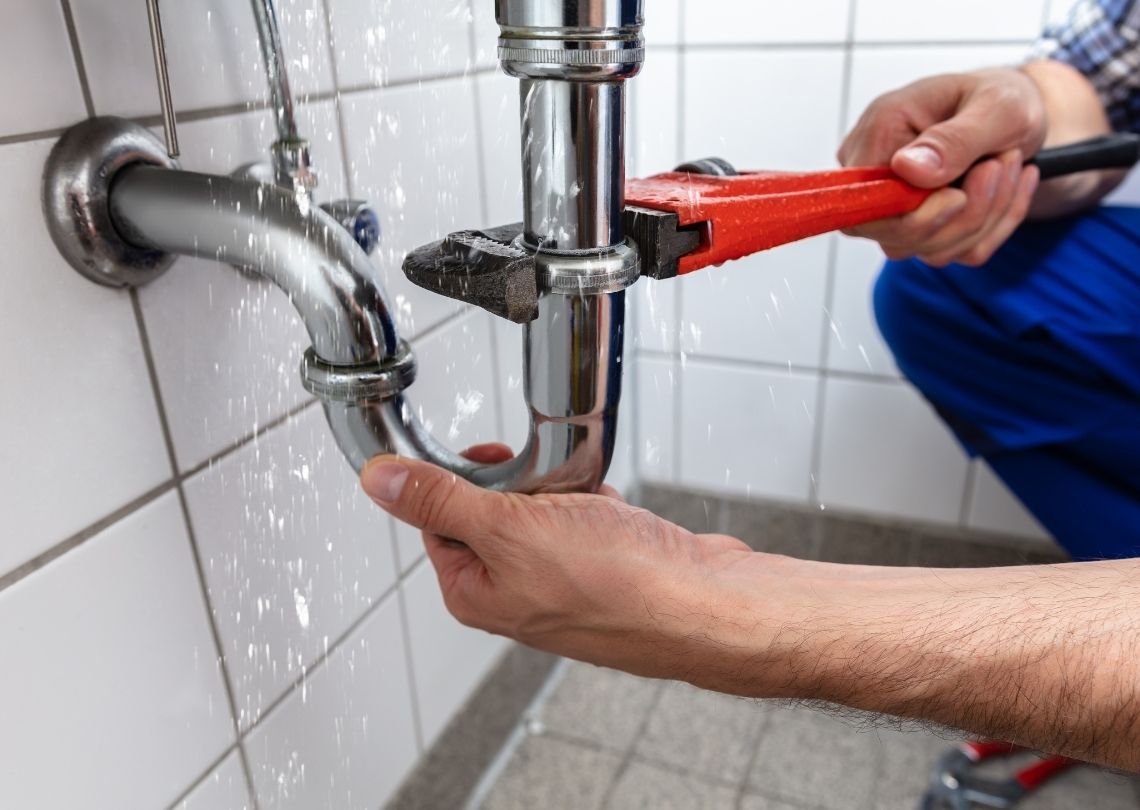
Leaks typically begin at pipe joints where pressure and outdated plumbing systems have their way. Water stains or dampness under the house indicate these concealed leaks. Tightening joints or replacing worn fittings can prevent small leaks, while significant joint failure might require the expertise of experienced plumbers. Frequent plumbing inspections are essential because of the higher risk of loosening pipes and fittings, which can cause water damage and the growth of mold.
4. Failing Water Heaters
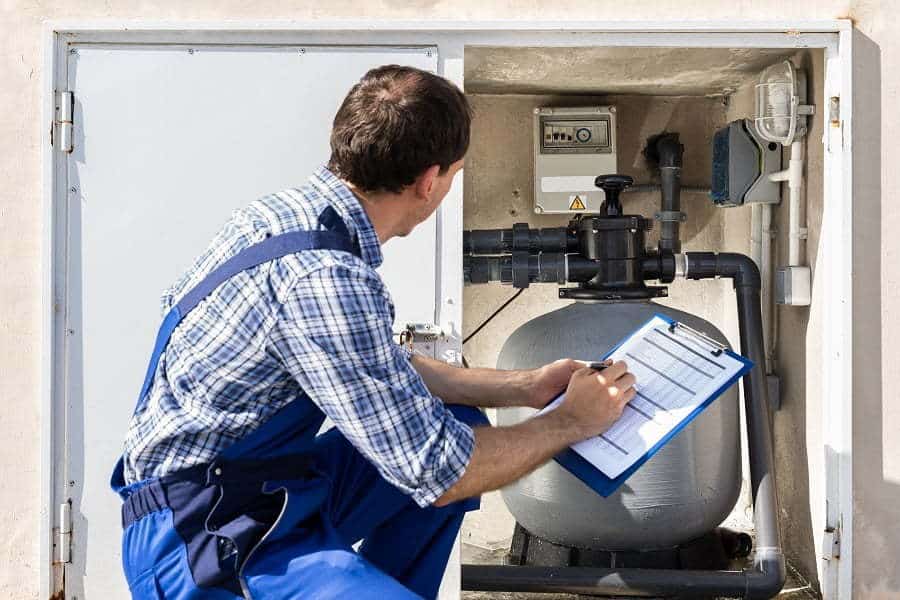
End-of-life water heaters usually show signs of rust, leak around the tank, or provide uneven hot water. Hard water sediment can accumulate, diminishing efficiency and causing overheating, which is a common plumbing issue. Although yearly heater flushing is beneficial, replacement is advised before a catastrophic failure occurs, particularly in homes with antiquated plumbing systems. Consulting an experienced plumber can point you toward models that are efficient and fit your needs.
5. Cracked Drains
Cracks in under-home drains can lead to common plumbing issues, allowing water to escape and soil to infiltrate, resulting in slow drainage and even sinkholes. While minor plumbing problems like small cracks can cause blockages, larger breaks indicate more serious plumbing system failures. Drain cleaning services effectively remove debris, and trenchless sewer repair can fix pipes without major digging. Early detection through regular plumbing inspections keeps repairs manageable.
Why Sonoma County Is Unique
A combination of geology, climate, and development history is what makes Sonoma County unique. The area’s residences, often built on clay-based soil and surrounded by towering, old-growth trees, face common plumbing issues. There are particular difficulties associated with outdated plumbing systems in historic neighborhoods and picturesque locations. This, combined with the county’s location in a seismically active zone, puts pressure on aging water and sewer lines.
Expansive Clay Soil
Why Sonoma County is special: Clay soil changes with wet and dry cycles. When moist, it expands. When dry, it contracts. This back-and-forth shifting pushes pipes under homes, cracking them or causing leaks or even breaks. These motions can cause slow leaks or sudden bursts in old clay or cast iron pipes by loosening joints over time.
Homeowners need to look for indicators such as damp spots, pooling water in the yard, or strange noises emanating from the pipes. These could indicate that the earth is moving and straining the pipes.
Good drainage, such as French drains, moves water away from the house and keeps soil movement down. This reduces pipe shifting and the risk of ruptured lines.
Annual inspections are critical, especially for homes in clay-heavy regions. Early detection of minor issues can prevent them from becoming major problems.
Aggressive Tree Roots
Mature trees that we cherish for shade and beauty send their roots everywhere. These roots seek moisture, and old sewer lines, particularly those with loose joints, are easy prey. Roots creep into small cracks, clog pipes, or even break them, resulting in backups and damage.
Simple root controls, such as barriers or chemical treatments, can assist. Periodic inspections of trees and shrubs near pipes provide warning signs of trouble.
Cooperate with local arborists or plumbing pros to control root growth should you observe sluggish drains or gurgling.
Aging Home Infrastructure
Many homes surrounding Sonoma Plaza or in Glen Ellen were constructed before the 1970s and had lead, galvanized steel, or clay pipes installed. Time erodes these. Our modern water use, including showers, dishwashers, and laundry, strains old systems and increases the possibility of leaks or bursts.
Old sewer laterals, with their multiple joints and crazy curves, make repairs slow and expensive. Licensed plumber inspections catch vulnerable joints, corrosion, or pinhole leaks that emit hundreds of liters a week.
Retrofit plans for these old pipes prevent small problems from becoming large catastrophes. Routine maintenance allows owners to extend the life without major shocks.
Seismic Activity
Sonoma County’s seismic risk means pipes get special attention. Earthquakes can snap, shift, or pull apart even well-constructed lines. Anchoring pipes with flexible joints and bracing fixtures minimizes breakage during a quake.
Following shaking, pipes and plumbing fixtures should be inspected for leaks or cracks. To avoid flooding, owners should learn how to turn off the water quickly in an emergency.
Knowing some fundamental emergency plumbing steps can help minimize damage after a quake and keep things safe until repairs arrive.
Hidden Damage Effects
Older plumbing systems can result in expensive plumbing repairs, so plumbing is more than just annoying leaks or excessive bills beneath Sonoma County homes. It’s the consequences that tend to be overlooked until they become expensive or dangerous.
- Hidden moisture leading to structural wood rot
- Poor indoor air quality from mold and mildew
- Pest infestations feed on damp, concealed spaces
- Rising water costs due to undetected leaks
- Entry of sewer gases and pests from missing traps
- Health risks from stagnant water and overheated heaters
- Clogged pipes due to improper materials or design
Structural Wood Damage
Leaking drain or supply pipes can permeate into floor joists, beams, or subflooring that stays hidden beneath the house. Over time, such moisture creates soft spots in the wood, sagging, and even rot. Plumbing inspections are something most homeowners neglect, so water damage shows up only when floors begin to buckle or staining appears. A moisture meter, which measures the percentage of water in wood, can catch sneaky leaks before they escalate. When serious damage is discovered, experienced plumbers should replace the damaged wood and fix the underlying plumbing issue to prevent recurrence.
Poor Indoor Air Quality
Damp crawlspaces can lead to common plumbing issues, such as mold spores and mildew, which quickly propagate into the living space overhead. Mold is a significant health concern for individuals with asthma or allergies. Regular plumbing inspections can detect leaks that fuel this spiral. Simple solutions, like installing vent fans or opening vents in moisture-prone areas, help reduce humidity. Homeowners must recognize that a musty odor or mold on walls signals a moisture problem that requires immediate attention to prevent respiratory issues.
Hidden Pest Issues
These secret leaks from outdated plumbing systems offer stagnant water, attracting bugs like mosquitoes, carriers of West Nile and Zika. Rats and insects take advantage of tiny spaces around pipes and sneak in via absent traps or open holes. Checking these access points and applying sealants should be part of routine plumbing inspections. The secret is to combine plumbing services with pest control because pests will always return if there are still water sources. Especially in older homes with established landscaping and moving soils, routine inspections help avoid recurring infestations.
Wasted Water Bills
A common plumbing issue is an underground leak, which is typically the cause of an unexpected increase in your monthly water bill. Tracking usage helps to identify issues early on, as outdated plumbing systems can cause long-term problems. Water-conserving faucets and toilets save money, but drips, even slow ones, can waste thousands of liters annually. The only reliable way to find and fix hidden leaks before they affect your bottom line is to have regular plumbing inspections. Homeowners should be on the lookout for slow drains or gurgling toilets, as these subtle symptoms often precede major plumbing problems.
What Are The Warning Signs?
In many homes, warning signs of outdated plumbing can begin quietly and, if ignored, progress to catastrophic water damage. The table below summarizes key warning signs and their potential implications.
Warning Sign | Potential Implication |
Musty odors | Hidden leaks, mold, or excess moisture |
Spiking water bills | Undetected leaks, running toilets, burst pipes |
Low water pressure | Pipe clogs, leaks, and corroded fixtures |
Slow drains | Clogged pipes, sewer line blockages |
Standing water | Leaking pipes or faulty drain systems |
Leaky faucets | Worn seals, corrosion, mineral buildup |
Discolored pipes | Corrosion, mineral deposits, and leak risk |
Damaged supply lines | Weak strands, risk of burst |
Water stains | Hidden leaks in ceilings, floors, or walls |
Tree root growth | Sewer line blockages and pipe breaks |
Musty Odors
Musty odors in the house typically indicate excessive moisture from outdated plumbing systems in unobserved locations, such as beneath floors or inside wall spaces. If you smell these odors, check crawl spaces or basements for leaks or standing water. Sometimes, you discover stains on walls or ceilings, indicating common plumbing issues that have remained unaddressed. Dehumidifiers effectively reduce moisture and prevent mold, keeping the air fresh. Schedule a professional plumbing inspection if the smell lingers.
Spiking Water Bills
A sudden increase in your water bill is an obvious indicator of a concealed leak or other plumbing issue related to outdated plumbing systems. Get in the habit of reviewing your bills monthly and comparing them to previous consumption. If you see a spike, check for dripping faucets, toilets, or damp areas. Typical culprits are old pipes, loose fittings, and frozen pipes. To prevent costly repairs, take immediate action by shutting off your water and contacting a qualified plumber.
Low Water Pressure
Check water pressure at taps and showers occasionally, especially if you notice a weak stream. Low pressure can be caused by hidden leaks or common plumbing problems like clogs or corrosion in antiquated plumbing systems. If only one faucet exhibits low pressure, it may be due to sediment buildup or worn seals. If the issue is widespread throughout the house, it could indicate problems with your main supply or older copper pipes developing surface corrosion. Contact an experienced plumber if the problem persists, as it may signal larger plumbing system issues.
Slow Drains
A slow drain in the kitchen, bathroom, or shower often indicates a common plumbing problem, such as a clog caused by grease, hair, or soap scum. It’s essential to keep an eye out for standing water, as this can indicate a more significant blockage or issue in the sewer line, often caused by tree root intrusions or outdated plumbing systems. If the clog is small and new, tackle the drain first using basic tools or mild cleaners. If slow drains persist, it’s best to hire qualified plumbers for a professional plumbing inspection to address potential plumbing problems.
Your Proactive Maintenance Plan
A proactive maintenance plan for your plumbing systems catches common plumbing issues before they start, preventing costly plumbing repairs. It minimizes stress by reducing the potential for unexpected expenses. Simple tasks like flushing water heaters and inspecting sewer lines can increase efficiency and save on water and energy costs. Customize every step to your home’s age, usage, and configuration, especially if you have outdated plumbing systems. Nice plans require collaboration between the homeowner and the local plumber, and a checklist is key for keeping track of what gets done.
Annual Camera Inspections
Annual camera inspections detect hidden sewer problems before they get costly. Small cracks, blockages, or corrosion are often unnoticed until they lead to leaks or backups. A tiny camera maneuvered through the plumbing reveals the interiors. This provides both the plumber and homeowner with a detailed view of pipe health. It is wise to log every inspection. These records, over time, help identify patterns or persistent trouble spots.
Inspecting pipes annually reassures homeowners. Catching things early means smaller issues to fix, which cost less and reduce stress. If you observe changes in water flow or detect strange odors, request an additional inspection, even if it’s not time for your annual review.
Water Heater Flushing
Flush your water heater annually to eliminate sediment. When sediment builds up inside the tank, the heater’s efficiency decreases. This prolongs the heater’s life and reduces the chance of leaks or bursts.
If you encounter large temperature swings or if the shower never gets warm enough, adjust the water temperature settings. Hearing popping or hissing from the tank can indicate that sediment is acting up. Flushing is easy and can save you from huge bills down the road. If you’re not sure, have a pro show you how.
Root Intrusion Prevention
Tree roots are often responsible for damage to sewer lines. Prevent roots from invading pipes with safe chemical treatments outside the sewer line. It’s a good idea to check for roots once a year or twice a year, especially if there are old trees nearby.
Keep up landscaping. Plant trees away from pipes and prune roots as required. Any time you see slow drains or sinkholes in the yard, these can indicate that roots are intruding. Early action prevents expensive repair.
When To Call A Professional
Since underground pipe problems are hard to find and fix, knowing when to call a professional plumber is essential. Despite their apparent insignificance, certain issues may be signs of more serious risks or concealed harm that need expert care. Having the right know-how and acting quickly can help avert more damage and costly plumbing repairs.
Unexpected drops in water pressure across the house typically indicate a serious break or obstruction in the main supply line, necessitating immediate help. If you see water pooling under the home, hear pipes hissing or gurgling, or have a running toilet that won’t stop after you’ve checked the handle or flapper, these are urgent problems. A running toilet by itself can waste thousands of liters per hour, leading to significant water waste over time. Sewer odors or slow drains can be caused by tree roots encroaching on sewer lines and clogging or rupturing pipes. It is safest to call in a professional right away when these signs crop up.
Know when to call a pro. Schedule professional plumbing inspections if you notice persistent issues. If slow drains persist in the kitchen or bathroom, or if leaks reappear after minor repairs, it’s wise to consult a local plumber to search for underlying problems. Outdated plumbing systems can lead to old seals, corrosion, and mineral buildup, causing leaky faucets or pipe joints. Professionals have the right equipment to locate the source of the problem. For instance, a plumber who refuses to camera-check sewer lines could overlook concealed breaks or blockages. Seek a second opinion if required.
Call our expert plumbing services for guidance on complex plumbing issues. If your water heater is more than a decade old, it may be nearing the end of its life. A licensed plumber can assess it and advise if a replacement is necessary. If you’re unsure about the cause of a plumbing issue or how to fix it, calling a pro is safer than guessing.
Inform homeowners of the value of acting quickly when they encounter a plumbing problem. Prompt action saves water, prevents damage, and lowers future repair costs.
Final Remarks
Sonoma County homes deal with leaks, clogged pipes, and old drains more than most realize. Wet crawl spaces often conceal broken lines or slow leaks. After rain, the soil here changes, causing pipes to break or separate. To detect problems early, listen for drips, inspect for moisture, and monitor water bills. Clear drains, repair little leaks quickly, and inspect under the home every season. Experienced plumbers are familiar with the region and catch uncommon problems fast. Keep up by understanding the fundamentals and questioning. To save money and keep your home protected, contact a local expert if anything seems amiss. For more tips and solutions, visit our blog or share your own story in the comments.
Frequently Asked Questions
1. What Are The Most Common Plumbing Issues Under Homes In Sonoma County?
Leaking pipes, clogged drains, and tree root intrusions are common plumbing issues that often arise due to outdated plumbing systems and specific soil conditions in the Sonoma Valley.
2. Why Do Under-Home Plumbing Issues Happen More Often In Sonoma County?
Sonoma County’s aging homes and restless soils, combined with the damp climate, often lead to common plumbing issues, including tree root intrusions that can fracture outdated pipes.
3. What Warning Signs Indicate Under-Home Plumbing Problems?
Search for water stains, musty smells, sluggish drains, or strange noises coming from your plumbing system. These signs usually indicate outdated plumbing or a common plumbing issue that requires a licensed plumber’s help.
4. Can Under-Home Plumbing Issues Affect Health?
Indeed, mold and poor air quality from leaks in old plumbing systems can cause allergies or respiratory problems, especially in young children and the elderly.
5. How Can I Prevent Plumbing Issues Under My Home?
You can save time and money on costly plumbing repairs by avoiding common plumbing issues with routine drain cleaning, plumbing inspections, and checkups.
Flooding, Moisture Problems, And Crawl Space Issues In Santa Rosa: Stop Damage Before It Spreads
Water problems in a commercial building rarely fix themselves. Minor flooding, excess moisture, or crawl space issues can quietly damage flooring, weaken structural components, and create unhealthy conditions for employees and customers. Yorkshire Plumbing provides fast, professional solutions in Santa Rosa, helping businesses control moisture and prevent costly repairs.
Standing water, damp crawl spaces, musty odors, warped flooring, and unexplained humidity are all warning signs. Left untreated, these problems can lead to mold growth, wood rot, insulation damage, and rising energy costs. Our team uses advanced diagnostic tools to locate the source of moisture, whether it’s poor drainage, leaking lines, groundwater intrusion, or ventilation problems beneath your building.
Once we identify the cause, we walk you through what’s happening in plain language and recommend the most effective solution. That may include drainage improvements, sump pump installation, vapor barriers, pipe repairs, or crawl space moisture control systems. You get clear answers and practical solutions that protect your property and restore a dry, stable environment.
With nearly a decade of experience serving Sonoma County, this family-owned company has built a reputation for honest service, careful workmanship, and dependable results. Yorkshire Plumbing does more than address visible water problems. We help business owners safeguard their buildings from long-term moisture damage that can disrupt operations and increase expenses.
If your commercial property is experiencing flooding, persistent dampness, or crawl space concerns, contact Yorkshire Plumbing today and resolve the issue before small moisture problems turn into major structural damage.
Disclaimer
The information provided on this website is for general informational and educational purposes only and is not intended as professional plumbing or construction advice. You should consult with a licensed plumber or qualified contractor for guidance specific to your home or situation. Do not rely solely on the content of this site to make decisions about plumbing repairs, installations, or maintenance. While we strive to keep the information current and accurate, it may not reflect the most recent industry standards or code requirements. Yorkshire Plumbing & Drain Services disclaims all liability for any actions taken or not taken based on the content of this site, to the fullest extent permitted by law.