The concealed risks of antiquated gas lines in classic Sonoma County residences frequently result from corroded pipes, unsealed connections or outdated valves that can emit gas unexpectedly. Many of these vintage Sonoma County homes maintain gas lines originally installed years ago, often with minimal updates. Eventually, these lines can rust or disintegrate, increasing the threat of leaks or combustion. Little fissures or compromised seals may allow gas to permeate into walls or crawl spaces, eluding detection. In older homes built before modern safety regulations, these dangers can be significantly elevated. To know what to look for and how to stay safe, it helps to hear the signs to watch and the steps to take next.
Key Takeaways
- Old gas lines in vintage Sonoma County homes are susceptible to material fatigue, antiquated installation methods and environmental stress, which can lead to hazardous leaks and failures.
- Regular inspections with technology-driven methods such as pressure testing, camera scoping, and electronic leak detection can uncover hidden problems that would escape a visual inspection.
- Homeowners should know their local and international safety codes, as non-compliance can cause legal, insurance and liability issues.
- Identifying warning signs including strange odors, hissing noises, symptoms, and dying vegetation is important for timely detection and action against gas leaks.
- Finding the right balance between maintaining historic properties and integrating modern safety upgrades is key to saving lives and property without sacrificing vintage character.
- Forward-thinking, such as inspections, preparedness, and timed replacements, gives homeowners the power to manage risk and ensure security and peace for the entire household.

Uncovering Old Gas Line Dangers
Old gas lines in vintage Sonoma County homes pose significant risks beyond their aesthetic appeal. Many of these natural gas pipelines rely on outdated components and techniques that are no longer utilized, making them more vulnerable to corrosion and weather stress. These aging systems are a ticking time bomb, highlighting the urgent need for pipeline safety trust and modern plumbing solutions.
1. Material Degradation
Corrosion is a critical issue for metal pipes, particularly steel and cast iron, which can rust and flake over the course of decades. Signs of rust, pitting, or scaling indicate that a pipe’s integrity is compromised. Across cities around the globe, cast-iron mains, some being over 100 years old, are associated with a greater incidence of severe leaks.
Plastic pipes, though impervious to rust, can become brittle from UV exposure or soil chemistry. Their life span may lead to cracks and leaks in older plastic. The danger increases as pipes approach or surpass their anticipated lifespan, which for many plastics is only a few decades.
Pipe replacement is infamously slow, at times having waits of 20 to 50 years for upgrades in several states. This slow pace means susceptible lines are still being utilized, raising the risk of leaks.
2. Outdated Installation
Most vintage homes have pre-code gas lines. These systems can contain joints and connections that we now know can break. History is known to reveal ill-fitted fixtures that may loosen or leak.
Older systems often had no shutoff valves, pressure regulators, or other important safety features. Without updates, these legacy pipes fall below today’s standards and endanger residents.
3. Environmental Stress
See, Sonoma County is earthquake country. Earthquakes can shift or fracture buried gas lines. Soil erosion and shifting, typical in many areas, add additional stress to aging infrastructure, particularly where roots or water can move the soil about.
Extreme weather events, such as droughts or floods, further compromise line integrity. Old gas line dangers include tree roots seeking water that break through old lines, causing hard-to-find leaks.
4. Hidden Gas Leaks
Some of these leaks go unseen and unnoticed until they are serious. A slow leak might be evident only in increased gas bills or a slight smell. Gas detectors are helpful, but many leaks accumulate over time.
Alterations in indoor air, such as headaches or dizziness, can indicate a leak. Even minor leaks are hazardous because gas accumulation presents potential explosions and health hazards.
5. Code Non-Compliance
Lots of old gas lines are not up to code. This impacts insurance and is a legal issue if leaks cause damage. Nonconforming systems are at greater liability in mishaps.
Codes change, so owners need to be on their toes. Overlooking these updates can translate to missing out on safety upgrades or insurance lagging.
Sonoma County’s Unique Risks
Sonoma County’s landscape and history make its vintage homes susceptible to gas line threats unlike anywhere else. With fault lines running nearby and the earth moving frequently, the inherent risks associated with aging gas pipes and antiquated construction standards pose a significant challenge for gas utilities and residents alike.
Seismic Shifts
Earthquakes endanger buried and exposed gas pipes, especially when the earth rattles, causing ancient pipes to fracture or separate at connections. Many older homes lack seismic gas shutoff valves that would cut off the gas in the event of a quake. Without these safety measures, hazardous gas leaks can persist until a spark or flame ignites a fire or explosion. Emergency drills and education, led by community groups or local governments, help residents understand how to shut off gas and what to do once shaking subsides. Homeowners, alongside public safety teams, can inspect their plumbing systems for vulnerabilities and install retrofitting bracing or new shutoff devices to reduce the risk of pipeline safety issues.
Soil Composition
Sonoma County’s soils vary from sandy riverbeds to heavy clay, all of which affect underground pipes differently. Clay soil holds water, accelerating rust on metal pipes. Certain soils have minerals or salts that corrode even coated pipes. Soil movement, even minor shifting due to rain or drought, can flex or snap aged gas pipes. Routine inspections of soil conditions and plumbing systems are required, particularly where homes are positioned on sloped lots or in proximity to creeks. Sometimes, plastic pipe or additional membranes can reduce future leaks.
Historical Building Practices
- A lot of the older homes used iron or steel pipes that rust quickly in wet soil.
- Pipe joints don’t have modern seals and they can leak slowly.
- Gas appliances can vent poorly or use aged connectors, increasing fire hazard. Most vintage systems were constructed prior to the implementation of today’s safety codes. Repairs from decades ago might not align with today’s standards for pipe depth, support, or materials. Homeowners must understand how these older techniques can break down, so they can recognize warning signs, such as smells of gas, withering plants above pipes, and elevated gas bills. Awareness can drive upgrades before minor issues become expensive or even hazardous malfunctions.
Identify Warning Signs
Old gas lines can conceal leaks and failures that endanger safety and health, especially with the aging natural gas infrastructure in many homes. A lot of the gas equipment in older homes is over 50 years old, putting you at risk for leaks and hidden shorts. Since natural gas itself is odorless, companies add a sulfur-like chemical that smells like rotten eggs to aid in detecting leaks. Gas can extend some distance from the leak, so warning signs could appear a distance from the leak. Active probing, monitoring surroundings, and educating relatives are critical to catch early and prevent as much as possible.
Unusual Smells
- If you smell a rotten egg or sulfur odor, exit immediately.
- Don’t strike a match, turn on a light, or telephone inside the building.
- Open windows and doors if safe, to allow ventilation.
- Once you’re in a safe location, contact the gas company emergency line or 911.
- Maintain a checklist and rotate your sniff test for shifts in smell.
Hissing Sounds
Hissing near appliances or along gas pipes indicates potential leaking gas. It’s crucial to have any new or strange sound checked, particularly if it comes from a gas meter or pipe joint. Hissing signifies gas exiting the natural gas pipeline under pressure, which can lead to catastrophe if not repaired immediately. Turn off the main gas valve if you can do so without danger, then evacuate and notify the gas company to minimize the chance of fire or explosion.
Health Warning Signs
Keep an eye out for headaches, dizziness, nausea, or eye irritation, as these can indicate low-level gas exposure. If anyone in your household, even your pets, is acting lethargic or ill, consider hazardous gas leaks as a potential culprit. Educate everyone on these dangers and the need to remove fresh air, especially in the context of natural gas infrastructure. If symptoms appear after smelling gas, get medical attention even if they seem mild.
Dying Vegetation
Plants or grass dying for no apparent reason near underground gas pipelines can indicate a leak. Gas in the soil is injurious to roots and impedes plant growth. The leak may be many meters away, with gas sometimes traveling as much as 30 meters (approximately 100 feet) underground. Track sudden changes in plant health and call a plumbing specialist to have them check.
A Plumber’s Perspective
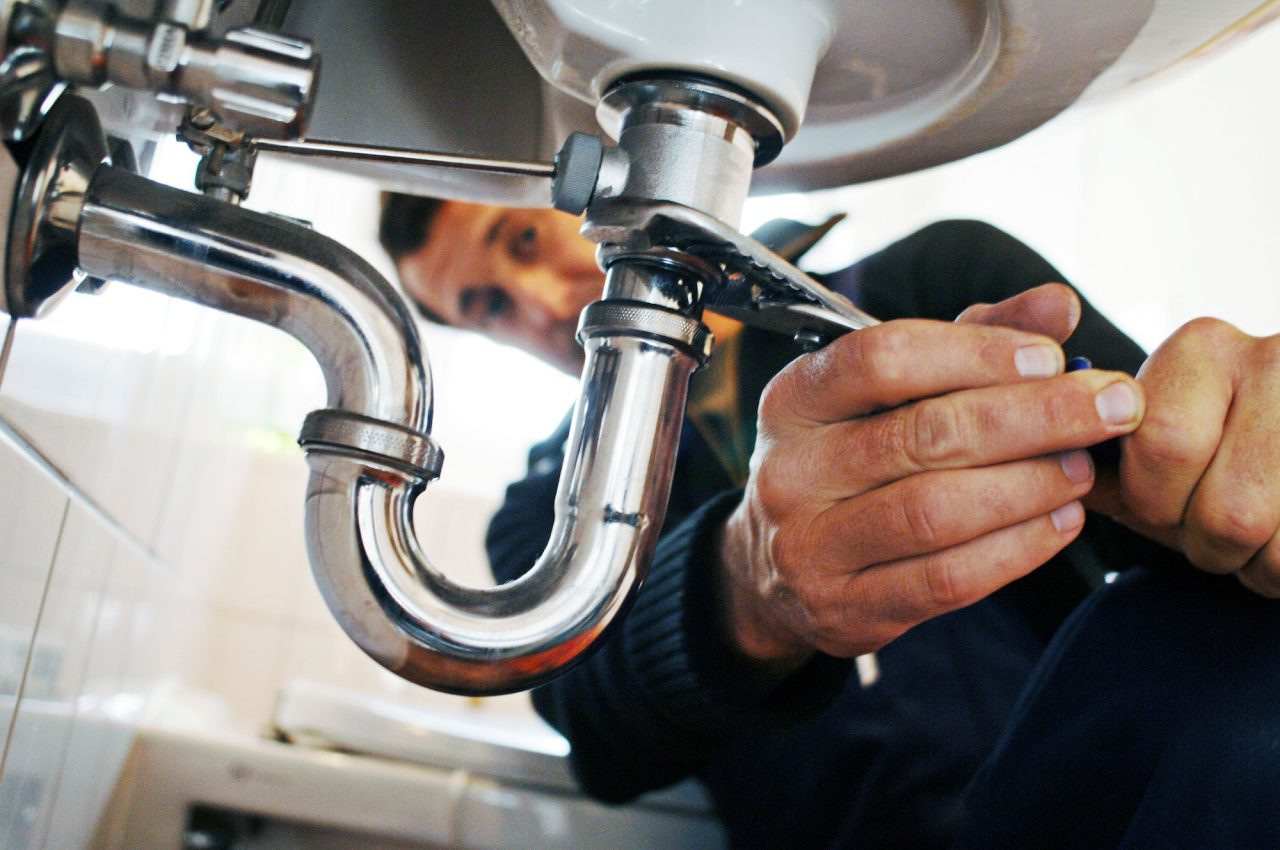
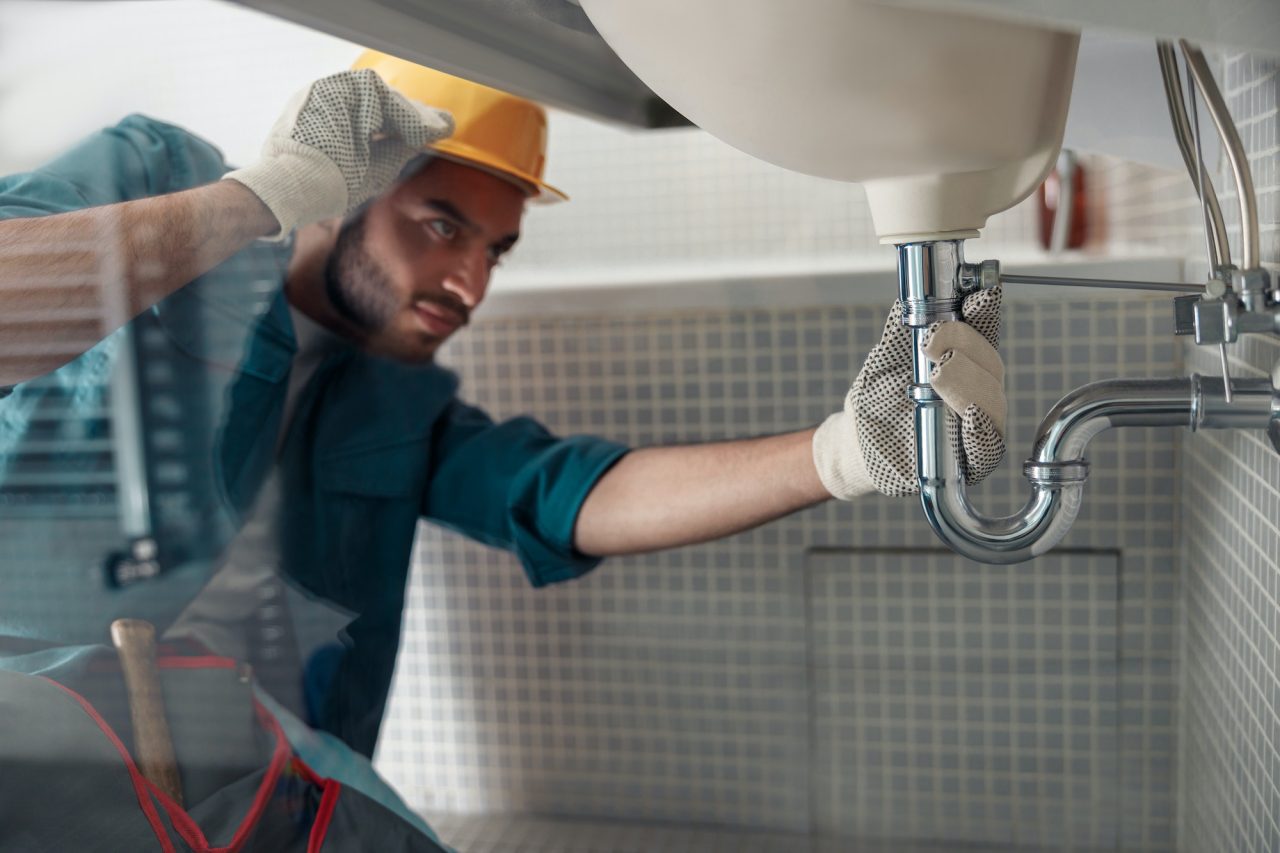
From a plumber’s point of view, plumbers that work vintage Sonoma County homes get to experience firsthand how old gas pipes and plumbing can conceal issues that extend well beyond the surface. Pre-1960 pipes, frequently galvanized steel or even lead, demonstrate their years with corrosion, leaks, and health hazards that aren’t always readily apparent. The necessity of careful, frequent inspection becomes obvious the older the home since unseen faults in the natural gas infrastructure can lead to genuine danger and liability issues.
Beyond Visual Checks
Visual inspections can only catch so much when it comes to gas leaks or corrosion within galvanized steel pipes. These issues are often difficult to detect without specialized equipment. Most plumbers rely on pressure gauges, ultrasonic detectors, and even thermal cameras to pinpoint vulnerable points or leaks hidden deep beneath walls or flooring. Homeowners can’t just take a peek or use their own senses to check gas lines. Having a plumbing specialist check these systems at least annually can catch lurking hazards before they escalate into emergencies. Not all leaks or corrosion are visible, and these advanced checks are crucial as a tiny leak into a wall may accumulate gas over time, presenting a significant explosion hazard.
The Liability Blindspot
Turning a blind eye to those ancient gas pipes in a vintage home can leave owners vulnerable to legal and financial woes. If that gas leak causes an accident or damages your home, insurance tends to require proof of professional recent checks and updates to the natural gas infrastructure. Without this, they can reject claims. In certain areas, homeowners are held liable and can be sued or fined if they are found negligent in maintaining safe gas systems. Translation: a minor missed problem, such as a corroded joint or aging valve, can result in huge expenses and even jail time. From a plumbing specialist’s perspective, knowing what the law deems and what your insurance covers is crucial to anyone who owns or purchases an older home.
Preservation Vs. Protection
I love vintage homes, but maintaining existing gas pipes can be dangerous. Plumbers suggest mixing preservation with updates, like adding new valves or vents that maintain the character while enhancing safety. Professionals can assist in selecting fixtures and techniques that don’t undermine the home’s design. For instance, sneak upgrades behind walls or beneath floors allow the owner to maintain the aesthetic while modernizing the plumbing system. Most plumbers observe that modernizing critical components, such as drains or main shutoff valves, not only reduces risk but can even lower water bills. Ensuring a home is well-sealed and updated goes a long way in preventing freeze breaks, typical of older designs.
Modern Inspection Methods
Modern inspection methods employ new tools and smart systems to expose lurking issues in aging gas lines. They catch leaks or weak points before they become larger hazards. With these new techniques, homeowners can stay ahead of the curve and avoid expensive pipe-related disasters. Below is a table showing common modern inspection methods and their main benefits:
Method | Main Benefit | Example Use Case |
Pressure Testing | Finds leaks under stress | Checks if old pipes hold steady pressure |
Camera Scoping | Sees inside pipes | Finds cracks and corrosion in hard spots |
Electronic Detection | Detects gas leaks fast | Pinpoints leak sites in walls or floors |
Acoustic Monitoring | Hears faint leak sounds | Monitors for subtle pipe changes |
Infrared Scanning | Spots temperature shifts | Finds leaks behind walls or underground |
Early application of these modern inspection techniques means issues are identified and resolved before they become destructive. They provide pipe health transparency, so homeowners can intelligently plan repairs or upgrades. New tools keep getting better, making it easier to keep homes safe.
Gas Pressure Test
Air or gas pressure tests the pipes by pumping the substance in and observing whether they can hold it without drops. Different methods have different strengths, as shown below:
Test Type | How It Works | Best For |
Water Pressure | Uses water in pipes | Metal or plastic pipes |
Air Pressure | Uses air for testing | Older, fragile lines |
Gas Pressure | Uses inert gas | Sensitive, aged pipes |
One leak can set you back for years without you even realizing it. Pressure tests discover these lurking dangers by indicating pressure losses, which indicate a leak is present. Ongoing testing keeps it safe. Homeowners who have tests done every few years can spot problems early. Understanding why these inspections are important enables homeowners to take action before leaks turn into crises.
Camera Scoping
We feed a little camera inside the gas line, allowing us to view real-time video footage of the pipe’s interior walls. This innovative technique facilitates the detection of cracks, rust, or deposits, which are crucial for maintaining pipeline safety. Camera scoping uncovers plumbing problems that may not be visible externally, making it a wise call for houses with antique wiring. Incorporating it into regular inspections can save you time and money by catching small issues before they escalate.
Electronic Leak Detection
Electronic leak detection identifies leaks through sensors and handheld devices that ‘sniff’ for gas, enhancing pipeline safety trust. These instruments provide quick, precise answers to plumbing problems. Frequent scans with this equipment help maintain safe operation in homes by identifying gas pipe leaks sooner, preventing minor leaks from turning into major danger. As new models roll out, detection improves even more, offering homeowners new opportunities to inspect their gas lines before disaster strikes.
Your Proactive Safety Plan
Your proactive safety plan is essential in homes with old gas lines, particularly in vintage properties where the natural gas infrastructure can be over half a century old. This proactive approach not only prevents accidents and mitigates risks, like in the 2017 Firestone, Colorado explosion, where neglect of aging gas pipes inflicted damage. Below is a step-by-step outline for building your safety plan.
- Schedule regular inspections for your gas lines.
- Educate your household on emergency procedures for gas leaks.
- Put together a contact list for emergencies, including local utilities.
Schedule Inspections
Regular inspections are the heart of any safety plan. Establish a schedule, at a minimum annually, for professional inspections of your gas lines. Inspections should be even more frequent after major weather or seismic events, which can stress or damage aging pipelines. These pipelines, some over 50 years old, which is the normal life expectancy, need to be regularly checked for early detection of leaks or corrosion.
Maintain thorough documentation of all inspections and repairs. This record assists with ongoing maintenance and can be key for insurance or resale. Get neighbors to schedule inspections too. Community-wide action can map out these high consequence areas and publicize and educate to make entire neighborhoods safer.
Know Your Shutoff
Be aware of where the gas shutoff valve is and its mechanism, and turn it off first. Practicing this can help you react quickly during a leak, making it crucial for all members of your home to be trained as well. Speed is the difference when gas is smelled, and ensuring the shutoff valve is accessible is essential for effective pipeline safety. Blocked valves impede rapid emergency response and can exacerbate risk during an incident.
Plan Replacements
Evaluate the state of your gas lines with assistance from a plumbing specialist, especially if your home is older or if you’ve observed indications of potential issues such as rust or a peculiar odor. Experts can suggest safe, up-to-date materials for replacements, including options for modern natural gas infrastructure. Planning for upgrades is a key element of home maintenance. Replacement may be expensive, sometimes $30 million or more for extensive pipeline stretches, but it saves lives and avoids disasters like hazardous gas leaks. Replace old systems first, particularly if they run through congested or high-usage spaces. Your home and community will thank you for it.
Final Remarks
These old gas lines in vintage Sonoma County homes can be a very real danger. A lot of these pipes have rust or leaks you might not immediately notice. Other lines utilize antique materials that crack or shift. In Sonoma County, moving soil and previous quakes exacerbate the situation. Gas leaks can jeopardize entire families. Plumbers detect problems quickly with modern tools, but vintage Sonoma County homes conceal surprises. To be on the safe side, inspect for warning signs such as weird odors or dying vegetation close to the line. Call a pro if you see something funny. Old homes have character, but safety is paramount. Be in the know and do it now. For additional advice or assistance, contact Yorkshire Plumbing & Drain Services, a local plumber familiar with old houses in your community.
Frequently Asked Questions
1. What Are The Main Dangers Of Old Gas Lines In Vintage Sonoma County Homes?
Old gas lines, including corroded steel gas mains, can leak or fail, leading to hazardous gas leaks and significant fire risks, often overlooked until a major pipeline incident occurs.
2. How Can I Identify If My Home’s Gas Lines Might Be Unsafe?
Signs to watch for include a sulfur odor, hissing noises, or rust and corrosion on gas pipes, emphasizing the importance of regular inspections for pipeline safety.
3. Why Are Vintage Sonoma County Homes At Higher Risk?
Most vintage homes have antiquated gas systems and aren’t up to code, posing risks due to old pipes and potential gas line strikes.
4. Can Modern Inspection Methods Detect Hidden Issues In Old Gas Lines?
Yes, specialized equipment such as gas leak sensors and video cameras can detect concealed leaks or vulnerable locations in the natural gas pipeline system that are not observable to the unaided eye.
5. Is Replacing Old Gas Lines Worth The Investment?
Yes. Old gas pipes lurk inside those vintage Sonoma County homes, highlighting the importance of pipeline safety.
Gas Line Repair In Santa Rosa – Fast, Reliable, And Safe Service
A gas leak or damaged gas line isn’t just inconvenient, it’s dangerous. If you smell gas, notice hissing sounds, or suspect a leak, don’t wait. Yorkshire Plumbing provides expert gas line repair and replacement services throughout Santa Rosa to keep your home and family safe.
Our licensed plumbers are trained to quickly detect, diagnose, and fix gas line issues using the latest equipment and safety practices. Whether it’s a small residential repair or a full gas line replacement, we handle every job with care and precision.
With nearly a decade of experience serving Sonoma County, we’ve earned a reputation for honest work and dependable results. We never offer quick patches, only long-term solutions that restore safety and peace of mind.
From emergency gas repairs to new line installations, Yorkshire Plumbing is the team you can trust. Call or message us today for a free estimate. We offer same-day service when possible and are always available for urgent calls.
Yorkshire Plumbing is your go-to, family-owned team for safe and reliable gas line repair in Santa Rosa.
Disclaimer
The information provided on this website is for general informational and educational purposes only and is not intended as professional plumbing or construction advice. You should consult with a licensed plumber or qualified contractor for guidance specific to your home or situation. Do not rely solely on the content of this site to make decisions about plumbing repairs, installations, or maintenance. While we strive to keep the information current and accurate, it may not reflect the most recent industry standards or code requirements. Yorkshire Plumbing & Drain Services disclaims all liability for any actions taken or not taken based on the content of this site, to the fullest extent permitted by law.