A whole home repiping project is one of the most significant plumbing upgrades a homeowner can undertake. Whether you’re dealing with recurring leaks, low water pressure, discolored water, or aging pipes that have reached the end of their lifespan, repiping can restore the reliability and performance of your plumbing system.
One of the most common questions homeowners ask before scheduling this service is: How long does a whole home repiping project take? The answer depends on several factors, including the size of the home, the type of piping material being installed, the complexity of the plumbing layout, and whether unexpected issues arise during the project.
While many repiping projects can be completed in just a few days, larger or more complex homes may require additional time. Understanding the process and timeline helps homeowners prepare for the project and minimize disruptions to their daily routine.
This guide explains the factors that influence repiping timelines, what happens during each stage of the process, and what homeowners can expect from start to finish.
Key Takeaways
- Most whole home repiping projects take between two and seven days to complete.
- Smaller homes often require less time than larger multi-story properties.
- The type of piping material can influence installation speed.
- Permit approvals and inspections may affect the overall timeline.
- Wall access, plumbing complexity, and unexpected repairs can extend project duration.
- Professional planning helps reduce delays and disruptions.
- Temporary water shutoffs are common but are usually limited to specific phases of the project.
- Proper restoration work after repiping may add additional time to the project.

Average Timeline For A Whole Home Repiping Project
For many homeowners, the good news is that a whole home repiping project is often completed faster than expected. Thanks to modern plumbing materials and installation techniques, experienced contractors can frequently replace an entire home’s plumbing system within just a few days.
While every property is unique, most repiping projects fall within a predictable timeframe based on the size and complexity of the home. Factors such as the number of bathrooms, accessibility of existing plumbing, pipe material selection, permit requirements, and restoration work can all influence the overall schedule.
Typical Repiping Timeline
Home Size | Estimated Duration |
Small home (1 bathroom) | 1–3 days |
Medium home (2–3 bathrooms) | 3–5 days |
Large home (4+ bathrooms) | 5–7 days |
Complex luxury homes | 1–2 weeks |
These estimates represent the plumbing installation portion of the project and may vary depending on individual circumstances.
Small Homes: 1–3 Days
Smaller homes generally require the least amount of labor because they contain fewer fixtures and shorter pipe runs. Homes with a single bathroom and a straightforward plumbing layout can often be repiped within one to three days.
Common characteristics include:
- One bathroom
- Compact floor plan
- Easy access through crawl spaces or attics
- Fewer plumbing fixtures
Because less piping material is required, crews can typically complete the work quickly while minimizing disruptions.
Medium-Sized Homes: 3–5 Days
Homes with two or three bathrooms generally require additional time due to the increased number of fixtures and water supply lines.
Factors that influence the timeline include:
- Multiple bathrooms
- Larger kitchens
- Laundry room connections
- Additional outdoor water lines
Most medium-sized homes can be successfully repiped within three to five days when no significant complications arise.
Large Homes: 5–7 Days
Larger homes often contain extensive plumbing networks that require more planning and labor. Additional stories, longer pipe routes, and numerous fixtures increase the overall project scope.
These homes may include:
- Four or more bathrooms
- Multiple kitchens or wet bars
- Larger utility areas
- More complex plumbing layouts
Although the installation takes longer, professional crews often work in phases to maintain efficiency and reduce inconvenience for homeowners.
Complex Luxury Homes: 1–2 Weeks
Luxury properties can require considerably more time due to custom plumbing systems and architectural features.
Examples include:
- Spa-style bathrooms
- Multiple water heaters
- Smart plumbing technology
- Extensive outdoor plumbing systems
- Custom fixtures and specialty installations
These projects often involve additional planning, testing, and coordination to ensure every component operates correctly.
Why Timelines Can Vary
Even homes of similar size may require different amounts of time to complete a repiping project.
Several factors can affect the schedule:
Accessibility Of Existing Plumbing
Homes with easily accessible plumbing systems often experience faster installation times. Access through crawl spaces, attics, and unfinished basements allows plumbers to route new lines with fewer wall openings.
By contrast, homes with plumbing hidden behind tile, concrete, or finished surfaces may require additional labor and restoration work.
Pipe Material Selection
The type of piping being installed can influence installation speed.
For example:
- PEX piping is flexible and often installs more quickly.
- Copper piping typically requires more fittings, soldering, and labor.
The chosen material can affect both the duration and cost of the project.
Permit And Inspection Requirements
Some municipalities require permits and inspections before and after plumbing work is completed. Depending on local scheduling and approval processes, these requirements may extend the overall project timeline.
Unexpected Repairs
During repiping, contractors occasionally discover hidden issues such as:
- Water damage
- Corroded fittings
- Structural obstacles
- Previous plumbing code violations
Addressing these problems may add time to the project but helps ensure a safer and more reliable plumbing system.
Getting An Accurate Timeline
While general estimates provide a helpful starting point, the most reliable timeline comes from an on-site evaluation. A professional plumber can assess your home’s size, layout, existing plumbing condition, and accessibility to provide a customized estimate.
During the consultation, they can explain:
- Expected project duration
- Potential challenges
- Water shutoff schedules
- Restoration requirements
- Permit and inspection timelines
Having a clear understanding of the process helps homeowners plan accordingly and sets realistic expectations for a successful repiping project.
Factors That Affect Repiping Project Duration
Several factors can influence how long a whole home repiping project takes to complete. While many homes can be repiped within a few days, every property presents unique challenges that may either shorten or extend the timeline. Understanding these variables can help homeowners set realistic expectations and better prepare for the process.
Home Size
One of the most significant factors affecting repiping duration is the size of the home. Larger homes generally require more labor, materials, and installation time because they contain a greater number of plumbing components.
A larger property typically includes:
- More plumbing fixtures
- More bathrooms
- Longer water supply lines
- Additional kitchens or utility rooms
- More plumbing connections throughout the home
For example, a small single-story bungalow with one bathroom may be repiped in just a few days, while a large multi-story home with several bathrooms could require a week or longer.
Why Square Footage Matters
The amount of piping that must be installed directly impacts the project timeline. As square footage increases, plumbers must cover longer distances to connect water lines throughout the home.
During the installation process, technicians may need to:
- Remove or bypass aging pipes
- Route new water supply lines
- Connect sinks, showers, toilets, and appliances
- Install shutoff valves
- Pressure test the completed system
Each additional room increases the scope of work and requires extra labor to ensure every fixture receives a reliable water supply.
Multi-Story Homes May Require Additional Time
Homes with multiple levels often involve more complex pipe routing. Water lines may need to be run vertically through walls and between floors, requiring additional planning and access points.
Challenges associated with multi-story homes can include:
- Limited wall access
- Additional pipe runs
- More extensive testing procedures
- Increased restoration work after installation
As a result, repiping a two-story or three-story home may take longer than repiping a similarly sized single-story property.
Number Of Bathrooms
Bathrooms contain some of the highest concentrations of plumbing fixtures within a home. The more bathrooms a house has, the more connections plumbers must install and test.
A typical bathroom may include:
- Sink
- Toilet
- Shower
- Bathtub
Each fixture requires dedicated hot and cold water supply lines, shutoff valves, and secure connections.
Additional Fixtures Increase Complexity
Modern homes often contain specialty fixtures that add complexity to the repiping process.
Examples include:
- Double-sink vanities
- Spa tubs
- Steam showers
- Bidets
- Body spray systems
- Wet bars
While these features provide additional comfort and convenience, they also increase the amount of plumbing work required.
Every connection must be carefully installed and tested to ensure proper water pressure, leak prevention, and long-term reliability.
Primary And Secondary Bathrooms
Many homes now feature multiple full bathrooms, guest bathrooms, and powder rooms. Even smaller half-baths require plumbing connections that add to the overall project scope.
Homes with:
- Primary luxury bathrooms
- Guest suites
- In-law units
- Detached bathrooms
typically require more installation time than homes with a single standard bathroom.
Home Layout
The layout of a home can significantly influence how quickly plumbers can complete a repiping project. Even homes of similar size may have vastly different timelines depending on accessibility.
Open Access Homes
Some homes offer relatively easy access to plumbing systems, making installation more efficient.
Common access points include:
- Crawl spaces
- Attics
- Utility chases
- Unfinished basements
- Accessible mechanical rooms
These areas allow plumbers to route new piping with minimal disruption to finished living spaces.
Benefits of open-access homes include:
- Faster installation
- Fewer wall openings
- Reduced labor requirements
- Less restoration work afterward
In many cases, accessible plumbing pathways help keep projects on schedule.
Difficult Access Homes
Not all homes provide convenient access to water supply lines. In some properties, pipes are concealed behind finished surfaces that require careful removal and restoration.
Repiping may take longer when pipes are located behind:
- Tile walls
- Concrete slabs
- Finished ceilings
- Custom cabinetry
- Stone or masonry features
These obstacles often require additional labor to reach existing plumbing and install new lines properly.
Slab Foundation Homes
Homes built on concrete slab foundations can present unique challenges. Since plumbing lines may be embedded beneath the slab, contractors often need to develop alternative routing strategies.
This may involve:
- Running new pipes through attics
- Creating access openings in walls
- Installing overhead distribution systems
Although these methods can be highly effective, they may increase the overall project duration.
Historic And Older Homes
Older homes frequently contain plumbing systems that were installed using construction methods no longer commonly used today.
Potential challenges may include:
- Limited access spaces
- Outdated plumbing layouts
- Structural modifications from previous renovations
- Older building materials that require careful handling
Repiping older homes often requires additional planning to preserve architectural features while upgrading the plumbing system.
Accessibility Of Existing Plumbing
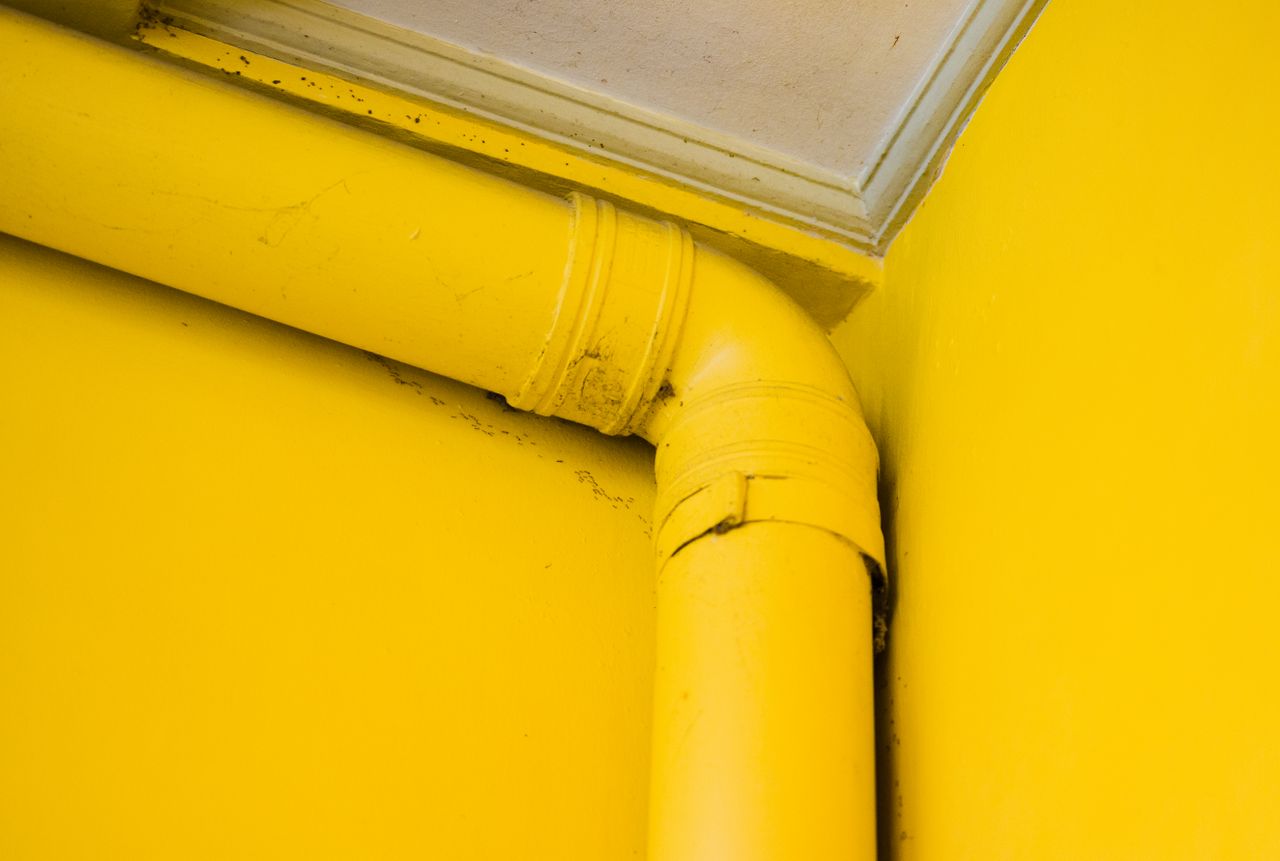
Beyond the home’s layout, the condition and accessibility of the existing plumbing network can influence project timelines.
When plumbing lines are easy to locate and access, installation typically proceeds more smoothly. However, hidden or difficult-to-reach pipes may require:
- Additional exploratory work
- More wall openings
- Specialized equipment
- Longer installation times
Professional plumbers assess accessibility during the initial inspection to develop an efficient installation strategy.
Existing Plumbing Condition
The condition of the old piping system can also affect how long a repiping project takes.
Corrosion And Pipe Deterioration
Older pipes may exhibit:
- Heavy corrosion
- Mineral buildup
- Rust damage
- Previous patch repairs
Severely deteriorated systems sometimes require additional work to safely disconnect or bypass aging components.
Previous Plumbing Modifications
Some homes have undergone multiple renovations over the years. In these cases, plumbers may encounter:
- Non-standard pipe routing
- Mixed piping materials
- Improper repairs
- Code violations
Correcting these issues can add time but helps ensure the new plumbing system functions properly and meets current standards.
Coordination With Other Trades
In some situations, repiping projects involve coordination with additional professionals.
Examples include:
- Drywall contractors
- Painters
- Tile installers
- Restoration specialists
Scheduling and coordinating these services may affect the overall project timeline, particularly when extensive wall or ceiling repairs are required.
Planning Helps Minimize Delays
Although many factors influence repiping duration, careful planning and professional project management can help keep work on schedule.
A qualified plumbing contractor will evaluate:
- Home size
- Bathroom count
- Accessibility
- Plumbing complexity
- Material selection
This assessment allows them to develop an accurate timeline and identify potential challenges before installation begins.
By understanding how factors such as home size, number of bathrooms, and property layout affect repiping duration, homeowners can better prepare for the project and enjoy a smoother, more efficient plumbing upgrade.
How Pipe Material Affects Installation Time
The material selected for repiping can influence project duration.
PEX Repiping
PEX has become one of the most popular repiping materials.
Benefits include:
- Flexible installation
- Fewer fittings
- Faster routing
- Reduced wall openings
Why PEX Often Installs Faster
PEX tubing can bend around obstacles.
This flexibility allows plumbers to:
- Install longer continuous runs
- Reduce cutting
- Avoid numerous connections
As a result, installation can often be completed more quickly.
Copper Repiping
Copper remains a trusted option for many homeowners.
Advantages include:
- Long lifespan
- Durability
- Proven performance
Why Copper May Take Longer
Copper installation often requires:
- More cutting
- More fittings
- Soldered connections
These additional steps can increase labor time compared to PEX systems.
The Stages Of A Whole Home Repiping Project
Understanding the phases of a repiping project helps explain where time is spent.
Initial Inspection And Planning
The process begins with a professional assessment.
Plumbers evaluate:
- Existing pipe condition
- Water pressure
- Home layout
- Fixture locations
Developing The Repiping Plan
The contractor creates a strategy for:
- Pipe routing
- Material selection
- Access points
- Scheduling
Proper planning helps prevent delays later in the project.
Permitting
Some municipalities require permits before repiping begins.
Permit Approval Timelines
Permit processing times vary.
Approval may take:
- A few days
- One week
- Several weeks
Depending on local regulations.
Permit requirements can affect the overall project schedule.
Site Preparation
Before installation begins, technicians prepare the work area.
Preparation may include:
- Protecting floors
- Covering furniture
- Marking wall openings
- Establishing access routes
Proper preparation improves efficiency and minimizes property damage.
Installing New Water Lines
This phase represents the majority of the project.
Plumbers install new pipes throughout the home.
Tasks include:
- Routing pipes
- Making connections
- Installing shutoff valves
- Connecting fixtures
Working Room By Room
Repiping is often completed in sections.
Crews may begin with:
- Bathrooms
- Kitchen
- Laundry room
- Utility areas
This organized approach helps maintain progress.
Pressure Testing
After installation, the new system must be tested.
Why Testing Is Critical
Testing verifies:
- Leak-free connections
- Proper water pressure
- System integrity
Any issues discovered during testing can be corrected before project completion.
Final Inspection
Many jurisdictions require inspection approval.
Inspectors review:
- Pipe installation
- Code compliance
- Connection quality
Approval allows the project to move forward to final restoration.
Wall And Ceiling Repairs
Repiping often requires access openings.
After plumbing work is complete, restoration begins.
Common Restoration Tasks
These may include:
- Drywall repair
- Texture matching
- Painting
- Ceiling patching
Depending on project scope, restoration can add several days to the timeline.
Will Water Be Shut Off During The Entire Project?
Homeowners often worry about extended water outages.
Fortunately, water is usually not shut off for the entire project.
Temporary Water Interruptions
Most repiping contractors minimize disruptions.
Water may be shut off during:
- Final tie-ins
- Fixture connections
- Testing
Many homeowners maintain partial water service throughout much of the project.
Planning Around Water Shutoffs
Your contractor can provide:
- Daily schedules
- Expected outage times
- Temporary accommodations
This helps households prepare accordingly.
What Can Cause Delays During Repiping?
Even well-planned projects can encounter unexpected challenges.
Hidden Plumbing Problems
Older homes sometimes contain issues such as:
- Corroded fittings
- Previous repair errors
- Improper installations
Additional repairs may be necessary.
Structural Obstacles
Contractors occasionally discover:
- Hidden framing modifications
- Fire blocks
- Concrete barriers
These conditions can slow installation.
Older Homes Present Unique Challenges
Historic homes may contain:
- Unusual construction methods
- Obsolete plumbing configurations
- Limited access spaces
Additional planning may be required.
Permit And Inspection Delays
Municipal scheduling sometimes affects project completion.
Potential delays include:
- Permit processing backlogs
- Inspector availability
- Required corrections
These factors may extend timelines beyond the contractor’s control.
Material Availability
Supply chain disruptions occasionally impact scheduling.
Certain specialty materials may require:
- Additional shipping time
- Special orders
- Manufacturer lead times
Planning helps avoid these delays.
How Homeowners Can Help Speed Up The Process
Homeowners play an important role in keeping projects on schedule.
Clear Work Areas
Before work begins:
- Remove valuables
- Move furniture
- Clear closets
- Provide access to plumbing fixtures
This allows crews to start immediately.
Communicate Scheduling Needs
Inform your contractor about:
- Work-from-home schedules
- Medical needs
- Special events
- Travel plans
Advanced communication helps avoid conflicts.
Make Decisions Early
Delays can occur when homeowners postpone decisions regarding:
- Pipe materials
- Restoration preferences
- Fixture upgrades
Finalizing details early helps maintain momentum.
Signs It May Be Time To Schedule Repiping Soon
Waiting too long can increase the likelihood of plumbing emergencies.
Frequent Leaks
Recurring leaks often indicate widespread pipe deterioration.
Repeated repairs may become more expensive than repiping.
Rust-Colored Water
Discolored water may signal internal pipe corrosion.
Potential Warning Signs Include:
- Brown water
- Metallic taste
- Sediment buildup
- Staining around fixtures
These symptoms warrant professional evaluation.
Low Water Pressure
Aging pipes may restrict water flow.
Reduced pressure can affect:
- Showers
- Faucets
- Appliances
Repiping often restores consistent performance.
Aging Plumbing Systems
Many older plumbing materials have finite service lives.
Examples include:
- Galvanized steel
- Polybutylene
- Aging copper systems
Older pipes may benefit from proactive replacement.
Choosing The Right Repiping Contractor
The contractor you choose can have a major impact on the success, efficiency, and overall timeline of your whole home repiping project. An experienced plumbing professional can help prevent unnecessary delays, ensure code compliance, and deliver high-quality workmanship that protects your home’s plumbing system for years to come.
Look For Experience
Repiping is a specialized service that requires careful planning and technical expertise. Contractors with extensive repiping experience understand how to navigate common challenges and keep projects moving efficiently.
Experienced repiping professionals know how to:
- Anticipate potential obstacles before work begins
- Develop efficient pipe-routing strategies
- Minimize disruptions to daily household activities
- Complete installations according to local building codes
- Coordinate inspections and permit requirements
- Address unexpected issues quickly and effectively
A contractor who regularly performs repiping projects is often better equipped to provide accurate timelines and realistic expectations.
Verify Licensing And Insurance
Before hiring a contractor, confirm that they are properly licensed and insured. This helps protect both the homeowner and the workers involved in the project.
Ask for proof of:
- State or local plumbing licenses
- General liability insurance
- Workers’ compensation coverage
- Required permits for the project
Working with a qualified professional can help ensure the installation meets safety and regulatory standards.
Ask About Their Repiping Process
Every contractor may approach a project differently. Understanding their process can help you determine how organized and prepared they are.
Topics to discuss include:
- How they protect floors, furniture, and belongings
- How much wall access will be required
- Whether water service will remain available during portions of the project
- How inspections will be scheduled
- What cleanup procedures are included
A clear explanation of the process often indicates a well-established and professional operation.
Questions To Ask Before Hiring
Before signing a contract, consider asking the following questions:
- How many whole home repiping projects have you completed?
- What piping materials do you recommend for my home and why?
- How long do you expect my project to take?
- Will permits and inspections be handled by your company?
- Is drywall repair or restoration included in the estimate?
- What type of warranty do you provide on labor and materials?
- How will you communicate project updates and schedule changes?
- Are there any factors that could potentially delay completion?
The answers to these questions can provide valuable insight into the contractor’s experience, communication style, and overall professionalism.
Request A Detailed Written Estimate
A comprehensive estimate helps prevent misunderstandings and unexpected expenses later.
The estimate should clearly outline:
- Scope of work
- Materials being installed
- Labor costs
- Permit fees
- Inspection requirements
- Restoration services
- Estimated project timeline
- Warranty information
Having everything documented in writing creates transparency and helps homeowners compare contractors more effectively.
Prioritize Communication And Transparency
Good communication is one of the most important qualities in a repiping contractor. A company that responds promptly, answers questions thoroughly, and provides regular updates can make the entire experience less stressful.
Contractors who are transparent about timelines, costs, and potential challenges are often better positioned to deliver a smooth and successful project.
By taking the time to evaluate experience, qualifications, and communication practices, homeowners can choose a repiping contractor who is capable of completing the project efficiently while maintaining high standards of quality and professionalism.
Conclusion
A whole home repiping project typically takes between two and seven days, although larger or more complex homes may require additional time. Factors such as home size, plumbing layout, pipe material, permitting requirements, and restoration needs all influence the overall timeline.
While repiping may seem like a major undertaking, modern installation methods allow experienced professionals to complete many projects surprisingly quickly. Careful planning, skilled workmanship, and proactive communication help ensure the process stays on schedule while minimizing disruptions to daily life.
For homeowners experiencing recurring plumbing issues, understanding the repiping timeline can provide peace of mind and help them prepare for a smoother, more successful project.
Frequently Asked Questions
1. How Long Does A Typical Whole Home Repiping Project Take?
Most homes can be repiped in approximately two to seven days, depending on size, complexity, and accessibility.
2. Can I Stay In My Home During Repiping?
In most cases, yes. Homeowners can usually remain in the home, although temporary water shutoffs and work area restrictions may occur.
3. Is PEX Faster To Install Than Copper?
Generally, yes. PEX is flexible and often requires fewer fittings, which can reduce installation time.
4. Will Walls Need To Be Opened?
Often, yes. Some wall or ceiling access is typically necessary to route new piping. However, experienced contractors aim to minimize openings whenever possible.
5. Does Repiping Increase Home Value?
Updated plumbing systems can improve buyer confidence, reduce future maintenance concerns, and enhance overall property appeal.
6. What Is The Biggest Factor Affecting Repiping Timelines?
Home size and plumbing complexity are usually the most significant factors influencing project duration.
7. How Soon Can Water Be Turned Back On After Repiping?
Water is typically restored once installation, connections, and pressure testing are completed, often the same day as final tie-ins.
8. Do All Repiping Projects Require Permits?
Permit requirements vary by location. A licensed plumbing contractor can determine whether permits and inspections are necessary for your project.
Tired Of Plumbing Problems? It May Be Time For Repiping
If you’re constantly dealing with leaks, low water pressure, rusty water, or plumbing repairs that never seem to end, the problem may be deeper than a single pipe. As plumbing systems age, pipes can corrode, crack, and restrict water flow, leading to ongoing issues throughout your home. In many cases, repiping or whole home pipe replacement provides a lasting solution that saves homeowners time, stress, and money.
At Yorkshire Plumbing, we help Santa Rosa homeowners understand the true condition of their plumbing systems. Using advanced diagnostic tools, our team can identify hidden problems and determine whether repairs or a full repipe is the better long-term investment. You’ll get honest answers, clear recommendations, and quality workmanship every step of the way.
With nearly a decade of experience serving Sonoma County, Yorkshire Plumbing has earned a reputation for reliable service and dependable results. If your home’s plumbing is showing its age, contact Yorkshire Plumbing today to schedule a professional repiping evaluation.
Disclaimer
The information provided on this website is for general informational and educational purposes only and is not intended as professional plumbing or construction advice. You should consult with a licensed plumber or qualified contractor for guidance specific to your home or situation. Do not rely solely on the content of this site to make decisions about plumbing repairs, installations, or maintenance. While we strive to keep the information current and accurate, it may not reflect the most recent industry standards or code requirements. Yorkshire Plumbing & Drain Services disclaims all liability for any actions taken or not taken based on the content of this site, to the fullest extent permitted by law.