Sonoma County is known for its beautiful landscapes, historic neighborhoods, and charming homes that reflect decades of architectural character. From classic cottages and ranch-style residences to historic properties that have stood for generations, many homeowners appreciate the unique appeal of older homes. However, aging homes often come with aging plumbing systems, and those systems may no longer perform as reliably as they once did.
While a home’s structure may appear solid and well-maintained, the plumbing hidden behind walls, under floors, and beneath foundations can experience significant wear over time. Pipes that were installed decades ago eventually deteriorate, leading to leaks, water quality concerns, reduced water pressure, and costly repairs. In many cases, homeowners discover that recurring plumbing problems are not isolated issues but symptoms of a larger system-wide problem.
Repiping offers a long-term solution by replacing outdated plumbing lines with modern materials designed for durability and efficiency. Understanding why older homes in Sonoma County often need repiping can help homeowners make informed decisions about protecting their property, preserving home value, and avoiding unexpected plumbing emergencies.
Key Takeaways
- Many older Sonoma County homes still contain aging plumbing materials that are reaching the end of their service life.
- Corrosion, mineral buildup, and pipe deterioration can significantly impact plumbing performance.
- Frequent leaks may indicate widespread pipe failure rather than isolated damage.
- Repiping can improve water pressure, water quality, and overall plumbing reliability.
- Modern materials such as PEX and copper offer long-term durability and improved performance.
- Addressing aging plumbing proactively can help homeowners avoid costly water damage and emergency repairs.
- Repiping often increases property value and enhances buyer confidence during home sales.

Understanding The Age Of Sonoma County Homes
Sonoma County contains a diverse housing inventory that spans multiple generations of construction.
Many Homes Were Built Decades Ago
Numerous neighborhoods throughout Sonoma County feature homes built during the:
- 1940s
- 1950s
- 1960s
- 1970s
- 1980s
Many of these properties still contain portions of their original plumbing systems.
Although pipes are designed to last for many years, they are not intended to function indefinitely. Even well-maintained plumbing systems eventually experience deterioration due to age and everyday use.
Original Plumbing Materials May Be Outdated
Depending on the age of the home, original plumbing systems may include:
- Galvanized steel pipes
- Older copper piping
- Polybutylene pipes
- Mixed-material plumbing systems
Each material has a limited lifespan and may present specific challenges as it ages.
Time Affects Every Plumbing System
Regardless of material type, decades of exposure to:
- Water flow
- Mineral deposits
- Temperature fluctuations
- Internal corrosion
- Ground movement
can gradually weaken plumbing infrastructure.
As pipes age, homeowners often notice increasing plumbing problems that become more frequent and expensive over time.
The Impact Of Aging Galvanized Steel Pipes
One of the most common reasons older homes require repiping is the presence of galvanized steel plumbing.
What Are Galvanized Pipes?
Galvanized pipes are steel pipes coated with zinc to help resist rust and corrosion.
These pipes were widely installed in homes throughout much of the twentieth century and were once considered a durable plumbing solution.
Corrosion Develops Internally
Over time, the protective zinc coating begins to deteriorate.
As the coating wears away:
- Rust forms inside the pipe
- Corrosion accumulates
- Pipe diameter gradually narrows
- Water flow becomes restricted
This process often occurs out of sight until noticeable problems emerge.
Water Pressure Begins To Decline
As internal buildup increases, water has less space to travel through the pipe.
Homeowners may experience:
- Weak shower pressure
- Slow-filling bathtubs
- Reduced faucet flow
- Inconsistent water delivery
Many people initially assume fixtures are the problem when the actual issue lies within aging pipes.
Increased Risk Of Leaks
Corrosion weakens pipe walls.
As deterioration progresses:
- Small leaks develop
- Pipe joints fail
- Water damage becomes more likely
Once galvanized systems begin failing in multiple locations, repiping often becomes more practical than repeated repairs.
Mineral Buildup From Hard Water
Water quality can significantly influence pipe longevity.
Hard Water Is Common In Many Areas
Hard water contains dissolved minerals such as:
- Calcium
- Magnesium
Over time, these minerals accumulate inside plumbing systems.
Scale Buildup Restricts Water Flow
Mineral deposits can cling to pipe interiors.
As scale develops:
- Pipe openings become smaller
- Water flow decreases
- Plumbing efficiency declines
The effects are often more severe in older plumbing systems already experiencing corrosion.
Fixtures May Also Be Affected
Homeowners may notice:
- Mineral stains
- Reduced faucet performance
- Clogged showerheads
- Appliance inefficiencies
While cleaning fixtures may provide temporary relief, underlying pipe restrictions often remain.
Frequent Plumbing Leaks Become More Common
Recurring plumbing leaks are one of the clearest signs that an older home’s plumbing system may be reaching the end of its useful life. While an occasional leak can often be repaired without major concern, repeated leaks occurring in different areas of the home may indicate widespread deterioration throughout the plumbing network. In many older Sonoma County homes, aging pipes gradually weaken over time, making leaks increasingly common and more costly to address.
Aging Pipes Develop Weak Points
As plumbing systems age, years of constant water flow, pressure changes, and environmental factors can take a toll on pipe materials. Small vulnerabilities often develop throughout the system, increasing the likelihood of leaks.
Common causes of pipe failure include:
- Internal corrosion
- Pipe wall thinning
- Deteriorating joints and fittings
- Mineral buildup
- Water pressure fluctuations
- Long-term wear and tear
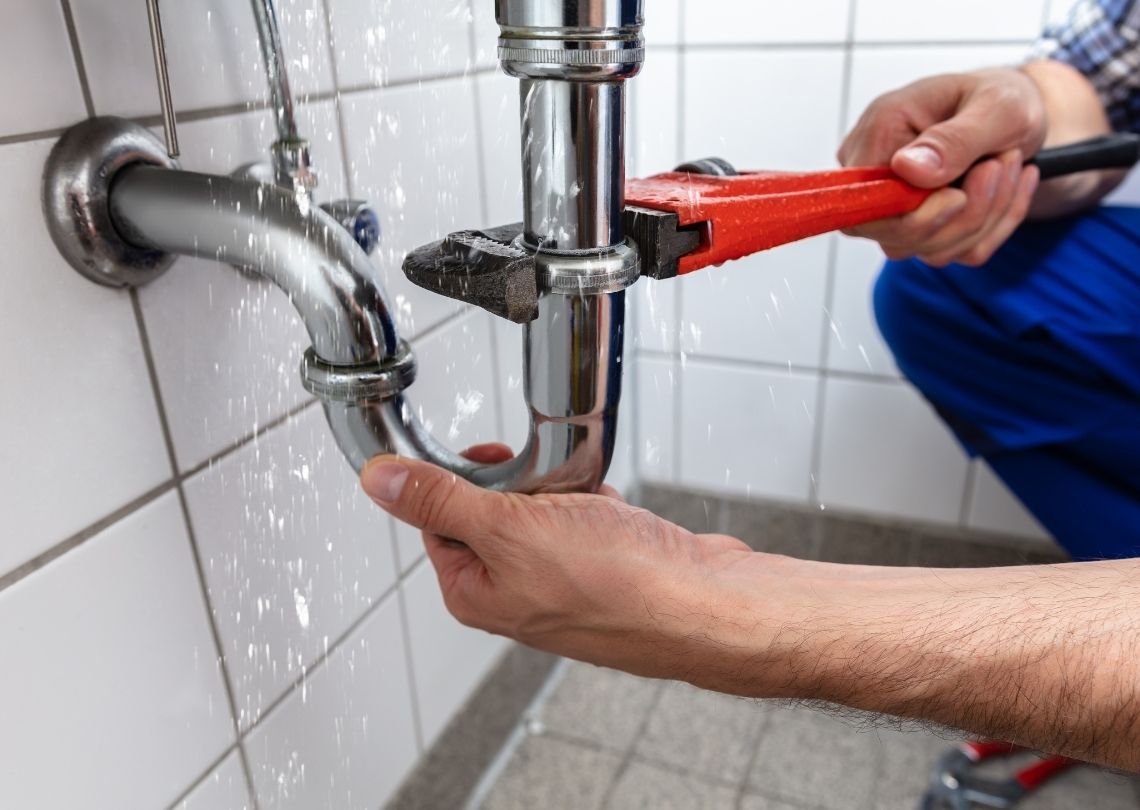
These weak points may initially result in minor drips or pinhole leaks. However, as deterioration continues, larger leaks can occur unexpectedly. Homeowners often find themselves repairing one section of pipe only to experience another leak elsewhere a few months later. This pattern is a strong indication that the entire plumbing system may be aging rather than a single pipe segment failing.
Why Older Pipes Leak More Frequently
Many older homes in Sonoma County still contain plumbing materials that have been in service for several decades. Over time, exposure to moisture, minerals, and changing water conditions can gradually break down the integrity of these materials.
As pipes age, they become more susceptible to:
Corrosion
Metal pipes can corrode internally and externally, weakening pipe walls and creating small openings where water can escape.
Joint Failure
Pipe connections are often among the first components to show signs of wear. Aging joints can loosen or deteriorate, allowing leaks to develop around fittings.
Material Fatigue
Decades of expansion and contraction caused by temperature changes can place stress on plumbing materials, eventually leading to cracks or fractures.
Increased Water Pressure Stress
Even normal household water pressure can strain aging pipes that have already been weakened by years of use.
Repeated Repairs Add Up
When a leak occurs, homeowners naturally want to repair the immediate problem. Spot repairs can be effective for isolated plumbing issues, but they may become less practical when leaks continue appearing throughout the home.
Common expenses associated with recurring leaks include:
- Leak detection services
- Pipe repairs
- Emergency plumbing visits
- Drywall repair and repainting
- Flooring replacement
- Cabinet restoration
- Water damage cleanup
- Mold remediation
While each repair may seem manageable, the cumulative cost of addressing multiple leaks over several years can become substantial. In many cases, homeowners discover that investing in a complete repiping project is more cost-effective than continually repairing sections of an aging system.
Hidden Leaks Can Cause Extensive Damage
One of the greatest concerns with aging plumbing systems is that many leaks remain hidden from view. Unlike a dripping faucet or a visible pipe leak under a sink, concealed leaks can continue for weeks or even months before being discovered.
Water may escape behind:
- Interior walls
- Kitchen and bathroom cabinets
- Ceiling cavities
- Crawl spaces
- Under flooring
- Beneath foundations
Because these areas are not routinely inspected, damage can accumulate unnoticed. By the time homeowners recognize the problem, significant repairs may already be necessary.
Potential Consequences Of Undetected Leaks
Hidden plumbing leaks can affect far more than just the plumbing system itself. Ongoing moisture exposure may contribute to:
Structural Damage
Water can weaken framing, drywall, insulation, and flooring materials over time.
Mold and Mildew Growth
Moist environments create ideal conditions for mold development, which can spread quickly throughout affected areas.
Increased Utility Bills
Even small leaks can waste significant amounts of water, resulting in higher monthly water costs.
Property Damage
Furniture, flooring, personal belongings, and finished surfaces may all be affected by prolonged water exposure.
When Recurring Leaks Indicate The Need For Repiping
A single leak does not necessarily mean a home requires repiping. However, homeowners should consider a professional plumbing evaluation if they experience:
- Multiple leaks within a short period
- Leaks occurring in different areas of the home
- Aging galvanized or older copper pipes
- Water discoloration alongside leak problems
- Consistently low water pressure
- Increasing plumbing repair costs
These warning signs often suggest that the plumbing system is experiencing widespread deterioration rather than isolated failures.
Repiping Provides A Long-Term Solution
When recurring leaks become a pattern, repiping addresses the root cause by replacing aging plumbing lines with modern materials. Rather than continually repairing individual problem areas, homeowners gain a new plumbing system designed to provide reliable performance for decades.
Benefits of repiping include:
- Reduced risk of future leaks
- Improved water pressure
- Better water quality
- Lower maintenance costs
- Greater peace of mind
- Enhanced property value
For many Sonoma County homeowners, repiping becomes a proactive investment that helps prevent expensive water damage while restoring confidence in the home’s plumbing system.
Poor Water Quality Can Signal Pipe Problems
Water quality issues frequently originate within aging plumbing systems.
Metallic Taste Or Odor
Corroded pipes can affect drinking water quality.
Symptoms may include:
- Metallic taste
- Unpleasant odors
- Water discoloration
These signs often suggest aging pipes are deteriorating internally.
Sediment In Water
As pipes corrode, particles may break loose and enter the water supply.
Homeowners may observe:
- Visible debris
- Cloudy water
- Sediment accumulation
Repiping eliminates many of these concerns by replacing deteriorated plumbing materials.
Low Water Pressure Throughout The Home
Persistent low water pressure is another common sign of aging plumbing.
Pressure Problems Affect Daily Activities
Low pressure can make routine tasks frustrating.
Examples include:
- Showering
- Washing dishes
- Doing laundry
- Filling containers
When multiple fixtures experience poor pressure simultaneously, the issue may involve the plumbing system rather than individual fixtures.
Internal Restrictions Limit Flow
Corrosion and mineral buildup narrow pipe interiors.
As flow pathways shrink:
- Water movement slows
- Pressure drops
- System efficiency declines
Repiping restores proper pipe diameter and improves overall performance.
Outdated Plumbing Materials Can Present Risks
Certain older plumbing materials may create additional concerns beyond normal wear and tear.
Polybutylene Plumbing Systems
Some homes built during specific decades may contain polybutylene piping.
Although initially popular, polybutylene became known for reliability concerns.
Potential issues include:
- Unexpected failures
- Cracking
- Joint weaknesses
Many homeowners choose proactive replacement to avoid future problems.
Aging Copper Systems
Copper is highly durable, but even copper pipes have finite lifespans.
Factors that contribute to aging include:
- Corrosion
- Water chemistry
- Pipe wear
- Pinhole leaks
Older copper systems may eventually require replacement after decades of service.
Mixed Plumbing Materials
Homes that have undergone multiple renovations sometimes contain a mixture of:
- Copper
- Galvanized steel
- Plastic piping
Mixed systems can create compatibility challenges and inconsistent performance.
Repiping allows homeowners to establish a uniform plumbing network.
Sonoma County Environmental Factors
Local conditions can influence plumbing system longevity.
Seasonal Temperature Changes
Although Sonoma County generally enjoys a mild climate, plumbing systems still experience:
- Seasonal expansion
- Seasonal contraction
- Temperature fluctuations
These movements gradually stress pipe materials.
Soil Movement
Ground movement can affect underground plumbing.
Contributing factors include:
- Soil settling
- Seasonal moisture changes
- Natural earth movement
Over time, these conditions may strain pipes and connections.
Aging Infrastructure
Older neighborhoods often contain aging utility infrastructure.
As homes and community systems age together, plumbing issues can become more common.
Signs It May Be Time To Consider Repiping
Several warning signs suggest homeowners should schedule a plumbing assessment.
Multiple Leaks Within A Short Period
Frequent repairs often indicate widespread pipe deterioration.
Consistent Water Discoloration
Rust-colored water may signal advanced corrosion.
Noticeable Loss Of Water Pressure
Declining performance throughout the home often points to internal pipe restrictions.
Aging Plumbing Materials
Older galvanized, polybutylene, or deteriorating copper systems may warrant replacement.
Rising Repair Costs
When plumbing expenses continue increasing, repiping may provide a more cost-effective long-term solution.
How Repiping Protects Property Value
Plumbing reliability is an important consideration for homeowners and buyers alike.
Buyers Prefer Updated Systems
Prospective buyers often appreciate:
- Modern plumbing
- Reduced maintenance concerns
- Lower risk of future repairs
Updated plumbing can strengthen a home’s market appeal.
Home Inspections May Reveal Plumbing Issues
Older pipes frequently become points of concern during inspections.
Repiping before listing a home can help prevent complications during the sales process.
Long-Term Investment Protection
Protecting a home’s plumbing system helps preserve:
- Structural integrity
- Property value
- Buyer confidence
- Overall functionality
Working With A Professional Repiping Contractor
Choosing the right plumbing professional is one of the most important decisions homeowners can make when planning a repiping project. Because repiping involves replacing a significant portion—or all—of a home’s plumbing system, the quality of the work can directly impact the system’s performance, durability, and reliability for years to come. An experienced contractor can help identify underlying issues, recommend appropriate materials, and ensure the installation is completed according to current plumbing standards.
Comprehensive Inspection
Before any repiping work begins, a qualified contractor should conduct a detailed evaluation of the home’s plumbing system. This inspection helps determine the overall condition of the pipes and identifies any issues that may affect the project.
During the assessment, the contractor typically evaluates:
- Existing pipe materials
- Signs of corrosion or deterioration
- Current and potential leak locations
- Water pressure performance
- Water quality concerns
- Plumbing layout and accessibility
- Areas at risk for future failures
A thorough inspection allows homeowners to understand the extent of their plumbing issues and provides a clear foundation for planning the repiping project.
Customized Recommendations
No two homes are exactly alike, especially in Sonoma County, where housing styles and construction ages can vary significantly. A knowledgeable repiping contractor will develop recommendations based on the specific needs of the property rather than offering a one-size-fits-all solution.
Factors commonly considered include:
Home Age And Construction
Older homes may contain outdated plumbing materials, unique layouts, or structural features that require specialized installation methods.
Plumbing System Configuration
The location of bathrooms, kitchens, laundry areas, and utility spaces can influence pipe routing and material selection.
Budget And Project Goals
Some homeowners prioritize long-term durability, while others focus on balancing performance and cost. A professional contractor can explain available options and help homeowners make informed decisions.
Future Plans For The Property
If homeowners plan to renovate, expand, or sell the property in the future, the repiping strategy may be adjusted to support those goals.
Customized recommendations help ensure the completed plumbing system meets both current needs and long-term expectations.
Quality Installation Matters
Even the highest-quality piping materials can underperform if they are not installed correctly. Proper workmanship plays a critical role in the success and lifespan of a repiping project.
Professional installation helps ensure:
- Consistent water pressure throughout the home
- Reliable plumbing performance
- Properly secured and protected piping
- Compliance with local plumbing codes
- Reduced risk of leaks and future failures
- Efficient operation of fixtures and appliances
Experienced contractors also take steps to minimize disruption during the project by carefully planning pipe routes, protecting the work area, and restoring affected surfaces whenever possible.
Importance Of Code Compliance
Building codes exist to protect homeowners and ensure plumbing systems operate safely and effectively. A reputable repiping contractor stays current with local and state plumbing requirements and performs work that meets applicable regulations.
Code-compliant installation can provide several benefits:
- Improved safety
- Reliable system performance
- Easier home inspections
- Fewer issues during future property sales
- Greater confidence in the completed work
Failure to comply with plumbing codes can lead to costly corrections and potential complications down the road.
Questions To Ask A Repiping Contractor
Before hiring a contractor, homeowners should ask questions that help evaluate experience and qualifications.
Helpful questions may include:
- How many repiping projects have you completed?
- What piping materials do you recommend and why?
- How long will the project take?
- Will permits be required?
- How will the home be protected during installation?
- What warranties are available?
- How will wall and ceiling access points be repaired?
Clear communication helps establish expectations and contributes to a smoother project experience.
The Value Of Professional Expertise
Repiping is a significant investment in a home’s infrastructure. Working with an experienced contractor provides access to specialized knowledge, proven installation practices, and professional guidance throughout the process. From the initial inspection to the final walkthrough, a qualified plumbing professional can help ensure the new plumbing system delivers dependable performance for many years.
Choosing an experienced contractor is ultimately one of the most effective ways to protect the value of the investment and achieve lasting results from a whole-home repiping project.
Conclusion
Older homes in Sonoma County offer timeless charm, character, and architectural appeal, but aging plumbing systems often require special attention. Decades of use, corrosion, mineral buildup, leaks, and outdated materials can gradually compromise plumbing performance and reliability. What may begin as minor issues such as low water pressure or occasional leaks can eventually develop into larger problems that affect the entire home.
Repiping provides a proactive solution that addresses these concerns at their source. By replacing aging pipes with modern materials, homeowners can improve water quality, restore water pressure, reduce maintenance costs, and protect their property from future damage. For many Sonoma County homeowners, investing in repiping is not simply about repairing old pipes—it is about preserving the safety, efficiency, and value of their home for years to come.
Frequently Asked Questions
1. How Long Do Plumbing Pipes Typically Last?
Lifespan varies by material. Galvanized steel pipes often last 40 to 60 years, while copper pipes can last 50 years or more under favorable conditions. Actual longevity depends on water quality, maintenance, and environmental factors.
2. What Are The Most Common Signs That A Home Needs Repiping?
Common indicators include recurring leaks, rust-colored water, low water pressure, unusual water taste, visible corrosion, and increasing plumbing repair costs.
3. Is Repiping Better Than Repeatedly Repairing Leaks?
When leaks become frequent or widespread, repiping is often the more cost-effective long-term solution because it addresses the root cause rather than isolated symptoms.
4. Will Repiping Improve Water Pressure?
Yes. Replacing pipes affected by corrosion and mineral buildup often restores proper water flow and significantly improves water pressure throughout the home.
5. What Piping Material Is Best For Older Homes?
PEX and copper are among the most common options. The best choice depends on factors such as budget, water conditions, home layout, and homeowner preferences.
6. How Disruptive Is A Whole-Home Repiping Project?
Professional plumbers use techniques designed to minimize disruption. While some wall access may be necessary, most repiping projects are completed efficiently with limited impact on daily routines.
7. Can Repiping Increase Home Value?
Updated plumbing is often viewed as a valuable improvement. Buyers appreciate modern systems that reduce maintenance concerns and the likelihood of future plumbing issues.
8. Should Homeowners Wait Until Pipes Fail Before Repiping?
Waiting for major failures can result in costly water damage and emergency repairs. Addressing aging plumbing proactively often helps homeowners avoid larger expenses and unexpected disruptions.
Tired Of Plumbing Problems? It May Be Time For Repiping
If you’re constantly dealing with leaks, low water pressure, rusty water, or plumbing repairs that never seem to end, the problem may be deeper than a single pipe. As plumbing systems age, pipes can corrode, crack, and restrict water flow, leading to ongoing issues throughout your home. In many cases, repiping or whole home pipe replacement provides a lasting solution that saves homeowners time, stress, and money.
At Yorkshire Plumbing, we help Santa Rosa homeowners understand the true condition of their plumbing systems. Using advanced diagnostic tools, our team can identify hidden problems and determine whether repairs or a full repipe is the better long-term investment. You’ll get honest answers, clear recommendations, and quality workmanship every step of the way.
With nearly a decade of experience serving Sonoma County, Yorkshire Plumbing has earned a reputation for reliable service and dependable results. If your home’s plumbing is showing its age, contact Yorkshire Plumbing today to schedule a professional repiping evaluation.
Disclaimer
The information provided on this website is for general informational and educational purposes only and is not intended as professional plumbing or construction advice. You should consult with a licensed plumber or qualified contractor for guidance specific to your home or situation. Do not rely solely on the content of this site to make decisions about plumbing repairs, installations, or maintenance. While we strive to keep the information current and accurate, it may not reflect the most recent industry standards or code requirements. Yorkshire Plumbing & Drain Services disclaims all liability for any actions taken or not taken based on the content of this site, to the fullest extent permitted by law.